15 Florida Museums Worth the Trip This April for Art, History & Coastal Charm
April is one of the best months to explore Florida — the weather is warm but not scorching, the crowds have thinned out, and the state’s incredible museums are in full swing. From stunning art collections to jaw-dropping science exhibits and seafaring history, Florida has a museum scene that rivals any state in the country.
Whether you’re a history buff, an art lover, or just someone looking for a meaningful day trip, this list has something for every kind of curious traveler. Pack your sunscreen and your sense of wonder — Florida’s best museums are ready for you.
1. The Dali Museum, St. Petersburg
Walking into The Dali Museum in St. Petersburg feels like stepping through a painting — specifically, one where clocks are melting and elephants have impossibly long legs. This is one of the most architecturally striking museums in the entire Southeast, and the building alone is worth the drive.
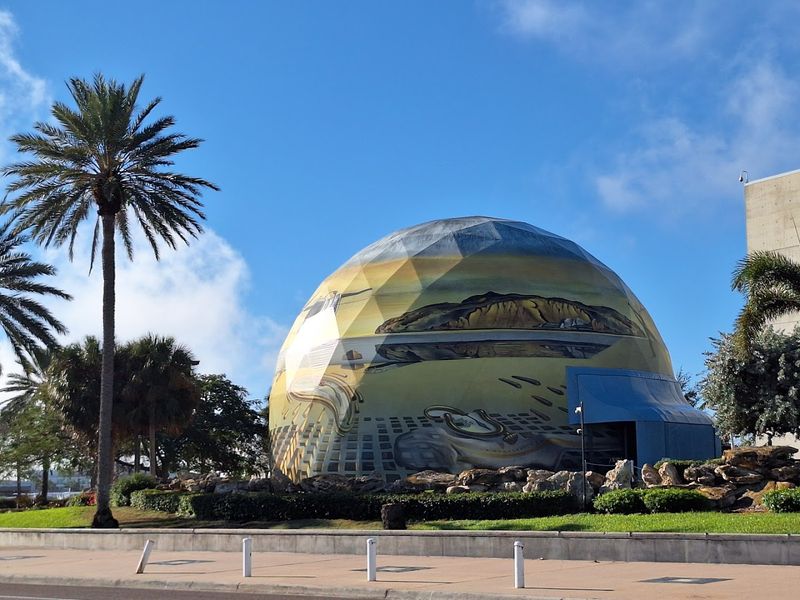
The outside features a dramatic glass geodesic bubble called the “enigma,” which wraps around the structure like something dreamed up by Dalí himself.
Inside, you’ll find the largest collection of Salvador Dalí’s work outside of Europe. The museum holds over 2,400 works, including paintings, sculptures, photographs, and drawings that span his entire career.
Highlights include massive masterworks that take up entire walls and draw gasps from visitors who had no idea art could feel this alive.
April is a fantastic time to visit because St. Pete’s waterfront energy is at its peak without summer’s brutal heat. The museum sits right along the bay, so you can stroll outside between galleries and take in views of the water.
It’s a genuinely refreshing experience — mentally and physically.
The Dali Museum also hosts rotating special exhibitions, so even repeat visitors usually find something new. Check their calendar before you go, because April often brings special programming tied to art events across the city.
St. Petersburg has quietly become one of Florida’s top art destinations, and this museum is the crown jewel driving that reputation.
Families will appreciate the interactive areas and guided tours that break down Dalí’s surrealist style in ways that actually make sense. Kids who might normally tune out in museums tend to stay surprisingly engaged here — because honestly, who wouldn’t be fascinated by a painting of a tiger leaping out of a fish?
2. Vizcaya Museum and Gardens, Miami
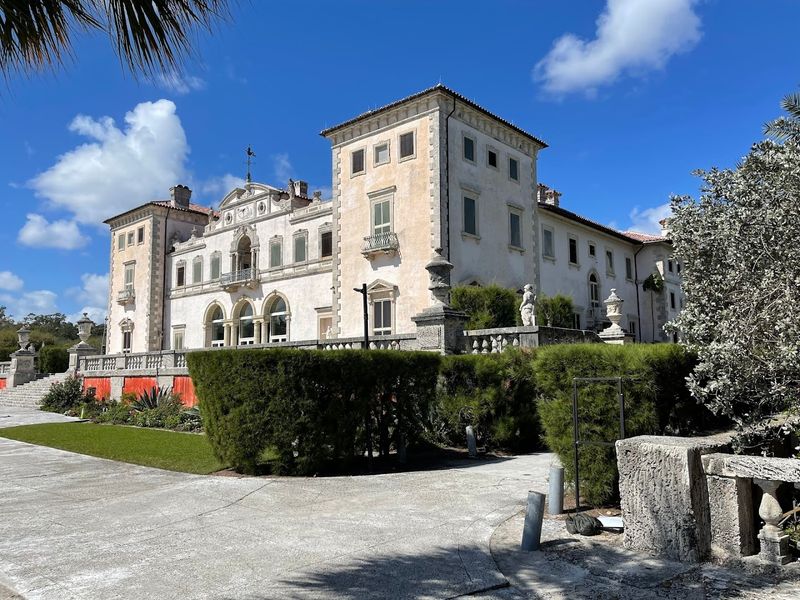
There are places in Florida that make you forget you’re in Florida — and Vizcaya Museum and Gardens in Miami is absolutely one of them. Built in the early 1900s as the winter home of industrialist James Deering, this stunning estate looks like it was plucked straight from the Italian Renaissance and dropped onto the shores of Biscayne Bay.
The effect is breathtaking and a little surreal in the best way.
The main villa is a 34-room mansion filled with European antiques, tapestries, and decorative arts collected from the 15th through 19th centuries. Every room tells a story about wealth, taste, and the Gilded Age obsession with European grandeur.
It’s the kind of place where you half-expect someone in a velvet coat to round a corner and offer you a glass of wine.
But the gardens — oh, the gardens. Vizcaya’s formal outdoor spaces are a masterpiece in their own right, featuring manicured hedges, stone fountains, secret grottos, and sweeping bay views.
April’s mild temperatures make wandering those paths an absolute pleasure. The bougainvillea is usually in full bloom, adding explosions of pink and purple to an already gorgeous setting.
The museum offers guided tours that go deep into the history of the estate, the Deering family, and the hundreds of workers — many of them Bahamian immigrants — who built and maintained the property. That human story adds real weight to the beauty you’re surrounded by.
Photographers will have a field day here. Every angle offers something frame-worthy, from the ornate stone barge anchored offshore to the vine-covered archways throughout the gardens.
Plan at least two to three hours to do Vizcaya justice — rushing through it would genuinely be a shame.
3. Boca Raton Museum of Art, Boca Raton
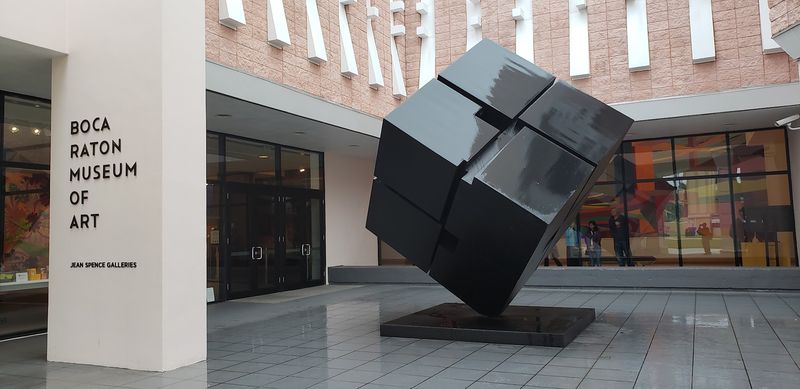
Boca Raton has a reputation for luxury and sunshine, and the Boca Raton Museum of Art fits right into that energy — but with serious cultural substance to back it up. Tucked inside Mizner Park, one of South Florida’s most charming outdoor shopping and dining districts, this museum is easy to combine with a full afternoon out.
You get world-class art and a great lunch spot all in the same zip code.
The permanent collection leans heavily into modern and contemporary works, with strong holdings in photography, African art, and works on paper. Names like Picasso, Degas, Matisse, and Warhol pop up in the galleries, which gives the collection an impressive range without feeling scattered.
The curation is thoughtful, and the gallery flow makes it easy to move through without losing your bearings.
What really sets this museum apart is its rotating exhibition calendar. April typically brings in traveling shows that draw national attention, so it’s worth checking what’s on display before your visit.
Past exhibitions have covered everything from street photography to abstract expressionism, keeping the experience fresh for returning visitors.
The sculpture garden outside is a hidden gem — a peaceful outdoor space featuring large-scale works surrounded by manicured landscaping. It’s the perfect spot to decompress between indoor galleries, especially on an April afternoon when the South Florida air is still tolerable.
Kids tend to love the outdoor sculptures because they’re big, bold, and interactive in spirit even when hands-off.
Admission is reasonably priced, and the museum offers free days for Florida residents on certain dates. For a city better known for golf and gated communities, Boca Raton’s art museum is a genuinely pleasant surprise that punches well above its weight class.
Don’t underestimate it.
4. Florida Museum of Natural History, Gainesville
Gainesville might be best known for the Gators, but the Florida Museum of Natural History gives visitors a completely different reason to make the trip. Housed on the University of Florida campus, this is the largest natural history museum in the Southeast — and it earns that title with exhibits that genuinely impress.
From ancient fossils to living butterflies, the range here is remarkable.
The Butterfly Rainforest is the undisputed star attraction. Step inside a screened tropical enclosure filled with hundreds of free-flying butterflies from around the world, and prepare to have one land on your shoulder within about three minutes.
It’s one of those experiences that sounds simple but turns out to be genuinely magical, especially for younger visitors who light up the moment a butterfly makes contact.
Beyond the butterflies, the museum features extensive galleries covering Florida’s natural history from prehistoric times to the present. The fossil hall is particularly impressive, with giant shark jaws, ancient sea creatures, and megafauna that roamed Florida thousands of years ago.
The sheer scale of some of these specimens makes you rethink everything you thought you knew about what once lived here.
The South Florida People and Environments gallery offers a nuanced look at the relationship between Florida’s indigenous communities and the natural world. It’s respectful, well-researched, and more emotionally engaging than a typical natural history display.
April is a great time to visit because the butterfly exhibit is in full swing and campus life adds a lively energy to the surrounding area.
Admission to the main museum is free, though the Butterfly Rainforest charges a small fee. For families, this is one of the best value museum experiences in the state — hours of genuine discovery without a big hit to the wallet.
5. National Naval Aviation Museum, Pensacola

Free admission, over 150 restored aircraft, and the kind of scale that makes your jaw drop — the National Naval Aviation Museum in Pensacola is one of Florida’s most underrated attractions, full stop. Situated on Naval Air Station Pensacola, the museum covers more than 300,000 square feet of exhibit space.
That’s not a typo. This place is enormous, and every corner of it is packed with aviation history.
The collection spans over a century of naval aviation, from early biplanes to supersonic jets. Highlights include a full-scale replica of an aircraft carrier flight deck, four Blue Angels A-4 Skyhawks suspended dramatically from the ceiling, and an immersive flight simulator that puts visitors in the cockpit.
If you’ve ever wondered what it feels like to land a fighter jet on a carrier, this is about as close as most of us will ever get.
The IMAX theater on-site shows aviation films that are genuinely thrilling rather than educational-in-a-boring-way. Pairing a film with a full museum walkthrough makes for a complete half-day experience.
April weather in Pensacola is near-perfect, and the museum’s outdoor flight line — featuring additional aircraft parked outside — benefits enormously from clear skies and comfortable temperatures.
History runs deep here. Pensacola is home to the oldest naval air station in the country, and the museum does an excellent job of honoring the people behind the planes.
Personal stories from pilots and crew members are woven throughout the exhibits, adding a human dimension to what could otherwise feel like a hardware show.
Families, veterans, aviation enthusiasts, and curious first-timers all find something meaningful here. The gift shop is also legitimately great — not just a souvenir afterthought, but a well-stocked spot for aviation books, models, and gear.
6. St. Augustine Lighthouse and Maritime Museum, St. Augustine
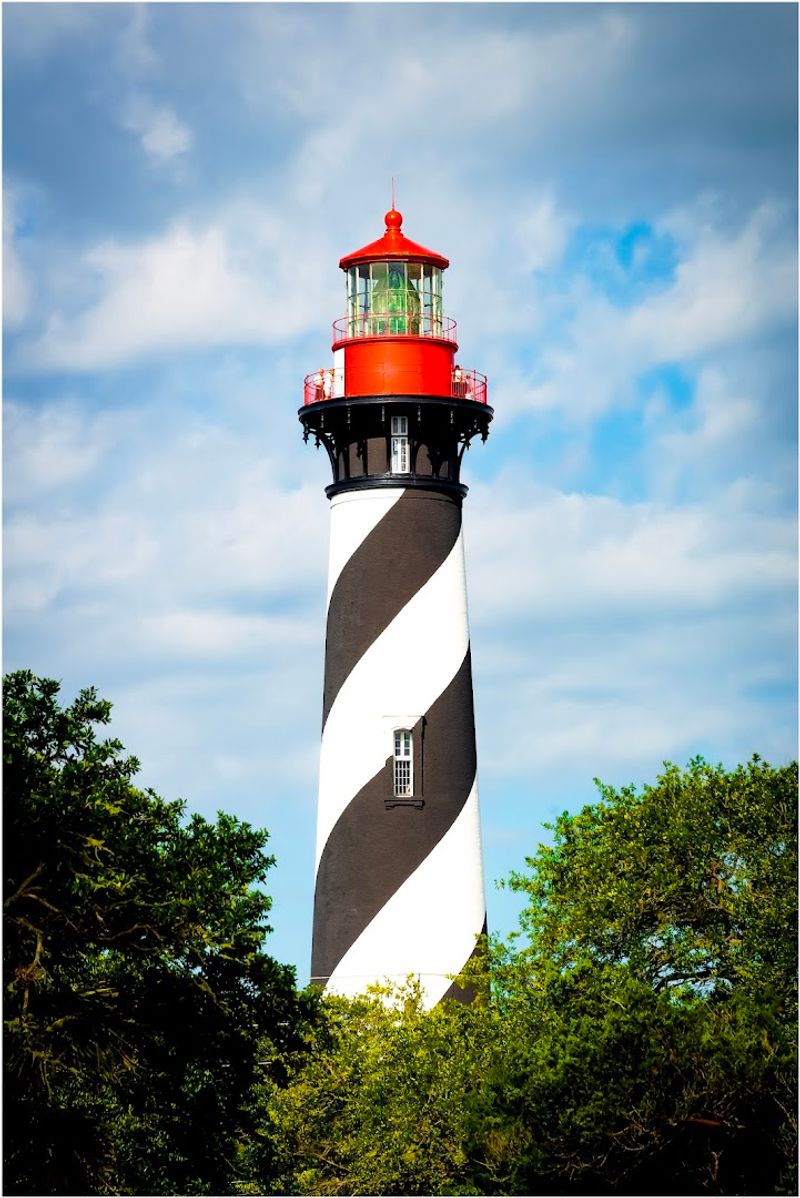
Standing at the base of the St. Augustine Lighthouse and tilting your head back to look straight up the 165-foot black-and-white striped tower is one of those small moments that somehow feels enormous. This is Florida’s oldest surviving lighthouse, and the views from the top — reached by climbing 219 spiral steps — are absolutely worth every single one of them.
On a clear April morning, you can see for miles across the Atlantic and the Matanzas River.
The maritime museum at the base of the lighthouse is packed with fascinating stories about Florida’s seafaring past. Exhibits cover shipwrecks, rescue operations, lighthouse keeper life, and the archaeology of vessels discovered in local waters.
The museum’s ongoing shipwreck archaeology program is a genuine research operation, and visitors can sometimes watch conservators working on recovered artifacts. That real-world science angle makes the whole experience feel less like a museum visit and more like a working discovery center.
St. Augustine itself is the oldest continuously occupied European settlement in the United States, and the lighthouse reflects that deep history. The lighthouse keeper’s house has been restored to its 19th-century appearance and offers a vivid snapshot of what daily life looked like for the families who maintained the light.
It’s surprisingly moving to walk through those small rooms and imagine the isolation and responsibility involved.
April is an ideal month for a St. Augustine visit because the city’s famous ghost tours and festivals are in full swing without the peak summer crowds. The lighthouse grounds are beautiful in spring, with coastal vegetation and sea breezes making the outdoor portions of the visit genuinely pleasant.
Arrive early in the morning for the best light — and the best lighthouse photos.
7. Edison and Ford Winter Estates, Fort Myers
What happens when two of America’s greatest inventors decide to vacation next door to each other in Southwest Florida? You get one of the most fascinating historic sites in the country.
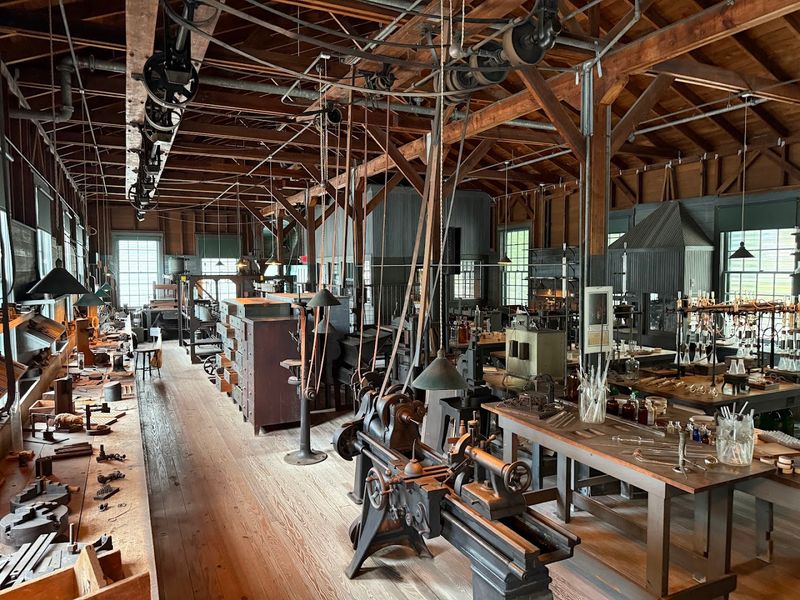
The Edison and Ford Winter Estates in Fort Myers preserves the neighboring winter homes of Thomas Edison and Henry Ford, along with Edison’s working laboratory and a botanical garden that he used for actual scientific research. The history here isn’t just displayed — it’s embedded in the soil.
Edison spent decades in Fort Myers and used the property to experiment with plants that could produce rubber, part of a wartime research effort. The botanical garden contains over a thousand different plant species, many of them planted by Edison himself.
Walking through it in April, when the tropical blooms are at their most vibrant, feels like moving through a living archive of one man’s relentless curiosity.
The museum building houses an impressive collection of Edison’s inventions, patents, and personal items. Seeing the actual phonographs, light bulb prototypes, and laboratory equipment up close — rather than in photographs — creates a completely different kind of connection to history.
Ford’s home next door is equally interesting, offering a glimpse into the private world of the man who put America on wheels.
Guided tours bring both estates to life with stories that go well beyond the textbook versions of these famous figures. You’ll hear about their friendship, their shared love of Fort Myers, and the ways the local community shaped their lives during their winter stays.
It’s personal history, not just industrial history.
The Caloosahatchee River runs along the property’s edge, adding natural beauty to an already gorgeous setting. Fort Myers is worth the drive just for this stop alone, and combining it with a walk along the river makes for a truly memorable April day trip.
8. Museum of Florida History, Tallahassee
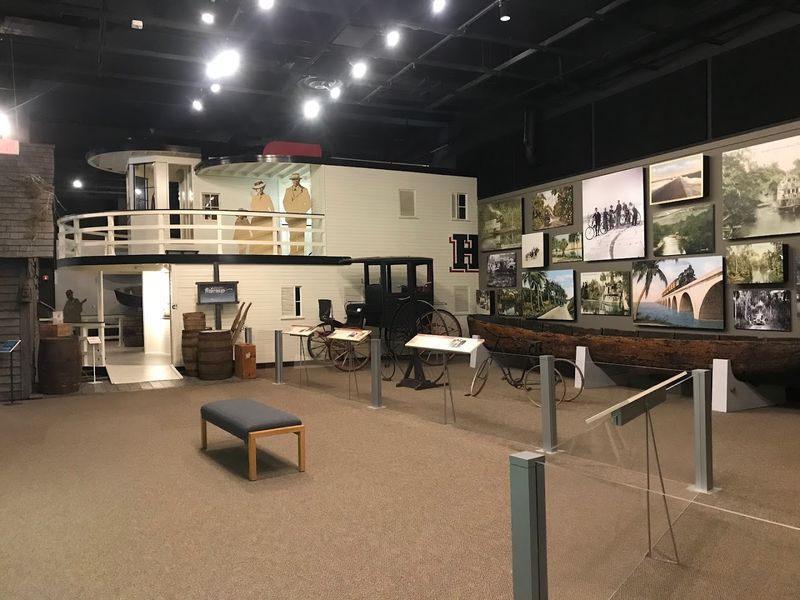
Florida’s history is wilder, stranger, and more layered than most people realize — and the Museum of Florida History in Tallahassee is the best single place to get the full picture. Located in the R.A.
Gray Building in the state capital, this museum covers Florida’s story from prehistoric times all the way through the 20th century, and it does so with exhibits that are genuinely engaging rather than dry or textbook-ish.
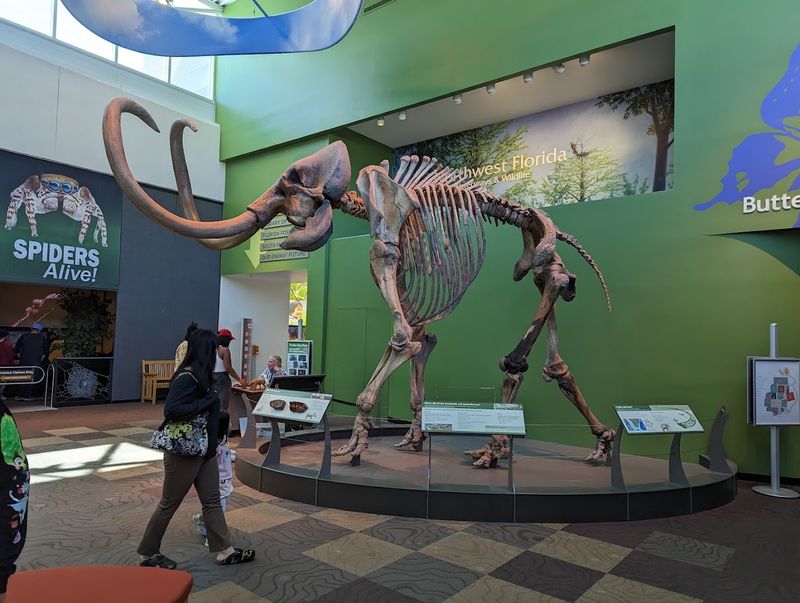
The mastodon skeleton near the entrance sets the tone immediately. Florida was once home to megafauna that would seem completely out of place in today’s sunshine-and-sandcastle landscape, and the museum doesn’t let you forget it.
Fossil displays, ancient tools, and artifacts from Florida’s earliest human inhabitants paint a picture of a land that has been continuously occupied and transformed for thousands of years.
Spanish colonial history, the Seminole Wars, the Civil War, the citrus boom, and the space race all get their own well-developed sections. What’s impressive is how the museum connects these seemingly separate chapters into a coherent narrative of a state constantly remaking itself.
The timeline feels logical and compelling, not like a random collection of old stuff behind glass.
Admission is free, which makes this one of the best deals in the state for history lovers. The museum is also family-friendly, with interactive elements and child-height displays that keep younger visitors engaged.
April is a pleasant time to visit Tallahassee — the azaleas around the capitol complex are often still blooming, making the surrounding area as beautiful as the exhibits inside.
The gift shop stocks an excellent selection of Florida history books, maps, and educational materials. If you leave without buying at least one book about Seminole history or Florida archaeology, you’ve got more willpower than most visitors manage to hold onto.
9. Leepa-Rattner Museum of Art, Tarpon Springs
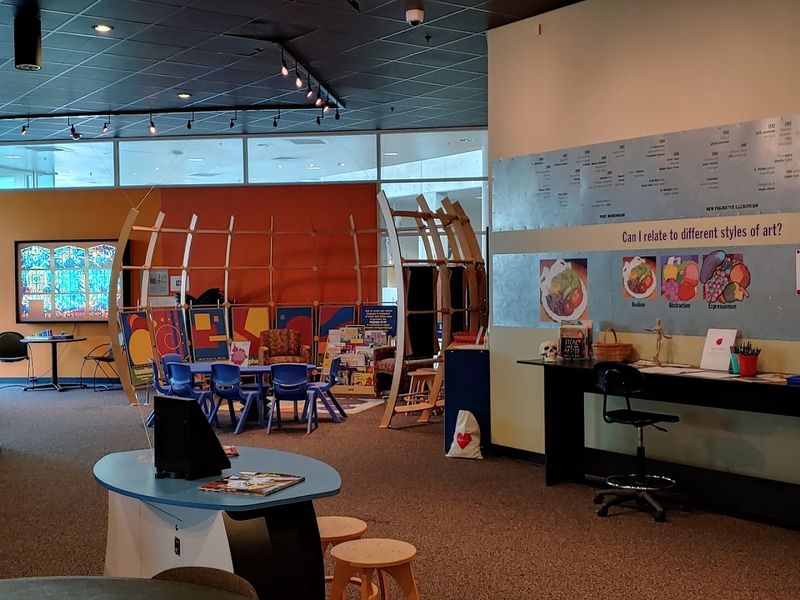
Tarpon Springs is famous for its Greek heritage and sponge docks, but there’s a cultural gem tucked on the St. Petersburg College campus that most visitors completely miss.
The Leepa-Rattner Museum of Art houses one of the most personal and unusual art collections in Florida — built around works donated by artist Abraham Rattner and his son Allen Leepa, both of whom had deep roots in the 20th-century avant-garde movement.
The result is a museum with a distinct personality and a story behind every piece.
Rattner’s work is expressive, colorful, and deeply influenced by both Jewish mysticism and European modernism. His large-scale paintings have an emotional intensity that hits you before you’ve even had time to read the label.
Leepa’s works complement his father’s without copying them — together, the collection creates a conversation across generations that feels genuinely moving. It’s not a typical museum experience, and that’s exactly what makes it worth the trip.
The museum also hosts rotating exhibitions featuring contemporary Florida artists and traveling shows from across the country. April programming often includes artist talks and gallery events tied to the broader cultural calendar of the Tampa Bay region.
The museum’s size works in its favor — it’s intimate enough that you can see everything without exhaustion, but substantial enough to feel like a real discovery.
Tarpon Springs itself is a fantastic complement to a museum visit. The Greek sponge docks are just a few minutes away, and the combination of baklava, fresh seafood, and modern art makes for a genuinely eclectic afternoon.
The museum is free to students and modestly priced for general admission, making it an accessible option for families and solo visitors alike.
Parking is easy, the staff is welcoming, and the whole experience has a refreshingly low-key vibe that bigger museums sometimes lose. A hidden gem in the truest sense.
10. Florida Maritime Museum, Cortez
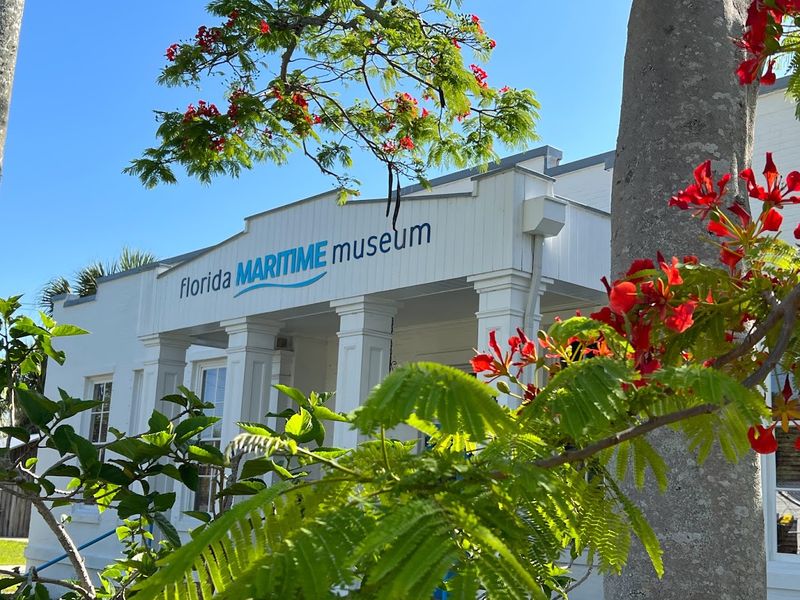
Cortez is one of the last true working fishing villages in Florida, and the Florida Maritime Museum is the keeper of its remarkable story. Sitting right in the heart of this tiny coastal community south of Bradenton, the museum occupies a cluster of historic buildings that have been part of Cortez’s waterfront for over a century.
Visiting feels less like going to a museum and more like stepping into a living history lesson that’s still very much in progress.
The collection focuses on Florida’s commercial fishing heritage — the boats, the nets, the tools, the seasons, and the families who built their lives around the water. Handmade wooden boats are a highlight, some of them still seaworthy, all of them beautiful in the way that only handcrafted working vessels can be.
The craftsmanship on display reflects generations of knowledge passed down through fishing families who knew the Gulf of Mexico like most people know their own neighborhoods.
What makes this museum particularly compelling is its community context. Cortez is fighting hard to preserve its identity as development pressure mounts all around it, and the museum is central to that effort.
Walking through the exhibits, you feel the stakes — this isn’t just history, it’s an ongoing conversation about what Florida loses when its working-waterfront communities disappear. That urgency gives the visit real emotional weight.
April is one of the best times to visit because the weather is mild and the village itself is active with fishing boats coming and going. The museum sometimes hosts boat-building demonstrations and waterfront events in spring that add a hands-on dimension to the experience.
Check their schedule before you go.
Admission is affordable, the grounds are gorgeous, and the volunteers who staff the museum are often longtime Cortez residents with first-hand stories that no exhibit panel can replicate. This one stays with you.
11. Destin History and Fishing Museum, Destin
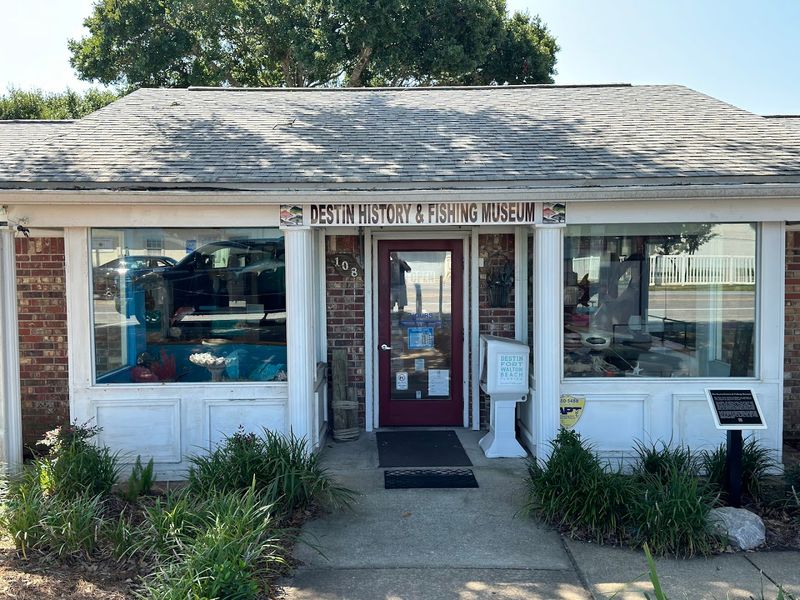
Destin calls itself the “World’s Luckiest Fishing Village,” and the Destin History and Fishing Museum is where that claim gets its full origin story.
Small in size but big in personality, this community museum sits at the heart of one of Florida’s most beloved beach towns and tells the tale of how a handful of fishing families transformed a quiet Gulf Coast settlement into a world-renowned destination.
It’s the kind of local history museum that reminds you why small museums often outperform the big ones in sheer charm.
The fishing heritage is front and center, naturally. Vintage rods, reels, nets, and tackle fill the cases alongside photographs of massive catches and the weathered faces of the men and women who pulled them in.
The star of the collection is the Leonard Destin family story — the founding fisherman whose name became the town’s name. Following that lineage through photographs and artifacts creates a surprisingly personal connection to a place most visitors only know for its emerald water and white sand beaches.
Beyond fishing, the museum covers Destin’s evolution through the 20th century — from isolated outpost to military hub during World War II to the tourism explosion that defined the modern city.
That arc is more interesting than it sounds, especially the WWII section, which covers the area’s role in military training operations along the Gulf Coast.
April is prime season in Destin, with the beach crowds building but not yet overwhelming. Spending an hour or two at the museum before hitting the sand gives your beach day a layer of context that most visitors never bother to seek out.
The staff is enthusiastic and knowledgeable, often willing to share stories that go well beyond what’s written on the exhibit labels.
Admission is very affordable, and the museum is genuinely family-friendly. Kids who love fishing — or even just love boats — will find plenty here to hold their attention.
12. Rollins Museum of Art, Winter Park
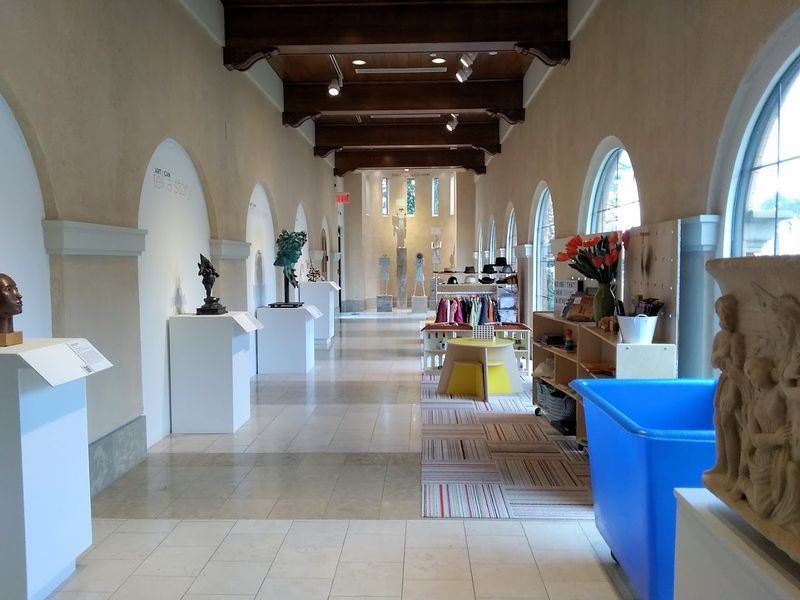
Winter Park is one of Central Florida’s most underappreciated towns — all brick streets, lakeside parks, and genuine cultural depth. The Rollins Museum of Art, located on the gorgeous campus of Rollins College, fits that character perfectly.
It’s a museum that takes art seriously without taking itself too seriously, and the result is a welcoming, intellectually stimulating space that locals love and tourists frequently overlook.
The permanent collection spans several centuries and multiple continents, with particular strengths in European paintings, American works, and ancient Mediterranean artifacts.
The Kress Collection of Italian Renaissance paintings is a standout — these are serious works with serious provenance, displayed in a setting that allows you to actually get close and look.
No fighting crowds, no velvet ropes at absurd distances. Just you and centuries of art history at a comfortable pace.
The museum also houses the Cornell Fine Arts Museum collection, which adds depth and variety to an already impressive roster of holdings.
Rotating exhibitions keep the experience dynamic, and April often brings strong programming tied to the college’s academic calendar and the broader cultural life of the Orlando metro area.
The connection to a living, active campus gives the museum an energy that freestanding institutions sometimes lack.
Admission is free, which feels almost too good to be true for the quality of what’s inside. Winter Park’s Park Avenue is just minutes away, offering excellent dining and shopping options to round out the visit.
The whole area has a walkable, European-village feel that pairs naturally with an afternoon spent looking at art.
For families, the museum’s intimate scale is actually an advantage — it’s easy to navigate with kids without losing anyone or running out of energy before you’ve seen everything. Rollins is a gem hiding in plain sight, and April is the perfect time to find it.
13. Phillip and Patricia Frost Museum of Science, Miami
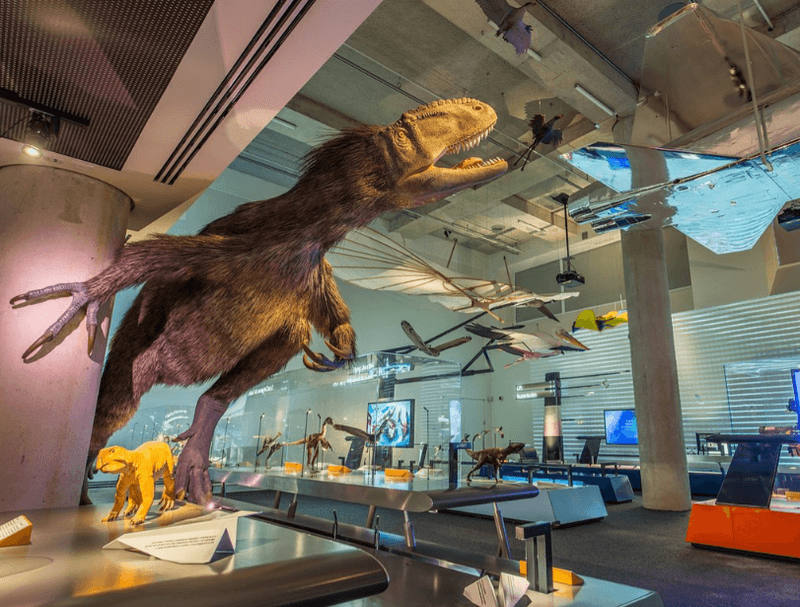
Miami’s Frost Museum of Science opened its doors in 2017 and immediately raised the bar for what a science museum could be.
Located in Museum Park along Biscayne Bay, the building itself is a statement — a sleek, contemporary structure housing a world-class planetarium, a living coral reef aquarium, and four floors of exhibit galleries that cover everything from the cosmos to the human body.
It’s ambitious, and it delivers.
The aquarium is the emotional centerpiece for most visitors. A three-story cylindrical tank called the Gulf Stream allows you to stand beneath a swirling mass of fish, rays, and sharks as they circle overhead and around you.
The viewing experience is unlike anything else in Florida — genuinely otherworldly in the best possible way. Younger visitors tend to press their faces against the glass and refuse to leave, which is honestly the correct response.
The planetarium shows are state-of-the-art, using a full-dome digital system to project immersive astronomical experiences that feel more like space travel than education.
Evening shows for adults have become a popular date-night option in Miami, which says a lot about how well the museum has integrated itself into the city’s social life.
Science and nightlife don’t always mix this naturally.
The exhibit galleries cover climate science, innovation, the Everglades ecosystem, and human biology with an approach that prioritizes hands-on engagement over passive observation. April is a great time to visit because spring break crowds have typically eased, making it easier to move through the exhibits at your own pace.
The museum’s location in the Museum Park district puts it close to the Pérez Art Museum Miami, making a double-museum day very doable.
Parking can be a challenge in that area of downtown Miami, so arriving by rideshare or water taxi is worth considering. Once you’re inside, though, the experience more than justifies the effort of getting there.
14. The Ringling Museum of Art, Sarasota
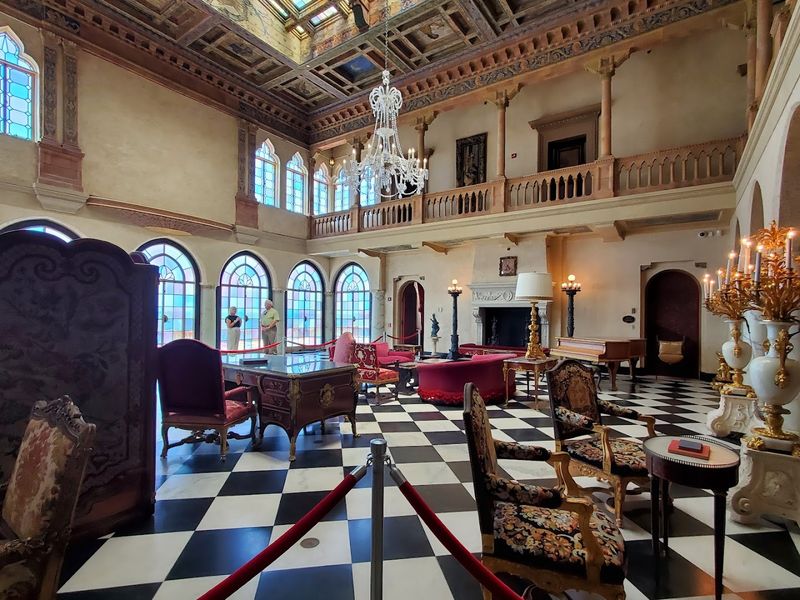
John Ringling built his Sarasota estate as a monument to everything he loved — circus spectacle, European grandeur, and the Gulf Coast light that made him fall in love with Florida in the first place.
The result is The Ringling, a 66-acre complex that includes one of the finest art museums in the South, a circus museum, a historic mansion called Ca’ d’Zan, and bayfront gardens that feel like a dream sequence.
There is genuinely no other place like it in Florida.
The art museum’s permanent collection is anchored by an extraordinary group of Peter Paul Rubens paintings — massive, dramatic Baroque canvases that Ringling acquired with the same boldness he applied to everything else.
The galleries also hold strong collections of Dutch Masters, Italian Renaissance works, and decorative arts that reflect Ringling’s wide-ranging and well-educated taste.
The building itself, modeled after a 15th-century Florentine palazzo, is as much a work of art as anything hanging on its walls.
The Circus Museum is a delight for all ages — a colorful, loud, wonderfully chaotic celebration of American circus history. Miniature circus models, vintage posters, costumes, and wagons fill the space with an energy that’s completely unlike the refined atmosphere of the art galleries next door.
The contrast between the two experiences is part of what makes a full day at The Ringling so satisfying.
Ca’ d’Zan, the Ringling winter mansion, is available for tours and offers a close-up look at Gilded Age excess at its most spectacular. The bayfront terrace alone — overlooking Sarasota Bay with its intricate tiled floors and soaring loggia — is worth the price of admission.
April evenings here are particularly magical, with warm breezes off the water and the mansion glowing in the late-day sun.
The Ringling regularly hosts outdoor concerts, film screenings, and special events in spring, making it easy to build an entire evening around a museum visit. Sarasota’s vibrant arts scene radiates outward from this complex, and spending time here helps you understand why.
15. Appleton Museum of Art, Ocala
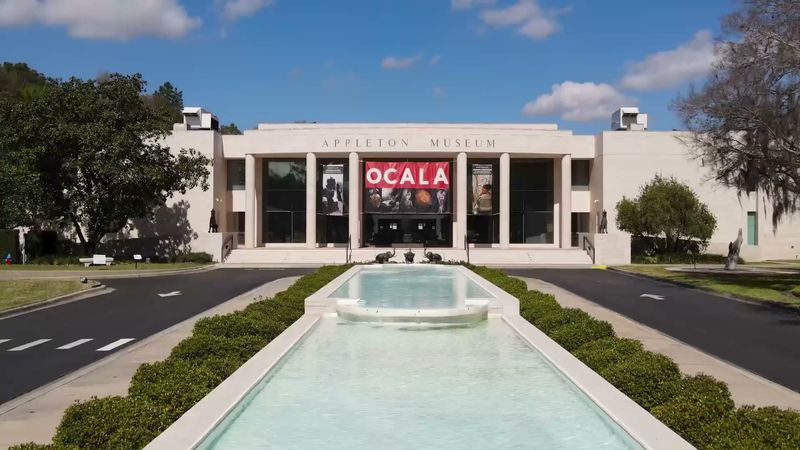
Ocala is horse country — rolling green pastures, white fences, and a way of life that feels distinctly different from the rest of Florida. In the middle of all that, the Appleton Museum of Art stands as a genuinely surprising cultural landmark.
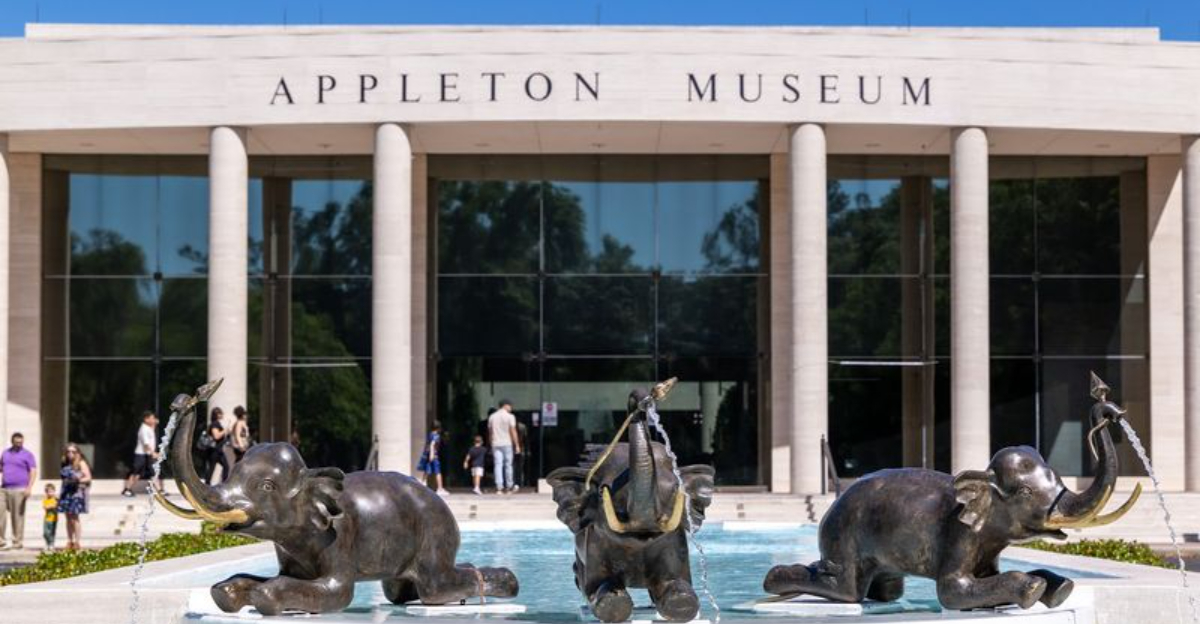
Built from Italian travertine marble and designed with neoclassical elegance, the building announces itself with quiet authority. It doesn’t shout for attention — it simply looks too beautiful to ignore.
The collection inside is equally impressive. Founded through the generosity of Arthur I.
Appleton, the museum holds over 20,000 objects spanning ancient civilizations, European masters, Asian decorative arts, African artifacts, and pre-Columbian works. The range is almost dizzying, but the curation keeps it coherent.
Moving from an Egyptian mummy case to a 19th-century French salon painting to a Japanese lacquer cabinet somehow makes sense in this context — each room feels like a deliberate conversation between cultures and centuries.
The European collection is particularly strong, with works from the 16th through 19th centuries that rival what you’d find in much larger institutions. The Dutch and Flemish paintings, in particular, reward slow, close looking.
There’s always something new to notice in those layered, meticulous canvases, even on a return visit.
April in Ocala is gorgeous — the horse farms are green, the air smells like fresh grass, and the drive out through Marion County is scenic in a way that most of Florida simply isn’t. Combining the Appleton with a drive through the horse country makes for a full, deeply satisfying day that feels nothing like a typical Florida tourist experience.
Admission is very reasonable, and the museum’s sculpture garden offers a peaceful outdoor counterpart to the richness inside. Free parking, a welcoming staff, and a genuinely world-class collection make the Appleton one of the most rewarding museum experiences in the entire state — and one of the most underappreciated.