Florida’s Top 10 Beaches for Beachcombing and Seashell Finds
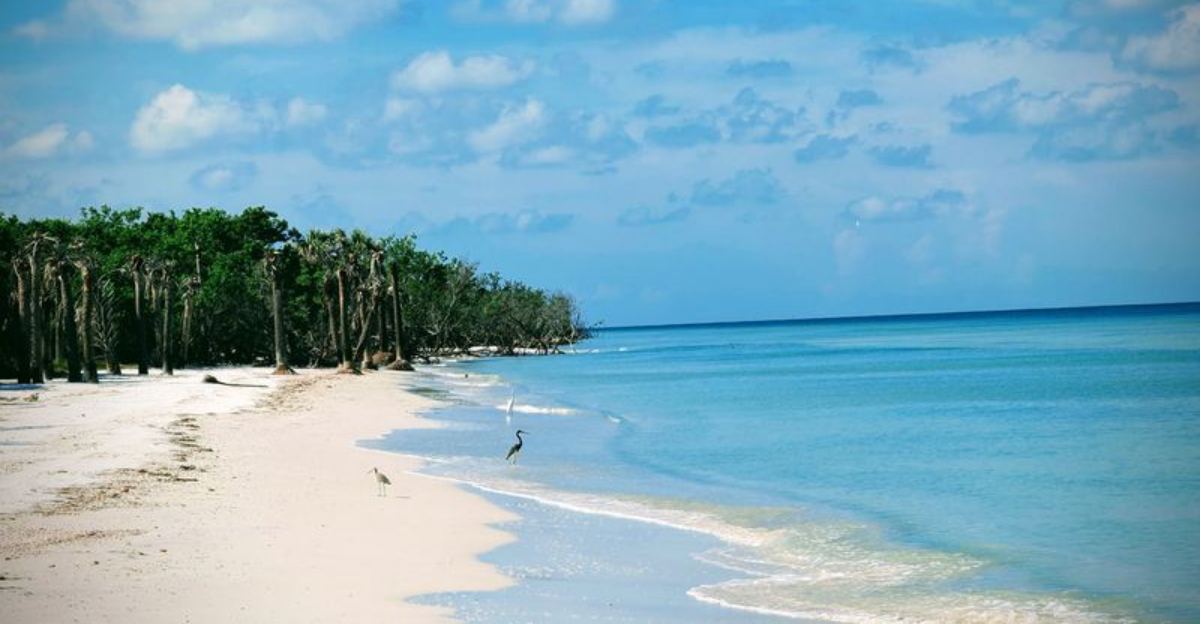
Florida’s coastline is basically a treasure chest that never runs out of goodies. From the Gulf’s warm, calm waters to the Atlantic’s energetic waves, the state offers some of the best beachcombing spots anywhere in the world.
Whether you’re a seasoned shell collector or just starting out, knowing where to look makes all the difference. Pack a mesh bag, wear some water shoes, and get ready to discover beaches that will have you coming back every single year.
1. Sanibel Island (“Shelling Capital of the World”)
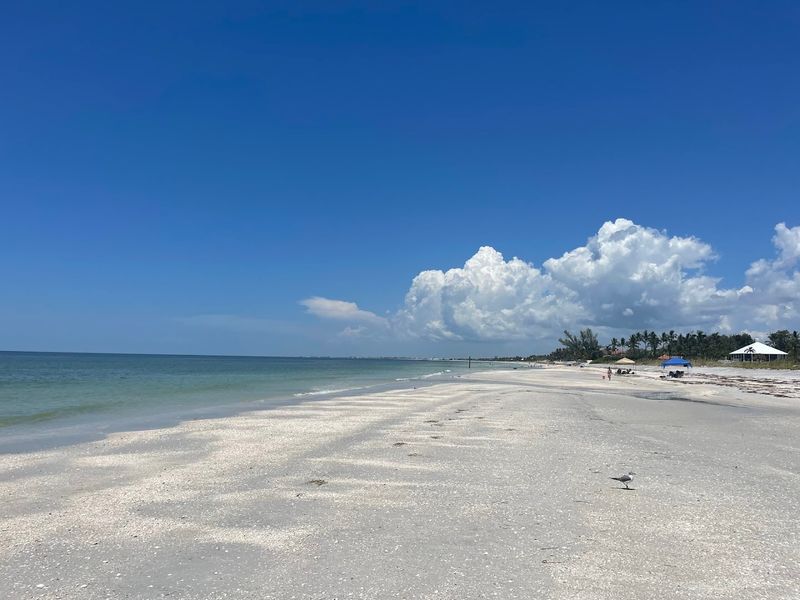
People don’t call it the “Shelling Capital of the World” for nothing. Sanibel Island sits at a rare east-west angle along Florida’s Gulf Coast, which means shells wash ashore instead of rolling back out to sea.
That geographical quirk is the reason collectors from across the globe make the pilgrimage here year after year.
The most famous shells to hunt for include lightning whelks, junonia shells, and alphabet cones. Finding a junonia is considered a big deal — local restaurants even post photos of lucky finders on their walls.
Low tide is prime hunting time, so set an alarm and get out early before other collectors beat you to the best spots.
Bowman’s Beach on the northwest end of the island is widely considered the top shelling location. It’s less crowded than the main beach areas and tends to accumulate impressive shell piles after storms.
You’ll notice visitors doing the classic “Sanibel Stoop” — that bent-over walk as eyes scan the sand.
Lighthouse Beach at the eastern tip is another solid option, especially after a strong overnight wind. The shallows here are calm enough for kids to wade through while searching.
Bring a small bucket with holes so sand and water drain out as you collect.
Timing your visit around a full or new moon helps because tidal swings are bigger, pushing more shells onto shore. Winter months between November and March tend to produce the best hauls thanks to stronger Gulf winds.
Sanibel also has a shell museum — the Bailey-Matthews National Shell Museum — that’s genuinely worth a stop to identify your finds.
2. Amelia Island
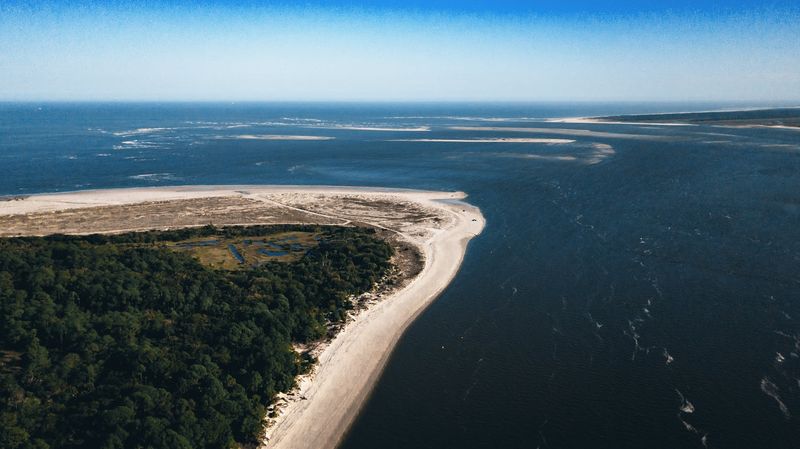
Tucked into Florida’s northeastern corner, Amelia Island feels like a well-kept secret that shell hunters whisper about. Sitting just south of the Georgia border, this Atlantic-facing barrier island offers a completely different shelling experience than the Gulf Coast spots.
The Atlantic’s stronger currents deliver a wider variety of shells, including some rarely found further south.
Main Beach Park and Peters Point are two of the most productive stretches for beachcombing. After a northeast storm rolls through, the shoreline can look like it’s been carpeted with shells overnight.
Shark’s teeth are a fun bonus find here — small, dark triangles that show up mixed in with broken shell fragments.
Amelia Island’s beaches are also less trafficked than many famous Florida destinations, which means you’re not competing with hundreds of other collectors at sunrise. The island has a charming, unhurried pace that makes a morning shell walk feel genuinely relaxing.
You might spot dolphins just offshore while you’re scanning the sand, which honestly makes the whole experience even better.
The island sits at the southern end of the Atlantic Flyway, making it a hotspot for shorebirds that feed along the tide line. Watching a group of sanderlings race the waves while you search for coquina clams is one of those simple pleasures that sticks with you.
The shells here tend to be larger and more intact than on heavily visited beaches.
Fort Clinch State Park at the island’s north end offers beach access with a historical twist — you’re shelling near a Civil War-era fort. The park’s shoreline is protected, so shells accumulate naturally without being raked away.
Amelia Island rewards patient collectors who take their time and explore different tide zones.
3. Caladesi Island State Park
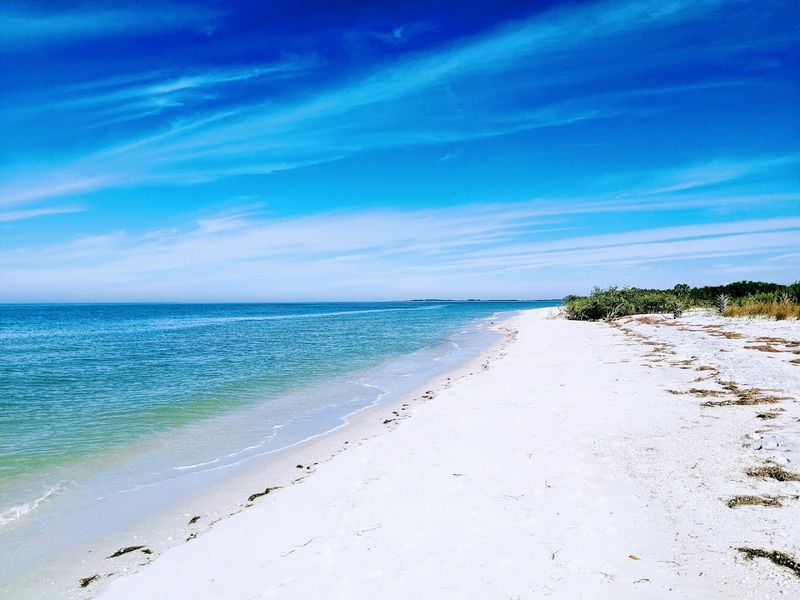
Getting to Caladesi Island requires a ferry ride from Honeymoon Island, and honestly, that short trip across the water feels like a portal to a different world. No roads reach this island.
No development clutters the shoreline. What you get instead is one of Florida’s most naturally preserved barrier islands, with beaches consistently ranked among the best in the entire country.
The shelling here is exceptional precisely because the island is so hard to reach. Day-trippers who don’t want to bother with the ferry skip it entirely, leaving the beaches quieter and the shells more plentiful.
Auger shells, coquinas, scallops, and sand dollars show up regularly along the three-mile stretch of Gulf shoreline.
Low tide reveals a shallow sandbar that extends out from the beach, and wading through that area is one of the best ways to find whole, unbroken shells. The calm Gulf water lets you see shells resting on the sandy bottom before the waves push them ashore.
Wearing polarized sunglasses helps cut the glare and makes spotting shells underwater much easier.
The island also has a kayak trail through mangroves on the bay side, and paddling through those tunnels is a completely different kind of treasure hunt. You might spot horseshoe crabs, starfish, or even sea turtles in the clear water.
Combining a kayak trip with a beach shell walk makes for a full and rewarding day.
Ferry service runs from Honeymoon Island State Park, and space is limited, so arriving early matters. The ferry schedule shifts seasonally, so checking ahead before visiting saves headaches.
Caladesi Island is the kind of place that makes you understand why Florida’s natural coastline is worth protecting — it feels genuinely wild and untouched.
4. St. George Island
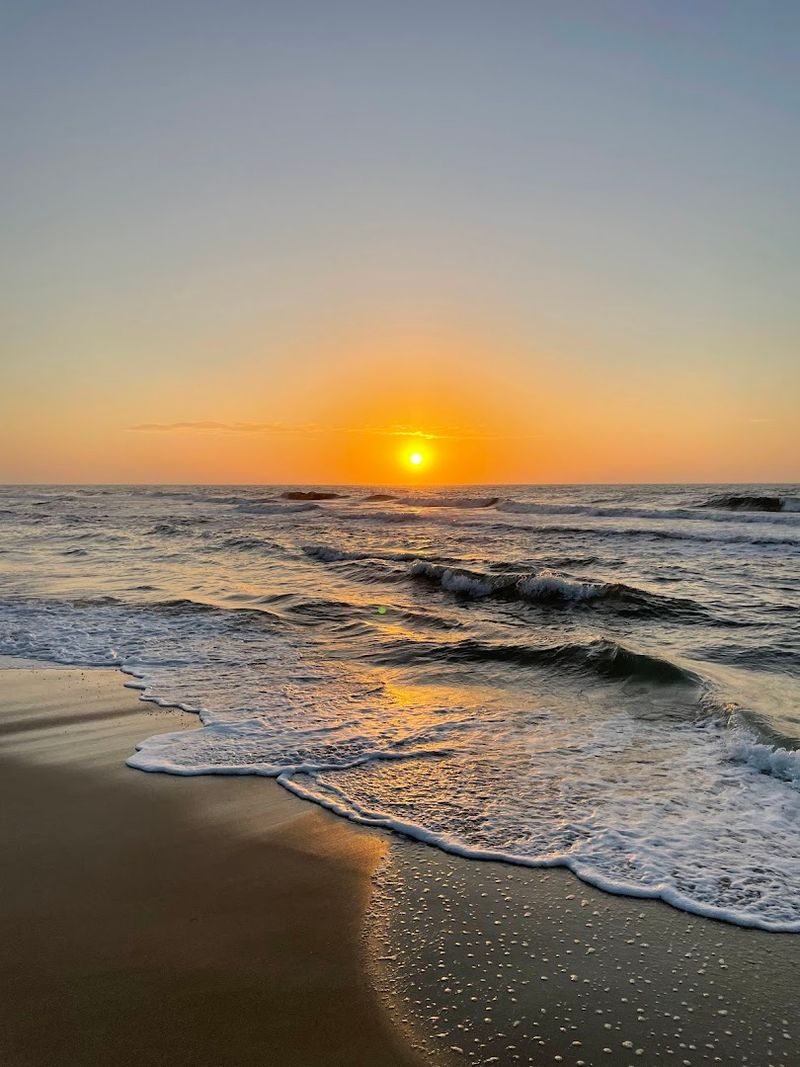
St. George Island sits along Florida’s Forgotten Coast — a stretch of the Panhandle that tourism somehow overlooked, and locals are quietly grateful for it. The 28-mile-long barrier island offers some of the most uncrowded beachcombing in the state, with sugar-white sand and water so green it almost looks fake.
If you’ve been burned out by crowded beach towns, this place feels like a reset button.
The Dr. Julian G. Bruce St. George Island State Park takes up the eastern nine miles of the island and is where serious shell hunters head first.
That protected stretch sees less foot traffic and more natural shell accumulation. Lightning whelks, lettered olives, and fighting conchs are common finds, especially after a strong Gulf wind pushes shells toward shore.
Early morning walks during low tide are the golden hours here. The park’s remote eastern tip — accessible only by foot or kayak — tends to have the densest shell deposits because so few people make the hike.
Packing water and sunscreen for that trek is non-negotiable since there are no facilities once you head east.
The town side of the island has its own appeal, with a relaxed, old-Florida fishing village vibe that feels refreshingly free of chain restaurants and souvenir traps. Grabbing fresh oysters at one of the local spots after a morning shell walk is a tradition worth adopting.
The island moves at a slower pace, and somehow that makes everything feel more rewarding.
Camping is available in the state park, and staying overnight means you’re already on the beach at first light before anyone else arrives. Fall and winter visits often yield the best shell hauls when summer crowds have thinned out completely.
St. George Island is proof that the best Florida beaches sometimes require a little extra effort to reach.
5. Captiva Island
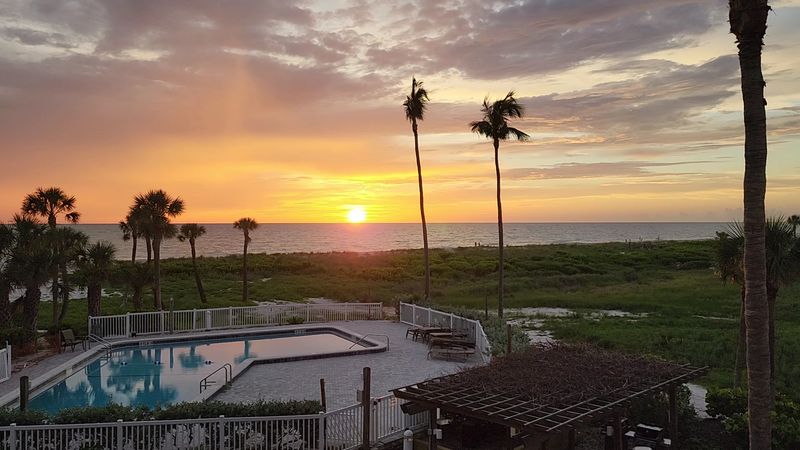
Captiva Island is Sanibel’s quieter, more laid-back neighbor connected by a short bridge, and it punches well above its weight in the shelling department. The island is narrow and short — only about five miles long — but what it lacks in size it makes up for in shell variety and atmosphere.
There’s a reason artists and writers have been retreating here for decades.
Turner Beach at the southern tip of Captiva, right at the pass between Captiva and Sanibel, is a legendary shell spot. The tidal pass acts like a funnel, pushing shells onto the sand in concentrated piles.
After a storm or strong tidal shift, that beach can look absolutely loaded with fresh finds.
Captiva’s Gulf-side beaches tend to deliver larger, more intact shells than many other spots because the water moves more gently here. Scotch bonnets, tulip shells, and horse conchs show up with satisfying regularity.
Horse conchs are Florida’s state shell, so finding a big one feels like a proper Florida trophy.
The island has a charming village center with art galleries, a small grocery, and a handful of restaurants that have been operating for generations. Stopping for breakfast before an early shell walk and then wandering through a gallery afterward is a perfectly constructed Captiva morning.
The whole place feels unhurried in a way that’s genuinely hard to find anymore.
Boat trips to nearby North Captiva Island — accessible only by water — open up even more remote shelling territory. North Captiva has no cars and very few visitors, making it one of the more pristine beachcombing experiences in the region.
Captiva itself rewards those who slow down, look carefully, and appreciate that sometimes the best shells are hiding just beneath the waterline.
6. Ten Thousand Islands
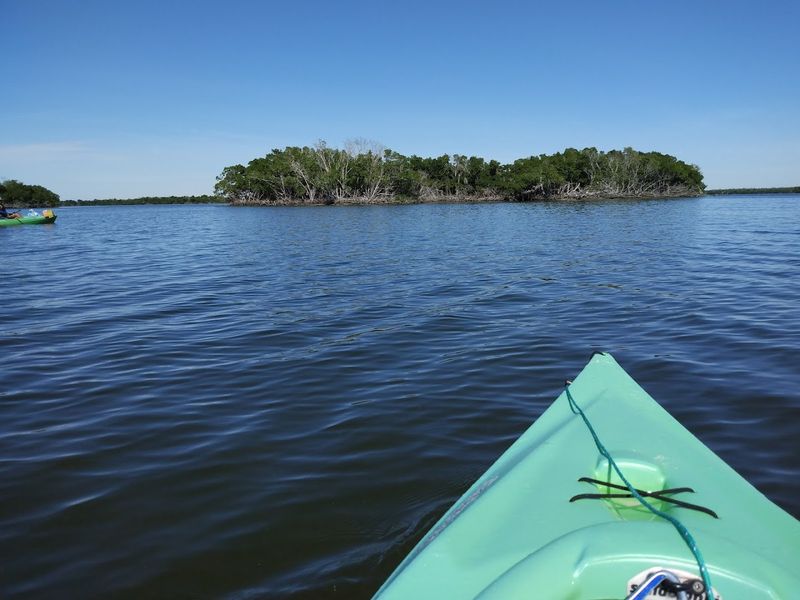
Forget a simple beach walk — the Ten Thousand Islands delivers a full-on adventure for shell hunters willing to explore by kayak or boat. This massive maze of mangrove islands, tidal flats, and shallow bays stretches along Florida’s southwest coast within Everglades National Park.
It’s one of the most ecologically wild places in the state, and that wildness translates directly into incredible shelling.
The remote sandy beaches scattered throughout the islands see almost no foot traffic, which means shells accumulate undisturbed. Lightning whelks, horse conchs, olive shells, and colorful cone shells are all common finds.
The tidal flats at low tide are especially productive — wading through shallow water and scanning the sandy bottom can turn up shells that never even make it to the beach itself.
Guided kayak tours operate from Everglades City and Goodland, and taking one on your first visit is a smart move. The waterways can be genuinely confusing to navigate without local knowledge, and getting disoriented in a mangrove maze is not the kind of adventure most people are looking for.
A guide also points out wildlife — manatees, dolphins, roseate spoonbills — that you might otherwise miss while scanning for shells.
Chokoloskee Island near the park entrance is a good base camp for multi-day explorations. Camping on some of the remote shell mound islands — ancient shell mounds built by the Calusa people — adds a layer of history to the experience that’s genuinely moving.
Those mounds are thousands of years old and a reminder that humans have been drawn to these shells long before any of us showed up with mesh bags.
The best shelling happens during low tide, particularly on the outer islands closer to the Gulf. Bringing a waterproof bag, plenty of water, and bug spray is absolutely essential.
The Ten Thousand Islands rewards adventurous collectors with finds that simply aren’t available anywhere else in Florida.
7. Shell Key Preserve
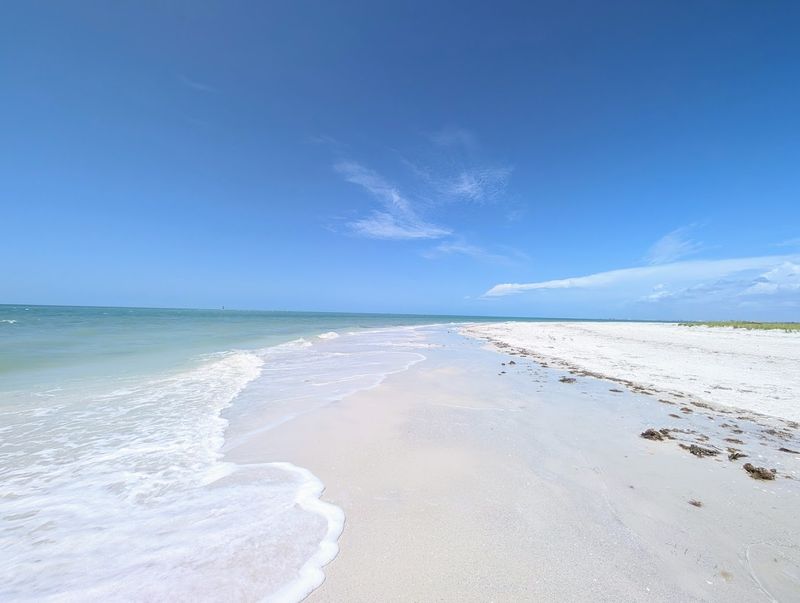
Shell Key Preserve lives up to its name in the most literal way possible. This undeveloped barrier island near St. Petersburg is accessible only by boat or kayak, and that built-in barrier keeps crowds away and shells plentiful.
On a good low-tide morning, the shell density here rivals anything you’ll find on Sanibel — and far fewer people know about it.
The island sits within a protected preserve managed by Pinellas County, which means no development, no vendors, and no infrastructure beyond the natural landscape. What you get is raw, tidal Florida at its most generous.
The island’s position in Tampa Bay’s lower reaches means it catches shells from both Gulf currents and bay circulation, creating a surprisingly diverse collection of species.
Scallops, coquinas, fighting conchs, and auger shells are frequent finds along the sandbar-fringed shoreline. The sandbars themselves are worth wading through — knee-deep water over a sandy bottom often holds shells that haven’t washed ashore yet.
Early morning kayakers who arrive before the wind picks up tend to have the best luck spotting shells in the clear, calm water.
Several water taxi and kayak rental operations run trips to Shell Key from Fort De Soto Park and Pass-a-Grille Beach. The trip is short enough for beginners but feels remote enough to satisfy anyone craving an off-the-beaten-path experience.
Dolphins frequently escort boats through the pass, which sets the tone for the kind of day you’re about to have.
The preserve is day-use only, so there’s no overnight camping. Arriving as early as possible — ideally at low tide — gives you the best window before afternoon winds stir up the water.
Shell Key Preserve is one of those spots that feels like a discovery every time you visit, even if you’ve been a dozen times before.
8. Marco Island
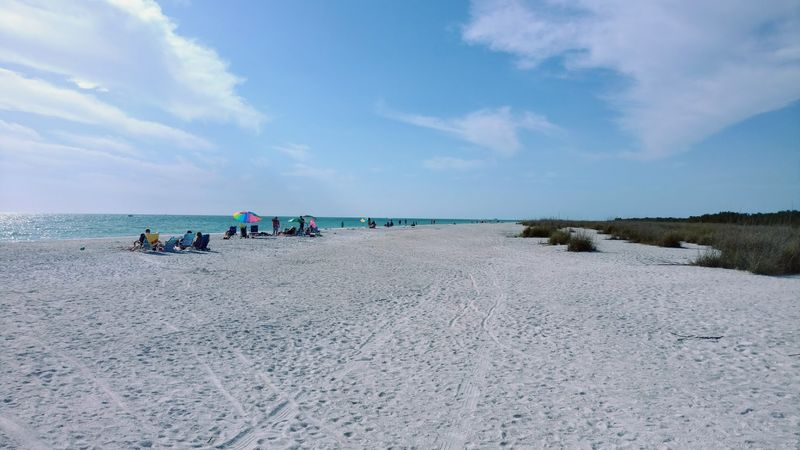
Marco Island is the southernmost resort town on Florida’s Gulf Coast, and its location near the Ten Thousand Islands ecosystem means the shelling is genuinely impressive. Tigertail Beach on the island’s northwest side is the go-to spot for collectors, offering a tidal lagoon that traps shells like a natural net.
At low tide, that lagoon reveals a sandbar loaded with finds that other beachgoers completely walk past.
The lagoon between the main beach and the sandbar is especially productive for live shelling — you’ll find lightning whelks, tulip shells, and horse conchs in the shallow water before they ever reach dry sand. Wading through with polarized sunglasses and a mesh bag is the most effective technique.
The water is usually calm and clear, making it easy to spot shells resting on the sandy bottom.
South Marco Beach near the Marriott offers a completely different experience — wider, more open, and facing directly into Gulf currents that deposit shells along the tide line. This stretch tends to have more variety after storm systems pass through in fall and winter.
Shark’s teeth show up here occasionally as a fun bonus find mixed in with the shell fragments.
Marco Island itself has a polished, resort-town feel with excellent restaurants and comfortable accommodations. It’s a good home base for exploring both the island’s beaches and the wilder shelling grounds in the Ten Thousand Islands just to the south.
Day boat trips to those remote islands are easy to arrange from Marco’s marina district.
The best shelling season runs from November through April when Gulf winds are stronger and tourist crowds are thinner. Morning low tides during that window can produce hauls that feel almost unfair.
Marco Island balances accessibility with genuinely productive shelling in a way that few Florida destinations manage to pull off.
9. Cayo Costa State Park
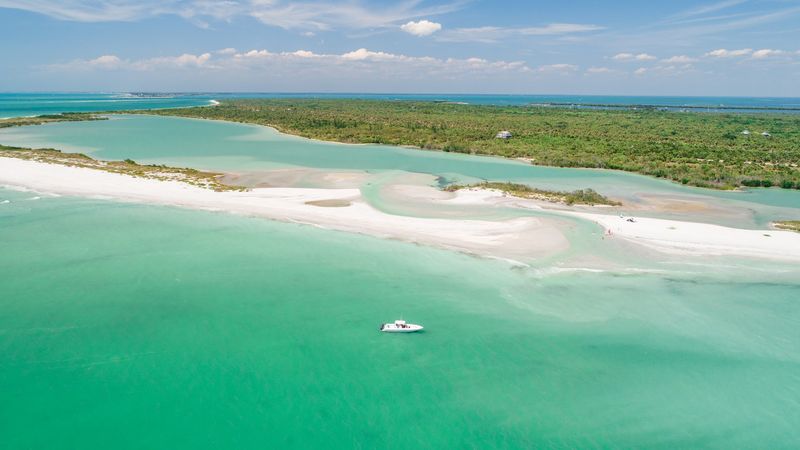
Cayo Costa State Park is the kind of place that makes you realize how much Florida’s coastline must have looked before development took over. Accessible only by private boat or passenger ferry from Pine Island, this nine-mile barrier island is almost entirely undeveloped.
No paved roads, no resort towers, no beach bars — just miles of pristine Gulf shoreline and an embarrassment of shells.
The island sits between Captiva and Boca Grande Pass, which means it catches shells funneled through both passes with every tidal cycle. Lightning whelks, fighting conchs, scallops, sand dollars, and even jingle shells pile up along the beach with remarkable consistency.
After a winter cold front pushes through, the shell deposits can be genuinely staggering.
The ferry from Pine Island drops visitors at a dock on the bay side, and a short walk through a pine forest trail brings you out to the Gulf beach. That walk through the forest is part of the experience — the contrast between the shaded, quiet trail and the sudden wide-open beach is one of the better moments in Florida outdoor recreation.
Cabins and primitive campsites are available for those who want to stay overnight.
Camping on Cayo Costa means waking up at first light and walking directly to the beach before anyone else is stirring. Those early morning low-tide hours are when the island delivers its best shells.
The solitude at that hour — just you, the birds, and miles of untouched beach — is something that’s genuinely hard to put a price on.
The island’s remote character means you need to bring everything you need for the day: water, food, sunscreen, and bug spray. Cell service is unreliable, which some people find annoying and others find deeply refreshing.
Cayo Costa State Park consistently ranks among Florida’s best shelling beaches for good reason — it’s the real thing.
10. Barefoot Beach Preserve (Naples)
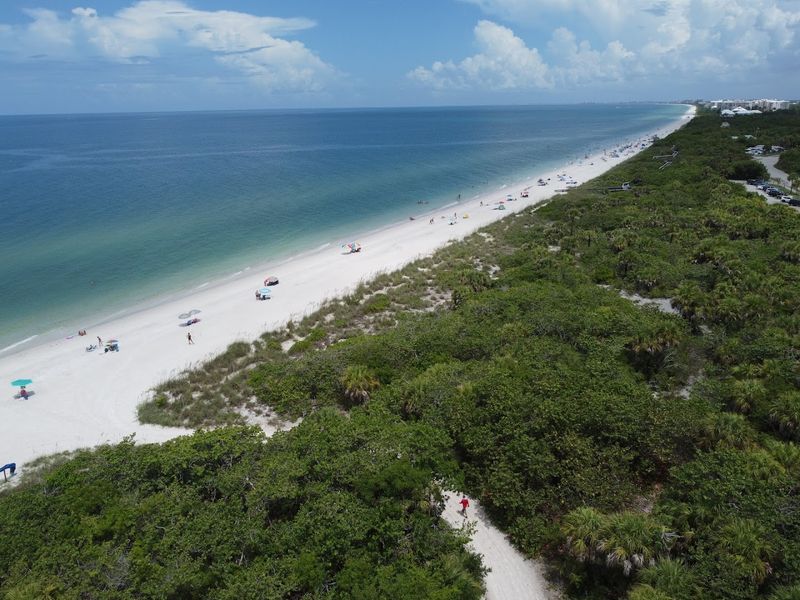
Naples has a reputation for upscale beach towns, but Barefoot Beach Preserve is where the city’s natural side comes through loud and clear. This county-managed preserve stretches along a narrow barrier island with minimal development and maximum shell potential.
Gopher tortoises wander the dunes, ospreys circle overhead, and the tide line is regularly stocked with shells that make collectors stop mid-stride.
The preserve’s northern end near Bonita Beach is particularly productive because the shoreline curves slightly, creating a natural collection point for shells carried by Gulf currents. Lightning whelks, lettered olives, and coquinas are the most common finds, but scallops and tulip shells make regular appearances too.
Walking the full length of the preserve at low tide — roughly two miles — is the best way to cover different shell zones.
What separates Barefoot Beach from other Naples-area beaches is how undisturbed the natural environment feels. The county limits parking and access, which keeps crowds manageable even during peak season.
That controlled access directly benefits shell hunters because shells don’t get picked over as aggressively as they do at fully open beaches.
The preserve also has a nature center with knowledgeable staff who can help identify shells and explain the local ecology. Stopping in before a shell walk gives you context that makes the experience more meaningful.
Knowing the difference between a lightning whelk and a knobbed whelk, for example, changes how you look at every shell you pick up.
Parking fills up quickly on weekends and holidays, so arriving before 9 a.m. is strongly recommended. Weekday visits during the off-season — particularly fall mornings after a Gulf wind event — offer the best combination of empty beaches and fresh shell deposits.
Barefoot Beach Preserve is Naples at its most natural, and for shell hunters, that’s exactly the point.