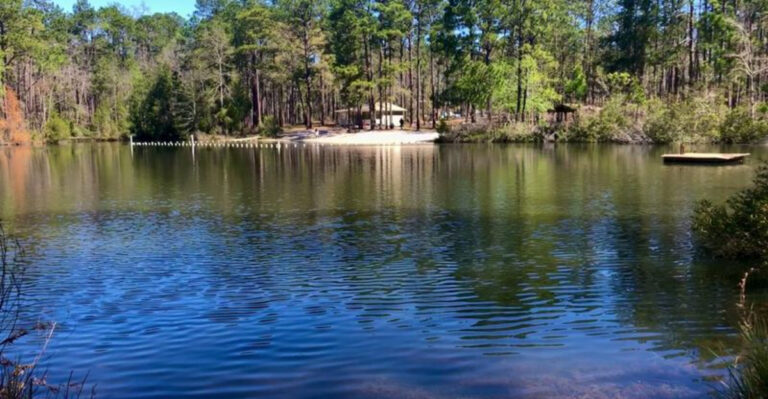
Florida Is Home to 12 Fishing Lakes You Won’t Want to Miss
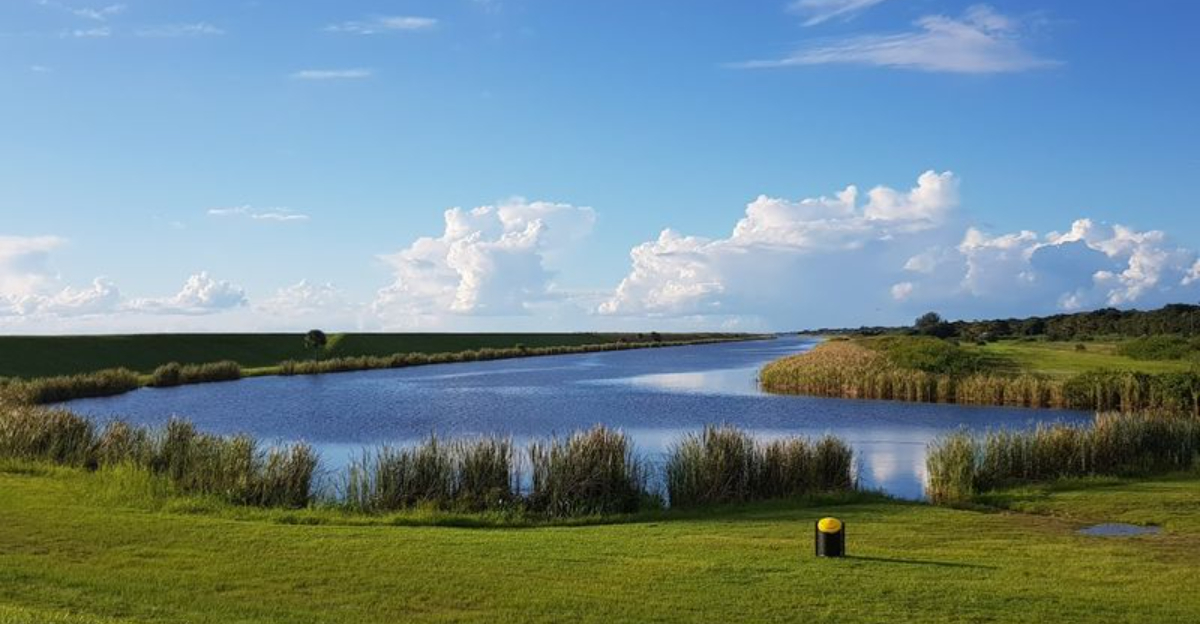
Florida is more than beaches and theme parks — the state is loaded with freshwater fishing spots that serious anglers and weekend warriors both love. From massive open water to quiet hidden coves, the variety of lakes here is genuinely hard to beat.
Whether you’re chasing largemouth bass, crappie, or catfish, the right lake can make all the difference. Pack your gear and get ready, because these 12 Florida fishing lakes deserve a spot on your bucket list.
1. Lake Okeechobee
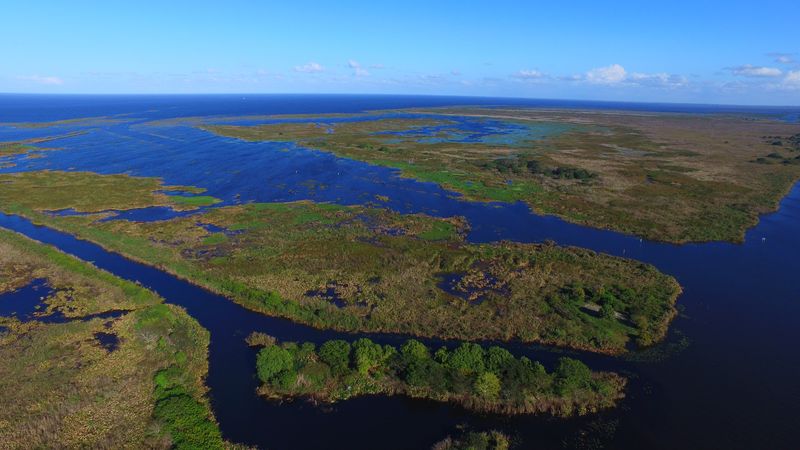
Known as Florida’s inland sea, Lake Okeechobee is the kind of place that makes seasoned anglers go quiet with respect. At roughly 730 square miles, it is the largest lake in Florida and one of the biggest freshwater lakes in the entire country.
That size alone is enough to get your heart pumping before you even cast a line.
Bass fishing here is legendary. The lake has produced trophy largemouth bass for decades, and local guides will tell you that the shallow grass flats along the southern and western shores are where the real action happens.
Early morning trips during the cooler months tend to yield some of the most exciting catches.
Beyond bass, Lake Okeechobee holds crappie, bluegill, and catfish in impressive numbers. The lake’s ecosystem is rich and dynamic, shaped by Florida’s seasonal water levels and the surrounding wetlands.
It feeds into the Everglades, making it ecologically important as well as incredibly productive for fishing.
Boat ramps are spread around the lake, and nearby towns like Clewiston, Okeechobee, and Belle Glade all offer bait shops, guide services, and lodging. First-timers should seriously consider hiring a local guide, because navigating the grass beds and finding the right spots can be tricky without local knowledge.
The lake rewards patience and preparation.
Weather can shift quickly out on the open water, so always check the forecast before heading out. Wind and afternoon thunderstorms are common, especially in summer.
With the right timing and the right setup, Lake Okeechobee delivers a fishing experience that is genuinely hard to match anywhere else in the Southeast.
2. Lake Istokpoga
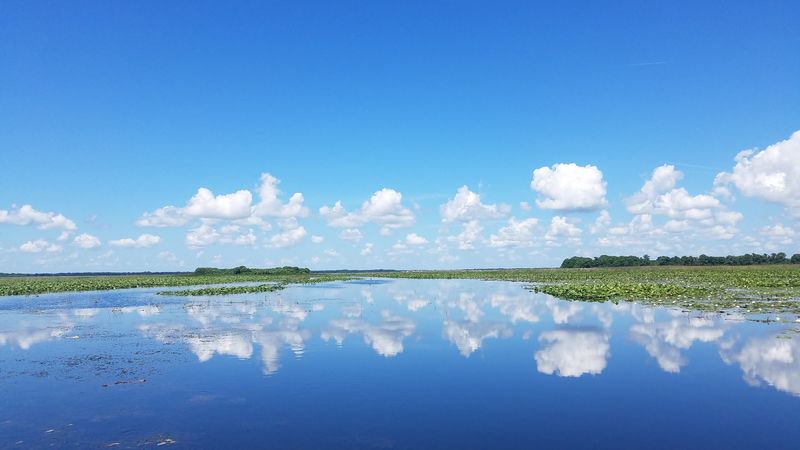
Tucked away in Highlands County, Lake Istokpoga does not always get the national spotlight — and honestly, that is part of what makes it so special. It is one of Florida’s largest natural lakes, covering around 27,000 acres, yet it maintains a quieter, more local feel compared to some of the more famous spots.
Serious bass anglers who know about it tend to keep coming back.
The lake is widely considered one of the top bass fishing destinations in the entire state. Dense hydrilla beds and lily pad fields create the perfect habitat for largemouth bass to grow big and stay active.
During the spring spawn, the fishing can be absolutely electric, with bass moving shallow and hitting nearly everything you throw at them.
Crappie fishing is also impressive here. The deeper channels and submerged structure hold good numbers of speckled perch, which is what locals often call crappie.
Night fishing for crappie under lights during winter months is a popular tradition that brings out regulars from across the region.
Sebring and Lake Placid are the closest towns, offering easy access to boat ramps, tackle shops, and restaurants. The surrounding landscape is classic central Florida — wide open, flat, and full of that raw natural beauty that does not try too hard.
Bald eagles and ospreys patrol the skies, making even a slow fishing day feel worthwhile.
If you want a lake that feels off the beaten path but still delivers world-class fishing, Istokpoga is your answer. Crowds are manageable, the fish are real, and the atmosphere is exactly what a proper Florida fishing trip should feel like.
3. Headwaters Lake (Fellsmere Reservoir)
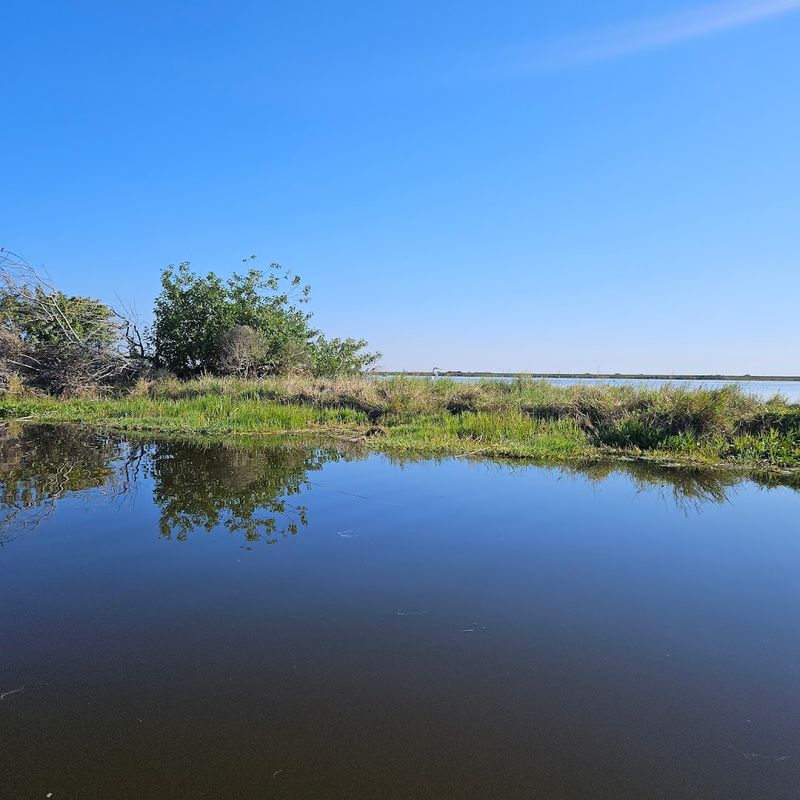
Headwaters Lake, commonly known as the Fellsmere Reservoir, is one of Florida’s best-kept fishing secrets. Located in Indian River County near the small town of Fellsmere, this massive reservoir covers tens of thousands of acres and sits within the St. Johns Water Management District.
It does not have the name recognition of some other Florida lakes, but the fishing here can absolutely blow you away.
Largemouth bass thrive in the shallow, vegetation-rich waters. The reservoir’s grassy flats and open water transitions create ideal ambush points for big fish.
Anglers who work the edges of emergent vegetation with soft plastics or topwater lures often find themselves fighting serious fish by mid-morning.
One thing that sets this spot apart is the sheer sense of space. The water stretches out in every direction, and on a calm morning it feels like you have the whole place to yourself.
Wildlife sightings are frequent — expect alligators sunning on the banks, roseate spoonbills wading through shallow areas, and a constant soundtrack of birds overhead.
Access points are limited compared to more developed lakes, so doing a bit of homework before your trip is a smart move. A high-clearance vehicle can be helpful depending on the season, and calling ahead to check water levels is always a good idea.
The remoteness is part of the appeal, but it does require a little extra planning.
If you are the kind of angler who wants to feel like you discovered something real, Headwaters Lake rewards that adventurous mindset. Bring plenty of water, sunscreen, and patience — and you just might land the fish of the trip.
4. Lake Kissimmee
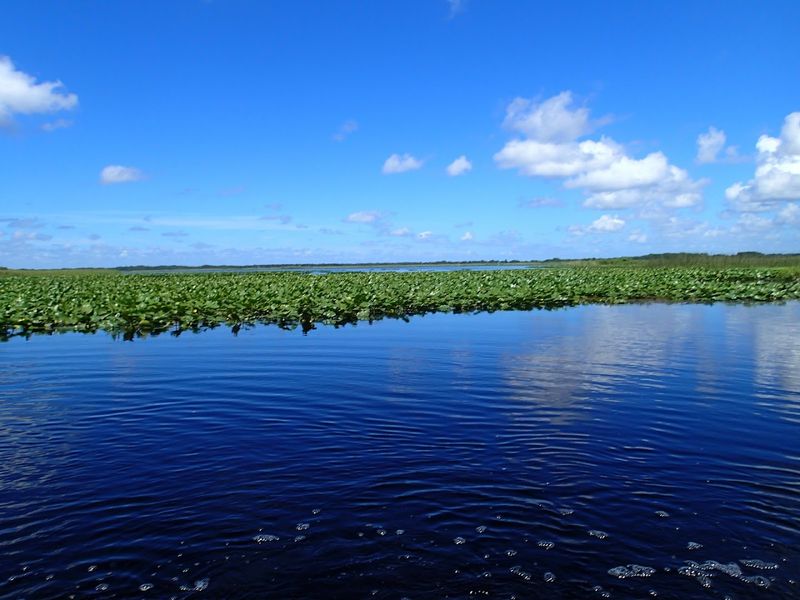
There is a reason Lake Kissimmee sits at the top of so many Florida fishing lists. Covering around 35,000 acres in Osceola and Polk counties, this lake is not just big — it is productive in a way that keeps anglers coming back season after season.
The healthy mix of aquatic vegetation, open water, and shallow flats creates the kind of habitat where largemouth bass genuinely thrive.
Bass fishing is the main draw, and the lake has earned a solid reputation for producing quality fish in the 5 to 10-pound range. Spring is peak season, when bass move into the shallows to spawn and become more aggressive.
That said, patient anglers fishing the right structure can find action nearly year-round.
Lake Kissimmee is also part of the Kissimmee Chain of Lakes, which means you can boat between several connected water bodies during a single trip. That kind of variety is a real advantage on tough fishing days — if one spot is not producing, you can run to another lake without loading up the trailer.
The Lake Kissimmee State Park sits along the western shore and adds a great dimension to the visit. Camping, hiking, and wildlife watching are all available, making it a solid choice for families who want more than just fishing.
Cracker cattle demonstrations and living history programs give the park a unique character.
Boat ramps are accessible from several points around the lake, and nearby Lakeport and Lake Wales have basic amenities. Hiring a guide for your first trip is worth every dollar — local knowledge about where the fish are holding can make a dramatic difference when you are navigating 35,000 acres of water.
5. Lake Tohopekaliga
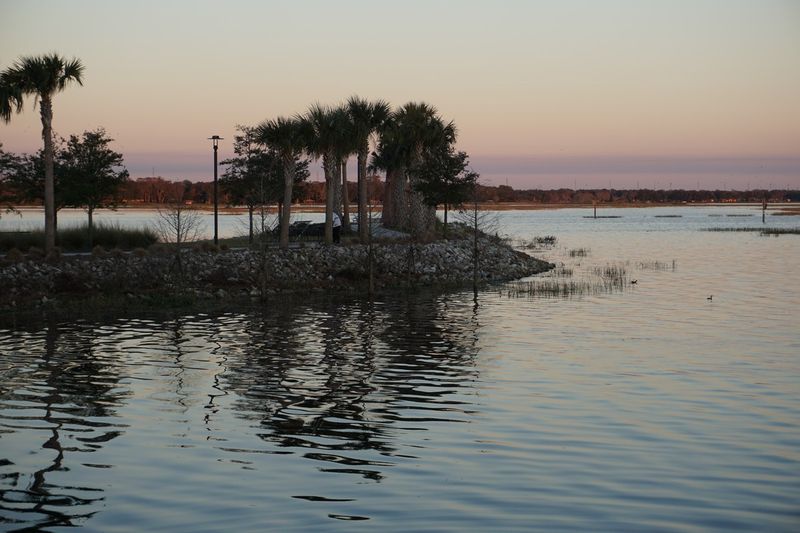
Ask any Florida bass fishing guide where they would take a client who wants a trophy fish, and Lake Tohopekaliga — affectionately called Lake Toho — comes up every single time. Sitting just south of Kissimmee in Osceola County, this lake has a reputation that stretches well beyond Florida’s borders.
Tournament anglers travel from across the country specifically to compete here.
The reason is simple: the bass are big, and there are a lot of them. The Florida Fish and Wildlife Conservation Commission has actively managed the lake through vegetation control and fish stocking programs over the years, keeping the fishery in excellent shape.
Trophy largemouth in the 10-pound-plus range are caught here with enough regularity to keep the excitement level high.
Lake Toho covers roughly 22,700 acres, and the diverse habitat — from hydrilla mats to open sand flats to laydowns along the shore — gives fish plenty of places to stage and feed. Anglers who flip and pitch into the thickest cover often connect with the biggest bass.
It takes a bit of technique, but the payoff is real.
The city of Kissimmee is right next door, which means excellent access to marinas, restaurants, hotels, and full-service guide operations. Lakefront Park has a well-maintained public boat ramp, and the area around it tends to be lively on weekend mornings with anglers launching before dawn.
The energy is contagious.
Even if you do not land a double-digit bass, a morning on Lake Toho in the fog with birds working the shoreline is an experience that sticks with you. It is one of those lakes that feels like it belongs in a fishing movie — and the fish are every bit as real as the scenery.
6. Lake Tarpon
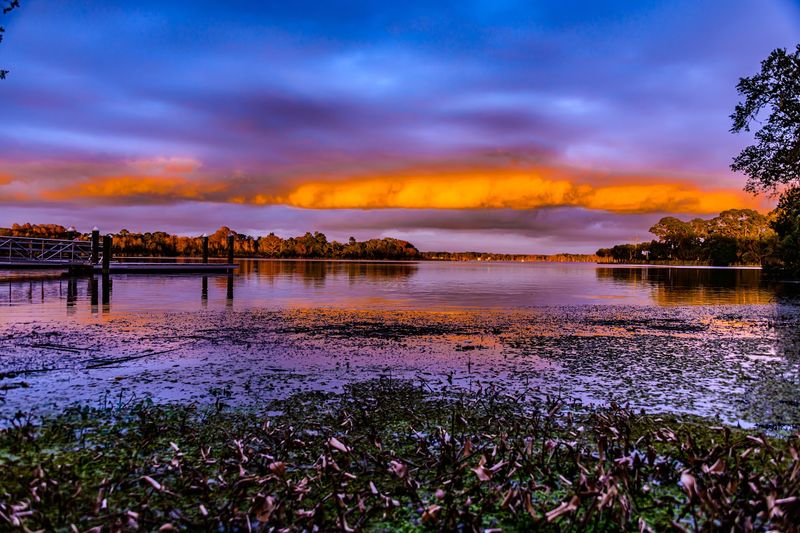
Lake Tarpon is a refreshing change of pace from the sprawling central Florida lakes. Located in Pinellas County, just northeast of Clearwater, this lake offers a more intimate fishing experience without sacrificing quality.
At about 2,500 acres, it is smaller than many other lakes on this list, but the fishing is surprisingly strong and the setting is beautiful.
Largemouth bass are the primary target, and the lake holds a healthy population. Submerged grass beds, dock pilings, and fallen timber along the shoreline all create productive structure.
Anglers who pay attention to water temperature and seasonal patterns tend to do well here throughout the year, with spring and fall being the most consistent seasons for bigger fish.
One of the cooler quirks about Lake Tarpon is its history with the tarpon fish itself. The lake was historically connected to the Gulf of Mexico through a canal, and silvery tarpon once ran through the area.
Today the fish population is dominated by freshwater species, but that old connection gives the lake a bit of salty character that feels appropriate for Pinellas County.
The Lake Tarpon Outfall Canal is a well-known local feature, and anglers often work the canal mouth for bass that stack up near the current. Kayak fishing is popular here too, since the lake’s manageable size makes it easy to paddle and explore without a motorized boat.
John Chesnut Sr. Park provides public access with a boat ramp, picnic areas, and a boardwalk through the surrounding wetlands. It is a genuinely pleasant place to spend a full day.
Whether you are a tournament competitor or just looking for a relaxed morning on the water, Lake Tarpon delivers consistent value.
7. Lake Eustis
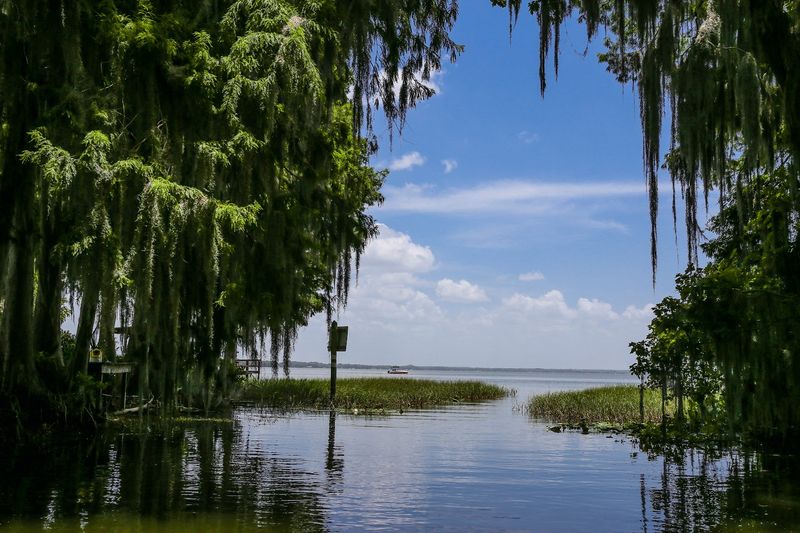
Lake Eustis sits in the heart of Lake County, which is literally named after all the lakes it contains — and there are hundreds of them. But Lake Eustis stands out from the crowd.
Covering about 7,800 acres, it is part of the Harris Chain of Lakes, a connected system of water bodies that anglers can explore by boat across a wide area. That connectivity is one of its biggest strengths.
Bass fishing is solid and consistent, with healthy populations of largemouth that respond well to both artificial lures and live bait. The lake’s varied structure — from open sandy flats to weedy coves — keeps fishing interesting no matter which technique you prefer.
Flipping soft plastics around the shoreline vegetation is a proven method, especially during the warmer months.
Crappie fishing adds another layer of appeal. The deeper sections of the lake hold black crappie in good numbers, and jigging with small minnows or tube jigs around submerged structure tends to produce reliable results.
Winter crappie fishing here has a loyal following among locals who know the right spots.
The town of Eustis itself is charming in a small-town Florida kind of way. Historic downtown has restaurants and shops, and the lakefront area is well-maintained with parks and public access points.
It feels like a community that actually appreciates its lake, which is always a good sign for the fishing culture in the area.
Because Lake Eustis connects to Lake Harris, Lake Griffin, and others through natural channels and canals, a single launch can turn into a multi-lake adventure. That kind of flexibility makes it a great base for anglers who want to explore the Harris Chain without committing to just one spot.
The variety keeps things fresh.
8. Lake George
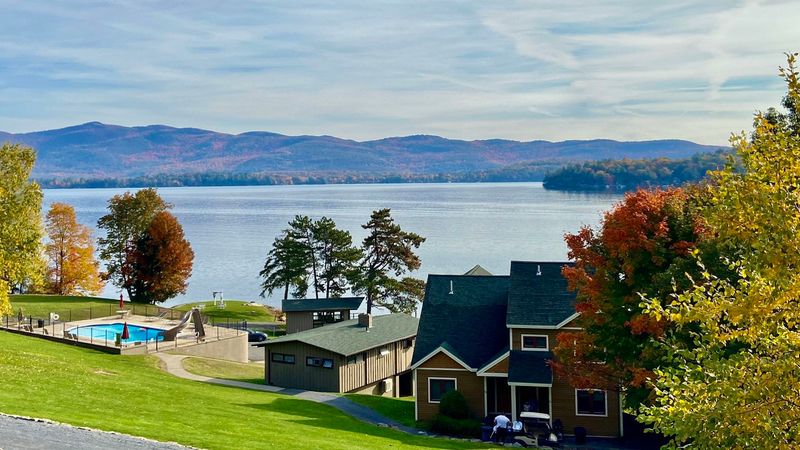
Florida’s second-largest lake does not always get the recognition it deserves, but anglers who have fished Lake George know exactly how good it can be. Sitting along the St. Johns River in Putnam and Volusia counties, this 46,000-acre body of water has a wild, almost untamed quality to it.
The surrounding forest and relatively undeveloped shoreline give it a character you do not find on more urban lakes.
Striped bass — called stripers — are one of the big draws here, which is something you do not see on most other Florida lakes. Lake George is one of the few freshwater lakes in the state where striped bass are regularly targeted, and the experience of fighting a powerful striper in freshwater is genuinely exciting.
Bass anglers also find plenty of largemouth action along the grass flats and near the river connections.
The lake’s position on the St. Johns River means water levels and conditions fluctuate with the river’s flow. That dynamic quality creates constantly changing fishing opportunities.
Bream, catfish, and crappie round out the catch options, making Lake George a genuinely diverse fishery worth exploring beyond just the headline species.
Ocala National Forest borders much of the lake, keeping development minimal and wildlife abundant. Black bears, deer, and a stunning variety of birds share the landscape with the fish.
Camping along the Ocala National Forest shoreline is an option for anglers who want a full outdoor experience rather than just a day trip.
Boat ramps at Salt Springs and Drayton Island area provide access, though some areas require a bit of navigation knowledge. For anglers who appreciate raw, natural Florida fishing with a side of wilderness scenery, Lake George is absolutely worth the drive.
9. Lake Santa Fe
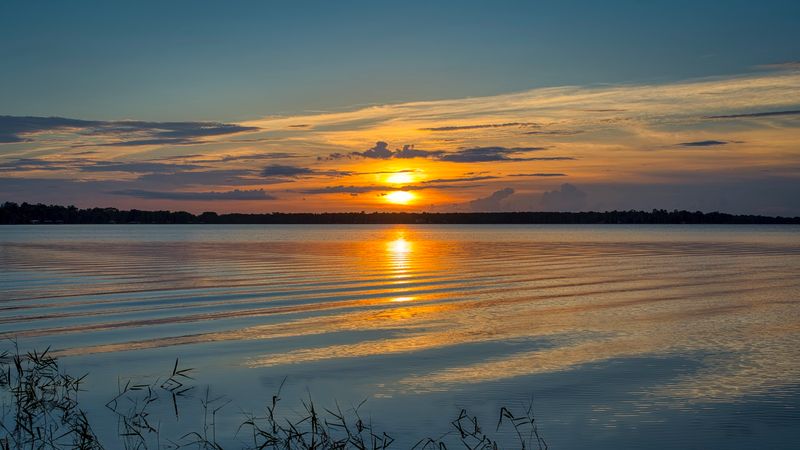
Some lakes have a personality, and Lake Santa Fe in Alachua County has a quiet, old-Florida charm that is hard not to love. Surrounded by cypress trees draped in Spanish moss, the lake feels like something out of a nature documentary.
It is not the biggest lake in the state, but at around 5,800 acres, it has plenty of room to explore and fish without feeling crowded.
Largemouth bass fishing is the main event, and the lake rewards anglers who pay attention to structure. The cypress trees that line much of the shoreline create natural ambush points where bass hold tight to the roots and fallen timber.
Working a weedless soft plastic or a topwater lure along those cypress lines early in the morning is one of the most satisfying ways to spend a Florida morning.
The lake also connects to Little Santa Fe Lake through a narrow channel, effectively doubling your water to explore. Crappie and bream fishing in the shallower areas near aquatic vegetation can be very productive, especially in spring and fall.
Catfish are present in good numbers too, making evening anchor-and-wait sessions a relaxed but rewarding option.
Kayak anglers in particular love Lake Santa Fe for its paddling-friendly layout and scenic beauty. The combination of clear water, cypress canopy, and abundant wildlife makes every trip feel like more than just a fishing outing.
It is the kind of place where you stop to watch a great blue heron for five minutes and do not feel bad about it at all.
Public boat ramps are available along the lake’s shores, and the town of Melrose nearby offers basic amenities. If you are in the Gainesville area and want a lake with genuine personality and solid fishing, Santa Fe is the right call.
10. Lake Talquin
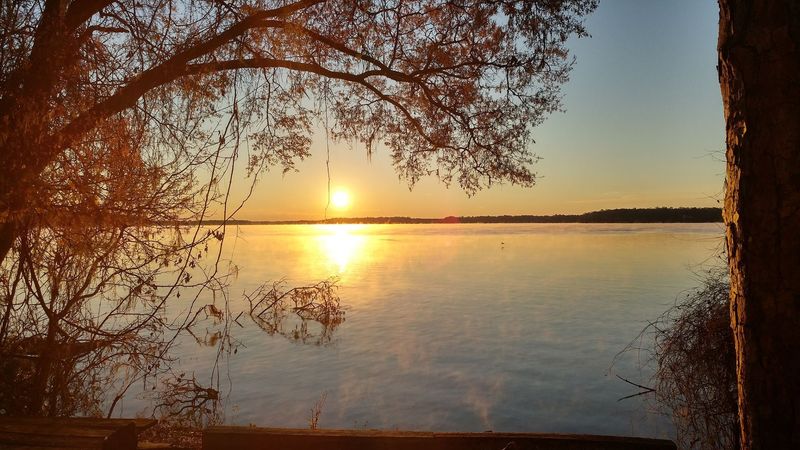
Lake Talquin is the kind of place that feels like a secret, even though it has been producing outstanding fishing for generations. Located west of Tallahassee in Leon and Gadsden counties, this reservoir was created by the impoundment of the Ochlockonee River back in 1927.
The flooded timber and cypress-lined coves that resulted from that flooding have never stopped holding fish.
Largemouth bass are excellent here, but Lake Talquin is arguably most famous for its crappie fishing. The speckled perch population in this lake is extraordinary, and winter crappie runs draw passionate anglers from across north Florida and even into south Georgia.
Jigging small minnows around submerged timber during the cooler months can produce limits that make you wonder why you ever fished anywhere else.
The flooded timber throughout the lake creates both a visual spectacle and a navigation challenge. Knowing the water is important, and many first-timers choose to fish with a local guide for that reason.
The reward for learning the layout is access to some truly excellent structure fishing for both bass and crappie in areas that casual visitors never find.
Lake Talquin State Forest surrounds much of the reservoir, keeping the shoreline beautifully undeveloped. Camping, hiking, and wildlife observation are all part of the experience here.
The north Florida forest setting gives the lake a distinctly different vibe from the flat, open lakes of central and south Florida — towering pines and hardwoods replace the palmetto scrub.
Multiple boat ramps provide access around the lake, and the drive through the surrounding forest is genuinely scenic. For anglers who want a north Florida fishing adventure with a strong crappie bite and a wild, wooded atmosphere, Lake Talquin is the destination that delivers every single time.
11. Lake Seminole
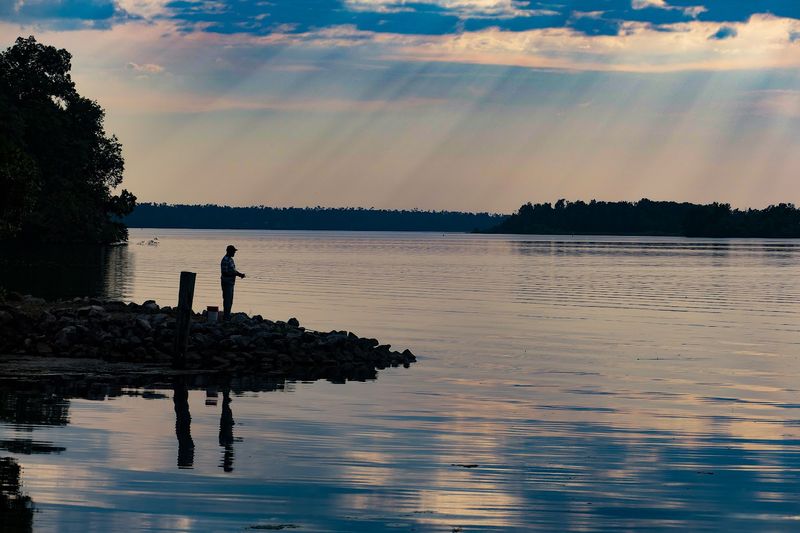
Straddling the Florida-Georgia state line, Lake Seminole occupies a unique geographic and cultural position in the world of southeastern fishing. The reservoir was formed by the Jim Woodruff Lock and Dam at the confluence of the Flint and Chattahoochee rivers, creating a sprawling 37,500-acre fishery that blends the character of both states.
Florida anglers who make the drive up to Jackson County are rewarded with a fishery that feels refreshingly different.
Bass fishing is the headliner, and Lake Seminole has earned serious tournament attention over the years. The combination of river current, flooded timber, grass beds, and creek arms creates a diverse range of habitat that keeps fishing interesting.
Spotted bass — not just largemouth — show up in the mix here, which adds a fun wrinkle to the standard Florida bass fishing experience.
Striped bass and hybrid stripers are also present in the reservoir, giving anglers another exciting option beyond the standard freshwater species. Trolling or casting cut bait in open water areas can turn up these powerful fish, especially during cooler months when they are actively feeding near the surface.
Three Rivers State Park on the Florida side provides camping, picnic areas, and lake access in a beautiful natural setting. The park’s elevated views of the water give you a sense of just how big and varied the reservoir really is.
Wildlife is abundant — wood ducks, ospreys, and river otters are regular sightings on the water.
Because Lake Seminole spans two states, it falls under slightly different regulations depending on where you are fishing. Picking up a current copy of both Florida and Georgia freshwater fishing regulations before your trip is smart and keeps everything hassle-free.
The fishing is worth the extra preparation step.
12. Lake Harris
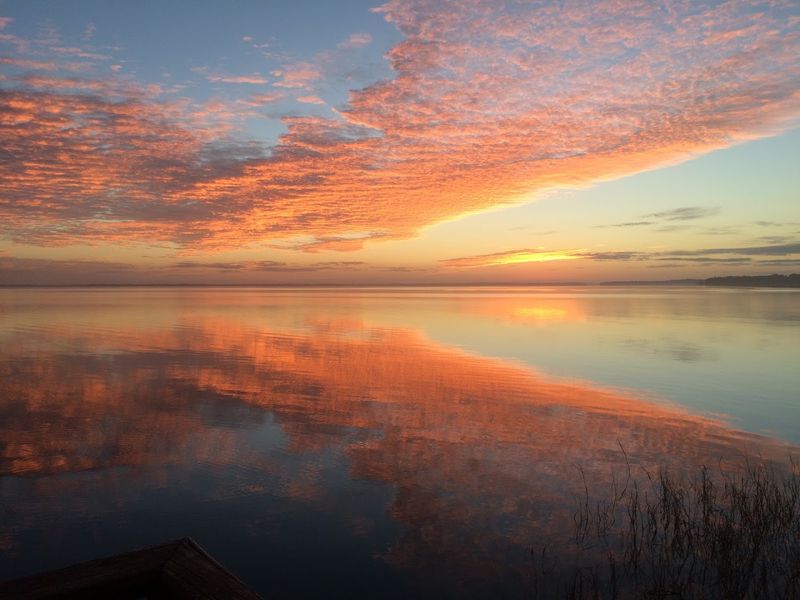
Lake Harris is one of the crown jewels of the Harris Chain of Lakes, and it earns that status with consistently strong fishing and a setting that is genuinely hard to beat. Located in Lake County near the town of Leesburg, the lake covers about 13,788 acres of productive freshwater habitat.
It connects to several other lakes in the chain, giving anglers the freedom to run and explore across a wide network of water.
Bass fishing here is well above average. The lake’s healthy grass beds, especially in the shallower northern sections, are prime feeding zones for largemouth bass throughout the year.
Spring and fall tend to be the most productive seasons, but patient anglers who know the structure can find consistent action even during the slower summer months by targeting deeper grass edges and offshore structure.
Crappie and bluegill round out the catch options in a meaningful way. The deeper water areas and submerged brush piles hold crappie during the cooler months, and live minnow fishing around those spots is a proven technique that local anglers rely on heavily.
Bluegill on light tackle in the shallow weedy areas is also a legitimately fun way to spend an afternoon when the bass are being uncooperative.
Leesburg offers a full range of amenities — marinas, bait shops, restaurants, and lodging are all within easy reach of the lake. The town has a long fishing heritage and a community culture that genuinely values the lake.
That local appreciation shows in the quality of the public access areas and the general upkeep of the waterfront.
For anglers who want a polished, well-supported fishing destination with consistent results and room to explore, Lake Harris checks every box. The Harris Chain experience starts here, and it is worth every minute on the water.