This Remote Preserve in South Florida Feels Like a Journey Into the Unknown
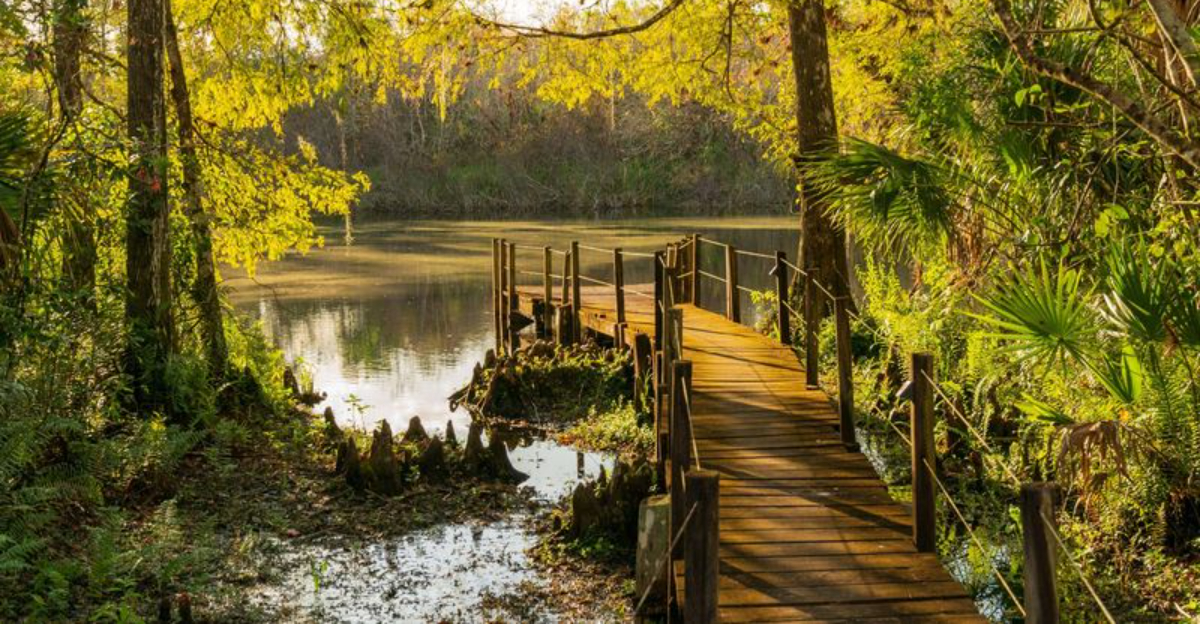
Tucked deep in the heart of Southwest Florida, Fakahatchee Strand Preserve State Park is the kind of place that makes you feel like you’ve stepped off the map entirely. Known as the “Amazon of North America,” this wild and watery wilderness stretches across nearly 85,000 acres of ancient cypress swamps and tangled subtropical forest.
Most people have never even heard of it, and that’s exactly what makes it so special. If you’re ready to trade the tourist crowds for something raw, mysterious, and genuinely unforgettable, this is your sign.
1. The Boardwalk at Big Cypress Bend
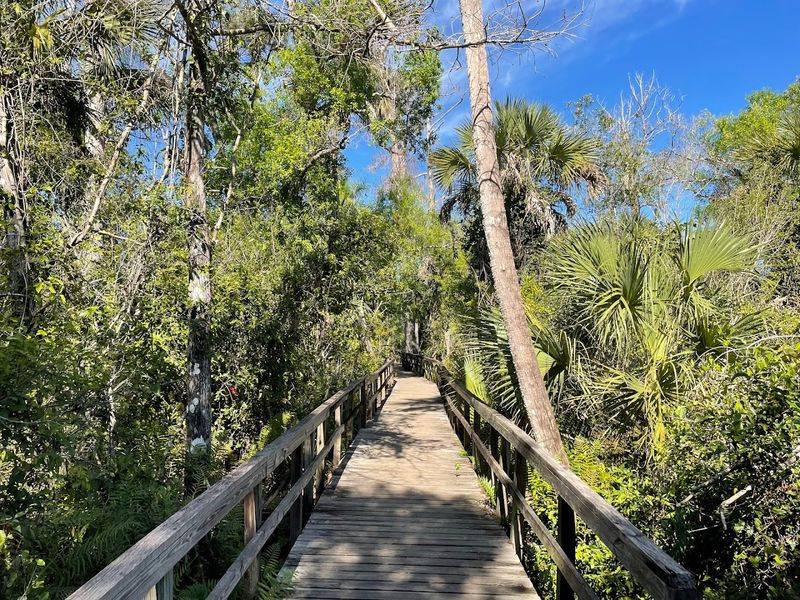
Walking into Big Cypress Bend feels like crossing into a world that time forgot. The elevated boardwalk stretches nearly half a mile through one of the most hauntingly beautiful cypress swamp forests in all of Florida.
Every step forward reveals something new — a bromeliad clinging to bark, a heron standing perfectly still in the shadows, or the ghostly drape of Spanish moss swaying in a breeze you can barely feel.
What makes this boardwalk truly special is how accessible it is without losing any of its wild character. You don’t need hiking boots or a guide to experience it.
Families with kids, older visitors, and first-time swamp explorers can all walk it comfortably, yet still feel completely immersed in old-Florida magic.
The light here is something photographers talk about in hushed, almost reverent tones. Early morning visits reward you with golden rays cutting through cypress canopies, reflecting off water so dark and still it looks like black glass.
Afternoon visits bring a different mood entirely — heavier, more mysterious, like the forest is holding its breath.
Royal palms tower overhead alongside bald cypress trees that have been growing here for centuries. The biodiversity packed into this short walk is genuinely staggering.
You might spot an alligator resting near the water’s edge or an anhinga spreading its wings to dry on a low branch just a few feet away.
Bring bug spray without question, and wear light, breathable clothing. The humidity is real and persistent, especially between May and October.
But honestly, that steamy, thick air is part of the experience. It reminds you that you’re not in a theme park — you’re in one of the most ecologically rich places in North America.
2. Guided Swamp Walks Through the Heart of the Strand
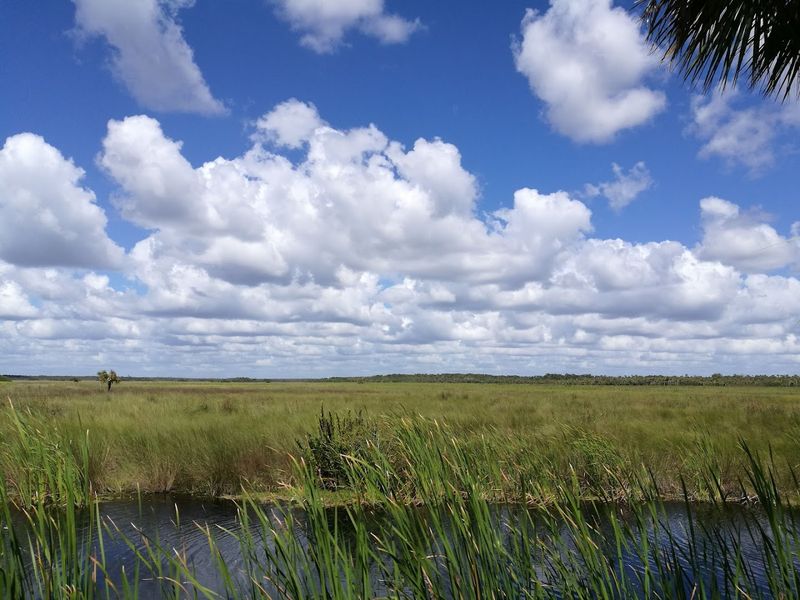
There’s nothing quite like stepping off dry land and wading directly into a living, breathing cypress swamp. The guided swamp walks offered at Fakahatchee Strand are among the most unique outdoor experiences in all of Florida, and that is not an exaggeration.
Rangers lead small groups through knee-deep water, weaving between ancient trees and explaining the ecology of one of North America’s most complex wetland systems.
These walks run seasonally, typically during the drier winter months when water levels drop and wildlife concentrates in predictable areas. Signing up early is strongly recommended because spots fill fast, especially on weekends.
The park’s rangers bring contagious enthusiasm to every outing, turning what could feel like a soggy walk into a genuinely mind-expanding adventure.
Expect to get wet. Expect to get a little muddy.
And expect to absolutely love it. The swamp floor is soft and the water is cool, and once you get past the initial weirdness of walking through a flooded forest, the experience becomes almost meditative.
You start noticing things — the way light filters through cypress needles, the sound of frogs, the complete absence of traffic noise.
Wildlife sightings during these walks can be spectacular. River otters, wood storks, barred owls, and even the elusive Florida black bear have been spotted in this corridor.
Ghost orchids, one of the rarest and most sought-after wildflowers in North America, bloom in this very strand, adding a layer of botanical mystique that draws naturalists from around the world.
Wear closed-toe shoes you don’t mind getting soaked, and leave the fancy camera gear at home unless it’s waterproof. The memories you carry out will be worth far more than any photograph anyway.
3. Ghost Orchid Territory — A Botanical Obsession
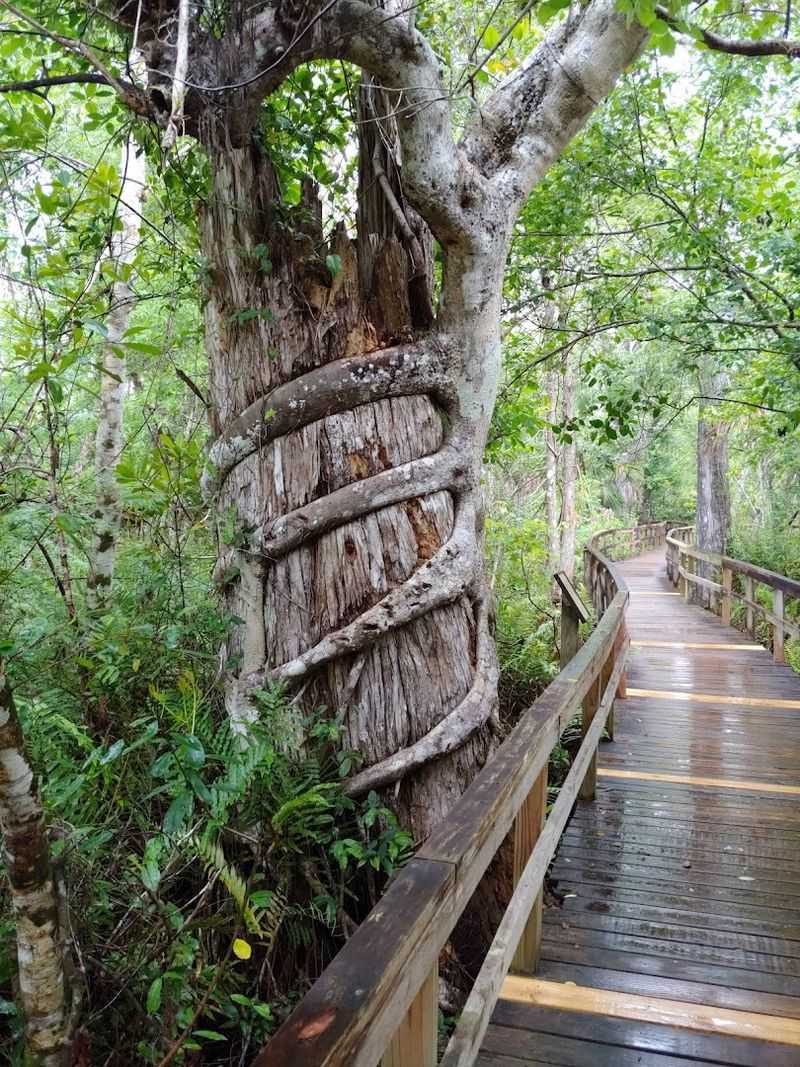
Few plants in the world inspire the kind of obsession that the ghost orchid does. Fakahatchee Strand is one of the very few places on Earth where this spectral, rootless bloom grows in the wild, and serious orchid enthusiasts have been making pilgrimages here for decades.
The flower looks almost alien — pale white, hovering in mid-air, attached to tree bark without any visible leaves or roots to explain how it survives.
Susan Orlean’s famous book “The Orchid Thief” was set largely in this very preserve, which later inspired the film “Adaptation.” That literary connection gives the place an extra layer of intrigue that even non-botanists can appreciate. Walking through the strand with that backstory in mind adds a whole new dimension to the experience — you start scanning every cypress trunk with fresh, hungry eyes.
Ghost orchids bloom unpredictably, usually between June and August, and spotting one in the wild requires patience, sharp eyes, and a healthy tolerance for heat and bugs. Most visitors never see one up close without a guided walk, which is another reason those ranger-led swamp tours are worth every effort to book.
Rangers know the trees where orchids have been spotted in previous seasons and can dramatically improve your odds.
Beyond the ghost orchid, Fakahatchee hosts an extraordinary collection of native and rare epiphytic orchids — over 44 species have been recorded here, more than anywhere else in the continental United States. That staggering number earns the preserve its well-deserved nickname: the “orchid capital of the continent.”
You don’t need to be a plant nerd to feel the thrill of searching for something this rare and this beautiful. The hunt alone is worth the trip down Janes Scenic Drive.
4. Janes Scenic Drive — Old Florida at Its Rawest
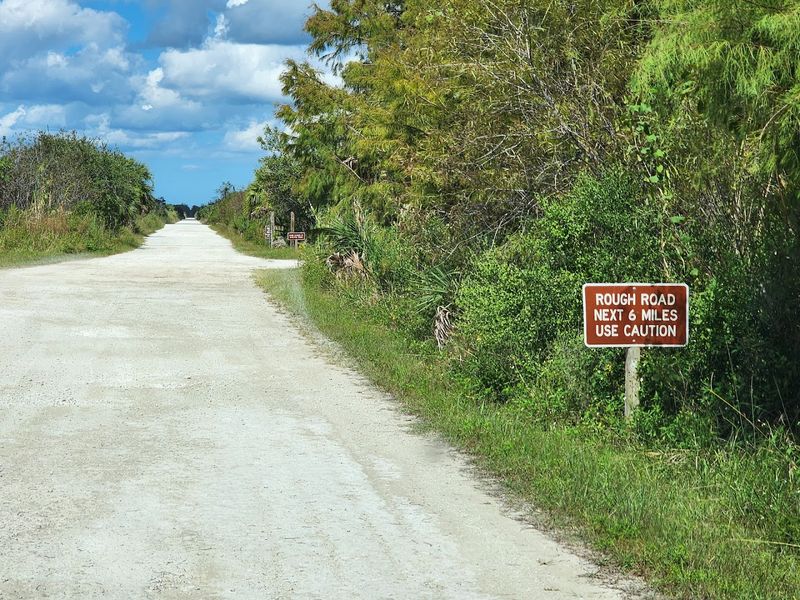
Janes Scenic Drive might be the most underrated road trip in all of South Florida. This unpaved, single-lane stretch runs through the heart of the preserve for several miles, flanked on both sides by dense subtropical vegetation that presses in close enough to brush your car mirrors.
No guardrails, no signage overload, no gift shops — just raw, unapologetic wilderness.
The road was originally built to support logging operations back in the early 20th century, when cypress timber was being harvested from this region at a devastating pace. What you’re driving through now is the recovered forest, and the resilience on display is remarkable.
Massive cypress trees have reclaimed the landscape, and the canopy overhead creates a natural green tunnel that feels more like a jungle expedition than a Sunday drive.
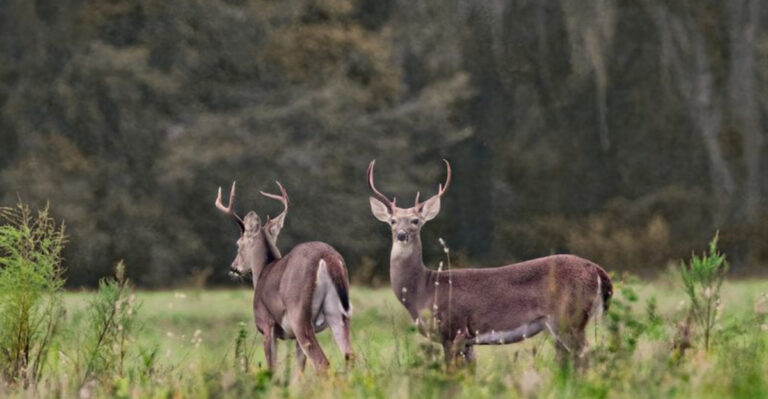
Wildlife encounters along Janes Scenic Drive are frequent and often surprising. White-tailed deer graze at the road’s edge in the early morning hours.
Sandhill cranes walk the path with zero urgency. During the wet season, alligators occasionally stretch out across the road itself, demanding patience from drivers who are very much guests in their territory.
The drive is accessible to most standard vehicles during dry conditions, though a high-clearance vehicle is recommended after heavy rains. The road can get muddy and rutted, and puddles can be deceptively deep.
Checking conditions with the park before heading out is always a smart move.
Bring a pair of binoculars and plan to stop often. Some of the best birdwatching in South Florida happens right from the window of your parked car along this route.
Swallow-tailed kites, limpkins, and red-shouldered hawks are regular sightings for those patient enough to sit still and look up.
5. The Wildlife That Calls This Wilderness Home
Fakahatchee Strand doesn’t just have wildlife — it has wildlife in staggering abundance and variety. This preserve sits within the larger Big Cypress ecosystem, which acts as a critical wildlife corridor connecting multiple protected areas across South Florida.
That connectivity means animals move through freely, and the biodiversity here reflects it in ways that will genuinely stop you in your tracks.
Florida panthers, one of the most endangered large cats in the world, are known to roam this strand. Spotting one is extraordinarily rare, but trail cameras set up by researchers regularly document their presence.
Knowing a panther might be watching from the shadows while you walk the boardwalk adds a primal edge to the whole experience that no zoo visit could ever replicate.
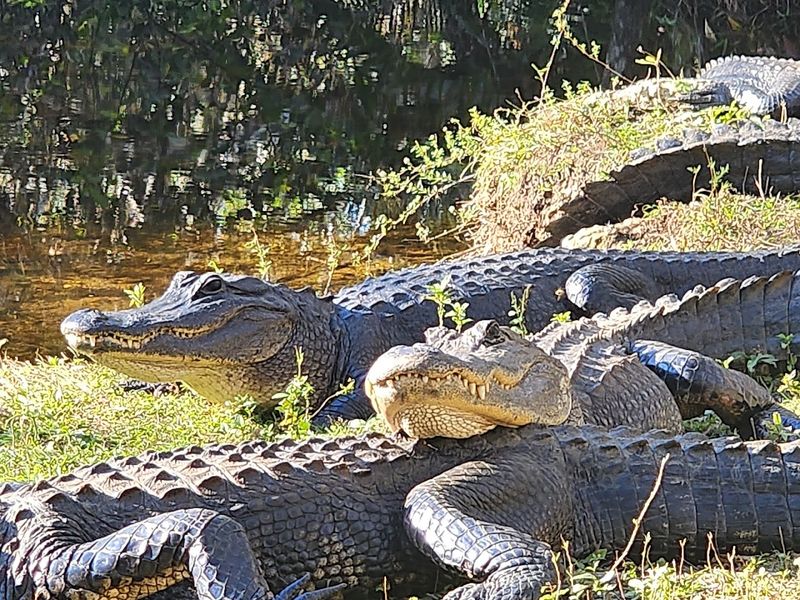
American alligators are practically guaranteed sightings, especially near standing water. They sun themselves on banks and float motionless in canals with the casual confidence of animals that have no natural predators.
Florida black bears also inhabit this region, though they tend to be shy and mostly nocturnal, leaving tracks and claw marks on trees as quiet evidence of their presence.
Birdwatchers consistently rank Fakahatchee among the top birding destinations in the southeastern United States. During migration season, the preserve becomes a temporary home for warblers, tanagers, and vireos moving through on their way south.
Year-round residents include barred owls, great blue herons, roseate spoonbills, and the charismatic anhinga.
Reptile diversity here is also exceptional. Eastern indigo snakes, Florida cottonmouths, and the brilliantly colored scarlet kingsnake all share this habitat.
Keeping your eyes on the trail and respecting the space of every creature you encounter makes for a much better visit — and a much safer one too.
6. Planning Your Visit to Copeland, Florida
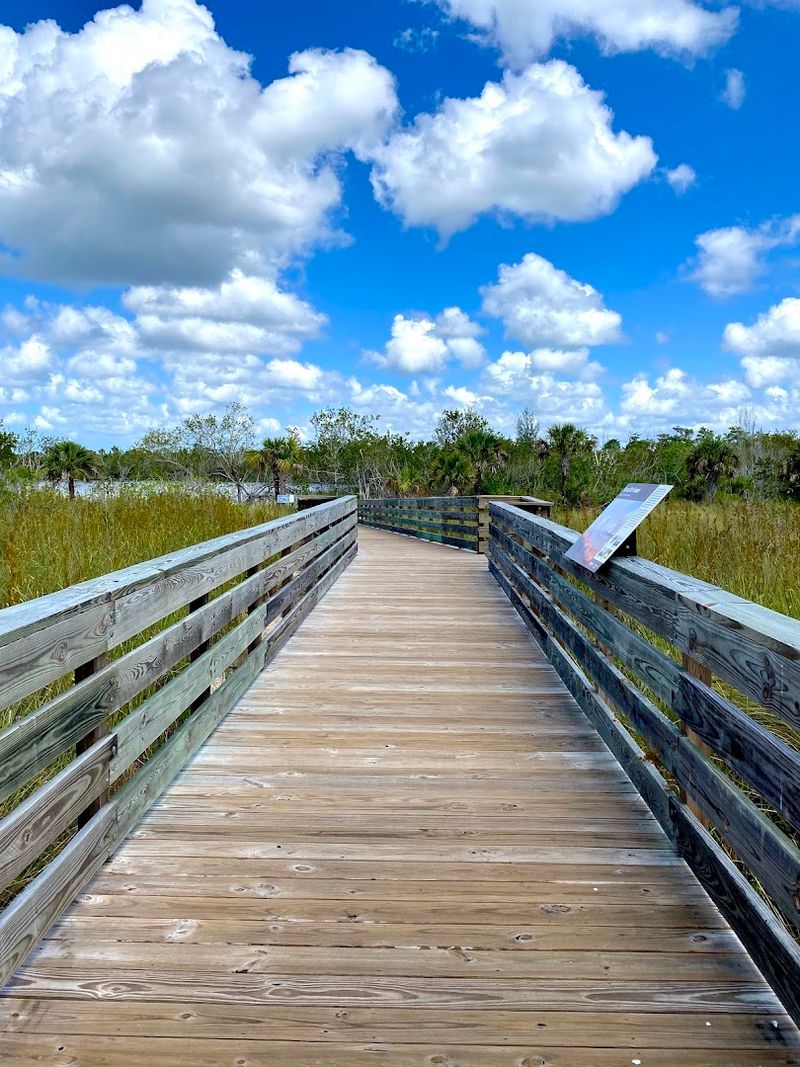
Getting to Fakahatchee Strand Preserve State Park requires a little commitment, and honestly, that’s part of its charm. The main entrance is located at 137 Coast Line Drive in Copeland, Florida, a tiny community tucked along the edge of the preserve deep in Collier County.
There are no major highways leading directly to the front door, which means the drive itself becomes part of the adventure.
From Naples, the trip takes roughly 40 to 45 minutes heading east and then south on US-41 before turning onto State Road 29. The roads narrow as you get closer, the towns get smaller, and the landscape shifts from manicured suburbs to something far wilder and more honest.
By the time you reach Copeland, you already feel like you’ve left the modern world behind.
The park is open year-round, and admission is free, which makes it one of the best deals in Florida state parks. The visitor center, when staffed, offers maps, brochures, and knowledgeable rangers who can point you toward the best spots based on current conditions and recent wildlife activity.
Calling ahead before your visit is always worthwhile.
Winter months between November and March offer the most comfortable temperatures and the lowest mosquito activity, making them the most popular time to visit. Summer visits are absolutely doable but require serious bug protection and an acceptance of intense heat and afternoon thunderstorms that roll in fast and furious.
Pack water, snacks, sunscreen, and insect repellent regardless of when you go. Cell service is limited or nonexistent in parts of the preserve, so downloading an offline map beforehand is a practical move.
The reward for all this preparation is an experience that feels genuinely rare — a Florida that most people never get to see.