These 11 Florida Cities Are Setting the Standard for Quality of Life
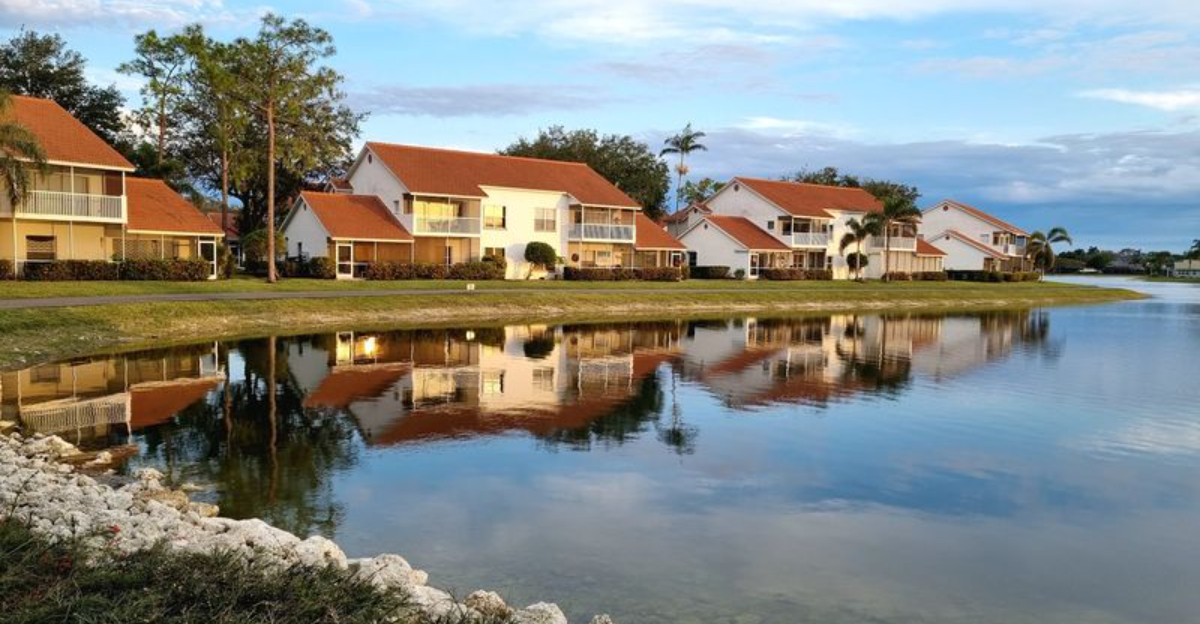
Florida is more than beaches and theme parks — it’s a state packed with cities that genuinely make everyday life better. From walkable downtowns to top-rated schools, green spaces, and thriving local economies, some Florida cities are raising the bar in a serious way.
Whether you’re thinking about relocating or just curious about what makes certain spots stand out, this list has something worth knowing. These 11 cities aren’t just great places to visit — they’re incredible places to actually live.
1. St. Petersburg
St. Pete has a way of making you feel like you’ve already arrived — even on a regular Tuesday. The downtown waterfront is lined with art museums, craft breweries, and some of the most vibrant murals you’ll find anywhere in the Southeast.
It’s the kind of city that rewards people who slow down and actually look around.
The arts scene here is genuinely world-class. The Salvador Dali Museum alone draws visitors from across the globe, but locals know it’s the rotating gallery shows, street art festivals, and indie music venues that keep the culture alive year-round.
There’s always something happening within walking distance of the waterfront.
Quality of life in St. Pete runs deep. The city has invested heavily in its parks, bike lanes, and public spaces, making it easy to stay active without spending a dime.
Locals regularly kayak in Tampa Bay, jog along the trails at Fort De Soto Park, or catch a sunset at North Shore Beach.
The restaurant scene punches well above its weight, too. From James Beard-recognized chefs to family-owned Cuban spots that have been around for decades, eating well here is practically unavoidable.
Neighborhoods like the Grand Central District and EDGE District offer walkable blocks packed with interesting shops and great food.
St. Pete also has a strong job market anchored by healthcare, tech, and financial services. The cost of living, while rising, remains more manageable than in many comparable coastal cities.
For people who want urban energy without big-city burnout, St. Petersburg hits a sweet spot that’s genuinely hard to beat.
2. Naples
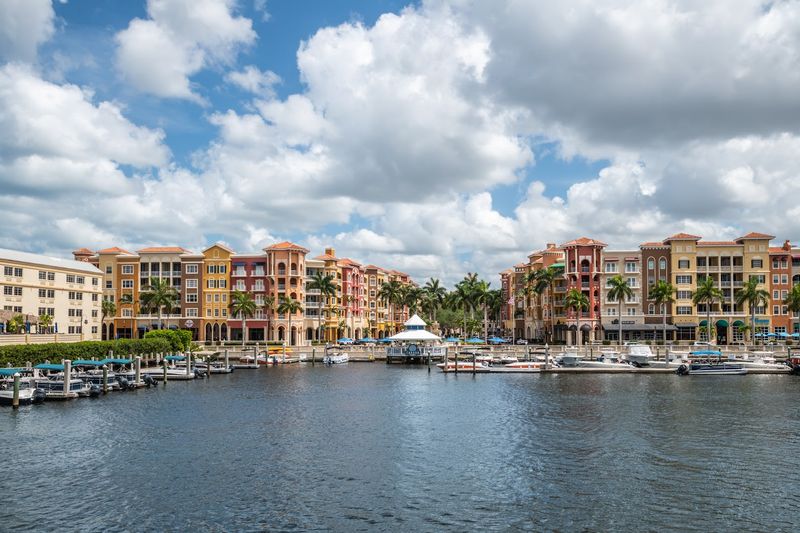
Naples operates at a different frequency than most Florida cities. There’s a polish here — in the architecture, the landscaping, the pace of life — that makes it feel less like a city and more like a carefully curated experience.
And somehow, it never feels stuffy about it.
The beach alone could justify living here. Naples Beach consistently ranks among the cleanest and most beautiful in the entire country, with calm Gulf waters and soft white sand that seem almost unreal on a clear morning.
Watching the sunset from the Naples Pier is the kind of thing that never gets old, even for long-time residents.
Fifth Avenue South is the heartbeat of the city’s social scene. Upscale restaurants, boutique shops, and al fresco dining line the street in a way that feels both sophisticated and genuinely welcoming.
It’s a place where people dress up a little but nobody’s pretentious about it.
Naples also has one of the highest concentrations of golf courses per capita in the United States — a detail that matters a lot to a significant portion of the population. But even non-golfers benefit from the city’s obsession with outdoor living.
Nature preserves, kayaking trails, and wildlife sanctuaries are all within easy reach.
The school system here is consistently strong, and the healthcare infrastructure is exceptional for a city of its size. Naples may carry a reputation as a retiree’s paradise, but younger families and professionals are increasingly discovering what makes this city tick.
Once you spend a few weeks here, the appeal stops being a mystery entirely.
3. Tampa
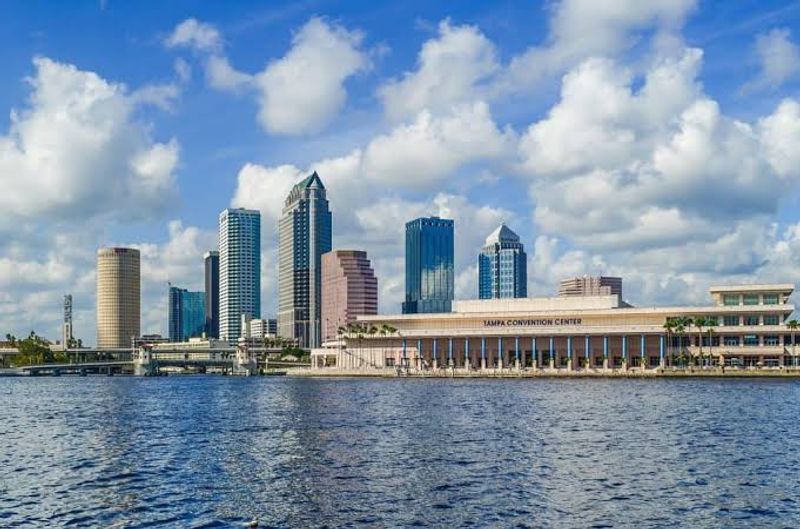
Tampa doesn’t ask for your attention — it earns it. Over the past decade, this city has transformed from a mid-tier metro into one of the most exciting urban destinations in the entire Sun Belt.
The growth here isn’t just about population numbers; it’s about real, tangible improvements to everyday city life.
The Riverwalk is one of Tampa’s greatest achievements. Stretching over two miles along the Hillsborough River, it connects parks, museums, restaurants, and entertainment venues in a way that makes the whole city feel more walkable and connected.
On weekends, it’s buzzing with joggers, families, cyclists, and people just soaking it all in.
Ybor City gives Tampa a cultural identity that few Florida cities can match. The historic Latin Quarter — once the cigar-rolling capital of the world — now hosts a wild mix of vintage shops, live music clubs, and some of the best Cuban sandwiches you’ll eat anywhere.
The cobblestone streets and red-brick buildings add a texture that feels genuinely old-world.
Tampa’s economy is one of the strongest in the state. Finance, tech, healthcare, and defense industries all have major presences here, which means solid job opportunities across a wide range of fields.
The University of Tampa and USF pump a steady stream of young talent into the workforce, keeping the energy youthful and forward-moving.
Housing is more affordable than Miami or Orlando for now, though prices have been climbing. Neighborhoods like Hyde Park, Seminole Heights, and South Tampa each offer a distinct personality, giving newcomers real choices about the kind of community they want to call home.
Tampa rewards the curious.
4. Sarasota
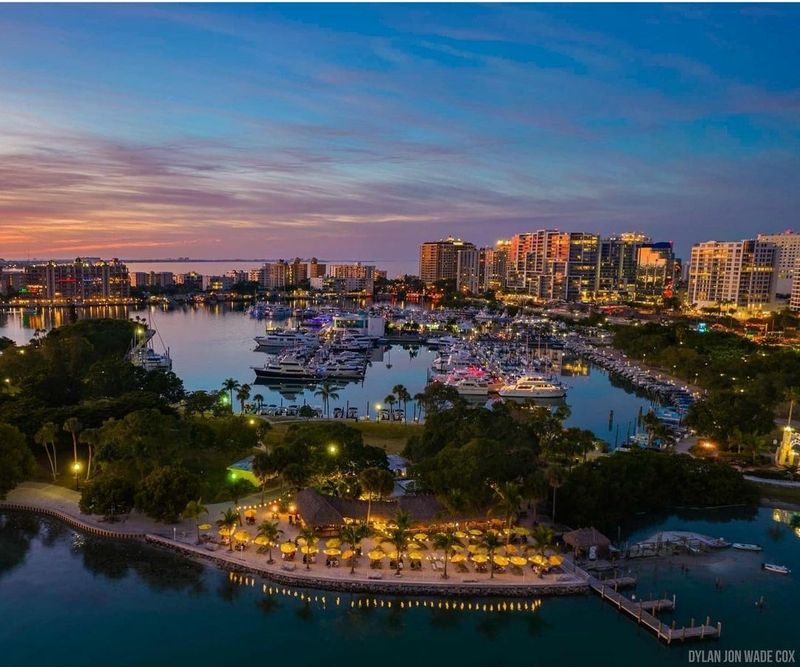
Sarasota has a secret it doesn’t try very hard to keep: it might be the most well-rounded city in Florida. You get world-class beaches, a thriving arts scene, excellent dining, and a downtown that actually functions like a real neighborhood.
That combination is rarer than people realize.
Siesta Key Beach — technically just outside the city — regularly tops national rankings for best beaches in the United States. The sand is made of quartz crystal, which means it stays cool under your feet even in the middle of summer.
That single fact alone has convinced more than a few people to relocate here permanently.
The arts infrastructure in Sarasota is genuinely impressive. The Ringling Museum of Art, the Sarasota Opera, the Florida Studio Theatre, and the Van Wezel Performing Arts Hall all call this city home.
For a metro area of roughly 400,000 people, the cultural programming is extraordinary — more in line with what you’d expect from a city twice the size.
Sarasota’s food scene has exploded over the last several years. The Rosemary District and downtown core are now packed with chef-driven restaurants, farm-to-table spots, and internationally inspired menus that keep food lovers genuinely busy.
Farmers markets and local food festivals fill in the gaps throughout the year.
Families are drawn here by the quality of the public and private school systems, while retirees appreciate the healthcare facilities and the generally relaxed pace. Young professionals are an increasingly visible part of the population, attracted by remote work flexibility and the undeniable lifestyle appeal.
Sarasota plays all its cards well.
5. Orlando
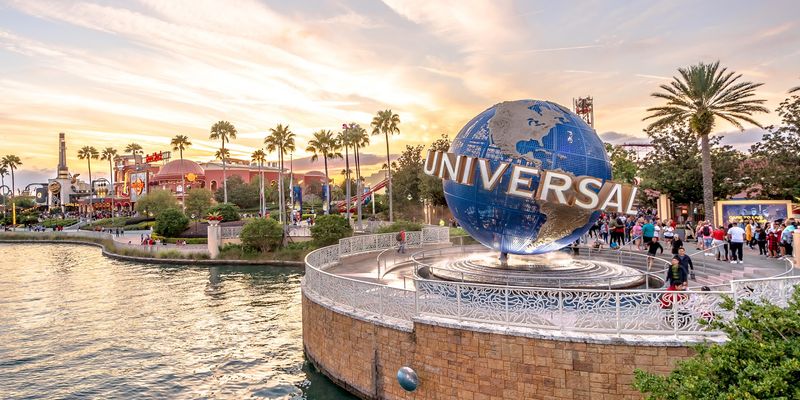
Most people think they know Orlando — theme parks, tourists, traffic. But the people who actually live here will tell you the story is much more interesting than that.
Behind the resort corridors is a genuinely dynamic city with a booming economy, a diverse population, and neighborhoods that have very little to do with Mickey Mouse.
The tech and medical sectors have quietly made Orlando one of the fastest-growing job markets in the country. The University of Central Florida is one of the largest universities in the United States by enrollment, and that energy spills out into the broader city in the form of innovation, entrepreneurship, and a young, ambitious workforce.
Neighborhoods like Thornton Park, College Park, and the Mills 50 District offer a side of Orlando that surprises first-time visitors. Walkable streets, indie coffee shops, galleries, and locally owned restaurants create pockets of authentic community that feel a world away from International Drive.
These are places where people genuinely know their neighbors.
Orlando’s cultural scene has grown significantly. The Dr. Phillips Center for the Performing Arts hosts Broadway tours, classical performances, and community events throughout the year.
The Orlando Museum of Art, the Charles Hosmer Morse Museum in nearby Winter Park, and a thriving live music scene round out the options nicely.
The cost of living, while rising, still comes in below many comparable metros in the Northeast and West Coast. No state income tax makes the financial picture even more appealing.
For families, the school options — including a strong charter and magnet school network — add another layer of appeal. Orlando keeps exceeding expectations, which at this point is kind of its thing.
6. Weston
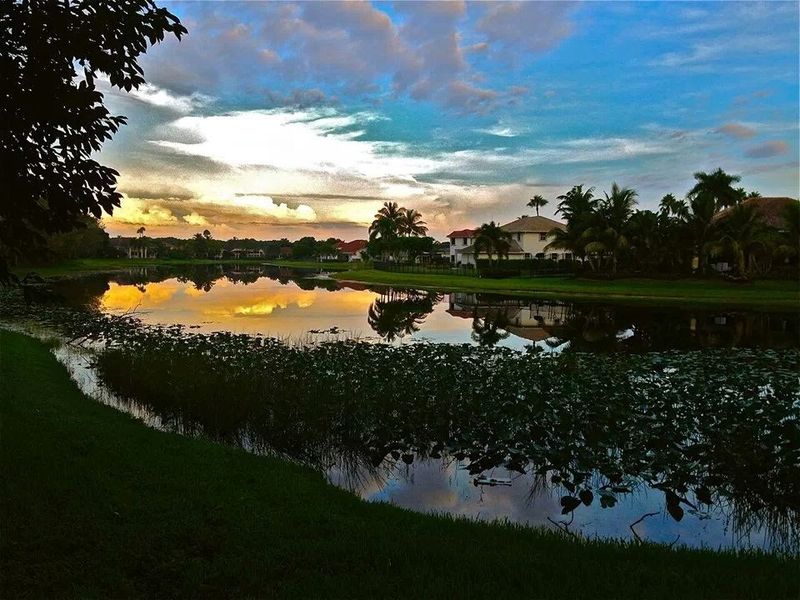
Weston is the kind of city that makes suburban living look genuinely aspirational. Tucked into western Broward County, it was master-planned from the ground up — and that intentionality shows in everything from the road layout to the park system to the quality of the schools.
It’s one of those places where the details just feel right.
The school system is Weston’s crown jewel. Broward County public schools in Weston consistently rank among the top performers in the state, and the city is home to several highly rated private and charter school options as well.
Families relocate here specifically for the educational opportunities, and the community identity is deeply shaped by that priority.
Safety is another defining characteristic. Weston regularly appears on lists of the safest cities in Florida — and in the country — which gives residents a sense of ease that’s hard to put a price on.
The streets are clean, the parks are well-maintained, and the overall sense of civic investment is palpable.
Despite being a planned community, Weston doesn’t feel sterile. Town Center is a lively hub with restaurants, shops, a farmers market, and community events that keep the social calendar full.
The Bonaventure Town Center Club offers fitness facilities, tennis courts, and pools that add to the active lifestyle options available to residents.
Fort Lauderdale and Miami are both within reasonable driving distance, which means Weston residents get the calm of a well-run suburb without sacrificing access to big-city amenities. For professionals working remotely or commuting into the metro, it’s a genuinely smart base of operations.
Weston proves that planned doesn’t have to mean boring.
7. Gainesville
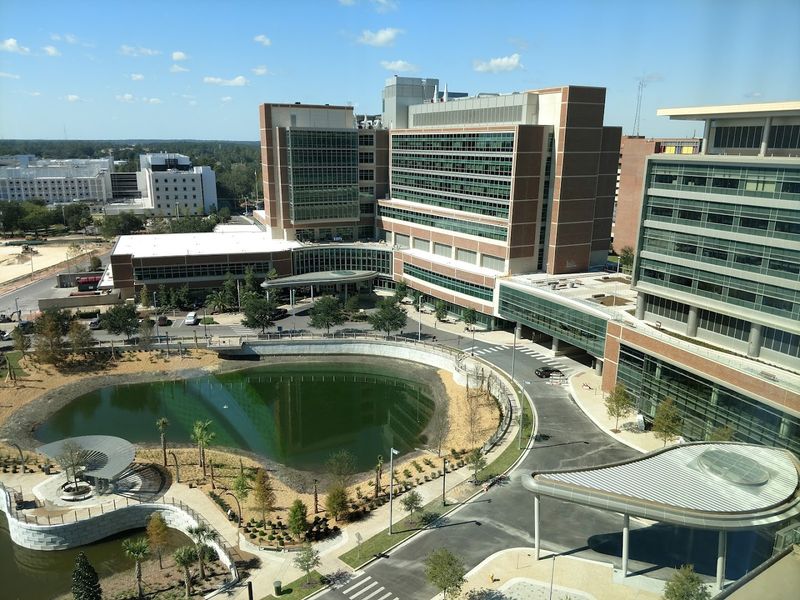
Gainesville runs on a kind of intellectual energy that you don’t find in many Florida cities. Home to the University of Florida — one of the top public universities in the country — the city has a built-in vibrancy that keeps things interesting well beyond the college crowd.
It’s a place where curiosity is basically a civic value.
The cost of living here is genuinely refreshing compared to most of the state. Rent, groceries, and everyday expenses run noticeably lower than in Tampa, Orlando, or Miami, which makes Gainesville especially attractive for young professionals, grad students, and families who want quality of life without the financial strain.
Stretching a dollar here is actually possible.
Paynes Prairie Preserve State Park is one of Gainesville’s most remarkable assets. This massive natural area — spanning over 20,000 acres — is home to wild horses, bison, alligators, and an incredible variety of bird species.
For outdoor enthusiasts, having something like that essentially in the backyard is a genuine luxury.
The food and arts scene benefits enormously from the university presence. Downtown Gainesville is packed with live music venues, independent bookstores, eclectic restaurants, and coffee shops that stay open late.
The Hippodrome Theatre has been anchoring the local arts scene for decades and continues to produce high-quality performances year-round.
Gainesville also has a strong healthcare ecosystem, anchored by UF Health Shands Hospital, which is one of the top academic medical centers in the Southeast. That means access to exceptional medical care — a significant quality-of-life factor that often gets overlooked when people evaluate cities.
Gainesville offers more than most people expect, and that’s exactly why its fans are so loyal.
8. Winter Park
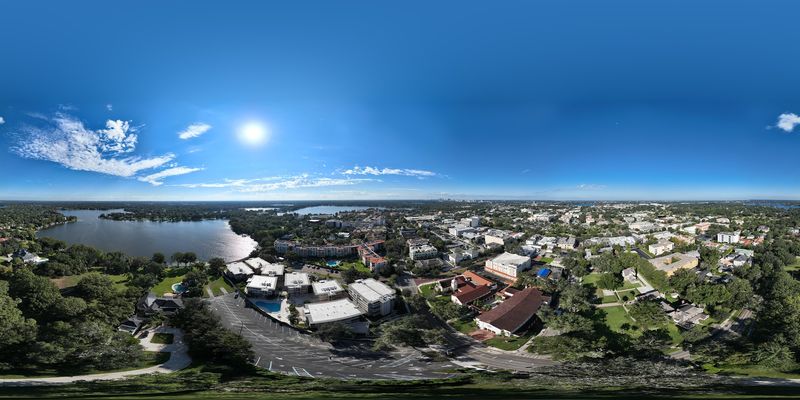
There’s a reason people who move to Winter Park rarely want to leave. This small city just north of Orlando has figured out something that much larger places struggle with: how to be genuinely charming without feeling fake about it.
The brick streets, the canopy of old oaks, the quiet lakes — it all adds up to something that feels almost European in its sensibility.
Park Avenue is the city’s main stage. This walkable stretch of boutiques, galleries, restaurants, and cafes is the kind of street that makes an afternoon disappear in the best possible way.
The Winter Park Farmers Market on Saturday mornings draws a loyal crowd of locals who treat it less like a chore and more like a weekly social event.
The Charles Hosmer Morse Museum of American Art is a genuine cultural treasure. It holds the world’s most comprehensive collection of works by Louis Comfort Tiffany, including breathtaking stained glass pieces that draw art lovers from around the world.
For a city of about 30,000 people, having a museum of that caliber is extraordinary.
Rollins College adds an academic dimension to the city’s character. The campus itself is gorgeous — one of the most beautiful in the country, with Spanish Mediterranean architecture and a lakefront setting that makes it look like a movie set.
The college brings lectures, performances, and cultural programming that enrich the broader community.
The school system is strong, the neighborhoods are safe, and the overall quality of construction and landscaping reflects a community that genuinely cares about its appearance. Winter Park is technically a suburb, but it has the soul of a destination city.
Once you spend a weekend here, the appeal is immediately obvious.
9. Fort Lauderdale
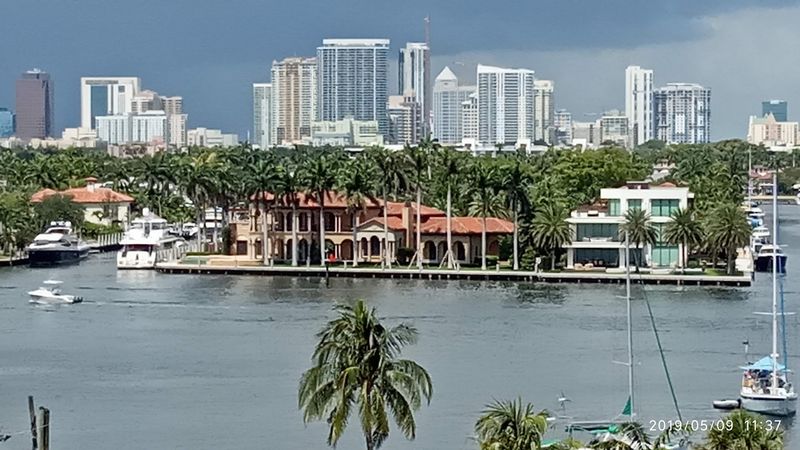
Fort Lauderdale has spent years shaking off the spring break reputation — and the work has paid off spectacularly. Today, the city is one of the most livable in South Florida, with a sophisticated waterfront culture, a thriving arts scene, and a business climate that keeps attracting serious investment.
The transformation has been real and it’s been dramatic.
Las Olas Boulevard is the city’s social spine. Running from downtown to the beach, it’s lined with restaurants, galleries, boutiques, and bars that cater to an eclectic mix of locals, tourists, and professionals.
On any given evening, the energy on Las Olas rivals what you’d find in much larger cities, but without the overwhelming scale that makes big-city nights exhausting.
The water is central to everything here. Fort Lauderdale has more miles of inland waterways than almost any city in the world outside of Venice, Italy — earning it the nickname “Venice of America.” Residents with boats use them as casually as other people use cars, and water taxis connect neighborhoods in a way that makes commuting genuinely enjoyable.
The arts and culture scene has matured significantly. The NSU Art Museum Fort Lauderdale, the Broward Center for the Performing Arts, and a growing gallery district in the FAT Village neighborhood give the city a cultural depth that surprises people who haven’t visited recently.
Film festivals, food events, and live music fill the calendar throughout the year.
Proximity to Miami adds a layer of accessibility to world-class dining, nightlife, and international travel, while Fort Lauderdale itself maintains a slightly more relaxed pace.
The city attracts a mix of young professionals, families, and international residents who collectively create one of the most dynamic communities in the state.
Fort Lauderdale has found its identity and it fits well.
10. Pensacola
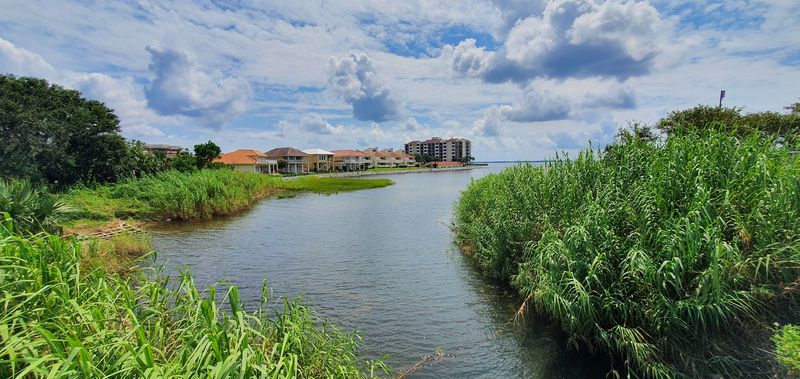
Pensacola doesn’t always make the first cut when people list Florida’s best cities, and that oversight genuinely baffles anyone who has spent real time there. This city in the Florida Panhandle has some of the most stunning beaches in the country, a rich military and colonial history, and a downtown that has quietly become one of the most interesting in the state.
The beaches here are legitimately world-class. Pensacola Beach and nearby Perdido Key feature sugar-white sand and water so clear and green it looks photoshopped.
Because this part of the Panhandle is less trafficked than South Florida’s coastline, the beaches feel spacious and unhurried — a rare thing in a state this popular.
Downtown Pensacola has undergone a serious revival over the past decade. Palafox Street is now lined with craft cocktail bars, farm-to-table restaurants, live music venues, and independent shops that give the area a genuine neighborhood feel.
The historic architecture adds a character that newer Florida cities simply can’t manufacture.
The cost of living in Pensacola is among the most favorable in the state. Housing prices, while rising, remain well below the Florida average, and the overall affordability makes it possible for middle-income families to live comfortably without sacrificing quality.
That’s an increasingly rare combination in today’s market.
Naval Air Station Pensacola brings a strong military presence and economic stability to the region. The National Naval Aviation Museum — free to visit — is one of the most impressive military museums in the country and a point of genuine local pride.
Pensacola has a distinct identity rooted in history, natural beauty, and community, and that combination makes it one of Florida’s most underrated quality-of-life stories.
11. Jacksonville
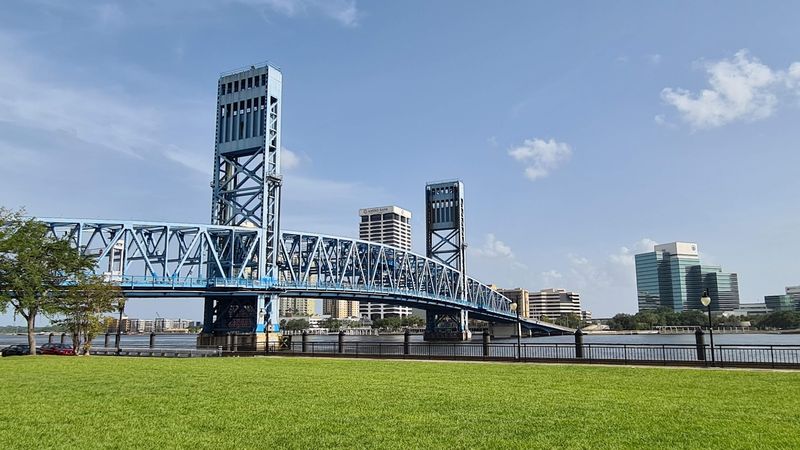
Jacksonville often gets overlooked in Florida conversations, overshadowed by flashier cities to the south. But people who live here know something the rest of the country is slowly figuring out: Jacksonville is one of the best-value, highest-potential cities in the entire Southeast.
The numbers back that up, and so does the lived experience.
Being the largest city by land area in the contiguous United States means Jacksonville has room — literal room — for parks, neighborhoods, and green space in ways that more densely packed cities can only dream about.
The St. Johns River runs through the heart of the city, and the Riverwalk connects downtown to parks, museums, and entertainment in a way that makes the waterfront feel genuinely alive.
The Riverside and Avondale neighborhoods are Jacksonville’s best-kept secret. These historic districts feature beautiful bungalows, oak-lined streets, independent restaurants, and a community character that feels more like a small town than a city of nearly a million people.
Five Points, the bohemian commercial strip at the heart of the area, is endlessly entertaining to explore.
Jacksonville’s economy is broad and resilient. Finance, healthcare, logistics, and defense all have major footprints here, providing employment stability that single-industry cities often lack.
The presence of several major corporate headquarters and a growing tech sector means the job market has real depth and variety.
The beaches — Jacksonville Beach, Neptune Beach, Atlantic Beach — are accessible, beautiful, and significantly less crowded than their counterparts further south. Families especially appreciate the relaxed pace and the strong sense of community that comes with beach town living.
Jacksonville is a city that rewards those willing to look past the surface, and what they find there is genuinely impressive.