Just 60 Miles from Gainesville, This Gulf Island Is the Florida You Thought Was Gone
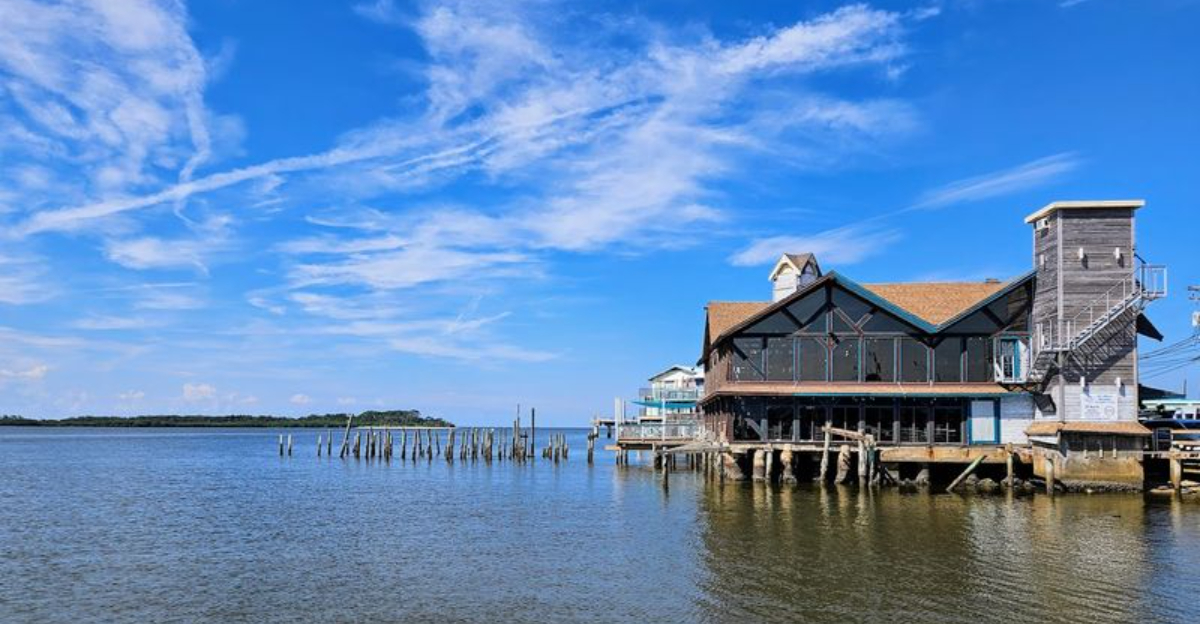
Somewhere between the crowded theme parks and the tourist-trap beaches, there’s a Florida that most people think has disappeared forever. Cedar Key sits quietly on a cluster of Gulf Coast islands about 60 miles southwest of Gainesville, and it looks like a postcard from a slower, simpler time.
Weathered docks, wild birds, fresh clams, and salt air — this tiny town has held onto something rare. If you’ve been searching for the real Florida, your search just ended.
Cedar Key National Wildlife Refuge: Where Wild Florida Still Roams Free
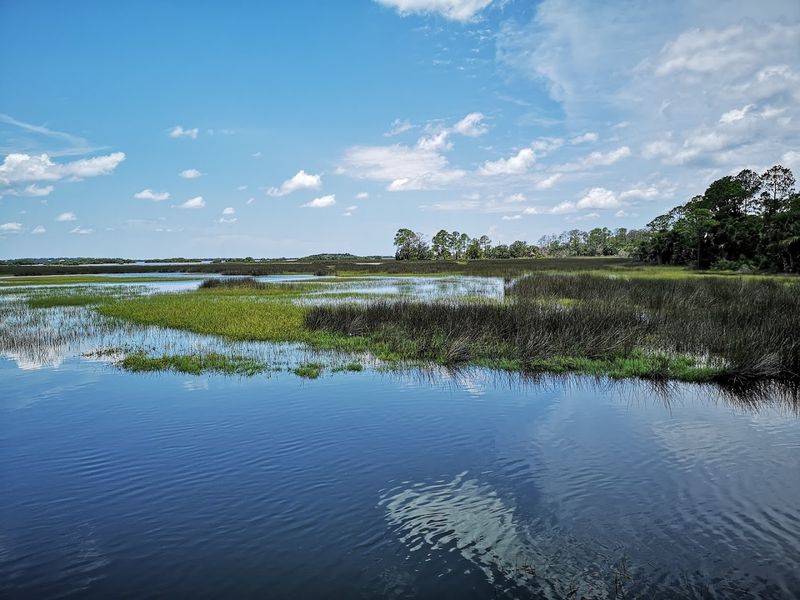
Some places make you feel like you’ve stumbled into a nature documentary. Cedar Key National Wildlife Refuge is exactly that kind of place — a scattered collection of small islands rising from the Gulf of Mexico, largely untouched and completely unforgettable.
It was established in 1929, making it one of the older refuges in Florida’s system.
The refuge protects several islands around Cedar Key, and most of them are accessible only by boat. That barrier alone keeps the crowds away, which is exactly why the wildlife thrives here.
Brown pelicans, ospreys, roseate spoonbills, and great blue herons are regular sights. During migration season, the islands become a kind of rest stop for dozens of bird species traveling along the Gulf Coast flyway.
Kayaking through the shallow waters around the refuge feels almost meditative. The water is calm, the mangroves are dense, and the only sounds are wind and wings.
Local outfitters in town rent kayaks and canoes, and some offer guided tours that take you through channels you’d never find on your own.
What makes the refuge special isn’t just the wildlife — it’s the silence. There are no resort hotels, no jet ski rentals, no beachside bars blasting music.
Just open water, ancient trees, and birds doing what birds have always done here. It’s a humbling experience.
If you’re visiting Cedar Key and you skip the refuge, you’re missing the whole point. Plan your trip around low tide for the best wildlife viewing, and bring binoculars because the birds don’t always come close.
Mornings are the most active time, especially in spring and fall. This is old Florida at its most honest — raw, beautiful, and completely worth the paddle.
The Historic Downtown District: Small-Town Charm With a Deep-Water Past
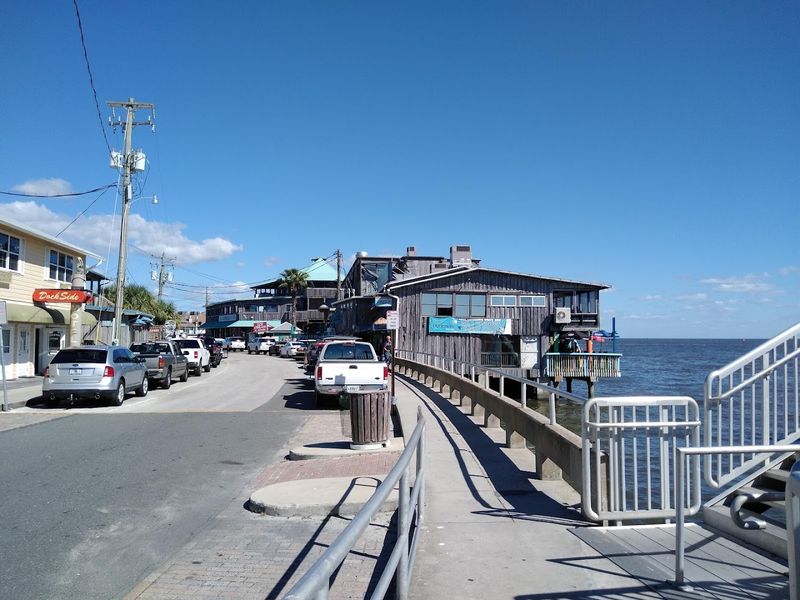
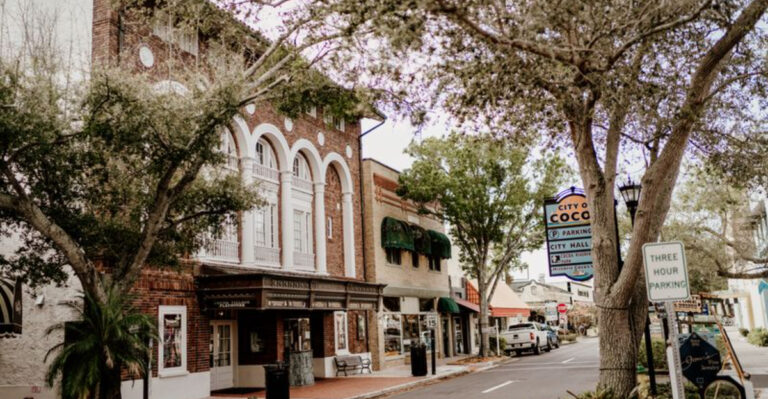
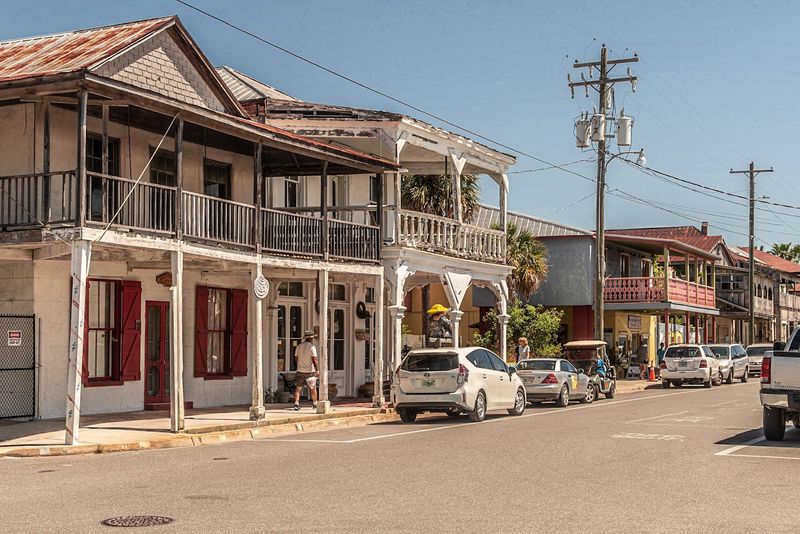
Cedar Key’s downtown is about four blocks long, and every single one of them tells a story. This isn’t a manufactured “quaint downtown” built to attract tourists — it’s the real thing, a working waterfront community that has been here since the mid-1800s.
The buildings lean slightly, the paint peels in the salt air, and the whole place smells like low tide and fresh coffee.
Back in the 1800s, Cedar Key was one of the most important ports in Florida. Pencils, believe it or not, put this town on the map.
The Eberhard Faber Pencil Company used red cedar from the surrounding forests to produce pencils, and the timber industry boomed alongside it. When the forests were stripped and a hurricane hit in 1896, the town’s fortunes changed dramatically.
What remained was a quiet fishing village that somehow never got swallowed by development.
Today, the downtown strip along Dock Street is lined with small galleries, seafood restaurants, and locally owned shops selling everything from handmade jewelry to clam-themed souvenirs. A few spots have been here for decades.
The vibe is friendly and unhurried — nobody is rushing you out the door.
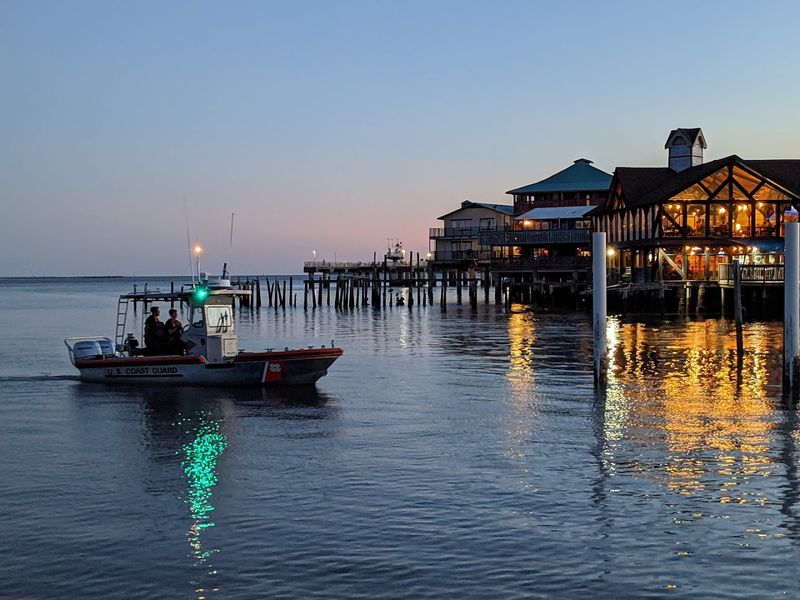
The views from the waterfront restaurants are genuinely stunning. You can sit on a covered porch, eat a bowl of clam chowder, and watch pelicans dive into the Gulf while the sun sets behind the islands.
It doesn’t get more Florida than that, and somehow Cedar Key keeps it from feeling cheesy.
Street parking is free and easy to find, which is itself a minor miracle. Walk the whole downtown in under 30 minutes, then double back and spend the rest of the day exploring.
There’s always something worth a second look.
Cedar Key Museum State Park: A Living Time Capsule on the Gulf
History doesn’t always live in glass cases behind velvet ropes. At Cedar Key Museum State Park, it lives in a 1920s home, a winding nature trail, and a collection of artifacts that feel genuinely personal — like you’re walking through someone’s attic, not a curated exhibit.
The park gives you a real sense of who lived here and how they made it work on this remote stretch of Gulf Coast.
The museum was originally the home of Saint Clair Whitman, a shell collector who spent decades gathering specimens from the surrounding waters. His collection became the foundation of the museum, and it’s impressive in a wonderfully nerdy way.
Shells of every shape and size are catalogued alongside historical photos, tools, and documents that trace Cedar Key’s evolution from a thriving port city to a quiet fishing community.
The nature trail behind the museum winds through upland scrub habitat, which is rare and ecologically significant in Florida. Keep your eyes open for gopher tortoises — they’re common along the trail and completely unbothered by visitors.
Scrub jays sometimes make appearances too, and they’re bold enough to check you out up close.
Admission is low, the crowds are minimal, and the park is easy to explore in about an hour. It pairs perfectly with a visit to the Cedar Key Historical Museum downtown, giving you a fuller picture of the town’s layered past.
Together, the two sites tell a story that most Florida destinations don’t bother to preserve.
What sticks with you after visiting isn’t any single artifact — it’s the feeling that Cedar Key actually values its own history. That’s rarer than you’d think along the Florida coast, and it makes the whole experience feel more genuine.
Go on a weekday morning for the quietest visit.
Fresh Clams and Gulf Seafood: Eating Your Way Through Cedar Key
Cedar Key is one of the top clam-producing areas in the entire United States, and eating here reflects that in the best possible way. These aren’t frozen, shipped-from-somewhere-else clams.
The clams on your plate were likely harvested from the water you can see from your table. That kind of freshness changes everything about how seafood tastes.
Clam farming has been central to Cedar Key’s economy for decades, and the shallow, clean waters of the Gulf around the island are ideal growing conditions. Local restaurants take full advantage of this.
You’ll find clams prepared steamed, stuffed, in chowder, in pasta, and in ways you haven’t thought of yet. The stuffed clam — a Cedar Key specialty — is worth ordering at every spot just to compare versions.
Beyond clams, the local menus feature Gulf shrimp, fresh-caught fish, and blue crab when it’s in season. The cooking style is casual and unfussy, which suits the atmosphere perfectly.
You’re eating at picnic tables and on screened porches, not in white-tablecloth dining rooms. That’s part of the appeal.
A few standout spots have been feeding locals and visitors for years. Look for places with handwritten specials boards and fishing boats visible from the window — those are usually your best bets.
Avoid anything that looks like it was designed by a corporate restaurant group. Cedar Key’s best food comes from kitchens run by people who actually live here.
Lunch is often the best meal of the day in Cedar Key. The crowds are lighter than dinner, the fish is fresh from the morning, and the afternoon light on the water is perfect for a long, lazy meal.
Bring cash — some of the smaller spots still prefer it. You won’t leave hungry or disappointed.
Kayaking the Suwannee Sound: Paddling Through Liquid Wilderness
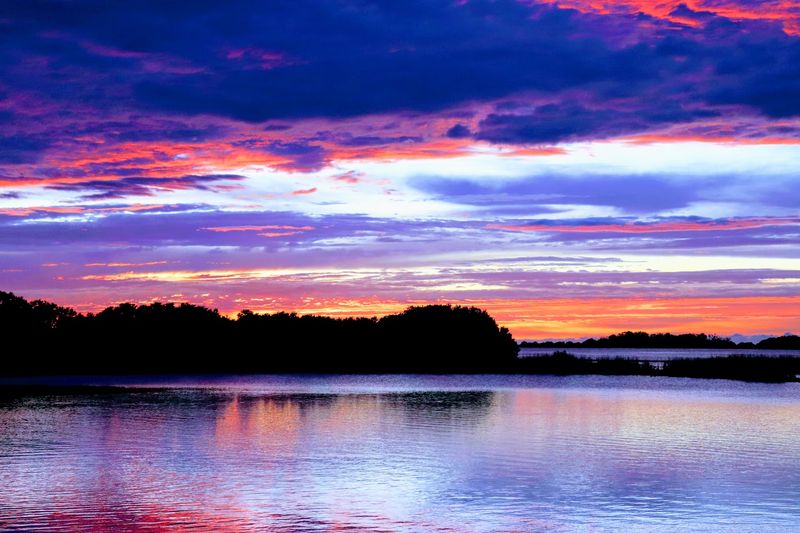
If you’ve ever wanted to feel completely alone in the best possible way, paddling the Suwannee Sound near Cedar Key will deliver that feeling in about ten minutes. The water is shallow and clear, the mangroves form green walls on either side of the channels, and the whole area feels like a world that exists independently of everything happening on land.
Cedar Key sits at the edge of one of Florida’s most ecologically rich coastal zones. The Big Bend Saltwater Paddling Trail passes through this area, and it’s considered one of the premier paddling routes in the southeastern United States.
Serious kayakers come from across the country to paddle these waters, but you don’t need to be an expert to enjoy a day out here.
Several local outfitters rent kayaks and stand-up paddleboards by the hour or the day, and a few offer guided tours that are worth every penny if you’re new to the area. A guide can point out wildlife you’d paddle right past on your own — manatees, dolphins, and various species of rays are all spotted regularly in these waters.
Seeing a manatee surface three feet from your kayak is not something you forget quickly.
The best paddling conditions are typically in the morning before the afternoon wind picks up. Tides matter out here too, so check a tide chart before you launch.
Paddling against a strong tidal current in shallow water is exhausting and unnecessary when a little planning prevents it.
Bring sunscreen, a hat, and more water than you think you need. The Gulf sun is unforgiving even on overcast days.
A dry bag for your phone and keys is a smart investment. Once you’re out on the water, you’ll understand why people keep coming back to Cedar Key year after year.
Cedar Key Historical Museum: Civil War Stories and Forgotten Port Days
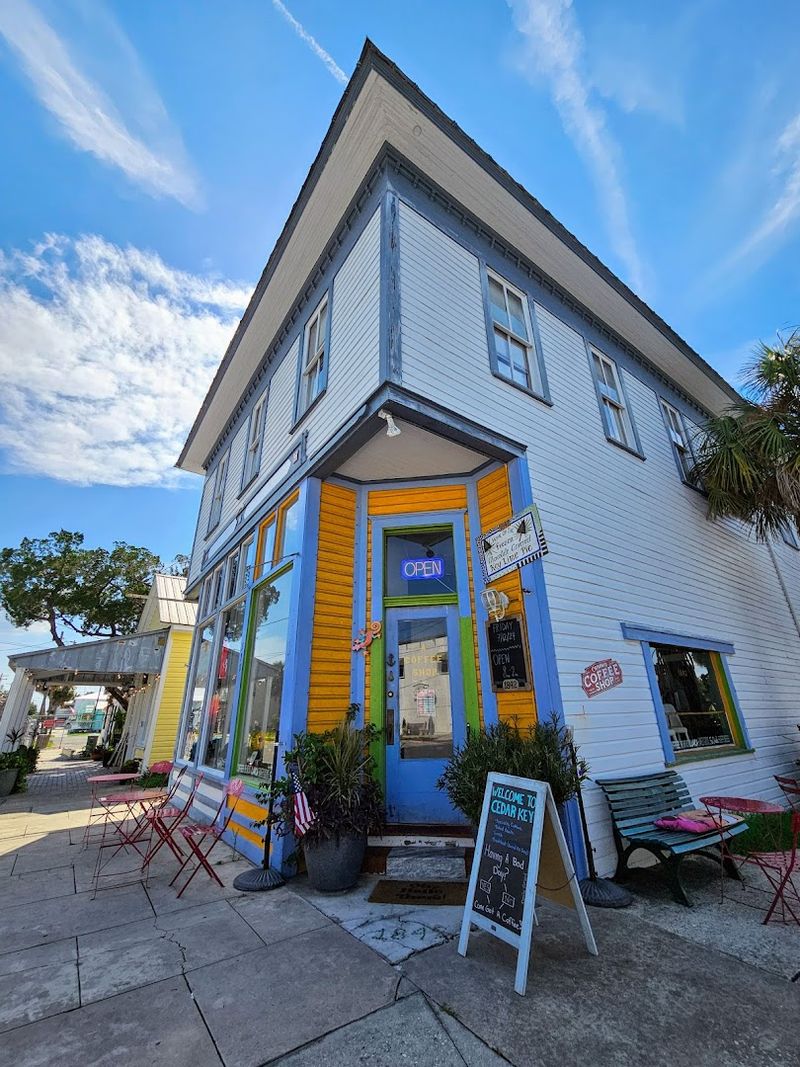
There’s something quietly powerful about a small-town museum that takes its own history seriously. The Cedar Key Historical Museum, housed in a building that dates back to 1871, does exactly that.
It’s compact, personal, and packed with the kind of details that make history feel like it actually happened to real people — because it did.
The museum explores Cedar Key’s remarkable past as a booming port city during the late 1800s. At its peak, Cedar Key was connected to the rest of Florida by the first cross-state railroad, which ran from Fernandina Beach on the Atlantic coast all the way to Cedar Key on the Gulf.
That rail connection made Cedar Key a critical trade hub for lumber, fish, and manufactured goods moving in and out of Florida.
Civil War history is also part of the story here. Cedar Key was a Union target during the war, and the museum houses photos, documents, and artifacts that illuminate that chapter of the town’s past.
It’s not a large collection, but it’s thoughtfully organized and the context provided helps visitors understand why this tiny island mattered strategically.
The volunteers who staff the museum are often local residents with deep roots in Cedar Key, and talking with them adds a layer of insight that no exhibit label can match. Ask questions — they’re genuinely happy to share stories that aren’t written down anywhere.
Admission is a few dollars, and the museum is small enough to visit in under an hour. It works well as a morning activity before lunch on Dock Street.
The building itself is worth a look — the architecture reflects an era when Cedar Key was still a place of real economic significance. Walking out, you’ll see the town a little differently than when you walked in.
Sunsets Over the Gulf: Why Cedar Key Evenings Hit Differently
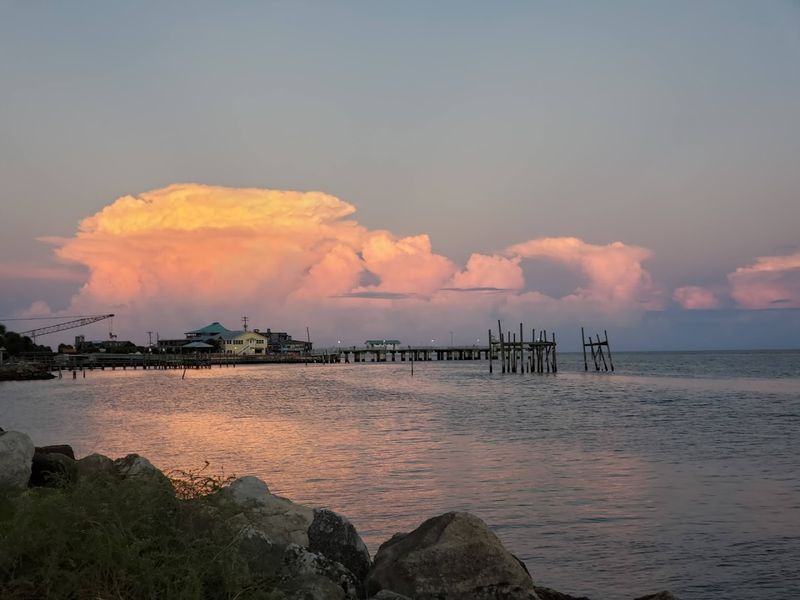
Ask anyone who has spent an evening in Cedar Key what they remember most, and the answer is almost always the sunset. There’s a reason for that.
Sitting on the western edge of Florida’s Gulf Coast with nothing between you and the open water, Cedar Key gets a front-row seat to some of the most dramatic evening skies in the state. No buildings block the horizon.
No stadium lights wash out the colors.
The light here does something special in the hour before the sun drops. It turns the shallow water gold, then orange, then a deep amber that makes the mangroves look almost purple.
Pelicans line up on the dock pilings like they’re watching too. The whole town seems to slow down and face west without anyone announcing it — it just happens.
Several restaurants along Dock Street have covered porches and open-air seating designed specifically for sunset watching. Arriving early to grab a good seat is worth it, especially on weekends.
Order something cold, settle in, and resist the urge to watch the whole thing through your phone screen. Cedar Key sunsets are best experienced directly.
If you’d rather watch from the water, an evening kayak or boat tour timed around sunset is one of the best things you can do here. The perspective from the Gulf looking back at the islands as the sky changes colors is genuinely breathtaking.
A few local charter operators offer sunset cruises that include drinks and local knowledge.
Cedar Key doesn’t have a lot of nightlife, and that’s part of what makes the sunset feel like an event. When the light fades, the stars come out in a way they never do near a city.
The Milky Way is visible on clear nights, which is a reminder of just how far from ordinary Florida you really are.
Getting Away From the Crowds: Why Cedar Key Stays Off the Radar
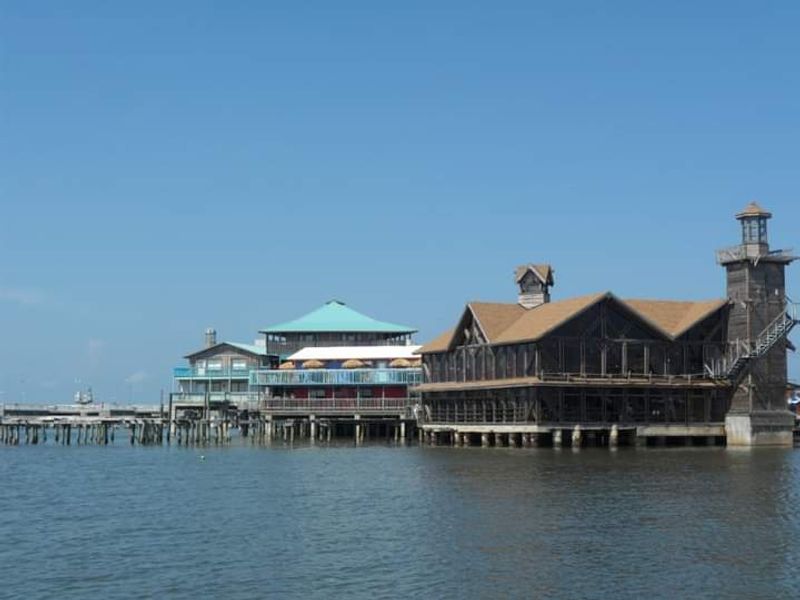
Cedar Key has a secret, and the town seems perfectly happy keeping it. While the rest of Florida’s Gulf Coast has been transformed by high-rise condos, chain restaurants, and bumper-to-bumper beach traffic, Cedar Key sits at the end of State Road 24 — a long, two-lane road through marsh and scrub — and simply doesn’t invite the chaos in.
The geography helps. Cedar Key is on an island, and getting there requires a deliberate decision.
You don’t accidentally pass through Cedar Key on your way somewhere else. You go there because you meant to go there.
That self-selection keeps the visitor count manageable and the atmosphere relaxed in a way that feels increasingly rare in Florida.
The town has also made conscious choices about development. There are no high-rise hotels, no chain fast-food restaurants, and no sprawling resort complexes.
Accommodations are small — bed and breakfasts, rental cottages, and a handful of modest motels. The largest gathering spot in town is probably the waterfront park, and even on a busy weekend it doesn’t feel overwhelming.
Locals are genuinely friendly in a way that doesn’t feel performative. They’ll recommend their favorite fishing spot, warn you about the best time to avoid the no-see-ums, and tell you which restaurant is actually worth it versus which one is coasting on location.
That kind of insider access is something you can’t buy in a more commercialized destination.
Visiting Cedar Key feels like finding something you weren’t sure still existed. The pace is slower, the interactions are more genuine, and the natural environment is right there — not fenced off behind a paid attraction.
If you’ve been disappointed by Florida lately, Cedar Key is the antidote. Give it a weekend and see if you don’t immediately start planning the next trip back.