14 Captivating Florida State Parks Almost No One Knows About
Florida is famous for its theme parks and beaches, but the real magic hides in its lesser-known state parks. Tucked away in quiet corners of the state, these spots offer wild beauty, deep history, and outdoor adventures that most tourists completely miss.
Whether you love hiking through cypress swamps, paddling calm rivers, or uncovering centuries-old history, these parks deliver. Pack your sunscreen and a sense of curiosity — Florida’s hidden gems are waiting.
1. Cayo Costa State Park — Captiva
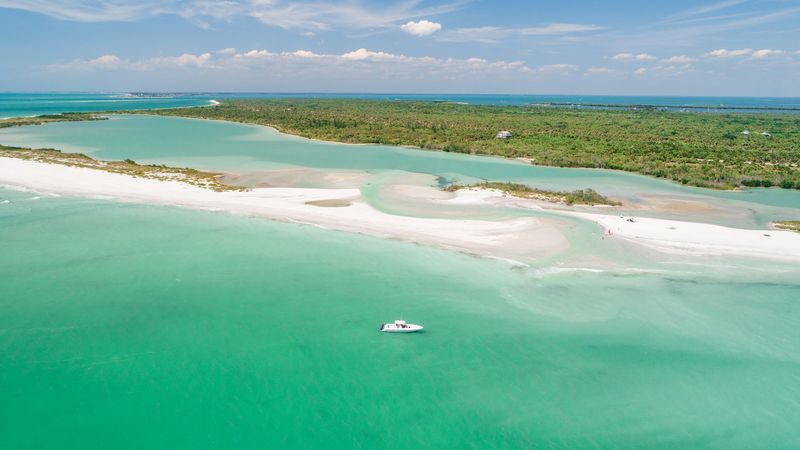
Accessible only by boat or ferry, Cayo Costa feels like stepping onto an island that the modern world forgot. No roads cut through it.
No fast food joints line the shore. Just nine miles of unspoiled Gulf Coast beach stretching out in front of you like nature’s own welcome mat.
The island sits between Pine Island Sound and the Gulf of Mexico, making it a paradise for shelling enthusiasts. Rare shells like junonia and lightning whelk wash up regularly, and serious collectors plan entire trips around low tide walks here.
Even casual visitors tend to leave with pockets full of treasures.
Wildlife is everywhere. Bottle-nosed dolphins cruise the shoreline, osprey circle overhead, and gopher tortoises lumber through the interior scrub.
During nesting season, loggerhead sea turtles haul themselves onto the beach after dark — a sight that genuinely stops people in their tracks.
Camping here is rustic but rewarding. Tent sites, primitive cabins, and a group camp area give visitors options depending on comfort level.
Reservations fill up fast, especially in winter and spring, so planning ahead is strongly recommended.
Kayaking around the island’s mangrove-fringed edges is one of the best ways to explore. The calm waters inside the sound are beginner-friendly, while the Gulf side offers a bolder, more open-water experience.
Rentals are available from nearby outfitters on Pine Island.
Getting here requires a ferry from Pine Island or Captiva, which adds a small adventure before the adventure even starts. That extra step keeps the crowds thin and the experience genuinely special.
For anyone craving a Florida beach that feels completely untouched, Cayo Costa is the answer.
2. Madira Bickel Mound State Archaeological Site — Terra Ceia
Standing at the edge of Tampa Bay, Madira Bickel Mound is one of Florida’s most significant yet least-visited archaeological sites. The mound itself was built by the Safety Harbor people, a Native American culture that thrived in this region roughly 900 to 1,700 years ago.
Visiting feels less like a casual stroll and more like a quiet conversation with deep history.
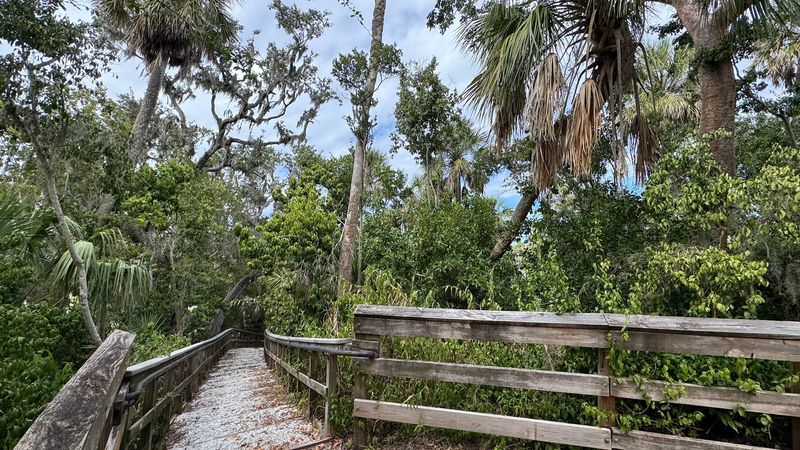
The site encompasses about 10 acres, with the ceremonial mound rising impressively above the surrounding flatlands. A short, easy trail loops through the property, passing through shady hammock forest draped in Spanish moss.
It is the kind of place where silence feels appropriate, almost respectful.
Interpretive signs along the trail explain how the mound was constructed over generations using shells, sand, and soil. The Safety Harbor people used it for ceremonies, burials, and as a platform for important structures.
Understanding that detail changes how you look at the mound — it is not just a hill, it is a layered record of a civilization.
The park sits right on Terra Ceia Bay, offering lovely water views that add a peaceful backdrop to the visit. Wading birds work the shallow shoreline, and the area is known for good birding throughout the year.
Bring binoculars if you have them.
Admission is free, making this one of the most accessible hidden gems in the entire Florida state park system. The site is small enough to explore in under an hour, which makes it a perfect add-on to a larger Tampa Bay area trip.
Few people outside of archaeology circles know this place exists, which means you will almost certainly have it to yourself. That quiet solitude, combined with the weight of history underfoot, makes Madira Bickel Mound genuinely unforgettable.
3. Fakahatchee Strand Preserve State Park — Copeland
Called the Amazon of North America by those who know it well, Fakahatchee Strand is unlike anything else in Florida. It protects the largest strand swamp in the world and holds the largest concentration of native orchid species anywhere in North America.
That combination alone makes it extraordinary.
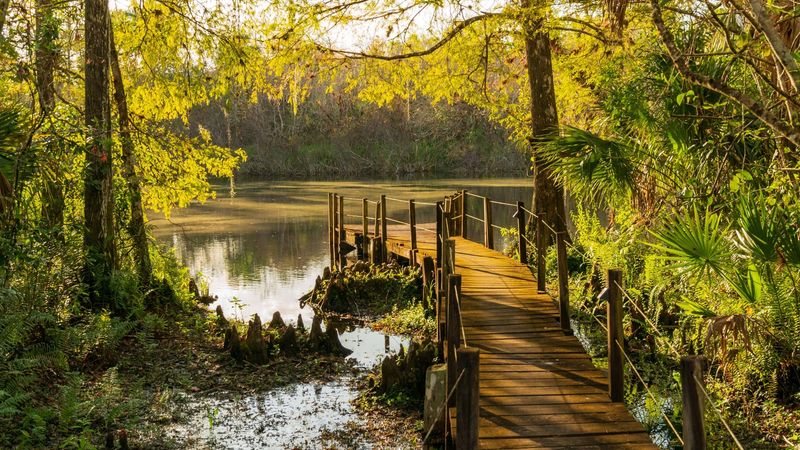
The park stretches roughly 20 miles long and up to five miles wide through Collier County, forming a slow-moving river of freshwater flowing southwest toward the Ten Thousand Islands. Ancient bald cypress trees tower overhead, draped in bromeliads and resurrection fern.
Light filters through the canopy in soft golden shafts that photographers chase obsessively.
Ghost orchids grow wild here — those rare, rootless blooms that became famous through Susan Orlean’s book “The Orchid Thief.” Spotting one in the wild requires patience, timing, and a little luck, but rangers occasionally lead special orchid tours during blooming season that dramatically improve your odds.
The Big Cypress Bend Boardwalk off US-41 offers an accessible entry point into the heart of the swamp without getting your feet wet. The elevated wooden walkway winds through old-growth cypress draped in Spanish moss, giving visitors a genuine deep-swamp experience in under a mile.
For adventurous visitors, swamp walks led by park rangers are the ultimate Fakahatchee experience. You wade knee-deep through the tannin-black water in sneakers you do not mind ruining, surrounded by cypress knees and the sounds of the wilderness.
It is messy, a little wild, and completely magnificent.
Wildlife sightings include Florida panthers, black bears, alligators, and an astonishing variety of wading birds. Fakahatchee does not try to impress you — it just does, effortlessly and completely.
4. Gasparilla Island State Park — Boca Grande
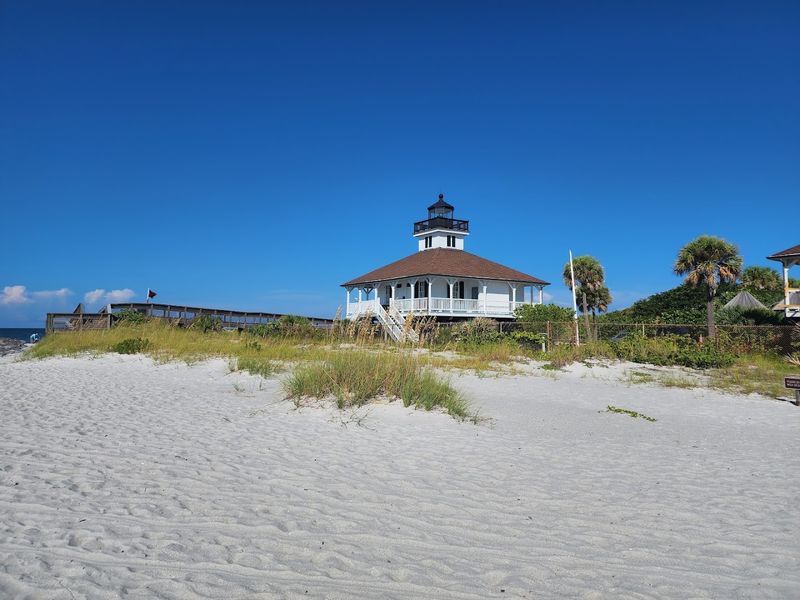
Gasparilla Island has a reputation for being a playground of the wealthy, but the state park tucked at its southern tip belongs to everyone. The park protects the historic Boca Grande Lighthouse, a gorgeous 1890 structure that has guided ships safely through Charlotte Harbor Pass for well over a century.
Seeing it up close feels like flipping through a very beautiful history book.
The lighthouse grounds are open for exploration, and a small museum inside shares the story of the light keepers who once lived and worked there. The building itself is impeccably maintained, painted a crisp white against the vivid blue Gulf sky.
It photographs beautifully at nearly any time of day.
The beach surrounding the lighthouse is one of the finest on Florida’s Gulf Coast — wide, white, and remarkably uncrowded given the island’s overall popularity. The calm, warm water makes it ideal for swimming, and the clear conditions near the pass are a magnet for snorkelers looking to spot sea life.
Tarpon fishing around Boca Grande Pass is legendary. The area is considered one of the best tarpon fishing spots in the entire world, and during peak season from May through July, boats crowd the pass in pursuit of the silver king.
Even non-anglers find the spectacle fascinating to watch from shore.
Getting to Gasparilla Island requires crossing a toll bridge, which keeps the crowds manageable. Once you arrive, the park entrance sits at the far southern end of the island, a scenic drive past historic homes and swaying palms.
The combination of lighthouse history, stunning beach, and world-class fishing energy gives this park a character that is hard to replicate anywhere else in Florida.
5. Big Shoals State Park — White Springs
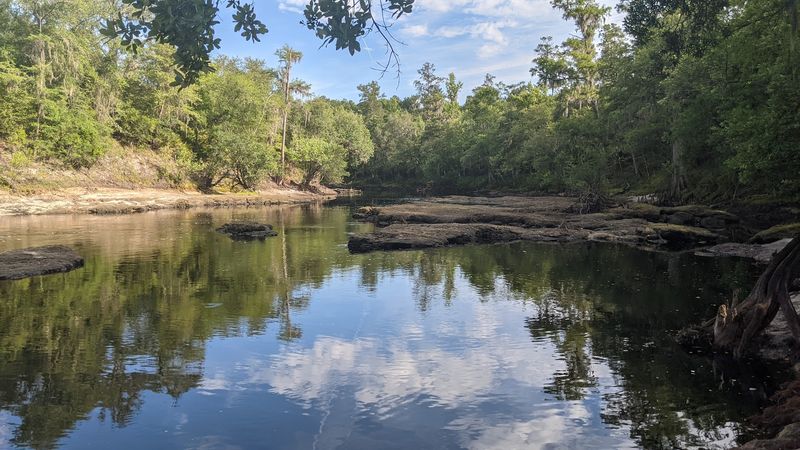
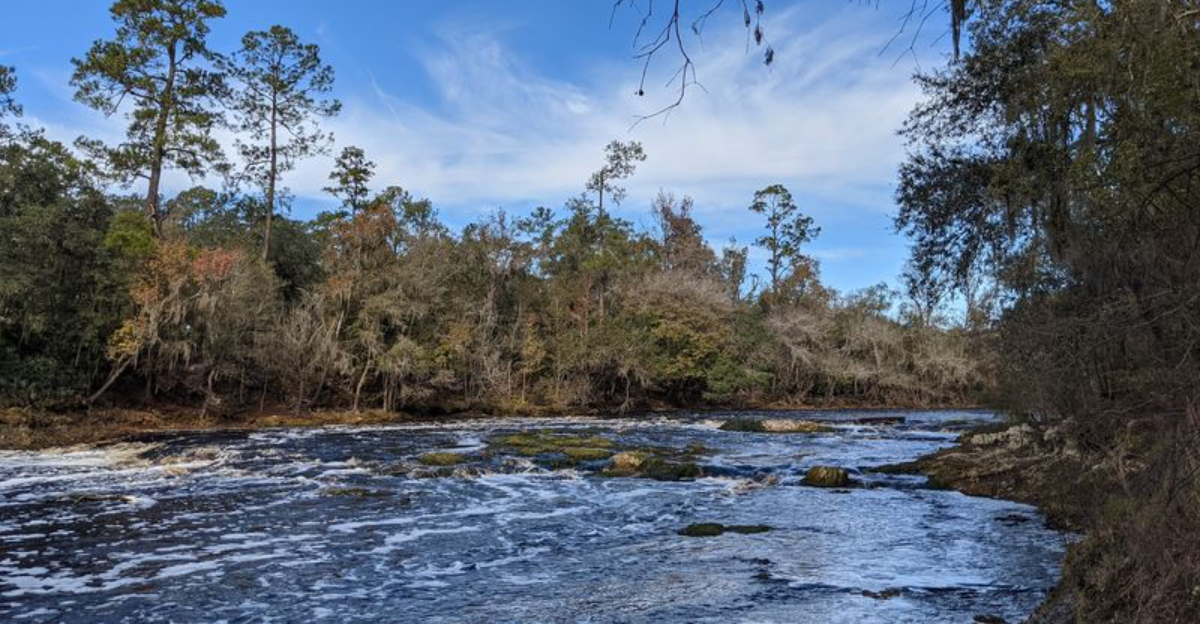
Florida is not exactly famous for whitewater rapids, which is exactly what makes Big Shoals so surprising. Located along the Suwannee River near White Springs, this park contains the largest whitewater rapids in the entire state.
When the river runs high, the shoals roar with enough force to flip a kayak — a genuinely thrilling sight in a state better known for flat, lazy waterways.
The rapids form where the Suwannee River crosses an ancient limestone ridge, creating a series of Class III rapids during high water conditions. Experienced paddlers from across the Southeast make the trip specifically to run the shoals, timing their visits after heavy rainfall when water levels peak.
Checking the river gauge before you go is absolutely essential.
Even when the water runs low and the rapids calm to a gentle churn, the park remains beautiful. The Suwannee River Wilderness Trail passes through here, and the hiking paths along the bluffs offer excellent elevated views of the river below.
The surrounding forest is a mix of longleaf pine, hardwood hammock, and river floodplain habitat that feels distinctly North Florida wild.
Wildlife watching is consistently rewarding at Big Shoals. River otters are spotted regularly, and the birdlife along the Suwannee corridor is exceptional, especially during spring and fall migration.
White-tailed deer move through the woods at dawn and dusk with casual regularity.
The park connects to Little Shoals, a smaller but still scenic stretch of river downstream. Together, they offer a full day of paddling, hiking, and exploring without ever feeling rushed or crowded.
White Springs itself carries its own interesting history as a former resort town, adding a cultural layer to any visit to this underappreciated corner of North Florida.
6. Lake Kissimmee State Park — Lake Wales
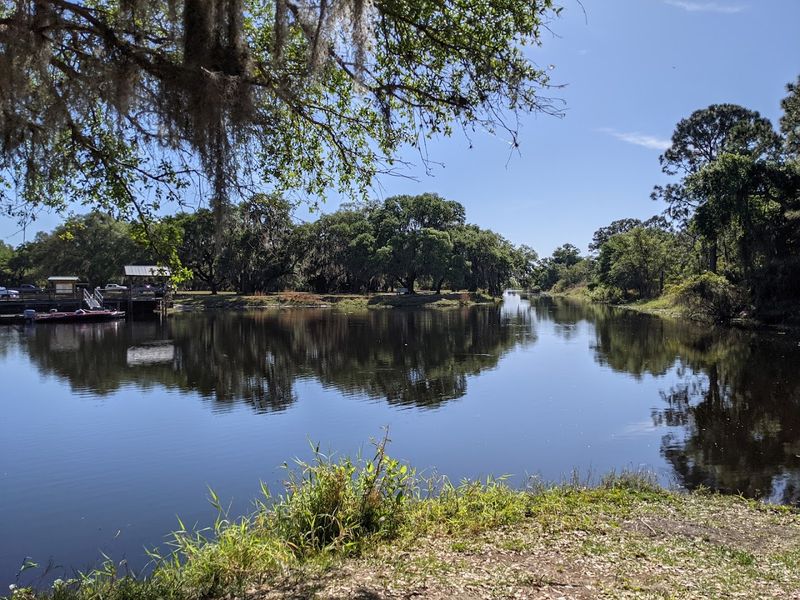
Most people drive through the heart of Florida without stopping, missing one of the state’s most authentic and underrated parks entirely. Lake Kissimmee State Park sits in the rolling scrub and wetlands of Polk County, protecting over 5,000 acres of the kind of Florida that existed long before the theme parks arrived.
The park sits at the confluence of Lakes Kissimmee, Tiger, and Rosalie, three large, shallow lakes that form a critical part of the greater Everglades watershed. The sheer scale of the water views here is breathtaking — flat, glittering horizons that stretch so far they blur into sky.
Bald eagles nest along the shorelines, and sandhill cranes strut through the open prairies with total confidence.
One of the park’s most distinctive features is its working 1876 Florida Cracker Cow Camp. On weekends, living history interpreters demonstrate what cattle ranching looked like in Florida before fences, before roads, before nearly everything modern.
Florida’s cattle ranching history predates Texas by centuries, and this camp brings that forgotten story to life in a vivid, engaging way.
The trail system covers 13 miles of varied terrain, moving through scrubby flatwoods, wet prairies, and hammock forest. Backcountry camping along the trails gives serious hikers the chance to spend a night completely off the grid.
The skies here, far from city light pollution, are genuinely spectacular after dark.
Alligators are common throughout the park, particularly along the lake edges and canal banks. Florida scrub-jays, a threatened species found only in Florida, are regularly spotted in the scrub habitat near the park entrance.
Lake Kissimmee rewards visitors who take their time. It is not flashy or dramatic — it is quietly, unmistakably real Florida.
7. Hillsborough River State Park — Thonotosassa
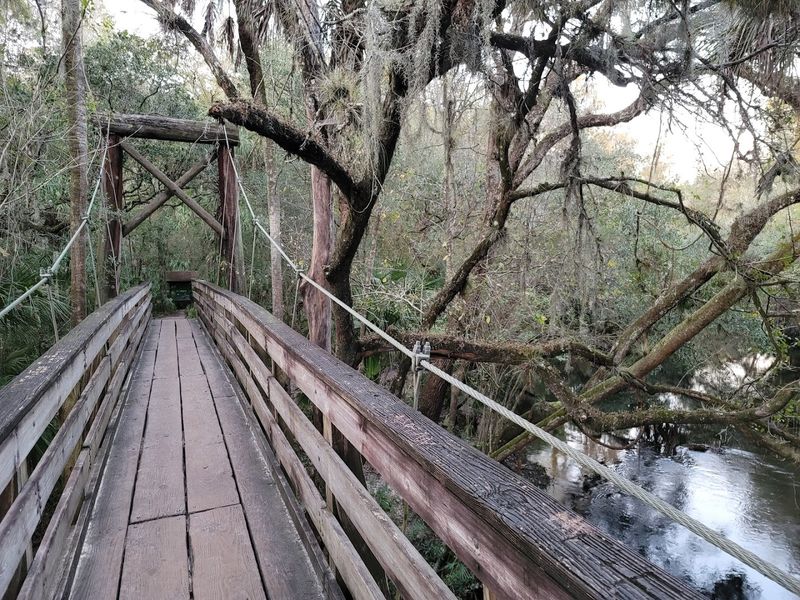
Just 12 miles northeast of downtown Tampa, Hillsborough River State Park hides in plain sight. It was one of Florida’s original state parks, established back in 1936 by the Civilian Conservation Corps, and the craftsmanship those workers left behind — stone bridges, picnic shelters, and trail structures — still stands today.
Walking through it carries a quiet, old-Florida charm that newer parks simply cannot replicate.
The Hillsborough River cuts through the park over a series of limestone rapids, one of the very few places in Central Florida where you can watch moving, churning water. The sound alone is worth the trip — a rushing, lively noise that feels completely out of place in this flat, subtropical landscape.
Canoes and kayaks can be rented on-site, making the river easily accessible for all skill levels.
The park’s trail system covers about seven miles, winding through dense floodplain forest, past ancient oaks draped in Spanish moss, and along the river’s edge. Armadillos root through the leaf litter alongside the trails, and river otters pop up regularly in the slower sections of water near the suspension bridge.
Fort Foster, a reconstructed Second Seminole War fortification, sits within the park and opens for tours on select weekends. The fort represents a critical chapter in Florida’s complicated history, and the rangers who lead tours bring that era to life with detail and genuine passion.
Swimming is allowed in a designated area of the river, which becomes a popular cooling-off spot during Florida’s brutal summer months. The water stays relatively clear and refreshing even in peak heat.
Camping options range from full-hookup RV sites to primitive tent spots, making this park an easy weekend getaway that feels far more remote than its Tampa-adjacent location suggests.
8. Waccasassa Bay Preserve State Park — Cedar Key
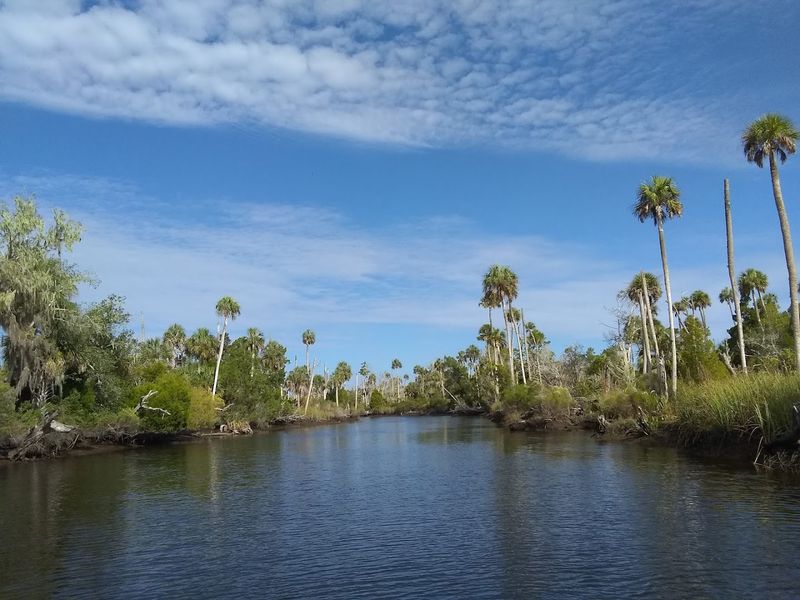
Waccasassa Bay is the kind of place that does not try to impress you and ends up impressing you completely. Stretching along Florida’s Nature Coast northwest of Cedar Key, this undeveloped coastal preserve protects thousands of acres of salt marsh, tidal creeks, and scattered hammock islands that see almost no foot traffic.
The silence out here is the deep, unbroken kind that feels increasingly rare.
Access is primarily by water — kayak, canoe, or small motorboat. There are no developed trails, no visitor center, and no concession stands.
What you get instead is a raw, unfiltered coastal wilderness experience that paddlers and birders chase specifically because of its remoteness. Planning ahead and bringing everything you need is non-negotiable.
The birding here is extraordinary. Roseate spoonbills, wood storks, great blue herons, and white pelicans work the shallow tidal flats, often in numbers that feel almost surreal.
During winter months, the bay hosts large concentrations of migratory waterfowl that turn the water into a living, moving tapestry.
Manatees are frequent visitors to the warm, shallow waters, particularly in cooler months when they congregate near natural springs. Spotting one while paddling quietly through a tidal creek — their broad backs just breaking the surface — is a memory that sticks with you permanently.
The preserve also protects a significant stretch of undeveloped Florida coastline, a resource that grows rarer every year. Understanding that context adds meaning to every paddle stroke.
Cedar Key itself, just south of the preserve, is a wonderfully quirky little fishing village worth exploring before or after your paddle. Clam chowder at a waterfront restaurant after a day on the water is an entirely appropriate way to end the adventure.
9. Fort Mose Historic State Park — St. Augustine
Fort Mose carries a story so significant it is almost shocking that more people do not know it. Established in 1738 just north of St. Augustine, Fort Mose was the first legally sanctioned free Black settlement in what is now the United States.
That fact alone makes it one of the most important historical sites in all of North America, not just Florida.
The settlement was established by the Spanish colonial government, which offered freedom to enslaved people who escaped from British colonies to the north and converted to Catholicism. The people who made that desperate journey — often hundreds of miles on foot — built a fortified community here and defended it against British attacks.
Their courage and resilience shaped the early history of this continent in ways that mainstream history books rarely acknowledge.
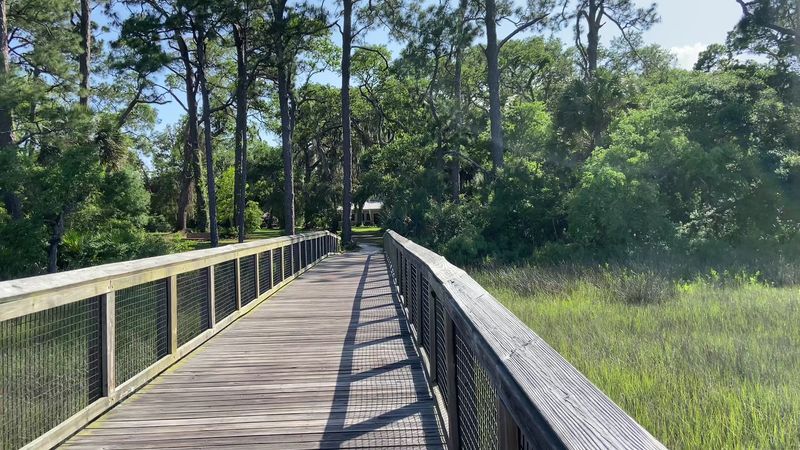
The physical site today sits in a beautiful coastal marsh just off US-1. A boardwalk extends out over the marsh, offering peaceful water views and excellent birding opportunities.
The marsh itself is stunning in the early morning light, with egrets and herons moving silently through the cordgrass.
The visitor center tells the full Fort Mose story through well-designed exhibits, artifacts, and timelines. Spending time with those exhibits before walking the boardwalk deepens the experience considerably.
Rangers are knowledgeable and enthusiastic about sharing the history.
Fort Mose was designated a National Historic Landmark in 1994 and was named one of the most significant African American heritage sites in the country. Despite that recognition, it remains far less visited than it deserves.
For anyone interested in American history — the full, complex, honest version — Fort Mose is essential. It fills in gaps that most people never knew existed, and it does so in a setting of quiet, marsh-edge beauty.
10. Paynes Creek Historic State Park — Bowling Green
Paynes Creek Historic State Park sits quietly in Hardee County, one of Florida’s least-visited counties, protecting the site of a 19th-century trading post and a chapter of Florida history that most residents have never encountered.
The park centers on the 1849 attack on the Kennedy-Darling Trading Post, which triggered the Third Seminole War — the final chapter of decades of conflict between the U.S. government and the Seminole people.
The story is genuinely gripping. George Payne and Dempsey Whiddon, employees of the trading post, were killed in the attack, and their deaths prompted the U.S.
Army to establish Fort Chokonikla nearby. The park preserves and interprets this history with care, acknowledging the complexity of the events without reducing them to simple good-and-bad narratives.
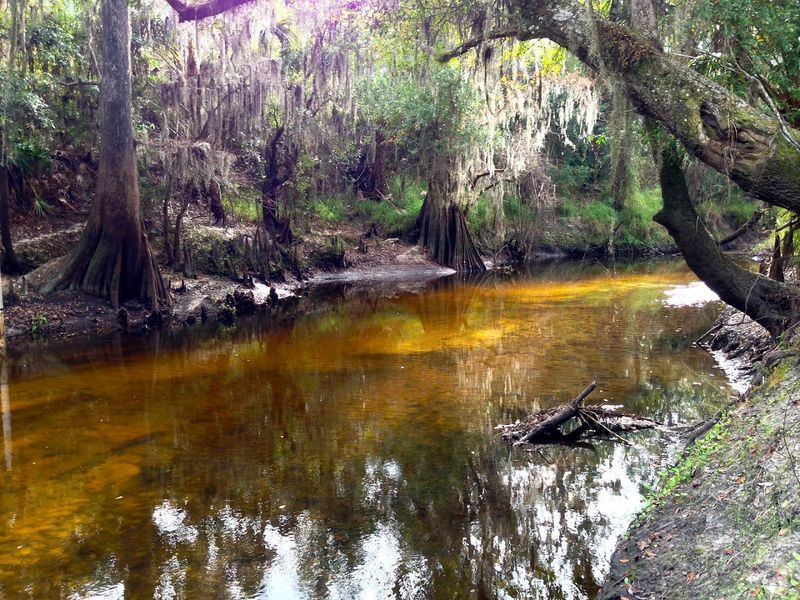
The creek itself is lovely — a slow-moving, tannin-stained waterway lined with cypress and hardwood that gives the park a peaceful, almost meditative quality.
A short trail system winds along the creek bank and through the surrounding flatwoods, passing interpretive markers that connect the landscape to its historical significance.
Fishing in Paynes Creek is a quiet pleasure, with bass, bream, and catfish all present in the dark water. The park provides a boat ramp and dock, making it accessible for small watercraft.
Kayaking the creek on a still morning, with mist rising off the water, is genuinely lovely.
Wildlife in the park includes white-tailed deer, wild turkey, gopher tortoises, and a healthy variety of wading birds along the creek margins. The surrounding agricultural landscape means the park feels like a genuine green refuge.
Paynes Creek is the definition of a hidden gem — small, historically rich, and almost entirely overlooked by the Florida tourism machine. That makes visiting it feel like a personal discovery.
11. Ochlockonee River State Park — Sopchoppy
Say “Sopchoppy” once and it will live in your brain forever — and honestly, the town’s extraordinary name is a fitting introduction to one of Florida’s most underrated Panhandle parks.
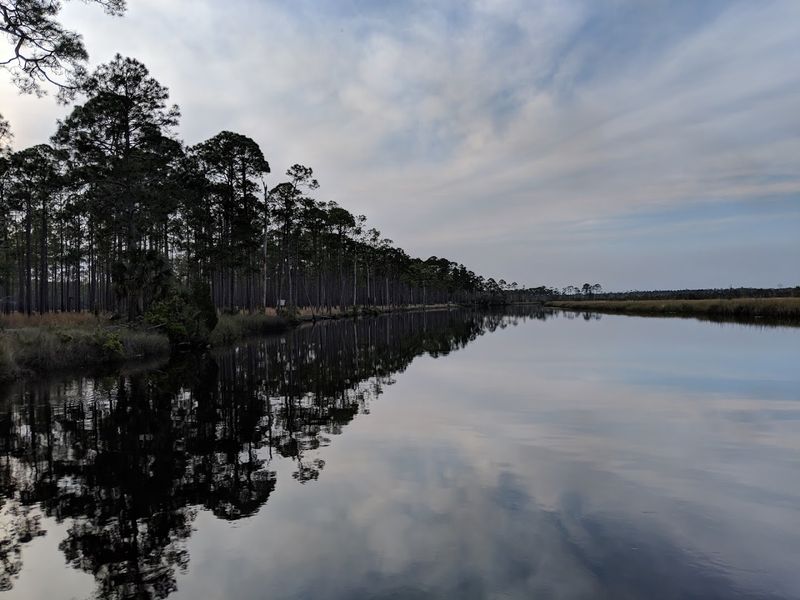
Ochlockonee River State Park sits where the Ochlockonee and Dead rivers converge before emptying into Ochlockonee Bay, creating a layered water landscape that paddlers, anglers, and campers adore.
The park protects a beautiful stretch of longleaf pine flatwoods, a habitat that once covered much of the Southeast but has been reduced to a tiny fraction of its original range. Walking through these open, airy pinelands — with their grassy understory and the distinctive smell of warm pine resin — feels like stepping into an older, less-altered version of the South.
Red-cockaded woodpeckers, a federally protected species, live in the park’s old-growth pines.
Paddling the Ochlockonee River is the park’s signature experience. The water runs dark and slow, stained by tannins from the surrounding vegetation, and the river corridor is peaceful and wildlife-rich.
Alligators sun themselves on the banks, otters play in the current, and osprey dive with spectacular precision into the shallows.
The campground sits just steps from the water, and falling asleep to the sounds of the river and the Panhandle night is the kind of simple pleasure that is genuinely hard to put a value on. Sites fill up during cooler months, so booking ahead is wise.
Fishing in the Ochlockonee system is rewarding, with bass, catfish, and saltwater species accessible depending on tides and season. The boat ramp provides easy water access for anglers with small craft.
Nearby Sopchoppy hosts the famous Worm Grunting Festival each spring — a delightfully quirky local tradition that makes a visit to this corner of Florida even more memorable.
12. Sebastian Inlet State Park — Melbourne Beach
Sebastian Inlet punches way above its weight. Consistently ranked among Florida’s most visited state parks, it somehow still feels undiscovered to most casual Florida visitors who stick to the theme park corridor an hour west.
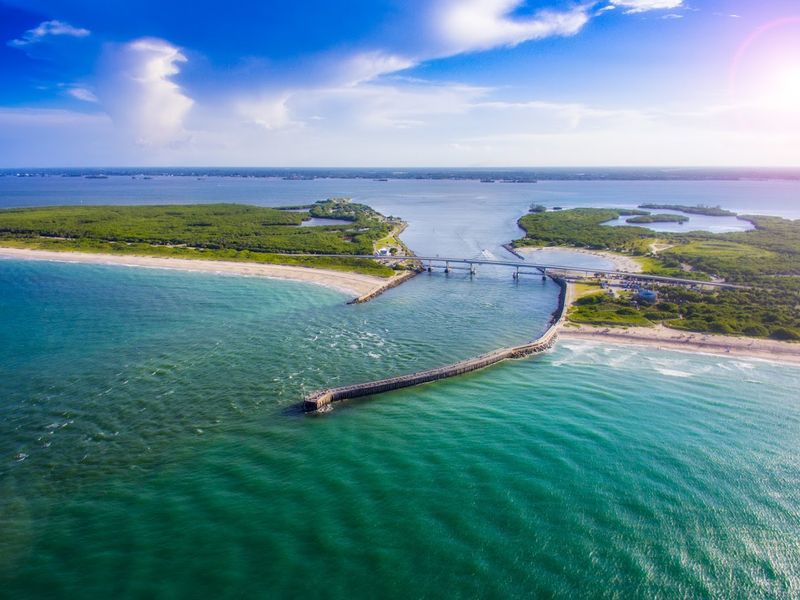
The inlet connects the Indian River Lagoon to the Atlantic Ocean, and that meeting of fresh and saltwater creates an ecosystem of remarkable richness and variety.
The surfing here is legitimately excellent — some say the best in Florida. The inlet’s strong tidal currents push consistent swells that break with real force, drawing surfers from across the state.
Watching skilled surfers work the inlet break from the jetty rocks is entertaining even if you have never touched a surfboard in your life.
Fishing from the jetties is a beloved Sebastian Inlet tradition. Anglers set up before dawn to chase snook, redfish, tarpon, and bluefish as they move through the inlet with the tide.
The concentration of fish here is remarkable, and even casual fishermen tend to have good days when the tides cooperate.
The park’s McLarty Treasure Museum tells the story of the 1715 Spanish Treasure Fleet, which wrecked along this stretch of coast in a hurricane. Eleven ships sank, and the gold and silver scattered across the seafloor off Sebastian is still being recovered by licensed salvagers today.
The museum makes that story tangible and genuinely fascinating.
Sea turtle nesting is prolific on the park’s Atlantic beaches during summer. The park runs ranger-led turtle walks during peak season, offering a rare chance to watch a nesting sea turtle up close under responsible supervision.
The Indian River Lagoon side of the park is calm and manatee-friendly, with excellent kayaking through shallow grass flats. Sebastian Inlet truly delivers something for everyone without feeling generic or overproduced.
13. St. Marks River Preserve State Park — Tallahassee
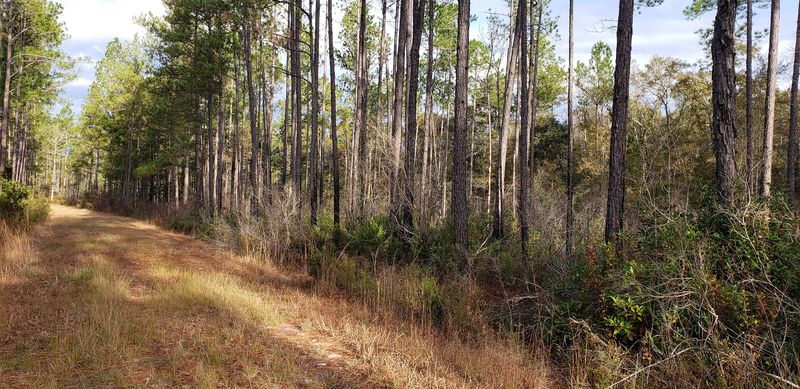
Sitting just south of Tallahassee but feeling worlds away from the state capital’s political bustle, St. Marks River Preserve State Park is a paddler’s dream that most people in Tallahassee itself have never visited. The park protects a significant stretch of the St. Marks River as it winds through longleaf pine uplands and cypress-lined floodplains toward the Gulf of Mexico.
The river here is a classic Florida blackwater stream — dark, clear, tannin-stained water moving with a gentle, unhurried current through a cathedral of cypress trees. Paddling it feels profoundly quiet.
The sounds of the city disappear entirely within minutes of launching, replaced by birdsong, the drip of your paddle, and the occasional splash of a fish breaking the surface.
The park connects to the broader St. Marks Wildlife Refuge system, and the wildlife reflects that protected landscape. Swallow-tailed kites hunt over the river corridor in summer — arguably Florida’s most spectacular bird, with their dramatic forked tails and acrobatic flight.
Wood storks, limpkins, and barred owls are regular presences throughout the year.
Hiking trails wind through the upland portions of the park, crossing through longleaf pine habitat that supports gopher tortoises, indigo snakes, and a rich variety of native wildflowers in spring. The trails are lightly used, which means wildlife encounters are frequent and the solitude is genuine.
The park is less developed than many in the Florida system, which is precisely what gives it its appeal. No crowds, no noise, no lines — just river, forest, and sky in their most natural state.
For Tallahassee locals looking to unplug without driving far, and for visitors who want to experience authentic North Florida wilderness, St. Marks River Preserve is a revelation hiding in plain sight.
14. Ravine Gardens State Park — Palatka
Ravine Gardens is the kind of park that makes visitors stop mid-path and ask out loud, “Wait — is this really Florida?”
Located in Palatka along the St. Johns River, the park features a pair of ancient ravines carved by springs, dropping 120 feet below the surrounding flatlands in a landscape that looks nothing like the rest of the state. Steep, moss-covered walls plunge into lush, shaded hollows that feel almost prehistoric.
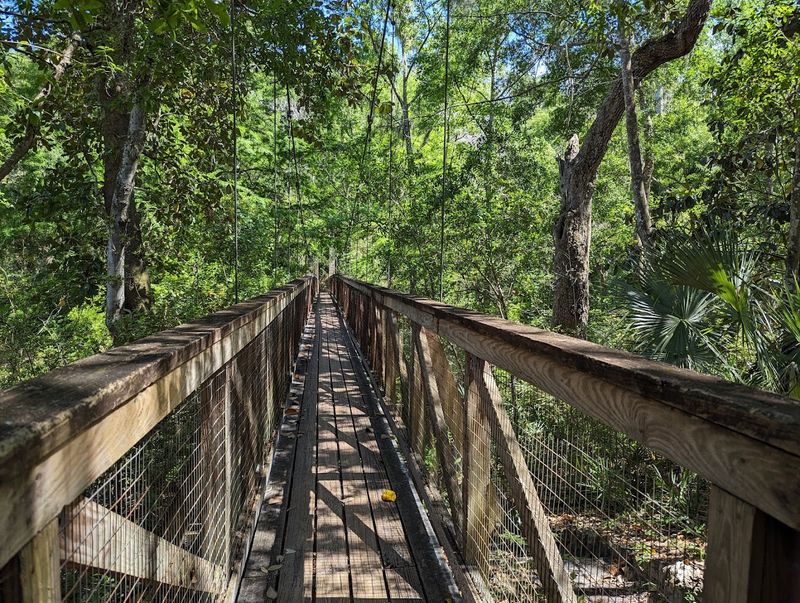
The park was developed by the Works Progress Administration during the 1930s, and the elegant stonework, suspension bridges, and terraced pathways they constructed still define the visitor experience today.
Walking those paths feels like moving through a living piece of American history — both natural and human-made. The craftsmanship is extraordinary for any era.
Azaleas are the park’s signature spectacle. More than 100,000 azalea plants grow along the ravine walls, and when they bloom in late winter and early spring, the effect is jaw-dropping — waves of pink, red, orange, and white cascading down the ravine slopes in a display that has drawn visitors since the 1930s.
The annual Azalea Festival in Palatka celebrates the bloom every March.
Outside of azalea season, the park remains beautiful in a quieter, greener way. The ravine forest is cool and shaded even in summer heat, making it a genuine refuge.
Native ferns, wildflowers, and hardwood trees create a layered, complex habitat unlike anything in Central or South Florida.
The suspension bridges spanning the ravines are a highlight — standing on one and looking down into the green depths below gives a sense of scale that photographs struggle to capture. Children especially love the slight sway underfoot.
Palatka itself is a charming, underrated river town worth exploring after the park. Ravine Gardens and Palatka together make for one of the most satisfying day trips in Northeast Florida.