13 Small Towns in Florida That Feel Like You’ve Stepped Onto a Film Set
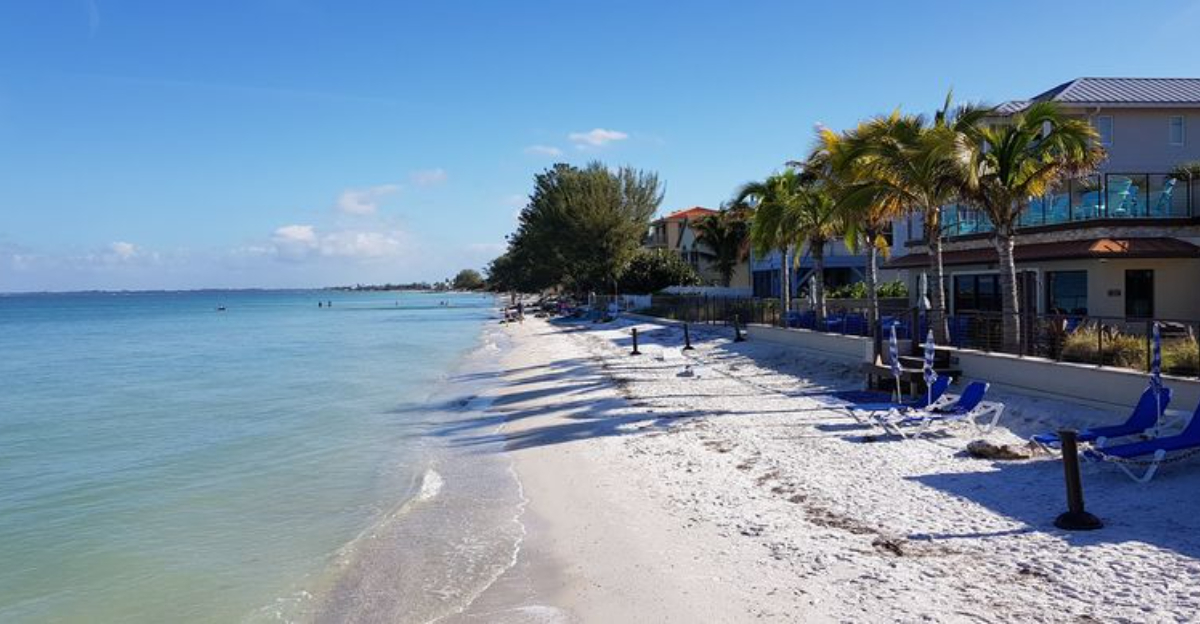
Florida is way more than theme parks and crowded beaches. Tucked between the palm trees and back roads are small towns so charming, so cinematic, and so full of personality that you half-expect a film crew to jump out from behind a live oak tree.
Some of these places have actually been on the big screen, while others just look like they should be. Pack a bag, because these 13 Florida small towns are about to seriously challenge everything you thought you knew about the Sunshine State.
1. Anna Maria (Anna Maria Island)
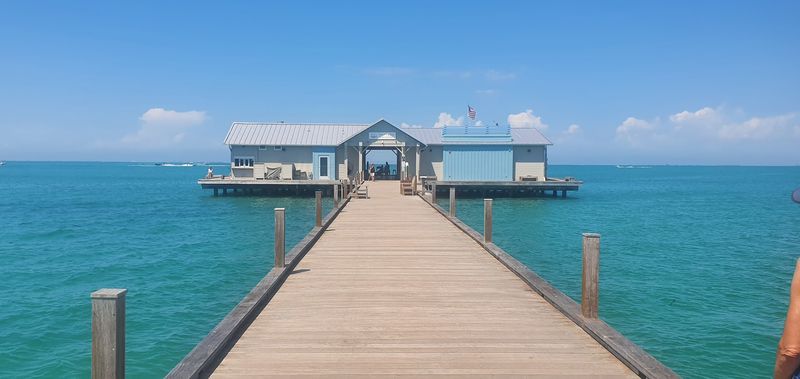
Picture a Florida beach town that somehow missed the memo about overdevelopment, and you have Anna Maria Island. Pastel-painted cottages line streets so quiet you can actually hear the Gulf breeze.
No towering condos, no chain restaurants screaming at you from every corner — just pure, unfiltered Old Florida magic.
The island sits at the northern tip of Anna Maria Island in Manatma County, and the town of Anna Maria itself is the crown jewel of the whole stretch. Pine Avenue is the main drag, dotted with local boutiques, seafood shacks, and coffee spots where the regulars know each other by name.
It has the energy of a place that’s been happily frozen in the 1960s, only with better Wi-Fi.
Sunsets here are an event. Locals drag beach chairs to the shore like it’s a nightly ritual — because for many of them, it absolutely is.
The Rod & Reel Pier is a classic spot where fishermen cast lines and pelicans freeload with zero shame.
Getting around is best done by bike or golf cart, which adds to the whole slow-living, film-set fantasy. There’s a real sense that time operates differently here, and honestly, that’s the whole point.
Visitors who come for a weekend often find themselves seriously reconsidering their life choices by Sunday afternoon.
Families love it for the calm, shallow Gulf waters. Couples love it for the romantic, unhurried pace.
Solo travelers love it because nobody’s in a rush and the vibes are deeply restorative. Anna Maria doesn’t try to impress you with flash — it wins you over with soul, and that quiet confidence is exactly what makes it unforgettable.
2. Seaside (Florida Panhandle)
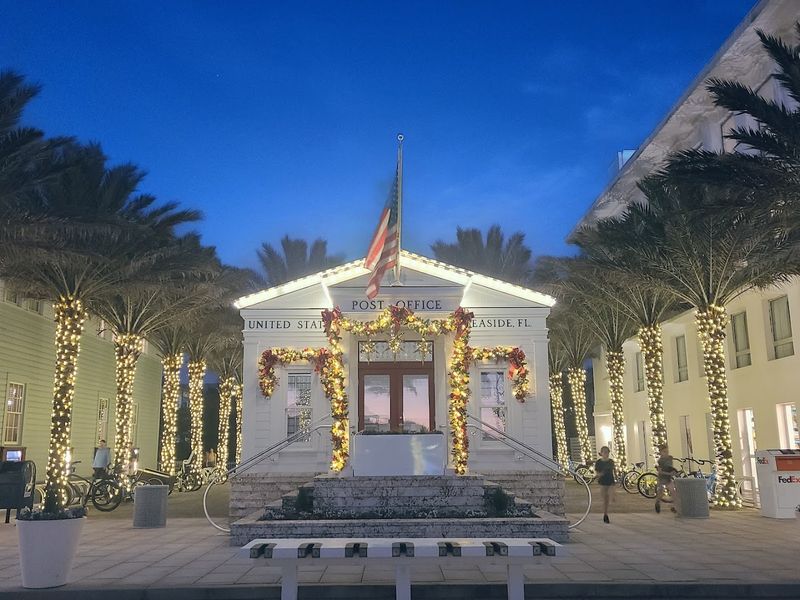
If a town could be described as “too perfect to be real,” Seaside would win that title without even trying. This master-planned community along Florida’s Panhandle coast was literally built to look like the ideal American small town — and it worked so well that Hollywood came calling.
The 1998 film The Truman Show used Seaside as its primary filming location, and the town has leaned into that legacy ever since.
Walking through Seaside feels genuinely surreal. The homes are pastel-painted with white picket fences, perfectly proportioned front porches, and names like “Airstream Dreams” and “Sundog.” Every detail feels curated, from the octagonal town center to the open-air market pavilions.
It’s new urbanism done so well it almost feels like a fairy tale.
The beach here is part of the famous Emerald Coast, which means sugar-white sand and water that shifts between deep green and electric blue depending on the light. The Seaside Amphitheatre hosts live music and community events that draw locals and visitors into the same happy orbit.
Foodies will appreciate the dining scene, which punches way above its size. Bud and Alley’s, a waterfront restaurant, has been a Seaside institution for decades and draws serious food lovers from across the region.
The Airstream row of food trucks near the beach adds a fun, casual contrast to the polished surroundings.
What makes Seaside special isn’t just the aesthetics — it’s the feeling that community was intentionally designed into every square foot. Neighbors actually talk to each other here.
Kids ride bikes in the street. It’s the kind of place that makes you want to stay a little longer, even when you know the credits are about to roll.
3. Fernandina Beach (Amelia Island)
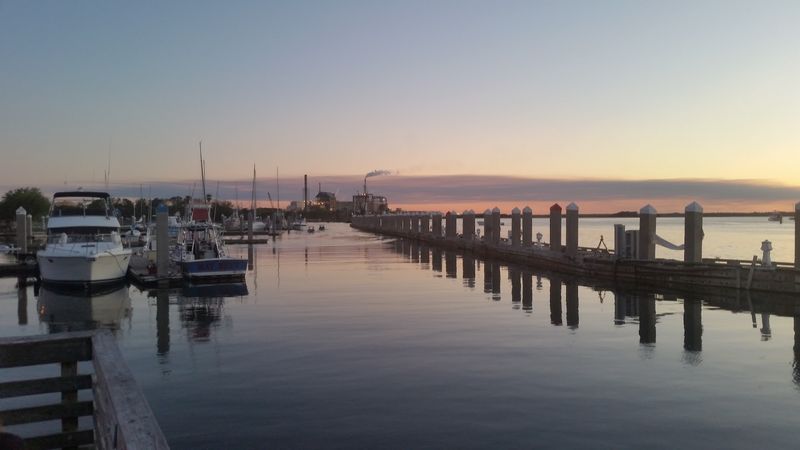
Fernandina Beach wears its history like a perfectly tailored vintage coat — proudly, confidently, and without apology. Sitting on the northern tip of Amelia Island near the Georgia border, this coastal gem boasts more than 50 blocks of preserved historic architecture that would make any set designer weep with joy.
Victorian homes, Queen Anne cottages, and ornate commercial buildings line streets that feel genuinely from another era.
Centre Street is the social heart of town, buzzing with independent restaurants, art galleries, craft breweries, and shops that have actual personalities. The Palace Saloon — Florida’s oldest surviving bar — has been pouring drinks since 1903, and it looks every bit its age in the best possible way.
Tin ceilings, carved mahogany, and murals straight out of a Gold Rush fantasy.
Eight flags have flown over Amelia Island throughout its turbulent history, giving it a nickname — “Isle of Eight Flags” — that sounds like the title of a swashbuckling adventure movie. Spanish, French, British, and American rulers all left their mark here, and you can feel those layers of history just walking around downtown.
The beaches on Amelia Island are wide and uncrowded compared to Florida’s more hyped coastal spots. Fort Clinch State Park adds a Civil War-era fortress to the mix, which is genuinely wild to stumble upon during a beach trip.
Rangers in period costume bring the 1860s to life on certain weekends.
Fernandina Beach isn’t trying to be trendy or Instagram-famous. It’s just quietly, confidently one of Florida’s most beautiful and historically rich small towns — and the locals clearly prefer it that way.
Come before word gets out any further.
4. Mount Dora (Central Florida)
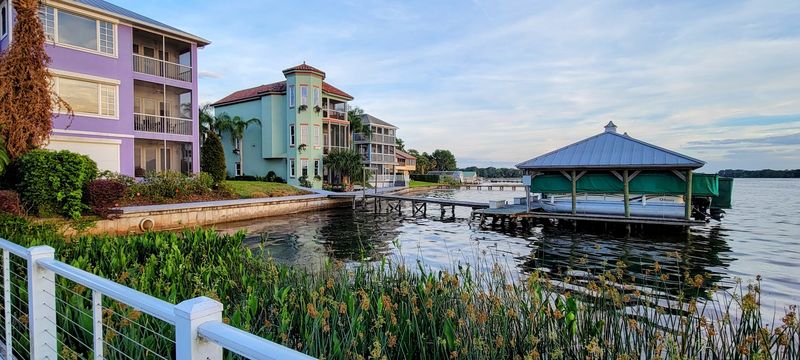
Mount Dora operates on its own frequency — one that’s tuned to antique clocks, lakeside breezes, and the smell of fresh pastry from a corner bakery.
Perched on a bluff overlooking Lake Dora in Lake County, this small Central Florida town has a walkable historic downtown that feels like it belongs somewhere in New England, not 45 minutes from Orlando.
The elevation alone — modest by most standards, dramatic by Florida’s — gives it a completely different visual personality.
The antique scene here is legendary in Florida circles. Dozens of dealers operate out of charming storefronts along Donnelly Street and the surrounding blocks, selling everything from Depression-era glass to mid-century furniture.
Weekend treasure hunters drive from all over the state to see what turns up, and the hunt is genuinely half the fun.
Mount Dora’s festival calendar is packed year-round. The annual Arts Festival draws hundreds of artists and thousands of visitors, and the town transforms into a buzzing outdoor gallery.
The Bicycle Festival, the Craft Fair, and the Lighthouse Festival all keep the energy alive across every season.
The waterfront is a lovely place to slow down. Rent a kayak, book a scenic boat tour on the chain of lakes, or just sit on a bench and watch the herons do absolutely nothing productive.
The Mount Dora Lighthouse — one of only a handful of inland lighthouses in the entire U.S. — adds to the unexpected charm.
Dining options range from casual lakeside cafes to upscale spots with serious wine lists. The town’s compactness makes it easy to explore entirely on foot, which is rare and refreshing.
Mount Dora is the kind of place that surprises you, then refuses to let you forget it.
5. Apalachicola (Florida Panhandle)
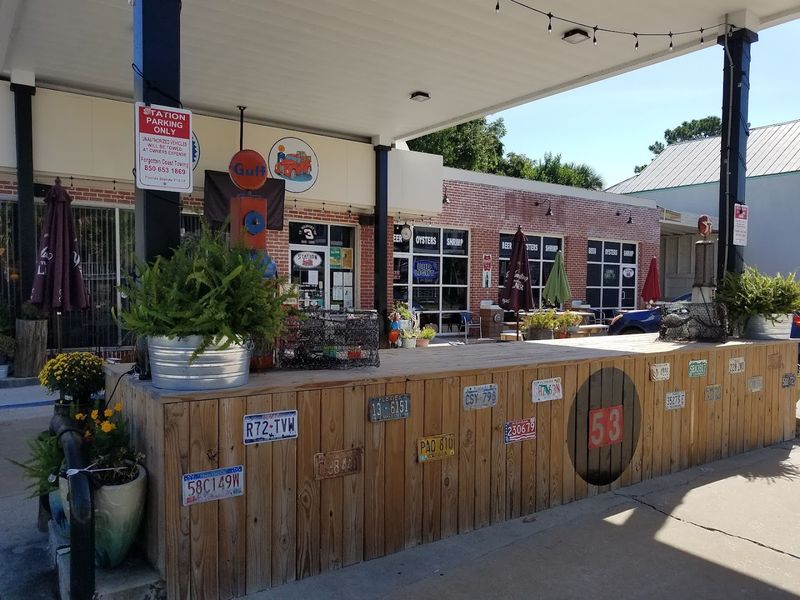
Apalachicola is the kind of place that makes you wonder why the whole world hasn’t already shown up. Tucked into a sleepy corner of the Florida Panhandle near the Apalachicola River, this small fishing village moves at a pace that feels almost rebellious in today’s world.
The streets are quiet, the buildings are old in the best way, and the oysters are so good they’ve made the town internationally famous among serious food people.
The historic downtown is compact and walkable, lined with 19th-century commercial buildings that house galleries, boutique hotels, and restaurants without a chain logo in sight. The Gibson Inn, a Victorian-era hotel built in 1907, anchors the scene and looks like it was dropped straight out of a Southern Gothic novel.
Sitting on its wraparound porch with a glass of sweet tea is one of Florida’s genuinely underrated experiences.
Apalachicola Bay was once responsible for producing nearly 90 percent of Florida’s oysters, a fact that still defines the town’s identity and culinary culture. While the oyster population has faced environmental challenges in recent years, the seafood scene remains exceptional.
Raw bars, fish camps, and waterfront restaurants serve up fresh catches that city restaurants would charge triple for.
The Apalachicola National Estuarine Research Reserve surrounds the area with wild, pristine nature that feels completely untouched. Kayakers and birders treat the region like a private paradise, and on weekdays especially, you might feel like you have the whole place to yourself.
Apalachicola doesn’t have a theme park or a famous beach resort to lean on. What it has is authenticity — a word that gets overused until you actually find a place that earns it.
This town earns it completely.
6. St. Augustine (Northeast Florida)
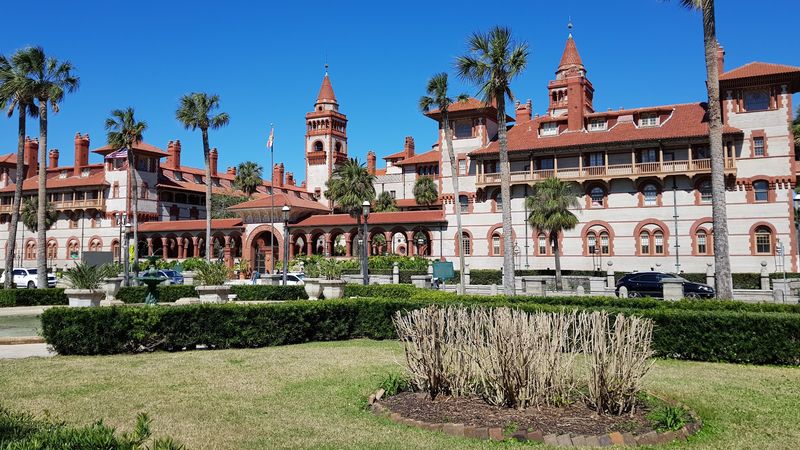
St. Augustine has a resume that no other American city can match. Founded by Spanish explorers in 1565, it holds the title of the oldest continuously inhabited European-established city in the entire United States — and it wears that distinction with extraordinary style.
Walking through the historic district feels less like sightseeing and more like time travel, with Spanish colonial architecture, narrow cobblestone streets, and fortresses that have survived centuries of storms, wars, and tourists.
The Castillo de San Marcos is the centerpiece of the city’s historical drama. This massive 17th-century fort sits right on the waterfront and still looks completely imposing, which is impressive for a structure pushing 350 years old.
History here isn’t tucked away in a museum — it’s literally the streets you walk on.
St. George Street is the main pedestrian corridor and stays lively with shops, restaurants, and street performers who add a theatrical layer to the already theatrical surroundings. The old city gates at the north end of the street are a genuine relic from colonial-era defense infrastructure.
It’s easy to spend an entire day just wandering without a plan.
Beyond the history, St. Augustine has cultivated a genuinely excellent food and arts scene. The Lincolnville neighborhood, a historically Black community with deep roots in the civil rights era, adds important cultural depth to the city’s story.
Galleries, live music venues, and farm-to-table restaurants fill the surrounding blocks.
Nights in St. Augustine have their own magic. Ghost tours wind through candlelit streets, and the Nights of Lights festival each winter turns the entire city into a glowing spectacle.
Whether you’re a history nerd, a foodie, or just someone who appreciates beauty, St. Augustine delivers on every level.
7. Tarpon Springs (Tampa Bay Area)
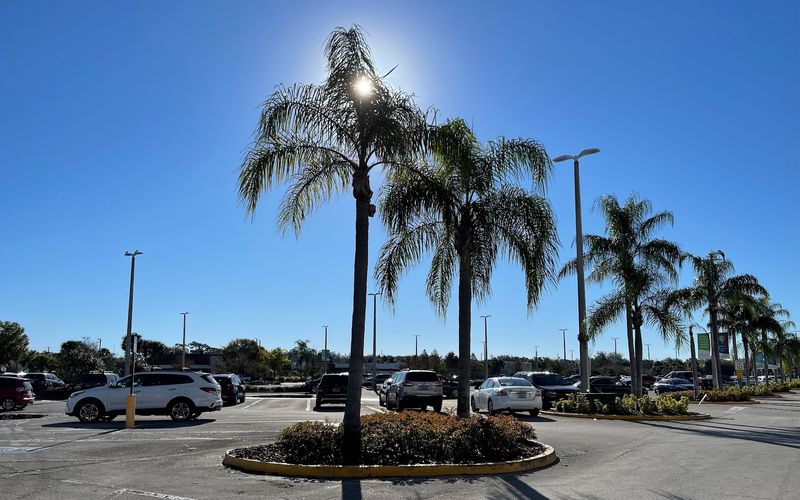
Tarpon Springs is unlike anywhere else in Florida — and honestly, unlike anywhere else in America. This small city in Pinellas County has been shaped so deeply by Greek immigration that visiting feels like a passport-free detour to the Aegean.
The sponge docks along the Anclote River are the cultural heart of town, lined with boats, sponge vendors, Greek bakeries, and restaurants serving spanakopita and fresh-caught seafood with equal enthusiasm.
Greek immigrants began arriving here in the early 1900s, recruited specifically for their expertise in sponge diving. They brought their language, their food, their Orthodox faith, and their architecture — and all of it stuck.
The St. Nicholas Greek Orthodox Cathedral is a stunning Byzantine-style landmark that wouldn’t look out of place in Athens. It’s open to visitors and well worth stepping inside.
The sponge diving tradition is still very much alive. You can watch demonstrations, board replica sponge boats, and buy natural sea sponges directly from the docks — which are far superior to the synthetic versions, as any local will happily explain at length.
The whole sponge dock area has a festive, market-day energy that makes it easy to linger for hours.
Dodecanese Boulevard, the main strip near the docks, is packed with authentic Greek restaurants where the baklava is fresh, the lamb is slow-roasted, and the portions are unreasonably generous. Louis Pappas Market Cafe has been a local institution since 1925 and remains a must-visit for the famous Greek salad alone.
Beyond the Greek heritage, Tarpon Springs has lovely parks, a charming historic downtown, and access to some beautiful Gulf Coast waterways. The whole town feels curated by culture rather than commerce, which makes it genuinely refreshing to explore.
8. Cedar Key (Gulf Coast Florida)
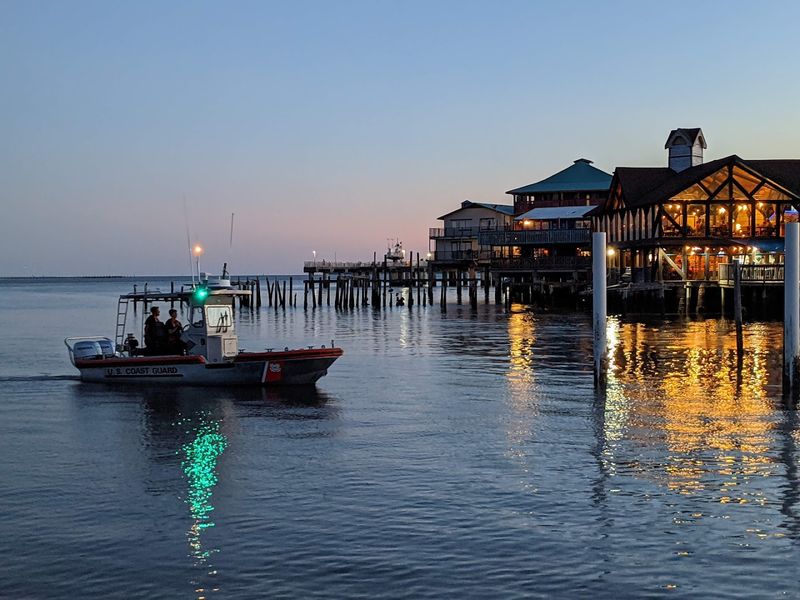
Cedar Key is the Florida that people who love Florida keep secret. A tiny cluster of islands about 50 miles southwest of Gainesville, Cedar Key has fewer than 1,000 permanent residents and absolutely zero interest in changing that.
No chain hotels, no fast food, no traffic lights — just weathered wooden docks, Gulf breezes, and a creative community that chose remoteness as a lifestyle.
Getting there requires a deliberate decision. You have to want Cedar Key, because it’s not on the way to anywhere else.
That single-road-in, single-road-out geography is exactly what has preserved its character. The drive itself, through the Lower Suwannee National Wildlife Refuge, is a moody, Spanish-moss-draped experience that starts preparing your nervous system for the slowdown ahead.
The town has a strong arts identity that punches well above its size. Galleries, studios, and working artists populate the island, drawn by the light, the landscape, and the affordable pace of life.
The Cedar Key Arts Center hosts rotating shows and events that bring the community together throughout the year.
Seafood is the other major draw. Cedar Key is known for its clam aquaculture industry, and the local restaurants serve those clams in ways that range from simple steamed preparations to creative chowders that will haunt you after you leave.
The Island Hotel’s Neptune Bar, operating since 1859, is a genuinely atmospheric place for a drink and a meal.
Kayaking the surrounding waters and wildlife refuges is one of the best outdoor experiences on Florida’s entire Gulf Coast. Manatees, dolphins, and an extraordinary variety of birds share the waterways with a generosity that feels almost staged.
Cedar Key is raw, real, and quietly extraordinary — a place that rewards travelers who are willing to slow all the way down.
9. Dunedin (Pinellas County)
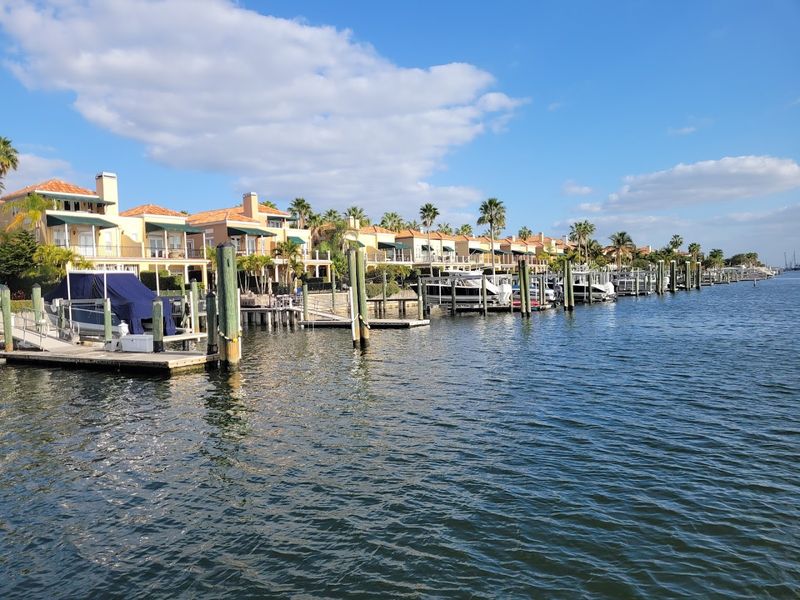
Dunedin has figured out the formula that most Florida towns are still chasing: a genuinely walkable downtown, a strong local identity, and enough personality to make you choose it over the more famous spots nearby.
Founded by Scottish settlers in the 1870s — the name literally means “Edinburgh” in Gaelic — the town embraces its heritage with Highland Games, a Celtic festival, and bagpipers who show up at events with zero self-consciousness.
Main Street is the beating heart of town, and it earns that description. Craft breweries, independent restaurants, art galleries, and boutique shops line several walkable blocks that stay busy without feeling overwhelming.
Dunedin has one of the highest concentrations of craft breweries per capita in Florida, which tells you a lot about the local culture and priorities.
The Pinellas Trail runs right through the heart of Dunedin, making it a favorite stop for cyclists and walkers exploring the broader trail network. Honeymoon Island State Park is just a short drive north and offers some of the most beautiful and least crowded beaches in the entire Tampa Bay region.
Caladesi Island, accessible only by ferry from Honeymoon Island, consistently ranks among the top beaches in the country.
The dining scene is legitimately impressive for a town this size. From casual waterfront fish shacks to thoughtful farm-to-table restaurants, eating well in Dunedin requires very little effort and almost no disappointment.
The Saturday morning farmers market draws a loyal crowd of locals who clearly take their produce seriously.
Dunedin also serves as spring training home for the Toronto Blue Jays, which adds a fun athletic energy each February and March. The whole town feels like it was designed by someone who actually cared about quality of life — and the residents seem to agree wholeheartedly.
10. Micanopy (North Central Florida)
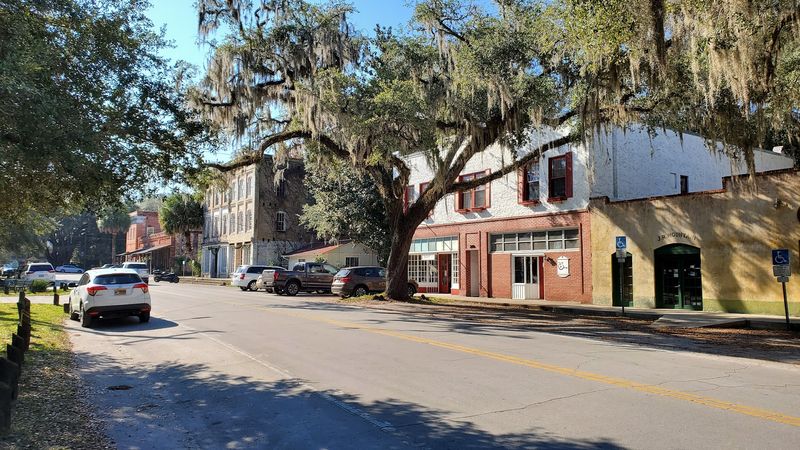
The locals call Micanopy “the town that time forgot,” and after about five minutes on Cholokka Boulevard, you’ll understand why. Florida’s oldest inland town — incorporated in 1821 — sits in Alachua County between Gainesville and Ocala, surrounded by ancient live oaks whose canopies form a natural cathedral over the streets.
The whole place feels like it’s operating in a different time zone than the rest of the state.
The main strip is essentially one long antique experience. Old wooden storefronts house dealers selling vintage maps, folk art, estate jewelry, Depression glass, and furniture that predates most living grandparents.
Browsers are welcome, pressure is nonexistent, and the shop owners are usually happy to tell you the story behind whatever unusual object has caught your eye.
Micanopy made a brief pop culture appearance when the 1991 film Doc Hollywood was shot here, using the town’s undeniable charm as a stand-in for a fictional Southern small town. The film crew reportedly fell in love with the place — which is completely believable to anyone who’s spent an afternoon there.
Paynes Prairie Preserve State Park borders the town to the south and adds a wild, dramatic backdrop to the experience. Bison, wild horses, alligators, and hundreds of bird species roam the 21,000-acre preserve, which sits in a basin that was once a massive lake.
The observation tower at the park’s edge offers views that feel almost prehistoric.
Population-wise, Micanopy hovers around 600 people — small enough that strangers wave at each other and cats own the sidewalks without dispute. There’s a deliberate quietness to the place that feels increasingly rare and precious.
Micanopy doesn’t ask much of you, and in return, it gives you something genuinely irreplaceable.
11. Winter Park (Central Florida)
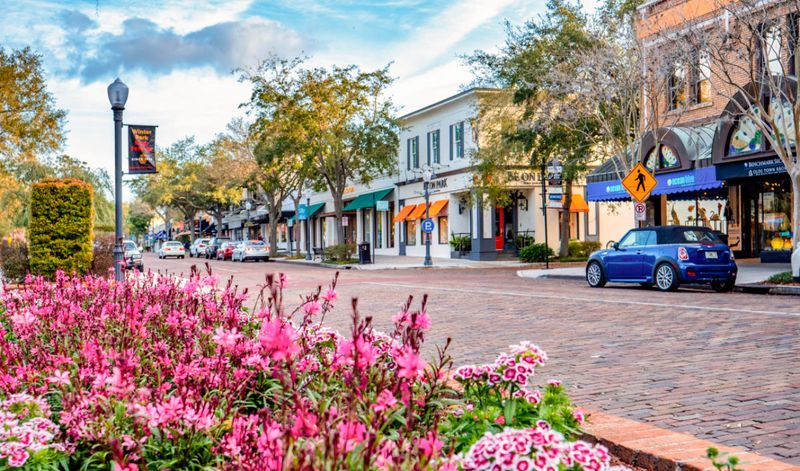
Winter Park occupies a rare category: a small city that feels intimate and unhurried despite sitting right next to one of the most visited tourist destinations on the planet.
Just north of Orlando, this refined enclave has cobblestone streets, a gorgeous chain of lakes connected by scenic canals, and a cultural sophistication that feels more like Charleston or Savannah than Central Florida.
Park Avenue is the social and commercial spine of town, lined with upscale boutiques, acclaimed restaurants, art galleries, and coffee shops where the pastries deserve their own travel write-up. The street runs alongside Central Park — a real park, not a theme park — where locals picnic, play chess, and enjoy free concerts on weekend evenings.
The contrast with nearby Orlando is almost comedic.
The Morse Museum of American Art houses the world’s most comprehensive collection of works by Louis Comfort Tiffany, including stained glass pieces of breathtaking beauty and scale. It’s a world-class museum operating quietly in a small-town setting, which is very on-brand for Winter Park.
The Charles Hosmer Morse Foundation doesn’t advertise aggressively, but the museum consistently earns rave reviews from everyone who wanders in.
The Winter Park Scenic Boat Tour has been running since 1938, taking visitors on a one-hour cruise through the chain of lakes and canals that wind behind the town’s grandest homes and estates. It’s low-key, genuinely beautiful, and one of those experiences that locals recommend without hesitation to every visitor.
Rollins College anchors the southern end of town with its Spanish-Mediterranean architecture and manicured lakefront campus. The college’s Cornell Fine Arts Museum adds another layer of cultural richness to an already impressive small-city arts ecosystem.
Winter Park is, simply put, Florida at its most quietly elegant.
12. Venice (Sarasota County)
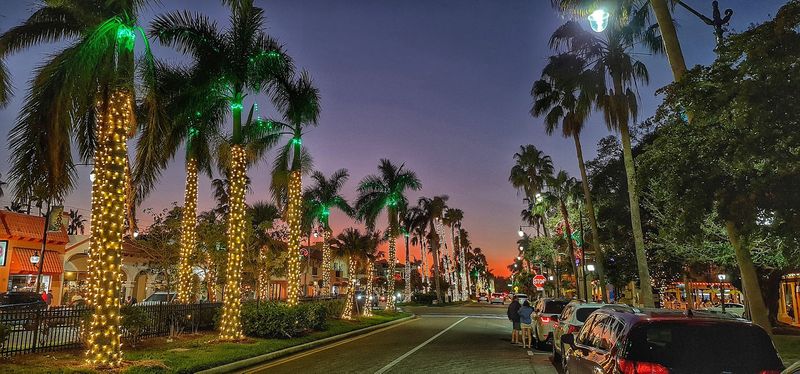
Venice, Florida leans into its Italian namesake with just the right amount of flair. The downtown was designed in the 1920s with a Mediterranean Revival aesthetic — red tile roofs, arched colonnades, wide boulevards with palm trees down the median — and it has aged beautifully into one of the most photogenic downtowns on Florida’s Gulf Coast.
Walking through the historic district, you genuinely feel like someone put serious thought into how a town should look and feel.
But Venice has a secret that goes beyond architecture: sharks. The beaches here, particularly Venice Beach and Caspersen Beach, are world-famous for shark tooth hunting.
The offshore geology naturally concentrates fossilized shark teeth in the surf zone, and on any given morning you’ll find people hunched over in the shallows, fingers working through shell fragments with focused intensity.
Finding a prehistoric megalodon tooth — which can be several inches long — is an actual possibility here, not just a tourist myth.
The downtown dining and shopping scene is genuinely walkable and locally owned. Venice Avenue, the main commercial corridor, has an easy, unhurried energy that rewards slow exploration.
The Saturday farmers market draws a loyal crowd, and the independent bookstore, boutiques, and galleries all reflect a community that cares about what it supports.
Venice also has a thriving arts scene anchored by the Venice Theatre, one of the largest community theaters in the United States, which produces a full season of professional-quality performances year-round.
The surrounding beaches are wide, clean, and significantly less crowded than Sarasota’s more famous stretches of sand.
Snowbirds discovered Venice decades ago and kept coming back, which says everything you need to know about its livability. It’s a town that rewards repeat visits and reveals new layers with each one.
13. Brooksville (Central West Florida)
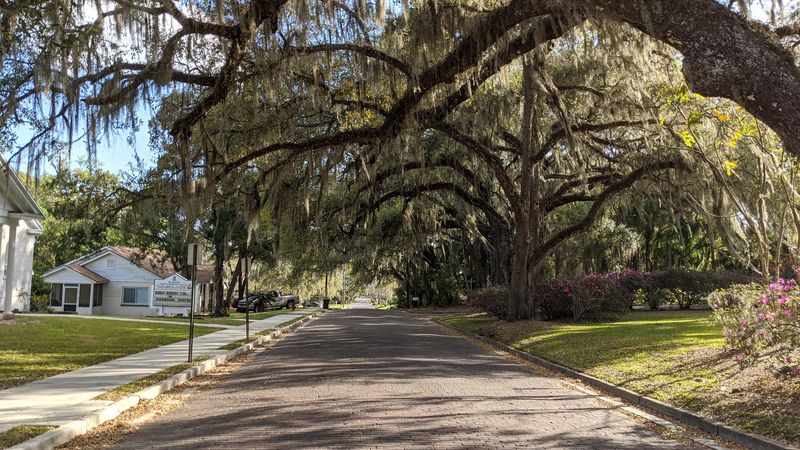
Brooksville breaks all the rules about what Florida is supposed to look like, and that’s precisely why it belongs on this list.
The seat of Hernando County sits among rolling green hills — actual hills, not the gentle undulations that Floridians sometimes generously describe as elevation — and the landscape gives the whole area a feel more reminiscent of rural Georgia or Tennessee than the Florida most people picture.
The historic downtown is anchored by the Hernando County Courthouse, a gorgeous 1912 building that sets the tone for the surrounding blocks of well-preserved commercial architecture.
Independent shops, antique dealers, and local eateries fill the storefronts, and the pace of life moves slowly enough that you can actually have a conversation with a shop owner without anyone feeling rushed.
Victorian homes are scattered throughout the residential neighborhoods surrounding downtown, and several have been beautifully restored. The May-Stringer House, a 19th-century mansion that now serves as a local history museum, is one of the most photographed buildings in the region.
It also has a reputation as one of the more actively haunted locations in Florida, which adds an extra layer of intrigue depending on your interests.
Brooksville sits near the Withlacoochee State Forest, the second-largest state forest in Florida, offering hundreds of miles of trails for hiking, cycling, and equestrian riding through landscapes that feel genuinely wild.
The Rogers Christmas House & Village, a collection of historic homes converted into holiday shops, draws visitors from across the state during the Christmas season.
This is a town that shows up regularly on “best small towns in Florida” lists without ever feeling like it’s trying to earn that recognition. Brooksville is simply itself — unhurried, historic, and quietly confident that the right people will find it eventually.