Florida’s Most Secluded Beach Lies on a Thin Panhandle Peninsula Where the Road Ends and the Sand Keeps Going
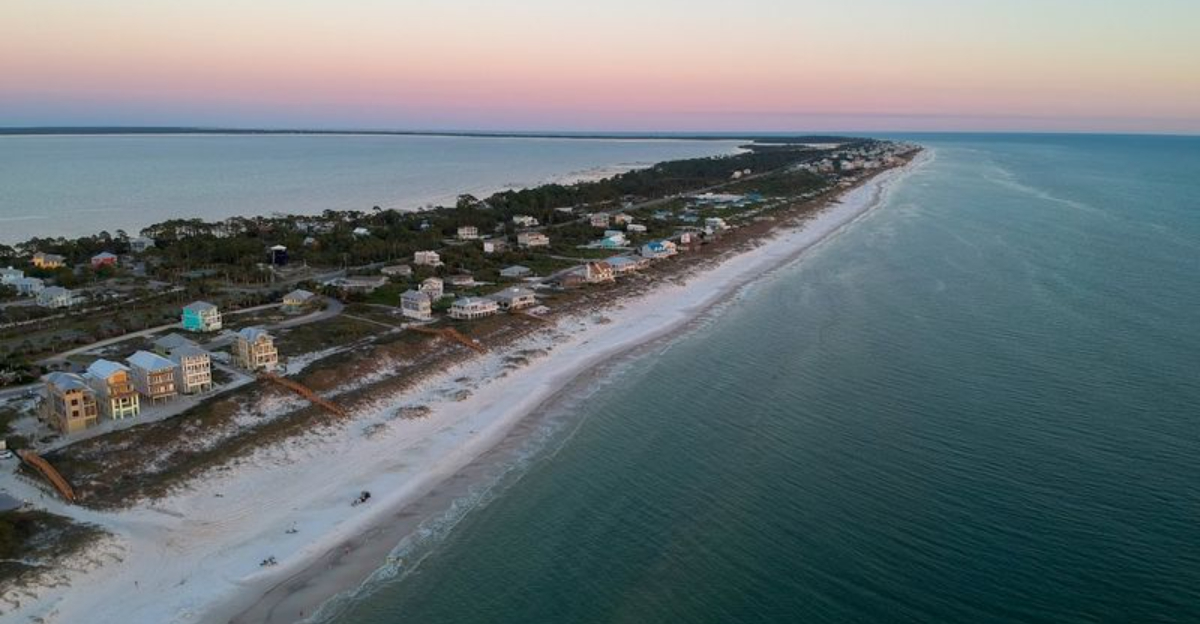
Tucked into the forgotten corner of Florida’s Panhandle, Cape San Blas is the kind of place that makes you wonder why you ever wasted time at a crowded beach resort. This narrow strip of land juts out into the Gulf of Mexico like a crooked finger, lined with sugar-white sand and backed by untouched state forest.
It sits in Gulf County, far from the spring break chaos and souvenir shops that define so much of Florida’s coastline. If you are chasing real quiet, real water, and real Florida, this peninsula is exactly where the road should take you.
The Peninsula Itself: A Geography Lesson Worth Taking
Most people cannot find Cape San Blas on a map without zooming in twice, and honestly, that is part of the appeal. The cape is a narrow barrier peninsula that juts southwest off the Florida Panhandle, creating one of the most dramatic coastal shapes in the entire state.
It is so thin in places that you can see water on both sides of the road at once, which feels almost unreal the first time it happens.
Geographically, the cape sits in Gulf County, which is one of Florida’s least populated counties. That low population density is not a coincidence.
The land here is mostly protected, shaped by federal and state conservation efforts that have kept development at arm’s length for decades. What you get instead of condos and chain restaurants is raw, uninterrupted coastline that stretches for miles.
The peninsula faces the Gulf of Mexico on its western side and St. Joseph Bay on its eastern side. Both bodies of water are remarkably clear, but they feel completely different.
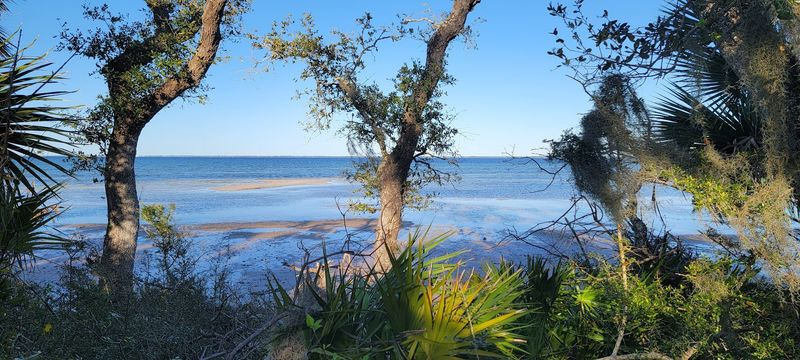
The Gulf side brings gentle waves and long, open horizons. The bay side is calmer and shallower, making it a favorite for kayakers and paddleboarders who want glassy water without the surf.
Driving down the cape feels like entering a different Florida entirely. The road narrows, the trees press in close, and the sky opens up in ways that feel cinematic.
There are no traffic lights once you leave Port St. Joe. No billboards.
No fast food drive-throughs. Just asphalt, sand, and that low, salt-heavy breeze that tells your body it is time to slow down.
First-timers often describe the drive as quietly thrilling, like being let in on a secret the rest of the state has been keeping for years.
St. Joseph Peninsula State Park: Where Wild Florida Still Lives
St. Joseph Peninsula State Park is the crown jewel of Cape San Blas, and it earns that title every single day. The park takes up a massive stretch of the northern end of the peninsula, protecting miles of undeveloped beach that look almost exactly as they did before Europeans ever set foot in Florida.
Walking into this park feels less like visiting a public recreation area and more like stepping into a nature documentary.
The beach here consistently ranks among the best in the country, and not just for its looks. The water is extraordinarily clear, with a soft blue-green color that rivals beaches in the Caribbean.
The sand is fine, white, and cool to the touch even on hot days because of its high quartz content. There are no vendors, no beach chairs for rent, and no umbrellas to dodge.
Just you, the sand, and the sound of the Gulf.
Wildlife sightings are genuinely common inside the park. Loggerhead sea turtles nest on the beach from May through August, and the park manages an active nest monitoring program.
Bald eagles, osprey, and dozens of migratory bird species pass through or call the area home. During fall migration, the peninsula becomes a famous stopover point for monarch butterflies, sometimes coating the trees in orange and black.
Camping inside the park is available in both developed and primitive styles, meaning you can go as rugged or as comfortable as your gear allows. Primitive camping on the barrier strip is a genuinely special experience, falling asleep with the Gulf on one side and the bay on the other.
Reservations fill up fast, especially in spring and fall, so planning ahead is not just a suggestion — it is a necessity if you want a spot.
The Gulf Side Beaches: Soft Sand and Seriously Clear Water
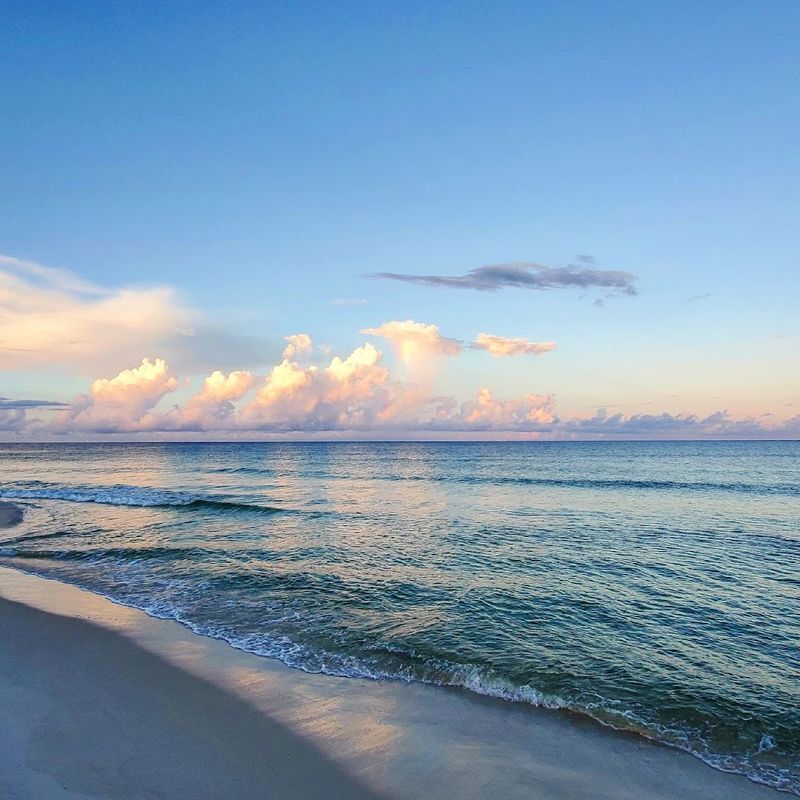
There is a reason people drive three or four hours from Atlanta, Birmingham, and Nashville specifically to reach the beaches of Cape San Blas. The Gulf-side shoreline here belongs to a category of Florida beach that most tourists never find.
It is the kind of place where the water is so clear you can count your toes in knee-deep surf, and the sand squeaks faintly under your feet because of how clean and fine it is.
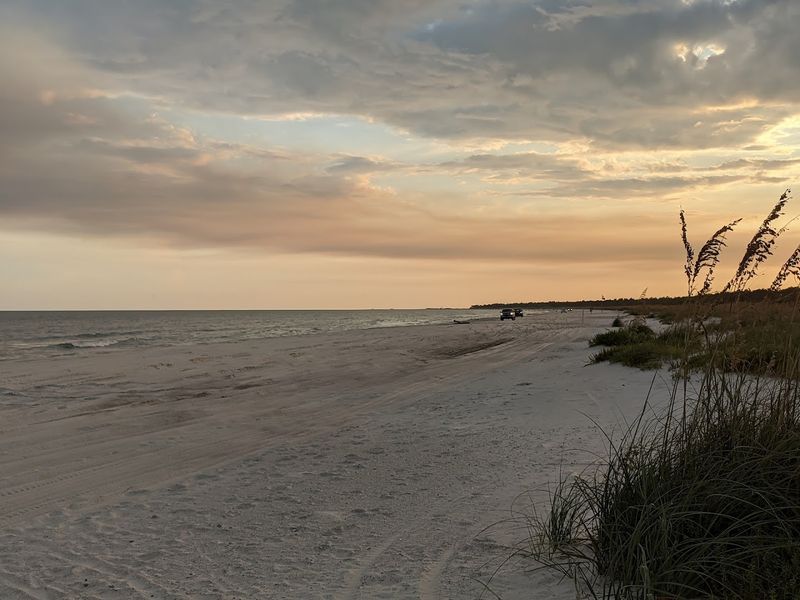
The beaches along the cape are wide and flat, which means there is always room to spread out even when other visitors are around. During the off-season months — think late fall and early winter — you can walk for thirty minutes without passing another person.
That kind of solitude is almost impossible to find anywhere else in Florida, especially this close to a public road.
Water temperature here stays comfortable for swimming from roughly April through October. The Gulf in this area is protected from strong offshore currents by the shape of the peninsula and the nearby bay system, making conditions generally calm and beginner-friendly.
Families with young kids tend to love it because the bottom stays sandy and gradual for a good distance out.
Shelling is another serious draw. The beaches at Cape San Blas collect an impressive variety of shells, including lightning whelks, sand dollars, and moon snails, especially after a storm pushes material up from the Gulf floor.
Early morning is the best time to search, before other beachgoers and the tide have a chance to rearrange things. Bringing a mesh bag and getting out at sunrise is one of those small rituals that regular visitors swear by and rarely regret.
The Gulf-side beach rewards patience in ways that few coastal stretches in the state can match.
St. Joseph Bay: The Calm Side That Surprises Everyone
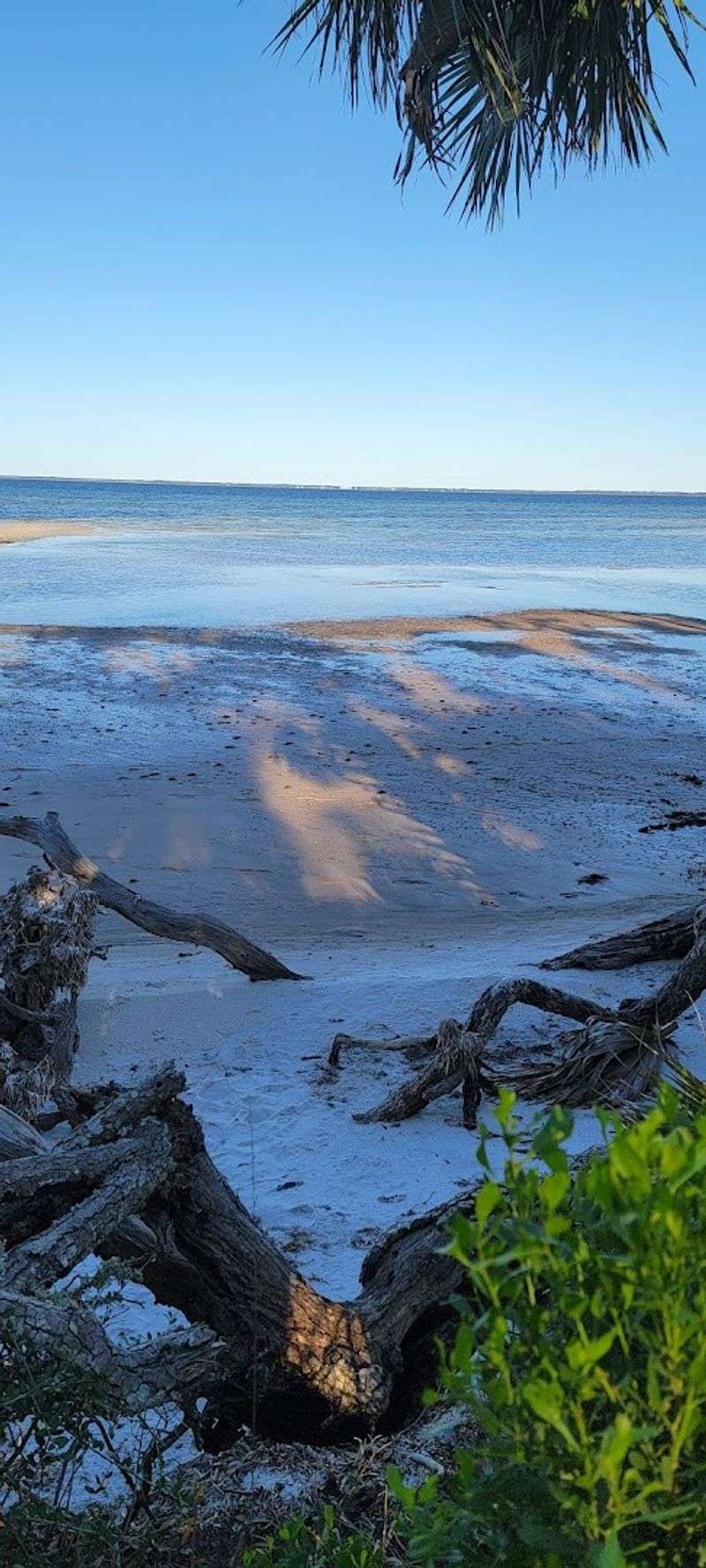
Ask a first-time visitor what surprised them most about Cape San Blas, and a solid number will say the bay. St. Joseph Bay sits on the eastern side of the peninsula, and it operates on a completely different energy than the Gulf.
The water is calm, shallow in many spots, and filled with life that you can see right through the surface. It is the kind of water that turns regular people into amateur marine biologists for an afternoon.
The bay is one of the cleanest estuaries in Florida, and scientists have been saying so for years. Vast seagrass beds cover much of the bay floor, supporting populations of scallops, blue crabs, sea horses, and juvenile fish species that use the grass as nursery habitat.
Snorkeling over these beds is genuinely fascinating, even for people who have never been particularly interested in marine life before arriving.
Scallop season in St. Joseph Bay is a local tradition that draws families and outdoor enthusiasts from across the region. During the summer months when scalloping is permitted, people wade and snorkel through the seagrass, collecting bay scallops by hand.
It is one of the most interactive and rewarding coastal activities Florida offers, and the cape is one of the best places in the state to do it. Fresh scallops cooked the same evening you collected them is an experience worth planning an entire trip around.
Kayaking and stand-up paddleboarding on the bay are popular year-round. Several outfitters near Port St. Joe rent equipment and offer guided tours that take you through the most productive wildlife areas.
Dolphins are regular visitors to the bay, often swimming close to kayakers without much concern. Seeing a dolphin from a kayak, at eye level with no engine noise nearby, is one of those memories that does not fade quickly.
Wildlife and Birding: A Peninsula That Pulls Its Weight
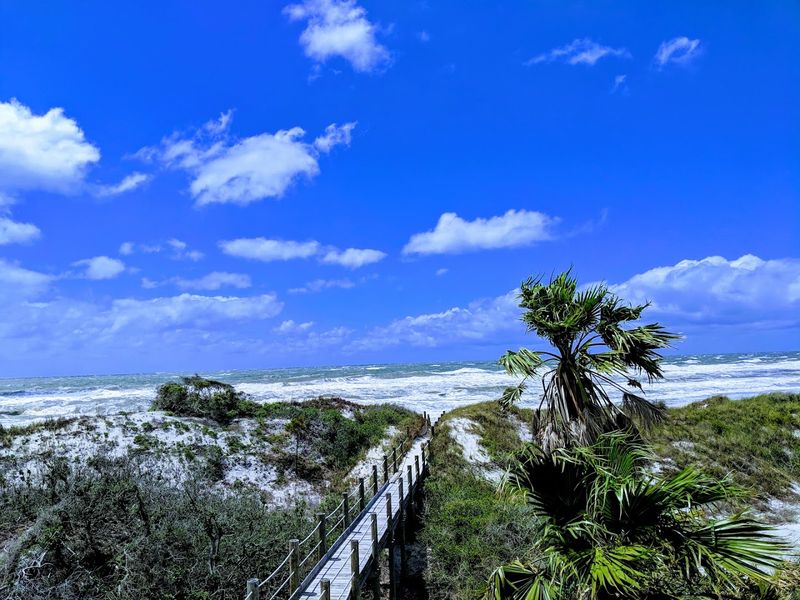
Cape San Blas punches well above its weight when it comes to wildlife. The combination of protected state and federal land, clean water on two sides, and a position along the Atlantic Flyway migration route makes this peninsula one of the most biologically rich spots in the Florida Panhandle.
Serious birders have known about this place for a long time, but casual visitors are often caught off guard by just how much they end up seeing.
Shorebirds are everywhere during the right seasons. Snowy and piping plovers nest in the dunes, and both species are protected, meaning the park and local conservation groups work hard to keep nesting areas undisturbed.
Oystercatchers, willets, and ruddy turnstones work the waterline constantly. During fall migration, the tip of the peninsula becomes a concentration point for warblers, raptors, and other songbirds crossing the Gulf — a phenomenon that birders refer to as a fallout when conditions are right.
Sea turtle nesting is one of the most talked-about wildlife events on the cape. Loggerhead turtles are the most common nesters here, though green turtles also appear occasionally.
The park runs a nest monitoring program, and volunteers walk the beach at dawn to document new activity. Visitors are welcome to observe from a distance and can sometimes participate in organized turtle watches during peak season with advance registration.
White-tailed deer are spotted regularly near the treeline at dawn and dusk. River otters occasionally appear along the bay-side shoreline, sliding through the shallows with an effortless quality that makes you stop mid-sentence.
Gopher tortoises dig their burrows in the sandy uplands and tend to go about their business with complete indifference to whoever is watching, which makes them oddly endearing to just about everyone who encounters one.
Port St. Joe: The Small Town Behind the Cape
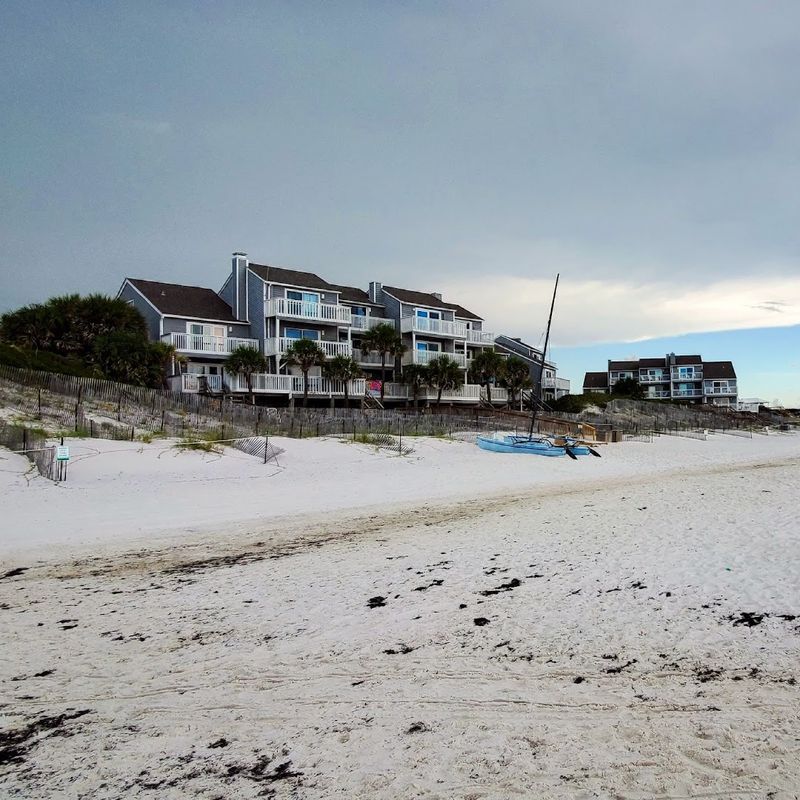
Every great secluded beach has a small town nearby that handles the practical side of things, and for Cape San Blas, that town is Port St. Joe. Sitting about ten miles northeast of the cape, Port St. Joe is the kind of place that feels genuinely lived-in rather than staged for tourists.
It has a working waterfront, a few excellent local restaurants, a handful of independently owned shops, and a community that has been through a lot and come out tougher for it.
Hurricane Michael hit Gulf County with catastrophic force in 2018, and Port St. Joe was directly in the path. The recovery has been real and ongoing, and visiting the town now means supporting a community that rebuilt itself with serious determination.
Many of the businesses you will find downtown are newer than they look, rebuilt or relocated after the storm. Locals are proud of what they have put back together, and that pride shows in how they treat visitors.
Food in Port St. Joe leans heavily on what comes out of the water nearby. Fresh Gulf shrimp, locally caught fish, and bay scallops when in season appear on menus throughout town.
There are no celebrity chef restaurants or Instagram-famous brunch spots. What you get instead is honest, well-prepared seafood at prices that feel almost old-fashioned compared to what the same meal would cost in Panama City Beach or Destin.
The town also serves as your last reliable stop for groceries, gas, and supplies before heading down the cape. Cell service gets spotty once you go far enough down the peninsula, and some vacation rentals sit in areas with limited connectivity.
Stocking up in Port St. Joe before making the drive is both practical and a good excuse to stop for a meal before the beach claims the rest of your day.
Vacation Rentals and Staying on the Cape: What You Need to Know
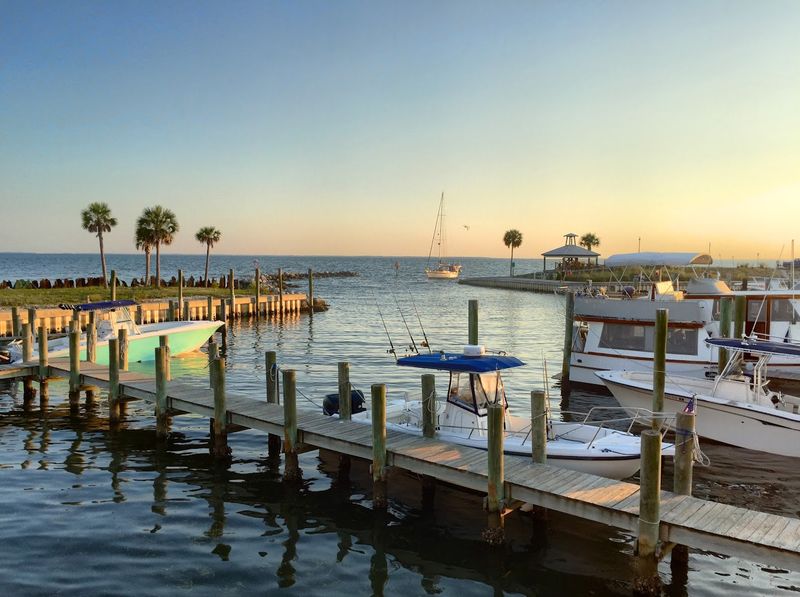
Staying on Cape San Blas is a fundamentally different experience from booking a hotel room at a beach resort. The cape has no major hotel chains, no high-rise condominiums, and no resort complexes with swim-up bars.
What it does have is a solid inventory of privately owned vacation rental homes, ranging from cozy one-bedroom cottages to spacious multi-family houses perched on stilts with wraparound porches and direct Gulf or bay views.
Waking up in a rental house on the cape means stepping off the porch and being on the beach in under two minutes. No elevator, no lobby, no checkout desk.
The intimacy of that setup changes how you relate to the place. You cook your own meals, keep your own hours, and develop a rhythm that feels closer to actually living somewhere than visiting it.
Families especially tend to love this format because it removes the logistical friction that hotel stays create.
Booking early is genuinely important here. The rental market on the cape is not enormous, and the most desirable properties — beachfront homes with unobstructed Gulf views or bay-side houses with dock access — get reserved months in advance, particularly for summer and holiday weeks.
Spring and fall shoulder seasons offer better availability and often better prices, with the added bonus of cooler temperatures and fewer visitors on the beach.
Many rentals come stocked with beach gear like chairs, umbrellas, and kayaks, which saves you from hauling equipment from home. Some properties have outdoor showers, fish-cleaning stations, and screened porches designed specifically for the Florida coastal lifestyle.
Reading reviews carefully and looking at photos of the actual view from the property — not just the interior — will save you from disappointment. The difference between a true beachfront home and one that is a few blocks back can be significant in terms of the overall experience.
When to Visit and How to Make the Most of It
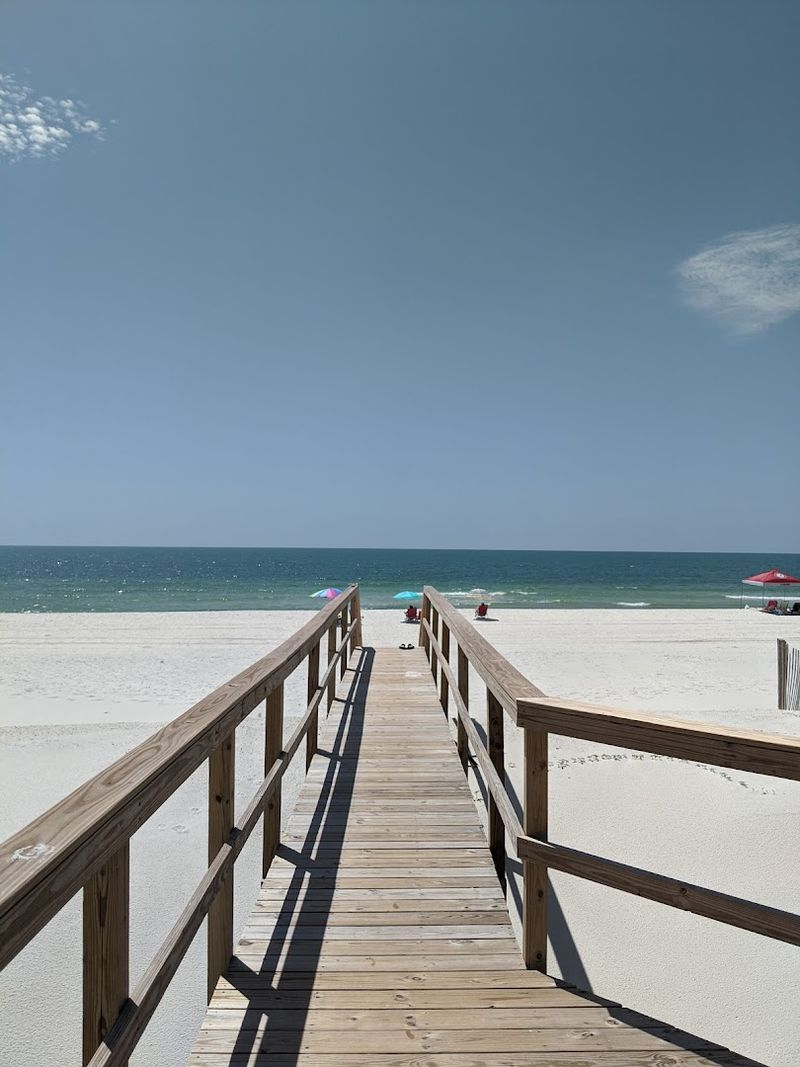
Timing a trip to Cape San Blas correctly is one of the more underrated travel decisions you can make. The cape operates on a seasonal rhythm that rewards visitors who pay attention to it.
Summer is the peak season, bringing warm water, scalloping opportunities, and the highest visitor numbers, which are still modest compared to most Florida beach destinations. If summer is your only option, aim for weekdays and arrive early to claim your stretch of sand.
Fall is where the cape really shines for a certain kind of traveler. September and October bring noticeably fewer crowds, comfortable air temperatures in the mid-70s, and water that is still warm enough for swimming through most of October.
The light in fall has a golden quality that photographers notice immediately. Birding peaks during this period, and the monarch butterfly migration through the peninsula can happen any time from late September through November.
Spring is the other sweet spot. March and April see the return of warmer temperatures before summer humidity arrives, and the beaches are typically uncrowded on weekdays.
Wildflowers bloom in the scrub areas behind the dunes, and sea turtle nesting begins in earnest by late April. The state park is particularly beautiful in spring, with the vegetation looking lush and the water starting to warm back up after winter.
Winter visits are for the genuinely adventurous. The cape in January or February is quiet in a way that borders on surreal.
Water temperatures are too cold for most swimmers, but the beach walks are spectacular, the shells are plentiful after winter storms, and the sunsets hit differently when you are the only person watching them. Accommodation prices drop significantly in the off-season, making winter a smart choice for budget-conscious travelers who prioritize solitude over swimming.
Pack a light jacket and lower your expectations for nothing except the view.