It’s Like Time Stopped in These 13 Old Florida Towns
Florida isn’t just about theme parks and white-sand beaches — it’s also home to some of the most beautifully preserved small towns in the entire country. These places feel like someone hit the pause button decades ago, leaving behind cobblestone streets, century-old buildings, and stories worth hearing.
From the Gulf Coast to the Atlantic shore, old Florida is alive and waiting to be explored. Pack your curiosity and get ready to travel back in time.
1. Apalachicola
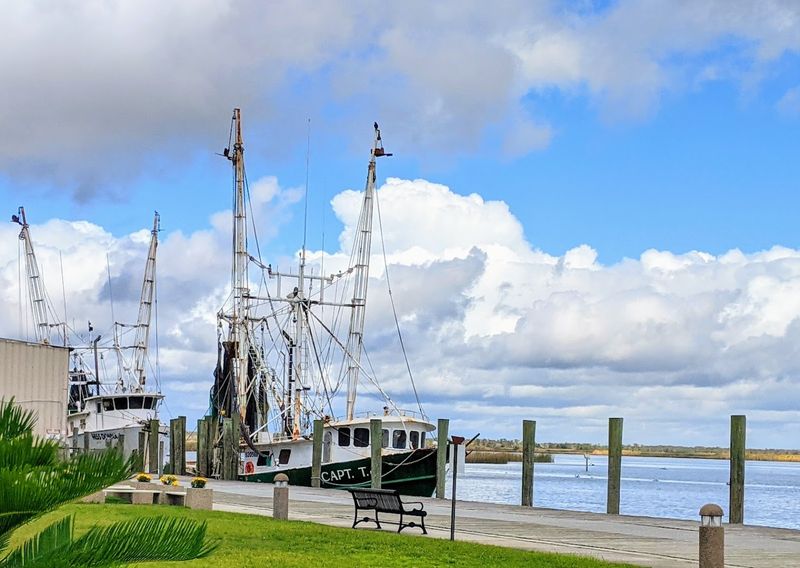
Tucked along the Forgotten Coast, Apalachicola moves at a pace that feels almost rebellious in today’s world. The streets here are wide and unhurried, lined with Victorian-era buildings that have been standing since the 1800s.
Oystermen still work the bay the same way their great-grandparents did, and that kind of living history is hard to find anywhere else.
The town earned its reputation as one of Florida’s most charming historic gems long before tourists caught on. Walking down Commerce Street feels like flipping through a history book — except the pages smell like saltwater and fresh-caught seafood.
The architecture alone is worth the trip, with Greek Revival and Italianate styles dotting nearly every block.
Apalachicola’s downtown is compact and totally walkable, which means you can cover a lot of ground without ever getting in a car. Pop into the Apalachicola Area Historical Society museum to get the full backstory on this quirky little port town.
The oyster industry shaped everything here — the economy, the culture, and even the local personality.
The surrounding Apalachicola National Forest adds another layer of wild beauty to the experience. Canoe the Apalachicola River, spot rare flatwoods salamanders, or just sit on a dock and watch the pelicans do their thing.
Nature and history coexist here in a way that feels completely effortless.
Restaurants in town serve up Gulf oysters so fresh they practically introduce themselves. Whether you prefer them raw, grilled, or Rockefeller-style, this is the place to eat them.
Apalachicola isn’t just a detour — it’s a destination that earns a long weekend all on its own.
2. St. Augustine
St. Augustine doesn’t just have history — it practically invented American history. Founded in 1565 by Spanish explorers, it holds the title of the oldest continuously occupied European settlement in the entire United States.
That’s not a small claim, and the city backs it up around every corner.
Walking through the old city feels genuinely surreal. The Castillo de San Marcos, a massive coquina stone fort built in the 1600s, still stands watch over the Matanzas Bay like it’s expecting a pirate attack.
The narrow streets of the historic district are paved with stories, ghost tours, and the kind of architectural detail that makes your jaw drop without warning.
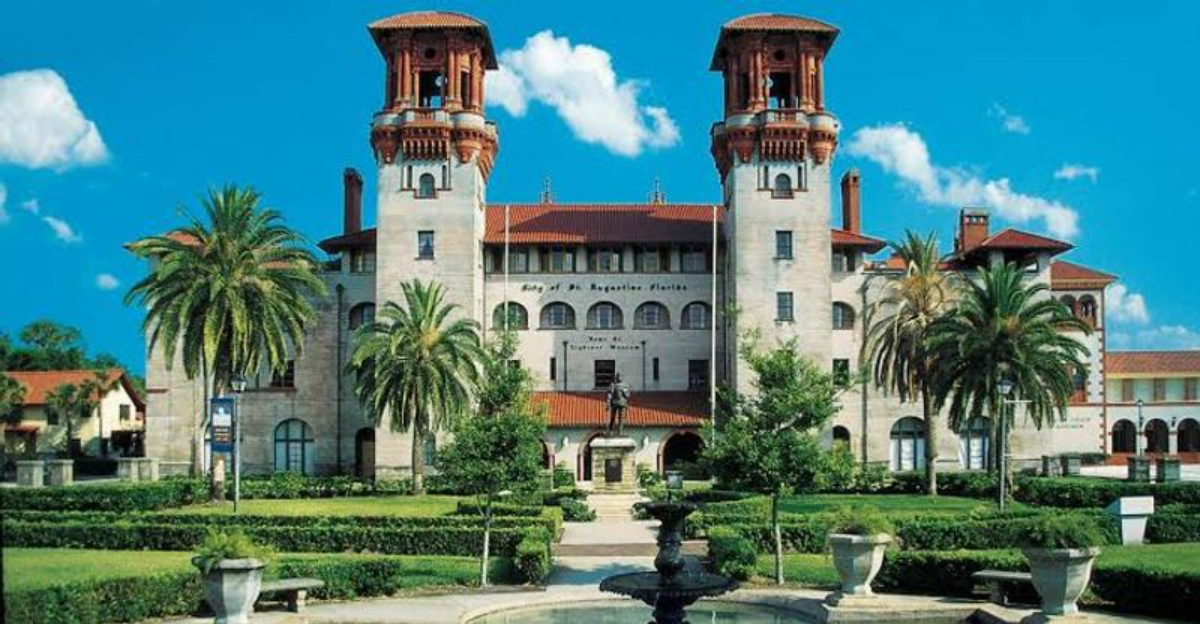
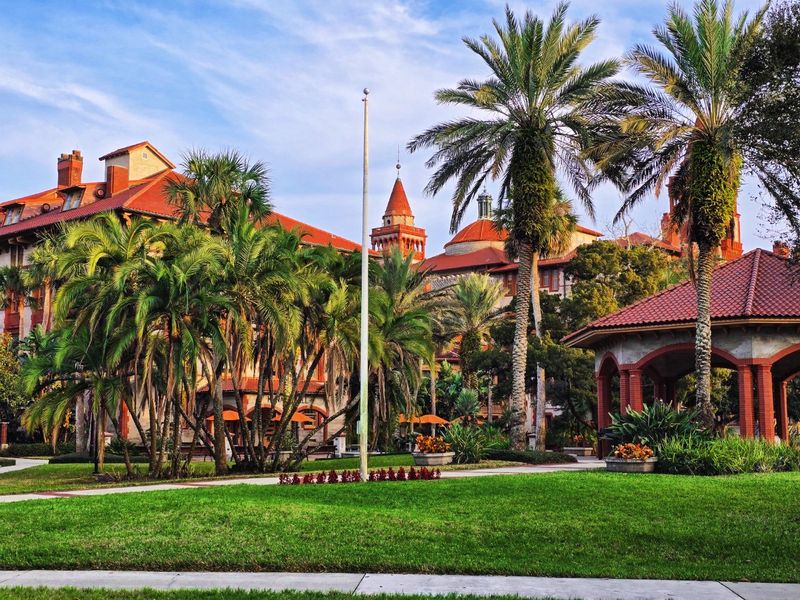
St. George Street is the heart of the pedestrian zone, lined with shops, cafes, and museums that range from quirky to deeply educational. The Flagler College campus, once a luxury hotel built by railroad tycoon Henry Flagler, is a showstopper of Spanish Renaissance architecture.
You don’t have to be a history nerd to appreciate how stunning it is.
The city also has a thriving food scene that blends old-world Spanish influences with modern Florida flavors. Datil peppers — a local ingredient unique to St. Johns County — show up in everything from hot sauce to craft cocktails.
Eating your way through St. Augustine is its own kind of adventure.
Even after multiple visits, St. Augustine has a way of revealing something new. Hidden courtyards, centuries-old cemeteries, and colonial-era ruins pop up when you least expect them.
This is a town that rewards the curious traveler who slows down long enough to actually look around.
3. Eustis
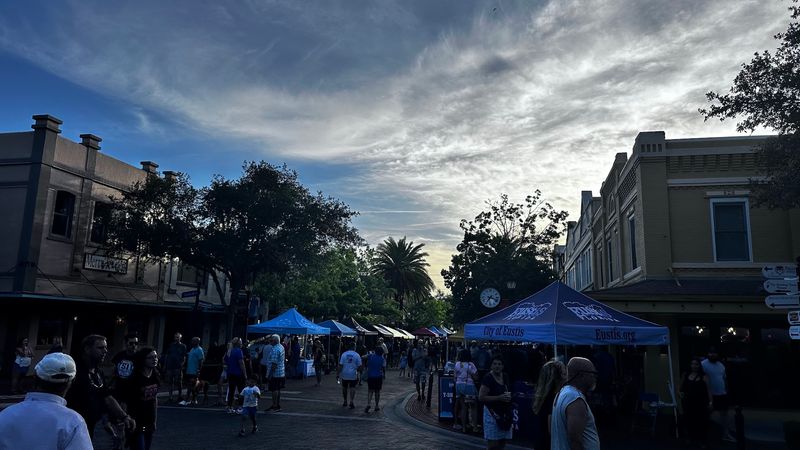
Sitting pretty on the shores of Lake Eustis in Lake County, this little town has a quiet confidence that big cities can’t manufacture. Eustis was incorporated back in 1883, and it spent the late 1800s as a buzzing citrus hub that attracted wealthy Northerners looking for a warmer life.
That legacy shows up in the well-preserved downtown architecture and the grand old homes lining the lakefront streets.
The historic downtown district is compact and genuinely charming, with locally owned shops and restaurants filling buildings that date back well over a century. Ferran Park sits right along the lake and offers a breezy, old-Florida kind of afternoon — think picnic blankets, tall oaks, and boats drifting lazily across the water.
It’s the kind of place that makes you wonder why you ever left your home state.
Eustis is also known for its strong sense of community. The annual GeorgeFest celebration, held every February in honor of George Washington’s birthday, is one of the oldest civic celebrations in Florida.
The whole town shows up for it, and that says a lot about the local pride baked into this place.
Art lovers will appreciate the Eustis Historical Museum and Preservation Society, which keeps the town’s story alive through rotating exhibits and local artifacts. There’s also a growing arts scene taking root in the downtown corridor, with galleries and studios adding fresh energy to the historic bones of the city.
Lake County itself is dotted with rolling hills and freshwater lakes, making Eustis a surprisingly scenic base for exploring central Florida. It’s the kind of town that doesn’t oversell itself — it just quietly delivers on every front.
4. Fernandina Beach
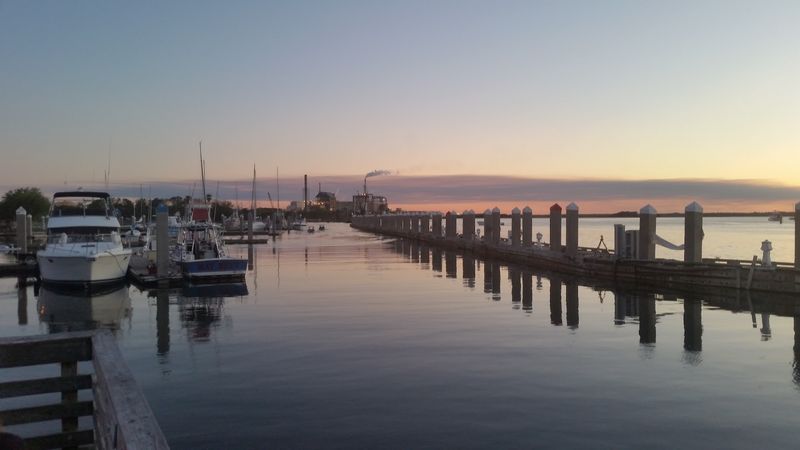
Fernandina Beach sits at the northern tip of Amelia Island, and it carries the distinction of being the only American city to have flown eight different flags throughout its history. That’s not a trivia tidbit — it’s a window into how deeply layered this town’s past really is.
Spanish, French, British, Confederate, and American influences have all left their marks here.
The Centre Street historic district is where old Florida comes alive with full force. Victorian storefronts painted in cheerful colors line the brick-paved streets, and the Palace Saloon — reportedly Florida’s oldest continuously operating bar — is right there waiting for you.
Established in 1903, the Palace has hosted shrimpers, soldiers, and tourists for over a century, and the pressed-tin ceiling alone is worth a visit.
Fernandina Beach has long been the heart of Florida’s shrimping industry, and you can still smell the salt and diesel near the working waterfront. The annual Isle of Eight Flags Shrimp Festival draws massive crowds every spring, celebrating the catch with live music, local art, and mountains of fresh shrimp prepared every way imaginable.
It’s messy, delicious, and completely worth it.
Fort Clinch State Park anchors the northern end of the island with a beautifully preserved Civil War-era brick fort. Rangers dressed in period costumes bring the 1860s to life in a way that’s educational without feeling like homework.
The park’s beach and nature trails add even more reason to linger.
Amelia Island’s natural beauty wraps around Fernandina like a frame around a painting. Salt marshes, maritime forests, and pristine beaches make this one of the most complete destinations in the entire state.
History and nature rarely play this well together.
5. Micanopy
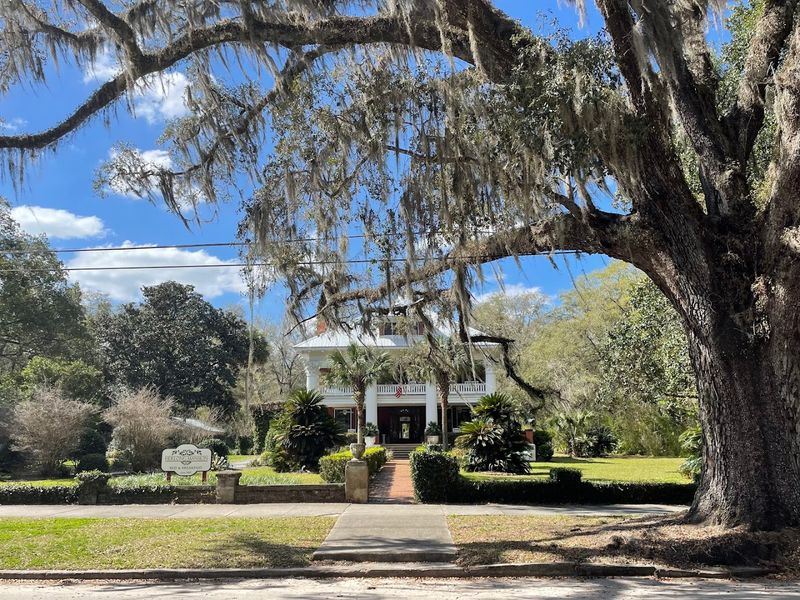
Micanopy might be the smallest town on this list, but it punches way above its weight in charm and historic significance. With a population that hovers around 600 people, this tiny village in Alachua County is Florida’s second-oldest inland town, founded in 1821.
The whole place feels like a secret that the rest of the state hasn’t quite figured out yet.
Cholokka Boulevard — the town’s one main drag — is lined almost entirely with antique shops, and serious collectors make pilgrimages here from across the Southeast. The buildings housing these shops are themselves antiques, dating back to the 1800s with original wood floors and tin rooftops that creak in the breeze.
Browsing here feels more like treasure hunting than shopping.
The town’s live oak canopy is absolutely spectacular. Ancient trees arch over the streets and sidewalks, dripping with Spanish moss in a way that makes everything feel slightly dreamlike.
Micanopy is the kind of place where you slow down without even deciding to — the atmosphere just demands it.
Film buffs might recognize Micanopy as the filming location for the 1991 movie “Doc Hollywood,” starring Michael J. Fox.
The town’s natural authenticity made it a perfect stand-in for a fictional small Southern town, and walking through it today, you can absolutely see why the filmmakers chose it. Nothing about it feels staged or manufactured.
The surrounding Paynes Prairie Preserve State Park adds a wild, open contrast to the town’s shaded streets. Bison, wild horses, and alligators roam the prairie just minutes from Cholokka Boulevard, making Micanopy one of the most unexpectedly adventurous stops in north-central Florida.
Small town, big personality.
6. Sanford
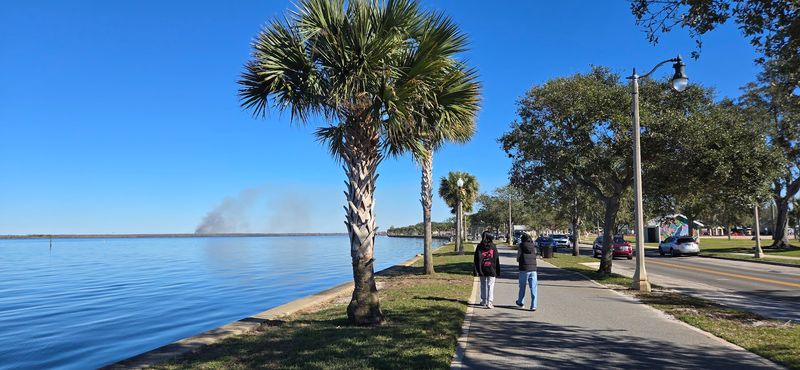
Sanford had a rough patch for a few decades, but this Seminole County city has staged one of the most impressive comebacks in Central Florida. Once known as the “Celery City” for its booming agricultural industry in the early 1900s, Sanford’s downtown sat mostly dormant for years.
Now it’s roaring back to life with craft breweries, farm-to-table restaurants, and art galleries filling those same gorgeous century-old brick buildings.
The historic district along First Street is legitimately stunning. Wide sidewalks, ornate facades, and detailed brickwork reflect a time when Sanford was a major commercial hub for the region.
The Ritz Theatre, a 1923 gem that’s been lovingly restored, anchors the cultural heart of downtown and hosts live performances that draw audiences from across the area.
Sanford’s waterfront along Lake Monroe adds serious appeal to an already compelling destination. The Riverwalk park stretches along the shoreline, offering walking paths, fishing spots, and stunning sunset views over the St. Johns River.
It’s the kind of waterfront that makes you want to stay just one more hour.
The Central Florida Zoo and Botanical Gardens calls Sanford home, making it a solid family destination layered on top of all the history. But honestly, adults without kids will find plenty to keep them busy — especially during one of the downtown’s many weekend festivals and street markets that have become a staple of the local calendar.
Sanford’s antique scene is also worth noting, with shops clustered near the historic district offering everything from mid-century furniture to vintage Florida memorabilia. The city’s renaissance feels authentic rather than forced, and that makes all the difference.
Sanford earns its second look — and usually a third.
7. Key West (Old Town)
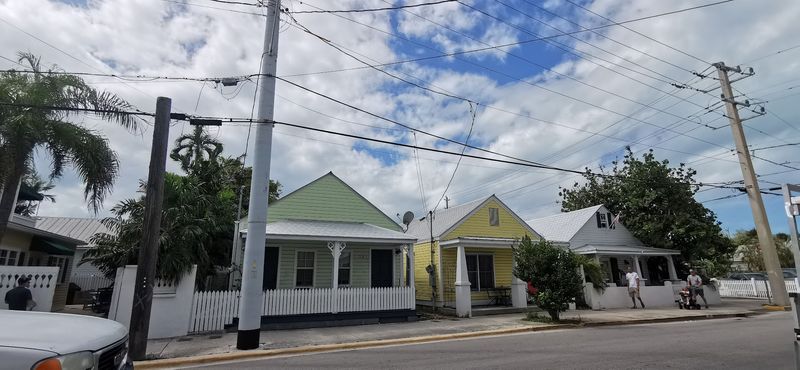
Key West’s Old Town is the kind of place that gets under your skin in the best possible way. South of the continental United States, perched at the end of a chain of islands connected by a single highway, this neighborhood operates entirely on its own terms.
The rules of the mainland don’t quite apply here, and that’s been true since the city’s earliest days as a wrecking and sponging hub in the 1800s.
The architecture of Old Town is a category all its own. Conch-style homes — wooden structures built by Bahamian craftsmen using salvaged materials from shipwrecks — line the shaded streets in every shade of the rainbow.
Many of these houses are over 150 years old and still standing strong, which says everything about the craftsmanship that went into them.
Ernest Hemingway lived and wrote in Key West during the 1930s, and his Spanish Colonial home on Whitehead Street is now one of the most visited museums in the state. The six-toed cats that roam the property are direct descendants of his original feline companions, and they carry themselves with the kind of confidence you’d expect from cats who know they’re famous.
Duval Street is the commercial spine of Old Town, buzzing with bars, galleries, and restaurants that range from legendary dives to upscale seafood spots. Sunset at Mallory Square is practically a religious experience — street performers, artists, and tourists all gather nightly to applaud the sun as it dips below the Gulf horizon.
It sounds cheesy until you’re standing there watching it happen.
Old Town Key West rewards those who wander off Duval and into the quieter side streets. That’s where the real magic lives — in the hidden gardens, crumbling cemetery walls, and century-old storefronts that still look exactly as they should.
8. Cedar Key
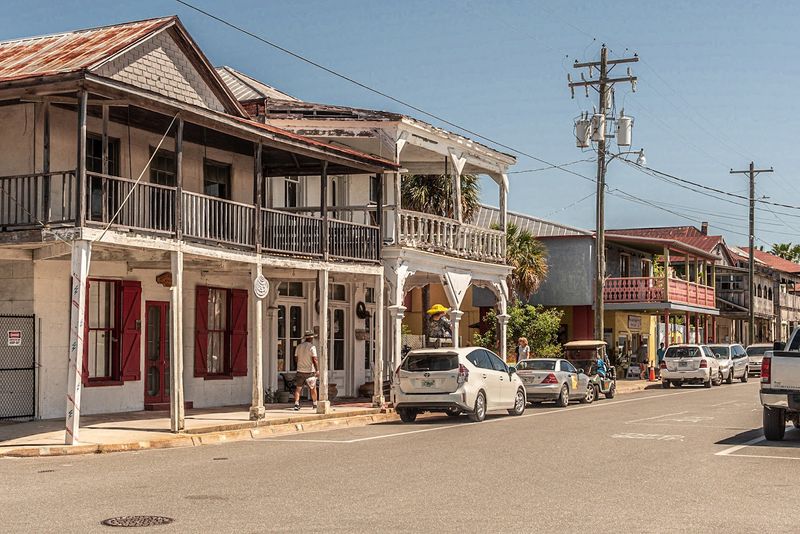
Cedar Key feels like it fell off the map on purpose. This tiny island community on Florida’s Gulf Coast sits at the end of State Road 24, which is itself the end of a long road to somewhere most people never bother going.
That self-selected isolation is exactly what makes it so special — Cedar Key has stayed weird and wonderful precisely because it’s never been easy to reach.
The town’s history stretches back to the mid-1800s when it was a major port and manufacturing center. Cedar pencils — yes, actual pencils — were made here using the local red cedar trees until the forests were exhausted.
That industry is long gone, but the old warehouses and Victorian-era buildings that line Dock Street still carry the weight of that working past.
Clams are Cedar Key’s current claim to fame. The town is one of Florida’s top producers of farmed hard clams, and nearly every restaurant in town puts them front and center on the menu.
Order them steamed, in chowder, or grilled with garlic butter — just don’t leave without trying them at least once. You’ll regret it if you do.
The Cedar Keys National Wildlife Refuge surrounds the island with a cluster of protected islands teeming with birds, dolphins, and sea turtles. Kayaking through the refuge is an experience that feels miles away from anything modern or stressful.
The water is shallow, clear, and full of life in every direction.
Artists have long been drawn to Cedar Key’s light and landscape, and a cluster of galleries and studios downtown reflects that creative community. The pace here is slow by design, and the sunsets over the Gulf are the kind that make you forget whatever you were worried about.
Cedar Key doesn’t need to try hard — it just is.
9. Ybor City
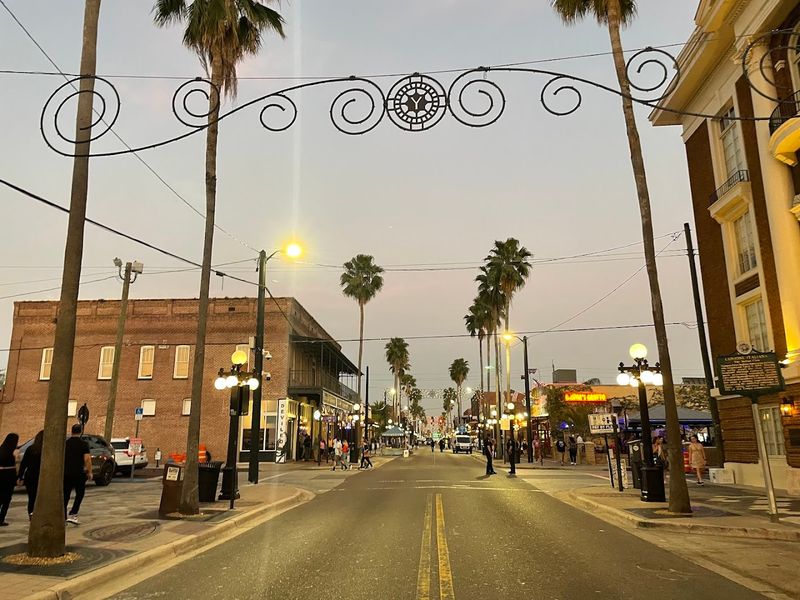
Ybor City is Tampa’s most fascinating neighborhood, and it earned that title through one of the most remarkable immigration stories in American history.
In the 1880s, Spanish cigar manufacturer Vicente Martinez-Ybor moved his operation from Key West to a patch of scrubland northeast of Tampa, and within a decade, thousands of Cuban, Spanish, and Italian immigrants had transformed it into one of the most productive cigar-making cities on earth.
At its peak, Ybor City produced over 500 million hand-rolled cigars per year. The brick factories that made that possible still stand along 7th Avenue, now housing restaurants, bars, and boutiques.
Walking past them, you can almost hear the rhythmic snap of tobacco leaves and the sound of lectors reading aloud to rows of cigar rollers — a tradition unique to this industry and this place.
The free-roaming chickens that wander Ybor’s streets are arguably its most famous residents. These birds are descendants of fighting cocks released decades ago, and they’re now protected by local ordinance.
Watching a rooster strut past a craft cocktail bar is a perfectly normal Tuesday in Ybor City, and somehow that contrast feels completely right.
The Columbia Restaurant, opened in 1905, claims the title of Florida’s oldest restaurant and still operates in its original location on 7th Avenue. The flamenco dinner shows held inside its ornate dining room are theatrical, delicious, and unlike anything else in the state.
Reservations are strongly recommended, especially on weekends.
Ybor City’s nightlife is legendary in Tampa, but the neighborhood deserves more credit for its daytime character. The Saturday Morning Market, the Ybor City Museum State Park, and the vintage shops along the main strip make it a full-day destination that goes way beyond the bar scene.
10. Bartow
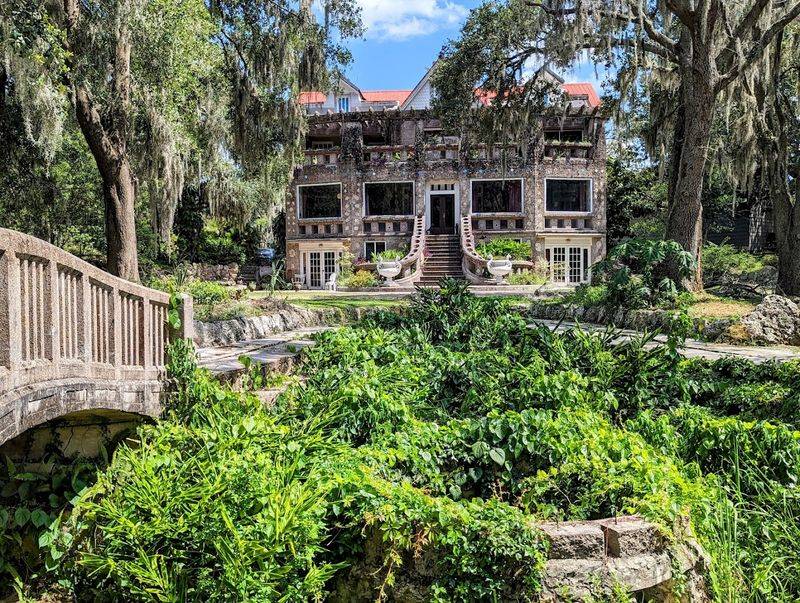
Bartow doesn’t get nearly enough credit for being one of the most architecturally impressive small cities in the state of Florida. As the seat of Polk County, this city has been accumulating beautiful buildings since the 1880s, and the results are on full display throughout its compact and walkable downtown.
More than 500 structures in Bartow are listed on the National Register of Historic Places — a number that shocks most people who’ve never visited.
The Polk County Courthouse, a stunning Beaux-Arts building completed in 1909, dominates the downtown square with the kind of grandeur usually reserved for much larger cities. The surrounding blocks are filled with Victorian homes, historic churches, and early 20th-century commercial buildings that have been maintained with obvious care.
Walking the streets here feels like stepping into a perfectly preserved snapshot of Florida’s early boom years.
Bartow is also known as the “City of Oaks” for good reason. Ancient live oak trees line the main streets and residential avenues, their massive canopies creating tunnels of shade that make even the hottest Florida afternoon feel bearable.
The combination of grand architecture and towering oaks gives Bartow a stately, Southern elegance that’s genuinely rare in this state.
The Polk County Historical Museum, housed in a gorgeous 1908 building, offers an in-depth look at the region’s history from the Seminole Wars through the phosphate and citrus industries that shaped modern central Florida. It’s well-organized and surprisingly engaging, even for visitors who didn’t plan to spend time in a museum.
Local restaurants and antique shops add a practical layer of enjoyment to the historic experience. Bartow rewards slow exploration — the kind where you turn down a side street on a whim and end up standing in front of a Victorian mansion you didn’t know existed five minutes ago.
11. Quincy
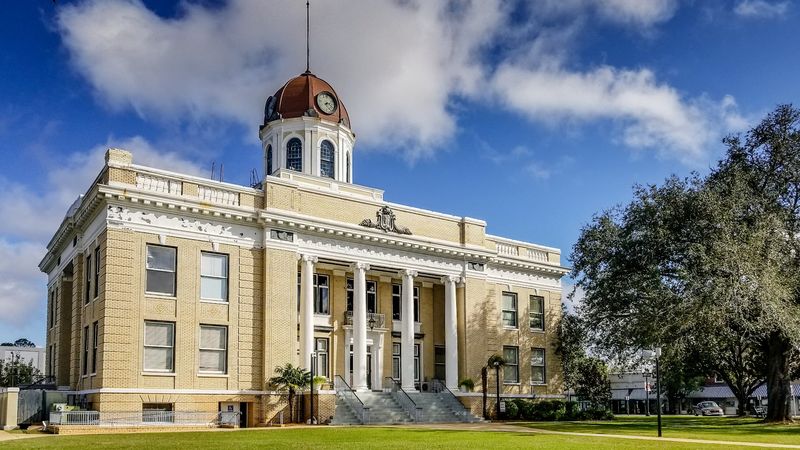
Quincy holds one of the most unusual claims to fame in Florida history — it’s the town that made its residents millionaires through Coca-Cola stock. Back in the 1920s, a local banker named Pat Munroe encouraged the townspeople of Quincy to invest their savings in Coca-Cola shares, which were trading cheap at the time.
They listened, the stock soared, and Quincy became home to more Coca-Cola millionaires per capita than almost anywhere else in the country.
That prosperity left a very visible mark on the town. Quincy’s historic downtown is filled with grand commercial buildings, elegant churches, and stately homes that reflect the wealth that flowed through this small Gadsden County community during the early and mid-20th century.
The architecture here has an ambition to it that you don’t often see in towns this size, and it’s incredibly well-preserved.
The Gadsden Arts Center and Museum is one of the genuine cultural jewels of North Florida. Housed in a beautifully restored 1927 building, it hosts rotating exhibits that bring serious contemporary and historical artwork to a town of fewer than 8,000 people.
The quality of programming here regularly surprises first-time visitors who weren’t expecting anything this sophisticated.
Shade tobacco farming once dominated the surrounding Gadsden County landscape, and remnants of that agricultural past are still visible in the old barns and plantation-style estates outside of town. It’s a quieter, more rural kind of history than what you’ll find in Florida’s coastal cities, but it’s equally compelling once you start asking questions.
Quincy sits just 20 miles west of Tallahassee, making it an easy and very rewarding side trip. Most people drive past it without stopping — which means those who do stop get the whole place essentially to themselves.
That’s a pretty good deal.
12. Mount Dora
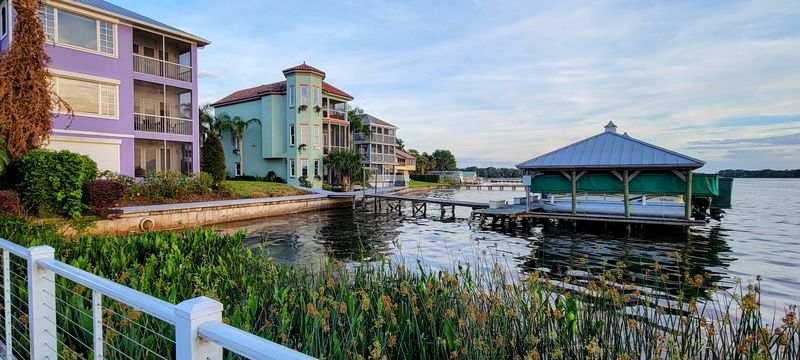
Mount Dora has a personality that’s hard to pin down — it’s part New England village, part antique lover’s paradise, and part old Florida lake town, all rolled into one genuinely delightful package. Perched on a bluff above Lake Dora in Lake County, the town sits at an elevation of roughly 184 feet, which makes it one of the highest points in the state.
In Florida, that’s basically a mountain.
The downtown district is postcard-perfect in a way that somehow avoids feeling fake. Victorian storefronts line the main streets, filled with antique dealers, art galleries, wine bars, and independent restaurants.
The annual Antique Fair held every February is one of the largest in the Southeast, drawing tens of thousands of shoppers from across the country to browse hundreds of vendor booths spread through the streets.
The Lakeside Inn, a historic hotel that dates back to 1883, is the oldest continuously operating hotel in Florida and has hosted presidents, celebrities, and ordinary travelers for well over a century. Sitting on the inn’s lakefront porch with a cold drink and a view of Lake Dora is one of those simple pleasures that doesn’t require any justification.
It’s just really, really good.
Mount Dora’s arts scene punches well above its weight for a town of roughly 15,000 people. The Mount Dora Center for the Arts anchors a creative community that supports working artists year-round, and the town’s calendar is packed with festivals, gallery walks, and outdoor events throughout the year.
The surrounding lakes and nature trails make Mount Dora equally appealing to outdoor enthusiasts. Kayaking on Lake Dora, birdwatching at Trimble Park, or cycling the trails around Lake County are all excellent options for working up an appetite before heading back to one of the excellent downtown restaurants.
13. Brooksville
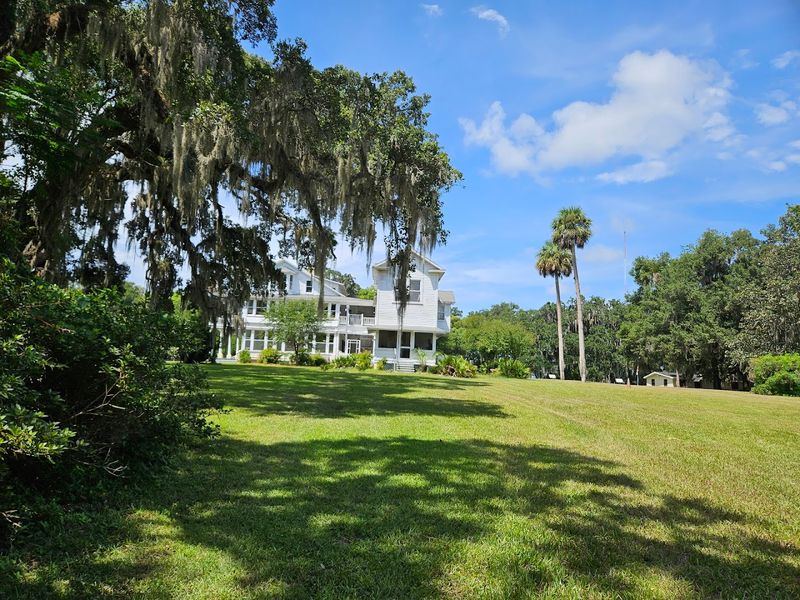
Brooksville is the kind of town that rewards the traveler willing to get off the interstate and actually look around. Named after a South Carolina congressman in 1856, this Hernando County seat developed slowly and deliberately, which meant the buildings that went up here were built to last.
Walking the downtown streets today, you get the strong sense that people here have always taken their surroundings seriously.
The Hernando County Courthouse, a handsome Classical Revival building, anchors the downtown square with quiet authority. The surrounding blocks are lined with historic commercial buildings, Victorian homes, and antique shops that have made Brooksville a low-key destination for collectors who know where to look.
The pace is unhurried, the locals are friendly, and the history runs deeper than most visitors expect.
The May-Stringer House, often called one of Florida’s most haunted homes, adds another layer to the town’s personality. Whether you’re interested in ghost stories or just well-preserved architecture, it’s worth a stop.
A short drive outside town brings you to rolling hills, live oaks, and stretches of countryside that feel far removed from the Florida most people picture.
Brooksville doesn’t try to impress—it doesn’t have to. Spend a little time here, and it becomes clear that its appeal lies in how little it has changed.