10 Florida Lighthouses Where the Climb Ends With a Stunning View
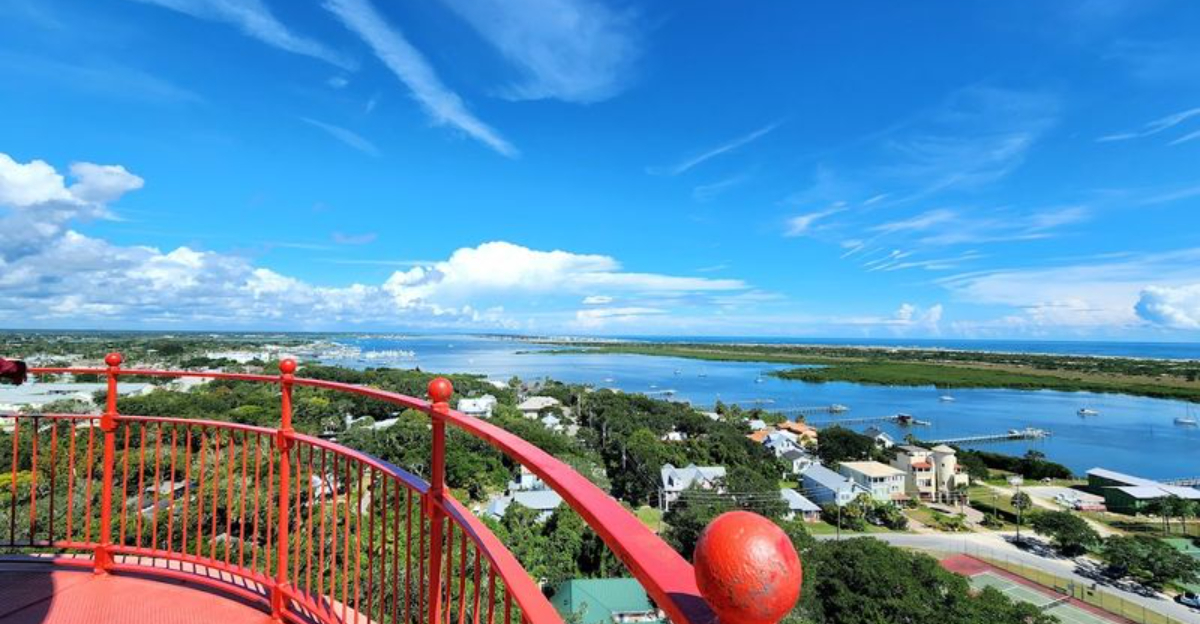
Florida’s coastline is dotted with historic lighthouses that have guided sailors for generations, and many of them invite you to climb their spiraling staircases for rewards that go far beyond a little cardio. These tall towers offer some of the most breathtaking vantage points in the state, where ocean meets sky and you can see for miles in every direction. Whether you’re drawn to the thrill of the ascent or simply want a view that can’t be captured from ground level, these lighthouses deliver unforgettable panoramas that make every step worth the effort.
1. Ponce Inlet Lighthouse (Ponce Inlet)
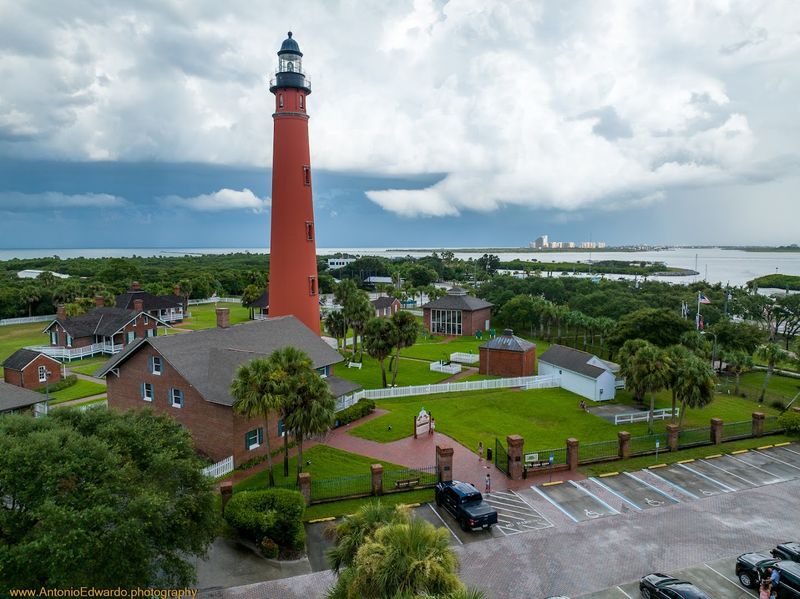
Standing 175 feet tall, this is the giant of Florida lighthouses, and reaching the top means climbing 203 steps that wind through the brick tower’s interior. The effort pays off in a big way once you step onto the gallery deck and take in the sweeping coastline stretching in all directions.
From up there, the Atlantic rolls out endlessly to the east, while the Halifax River snakes inland to the west. On clear days, you can spot Daytona Beach to the north and New Smyrna Beach to the south, plus the lush barrier island landscape that makes this part of the coast so scenic.
The lighthouse grounds are equally impressive, with restored keeper’s cottages and a small museum that digs into the area’s maritime history. It’s a full experience, not just a quick photo op, and the tower itself is beautifully maintained with its classic red brick exterior.
Climbing here feels like stepping back in time, especially when you imagine the keepers making this trek multiple times a day to tend the light. The view rewards your curiosity and your calves, offering one of the most complete coastal panoramas anywhere in Florida.
2. St. Augustine Lighthouse (St. Augustine)
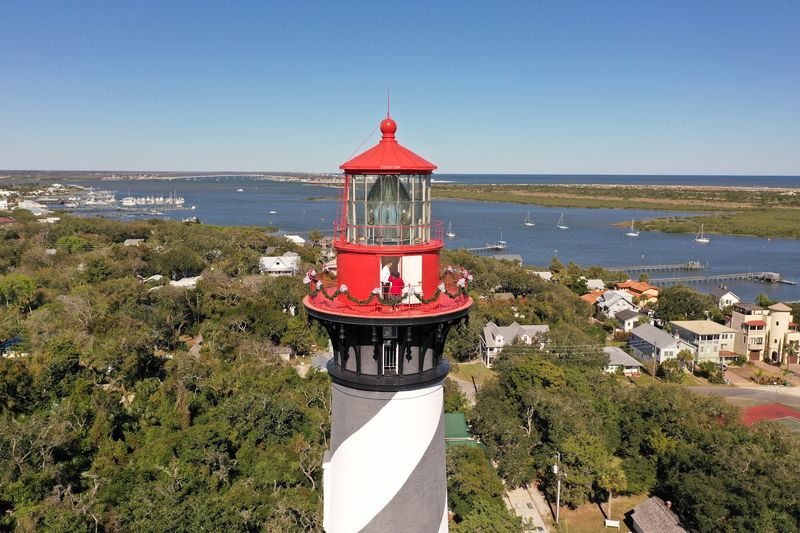
Climbing 219 steps inside this iconic black-and-white spiral tower brings you face-to-face with one of the most photogenic views on Florida’s east coast. The 360-degree lookout from the top gallery wraps you in history and scenery at the same time, with the nation’s oldest city spreading out below.
To the west, you’ll see the red rooftops and old streets of downtown St. Augustine, including landmarks like the Castillo de San Marcos and the Bridge of Lions. Turn east and Anastasia Island unfolds with its mix of dunes, maritime forest, and the shimmering Atlantic just beyond.
The lighthouse itself dates back to 1874 and has been lovingly restored, so the climb feels authentic and atmospheric. You’re walking the same iron stairs that keepers climbed for decades, and the narrow passageways add to the adventure.
Once you’re up top, the breeze off the ocean is refreshing, and the vantage point makes it easy to understand why this spot was chosen for a navigational beacon. It’s one of those views that makes you pause and appreciate both the engineering and the natural beauty framing it.
3. Pensacola Lighthouse (Pensacola)
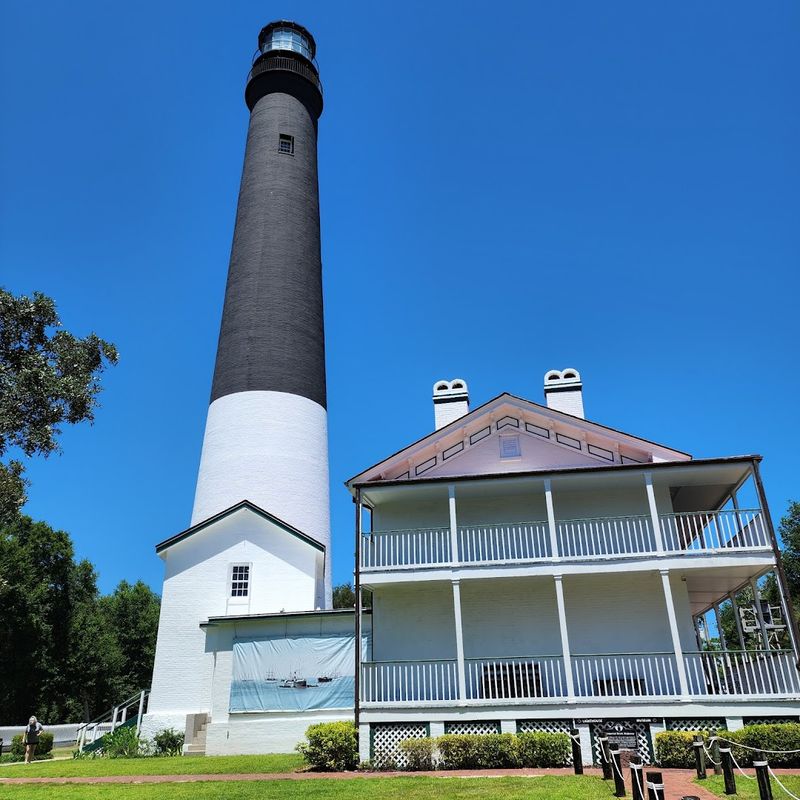
Perched on the grounds of Naval Air Station Pensacola, this lighthouse offers a climb that blends military history with coastal beauty. The 177-step ascent takes you up a tower that’s been standing since 1859, and the view from the top is a unique mix of natural and man-made landmarks.
Pensacola Bay stretches out in shades of blue and green, dotted with boats and framed by the Gulf shoreline. You’ll also see the sprawling naval station below, including historic hangars and airfields that tell the story of American aviation history.
The lighthouse grounds include a small museum and the original keeper’s quarters, making it easy to spend an hour or two exploring before or after your climb. The setting feels quieter than some of Florida’s busier lighthouse destinations, which adds to the appeal if you prefer a more laid-back experience.
What makes this climb special is the way it connects you to both maritime and military heritage. The view isn’t just pretty—it’s packed with stories, from early navigation to modern naval aviation, all framed by the wide-open waters of the Gulf Coast.
4. Jupiter Inlet Lighthouse (Jupiter)
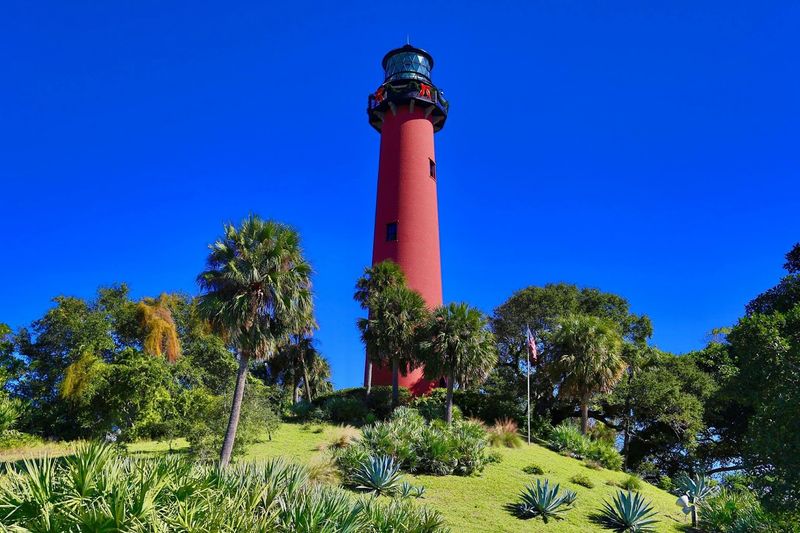
That bold red tower rising above Jupiter Inlet is hard to miss, and the climb to the top delivers one of the most striking coastal views in South Florida. The 105-foot structure sits on a high bluff, so even before you start climbing, you’re already elevated above the surrounding landscape.
Once you reach the observation deck, the view is all about water meeting water. Jupiter Inlet cuts through the barrier island, connecting the Intracoastal Waterway to the Atlantic, and from up here you can watch boats navigate the passage while waves roll in from the open ocean.
The natural beauty around the lighthouse is exceptional, with mangroves, dunes, and coastal scrub creating a patchwork of greens and blues. On clear days, the water takes on that brilliant turquoise hue that makes Florida’s coast so famous.
The lighthouse grounds are part of a larger park with trails and picnic areas, so it’s easy to make a full day of it. The climb itself isn’t overly strenuous, but the reward at the top feels outsized—a sweeping look at one of the most scenic spots on the Treasure Coast.
5. Cape Florida Lighthouse (Key Biscayne)
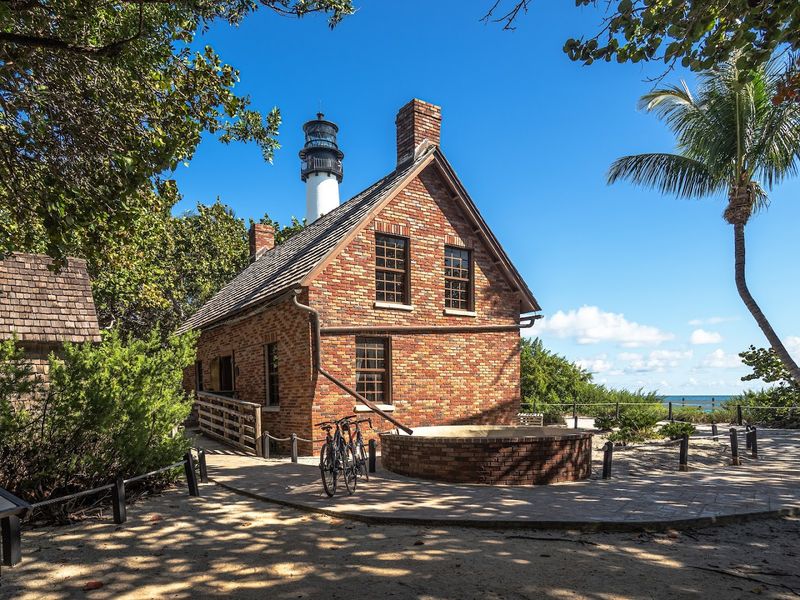
Tucked into Bill Baggs Cape Florida State Park, this lighthouse offers a climb that feels like a reward for making the trip to the southern tip of Key Biscayne. The 95-foot tower is one of the oldest structures in South Florida, dating back to 1825, and climbing it connects you to centuries of coastal history.
The view from the top is pure South Florida magic. Biscayne Bay spreads out to the west in shades of jade and turquoise, while the Atlantic stretches endlessly to the east. You can see downtown Miami’s skyline in the distance, along with the lush tropical vegetation that covers much of the park.
The lighthouse itself has survived hurricanes, fires, and even an attack during the Second Seminole War, so there’s a resilience to the place that adds weight to the experience. The keeper’s cottage nearby has been restored and offers a glimpse into what life was like tending a light in such a remote location.
Climbing here feels less touristy and more adventurous, especially with the park’s quiet beaches and nature trails just steps away. It’s a view that captures the best of South Florida’s natural beauty in one sweeping look.
6. Key West Lighthouse (Key West)
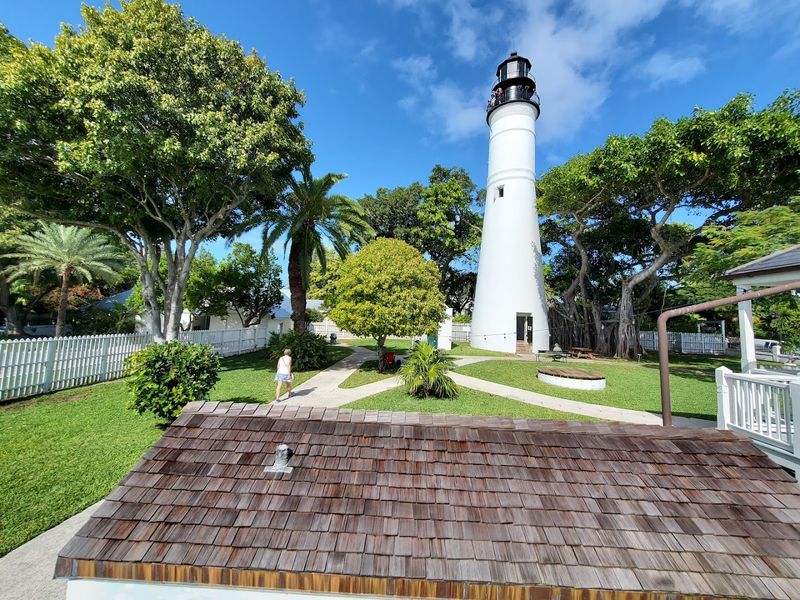
Right in the heart of Key West’s historic district, this lighthouse puts you 88 steps above one of the most iconic neighborhoods in the country. The climb is manageable, and the payoff is a bird’s-eye view of the island’s famous pastel houses, palm-lined streets, and the shimmering waters that surround this quirky outpost.
From the observation platform, you can pick out landmarks like the Custom House, the Truman Annex, and the busy harbor where cruise ships and sailboats come and go. The ocean wraps around the island in every direction, shifting from deep blue to bright turquoise depending on the depth and light.
The lighthouse museum at the base is packed with artifacts and stories about Key West’s maritime past, including tales of shipwrecks and the keepers who lived here. It’s a small but engaging collection that adds context to what you’re seeing from above.
Climbing here feels like getting a behind-the-scenes look at Key West’s layout and character. You realize how compact the island really is and how much personality is packed into such a small space. It’s a view that makes you appreciate the island’s unique place in Florida’s story.
7. Hillsboro Inlet Lighthouse (Pompano Beach area)
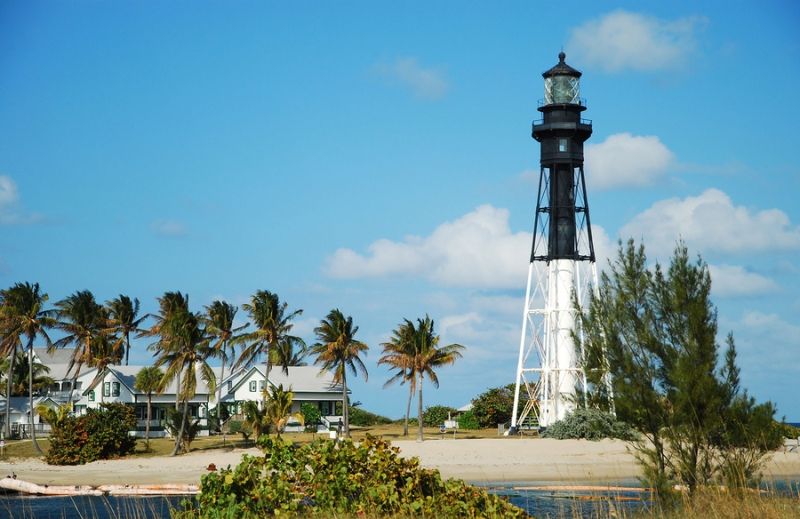
Getting to this lighthouse takes a bit more planning since it sits on a private island and requires a boat ride to reach, but the effort makes the experience feel special. The skeletal iron tower rises 136 feet and is one of the most distinctive lighthouse designs in Florida, with its open framework creating dramatic shadows and views through the structure itself.
Climb tours are offered periodically, and once you make it to the top, the views are a stunning blend of inlet, ocean, and upscale coastline. Hillsboro Inlet cuts between barrier islands, and from up high you can watch the water change color as it moves from shallow turquoise near shore to deep blue offshore.
The surrounding area is quieter and less developed than some of South Florida’s busier stretches, so the natural beauty stands out. You’ll see mangrove-lined shores, expensive waterfront homes, and boats navigating the inlet’s strong currents.
What makes this climb memorable is the exclusivity and the engineering. The lighthouse’s iron skeleton feels industrial and elegant at the same time, and the views through the framework add a unique dimension to the experience. It’s a climb that rewards adventurous visitors with something truly different.
8. Anclote Key Lighthouse (Anclote Key Preserve State Park)
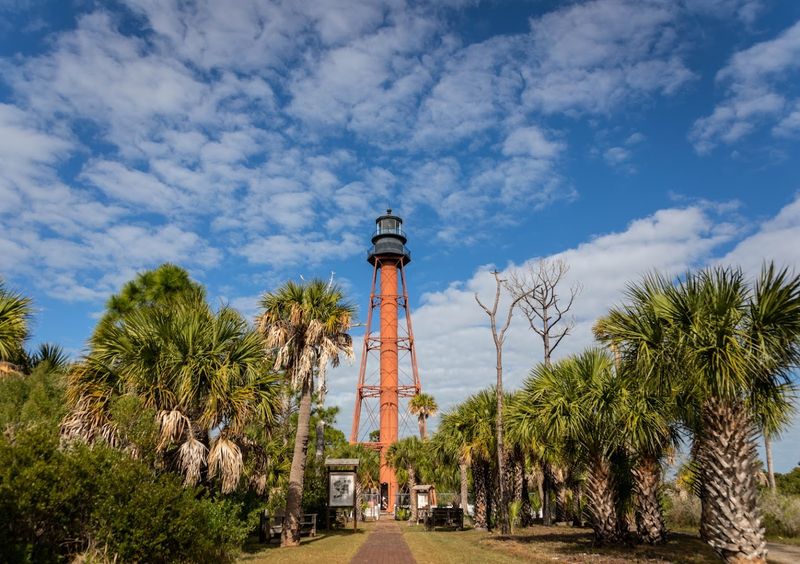
Reaching this lighthouse is half the adventure, since Anclote Key is only accessible by boat and sits a few miles offshore from Tarpon Springs. The island is part of a state preserve, so it’s undeveloped and wild, with white sand beaches and seagrass flats that feel miles away from civilization.
The lighthouse itself dates back to 1887 and has weathered decades of Gulf storms. Climbing it gives you a rare offshore perspective, with nothing but open water stretching to the horizon and the mainland visible as a distant green line.
The views from the top are all about wide-open Gulf scenery and the sense of being somewhere truly remote. Dolphins often swim in the shallow waters around the island, and during migration seasons, you might spot birds passing overhead.
The climb isn’t always available, so checking ahead is important, but when you can get up there, it’s an experience that feels like a secret. The island’s quiet beaches and clear waters make it worth the trip even if the tower is closed, but reaching the top adds a layer of adventure that’s hard to match.
9. Cape Canaveral Lighthouse (Cape Canaveral Space Force Station)
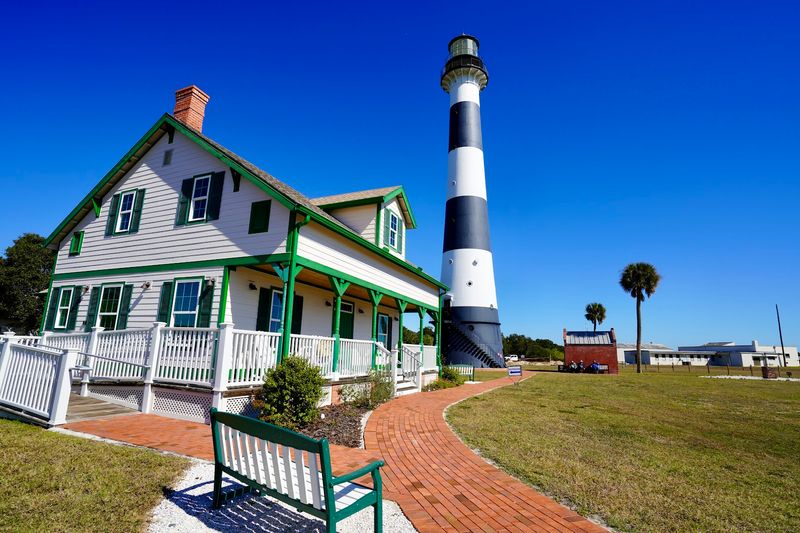
This is the only lighthouse in Florida where you might see a rocket on the horizon, and that alone makes the climb unforgettable. The 151-foot tower sits on Cape Canaveral Space Force Station, so access is tightly controlled and requires booking a guided tour through the Air Force Space and Missile Museum.
Once you’re cleared to climb, the view mixes history and futurism in a way that’s completely unique. To the east, the Atlantic rolls in with its usual beauty, but to the west and north, you’ll see launch pads, vehicle assembly buildings, and the infrastructure that’s sent humans into space.
The lighthouse itself was built in 1868 and later moved inland to protect it from erosion, so it’s been a silent witness to everything from sailing ships to space shuttles. The juxtaposition of old maritime technology and cutting-edge aerospace engineering is striking from the top.
Getting up there takes patience and planning, but the payoff is a view that tells two very different Florida stories at once. It’s a climb that reminds you how much history is layered into this coastline, from early explorers to modern space pioneers.
10. Gasparilla Island Lighthouse (Boca Grande)
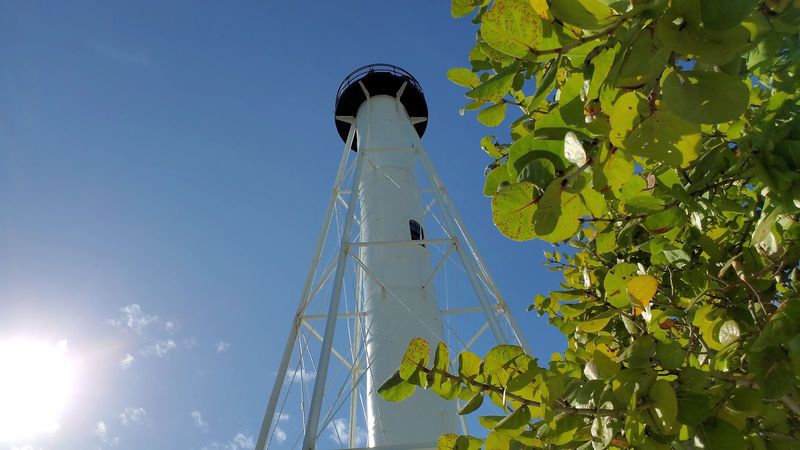
On the southern tip of Gasparilla Island, this lighthouse offers a seasonal climb that’s worth timing your visit around. The structure is smaller and more intimate than some of Florida’s towering beacons, but the views from the lantern room are spectacular, especially looking out over Boca Grande Pass where the Gulf meets Charlotte Harbor.
The pass is famous for its strong currents and tarpon fishing, and from up top you can watch the water churn and shift colors as tides move through. The beaches stretch out in both directions, lined with sea oats and casuarina trees that sway in the Gulf breeze.
The lighthouse grounds include a small museum and nature trails that wind through coastal scrub and mangroves, making it easy to explore before or after your climb. The whole area has a quiet, old-Florida feel that’s increasingly rare along the state’s developed coastlines.
Climbing here feels personal and unhurried, with views that emphasize the natural beauty of the Gulf Coast. It’s a perfect spot for anyone who wants a lighthouse experience that’s more about peaceful scenery and less about crowds and commerce.