Florida’s Toughest Hike Will Leave You Sweaty, Sore, and Speechless
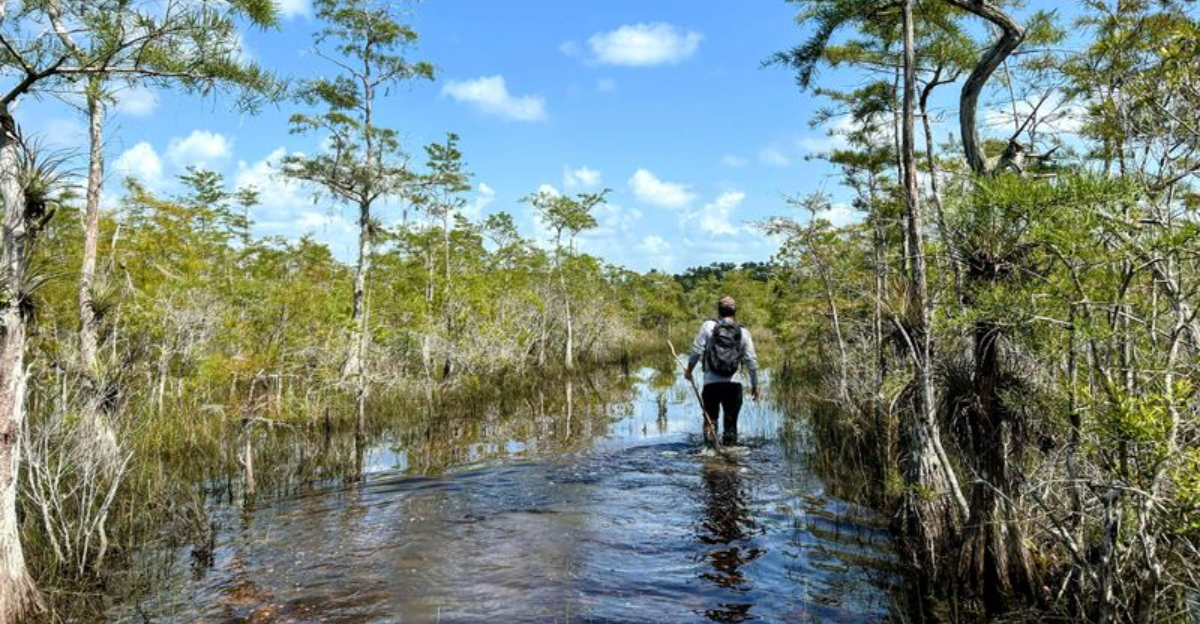
Most people think Florida hiking means flat sandy paths and easy boardwalks. Then they hear about the Big Cypress South trail and everything changes. This 30-mile monster through Big Cypress National Preserve will challenge every assumption you have about hiking in the Sunshine State, throwing waist-deep water, sticky mud, and wild encounters at you mile after grueling mile.
1. The Brutal Reality of 30.3 Miles Through Swampland
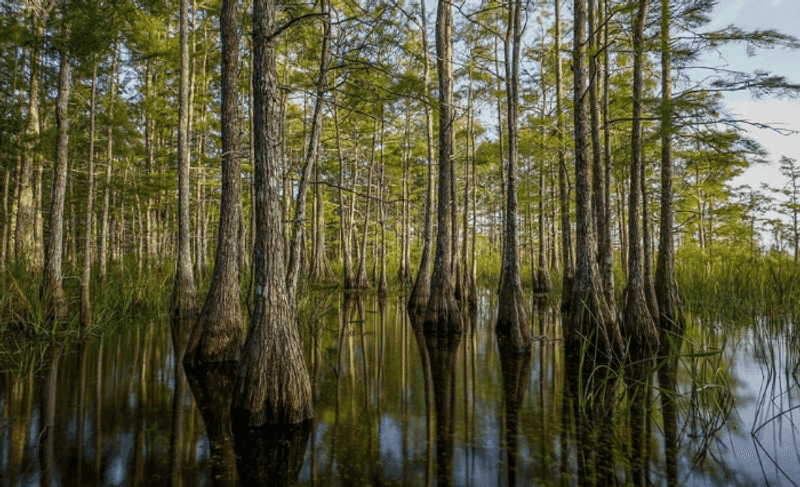
Forget everything you know about typical Florida trails. Big Cypress South stretches over 30 miles of unforgiving terrain that laughs at casual hikers. Water isn’t something you cross here—it’s something you live in for days.
Most sections keep you submerged anywhere from ankle to waist-deep. Your boots become waterlogged anchors within the first hour. The trail doesn’t follow nice dry ground because there isn’t any.
Cypress domes rise from the flooded landscape like natural cathedrals. Between them sprawl vast savannas where navigation becomes guesswork. The limestone bedrock beneath your feet stays hidden under murky water that conceals every root and rock waiting to trip you.
Planning takes serious commitment since you’ll need three to five days minimum to complete the route. Backcountry permits aren’t optional—they’re required because park officials need to know someone’s out there. Self-sufficiency isn’t just recommended; it’s mandatory for survival.
The reward? Bragging rights to completing Florida’s most demanding backpacking challenge. Only the toughest hikers emerge with stories worth telling, and even fewer return for a second attempt at this swampy gauntlet.
2. Slippery Marl Mud That Wants Your Boots
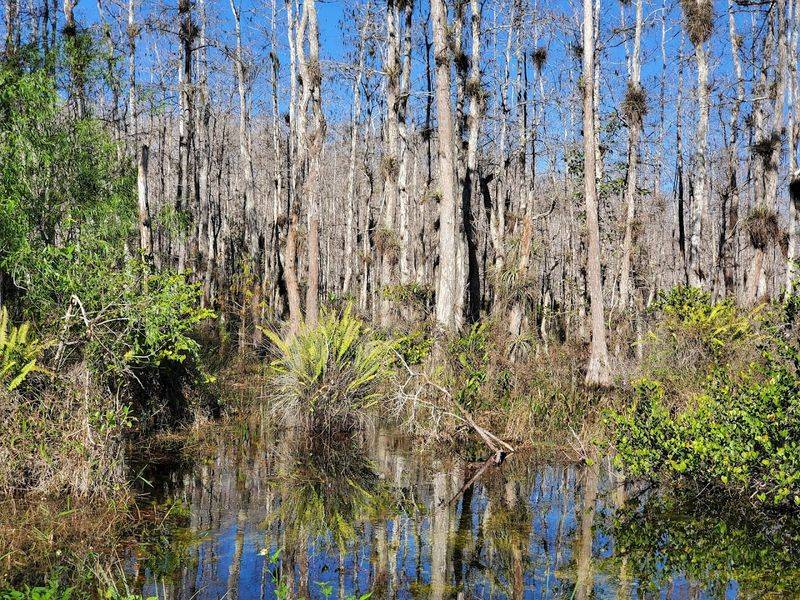
Marl mud deserves its own warning label. This slippery gray substance coats the trail bottom like nature’s ice rink, except you can’t see it coming. One confident step turns into a flailing dance as your foot slides sideways.
Periphyton adds another layer of treachery to the mix. This slimy algae grows everywhere water sits, creating a biological skating rink over rocks and roots. Your hiking poles become lifelines instead of accessories.
Every step requires calculated placement and mental preparation. The mud grabs at your boots with surprising strength, sometimes refusing to let go without a fight. Hikers regularly lose their balance, and falling means getting completely soaked.
The physical toll compounds quickly when you’re constantly fighting for stable footing. Your leg muscles burn from the extra effort of pulling each foot free. Core strength matters more here than cardiovascular fitness.
Experienced Big Cypress hikers develop a distinctive shuffling gait. They’ve learned that lifting your feet high invites disaster. Instead, they slide along the bottom, feeling for solid ground before committing their weight to each step forward through this slippery nightmare.
3. Wildlife Encounters That Spike Your Adrenaline
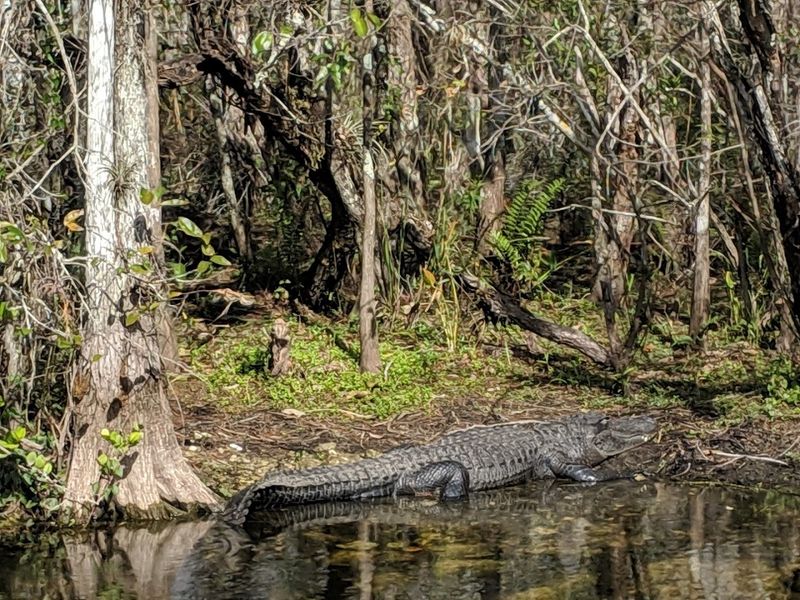
Alligators own this territory, and they know it. You’ll spot them sunning on logs, gliding through channels, or lurking in vegetation along the trail. Most ignore hikers, but that doesn’t stop your heart from racing when you wade past one.
Florida panthers prowl these swamps as the preserve’s apex predators. Sightings remain incredibly rare since only around 200 exist statewide. Spotting one would make you among the luckiest hikers alive, though you’d probably prefer admiring them from much farther away.
Black bears roam the cypress domes searching for food. They’re generally shy around humans but demand respect and proper food storage. Bear encounters happen often enough that rangers emphasize wildlife safety during permit briefings.
Snakes present the most common concern for nervous hikers. Water moccasins, also called cottonmouths, frequently appear in wet areas. Coral snakes hide in leaf litter while various harmless water snakes create false alarms.
Learning to identify species becomes crucial.
The wildlife adds legitimate danger to an already challenging hike. These animals aren’t zoo exhibits—they’re wild creatures in their natural habitat. That reality transforms every day on the trail into an authentic wilderness experience unlike anything else Florida offers.
4. Seasonal Timing That Makes or Breaks Your Trip
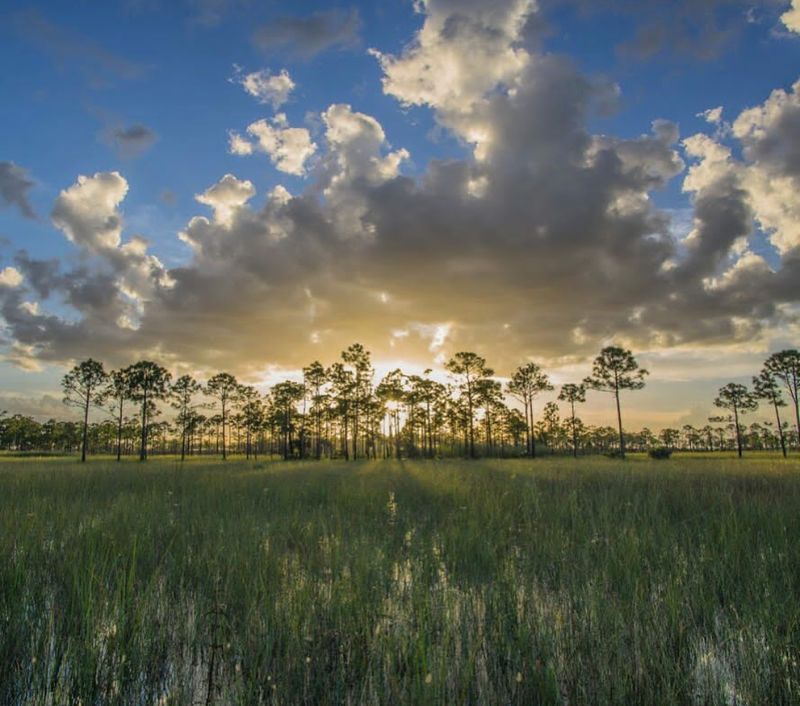
Timing separates successful trips from miserable failures on Big Cypress South. Late fall through early spring offers the only reasonable hiking window. Water levels drop, temperatures become tolerable, and mosquitoes take a break from their blood-sucking duties.
Summer transforms the trail into a hellscape. Temperatures soar into the 90s with humidity that makes breathing feel like work. Water levels rise dramatically, turning difficult crossings into swimming exercises.
Afternoon thunderstorms roll through with frightening regularity.
Winter months provide the sweet spot for tackling this beast. January and February bring the lowest water levels and coolest temperatures. Wildlife viewing peaks as animals concentrate around remaining water sources.
The trade-off comes with shorter daylight hours for hiking.
Spring shoulder season extends from March into early April before conditions deteriorate. Temperatures climb gradually while water levels remain manageable. Wildflowers bloom across the savannas, adding unexpected beauty to the challenging landscape.
Check recent trail reports before committing to any dates. Rainfall patterns vary yearly, sometimes flooding the trail even during typically dry months. Rangers at the preserve can provide current conditions, helping you choose the best timing for your Big Cypress adventure.
5. Gear Requirements Beyond Normal Backpacking
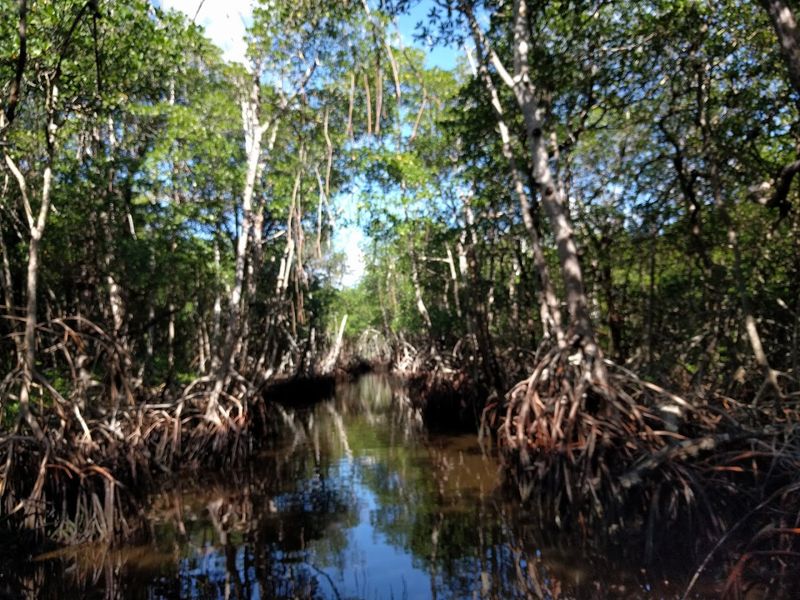
Standard backpacking gear won’t cut it here. Water dominates every aspect of this trail, so waterproofing becomes your primary concern. Dry bags aren’t optional—they’re essential for protecting sleeping bags, electronics, and anything you want to keep functional.
Footwear choices spark endless debates among Big Cypress veterans. Some swear by lightweight trail runners that drain quickly and dry fast. Others prefer waterproof boots despite knowing they’ll fill with water anyway.
Bringing backup footwear for camp provides relief for pruned feet.
Your tent needs to handle wet ground and high humidity without growing mold. Hammocks with bug nets offer advantages since they keep you off soggy ground. Either way, practice setup before your trip because fumbling with gear after a exhausting day makes everything worse.
Water treatment becomes critical since you’ll be filtering swamp water for drinking. Carry backup purification tablets in case your filter clogs with sediment. The water looks sketchy but becomes drinkable after proper treatment.
Navigation tools matter more than usual since trail markers disappear underwater. Download offline maps to your phone and carry a backup GPS device. Compass skills aren’t just nice to have—they might save you from wandering lost through endless cypress.
6. Mental Toughness That Matters More Than Fitness
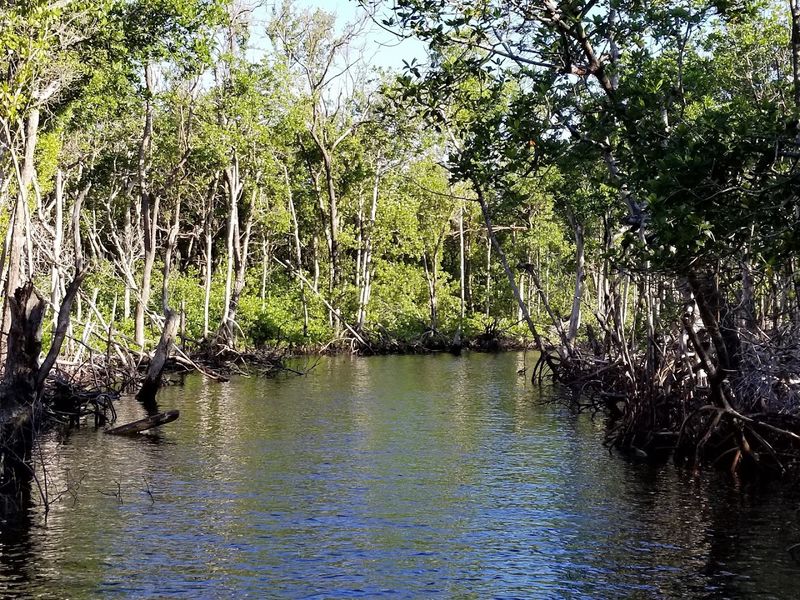
Physical conditioning helps, but mental strength determines who finishes Big Cypress South. The constant wetness wears down your resolve in ways no training plan prepares you for. Accepting discomfort becomes your daily meditation.
Hour after hour of slogging through water tests patience like nothing else. Your mind screams for dry ground that never appears. Hikers who can’t embrace the suck usually tap out early, calling for extraction rather than pushing through.
Loneliness amplifies the challenge since few people attempt this trail. You might go days without seeing another human. That isolation forces you to rely entirely on yourself when things get difficult or scary.
Problem-solving skills matter constantly as you navigate flooded sections and changing conditions. The trail doesn’t follow an obvious path, requiring constant decision-making about the best route forward. Second-guessing yourself leads to wasted energy and frustration.
Maintaining positive attitude despite misery separates those who thrive from those who merely survive. Finding joy in small victories—a dry patch of ground, a beautiful sunset through the cypress—keeps morale high. The mental game ultimately proves harder than any physical obstacle this trail throws at you.
7. Backcountry Camping in Flooded Wilderness
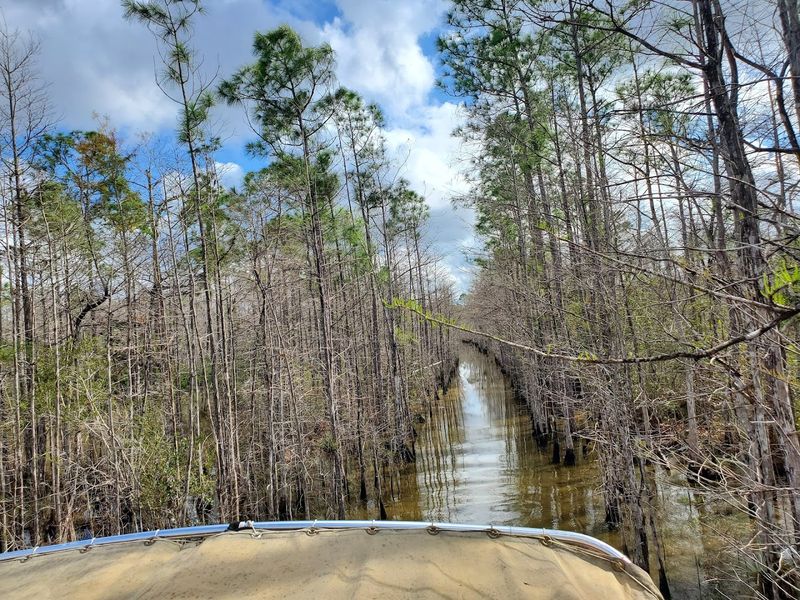
Finding suitable campsites ranks among the biggest challenges on Big Cypress South. Dry ground becomes precious real estate that you’ll celebrate discovering. Most nights involve setting up in partially flooded areas or on small limestone outcroppings barely above water level.
Designated camping zones exist along the route, but don’t expect established sites with fire rings. You’re looking for any patch of ground that won’t submerge you during the night. Sometimes the best option means sleeping on a slightly elevated mound.
Setting up camp after a brutal day of hiking tests your remaining energy reserves. Everything feels damp, including your patience. Organizing gear in the fading light while standing in ankle-deep water builds character whether you want it or not.
Nighttime brings a symphony of swamp sounds that city dwellers find unsettling. Alligators bellow, frogs chorus, and unidentified creatures splash nearby. Sleep comes easier once you accept that you’re camping in their living room, not yours.
Morning routines involve packing wet gear and forcing pruned feet back into soggy boots. Breaking camp feels like torture until you remember that finishing this trail earns you legendary status among Florida hikers. That motivation carries you through another day of swampy suffering.
8. The Profound Reward of Finishing Florida’s Toughest
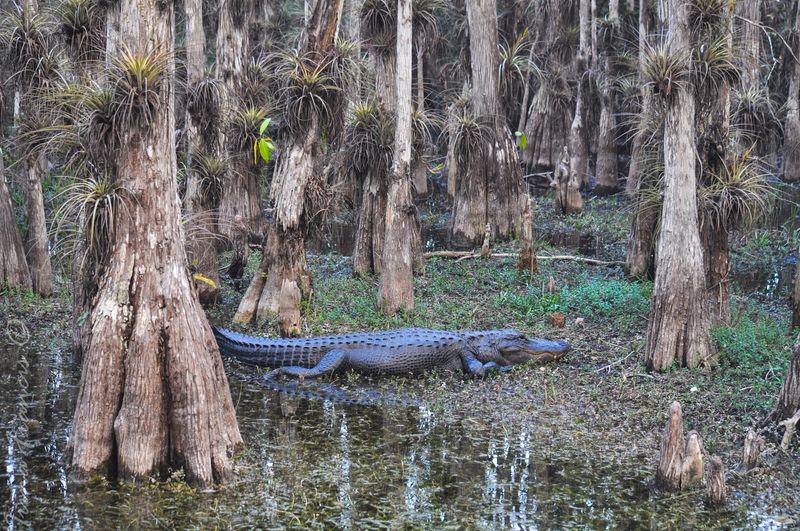
Completing Big Cypress South changes how you view both hiking and yourself. The sense of accomplishment hits different when you’ve genuinely suffered for days. You’ve earned something that can’t be bought or faked—real wilderness experience.
Stories from this trail carry weight in hiking circles. While others talk about their comfortable weekend trips, you’ll have tales of wading through gator-filled swamps and sleeping on tiny islands. The credibility boost among outdoor enthusiasts feels surprisingly satisfying.
Your first shower afterward becomes a near-religious experience. Watching days of swamp muck swirl down the drain while hot water hits your skin rivals any spa treatment. Clean, dry clothes feel like luxury items you’ll never take for granted again.
The preserve reveals ecosystems that most Floridians never witness. You’ve walked through pristine wilderness that looks much like it did centuries ago. That connection to wild Florida stays with you long after the blisters heal and the sunburn fades.
Most importantly, you’ve proven something to yourself about perseverance and capability. When future challenges arise, you’ll remember that you conquered Florida’s toughest trail. That mental reference point provides strength whenever life throws obstacles your way, making every sweaty, sore moment absolutely worth it.