Life Slows Down In This Charming Florida Town Where Rent Is Still Under $800
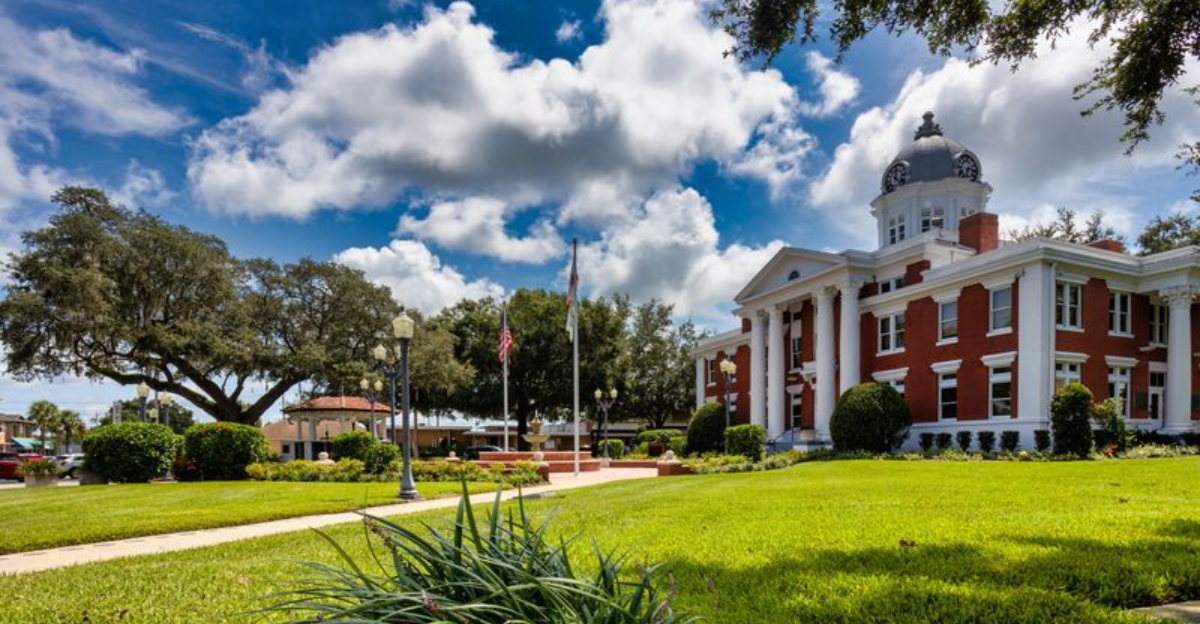
Dade City sits tucked away in Pasco County like a time capsule from a gentler era, where folks still wave from their porches and downtown storefronts feel like stepping into your grandparents’ scrapbook. While most of Florida races toward sky-high costs and endless development, this little city of about 7,000 people keeps its own pace, offering affordable living that feels almost impossible in the Sunshine State these days. Rent under $800 isn’t just a dream here—it’s reality, making Dade City a hidden gem for anyone tired of breaking the bank just to call Florida home.
1. Historic Downtown That Actually Feels Historic
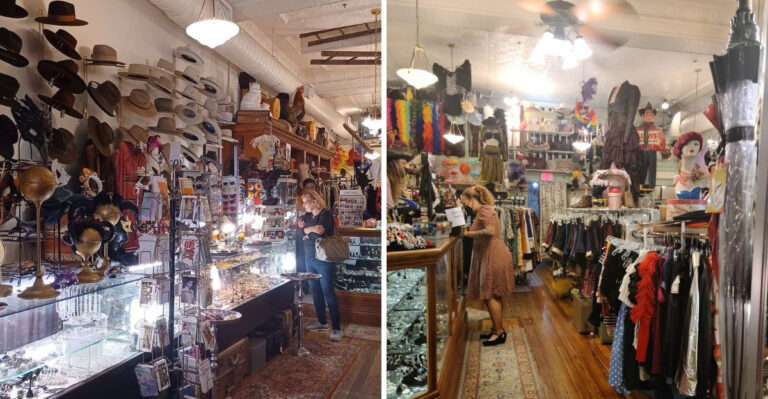
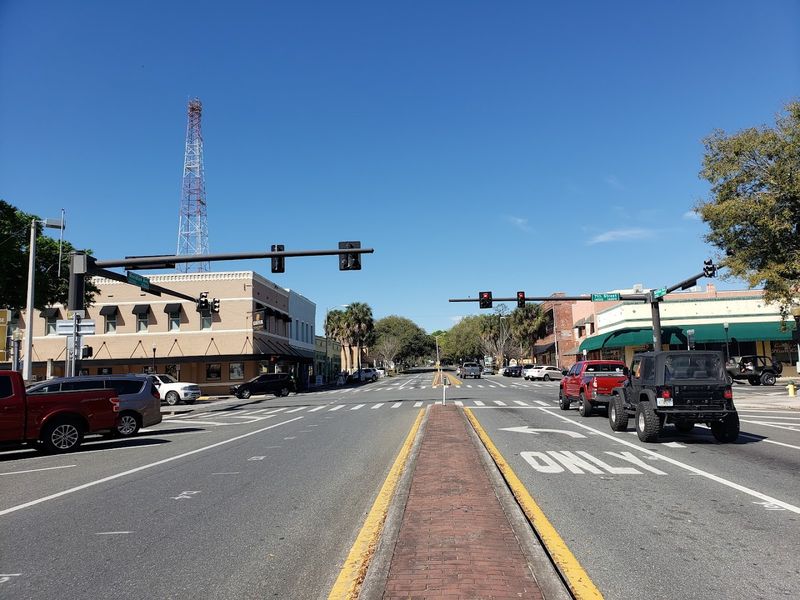
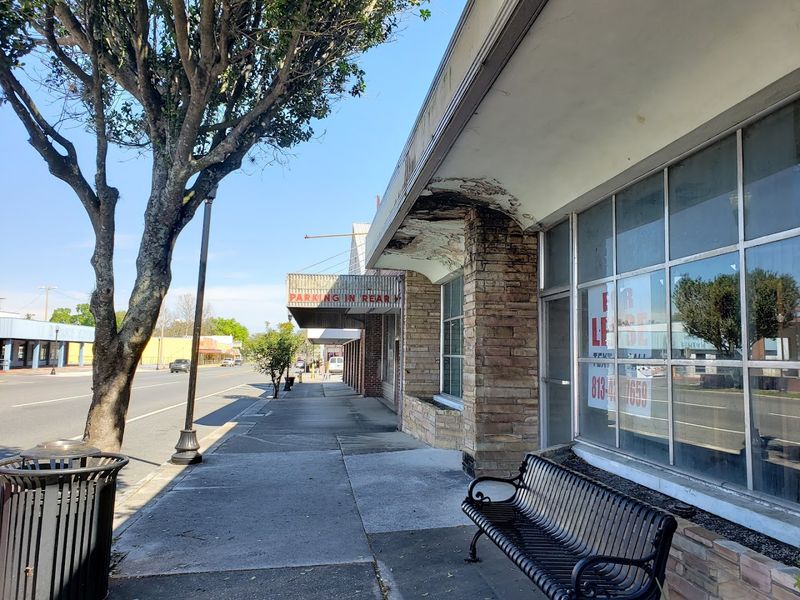
Walking down Meridian Avenue feels like flipping through an old postcard collection. The brick facades and turn-of-the-century buildings aren’t just preserved—they’re alive with local shops, antique stores, and family-run cafes that have been serving the same customers for decades. You won’t find cookie-cutter chain stores dominating every corner.
The downtown district earned its spot on the National Register of Historic Places, and you can see why with every step. Original architecture from the 1880s through 1920s lines the streets, complete with detailed cornices and vintage signage that modern developments just can’t replicate. Local business owners take pride in maintaining that authentic character.
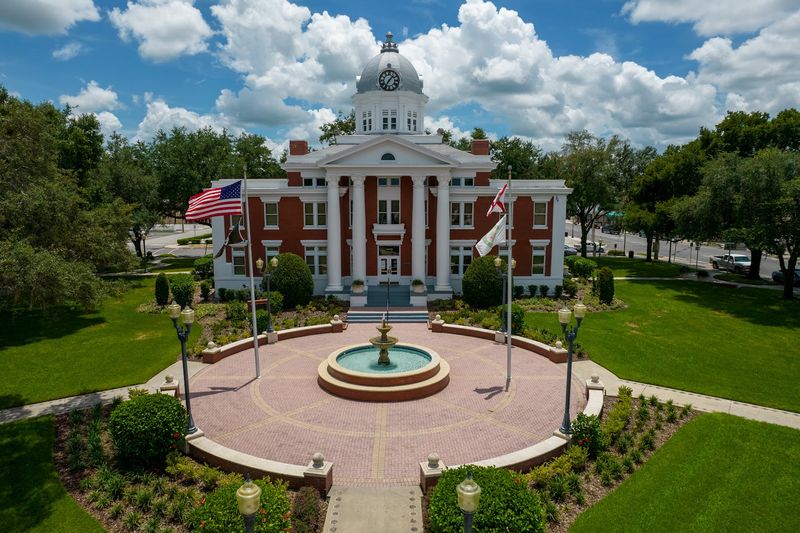
Monthly First Saturday events transform the streets into community gatherings with live music, food vendors, and artisan markets. It’s the kind of downtown where store owners remember your name and actually mean it when they ask how you’re doing. The clock tower stands as a landmark locals use for directions, because GPS just doesn’t capture the real Dade City experience.
2. Rent Prices That Haven’t Lost Their Minds
Finding a decent place under $800 monthly sounds like fantasy across most of Florida, but Dade City makes it standard operating procedure. One-bedroom apartments regularly list between $650 and $750, while two-bedroom spots hover around $800 to $900. Compare that to Tampa’s average of $1,400 or Orlando’s $1,500, and suddenly your paycheck stretches a whole lot further.
The housing stock includes everything from cozy bungalows to updated apartment complexes, many within walking distance of downtown amenities. Property managers here tend to be local folks rather than faceless corporations, which means lease negotiations feel more like conversations than corporate transactions. You’re not just tenant number 347.
Lower rent doesn’t mean sketchy neighborhoods or falling-apart units either. Many landlords maintain properties well because their reputation actually matters in a small community. The cost of living advantage extends beyond rent too—utilities run cheaper, parking is free almost everywhere, and you’re not hemorrhaging money on tolls every time you leave your driveway.
Young professionals, retirees, and families all find financial breathing room here that vanished elsewhere in Florida.
3. The Pioneer Florida Museum Keeps Stories Alive
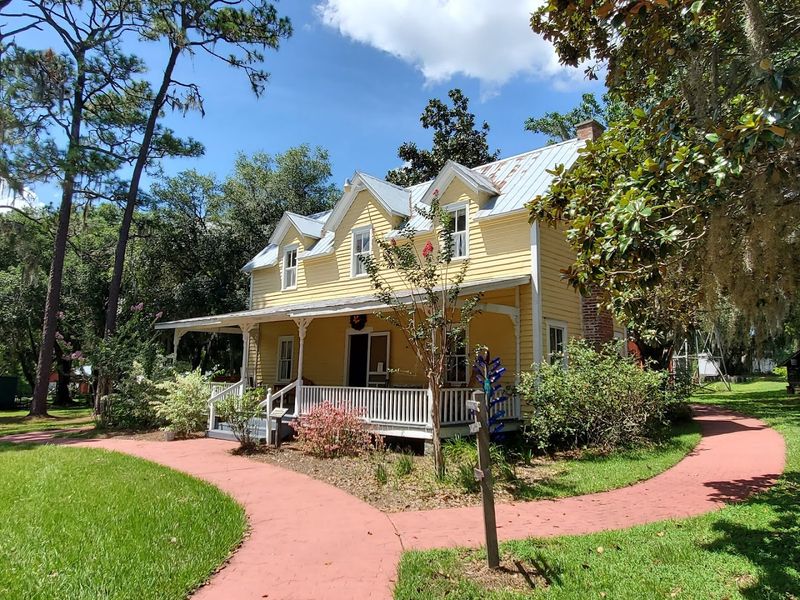
This 20-acre living history complex does way more than stick artifacts behind glass. Original structures from Florida’s pioneer days got relocated here piece by piece—including an 1864 church, a one-room schoolhouse, and a Cracker-style farmhouse complete with period furnishings. Walking through feels like time-traveling without the DeLorean.
Volunteers, many of them longtime residents with family stories woven into the exhibits, lead tours that bring history to life with personal anecdotes and local legends. The museum hosts annual events like the Pioneer Days Festival each November, where blacksmiths demonstrate their craft, quilters show traditional techniques, and kids learn what life was like before smartphones. It’s educational without being preachy.
Admission costs less than a movie ticket, making it an easy afternoon activity that doesn’t drain your wallet. The grounds include nature trails and picnic areas where families spread out after touring the buildings. Collections range from antique farm equipment to vintage clothing, giving visitors a comprehensive look at how Central Florida developed from wilderness to community.
Local schools bring students regularly, ensuring younger generations understand their regional roots.
4. Farm Fresh Living Without The Farm Work
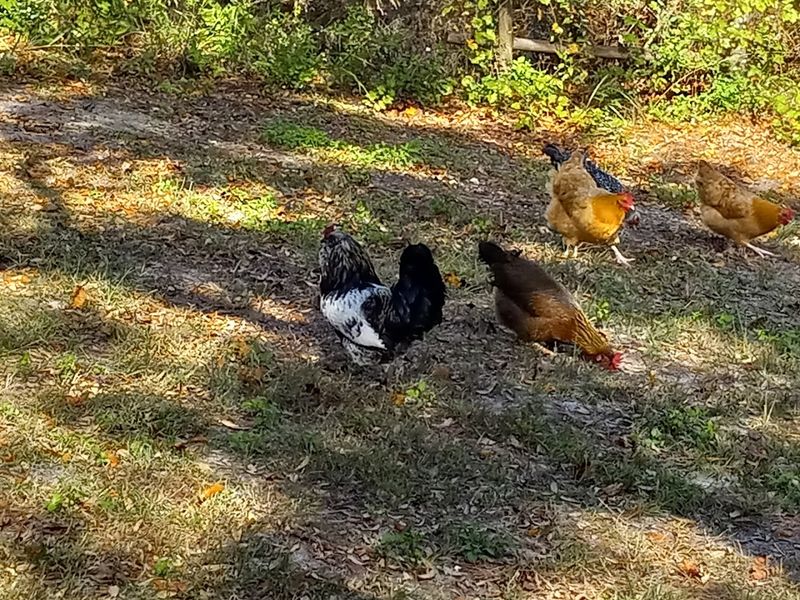
Dade City sits in the heart of agricultural country, which means access to ridiculously fresh food without needing your own acreage. Roadside stands pop up everywhere during growing seasons, selling strawberries so ripe they barely survive the drive home, citrus straight from the grove, and vegetables picked that morning. No middleman markup, no cross-country shipping—just dirt-to-table freshness.
The annual Kumquat Festival each January celebrates the region’s citrus heritage with food vendors, craft booths, and enough kumquat-flavored everything to last a year. Local farms like Keel & Curley Winery offer tours and tastings, proving Florida produces more than just oranges. You can pick your own strawberries at several u-pick operations come winter and spring.
This agricultural abundance keeps grocery costs down too. Why pay premium prices at fancy markets when farmers sell directly to neighbors? The connection between growers and community runs deep here—many farming families have worked the same land for generations.
Saturday mornings mean farmers markets where you’ll chat with the person who actually grew your tomatoes, and they’ll tell you the best way to prepare them. That relationship with food sources feels increasingly rare.
5. Location Sweet Spot Between Tampa And Orlando
Geography dealt Dade City a winning hand. Tampa’s urban amenities sit 35 miles southwest, reachable in about 40 minutes when traffic cooperates. Orlando’s theme parks and airport lie roughly 60 miles northeast, making day trips totally doable.
You get small-town tranquility with big-city access whenever you need it.
This positioning means job opportunities aren’t limited to local options. Plenty of residents commute to Tampa or surrounding areas for work while enjoying Dade City’s lower living costs and relaxed atmosphere. The math works beautifully—save hundreds monthly on rent and spend a bit more on gas, still coming out way ahead financially.
Major hospitals, specialty shopping, and entertainment venues all fall within reasonable driving distance without the hassle of living amid constant traffic and congestion. State Road 301 and US Highway 301 provide main routes, while Interstate 75 access sits just minutes away. Weekend adventures to Gulf beaches take about an hour, and the Nature Coast’s quieter shores are even closer.
You’re positioned to explore Florida’s diversity without being trapped in tourist central. The convenience factor makes Dade City feel less isolated and more strategically situated for folks who want options without obligations.
6. Community Events That Actually Build Community

Dade City doesn’t just host events—it creates reasons for neighbors to become friends. The monthly Cruise-In brings classic car enthusiasts downtown every third Saturday, transforming streets into an outdoor automotive museum where owners happily talk shop with anyone who shows interest. No admission fees, no velvet ropes, just shared appreciation for cool rides.
Christmas becomes a monthlong celebration with the Festival of Lights illuminating downtown and special events nearly every weekend. The Pasco County Fair, held here each spring, draws crowds from surrounding areas for traditional fair fun minus the Orlando-sized crowds and prices. Local churches, civic groups, and businesses collaborate on events rather than competing, creating a genuine sense of shared investment in the town’s character.
These gatherings aren’t manufactured tourist attractions—they’re authentic expressions of community identity that residents actually attend. You’ll see the same faces repeatedly, which either sounds appealing or claustrophobic depending on your personality. For folks tired of anonymous city living where neighbors remain strangers, this social fabric offers something increasingly rare.
Volunteering opportunities abound because small towns need willing hands, and getting involved fast-tracks your transition from newcomer to neighbor.
7. Natural Springs And Old Florida Landscapes
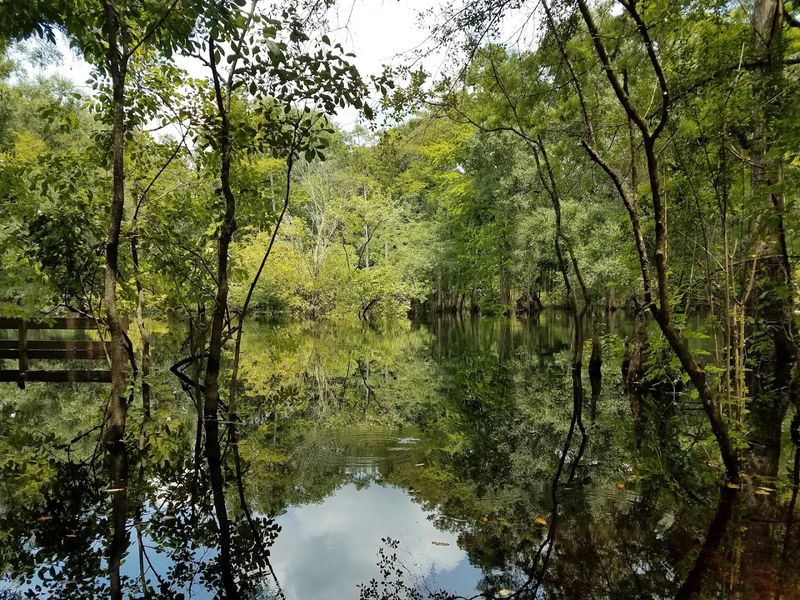
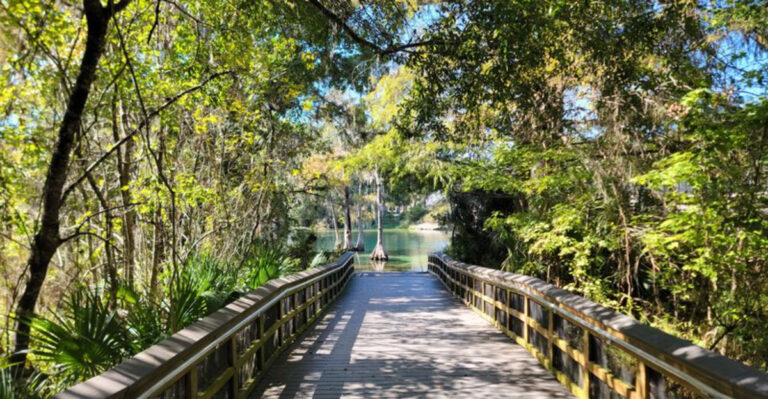
The surrounding area harbors some of Central Florida’s most beautiful natural springs and parks, offering free or cheap outdoor recreation that beats paying for manufactured entertainment. Cypress Creek Preserve provides hiking trails through genuine Old Florida terrain—think cypress swamps, pine flatwoods, and wildlife sightings that remind you this state existed long before theme parks.
Nearby Hillsborough River State Park features swimming areas, canoe launches, and camping facilities where you can spend entire weekends for less than dinner at a chain restaurant. The Withlacoochee State Trail, one of Florida’s longest paved rail-trails, passes through the area offering 46 miles of biking and walking paths through scenic landscapes. These aren’t crowded tourist traps—they’re genuine natural spaces where you might spend an afternoon seeing more birds than people.
This access to nature means outdoor hobbies don’t require expensive club memberships or travel budgets. Fishing spots dot local lakes and rivers, and many residents keep kayaks or canoes for lazy weekend paddles. The slower pace of Dade City pairs perfectly with the unhurried rhythms of nature, creating a lifestyle focused on simple pleasures rather than constant stimulation.
Mental health benefits come standard when your backyard essentially extends into preserved wilderness.
8. Small-Town Safety With Genuine Friendliness
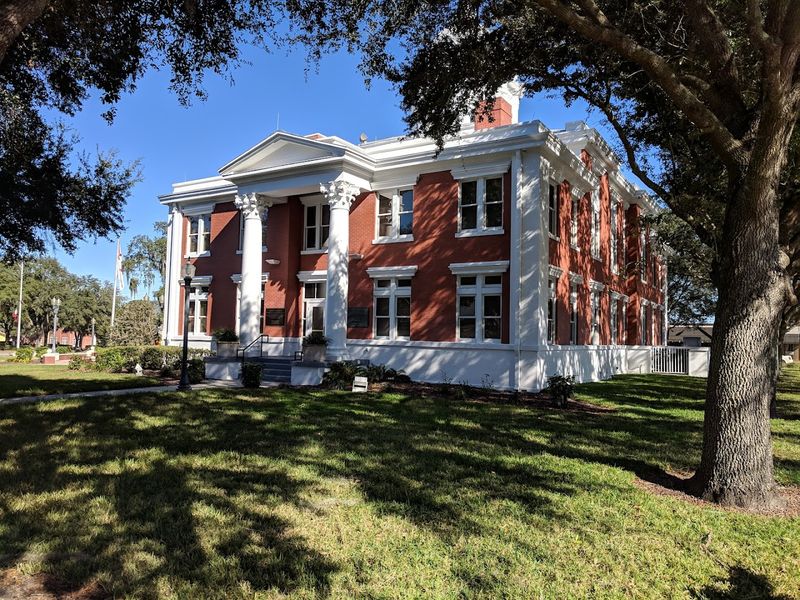
Crime statistics tell part of the story—Dade City consistently reports lower crime rates than Florida’s metropolitan areas. But numbers don’t capture the feeling of leaving your door unlocked while grabbing mail or kids riding bikes until streetlights come on. That sense of security stems from community size where anonymity is nearly impossible and people look out for each other naturally.
The local police force knows residents by name, and officers actually walk downtown beats, stopping to chat rather than just patrol. This visibility creates accountability on both sides—residents respect law enforcement, and officers remain connected to the community they serve. Neighborhood watch programs thrive because neighbors actually know each other well enough to spot when something seems off.
New residents often comment on how quickly strangers become acquaintances. The friendliness isn’t fake Southern hospitality—it’s practical small-town living where your mechanic might also coach your kid’s soccer team and bag your groceries on weekends. Some folks find this interconnectedness comforting while others feel exposed, but there’s no denying the safety advantages when everyone’s invested in maintaining community standards.
For families seeking environments where children gain independence safely, this atmosphere provides peace of mind worth more than money.