You Go for the Views but Stay for the Food on These 13 Florida Islands
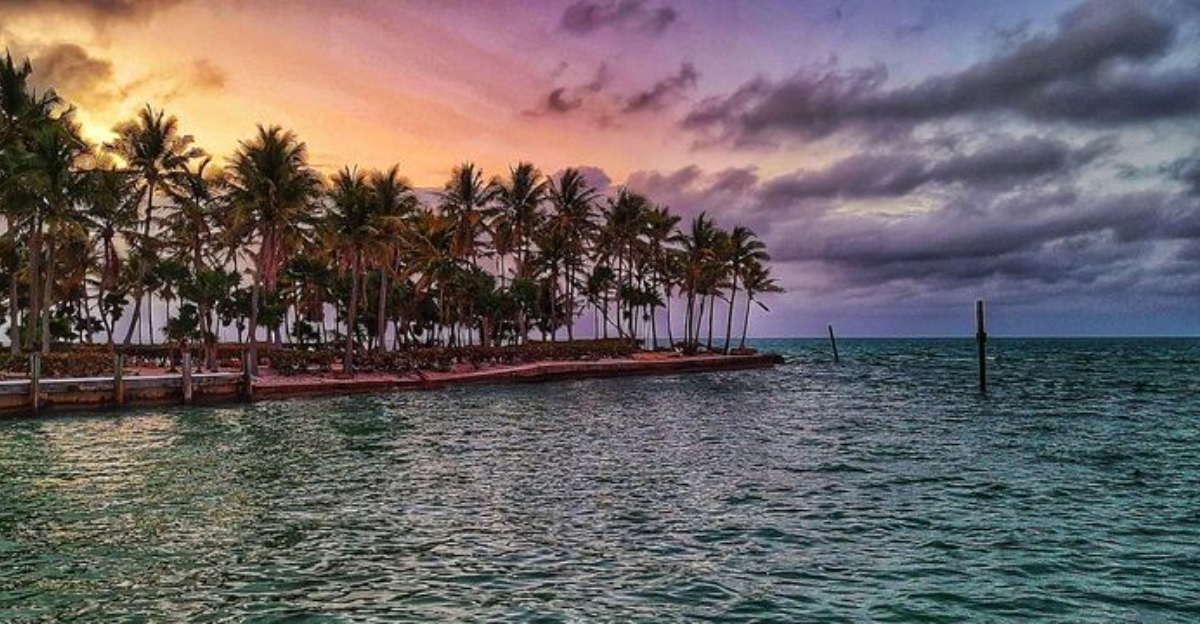
Florida’s islands are famous for their turquoise water, white sand beaches, and jaw-dropping sunsets. But ask any local, and they’ll tell you the real reason to visit is the food.
From fresh-caught grouper to hand-rolled Cuban cigars paired with café con leche, these islands serve up flavors as unforgettable as the scenery. Pack your appetite alongside your sunscreen — you’re going to need both.
1. Key West
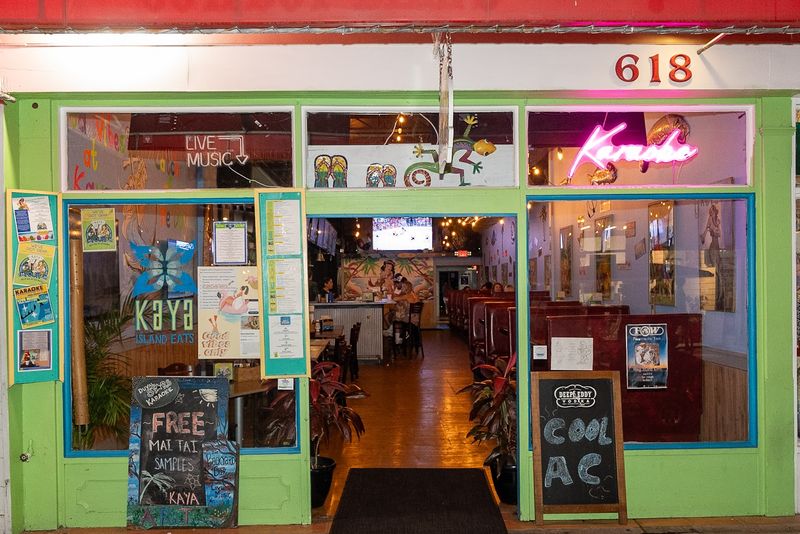
Key West doesn’t just show off — it performs. The southernmost city in the continental U.S. has a food scene that matches its legendary reputation for good times, and every meal here feels like a celebration.
Whether you’re grabbing a slice of authentic Key lime pie from a bakery on Duval Street or settling into a waterfront table for a whole grilled snapper, this island delivers.
The Cuban influence runs deep here, and you’ll taste it in everything from the ropa vieja at local spots to the pressed Cuban sandwiches at hole-in-the-wall cafes that have been around for decades. Don’t overlook the conch fritters — they’re a local staple that tourists often underestimate until that first crispy, spiced bite.
Seafood is the undisputed star, with stone crab claws making appearances on nearly every serious menu from October through May. The fishing boats that dock just blocks from the restaurants mean your dinner was likely swimming that morning.
Key West’s bar culture also bleeds into its food scene, with craft cocktails and fresh ceviche becoming an inseparable duo at dozens of open-air spots.
Budget travelers and splurge-seekers both find their groove here. A paper plate of smoked fish dip and crackers at a fish market costs just a few dollars and rivals anything on a fancy menu.
Key West rewards the curious eater — wander off the main drag and you’ll find family-run spots with recipes passed down through generations, served with a side of island hospitality that no guidebook can fully capture.
2. Key Largo
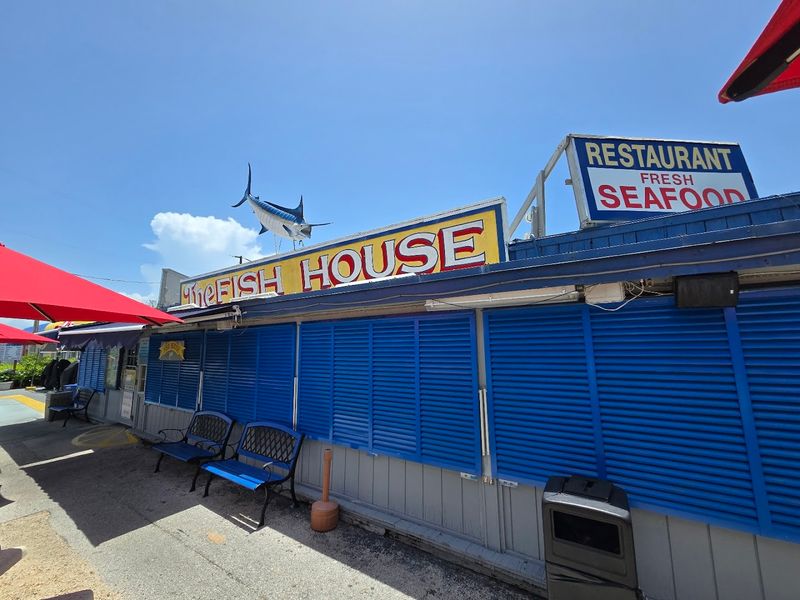
Key Largo is the first island you hit on the Florida Keys Overseas Highway, and it sets the tone immediately. The water here is impossibly clear, the mangroves frame every view like a postcard, and the restaurants — well, they know exactly what they’re doing.
This island isn’t trying to impress you with trends. It’s too busy serving honest, fresh food that speaks for itself.
The lobster rolls at some of the marina-side spots are worth the drive from Miami alone. Florida spiny lobster, which is different from its Maine cousin and has no claws, shows up in tacos, bisques, and straight-up steamed with butter.
When lobster mini-season hits in late July, the whole island buzzes with excitement and every kitchen is in full swing.
Key Largo is also home to some seriously underrated breakfast spots. Grab a table at a local diner and you’ll find grouper omelets and smoked fish hash sitting right next to your standard eggs and toast.
The coffee comes strong, the portions come large, and the servers usually know half the people in the room by name.
For dinner, the open-air restaurants along the bay side offer something special — a front-row seat to the sunset paired with a cold beer and a basket of fried shrimp. It’s the kind of meal that reminds you why people move to Florida in the first place.
The food here isn’t about Michelin stars or Instagram moments. It’s about pulling up a plastic chair, watching the pelicans dive, and eating something so fresh it barely needed a recipe to begin with.
3. Islamorada
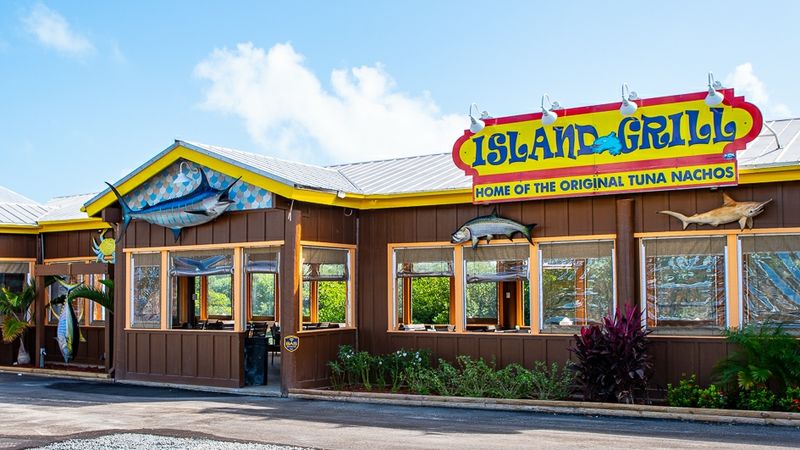
They call Islamorada the “Sport Fishing Capital of the World,” and that title comes with serious kitchen credentials. When your town is built around catching fish, you’d better know how to cook it — and Islamorada absolutely does.
The restaurants here range from barefoot-casual tiki bars to polished waterfront dining rooms, but the common thread is always the same: whatever’s fresh, whatever’s local, and whatever just came off the boat.
Mahi-mahi tacos are practically the official food of this stretch of the Keys. Lightly grilled or blackened, tucked into a warm tortilla with mango salsa and a squeeze of lime — it’s a simple formula that somehow keeps tasting better every time.
Pair that with a frozen drink at a waterfront bar and you’ve nailed the Islamorada experience in one sitting.
The island has a surprisingly strong fine dining scene for its size. Several chefs here have serious culinary backgrounds and bring a creative, Florida-forward approach to the menu.
Think yellowtail snapper with local citrus beurre blanc or stone crab with house-made mustard sauce. These aren’t tourist traps — they’re real restaurants that happen to have incredible views.
One thing locals love about Islamorada is that the food culture feels genuine. There’s no pressure to dress up or spend a fortune.
A family fishing charter can end with a restaurant cooking your catch for you — a tradition called “hook to cook” that makes for one of the most memorable meals imaginable. When the food you’re eating is literally what you pulled out of the water two hours ago, no amount of culinary technique can top that kind of freshness.
4. Marathon
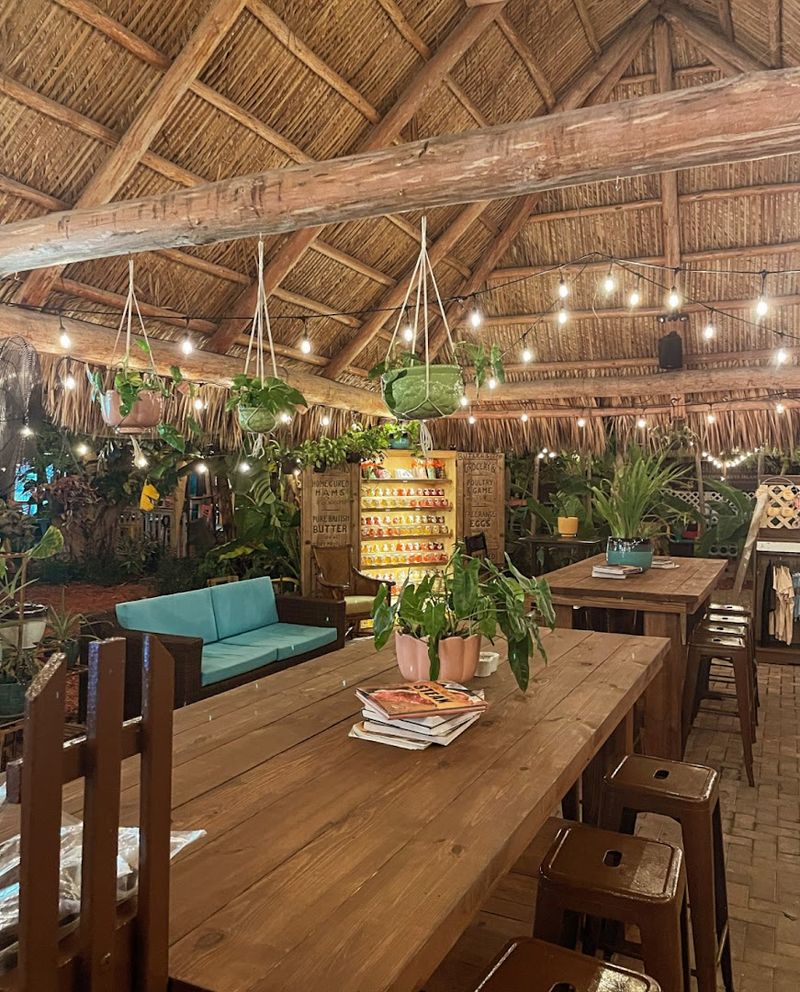
Sitting right in the heart of the Florida Keys, Marathon is the kind of island that feels lived-in and real. It doesn’t have the party reputation of Key West or the sport-fishing fame of Islamorada, but what it does have is some of the most honest, satisfying food in the entire Keys chain.
This is where locals eat, and that says everything.
The fish sandwiches here are legendary among regulars. A thick filet of fried grouper or dolphin (that’s mahi-mahi, not Flipper) on a toasted roll with tartar sauce and coleslaw is a meal that requires no explanation and no apology.
Several roadside shacks and no-frills restaurants have been perfecting this sandwich for decades, and the lines at lunchtime prove they haven’t lost a step.
Marathon is also a great place to explore the Cuban and Caribbean food influences that weave through all of the Keys. Black beans and rice, sweet plantains, and slow-roasted pork show up on menus alongside the expected seafood offerings, giving the food scene here a depth that surprises first-time visitors.
It’s a reminder that the Keys have always been a cultural crossroads.
The craft beer scene has grown here too, with a local brewery drawing visitors who want to sip something cold and locally made while watching the boats come in. Pair that with a plate of smoked fish spread and you’ve got an afternoon well spent.
Marathon also sits close to some of the best backcountry fishing in the Keys, which means the seafood pipeline from ocean to plate is about as short as it gets anywhere in Florida.
5. Big Pine Key
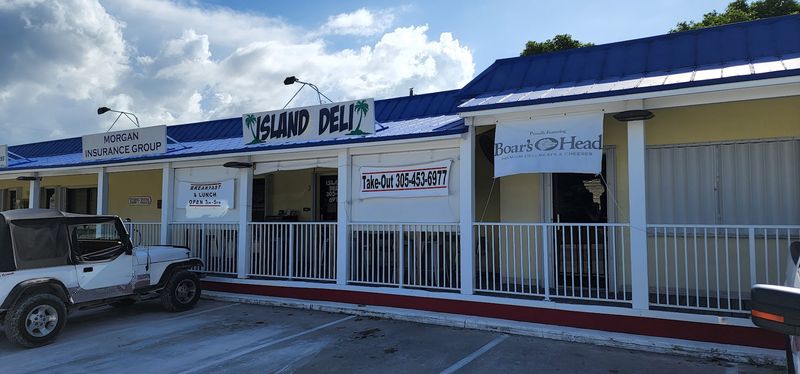
Big Pine Key is the quiet one in the Florida Keys family — and honestly, that’s its superpower. Most visitors speed through on their way to Key West, but the ones who stop discover something worth slowing down for.
The food scene here is small, unpretentious, and surprisingly memorable, rooted in the kind of cooking that doesn’t need a publicist.
The island is best known for its tiny Key deer, the miniature white-tailed deer that roam freely through the neighborhoods. But the humans here eat well too.
Local restaurants lean hard into fresh catch, and the menus change based on what the fishing boats brought in that morning. That kind of flexibility makes every visit feel slightly different and always worth it.
There’s a handful of waterfront spots where you can sit outside with a cold drink and watch the sun melt into the Gulf. The food leans toward Florida classics — fried shrimp, fish tacos, smoked mullet spread — executed with care and served without fuss.
No tablecloths required, no reservations necessary. Just show up hungry and leave happy.
Big Pine Key also benefits from being surrounded by some of the most pristine water in the Keys, which means the seafood supply is exceptional. Lobster, stone crab, and snapper are regulars on local menus, and the chefs here know how to let great ingredients shine without overcomplicating things.
If you’ve been island-hopping and feel overwhelmed by busy tourist scenes, Big Pine Key is the reset you didn’t know you needed — a place where the food is good, the pace is slow, and nobody’s in a rush to turn your table.
6. Anna Maria Island
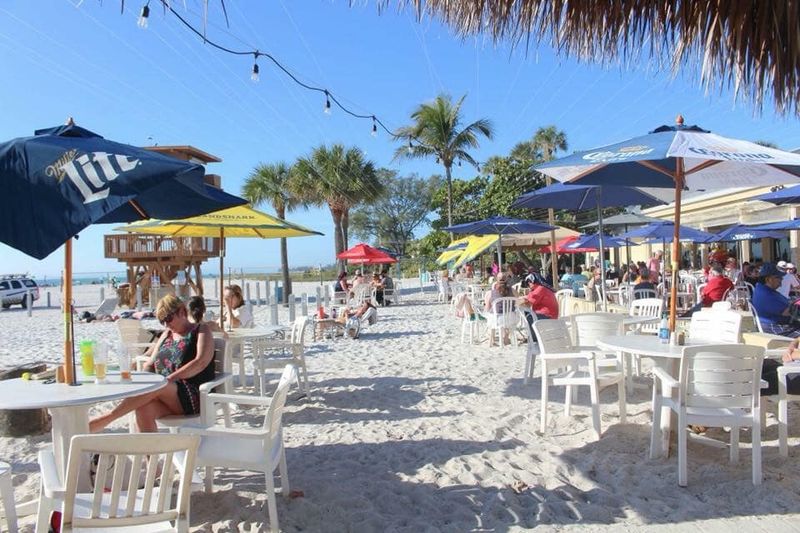
Anna Maria Island has a laid-back, Old Florida charm that feels increasingly rare in a state that keeps building bigger and shinier everything. The seven-mile barrier island on Florida’s Gulf Coast attracts visitors who want slower mornings, quieter beaches, and food that tastes like it came from someone’s grandmother’s kitchen — in the best possible way.
The grouper sandwich here deserves its own fan club. Thick, fresh, and perfectly seasoned, it shows up at beach shacks and sit-down restaurants alike, and the locals take it seriously.
Ask a resident where to get the best one and you’ll get a passionate, detailed answer that probably includes at least one strong opinion about bread choices. This island debates its grouper sandwiches the way other places debate pizza.
Pine Avenue, the island’s charming main street, is lined with locally owned restaurants, ice cream shops, and cafes that all have real personality. You won’t find chain restaurants here — the island has worked hard to keep that distinction — and every place you walk into feels like it was built by someone who actually loves food and actually loves Anna Maria.
Breakfast culture is strong on this island. Expect lines at the popular spots on weekend mornings, where the menu might feature shrimp and grits, fresh fruit bowls with local honey, or a simple stack of pancakes made with care.
The coffee is good, the service is friendly, and nobody seems to be in a hurry. Anna Maria Island reminds you that a meal doesn’t have to be complicated or expensive to be genuinely great — it just has to be made with attention and served with a smile.
7. Sanibel Island
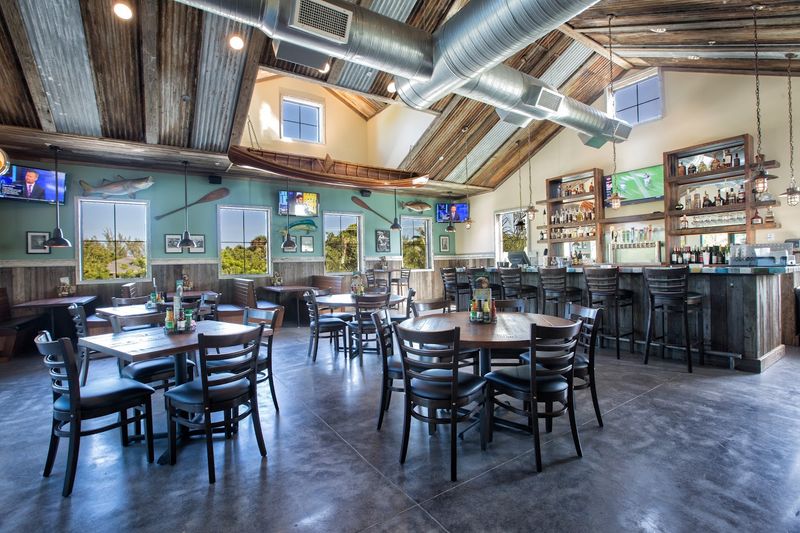
Sanibel Island is famous for its shells — millions of them washed up along its east-facing beaches — but the food scene here deserves equal billing. This is a refined, thoughtful island where the restaurants match the surroundings: unhurried, beautiful, and consistently excellent.
Sanibel draws a crowd that appreciates quality, and the kitchens here have responded accordingly.
Gulf shrimp is the headline ingredient on most menus, and for good reason. The shrimp caught in these waters have a sweetness and texture that farmed shrimp simply can’t replicate.
Whether it’s a classic shrimp cocktail, a shrimp po’boy, or a sophisticated shrimp risotto at one of the island’s nicer restaurants, you’ll taste the difference immediately. Fresh, local, and seasonal — that’s the Sanibel food philosophy in three words.
The island also has a strong farm-to-table movement, with several restaurants sourcing produce from nearby mainland farms and featuring menus that rotate with the seasons. It gives the dining scene a freshness beyond just the seafood — you might find local citrus in a salad dressing, or Florida-grown vegetables roasted alongside your catch of the day.
It feels intentional in a way that’s genuinely appealing.
Sanibel’s restaurant atmosphere tends toward the relaxed and romantic. Outdoor seating under swaying palms, candles flickering in the Gulf breeze, the sound of waves just beyond the screen — it’s the kind of setting that makes even a simple meal feel special.
Happy hour is a serious institution here, with fresh oysters and cold wine drawing early-evening crowds to the waterfront spots. Come for the shelling, stay for the shrimp, and leave with a reservation already made for your next visit.
8. Captiva Island
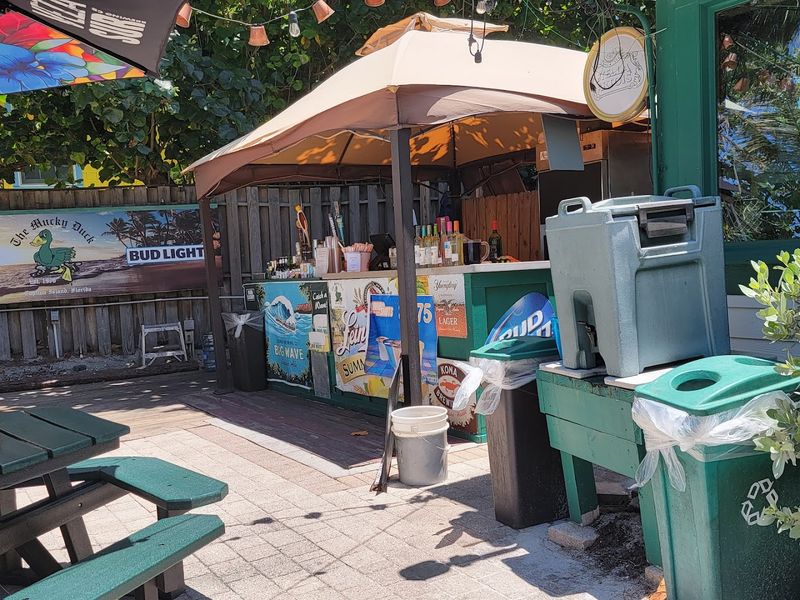
Captiva Island is Sanibel’s smaller, wilder neighbor, connected by a short bridge and separated by a completely different vibe. Where Sanibel feels polished, Captiva feels like a party that’s been going on since the 1970s and hasn’t quite wound down.
The restaurants here have personality — big, loud, colorful personality — and the food keeps pace with the energy.
The waterfront tiki bars on Captiva are the stuff of Florida legend. Picture a cold rum drink, a basket of coconut shrimp, the sun dropping into Pine Island Sound, and a live band playing something beachy and upbeat.
It’s not a scene you have to try hard to enjoy — it just happens to you, and you leave wondering why you don’t live here. Several of these spots have been around long enough to become genuine institutions.
Captiva’s restaurants also do a fantastic job with the catch of the day — whatever the local fishermen brought in that morning gets featured prominently, and the preparations are creative without being overwrought. A simply pan-seared hogfish with brown butter and capers, or a grilled cobia with tropical fruit relish, showcases what Gulf waters have to offer when the kitchen respects the ingredient.
The island is small enough that you can walk between several restaurants in a single evening, which makes it perfect for a progressive dinner situation. Start with oysters at one spot, move to fish tacos at the next, and finish with a slice of key lime pie somewhere in between.
Captiva rewards the spontaneous traveler who doesn’t need a plan — just a healthy appetite and a willingness to follow the smell of something delicious wafting from an open kitchen window.
9. Marco Island
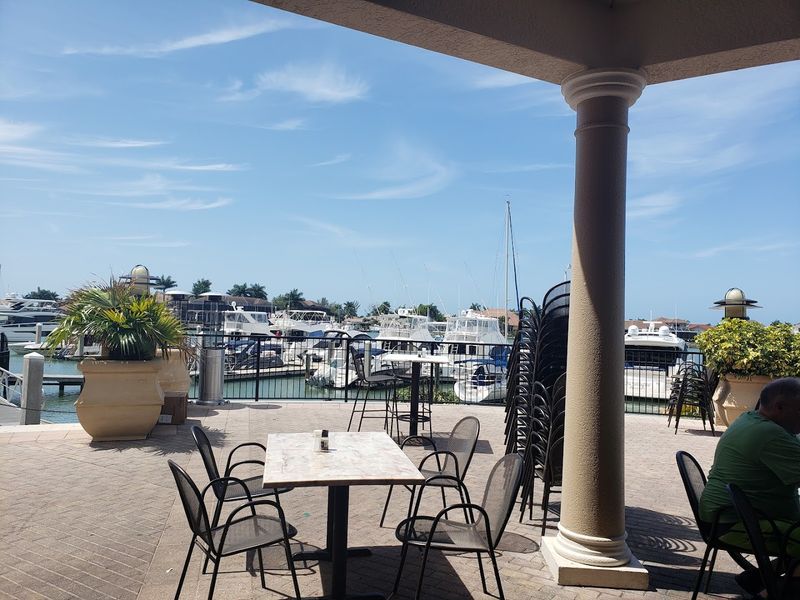
Marco Island sits at the southern tip of Florida’s Gulf Coast, and it carries itself with a quiet confidence that sets it apart from flashier destinations. The largest of the Ten Thousand Islands, Marco has a food scene that punches well above its size — with waterfront restaurants, upscale bistros, and casual beach bars all delivering at a high level.
This is an island that takes its dining seriously without taking itself too seriously.
Stone crab is the crown jewel of Marco Island’s culinary identity. From October through May, the claws appear on nearly every serious menu, served chilled with a tangy mustard sauce that locals will argue about endlessly.
There’s something almost ritualistic about sitting at a waterfront table, cracking stone crab claws, and watching the pelicans work the shoreline. It’s a deeply Florida experience that Marco does as well as anywhere.
The island also has a strong Italian dining tradition — perhaps unexpected for a beach destination, but entirely welcome. Several Italian-owned restaurants have been fixtures here for years, turning out fresh pasta, wood-fired dishes, and wine lists that complement both the food and the sunset views.
It’s a reminder that great food communities are built by people from all over, bringing their traditions with them.
Marco Island’s beach bar scene is worth exploring too. The casual spots along the waterfront serve cold beer, fried snapper, and shrimp baskets to a crowd that’s usually just returned from the beach and couldn’t care less about dress codes.
There’s a relaxed generosity to the food culture here — big portions, friendly service, and a sense that everyone at the table is exactly where they want to be. That feeling is Marco Island in a nutshell.
10. Siesta Key
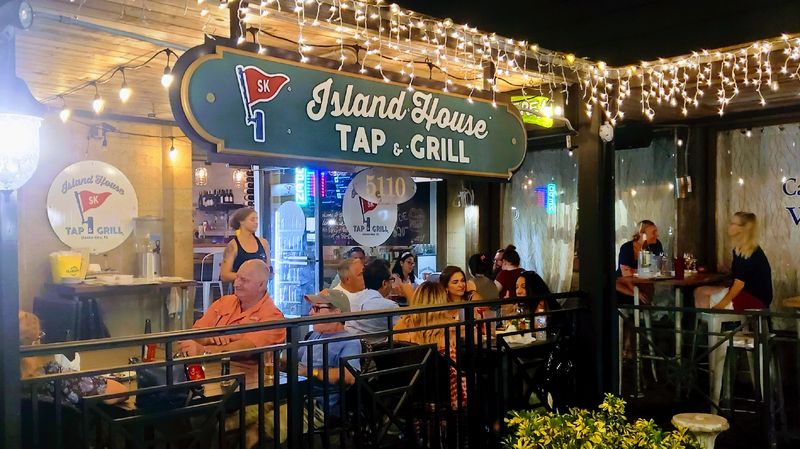
Siesta Key has been winning awards for its beach for years — the powdery white quartz sand is genuinely unlike anything else in Florida — but the food scene on this barrier island near Sarasota has been quietly building a reputation that deserves its own recognition. Once you’ve watched the sunset from the beach, the next logical move is to find a table and eat something spectacular.
Siesta Key makes that easy.
The village at the center of the island is a compact, walkable hub of restaurants, bars, and cafes that cater to everyone from budget backpackers to upscale vacationers. Fish tacos are everywhere, and they range from solid to genuinely outstanding depending on where you land.
The best ones use local Gulf catch, fresh slaw, and a house-made sauce that you’ll spend the rest of the trip trying to recreate at home.
Sarasota’s proximity gives Siesta Key access to a sophisticated food supply chain — artisan bread, local produce, craft spirits — that elevates even the casual spots. Several restaurants here have chefs with serious training who chose the island life deliberately, bringing high-level technique to a relaxed setting.
The result is food that surprises you in the best possible way.
Brunch on Siesta Key is a weekend ritual worth planning around. Bloody Marys garnished with shrimp, smoked salmon Benedict, and fresh-squeezed juice from local citrus are standard fare at the better spots.
The patios fill up fast on Sunday mornings, and the wait is always worth it. Siesta Key has a way of making you feel like you’ve discovered something special — even when you’re sharing it with a full dining room of people who feel exactly the same way.
11. Gasparilla Island
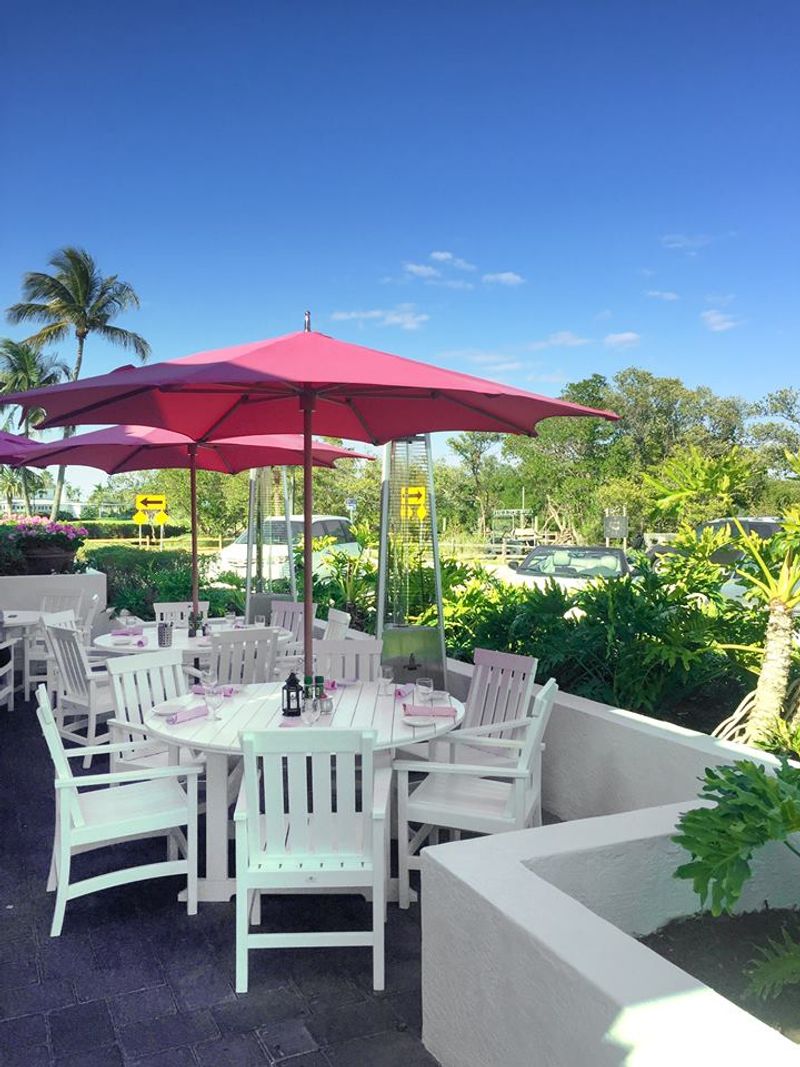
Gasparilla Island — home to the small, storied town of Boca Grande — is one of Florida’s best-kept secrets, and the locals who live there would like to keep it that way. This narrow barrier island on the Gulf Coast has a refined, old-money charm that attracts a loyal crowd of repeat visitors who discovered it decades ago and never stopped coming back.
The food scene here reflects that same quiet excellence: no hype, just quality.
Tarpon fishing is Boca Grande’s claim to fame — this is considered one of the top tarpon fishing destinations in the world — and that fishing culture feeds directly into the restaurant scene. Fresh catch is a given here, but the preparations tend toward the elegant rather than the casual.
Think perfectly seared grouper with local citrus and herb butter, or a chilled seafood tower at a historic inn that’s been welcoming guests since before most of Florida’s current cities existed.
The downtown area of Boca Grande is small enough to cover on foot or by golf cart — the preferred mode of transportation on the island — and the restaurants are woven into the historic streetscape in a way that feels entirely natural. Several spots occupy buildings that have been around for over a century, and the atmosphere inside carries that history comfortably.
Eating here feels like stepping into a slower, more intentional version of Florida.
Ice cream and sweets shops add to the charm of an afternoon stroll through town. After a long lunch of fresh Gulf fish and cold white wine, a walk to the ice cream parlor is practically mandatory.
Gasparilla Island operates on its own schedule, and once you adjust to it, everything — including the food — tastes a little better than it does anywhere else.
12. Amelia Island
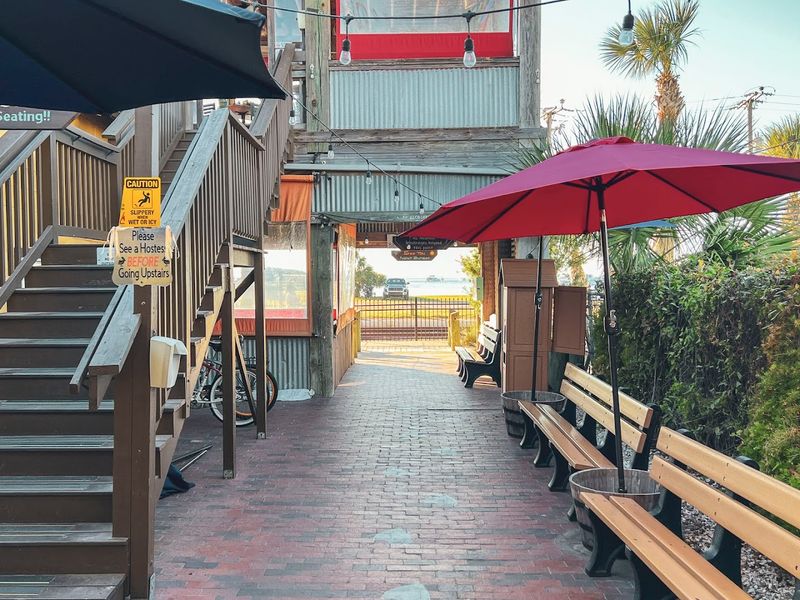
Amelia Island sits at Florida’s northeastern corner, just across the Georgia border, and it has a history that most of the state’s flashier destinations can’t touch. Eight different flags have flown over this island, each leaving a cultural mark — and you can taste that layered history in the food.
This is a place where Southern cooking, coastal tradition, and genuine culinary ambition share the same menu.
Fernandina Beach, the island’s charming main town, is where the food scene lives. The historic downtown, with its Victorian-era buildings and brick-paved streets, hosts a collection of restaurants that range from casual fish houses to upscale dining rooms with serious wine programs.
The common thread is a deep connection to local ingredients, particularly the shrimp that have been harvested from these waters for generations.
Amelia Island shrimp are a point of local pride. The Georgia-Florida border waters produce shrimp with exceptional flavor, and the island’s restaurants know how to honor that.
Shrimp and grits — a dish with deep Southern roots — is done here with the kind of confidence that comes from decades of practice. Creamy stone-ground grits, plump local shrimp, and a rich, savory sauce make for a plate that will rearrange your expectations about what comfort food can be.
The island also has a growing craft beverage scene, with a local distillery and several wine bars adding to the after-dinner options. The food culture here feels rooted and authentic — less about trends and more about tradition done well.
Amelia Island rewards visitors who slow down and pay attention. Every meal tells a story about where this place came from, and the best way to hear it is with a fork in your hand and nowhere else to be.
13. St. George Island
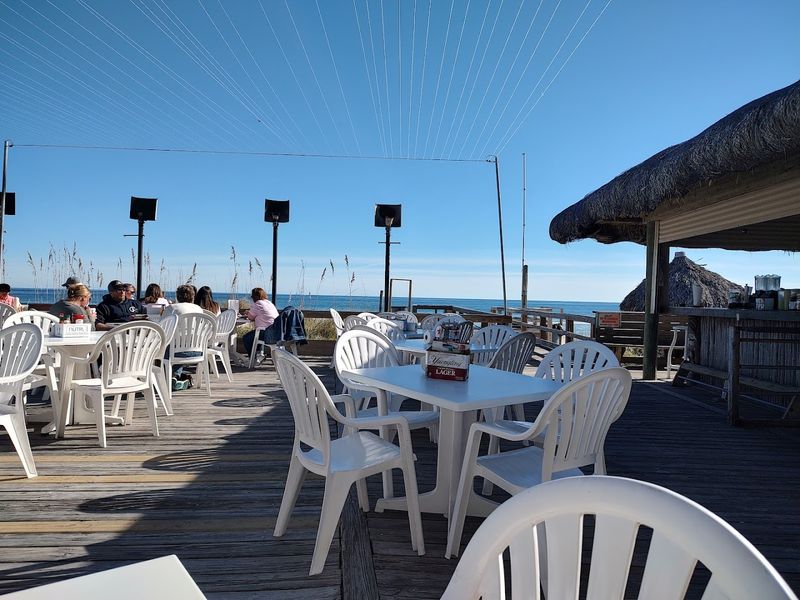
St. George Island is the kind of place that makes you feel like you’ve found something most people don’t know about — even though the people who do know about it are fiercely devoted. Located in the Florida Panhandle near the small town of Apalachicola, this quiet barrier island has one of the most compelling food stories in the entire state.
It starts and ends with oysters.
Apalachicola Bay, which cradles the island, has long been one of the most celebrated oyster-producing waters in the country. The cool, nutrient-rich waters produce oysters with a briny, clean flavor that oyster lovers travel specifically to taste.
While the bay’s oyster population has faced challenges in recent years, restoration efforts are underway, and the oyster culture here remains central to the island’s identity. Eating a freshly shucked Apalachicola oyster on this island is a bucket-list experience for serious food travelers.
Beyond oysters, St. George Island delivers a full lineup of Panhandle seafood classics. Smoked mullet, deviled crab, fresh Gulf shrimp, and flounder are regular features at the island’s casual restaurants and fish markets.
The cooking style leans Southern and unpretentious — seasoned well, cooked simply, served generously. Nobody here is trying to reinvent the wheel, and that restraint is exactly right.
The island itself is largely undeveloped, with a state park taking up a big portion of the eastern end, which means the beaches stay uncrowded and the pace stays slow. Dinner at a waterfront restaurant here, with a cold beer and a dozen oysters on the half shell, feels miles away from the busier parts of Florida.
St. George Island is proof that sometimes the best food destinations are the ones that haven’t been discovered by everyone — yet.