These 17 Florida Spring Destinations Are Worth Every Mile
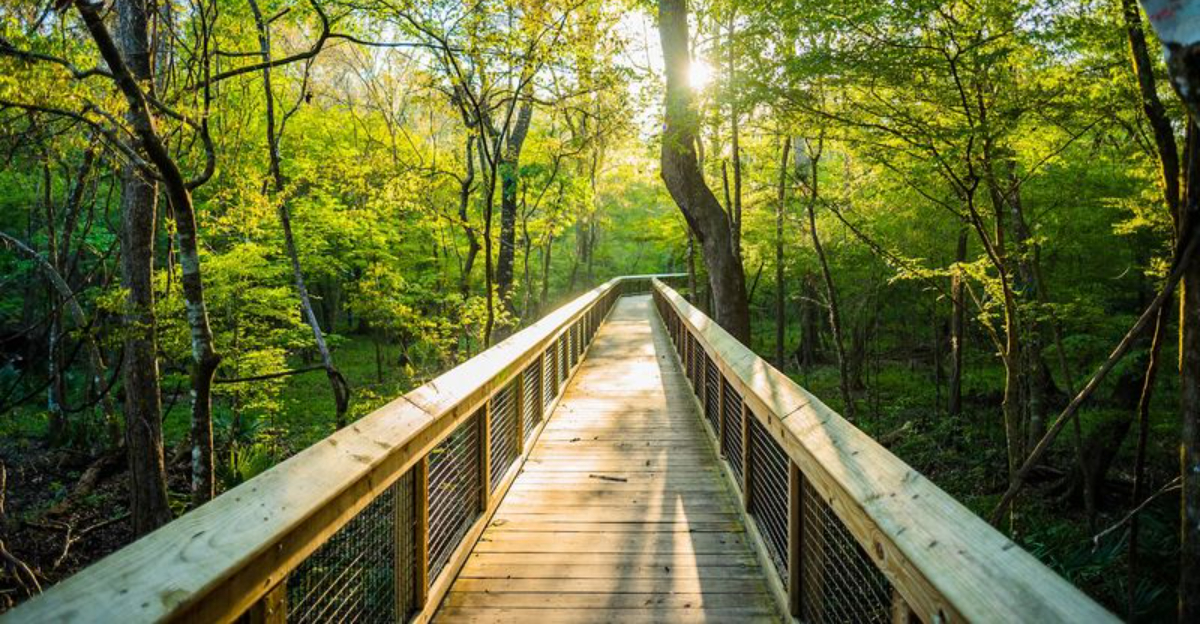
Florida has a way of making every road trip feel like the beginning of something unforgettable. Whether you’re chasing crystal-clear springs, white-sand beaches, or quirky small towns dripping with Southern charm, the Sunshine State delivers all of it.
Spring is honestly the best time to explore — the weather is warm but not brutal, the crowds are manageable, and everything feels alive. Pack your bags, load up the car, and get ready to discover 17 Florida destinations that are absolutely worth the drive.
1. Naples
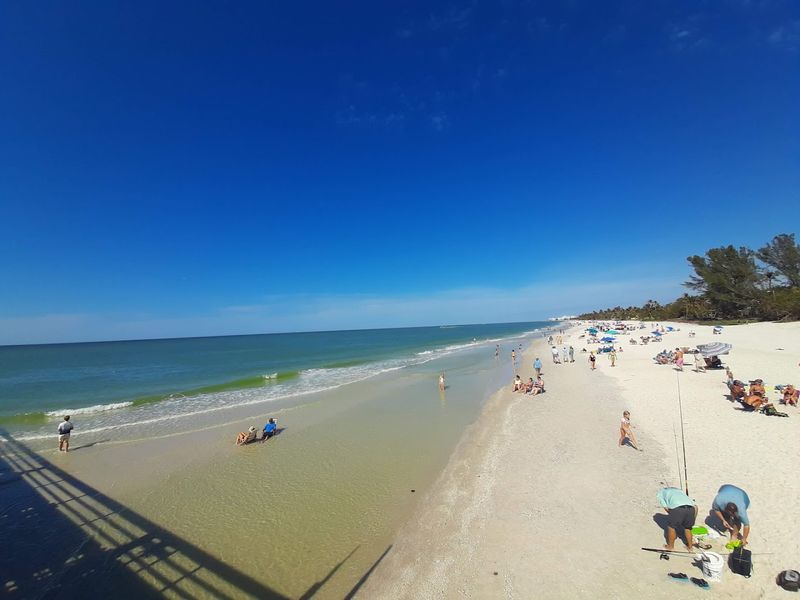
Naples has this quiet confidence about it — the kind of place that doesn’t need to shout to get your attention. Tucked along the Gulf Coast in Southwest Florida, it blends upscale charm with genuinely beautiful nature in a way that feels effortless.
Spring is when Naples truly shines, with temperatures hovering in the low 80s and afternoon breezes rolling off the Gulf.
The Naples Pier is the social heartbeat of the town. Locals and visitors gather there at sunset like it’s a nightly ritual — and honestly, once you see those colors over the water, you’ll understand why.
The beach stretching along the pier is consistently ranked among the cleanest in the entire country.
Beyond the beach, Fifth Avenue South is where you’ll find an impressive mix of restaurants, boutiques, and art galleries. It’s walkable, lively, and surprisingly unpretentious for such a wealthy zip code.
Grab a table at one of the outdoor cafes and watch the world stroll by — that’s a Naples afternoon done right.
Corkscrew Swamp Sanctuary is a must if you’re even slightly into wildlife. This ancient cypress forest feels like stepping back millions of years, and the boardwalk trail makes it accessible for all ages.
Birders especially go wild for it during spring migration season.
Naples also sits close to the Ten Thousand Islands, a wild maze of mangrove islands perfect for kayaking and fishing adventures. Renting a kayak and paddling through those waterways is one of those experiences that stays with you long after the trip ends.
Naples rewards slow travelers who actually take the time to look around.
2. Key West
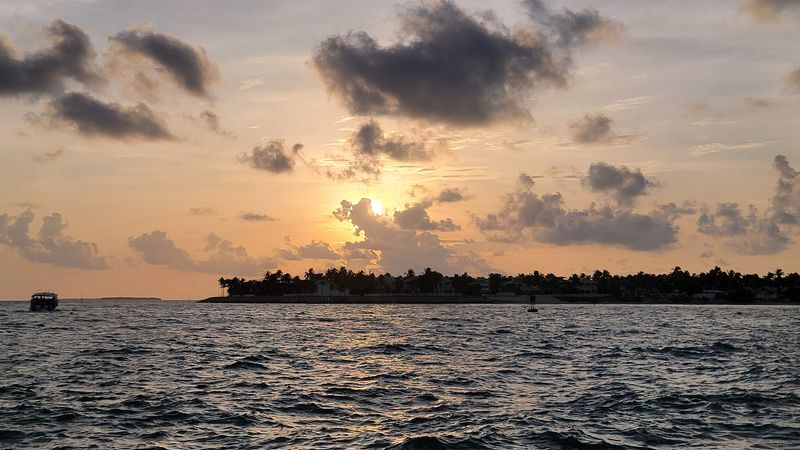
At the very end of the Overseas Highway, where the road literally runs out of land, sits Key West — a tiny island with an enormous personality. Ernest Hemingway lived here.
Jimmy Buffett wrote songs about it. And once you arrive, you’ll completely understand the obsession.
There’s a laid-back magic to this place that’s genuinely hard to replicate anywhere else.
Spring in Key West means warm turquoise water, manageable crowds compared to winter peak season, and a calendar packed with festivals and outdoor events. The weather is dreamy — sunny most days with enough of a sea breeze to keep things comfortable.
It’s the kind of climate that makes you want to cancel your return flight.
Duval Street is the famous main drag, and yes, it gets rowdy at night. But during the day it’s actually a fantastic stretch for exploring quirky shops, fresh seafood spots, and historic buildings.
The architecture in the Old Town neighborhood is stunning — pastel-painted Victorian homes surrounded by lush tropical gardens.
Mallory Square at sunset is a full-blown performance. Street performers, musicians, and artists set up every evening for the famous Sunset Celebration, and the crowd energy is infectious.
It’s free, it’s fun, and it captures the spirit of Key West better than anything else.
For underwater adventures, the Florida Keys National Marine Sanctuary offers some of the best snorkeling and diving on the East Coast. The coral reefs here are living ecosystems teeming with color, and spring visibility tends to be excellent.
Whether you’re a first-timer or a seasoned snorkeler, dropping below the surface here is an experience that genuinely takes your breath away.
3. Miami Beach (South Beach)
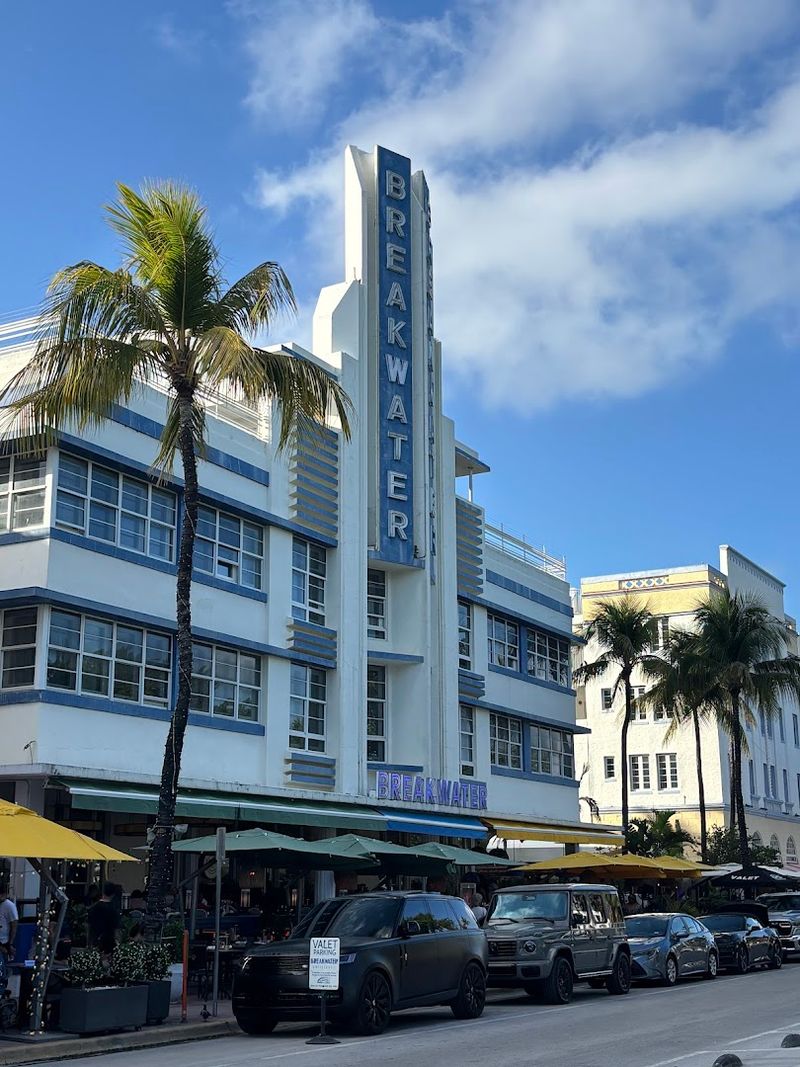
South Beach is one of those places that looks exactly like the movies — but somehow even better in person. The stretch of Ocean Drive lined with pastel Art Deco buildings, the impossibly white sand, the turquoise Atlantic water — it all comes together like a postcard that decided to become real life.
Spring is hands-down one of the best times to visit, before summer humidity settles in and cranks up the intensity.
The Art Deco Historic District is genuinely worth your time even if architecture isn’t your thing. Walking those blocks feels like time-traveling to the 1930s and 40s, and the preservation here is remarkable.
Many of the buildings are now hotels, restaurants, and bars that balance historic character with modern energy.
Lincoln Road Mall is the go-to spot for outdoor dining, people-watching, and boutique shopping. It’s pedestrian-only and lined with restaurants that spill out onto the wide promenade.
Sunday mornings there are especially lively, with a farmers market that draws a colorful mix of locals and visitors.
Wynwood, just a short drive from South Beach, has evolved into one of the most visually arresting neighborhoods in the country. The Wynwood Walls — a curated outdoor gallery of massive murals — transformed an industrial area into a must-see destination.
New galleries, restaurants, and coffee shops keep popping up around every corner.
If beaches are your priority, the shoreline along South Beach is genuinely stunning. Lifeguard towers painted in bold colors have become iconic landmarks in their own right.
The water is warm, the waves are gentle, and the vibe ranges from energetic near the main strips to surprisingly peaceful just a few blocks north toward Mid-Beach.
4. Clearwater Beach
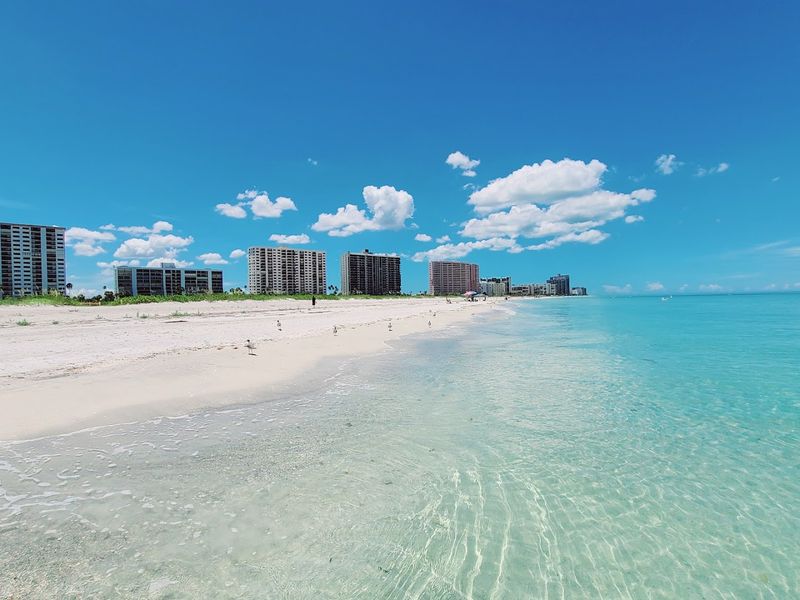
Year after year, Clearwater Beach keeps showing up on best-beach lists — and it’s not hype. The sand here is almost absurdly white, the Gulf water is calm and clear, and the whole setup is just ridiculously photogenic.
Spring visitors get the best of everything: warm water, bright skies, and a beach town that’s buzzing without feeling completely overrun.
Pier 60 is the anchor of the beach scene, and the nightly Sunsets at Pier 60 festival runs every single evening around sunset. Artisans, performers, and food vendors gather there, making it a genuinely fun and free way to end the day.
It’s become a beloved local tradition that visitors always end up loving too.
Clearwater Marine Aquarium is a major draw, especially for families. This isn’t a flashy theme park-style attraction — it’s a working marine rescue facility that rehabilitates dolphins, sea turtles, and other animals.
Winter the dolphin, the famous star of the Dolphin Tale movies, called this aquarium home for years, and her story is genuinely moving.
The beach itself stretches for about three miles and is wide enough that finding your own patch of sand is always doable. Water sports rentals, parasailing operators, and dolphin-watching boat tours are all available right along the beachfront.
The Gulf’s shallow, gentle entry makes it especially great for kids and casual swimmers.
Downtown Clearwater is worth exploring beyond the beach, with a growing restaurant scene and easy access to the Pinellas Trail for cyclists and walkers. The whole area has a friendly, welcoming energy that’s hard to put your finger on but easy to feel the moment you arrive.
Clearwater Beach earns its reputation every single time.
5. Destin (Emerald Coast)
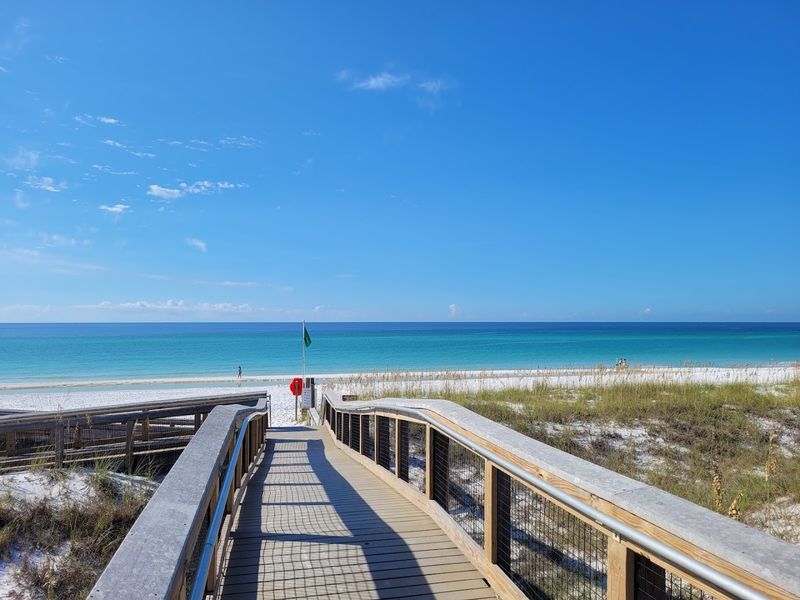
The water at Destin is the color of a gemstone — that electric emerald-green that makes you stop and stare the first time you see it. It’s not filtered or edited; it actually looks like that.
The combination of pure quartz sand and the shallow Gulf shelf creates this jaw-dropping visual that has turned Destin into one of the most photographed coastlines in the Southeast.
Spring is a fantastic time to visit because the water is warming up beautifully and the beach hasn’t yet hit its peak summer capacity. You can actually spread out, find a good spot, and enjoy the waves without feeling like you’re sharing a towel with a thousand strangers.
Locals will tell you April and May are their personal favorites for exactly this reason.
Destin Harbor Boardwalk is the social hub of the city, lined with seafood restaurants, shops, and boat charter operations. The fresh catch here — red snapper, grouper, amberjack — is exceptional, and many restaurants will cook your own catch if you’ve been out fishing.
Fishing is practically a religion in Destin, and charter options range from beginner-friendly half-day trips to serious deep-sea expeditions.
Henderson Beach State Park sits right in the middle of all the development and offers a quieter, more natural beach experience. The preserved dunes and coastal scrub habitat here are beautiful, and the park’s boardwalk trail through the dunes is a short but rewarding walk.
It’s a great reminder that beneath all the tourism infrastructure, this coastline is genuinely wild and special.
Crab Island — technically a shallow sandbar accessible only by boat — has become a legendary hangout spot. Boats anchor up, people wade around in knee-deep water, and floating vendors sell food and drinks.
It’s completely unique to Destin and absolutely worth experiencing at least once.
6. St. Augustine
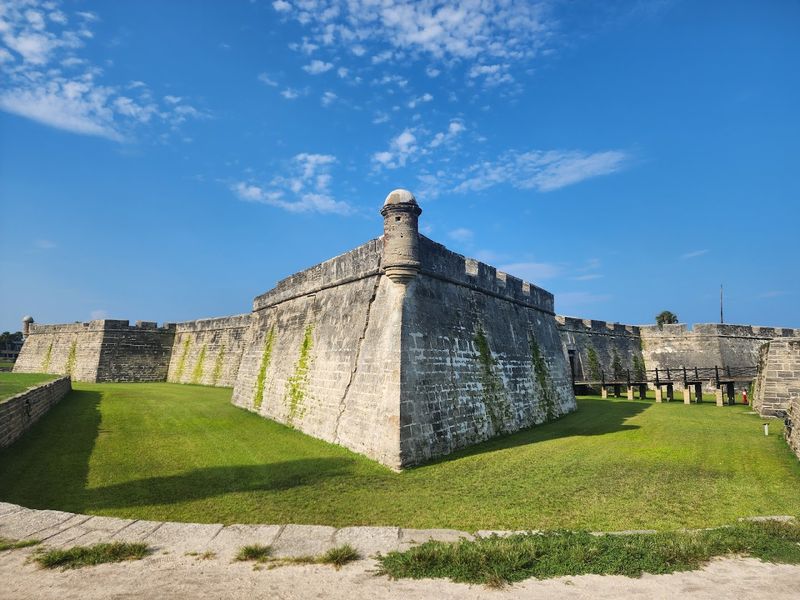
St. Augustine holds a record that most American cities can only dream about: it’s the oldest continuously occupied European settlement in the entire United States, founded way back in 1565. Walking through the historic district here feels genuinely different from any other city in Florida — the narrow cobblestone streets, the Spanish colonial fortifications, and the centuries-old buildings create an atmosphere that’s more Old World Europe than Sunshine State.
Castillo de San Marcos is the crown jewel of the city and one of the most impressive historic structures in the country. This massive coquina stone fort has survived wars, storms, and centuries of time, and the view from its walls over Matanzas Bay is spectacular.
Spring is a wonderful time to explore it — comfortable temperatures and longer daylight hours make the outdoor experience much more enjoyable.
St. George Street is the pedestrian heart of the historic district, packed with shops, restaurants, and living history museums. It can get busy on weekends, but even in the crowds there’s a real sense of discovery around every corner.
Local tour operators offer ghost tours at night that are campy, fun, and surprisingly well-researched.
Flagler College, housed in the former Ponce de Leon Hotel built by railroad magnate Henry Flagler, is an architectural masterpiece. Even if you’re not a student, guided tours of the interior are available and absolutely worth doing.
The dining hall ceiling alone is worth the trip.
The beaches at St. Augustine — particularly St. Augustine Beach and Vilano Beach — are uncrowded, wide, and gorgeous. They have a totally different vibe from the party beaches further south, with a relaxed, local feel that’s genuinely refreshing.
History and beach in one destination? St. Augustine delivers both without compromise.
7. Sanibel Island
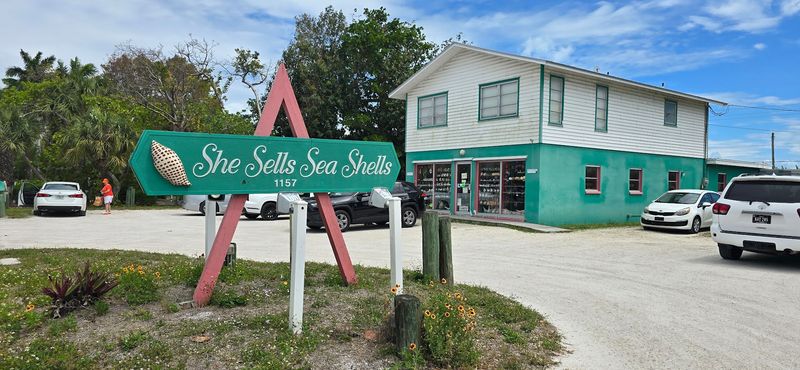
Sanibel Island is famous for exactly one thing above all else: shells. The geography of this barrier island — which sits perpendicular to the Gulf currents rather than parallel like most barrier islands — causes an extraordinary concentration of seashells to wash ashore.
Shellers from around the world make dedicated pilgrimages here, and the “Sanibel Stoop” (the bent-over posture of shell-hunting) is a real phenomenon you’ll observe within minutes of hitting the beach.
Spring is prime shelling season, especially after any overnight wind or mild storm stirs up the Gulf floor. Low tide mornings are the golden hour for finds — the beach can be carpeted in everything from lightning whelks to junonia shells, and serious collectors will set alarms to be out there at first light.
Even casual visitors almost always leave with a bag full of beautiful specimens.
Beyond the shells, Sanibel has made a remarkable commitment to conservation. About two-thirds of the island is protected wildlife refuge land, most of it part of the J.N. “Ding” Darling National Wildlife Refuge.
This is one of the most visited wildlife refuges in the entire country, and the birding here during spring migration is genuinely world-class.
The island has a strict building height limit that keeps development low-rise and the overall feel peaceful and natural. There are no chain restaurants or big-box stores, which keeps the character of the place intact.
Biking is one of the best ways to get around — the island has an extensive paved trail network that winds through gorgeous natural scenery.
Captiva Island, connected to Sanibel by a short bridge, adds another layer of charm with its tiny village of restaurants and galleries. Together, these two islands make for one of the most relaxed and genuinely beautiful escapes in all of Florida.
8. Anna Maria Island
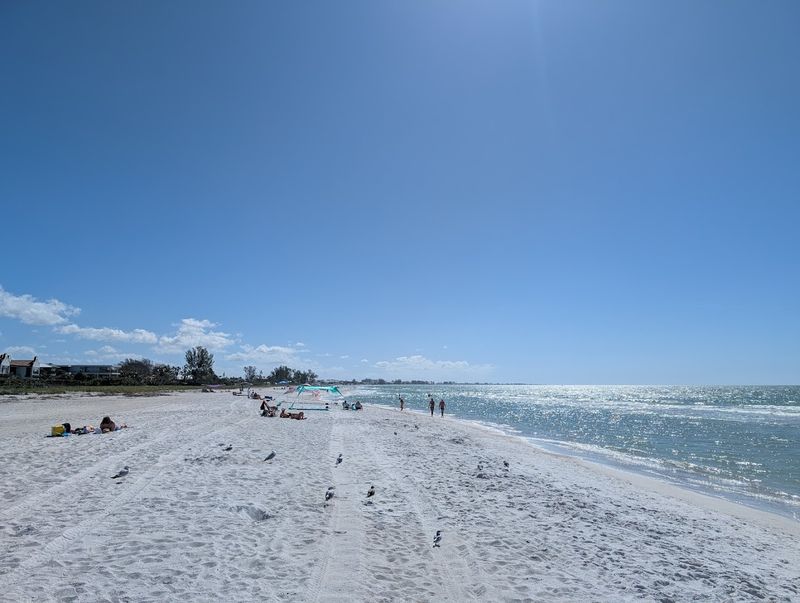
Anna Maria Island is what Florida beach towns looked like before the developers arrived with their condos and chain hotels. This seven-mile barrier island on the Gulf Coast near Bradenton has somehow managed to hold onto its old-Florida soul — low-rise, laid-back, and genuinely charming in a way that feels increasingly rare.
The no-high-rise rule here is enforced, and it makes all the difference in the atmosphere.
Spring visitors discover a place that moves at its own unhurried pace. The beaches along the Gulf side — particularly Bean Point at the northern tip and Coquina Beach at the southern end — are spectacular, with calm clear water and soft sand that stays cool enough to walk on barefoot even in the afternoon.
Sunsets here are the kind that stop conversations mid-sentence.
The Pine Avenue Historic District in the town of Anna Maria is a delightful strip of independent shops, casual restaurants, and an old-school fishing pier. The Anna Maria City Pier, rebuilt after Hurricane Irma, is a beloved landmark where locals fish, kids crab off the sides, and everyone gathers to watch the evening light fade over Tampa Bay.
It’s simple and perfect.
Getting around the island is easy and fun — free trolleys run the length of the island all day, connecting the three small towns of Anna Maria, Holmes Beach, and Bradenton Beach. Renting a bike or a golf cart is another popular option that fits the island’s easygoing vibe perfectly.
Most things worth doing here are outdoors and unhurried.
The dining scene punches well above its weight for such a small island. Fresh seafood is everywhere, and several restaurants have cult followings among repeat visitors.
Anna Maria Island rewards people who want to slow down, breathe salt air, and remember what a beach vacation is actually supposed to feel like.
9. Orlando (Theme Park Capital)
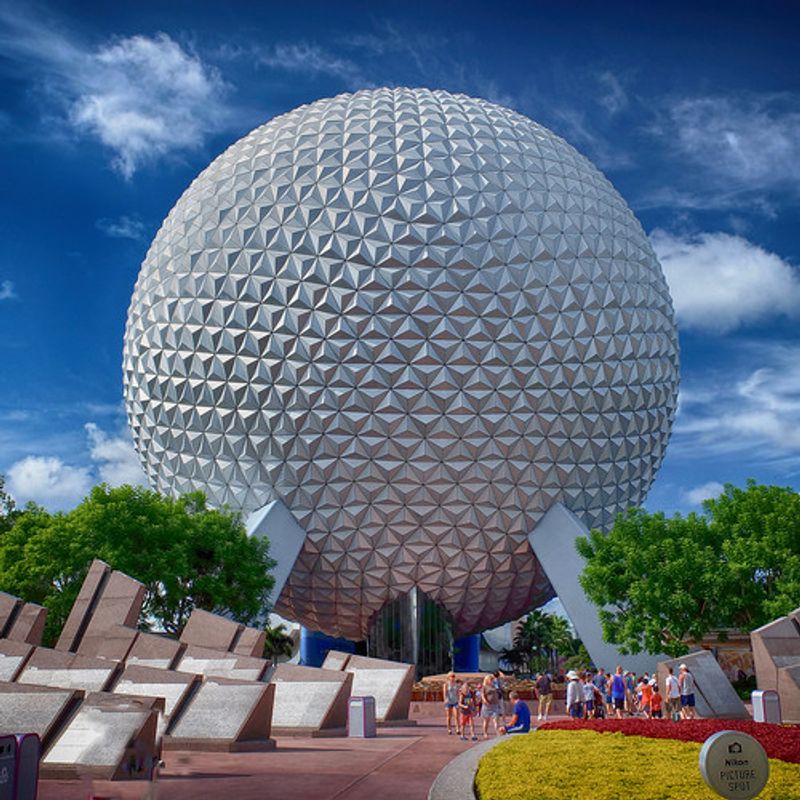
Orlando gets a lot of attention for its theme parks — and honestly, that attention is earned. Walt Disney World, Universal Studios, SeaWorld, and LEGOLAND together make this city the undisputed theme park capital of the world.
Spring is one of the most exciting times to visit, with special seasonal events, blooming gardens at EPCOT’s Flower and Garden Festival, and energy levels that are genuinely contagious.
EPCOT’s International Flower and Garden Festival runs through most of spring and is one of the most underrated events in the entire Orlando calendar. The topiary displays alone are jaw-dropping — life-sized Disney character sculptures made entirely from living plants.
Outdoor kitchens serving food from around the world are scattered throughout the park, and the whole atmosphere feels festive and fresh.
Universal’s Wizarding World of Harry Potter remains one of the most immersive theme park experiences ever created. Whether you’re a longtime fan of the books or just someone who appreciates incredible design and storytelling, walking through Hogsmeade or Diagon Alley is genuinely magical.
The butterbeer is as good as advertised — get the frozen version.
Beyond the parks, Orlando has developed a legitimate food and arts scene that often surprises first-timers. The Mills 50 district is packed with independent restaurants, boba shops, and galleries.
Winter Park, a charming suburb just north of downtown, has beautiful brick streets, a world-class art museum, and a lovely lakeside park perfect for a relaxed afternoon.
Shingle Creek Regional Park and the green spaces around Lake Eola offer natural escapes within the city itself. Renting a swan boat on Lake Eola in the heart of downtown is a quirky, fun Orlando experience that locals genuinely love.
Orlando is so much more than theme parks — though the parks really are worth every penny.
10. Crystal River
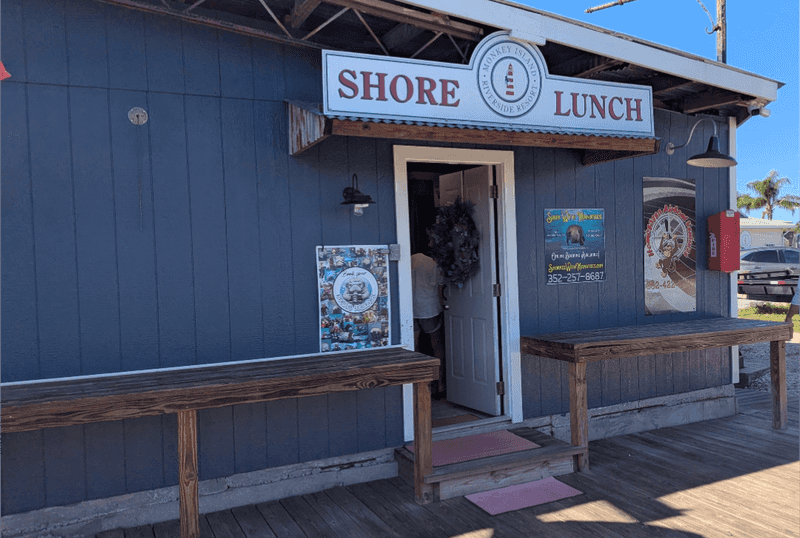
Somewhere in Citrus County, a cluster of natural springs pumps out millions of gallons of 72-degree water every single day, creating the only place in the United States where you can legally swim with wild manatees. That place is Crystal River, and it’s one of the most genuinely extraordinary wildlife experiences in the entire country.
Spring is an interesting transition period — manatees begin dispersing from the springs as Gulf waters warm, but many still linger, making sightings very much possible.
Kings Bay is the centerpiece of the Crystal River National Wildlife Refuge, and it’s surrounded by dozens of individual spring heads that feed the system. Early morning kayak or paddleboard tours through these springs are absolutely magical — the water is so clear you can see the sandy bottom, the aquatic grasses, and the manatees moving slowly beneath you in perfect detail.
It’s like paddling through a giant aquarium.
The town of Crystal River itself is small and unpretentious, with a marina feel and a local vibe that hasn’t been overly polished for tourism. That authenticity is part of the appeal.
Waterfront restaurants serving fresh Gulf seafood, local fishing guides, and family-run dive shops give the area a genuine character you won’t find at more developed Florida destinations.
Three Sisters Springs, accessible by kayak or a short swim from a nearby parking area, is considered one of the most beautiful freshwater springs in Florida. The clarity of the water here is almost unreal — aquatic grasses sway in the current, fish dart through the shallows, and the whole scene has a serene, otherworldly quality.
Crystal River also connects to the Great Florida Birding Trail and offers excellent fishing for bass, redfish, and sea trout. For travelers who want wildlife encounters over beach lounging, this destination is genuinely hard to beat.
11. Ichetucknee Springs State Park
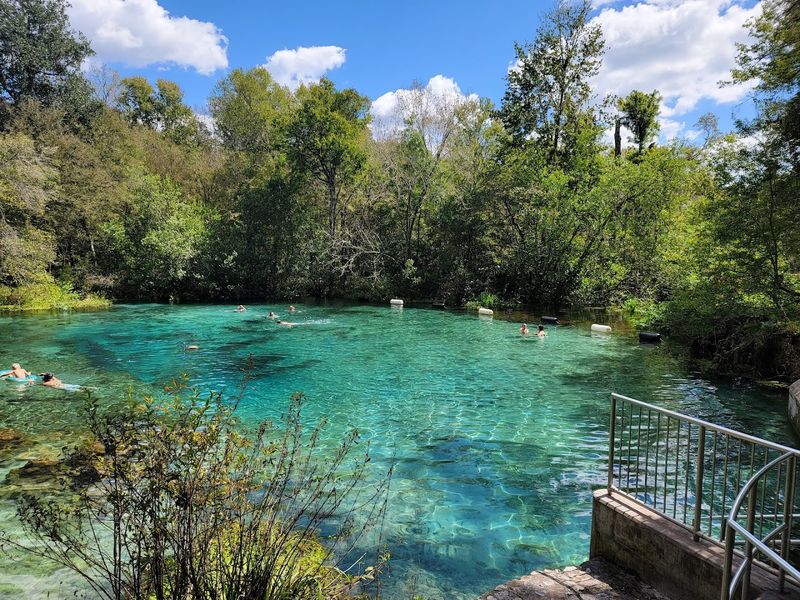
Few experiences in Florida are as purely joyful as tubing down the Ichetucknee River on a warm spring day. The water flows at a steady, gentle pace from a series of natural springs, maintaining a constant 68 degrees year-round and a clarity so remarkable that it looks more like a swimming pool than a river.
The surrounding hardwood forest creates a canopy overhead that filters the sunlight into something almost dreamlike.
Ichetucknee Springs State Park, located in North Central Florida near Fort White, protects the entire spring-fed river system — about six miles of it — from development. The result is one of the most pristine natural waterways in the state.
Spring is the ideal season to visit because the air temperature makes that 68-degree water feel refreshing rather than shocking, and the park is lively but not yet at its peak summer capacity.
Tubing is the main event, and the park offers a choice of a shorter lower section run or a longer full-river experience. Both are exceptional, but the full run gives you more time to float through the cypress and hardwood forest, spot wildlife along the banks, and fully disconnect from everything.
Turtles, herons, otters, and even the occasional deer make regular appearances along the shoreline.
Snorkeling in the spring head areas is another highlight — the visibility allows you to see every detail of the sandy spring bottom, the aquatic grass beds, and the fish going about their business in the crystalline water. It feels like snorkeling in the ocean but without the salt.
The park limits daily visitor numbers during peak season to protect the ecosystem, so arriving early or booking ahead when required is smart planning. Ichetucknee is the kind of place that makes you genuinely grateful Florida exists.
Bring a waterproof bag and leave the worries on shore.
12. Ocala National Forest (Juniper Springs)
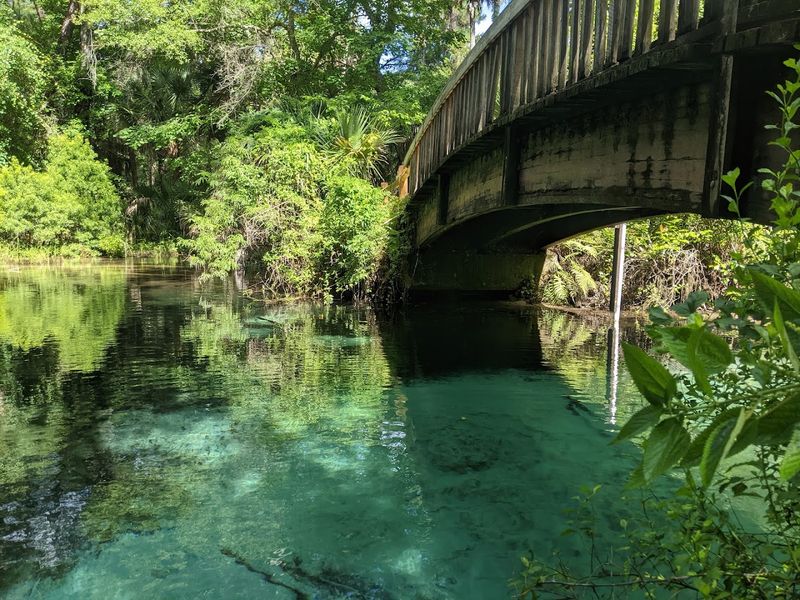
Ocala National Forest is Florida’s best-kept secret for outdoor lovers, and Juniper Springs is the crown jewel sitting right in the middle of it. This is old Florida in the most authentic sense — ancient longleaf pines, scrub habitat, crystal springs, and the kind of quiet that reminds you how loud daily life actually is.
The forest covers nearly 400,000 acres and remains one of the most biologically diverse places in the state.
Juniper Springs Recreation Area has been welcoming visitors since the 1930s when the Civilian Conservation Corps built the stone millhouse and swimming area that still stand today. The historic architecture gives the place a nostalgic, timeless quality that newer parks simply can’t replicate.
Swimming in the spring run here — with its electric-blue water and sandy bottom — feels like discovering a hidden paradise.
The Juniper Springs canoe run is one of the most celebrated paddling experiences in all of Florida. The seven-mile trip winds through dense subtropical forest along a narrow, winding spring-fed creek where you’ll need to duck under fallen logs and navigate tight turns.
Wildlife sightings are frequent — river otters, alligators, wading birds, and an enormous variety of turtles share these waters with paddlers.
Spring is the perfect time to visit because the forest is green and lush, temperatures are comfortable for paddling and hiking, and the spring water temperature stays consistent regardless of the season. The Florida National Scenic Trail passes through the forest, offering backpacking opportunities for those who want a multi-day wilderness experience.
Alexander Springs, another major recreation area within the forest, offers equally stunning swimming and a longer, more leisurely canoe run. Camping options throughout the forest range from primitive backcountry sites to developed campgrounds with full amenities.
Juniper Springs and Ocala National Forest together make a spring road trip stop that truly delivers something different.
13. Mount Dora
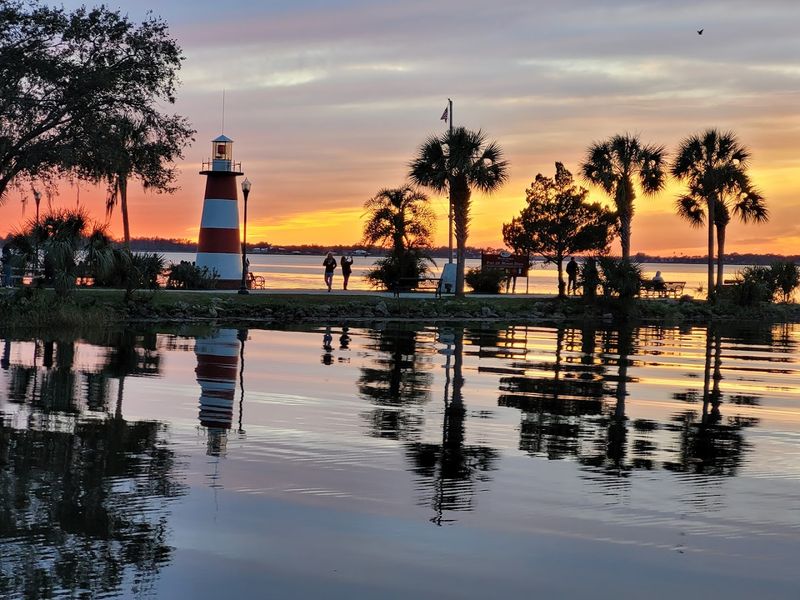
Mount Dora sits on a hill — which sounds unremarkable until you realize that in Florida, a genuine hill is practically a geographical miracle. This small lakeside town in Lake County, about 30 miles northwest of Orlando, has built a devoted following among travelers who love history, antiques, arts, and small-town charm done exceptionally well.
Spring brings blooming azaleas, outdoor festivals, and a kind of relaxed energy that’s immediately contagious.
The historic downtown is compact and completely walkable, centered around a few blocks of independent shops, art galleries, and restaurants housed in beautifully maintained late-19th and early-20th century buildings. The antique scene here is legendary — Mount Dora has one of the highest concentrations of antique dealers in the Southeast, and serious collectors make regular pilgrimages.
Even casual browsers almost always find something worth bringing home.
Lake Dora and the surrounding chain of lakes make the town a popular destination for boating, sailing, and kayaking. The Mount Dora Sailing Club is one of the most active inland sailing clubs in Florida, and watching sailboats glide across the lake from the waterfront park is one of those simple pleasures that’s easy to lose an hour to.
Sunset views from Grantham Point are exceptional.
The Modernism Museum in downtown Mount Dora is a surprisingly sophisticated cultural stop — its collection of mid-century modern furniture and design objects is nationally recognized and genuinely fascinating even if you think you’re not an art museum person. It fits perfectly into the town’s overall aesthetic of thoughtful, well-curated experiences.
Mount Dora’s festival calendar is packed throughout spring, with art festivals, food events, and the famous Bicycle Festival drawing visitors from across the state. The town’s bed-and-breakfast scene is excellent, and staying overnight lets you experience the quieter, more magical side of Mount Dora after the day-trippers head home.
14. Amelia Island
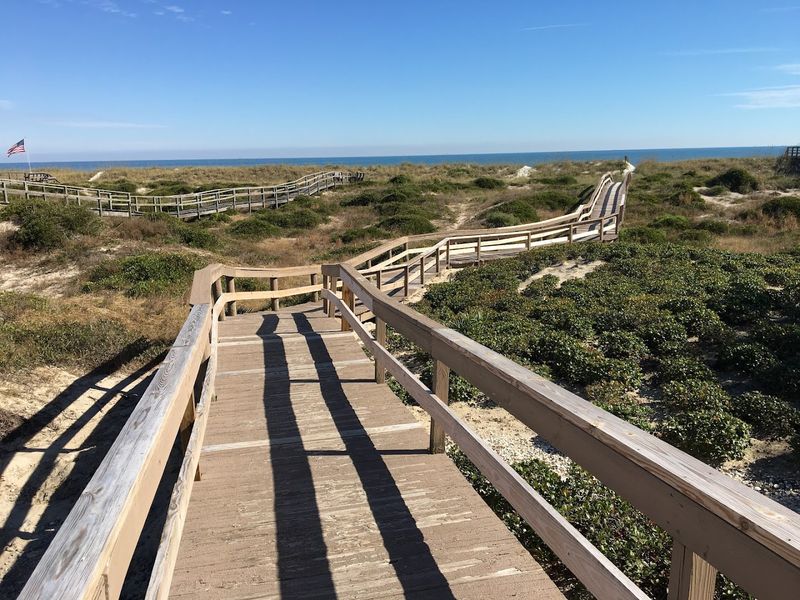
Thirteen miles of unspoiled Atlantic coastline, a Victorian-era downtown that looks like it belongs on a movie set, and an unhurried pace that feels completely at odds with the frantic energy of South Florida — that’s Amelia Island in a nutshell. Located in Nassau County at the very northeastern tip of Florida, this barrier island is close enough to Savannah, Georgia to feel like a different world from the rest of the state, and that’s a significant part of its appeal.
Fernandina Beach, the island’s only city, has a downtown historic district that is genuinely one of the most charming in Florida. Centre Street is lined with Victorian-era storefronts housing restaurants, breweries, art galleries, and independent shops.
The Palace Saloon, which has been operating since 1903 and claims to be Florida’s oldest bar, is a must-visit for history enthusiasts and anyone who appreciates a well-worn wooden bar.
The beaches on Amelia Island are wide, uncrowded by Florida standards, and backed by natural dunes and maritime forest rather than condos. Fort Clinch State Park at the northern end of the island offers access to particularly beautiful and wild beach stretches, plus a remarkably well-preserved Civil War-era brick fort that offers living history demonstrations on select weekends.
Spring brings mild temperatures and some of the best conditions of the year for horseback riding on the beach — a few outfitters offer guided rides along the shoreline at sunrise and sunset that are genuinely unforgettable. The island also has excellent trail systems for cycling and hiking through maritime hammock forest.
Amelia Island’s resort scene is anchored by the Ritz-Carlton and Omni Amelia Island Resort, but plenty of charming B&Bs and vacation rentals make it accessible at various price points. This is the kind of place that regulars keep coming back to year after year without ever feeling the need to explain why.
15. Panama City Beach
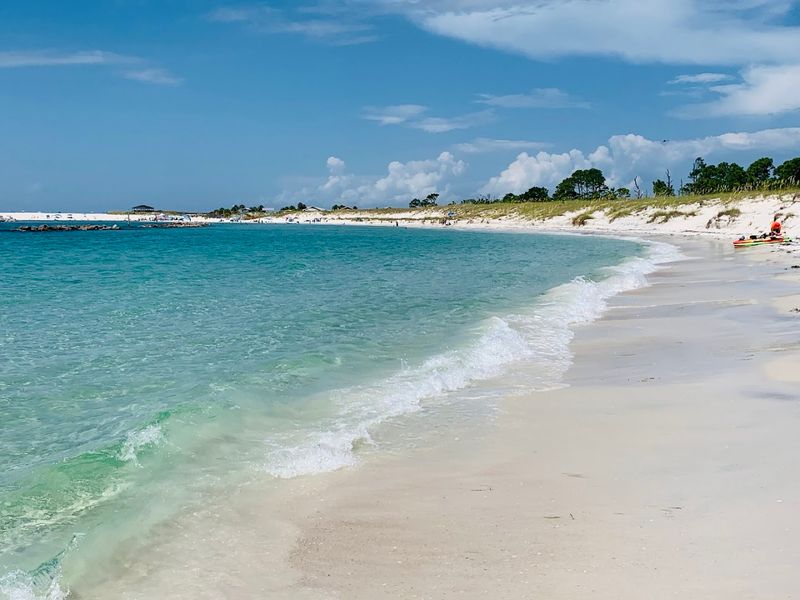
Panama City Beach got a reputation for years as the wildest spring break destination in the country — and while that energy still exists in certain corners, the city has done a remarkable job evolving into a well-rounded beach destination that genuinely works for families, couples, and outdoor enthusiasts. The beaches here are legitimately stunning, and the Gulf water’s color is that same mesmerizing emerald green you see throughout the Panhandle.
St. Andrews State Park, located at the eastern tip of Panama City Beach, is consistently ranked among the top state parks in Florida and one of the best beaches in the entire country. The park protects pristine Gulf shoreline, pine flatwoods, and a tidal lagoon that’s perfect for swimming, snorkeling, and wildlife watching.
Snorkeling around the jetties here reveals an impressive variety of fish and marine life, and the shell collecting is excellent.
Pier Park is the main shopping and entertainment district, a large outdoor mall with restaurants, shops, a Ferris wheel, and a movie theater. It’s lively without being overwhelming and serves as a convenient hub for visitors staying along the main beach corridor.
The restaurants along Front Beach Road have improved dramatically in recent years, with several standout seafood spots that locals actually recommend.
Shell Island, accessible only by ferry or private boat from St. Andrews State Park, is a pristine barrier island with no development at all. A short ferry ride delivers you to miles of untouched Gulf beach where dolphins frequently swim just offshore and shelling is outstanding.
It’s one of those rare Florida experiences that feels truly wild and remote despite being minutes from a major beach resort area.
The spring shoulder season — particularly April and early May — hits the sweet spot between the cold of winter and the packed chaos of Memorial Day weekend. Water temperatures are climbing, prices are reasonable, and the beach feels spacious and inviting.
Panama City Beach at its best is hard to argue with.
16. Fort Lauderdale
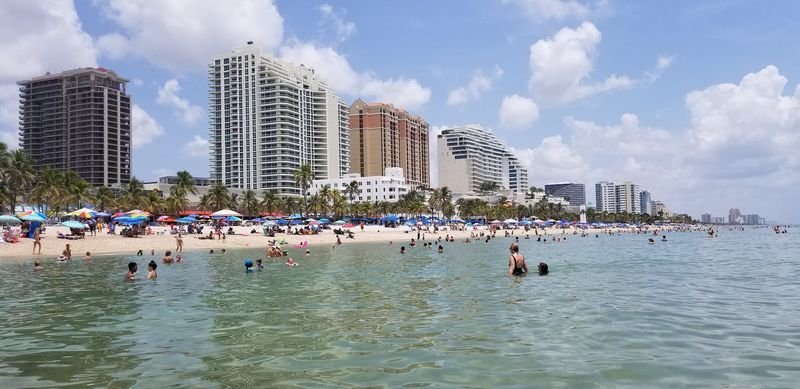
Fort Lauderdale doesn’t need Miami’s shadow — it has its own distinct identity, and it’s a compelling one. Known as the Venice of America for its 300 miles of inland waterways, this city has a relationship with water that goes far beyond its famous beach.
Spring is a particularly good time to visit because the weather is near-perfect and the city’s outdoor culture is in full swing without the intense summer heat.
Las Olas Boulevard is the cultural spine of Fort Lauderdale — a beautifully landscaped street connecting the beach to downtown, lined with restaurants, art galleries, and boutiques. Weekend evenings here have a festive, walkable energy that’s hard to resist.
The restaurants range from casual to upscale, and the quality of the food scene has risen dramatically over the past decade.
The Water Taxi is one of the most fun and practical ways to experience the city. These boats connect various points along the waterways and Intracoastal, giving you a water-level view of the spectacular homes, yachts, and bridges that define Fort Lauderdale’s character.
It’s equal parts transportation and sightseeing tour, and the per-day pass makes it excellent value.
Fort Lauderdale Beach itself is wide, well-maintained, and backed by a pleasant promenade that’s great for walking and cycling. The beach doesn’t have the same frenetic energy as South Beach, which many visitors find to be a significant upgrade.
The vibe is relaxed and social without feeling like a competition for space or attention.
The NSU Art Museum Fort Lauderdale holds an impressive permanent collection with particular strength in CoBrA movement works, and the Bonnet House Museum and Gardens offers a fascinating glimpse into old Florida with its 35-acre estate of tropical gardens and historic buildings. Fort Lauderdale consistently surprises visitors who assumed it was just Miami’s quieter neighbor.
17. Everglades National Park
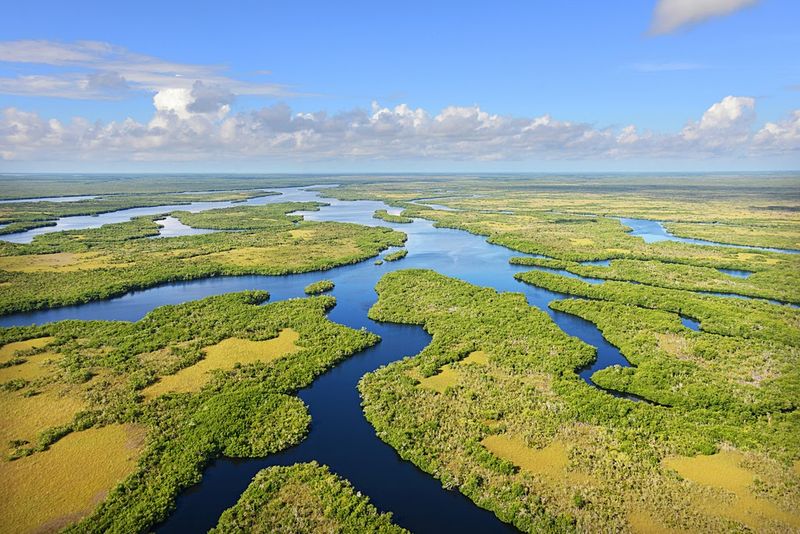
There is no place on Earth quite like the Everglades. This vast, slow-moving river of grass covering the southern tip of Florida is one of the most unique ecosystems in the world — a UNESCO World Heritage Site, an International Biosphere Reserve, and a Ramsar Wetland of International Importance all at once.
Spring is arguably the best season to visit, when water levels drop, wildlife concentrates around remaining water sources, and the mosquito situation becomes far more manageable than summer.
The main park entrance near Homestead leads to the Anhinga Trail, one of the most wildlife-packed short hikes in the entire National Park System. The half-mile boardwalk passes through a freshwater slough where alligators, anhingas, herons, and turtles are practically guaranteed sightings — and they’re close.
Startlingly close. It’s the kind of wildlife viewing that makes you forget you’re just steps from the parking lot.
Canoeing and kayaking through the park’s backcountry waterways is a transformative experience. The 99-mile Wilderness Waterway connects Everglades City to Flamingo through a maze of mangrove tunnels, open bays, and tidal creeks.
Even shorter day paddles from Flamingo or the Gulf Coast Visitor Center deliver remarkable wildlife encounters and a profound sense of remoteness.
Shark Valley, on the northern edge of the park along the Tamiami Trail, offers a 15-mile loop road accessible by bicycle rental or tram tour. The observation tower at the halfway point provides a panoramic view over the sawgrass prairie that genuinely captures the scale and wildness of this place in a way that photographs struggle to convey.
Flamingo at the park’s southern tip offers boat tours into Florida Bay where manatees, dolphins, crocodiles, and roseate spoonbills are regular sightings. The Everglades demands patience and rewards it generously — this is not a destination you rush through but one you let wash over you.