This Japanese Museum in Florida Is Unlike Anything You’ve Ever Seen
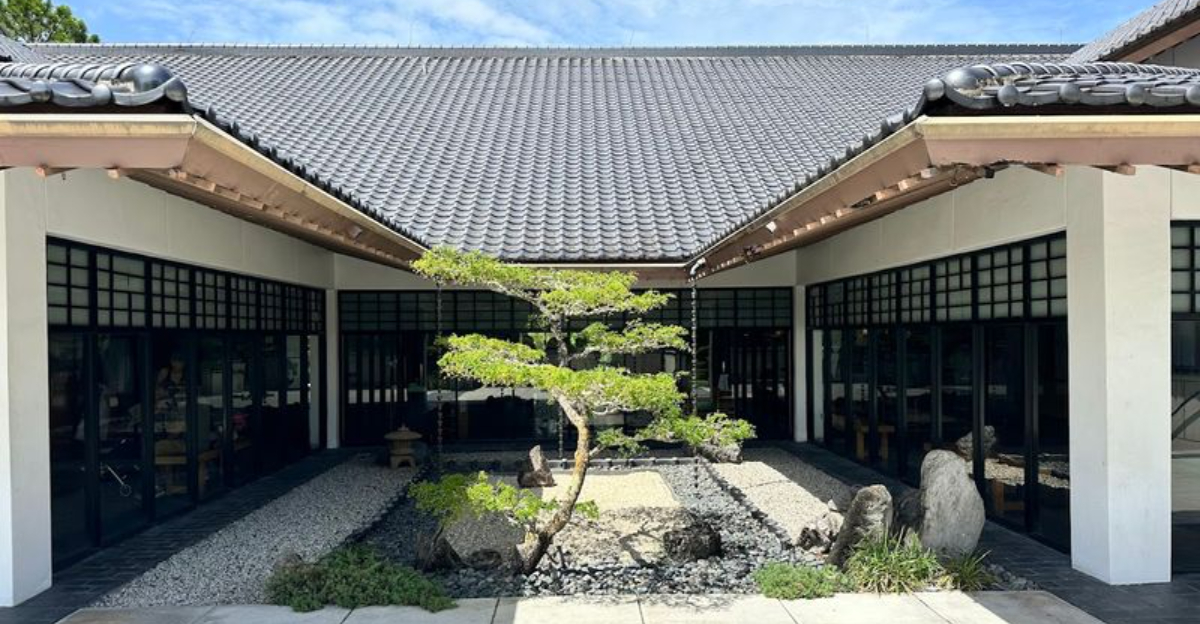
Tucked away in Delray Beach, Florida, the Morikami Museum and Japanese Gardens is one of the most unexpected cultural treasures in the entire Sunshine State. Most people picture theme parks and beaches when they think of Florida, but this 16-acre oasis transports you straight to Japan without ever leaving the country.
With stunning traditional gardens, rotating art exhibits, a lakeside café, and a rich immigrant history behind every path, Morikami is the kind of place that genuinely stops you in your tracks.
The Roji-en Gardens: Six Gardens, One Unforgettable Walk
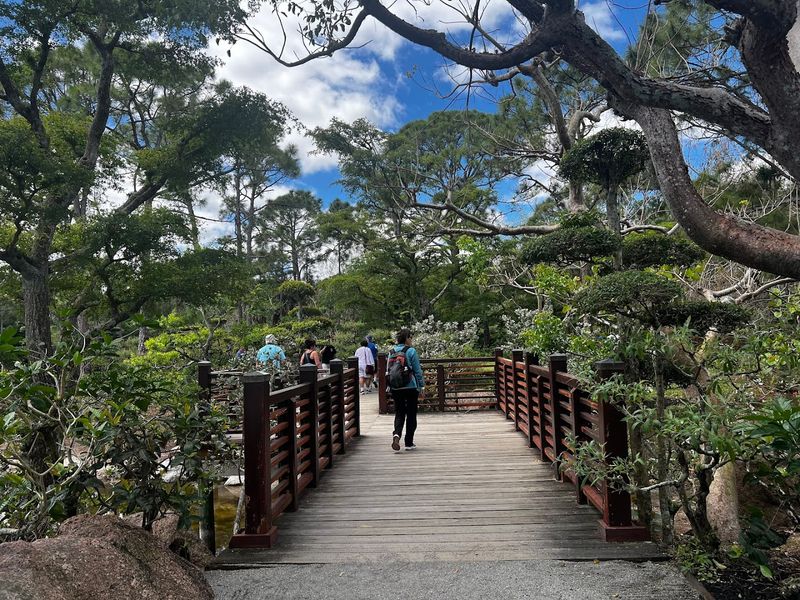
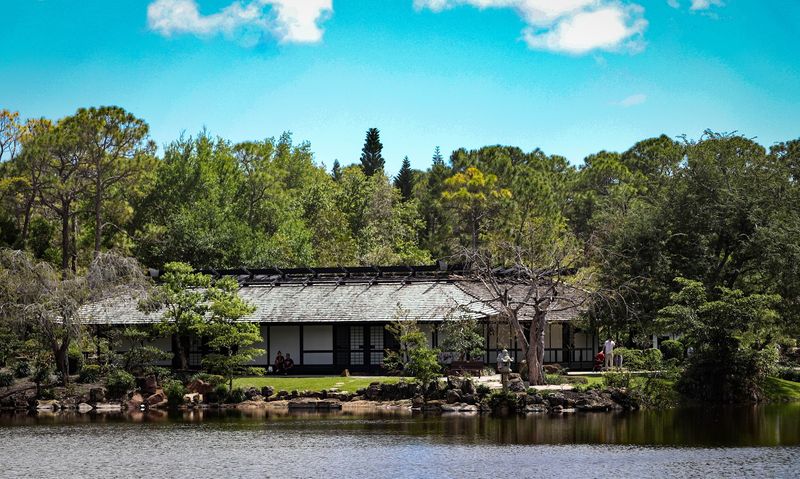
Stepping into the Roji-en gardens feels less like entering a park and more like flipping through chapters of Japanese history with your feet. Landscape architect Hoichi Kurisu designed these 16 acres between 1999 and 2001, organizing them into six distinct garden styles that span from the Heian period all the way through the Meiji era.
Each section has its own personality, and walking from one to the next feels like moving through different centuries.
The koi ponds shimmer in the Florida sun, and stone bridges arch gracefully over calm water that reflects the surrounding trees. Gravel paths crunch softly underfoot, and the sound of small waterfalls fills the air in a way that naturally slows your pace down.
You will find yourself stopping more than you expect, not because you are tired, but because every corner reveals something worth looking at a little longer.
What makes Roji-en genuinely special is how cohesive it feels despite covering so much ground and so many design eras. Nothing looks rushed or thrown together.
The bonsai exhibit sits within the garden loop and earns its own spotlight, with trees that have been shaped over decades with extraordinary patience and care. Visitors consistently call this section a highlight, and once you see it in person, that reaction makes complete sense.
Plan to spend at least 90 minutes walking the full garden circuit, especially on a weekday morning when crowds are thinner. Wear comfortable shoes because some sections use fine gravel rather than paved paths, which can be a bit tricky for strollers or mobility devices with smaller wheels.
Bring a water bottle, find a bench near the lake, and just breathe. Roji-en is the kind of place that reminds you why slowing down is sometimes the smartest thing you can do.
George Morikami’s Story: The Man Who Gave Florida a Piece of Japan
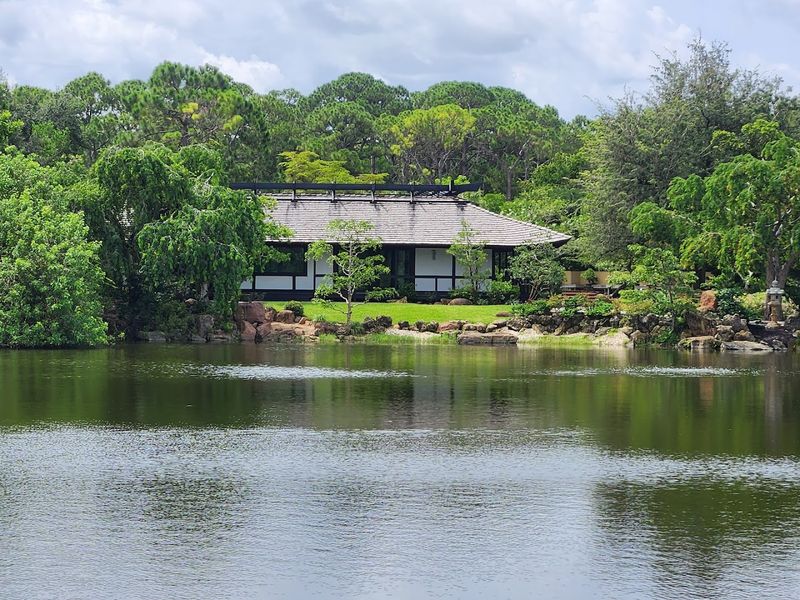
Not every museum carries the personal legacy of one man so clearly, but Morikami does. The entire property exists because of George Sukeji Morikami, a Japanese immigrant who arrived in South Florida in the early 1900s as part of the Yamato Colony, an agricultural settlement founded by Japanese farmers seeking opportunity in the subtropical climate of Palm Beach County.
The colony eventually dissolved by the 1940s, but George stayed.
He farmed pineapples, lived simply, and quietly built a life in a country that was not always welcoming to Japanese immigrants. In 1973, without fanfare, he donated his land to Palm Beach County with one clear wish: that it become a living tribute to Japanese culture for future generations.
The museum officially opened in 1977, and what George set in motion has grown into one of the most beloved cultural destinations in South Florida.
Inside the museum, his story is told with care and honesty. Exhibits walk you through the history of the Yamato Colony, the broader experience of Japanese Americans in Florida, and the life of a man who chose generosity over personal gain at the end of his days.
Reading about his journey alongside photos and artifacts gives the whole property a deeper emotional weight that you carry with you as you walk the gardens afterward.
George Morikami passed away in 1976, just before the museum opened, which makes his gift feel even more remarkable. He never got to see what his land became, but visitors today are the living proof that his vision worked.
Spending a few minutes inside learning his story before heading outdoors completely changes how the gardens feel. Suddenly, every carefully placed stone and sculpted tree carries a little more meaning.
Cornell Cafe: Japanese-Inspired Bites With a Garden View That Hits Differently
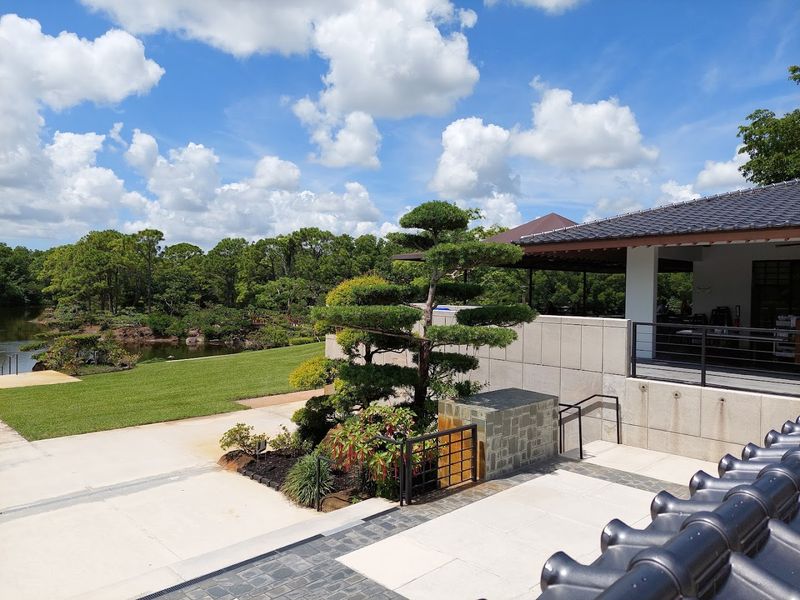
Most museum cafes are an afterthought. A sad sandwich, a bag of chips, maybe a lukewarm cup of coffee.
Cornell Cafe at Morikami is the exact opposite of that experience, and visitors are genuinely surprised by how good the food actually is. Sitting on the outdoor terrace with garden views on one side and a calm lake on the other is an experience that earns its own spot on the itinerary.
The menu leans into Japanese-inspired flavors without trying too hard to be something it is not. The classic bento box is a crowd favorite, packed with balanced portions that feel fresh rather than pre-packaged.
A hot cup of green tea alongside it is practically mandatory, and the unagi roll has developed a bit of a fan following among regulars who make repeat visits partly just for the food. Light Japanese fare, done with genuine care, is the best way to describe it.
Service at the cafe has earned consistent praise in visitor reviews, with staff described as helpful and warm rather than rushed or indifferent. The setting does a lot of the heavy lifting too.
Eating outdoors surrounded by manicured greenery and the sound of water nearby makes even a simple meal feel like a small occasion. It is the kind of lunch that does not feel like a fuel stop but more like an extension of the whole peaceful experience.
Cornell Cafe is open during regular museum hours, Tuesday through Sunday from 10 AM to 5 PM. Timing your visit around a midday meal makes for a natural break between the museum exhibits and the outdoor garden walk.
Check the menu online before arriving if you have dietary preferences, and try to grab a table with a direct garden sightline because that view genuinely elevates everything on the plate.
Rotating Art Exhibits That Keep Every Visit Feeling Brand New
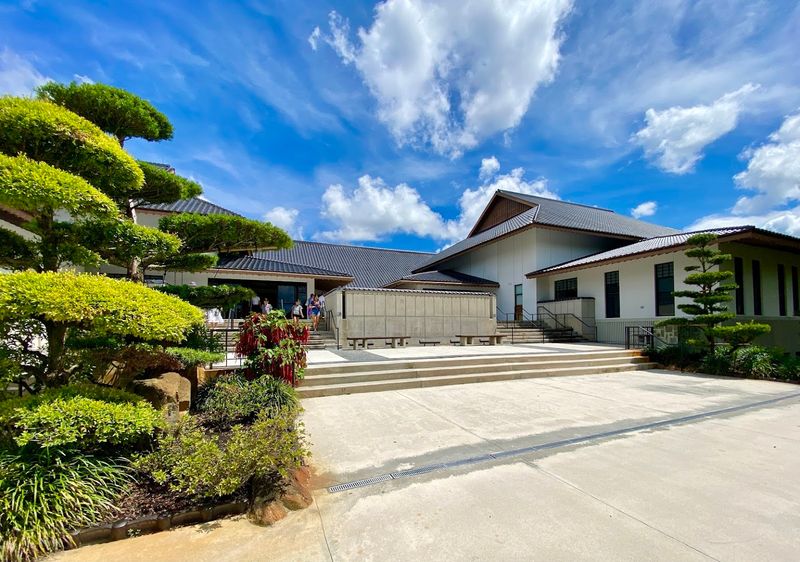
One of the quiet secrets about Morikami is that the museum itself changes. The rotating exhibit program means that no two visits are exactly alike, and that is a genuinely compelling reason to come back more than once.
The galleries inside the main building are thoughtfully curated and tend to focus on Japanese art, cultural history, and contemporary Japanese artists whose work bridges traditional and modern sensibilities.
A recent standout was “Light as Air: The Buoyant Sculptures of Mariko Kusumoto,” an exhibit running through April 2026 that features floating fabric sculptures inspired by natural forms. The pieces feel almost weightless, hovering in space in a way that mirrors the lightness you feel walking the outdoor gardens.
That kind of intentional pairing between what is inside and what is outside is part of what makes Morikami feel so cohesive as a cultural destination.
Past exhibits have explored everything from traditional Japanese woodblock prints to contemporary photography, ceramics, and textile art. The museum also hosts programming around its exhibits, including artist talks, workshops, and cultural demonstrations that give visitors a chance to engage beyond just looking at the work on the walls.
Checking the website before your visit is genuinely worthwhile because the programming calendar fills up with events that are hard to find anywhere else in South Florida.
Even visitors who do not typically gravitate toward art museums tend to find something that catches their attention inside Morikami. The scale of the galleries is approachable rather than overwhelming, and the exhibit design is clear and easy to follow without being dumbed down.
Budget about 45 minutes for the indoor exhibits, then head outside to the gardens and notice how the two experiences start to feel connected in ways you did not expect when you first walked in.
Cultural Festivals and Events That Turn the Gardens Into Something Extraordinary
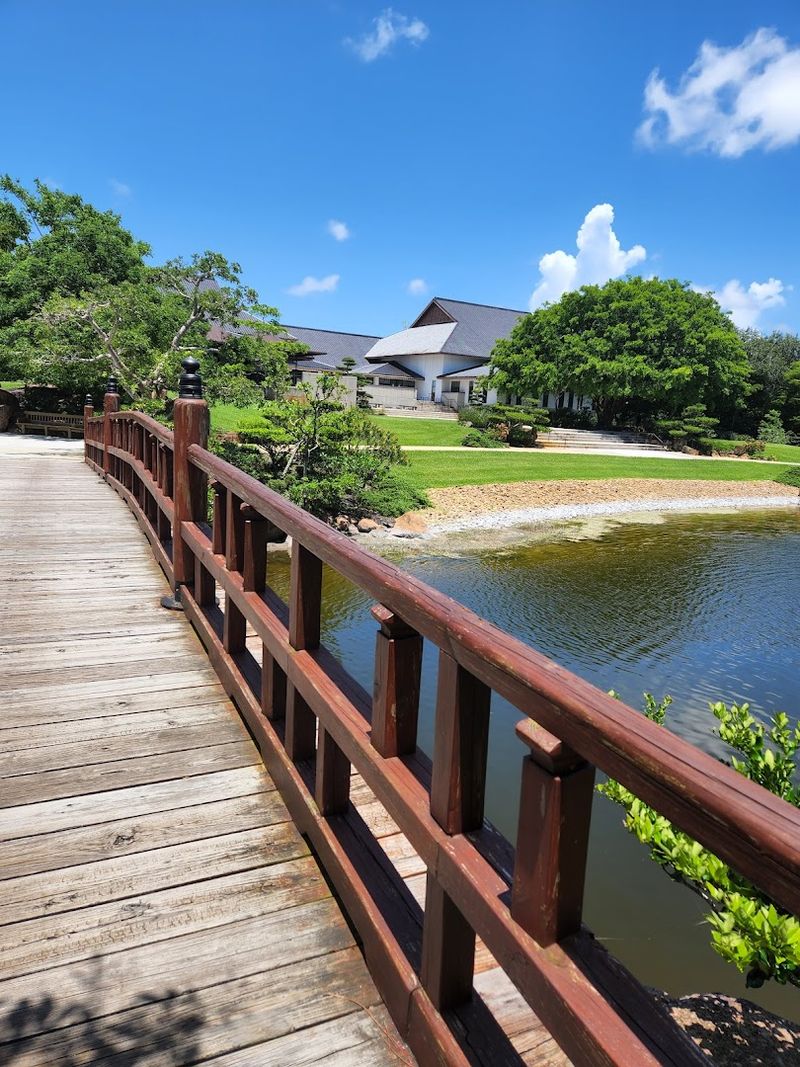
On a regular Tuesday morning, Morikami is serene and unhurried. On a festival day, it transforms into something that feels genuinely electric.
The museum hosts a rich calendar of cultural events throughout the year, and these gatherings draw thousands of visitors who come specifically to experience Japanese traditions in a setting that actually does them justice. Hatsume Fair in the spring and Bon Festival in the summer are two of the most anticipated events on the South Florida cultural calendar.
Bon Festival, in particular, carries a beautiful emotional quality. Rooted in Japanese Buddhist tradition, it honors the spirits of ancestors through music, dance, and lantern lighting.
Watching traditional Bon Odori dancing performed in the open air beside the lake at Morikami is the kind of experience that sticks with you long after you have driven home. The combination of the setting and the ceremony creates something that feels genuinely meaningful rather than performative.
Beyond the large annual festivals, Morikami also offers tea ceremonies, ikebana flower arranging classes, taiko drumming demonstrations, and seasonal celebrations tied to the Japanese calendar. Many of these events are included with general admission or available for a modest additional fee, making them accessible rather than exclusive.
Families with kids tend to find the festival days especially engaging because there is so much happening at once.
Checking the events calendar at morikami.org before planning your trip is one of the smartest moves you can make. Arriving on a regular day is wonderful, but arriving on a festival day is a completely different level of experience.
Parking fills up faster on event days, so getting there early is worth the extra effort. The museum recommends mid-week visits for a quieter atmosphere, but if a festival lines up with your schedule, do not hesitate.
The Gift Shop: Surprisingly Thoughtful Japanese Finds You Will Actually Want to Keep
Museum gift shops have a reputation for selling overpriced keychains and refrigerator magnets that end up in a junk drawer within a week. The Morikami gift shop breaks that pattern in the best possible way.
Visitors routinely mention it as a highlight of their trip, and browsing through it feels more like discovering a well-curated import boutique than clicking through a souvenir rack near the exit.
The selection leans toward items with genuine cultural connection: Japanese ceramics, handcrafted textiles, traditional art prints, bonsai tools and starter kits, green tea varieties, and decorative pieces that reflect the aesthetic you just experienced in the gardens. There are also books on Japanese culture, garden design, and the history of Morikami itself, which make for excellent reading if the visit sparked your curiosity.
Price points range widely, so there is something for every budget from a small thoughtful trinket to a meaningful piece you will display at home for years.
What sets the shop apart is that the inventory feels intentional rather than generic. You will not find mass-produced items stamped with a logo just to move merchandise.
The staff can often speak to what the products are and where they come from, which adds a layer of context that transforms shopping into a mini education. Several visitors have mentioned coming back specifically to purchase items they regretted not buying on a previous visit.
Allow yourself at least 20 minutes in the gift shop, especially if you enjoy discovering things you did not know you wanted. It is located near the museum entrance, so you can browse on your way in to scope it out and then circle back on your way out with a clearer sense of what caught your eye.
For anyone looking for a meaningful souvenir from their Florida trip, this shop genuinely delivers.
Practical Tips for Getting the Most Out of Your Morikami Visit
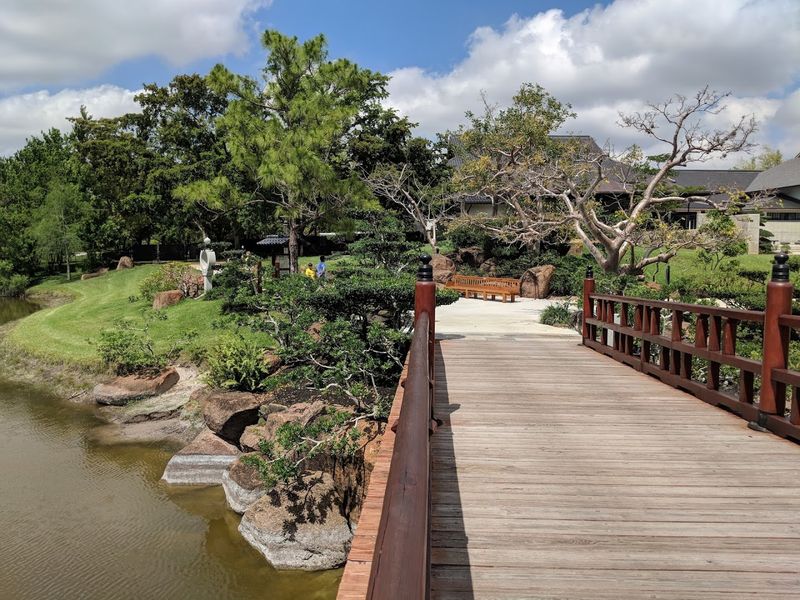
Knowing a few insider details before you arrive can be the difference between a good visit and a genuinely great one. Morikami is open Tuesday through Sunday from 10 AM to 5 PM and is closed on Mondays, so plan accordingly.
Admission runs around $17 to $18 per adult, and most visitors agree that the value far exceeds the price once they see what is included. The museum recommends arriving at least two hours before closing to give yourself enough time for both the indoor exhibits and the full garden loop.
Weekday mornings are the sweet spot for crowd-free exploration. Weekends bring more visitors, especially on beautiful weather days, so arriving right at 10 AM on a Saturday or Sunday gives you a head start before the crowds build.
Parking can get tight during busy periods and festival days, so early arrival is always the smarter move regardless of when you visit. Bringing a water bottle is genuinely important because the garden walk covers real ground and Florida heat is no joke even in cooler months.
The Bloomberg Connects app offers additional insights and audio content tied to the exhibits, and downloading it before your visit adds a layer of depth to the experience at no extra cost. For families with young children, be aware that some garden paths use fine gravel rather than paved surfaces, which can challenge smaller stroller wheels.
A sturdy all-terrain stroller or a baby carrier works much better on those sections.
Photography enthusiasts will want to budget extra time near the koi ponds and bonsai exhibit, where the light in the late morning hours creates particularly beautiful shots. Morikami is located at 4000 Morikami Park Rd in Delray Beach, and the museum website at morikami.org keeps the events calendar and seasonal programming updated regularly.
One visit rarely feels like enough.