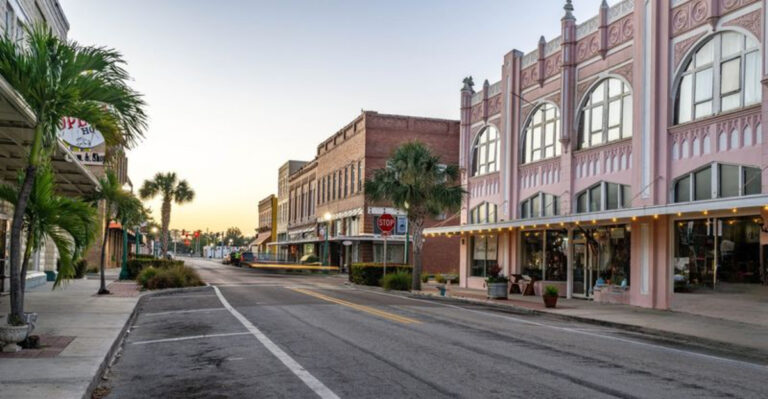
This Florida Town Is So Enchanting, You’ll Swear You Stepped Inside A Postcard
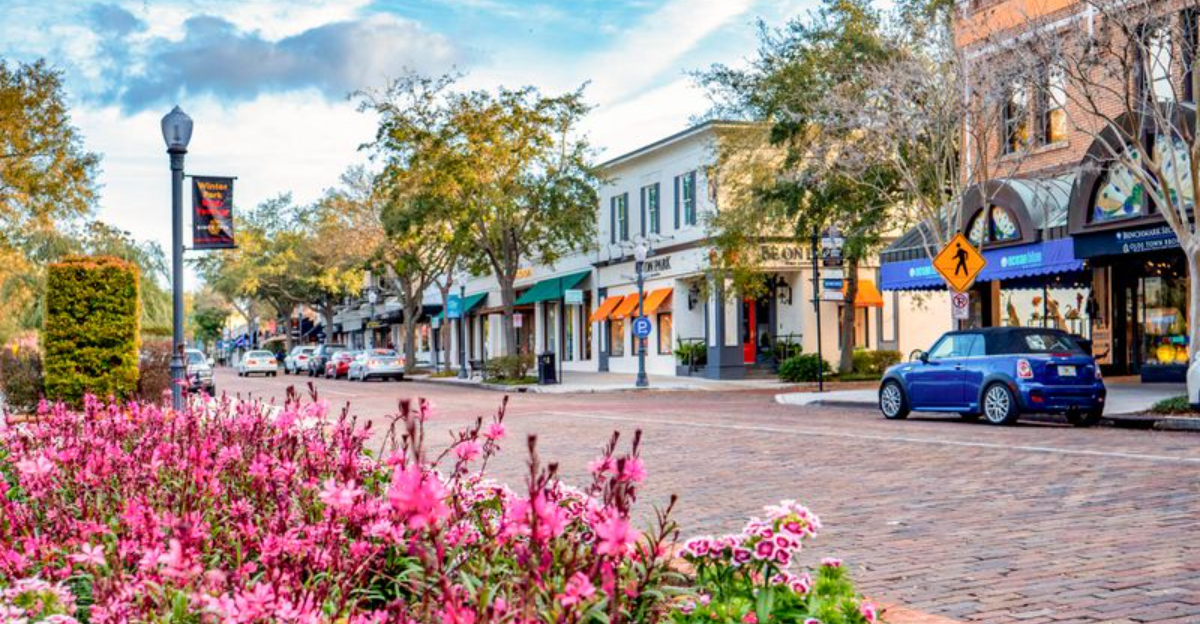
Winter Park sits just north of Orlando, but it feels like a completely different world. Brick-lined streets wind past elegant boutiques, art galleries peek out from historic buildings, and tree-covered parks stretch along crystal-clear lakes. This charming town has mastered the art of blending old-world elegance with modern Florida living, creating a place that feels both timeless and refreshingly alive.
1. Park Avenue’s European-Style Shopping District
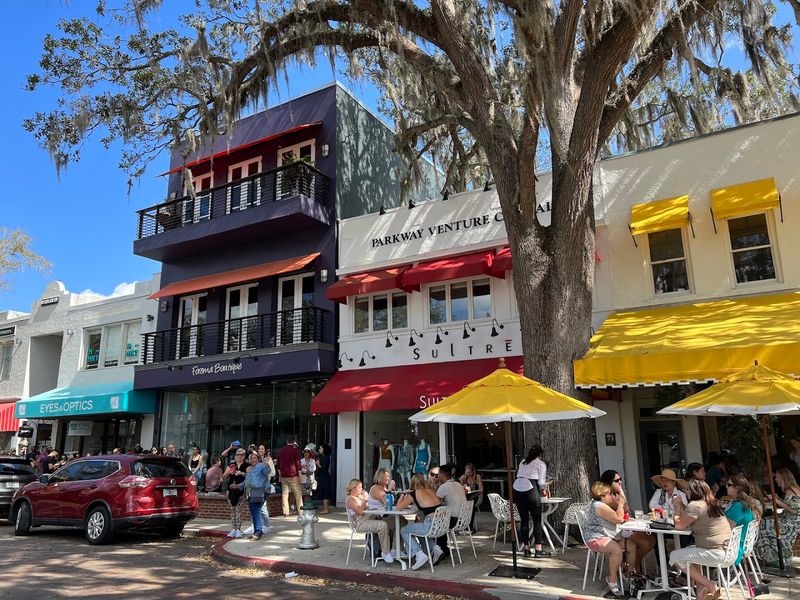
Strolling down Park Avenue feels more like wandering through a European village than a Florida town. Brick pavers line the street, mature oak trees create natural canopies overhead, and wrought-iron benches invite you to sit and watch the world go by. The shopping here isn’t your typical mall experience—think independent bookstores, family-owned jewelry shops, and clothing boutiques you won’t find anywhere else.
Outdoor cafés spill onto the sidewalks, where locals sip espresso and chat with neighbors they’ve known for years. The architecture tells stories too, with buildings dating back to the 1920s now housing modern businesses that respect the town’s heritage. You’ll spot window boxes overflowing with flowers and hand-painted signs that feel personal rather than corporate.
Weekend mornings bring a special energy when the farmers market sets up, adding fresh produce and artisan goods to the mix. Street musicians often perform near the fountain, their music drifting through the warm air. Whether you’re hunting for a unique gift or just soaking up the atmosphere, Park Avenue delivers that rare combination of sophistication and genuine small-town warmth that makes Winter Park unforgettable.
2. The Charles Hosmer Morse Museum’s Tiffany Collection
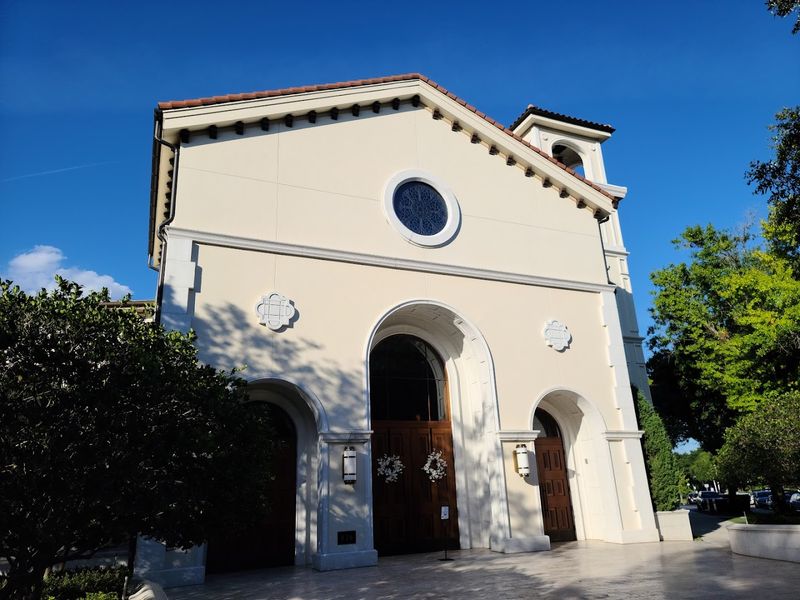
Housing the world’s most comprehensive collection of Louis Comfort Tiffany works, this museum holds treasures that literally glow with color. The Tiffany Chapel, reassembled here after being exhibited at the 1893 World’s Fair, stands as the crown jewel—an entire sacred space designed by the master himself. Walking into the chapel room feels like stepping inside a kaleidoscope where light transforms into pure magic.
Beyond the chapel, galleries showcase Tiffany lamps that look like captured sunsets, stained glass windows depicting peacocks and wisteria, and jewelry pieces that blur the line between craft and fine art. The museum doesn’t just display these objects behind glass; the lighting design brings them to life, showing how Tiffany intended his iridescent glass to interact with natural and artificial light. You’ll understand why collectors and artists traveled from around the world to acquire his work.
The museum also features American art pottery, late 19th-century paintings, and decorative objects that provide context for Tiffany’s revolutionary approach. Admission prices stay reasonable, and the intimate size means you can actually spend time with each piece rather than rushing through endless galleries. It’s a hidden gem that rivals major city museums.
3. Scenic Boat Tour Through The Chain of Lakes
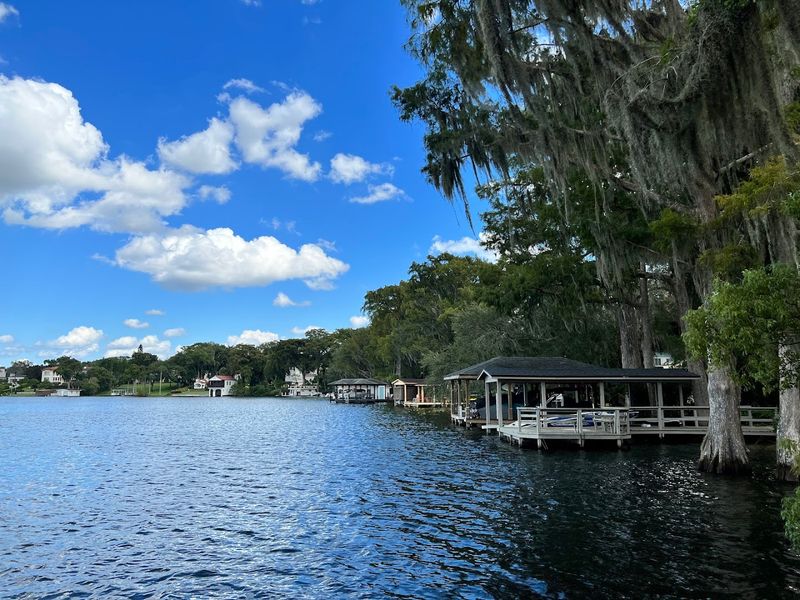
For over 75 years, these pontoon boat tours have been showing visitors what locals already know—Winter Park’s true beauty reveals itself from the water. The hour-long cruise winds through three pristine lakes and two narrow canals, passing estates that range from 1920s Mediterranean Revival mansions to sleek modern waterfront homes. Your captain, usually a longtime resident, shares stories about the families who built Winter Park and points out architectural details you’d never notice from land.
The pace stays relaxed, giving you time to spot herons stalking fish in the shallows, turtles sunning on logs, and occasionally an alligator lounging on a distant bank. Moss-draped cypress trees lean over the canals, creating natural tunnels that feel prehistoric. The water stays so clear you can see bass swimming below, and the reflection of clouds on the lake surface creates those postcard-perfect moments.
Tours run year-round, though spring brings blooming azaleas and fall offers slightly cooler temperatures. The boats accommodate about 18 passengers, creating an intimate experience rather than a crowded tourist trap. Bring a camera, but also remember to just look—some scenes deserve to be enjoyed without a screen between you and the view.
4. Central Park’s Timeless Green Space
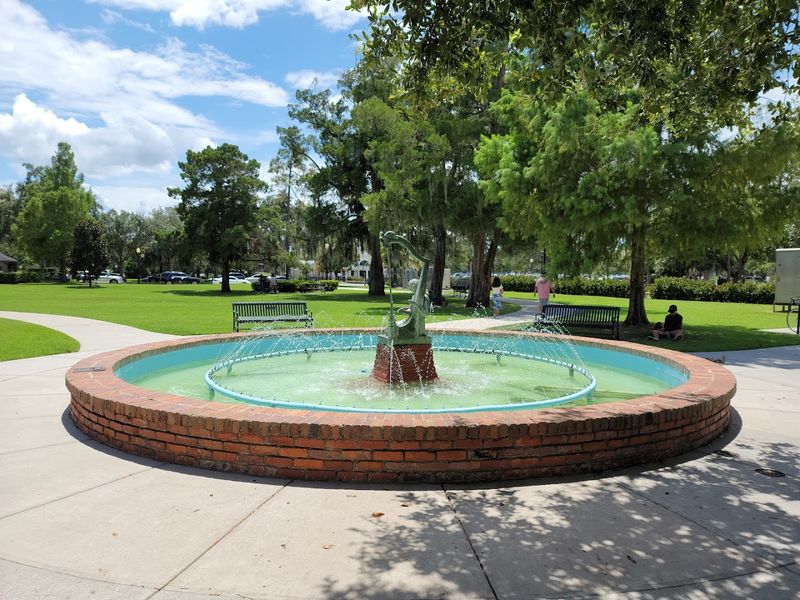
Right in the heart of downtown, this 11-acre park serves as Winter Park’s living room where the community gathers for everything from casual picnics to formal concerts. Unlike manicured city parks that feel untouchable, Central Park invites you to kick off your shoes and sprawl on the grass. Massive live oaks provide shade, their branches reaching so wide they create natural pavilions perfect for afternoon naps or reading a book.
The rose garden blooms year-round, with hundreds of bushes producing flowers in every shade imaginable. Brick pathways meander through the space, connecting different areas without forcing a particular route. You’ll see yoga classes happening on Saturday mornings, wedding parties taking photos by the fountain, and kids chasing each other around the open lawn while parents chat nearby.
The park hosts major events too—the Winter Park Sidewalk Art Festival, one of the nation’s top outdoor art shows, takes over the space each March. Thursday evenings in spring bring free concerts where locals spread blankets and unpack picnic dinners. What makes Central Park special isn’t fancy amenities or elaborate landscaping; it’s the way the space feels genuinely public, a place that belongs to everyone who enters.
5. Rollins College’s Mediterranean Revival Campus
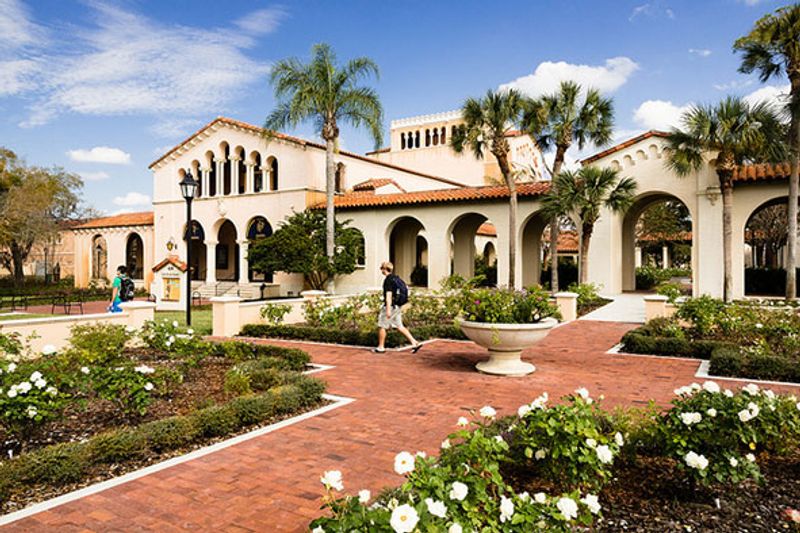
Founded in 1885, Rollins College brought architectural elegance to Winter Park’s lakefront with buildings that could have been transported from a Spanish village. The campus stretches along Lake Virginia, with red-tiled roofs and white stucco walls glowing in the Florida sunshine. Walking through feels like discovering a secret courtyard in Barcelona—arched walkways, decorative tiles, and wrought-iron details create an atmosphere that’s both scholarly and romantic.
The Cornell Fine Arts Museum sits on campus, offering free admission to a collection spanning ancient artifacts to contemporary installations. Student artwork displays in various buildings, and the campus theatre hosts performances open to the public. Even if you’re not visiting for a specific event, the grounds welcome walkers who appreciate beautiful spaces.
Knowles Memorial Chapel anchors the campus with its 173-foot tower visible across Winter Park. Inside, stained glass windows and carved wood details showcase craftsmanship from another era. The lakefront walk passes the Alfond boathouse where the crew team practices at dawn, their oars cutting through mirror-smooth water.
Alumni often return just to walk these paths again, remembering when this enchanting campus was their daily reality. The college doesn’t wall itself off from town—instead, it enhances Winter Park’s overall character with accessible beauty.
6. Albin Polasek Museum and Sculpture Gardens
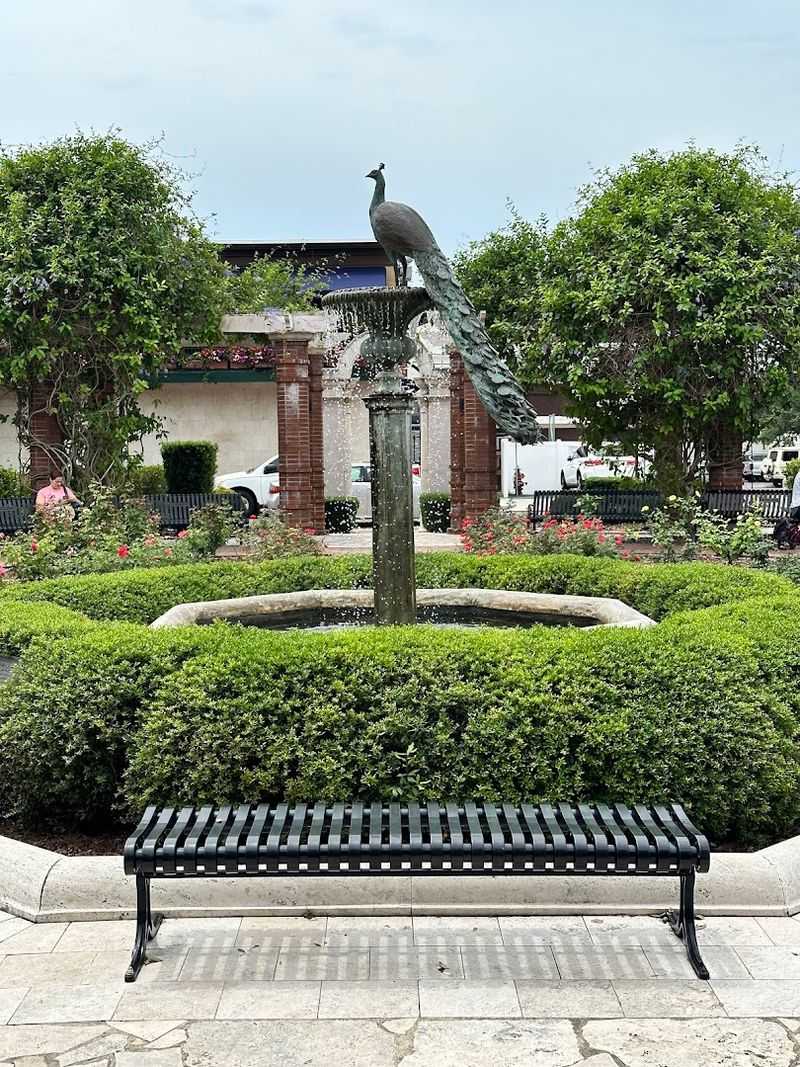
Czech-American sculptor Albin Polasek retired to Winter Park in 1949, transforming a lakefront estate into both his home and his final studio. Today, his villa houses over 200 sculptures and paintings, while the surrounding gardens display his work against a backdrop of Lake Osceola’s shimmering water. Bronze figures emerge from tropical plantings, creating unexpected encounters as you wander the paths—a child reaching toward the sky, a woman lost in thought, hands clasped in prayer.
The villa itself, designed in Mediterranean Revival style, showcases Polasek’s personal art collection alongside his own creations. Rooms feel lived-in rather than museum-sterile, with furniture and decorative objects revealing the artist’s daily life. Large windows frame garden views, intentionally blurring the boundary between interior gallery space and outdoor sculpture park.
Chapel gardens feature religious sculptures that reflect Polasek’s spiritual side, while the main lawn displays more secular works celebrating human form and emotion. Peacocks sometimes strut through the grounds, adding their own living sculpture to the scene. The museum hosts outdoor concerts and art classes, continuing Polasek’s vision of art as something integrated into daily life rather than separated behind velvet ropes.
It’s intimate, personal, and thoroughly enchanting.
7. Hannibal Square Heritage Center’s Historic Roots

Winter Park’s story isn’t complete without understanding Hannibal Square, the historically African American neighborhood that provided the labor force building the town’s grand estates and hotels. This heritage center preserves those often-overlooked stories through photographs, oral histories, and artifacts spanning from the 1880s to today. You’ll learn about the skilled craftspeople, domestic workers, and entrepreneurs who shaped Winter Park while facing segregation and inequality.
The exhibits don’t sugarcoat history—they present the complex reality of a community that built beautiful things for others while creating their own vibrant culture in Hannibal Square. Vintage photos show dressed-up families outside their churches, children at segregated schools, and business owners standing proudly in front of their shops. Audio recordings let residents from earlier generations tell their own stories in their own voices.
The center occupies a restored 1940s building that once housed African American businesses, adding another layer of historical significance. Regular programs bring in speakers, musicians, and artists who connect past to present. Understanding this history transforms how you see the rest of Winter Park—those elegant homes and manicured gardens exist because of the hands and hearts commemorated here.
It’s essential context that makes the town’s enchantment more meaningful and honest.
8. Kraft Azalea Garden’s Waterfront Blooms
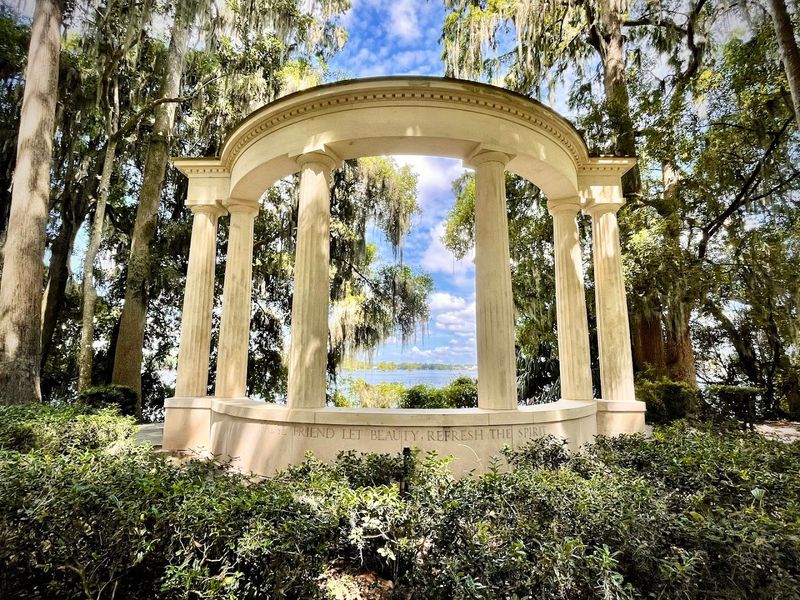
Tucked along Lake Maitland’s shore, this small but stunning garden explodes with color each spring when thousands of azaleas bloom simultaneously. The Exline family donated this property to Winter Park in 1951, creating a public space where nature’s beauty could be shared freely. Ancient cypress trees draped in Spanish moss provide structure year-round, but March through April transforms the garden into something almost surreal with layers of pink, white, coral, and magenta flowers.
A curved brick path follows the shoreline, passing through different garden rooms created by strategic plantings. Benches positioned at key spots let you sit and absorb the view—water on one side, flowers on the other, and usually complete quiet except for birds and lapping waves. The garden stays small enough to explore in 20 minutes, yet beautiful enough that most visitors linger much longer.
Local couples often choose this spot for engagement photos or small weddings, particularly when the azaleas peak. Even outside bloom season, the garden offers a peaceful lakefront retreat where you can watch sunset paint the sky in colors that compete with any flower. No admission fee, no crowds, no commercialization—just a genuinely lovely space that Winter Park maintains as a gift to anyone who visits.