This Key West House Museum Is a Dreamy Mix of History, Charm, and Tropical Blooms
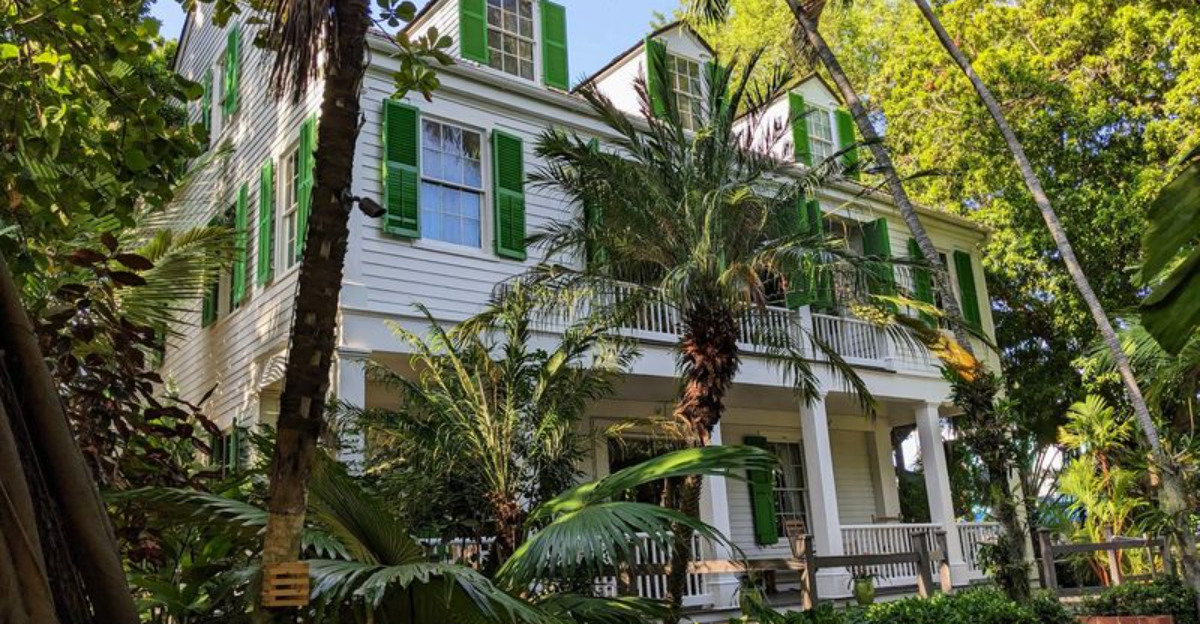
Tucked away on Whitehead Street in the heart of Key West sits a peaceful retreat that most tourists walk right past. The Audubon House and Tropical Gardens offers an escape from the busy streets outside, combining beautiful nature with fascinating stories from the past. Built in the 1850s and filled with period antiques, stunning artwork, and lush gardens bursting with orchids and butterflies, this special place gives visitors a glimpse into old Florida life while celebrating the legacy of famous naturalist John James Audubon.
1. A Wrecker Captain’s Home with Surprising Elegance
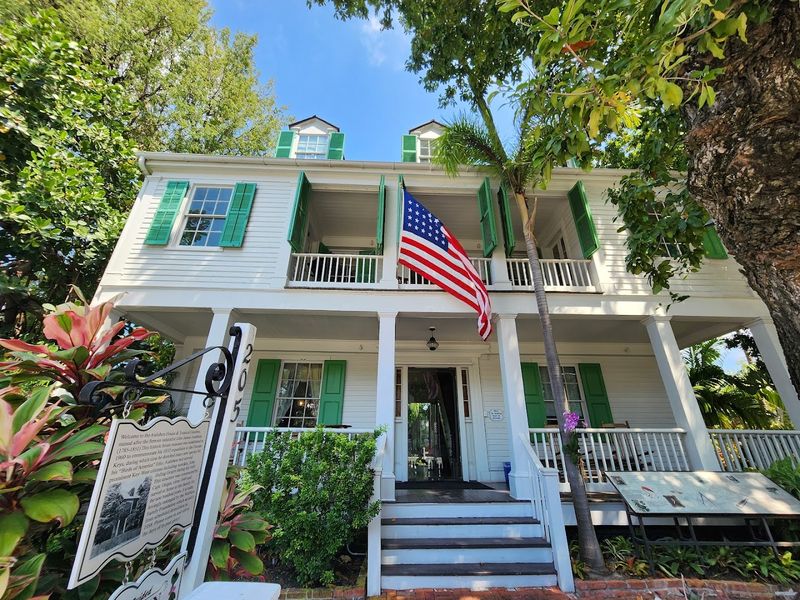
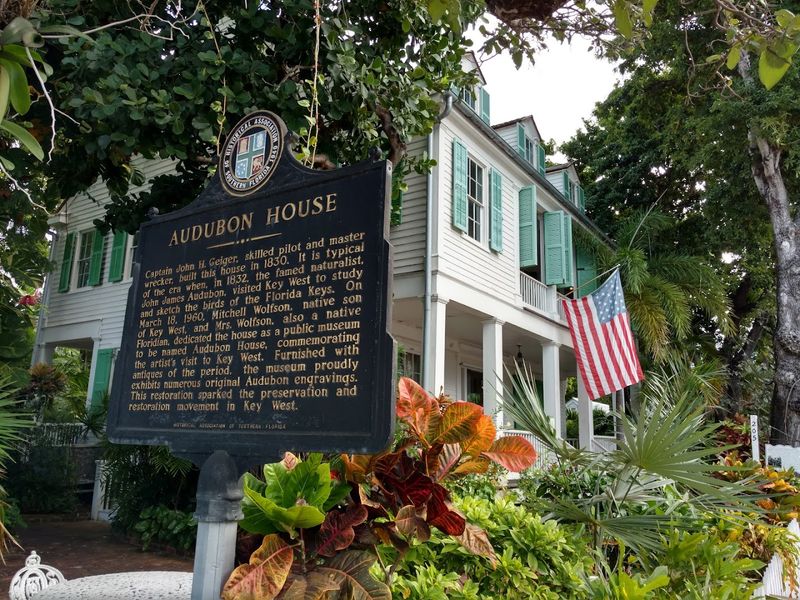
Built during the 1850s for Captain John Geiger, a successful wrecker and harbor pilot, this three-story home showcases what wealth looked like in old Key West. The house stands as one of the finest examples of early Key West architecture, with its tall ceilings, wide porches, and strategic design meant to catch ocean breezes before air conditioning existed. Walking through the front door feels like stepping back nearly two centuries.
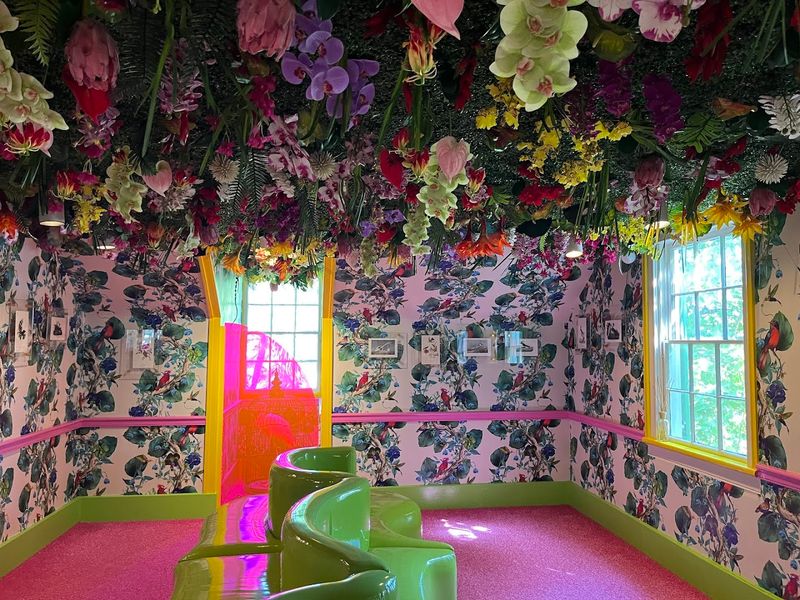
Each room displays carefully selected period furniture and personal artifacts from the Geiger family. The top floor features a maximalist bird room that absolutely dazzles visitors with its whimsical decorations and vibrant colors. Original architectural details remain intact throughout, from the wooden floors to the window shutters designed to protect against hurricanes.
What makes this place special is how it balances historical accuracy with visitor comfort. The house stays pleasantly cool inside, making it a welcome break from Florida heat. Guides provide a brief introduction before letting you wander at your own pace, discovering hidden details in every corner.
The authenticity of the restoration work truly brings the wrecker era to life in ways textbooks never could.
2. John James Audubon’s Brief but Meaningful Connection
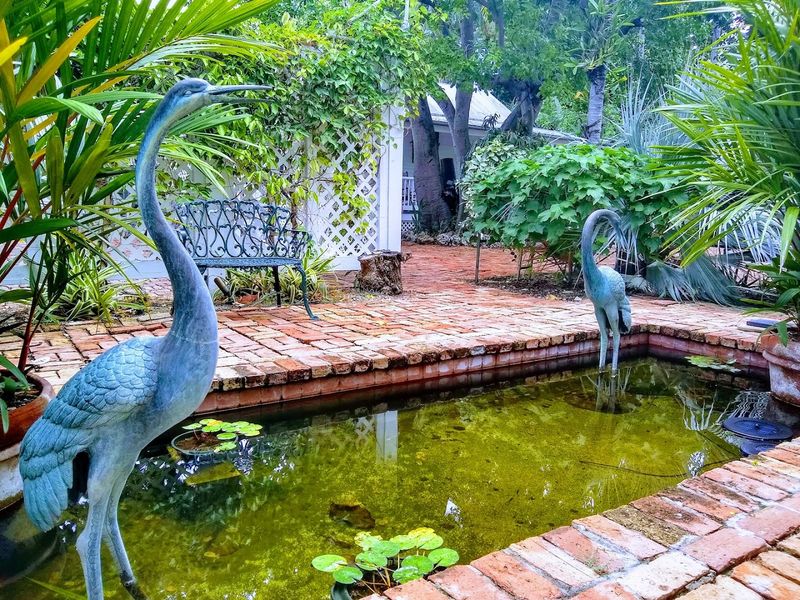
Here’s something that surprises many visitors: Audubon himself only spent about three weeks in Key West back in 1832. Yet that short visit proved incredibly productive for the famous naturalist and artist. During his stay, he documented 22 new bird species and created sketches that would later become part of his groundbreaking work, The Birds of America.
The museum honors this connection through an impressive collection of Audubon prints displayed throughout the house. His detailed illustrations hang on walls in nearly every room, showcasing the incredible diversity of Florida birdlife he encountered. One particularly interesting detail connects directly to the property: a branch from a tree growing in these very gardens appeared in one of his famous paintings.
Audubon’s influence extended far beyond his art. His meticulous documentation raised awareness about the natural world during a time when few people paid attention to conservation. The National Audubon Society continues his mission today, protecting bird habitats across America.
Seeing his work displayed in this historic setting where he actually walked and observed nature creates a powerful connection to environmental history that still matters right now.
3. Gardens That Feel Like Your Own Private Jungle
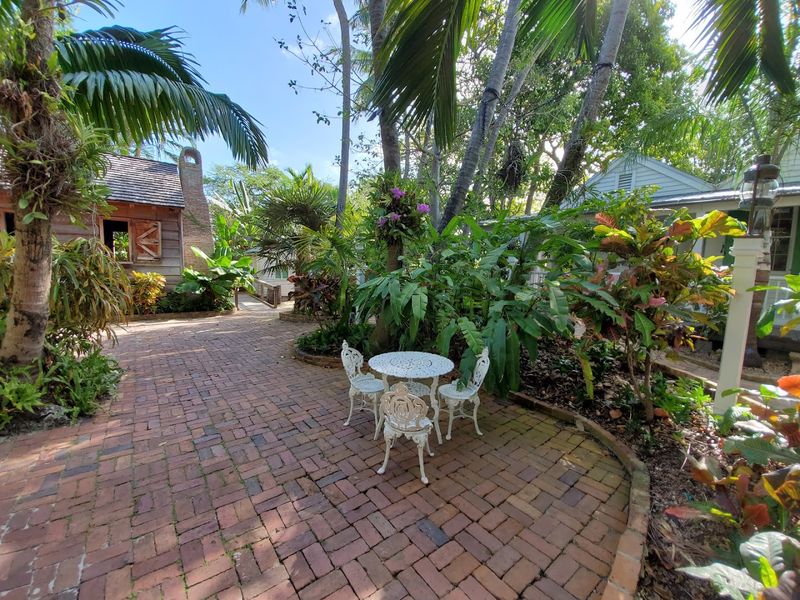
Step outside the house and you’ll find yourself surrounded by one of the most enchanting tropical gardens in Key West. Orchids bloom in stunning colors throughout the year, their delicate petals creating splashes of pink, purple, and white against deep green foliage. Butterflies dance from flower to flower, completely unbothered by human visitors wandering the winding paths.
The gardens offer something rare in downtown Key West: genuine peace and quiet. High walls and thick vegetation block out street noise, creating what feels like a secret paradise. Shaded areas provide cool spots to rest on benches, while the carefully maintained plantings showcase native Florida species alongside exotic tropical varieties that thrive in the island climate.
Bird enthusiasts often spot interesting species flitting through the branches overhead. One reviewer mentioned a foot-long lizard living in the trees, adding an element of wildlife discovery to every visit. The gardens aren’t massive, but they’re thoughtfully designed to maximize beauty and tranquility.
Many visitors end up spending more time here than they planned, simply soaking in the peaceful atmosphere and snapping photos of the gorgeous blooms that seem to appear around every corner.
4. Period Antiques That Tell Family Stories
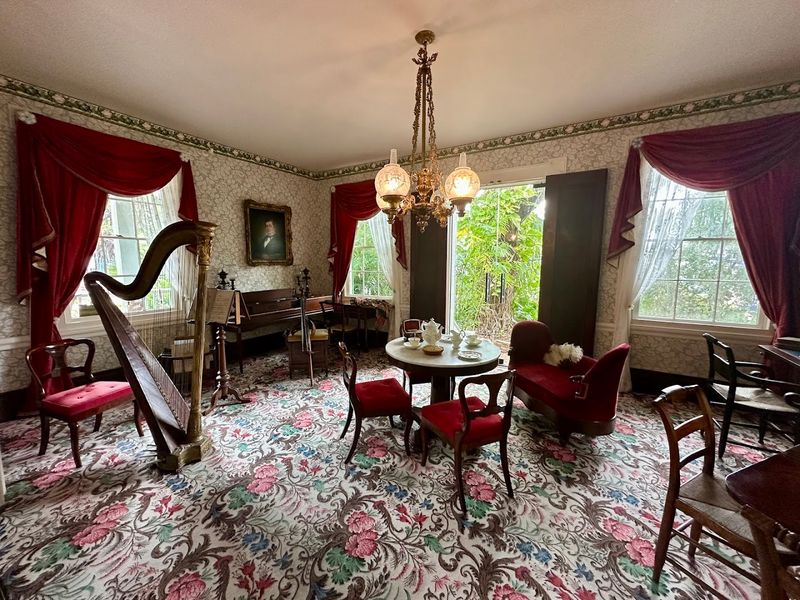
The Geiger family’s personal belongings fill the upper floors, offering an intimate look at daily life during Key West’s golden age of wrecking. Unlike many house museums that use generic period pieces, this collection features actual items owned by the people who lived here. From ornate furniture to small household objects, each piece helps paint a picture of how wealthy families lived on this remote island.
The attention to detail is remarkable. Kitchen implements, clothing, and decorative items all date to the correct period. You can almost imagine Mrs. Geiger selecting fabric for curtains or Captain Geiger reviewing shipping manifests at his desk.
The curators have arranged everything to feel lived-in rather than sterile, making history feel accessible instead of distant.
Some visitors wish more original pieces had survived, but the careful selection of authentic period replacements maintains historical accuracy. Reading the information cards beside each display adds context about how these objects were used and what they meant to families of that era. The top floor particularly impresses with its maximalist approach to decoration, showing how Victorian sensibilities translated to tropical island living in unexpected and sometimes surprising ways.
5. The Detached Cookhouse and Island Living Realities
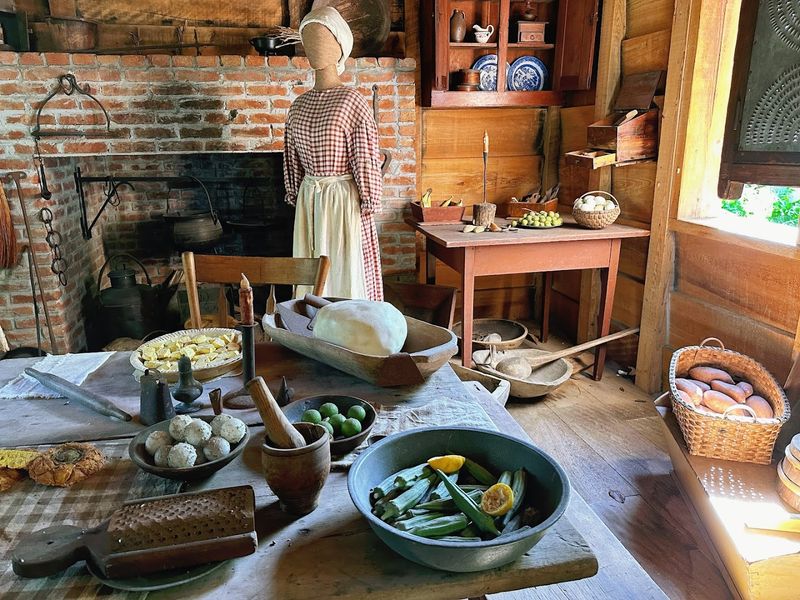
Out back sits a faithful replica of the original detached cookhouse, revealing a practical reality of 19th-century tropical architecture. Kitchens were built separately from main houses for two critical reasons: keeping cooking heat away from living spaces, and reducing fire danger to the primary structure. In Key West’s sweltering climate, this design made perfect sense even if it meant cooks walked outside in rain or blazing sun.
The cookhouse reconstruction shows authentic details about food preparation before refrigeration and modern conveniences. Period-appropriate utensils, cooking vessels, and work surfaces demonstrate how labor-intensive meal preparation once was. Imagine preparing three daily meals using wood fires in Florida heat, with no electric fans or ice to provide relief.
This building often gets overlooked by visitors rushing through, but it deserves attention. The setup illustrates class divisions too, since enslaved people or hired help typically worked in these hot, uncomfortable spaces while family members enjoyed cooler rooms inside. Understanding these realities adds important depth to the romantic image of historic homes.
The cookhouse serves as a reminder that beautiful architecture and elegant furnishings often depended on very difficult working conditions for some people.
6. Self-Guided Tours with Knowledgeable Staff Support
Forget about being herded through rooms on a rigid schedule. The Audubon House uses a smart touring system that gives you freedom while providing helpful context. Guides offer a brief 15-minute introduction in the living room, sharing key historical facts and interesting stories.
Then you’re free to explore at whatever pace feels right, spending extra time in rooms that capture your interest.
This approach works beautifully for different visitor types. History buffs can read every placard and examine details closely, while others might breeze through more quickly. Families with restless kids appreciate not feeling rushed or constrained.
Most people spend about an hour total, though you could easily linger longer if the gardens or artwork particularly captivate you.
Staff members position themselves throughout the property, ready to answer questions without hovering. Reviewers consistently praise how knowledgeable and friendly these guides are, sharing fascinating details about the Geiger family, Audubon’s visit, and Key West history. They seem genuinely enthusiastic about the place rather than just reciting memorized scripts.
The combination of structured introduction and independent exploration creates an ideal museum experience that respects your time while ensuring you don’t miss important context.
7. An Unexpected Oasis Steps from Duval Street Chaos
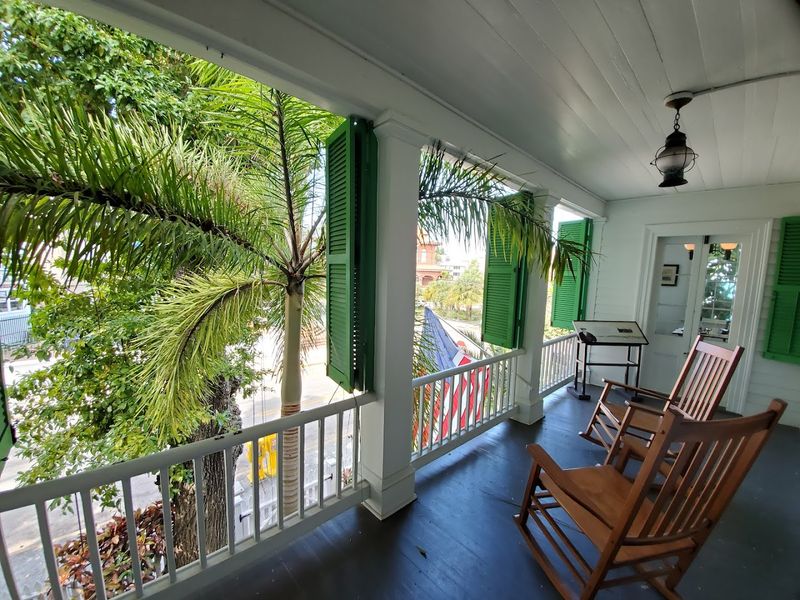
The location itself feels almost magical. You’re literally in the middle of Key West’s most tourist-packed neighborhood, yet the moment you enter the property, street noise fades away. Duval Street’s bars, shops, and crowds exist just around the corner, but inside these walls you’ll find rocking chairs on shaded porches and quiet garden paths where you can actually hear birds singing.
This contrast makes the Audubon House particularly valuable for visitors suffering from sensory overload. Key West’s energy can be wonderful but exhausting, especially during peak season when sidewalks overflow with cruise ship passengers. Having a calm, cultured refuge available provides necessary balance.
Many reviewers mention ducking in specifically to escape the heat and hustle, then discovering they genuinely enjoyed the history and beauty.
The central location also offers practical advantages. You can easily walk here from most downtown hotels or parking areas. After your visit, restaurants and entertainment sit just minutes away.
Some visitors stop by early in the day when they have the place nearly to themselves, then return to the busy streets refreshed. The property’s high walls and lush vegetation create an island within the island, proving that tranquility and tourism can coexist surprisingly well.
8. A Stunning Gift Shop Worth Your Attention
Museum gift shops often feel like afterthoughts, but not this one. Multiple reviewers specifically mention how impressed they were with the quality and selection of items available. Audubon prints and reproductions naturally feature prominently, giving you the chance to take home artwork connected to the naturalist’s legacy.
These aren’t cheap tourist trinkets but thoughtfully curated items that reflect the museum’s educational mission.
The shop carries books about Florida history, bird identification guides, and nature-themed gifts that actually relate to what you just experienced. Tropical-themed decorative items, locally made products, and unique souvenirs provide alternatives to the generic Key West merchandise sold everywhere else. The space itself is beautifully designed, making browsing a pleasure rather than a chore.
Prices seem reasonable for the quality offered, and purchases support the museum’s ongoing preservation work. If you’re looking for meaningful gifts or want something more substantial than shot glasses and T-shirts, this shop delivers. The staff can also provide information about the products and their connections to Audubon or Key West history.
It’s genuinely one of the prettiest museum shops visitors report seeing, which makes it a fitting end to your visit to this carefully maintained historic treasure.