Retirees Are Flocking to This Florida Small Town, and the Reason Is Obvious
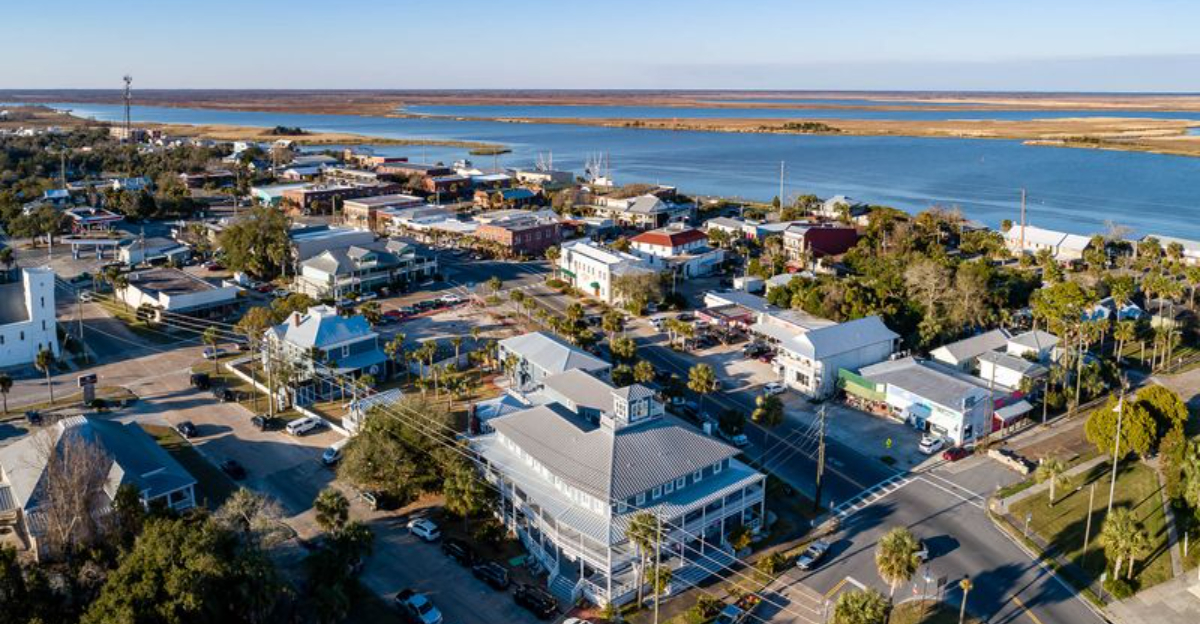
Tucked away on Florida’s forgotten coast, Apalachicola is quickly becoming one of the state’s best-kept retirement secrets. This charming waterfront town of just over 2,300 residents offers something rare: authentic Old Florida character without the tourist crowds or sky-high prices. From world-famous oysters to Victorian architecture and some of the most peaceful Gulf Coast sunsets you’ll ever see, it’s easy to understand why retirees are choosing this historic fishing village as their forever home.
1. Affordable Cost of Living Without Compromise
Housing prices in Apalachicola remain refreshingly reasonable compared to most Florida coastal communities. While other Gulf Coast towns have seen explosive growth and corresponding price hikes, this quiet city offers waterfront living at a fraction of the cost. Retirees can actually afford a home with character here—think historic cottages and charming bungalows—without draining their retirement accounts.
Beyond housing, everyday expenses stay manageable too. Groceries, utilities, and dining out won’t break the bank like they might in Naples or Destin. Local restaurants serve fresh seafood at prices that feel like they’re from another decade.
The farmer’s market offers locally grown produce that’s both affordable and delicious.
Property taxes in Franklin County remain lower than many Florida counties, which matters when you’re on a fixed income. There’s no state income tax either, so your retirement dollars stretch further. Healthcare facilities are accessible without the premium costs associated with larger metro areas.
The slower pace doesn’t mean sacrificing quality of life—it means your money goes further while you enjoy genuine coastal living. That’s a trade-off more retirees are discovering makes perfect financial sense.
2. World-Class Seafood Right at Your Doorstep
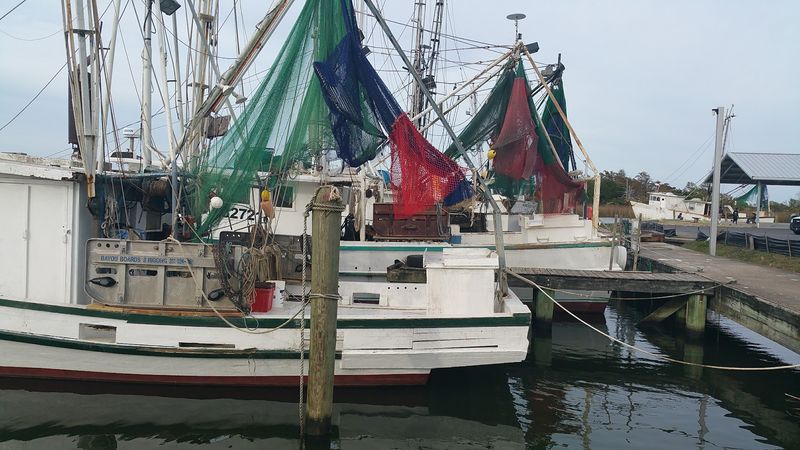
Apalachicola Bay produces some of the finest oysters on the planet, and living here means you’re at ground zero for the freshest seafood imaginable. The town’s identity is deeply tied to its oyster industry, which has thrived for generations. Retirees who love cooking or simply appreciate exceptional food find this an unbeatable perk of daily life.
Local seafood markets sell the day’s catch at prices that would shock visitors from inland areas. You can buy shrimp, grouper, and mullet straight from the fishermen who caught them that morning. Many retirees develop friendships with local watermen, learning the rhythms of the bay and the best recipes for preparing their haul.
Restaurants throughout town serve up oysters prepared every way imaginable—raw, steamed, fried, or baked. Boss Oyster and Up the Creek Raw Bar are local institutions where you can enjoy waterfront dining without pretension or inflated prices. The annual Florida Seafood Festival every November celebrates this culinary heritage with thousands of visitors.
For food-loving retirees, having access to this quality and variety of seafood transforms everyday meals into something special. It’s coastal living at its most delicious.
3. Walkable Historic Downtown with Real Character
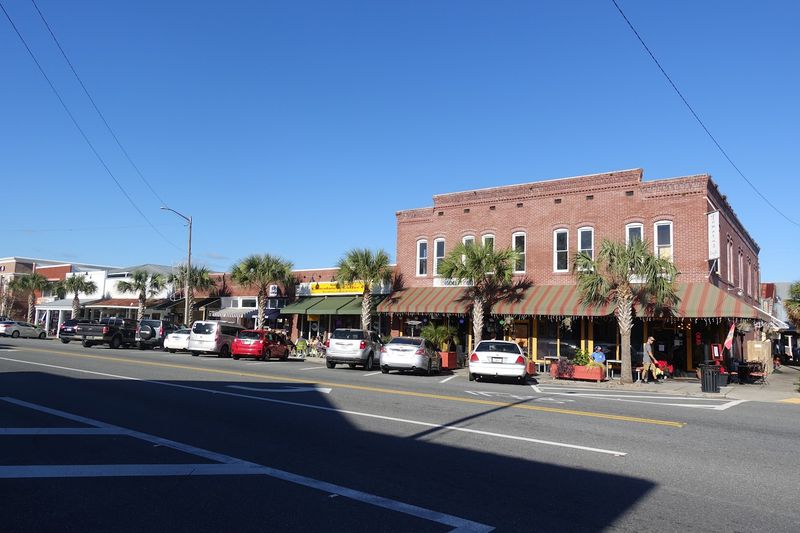
Few things matter more to retirees than a walkable community, and Apalachicola delivers beautifully. The compact downtown district spans just a few blocks, making it easy to stroll from coffee shops to boutiques to the waterfront without ever getting in a car. Wide sidewalks and a flat landscape make walking comfortable even on warmer days.
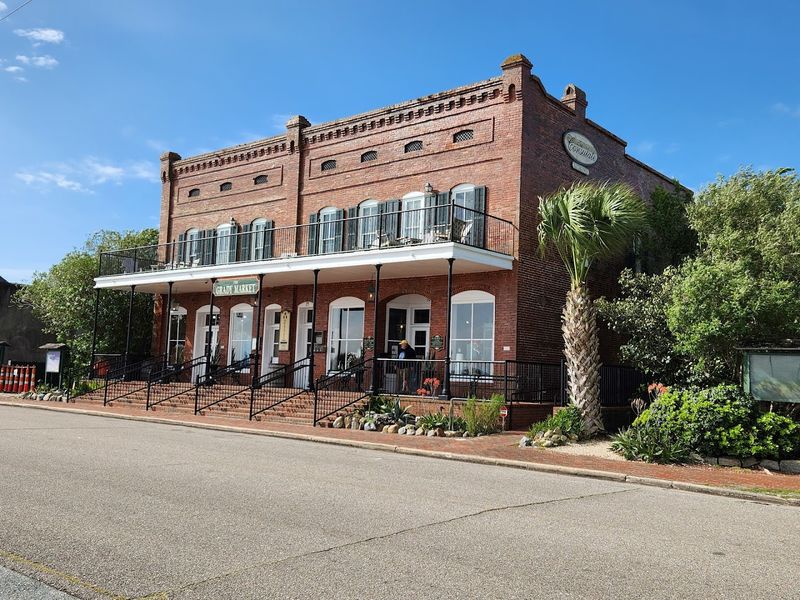
The architecture tells stories from another era. Buildings dating back to the 1800s house galleries, antique stores, and locally owned shops that give the town authentic charm. There’s no chain-store sprawl here—just genuine mom-and-pop businesses run by people who know your name.
The Raney House Museum and John Gorrie Museum offer glimpses into the town’s fascinating history.
Battery Park sits right on the bay, providing a perfect spot for morning walks or sunset watching. Benches overlook the water where shrimp boats and sailboats drift by throughout the day. The pace is unhurried, the atmosphere genuinely friendly.
Retirees appreciate not needing to drive everywhere or navigate confusing suburban sprawl. Everything you need sits within a pleasant walk, encouraging an active lifestyle while fostering real community connections. That kind of accessibility becomes increasingly valuable as we age.
4. Peaceful Small-Town Atmosphere Away from Crowds
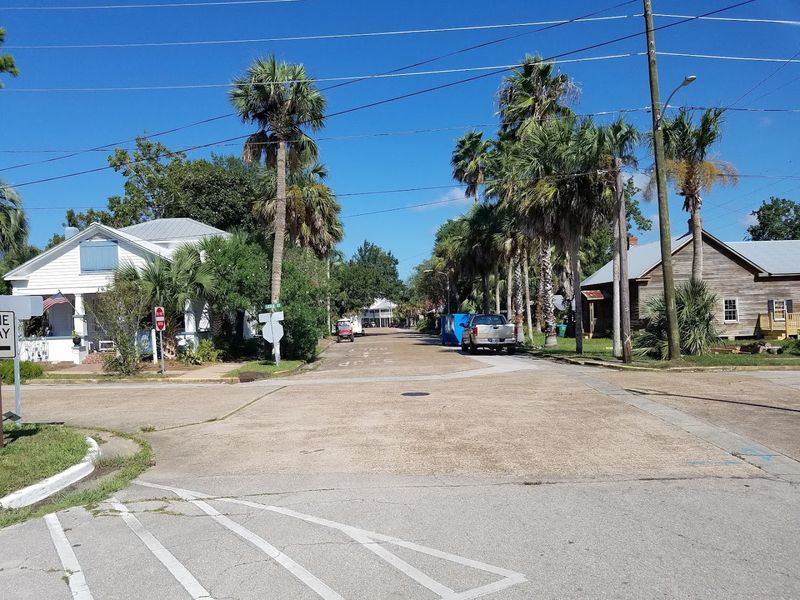
With just over 2,300 residents, Apalachicola offers the kind of tranquility that’s nearly impossible to find in Florida anymore. There are no traffic jams, no endless strip malls, and definitely no theme park crowds. What you get instead is a place where you can actually hear birds singing and where neighbors wave when you pass by.
The town attracts visitors, particularly during oyster season and festival weekends, but it never feels overrun. Unlike beach towns farther south, Apalachicola hasn’t been discovered by massive development or spring break chaos. The rhythm of life follows the tides and fishing seasons rather than tourist calendars.
Retirees often mention the mental health benefits of this slower pace. Stress melts away when your biggest decision is whether to have oysters for lunch or dinner. You can read a book on your porch without constant noise pollution.
Evenings bring genuine quiet—the kind where you notice the rustle of palm fronds and distant boat engines.
This isn’t a place for people seeking nightlife or constant entertainment. But for those ready to trade hustle for peace, Apalachicola delivers exactly what the soul needs. Sometimes the best retirement gift is simply slowing down.
5. Natural Beauty and Outdoor Recreation Opportunities
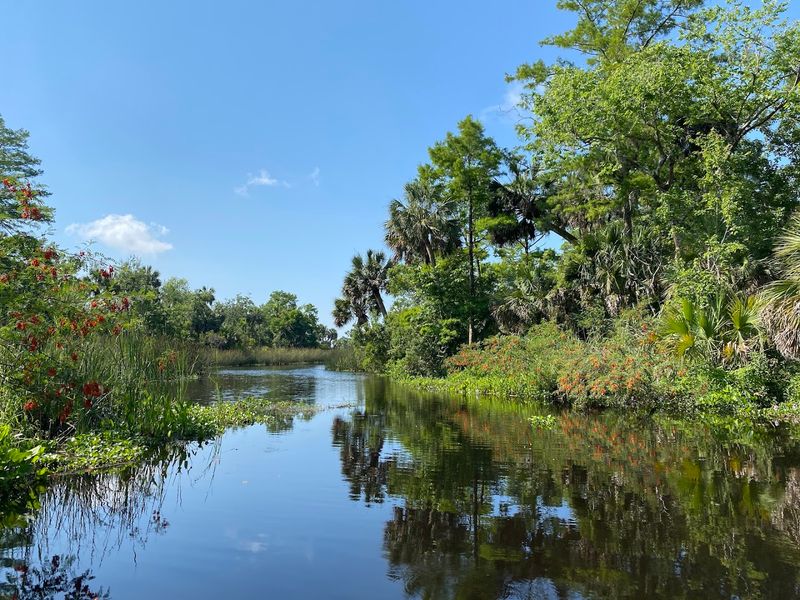
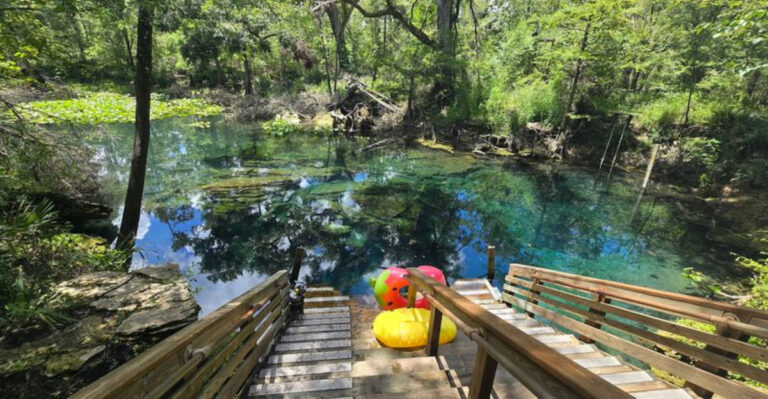
Nature lovers find paradise in Apalachicola’s surroundings. The bay itself is an estuary system teeming with wildlife—dolphins, manatees, and hundreds of bird species make their home in these protected waters. Retirees can kayak through winding marshes, fish from quiet shorelines, or simply observe the natural world from comfortable vantage points.
St. George Island sits just a short drive across the bridge, offering 28 miles of pristine, uncrowded beaches. The sand is white and soft, the water clear and relatively calm. It’s the kind of beach experience that feels private even on busier days.
Dr. Julian G. Bruce St. George Island State Park protects nine miles of undeveloped coastline perfect for shelling and bird watching.
The Apalachicola National Forest borders the area, providing trails for hiking and wildlife observation. Freshwater springs, longleaf pine forests, and cypress swamps offer ecosystems completely different from the coastal environment. Photographers and nature enthusiasts never run out of subjects to explore.
For retirees who want to stay active outdoors without extreme exertion, this region offers perfect options. Gentle kayaking, casual beach walks, and peaceful fishing provide exercise and fresh air without requiring marathon-level fitness. Nature becomes part of daily life rather than a special occasion.
6. Tight-Knit Community with Southern Hospitality
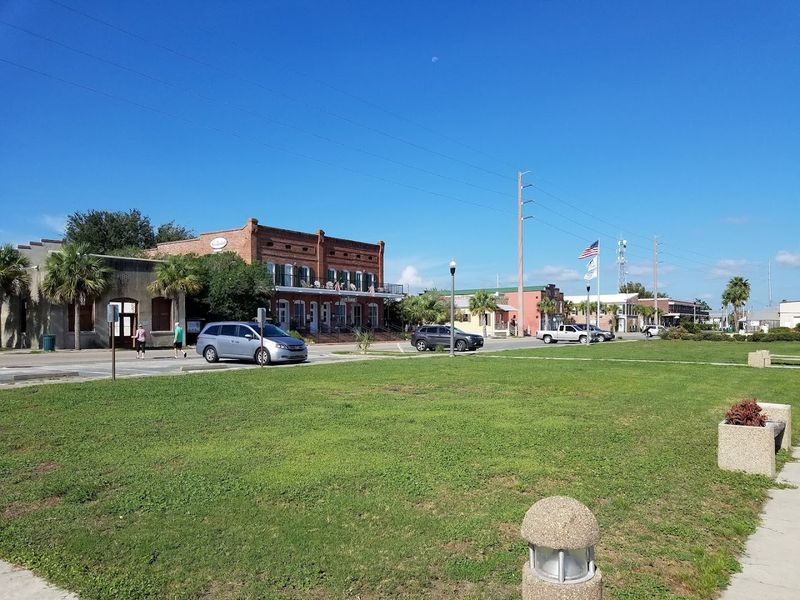
Newcomers often comment on how quickly they feel welcomed in Apalachicola. This isn’t a place where people keep to themselves or treat outsiders with suspicion. Southern hospitality runs deep here, with longtime residents genuinely interested in getting to know the retirees choosing their town as home.
Community events bring people together regularly. The monthly Art Walk showcases local artists while giving neighbors a chance to catch up. Church congregations welcome new members warmly.
Volunteer opportunities abound for those wanting to give back—the library, historical society, and environmental groups always appreciate helping hands.
Local businesses become gathering spots where regulars exchange news and stories. The same faces appear at the coffee shop each morning, creating informal social networks that combat the isolation some retirees experience. People look out for each other here in ways that feel genuine rather than intrusive.
For retirees leaving behind cities where they never knew their neighbors, this sense of community can be transformative. You’re not just moving to a location—you’re joining a town that still functions like communities used to. Birthday celebrations at local restaurants, impromptu dock conversations, and genuine friendships form naturally.
That kind of social connection contributes enormously to happiness and longevity in retirement.
7. Mild Climate Perfect for Year-Round Outdoor Living
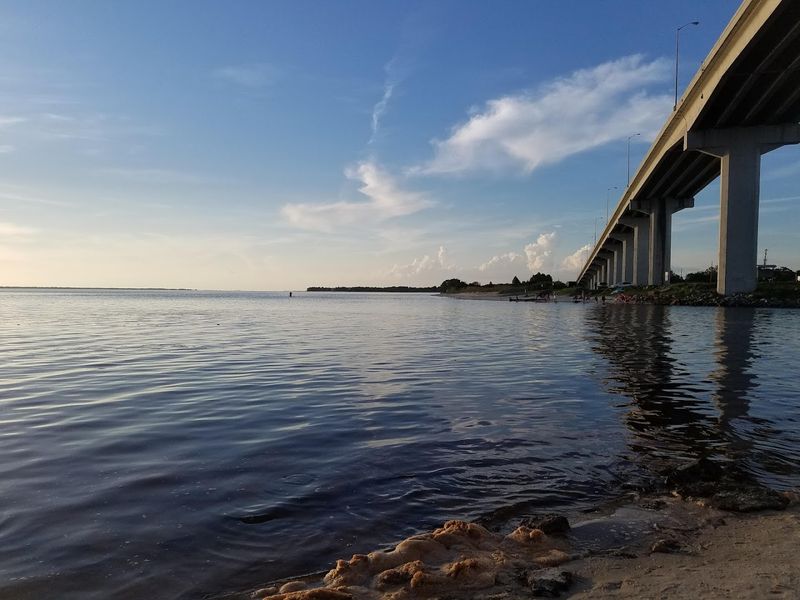
Located on the Panhandle’s forgotten coast, Apalachicola enjoys milder temperatures than South Florida while still offering genuine warmth. Summers are hot, yes, but Gulf breezes provide relief that inland areas don’t experience. Winter months bring the real payoff—comfortable temperatures perfect for enjoying the outdoors when northern states are buried in snow.
January highs average in the low 60s, meaning you can golf, fish, or garden comfortably throughout winter. Freezes are rare, allowing tropical plants to thrive while avoiding the oppressive heat of Miami or Fort Myers. Spring and fall offer extended periods of absolutely perfect weather when you’ll want to spend every moment outside.
The Gulf moderates temperature extremes in both directions. You won’t face the brutal humidity of Florida’s interior, nor the surprisingly cold winters that surprise people in North Florida. Rain comes and goes quickly rather than settling in for days, and hurricane risk, while present, is lower than communities farther south on the peninsula.
For retirees with arthritis or other conditions affected by weather, this climate offers genuine relief. Mild winters mean less joint pain and more mobility. You can maintain an active outdoor lifestyle twelve months a year without extreme heat or cold limiting your activities.
That’s worth more than many people realize.
8. Rich History and Cultural Heritage to Explore
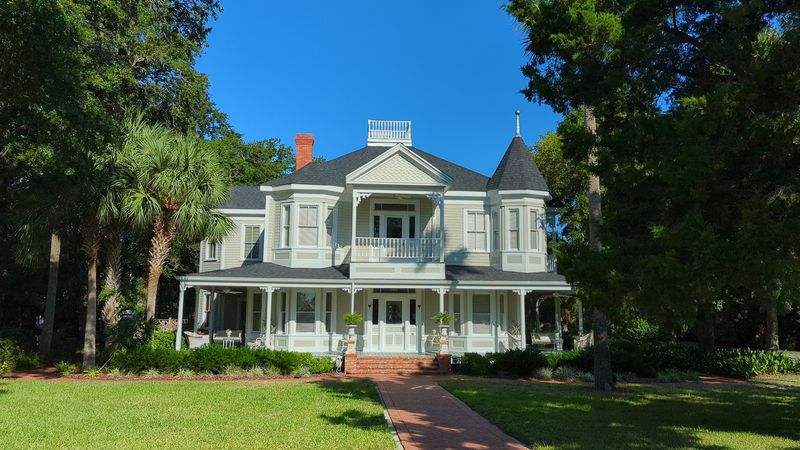
Apalachicola’s history runs deeper than most Florida towns can claim. Founded in 1831, it became a major cotton shipping port and one of the Gulf Coast’s most important cities in the 19th century. That legacy lives on in beautifully preserved buildings and museums that tell fascinating stories about Florida’s past.
Dr. John Gorrie, who invented mechanical refrigeration and air conditioning, lived and worked here. His museum downtown honors his groundbreaking contributions to modern comfort—something every Floridian should appreciate. The Raney House Museum showcases life in a prosperous 1830s home, complete with period furnishings and artifacts that bring history to life.
The town’s maritime heritage remains visible everywhere you look. Working watermen still harvest oysters using traditional methods passed down through generations. Historic churches, the old Sponge Exchange building, and antebellum homes create a living history lesson that beats any textbook.
Walking tours reveal architectural details and stories that deepen your connection to the place.
Retirees with curious minds never run out of things to learn and explore. Local historical societies offer lectures and presentations. The library hosts author talks and cultural events.
Living in a place with genuine historical significance adds depth and meaning to daily life that modern suburbs simply can’t match.