These 10 Scenic Small Towns in Florida Are Pure Peace and Quiet
Florida isn’t just about theme parks and crowded beaches. Tucked away from the tourist chaos, you’ll find charming small towns where life slows down and the scenery takes center stage. These hidden gems offer waterfront views, historic streets, and a laid-back vibe that feels like stepping into a different era.
1. Cedar Key (Levy County)
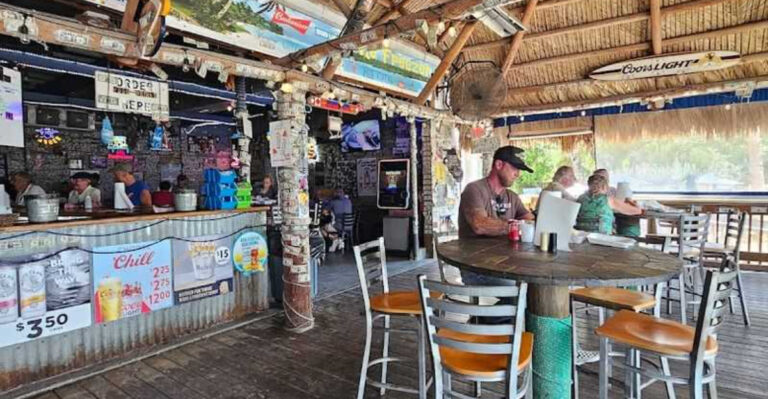
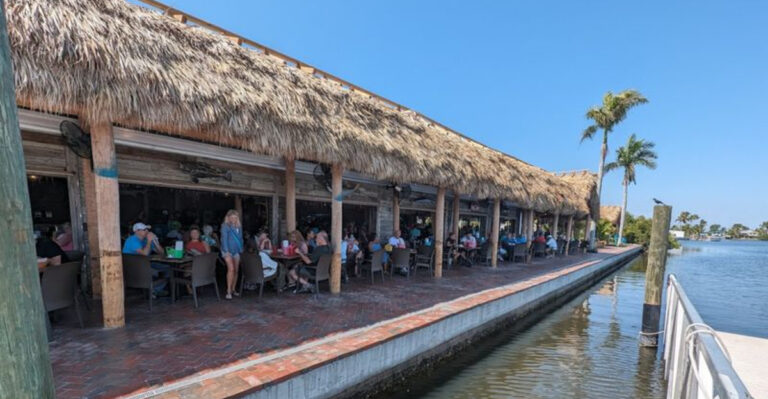
Imagine a place where clam shacks outnumber chain restaurants and the biggest traffic jam involves boats, not cars. Cedar Key sits on a cluster of islands along Florida’s Nature Coast, miles away from Interstate highways and modern hustle. The sunsets here paint the sky in colors you didn’t know existed, while pelicans dive for dinner just offshore.
Walking down Dock Street feels like time travel. Old wooden buildings house art galleries, seafood joints, and quirky shops selling everything from handmade jewelry to vintage postcards. The entire downtown stretches maybe three blocks, which means you can explore it all in an afternoon without breaking a sweat.
Fishing culture runs deep here. Charter boats leave early morning for grouper and redfish, while locals cast lines right off the seawall. If you’re not into fishing, kayaking through the salt marshes offers close encounters with manatees and dolphins.
The water stays shallow and calm, perfect for beginners.
Cedar Key State Museum tells stories of the town’s past as a pencil manufacturing hub. Who knew? The island also hosts an annual Seafood Festival that draws crowds, but most weekends remain blissfully quiet.
Just you, the water, and maybe a few pelicans.
2. Mount Dora (Lake County)
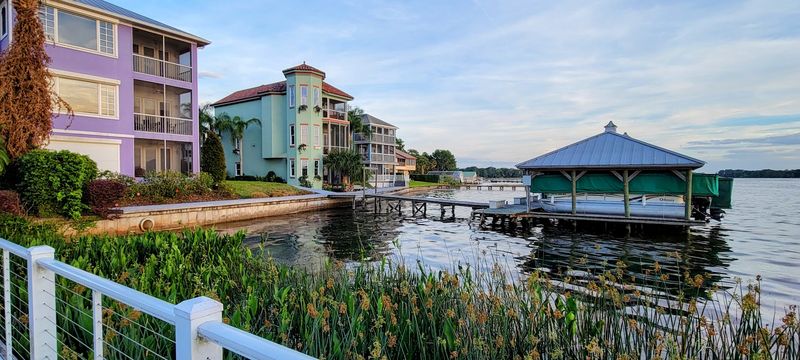
Antique lovers, rejoice. Mount Dora packs more vintage shops into its compact downtown than seems physically possible. The entire historic district wraps around hilly streets lined with oak trees, which is unusual for Florida’s typically flat landscape.
Those gentle slopes give the town a New England feel, especially when fall decorations appear.
Lake Dora stretches out just beyond the shops, offering boat tours and waterfront dining. The Lakeside Inn, dating back to 1883, still welcomes guests with rocking chairs on the porch and stories in every creaky floorboard. You can rent kayaks or paddleboards to explore the lake’s quieter corners, where cypress trees create natural tunnels.
Art galleries pop up between the antique stores, showcasing local painters and sculptors. First Fridays bring wine walks and live music, transforming the streets into an outdoor party. But even on regular days, street musicians often set up near the fountain, adding soundtrack to your shopping.
The Renninger’s Antique Center hosts massive flea markets that attract serious collectors. Beyond shopping, Mount Dora offers hiking trails at nearby parks and a lighthouse you can climb for panoramic views. The town celebrates everything from craft beer to sailing regattas, yet somehow maintains its small-town charm year-round.
3. Micanopy (Alachua County)
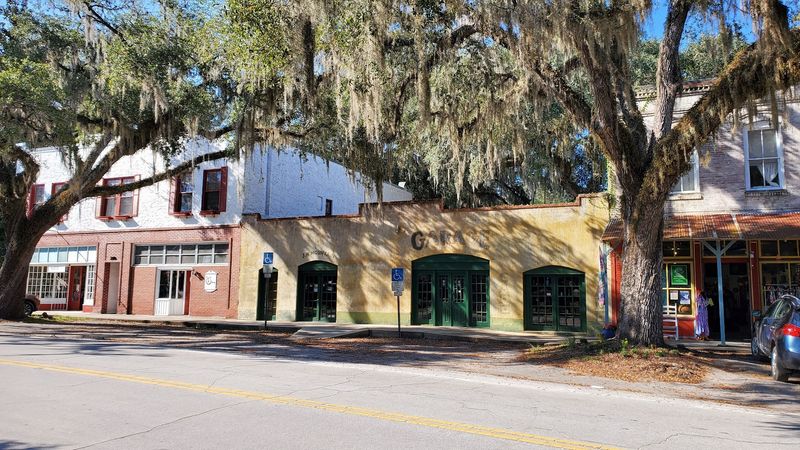
Blink and you might miss the Micanopy exit off I-75, which would be a shame. This town claims the title of Florida’s oldest inland settlement, and the history soaks into everything. Massive live oaks draped in Spanish moss create cathedral-like canopies over Cholokka Boulevard, the main drag that runs barely half a mile.
Antique shops and used bookstores dominate the storefronts, each one packed with treasures from Florida’s past. The Micanopy Historical Society Museum occupies an old warehouse and displays artifacts from Seminole times through the citrus boom. Movie buffs might recognize locations from the film adaptation of a famous novel shot here decades ago.
Paynes Prairie Preserve State Park borders the town, offering 21,000 acres of wetlands, prairies, and forests. Wild horses and bison roam freely across the landscape, visible from observation towers along the trails. The preserve’s biodiversity attracts serious birders who check off rare species on their lists.
Sunday afternoons bring music to the park gazebo, where locals gather with picnic blankets and folding chairs. The Old Florida Cafe serves comfort food in a building that’s seen over a century of diners. Everything moves slower here, intentionally.
Residents like it that way, and visitors quickly adjust to the unhurried pace.
4. Apalachicola (Franklin County)
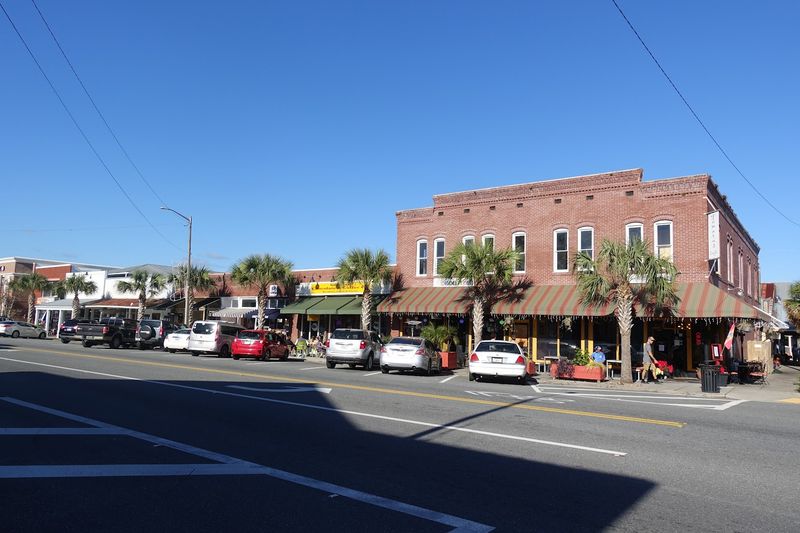
Oysters made this town famous. Apalachicola Bay produces some of the tastiest bivalves in America, and the local restaurants know exactly how to serve them. Fresh, raw, steamed, fried—you’ll find oysters prepared every way imaginable.
The annual Florida Seafood Festival celebrates this heritage every November with cook-offs and boat parades.
Beyond seafood, Apalachicola’s historic district deserves exploration. Victorian-era buildings house boutiques, galleries, and cafes along brick-lined streets. The Gibson Inn, built in 1907, stands as a preserved example of Old Florida hospitality.
Its wraparound porches offer perfect spots for afternoon sweet tea and people-watching.
The John Gorrie Museum honors the physician who invented mechanical refrigeration right here in town. His innovation changed food storage forever, though he never saw the financial rewards. The Apalachicola River flows nearby, creating estuaries rich with wildlife and excellent fishing spots.
Artists have discovered Apalachicola in recent years, opening studios throughout downtown. First Saturday art walks let visitors meet creators and watch demonstrations. St. George Island sits just across the bridge, offering pristine beaches without high-rise condos.
But honestly, you might not leave Apalachicola’s shaded streets and waterfront views. The town holds you gently, like the bay holds its oysters.
5. Seaside (Walton County)
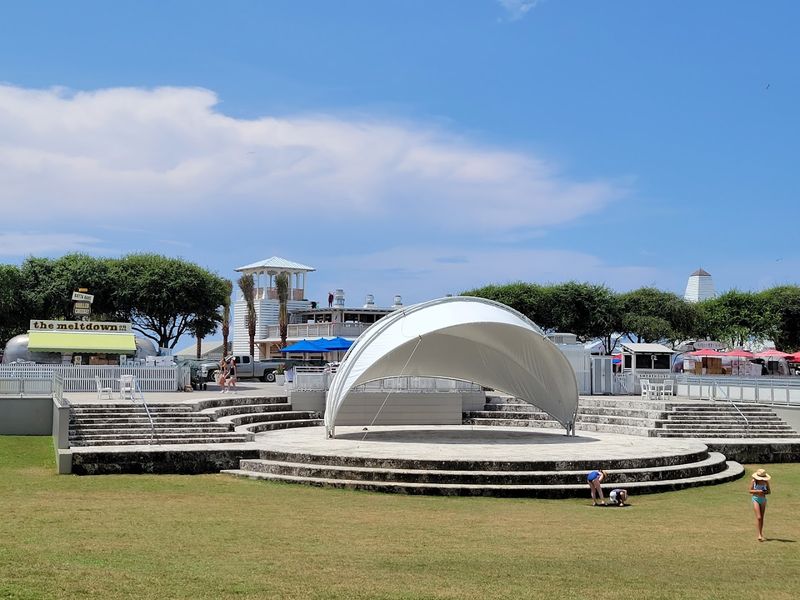
Picture-perfect doesn’t begin to describe Seaside. This planned community along Highway 30A looks like someone designed a town using only cheerful colors and architectural harmony. Pastel cottages with white picket fences line pedestrian-friendly streets, while the central square hosts outdoor concerts and farmers markets.
You’ve probably seen it in movies without realizing the location.
The beach access paths lead to some of the Gulf Coast’s whitest sand and clearest water. Unlike crowded resort areas, Seaside limits building heights and commercial development. The result feels intimate despite welcoming visitors from everywhere.
Bike rentals make getting around easy, and most everything sits within walking distance anyway.
Local shops sell beachwear, art, and gourmet foods without the usual tourist trap vibe. Bud & Alley’s restaurant overlooks the Gulf, serving fresh seafood with sunset views that inspire marriage proposals. The Seaside Repertory Theatre produces shows year-round, bringing culture to this coastal community.
Critics sometimes call Seaside too manufactured, too deliberately quaint. Fair point. The town was literally designed from scratch in the 1980s as a New Urbanist experiment.
But the vision worked. Families return year after year, renting the same cottage and rediscovering familiar rhythms. The architecture might be intentional, but the relaxation feels completely genuine.
6. Matlacha (Lee County)
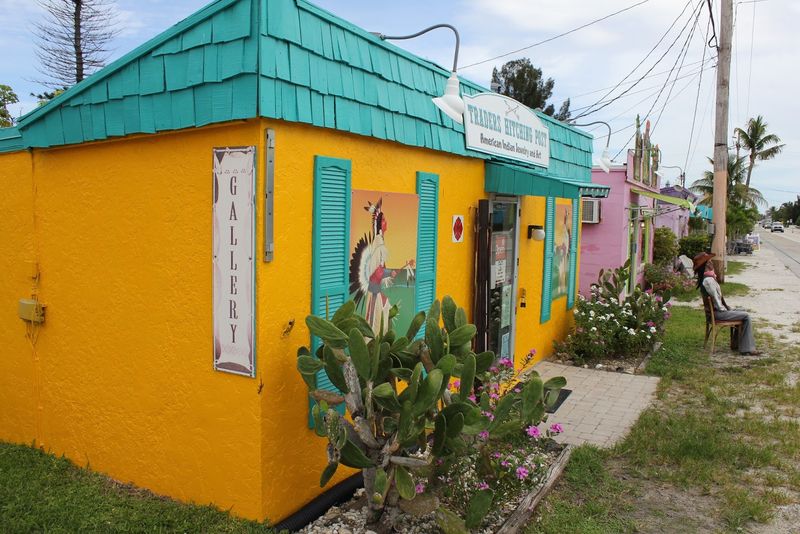
Calling Matlacha quirky understates the situation. This tiny fishing village explodes with color—buildings painted purple, orange, turquoise, and every shade in between. Artists claimed this place decades ago, transforming old fish shacks into galleries and studios.
The entire town stretches along one main road connecting Pine Island to the mainland, making it impossible to miss.
Art galleries outnumber restaurants, which says something about Matlacha’s priorities. You’ll find everything from serious marine paintings to whimsical metal sculptures shaped like tropical fish. Many artists work on-site, welcoming visitors to watch their process.
The laid-back island vibe encourages browsing without pressure to buy anything.
Fishing guides operate from docks behind the galleries, offering trips into Pine Island Sound’s productive waters. Snook, redfish, and tarpon cruise these flats, attracting anglers from across the country. Even if you don’t fish, watching the boats come in at sunset provides free entertainment.
Restaurants serve fresh seafood in buildings that lean slightly from decades of hurricane winds. The food tastes better somehow when eaten at picnic tables overlooking the water. Matlacha Pass Aquatic Preserve surrounds the village, protecting seagrass beds and mangrove islands.
Kayak rentals let you explore these ecosystems up close, spotting dolphins, manatees, and countless bird species along the way.
7. Anna Maria (Manatee County)
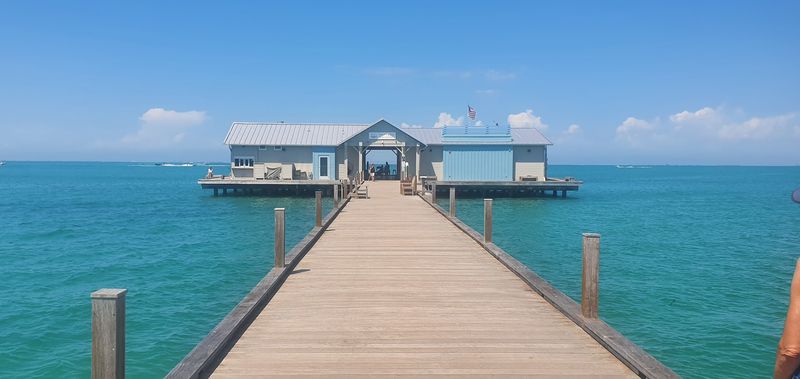
Seven miles of barrier island, zero traffic lights. Anna Maria Island operates on island time, where flip-flops count as formal wear and nobody rushes anywhere. The town of Anna Maria occupies the northern tip, featuring historic cottages and mom-and-pop motels that refuse to sell out to developers.
Pine Avenue leads to the City Pier, where locals fish and tourists snap photos of spectacular sunsets.
The beaches here rival any in Florida, with powder-soft sand and water that shifts from emerald to sapphire depending on the light. Unlike many Gulf Coast destinations, Anna Maria maintains strict building codes preventing high-rises. The tallest structures remain the palm trees, preserving sight lines and small-town character.
Bean Point sits at the island’s northern tip, accessible only by foot. This undeveloped stretch of beach offers solitude and some of the best shelling on the Gulf Coast. Bring a bag because you’ll find sand dollars, fighting conchs, and occasionally rare specimens washed up overnight.
The free trolley system connects Anna Maria with Bradenton Beach and Holmes Beach, making car-free exploration easy. Restaurants range from casual beachside grills to upscale seafood houses, but nothing feels pretentious. The Rod & Reel Pier has served grouper sandwiches since 1947, and locals guard this tradition fiercely.
Vacation here feels like visiting family who happen to live in paradise.
8. DeFuniak Springs (Walton County)
A perfectly circular spring-fed lake sits at the heart of DeFuniak Springs, surrounded by Victorian homes that belong on postcards. This geological oddity measures nearly a mile around, creating a natural centerpiece for the entire town. Legend claims only two perfectly round lakes exist worldwide, and DeFuniak Springs owns one of them.
The Chautauqua movement brought culture and education to this railroad town in the late 1800s. The Chautauqua Hall of Brotherhood still stands, hosting concerts and events in a building that’s witnessed over a century of gatherings. Walking the residential streets around the lake reveals architectural gems—Queen Anne mansions, Folk Victorian cottages, and Classical Revival beauties, many still occupied as family homes.
The Walton County Heritage Museum occupies an old railroad depot, displaying artifacts from turpentine camps and early tourism days. Downtown shops sell antiques and local crafts in buildings that remember when this was the only commercial hub for miles. The library claims fame as Florida’s oldest continuously operating library, founded in 1887.
Lake DeFuniak itself offers fishing, though mostly residents cast lines from the public access points. The annual Chautauqua Festival celebrates the town’s unique history with period costumes, historic demonstrations, and performances. Between festivals, DeFuniak Springs simply exists peacefully, a town that treasures its past while welcoming visitors who appreciate slower rhythms.
9. Fernandina Beach (Amelia Island)
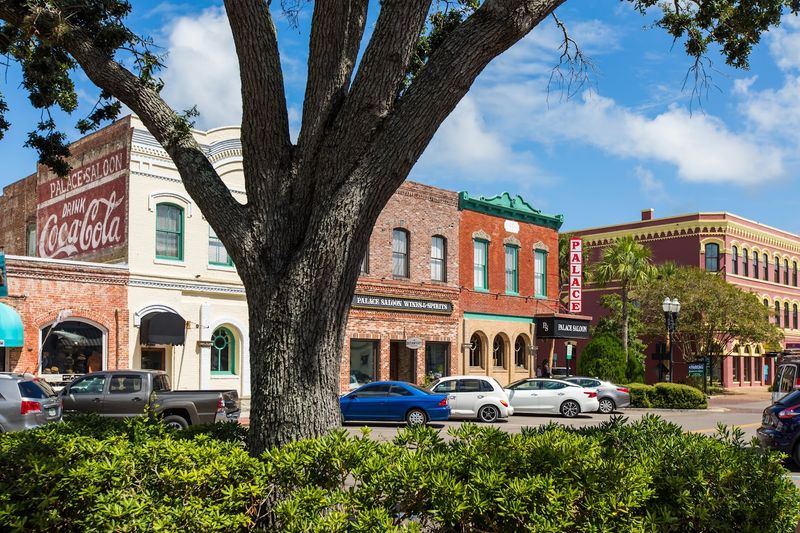
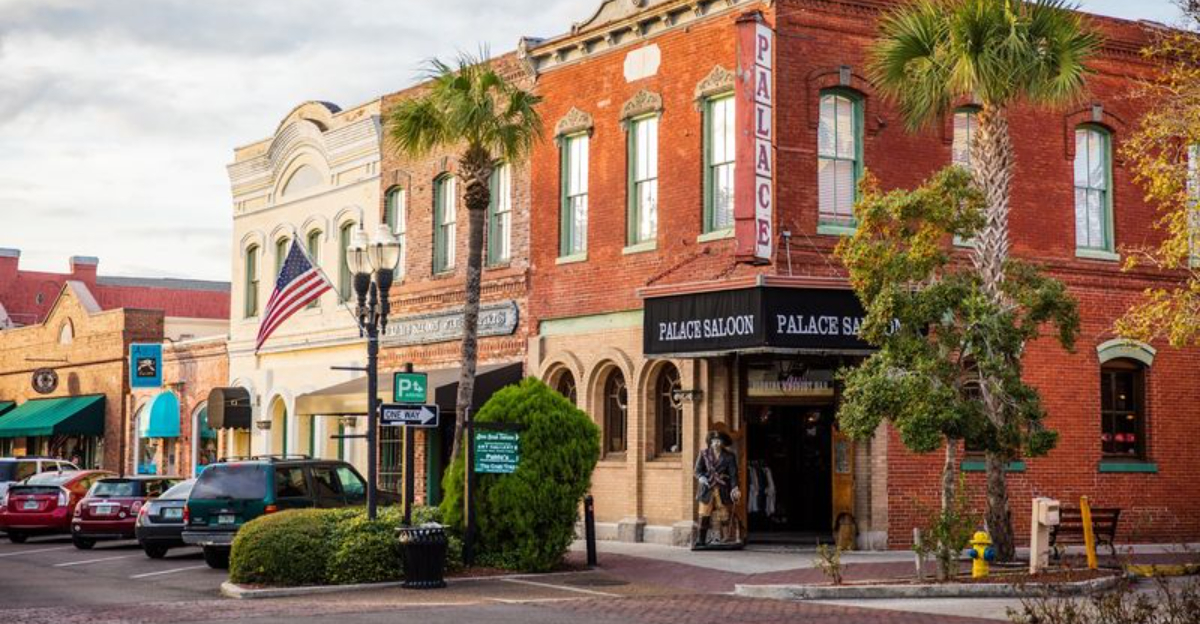
Amelia Island’s northernmost town blends maritime history with modern resort amenities, somehow pulling off both without compromise. Fernandina Beach’s historic downtown stretches along Centre Street, where Victorian buildings house restaurants, galleries, and shops. The Palace Saloon claims the title of Florida’s oldest continuously operating bar, serving drinks since 1903 through Prohibition and beyond.
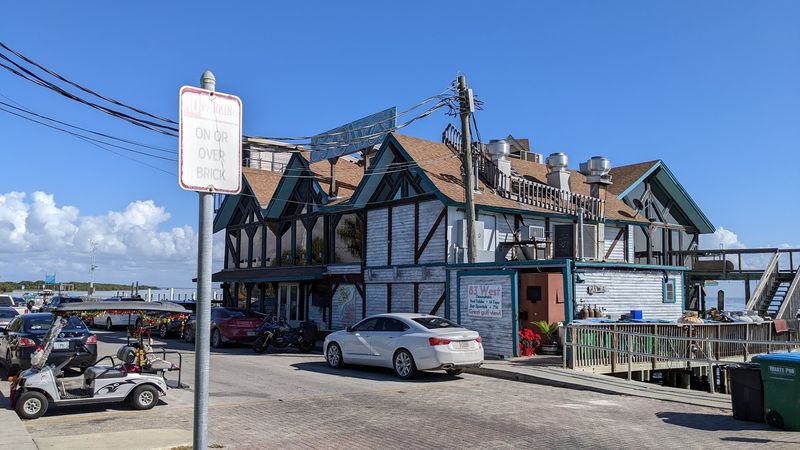
The shrimp boat docks provide working-waterfront character increasingly rare in Florida. Commercial fishermen still unload their catch here, supplying local restaurants with the freshest seafood possible. The marina district combines this authentic fishing culture with upscale dining and boutique hotels, creating interesting contrasts at every turn.
Fort Clinch State Park occupies the island’s northern tip, featuring a well-preserved Civil War fort and pristine beaches. Rangers in period costume demonstrate 1864 garrison life on the first weekend of each month. The park’s trails wind through maritime forests and salt marshes, offering excellent birding opportunities.
Amelia Island’s beaches stretch for miles, with public access points scattered along the shore. The sand packs firm enough for cycling, and you’ll often see riders cruising the tide line at sunset. Golf courses and the Ritz-Carlton bring resort crowds, but Fernandina’s historic core maintains its character.
The annual Shrimp Festival each May celebrates the town’s seafood heritage with cook-offs, parades, and enough fried shrimp to feed thousands.
10. Grayton Beach (Walton County)
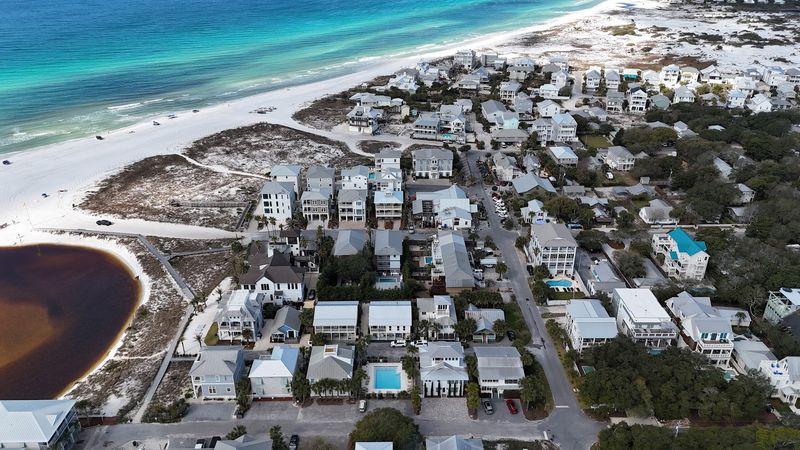
Before 30A became famous, Grayton Beach was already legendary among those who knew. This unincorporated community maintains an old Florida beach vibe that disappeared elsewhere decades ago. Weathered cottages hide among scrub oaks and sand pines, connected by sandy lanes that discourage speeding.
The beach consistently ranks among America’s best, and one visit explains why.
Grayton Beach State Park protects over 2,000 acres of coastal dune lakes, salt marshes, and pristine shoreline. These rare coastal dune lakes occur in only a few places worldwide, creating unique ecosystems where freshwater and saltwater mix. Kayaking Western Lake offers chances to spot alligators, sea turtles, and wading birds all in one paddle.
The Red Bar became a local institution, serving eclectic food and hosting live music in a building that defies easy description. Corrugated metal, colorful paint, and creative chaos define the aesthetic. Locals and visitors mix easily here, united by good music and cold drinks.
The vibe stays funky and welcoming, never pretentious despite the area’s rising property values.
Grayton’s beaches remain uncommercial. No high-rises block the view, no beach bars blast music. Just sugar-white sand, clear Gulf water, and dunes held together by sea oats.
The lack of development means fewer crowds, even during peak season. Families spread blankets and stay all day, rediscovering what beach vacations meant before commercialization took over.