This Historic Florida Fishing Village Is Full of Sea Breeze and Old-School Charm
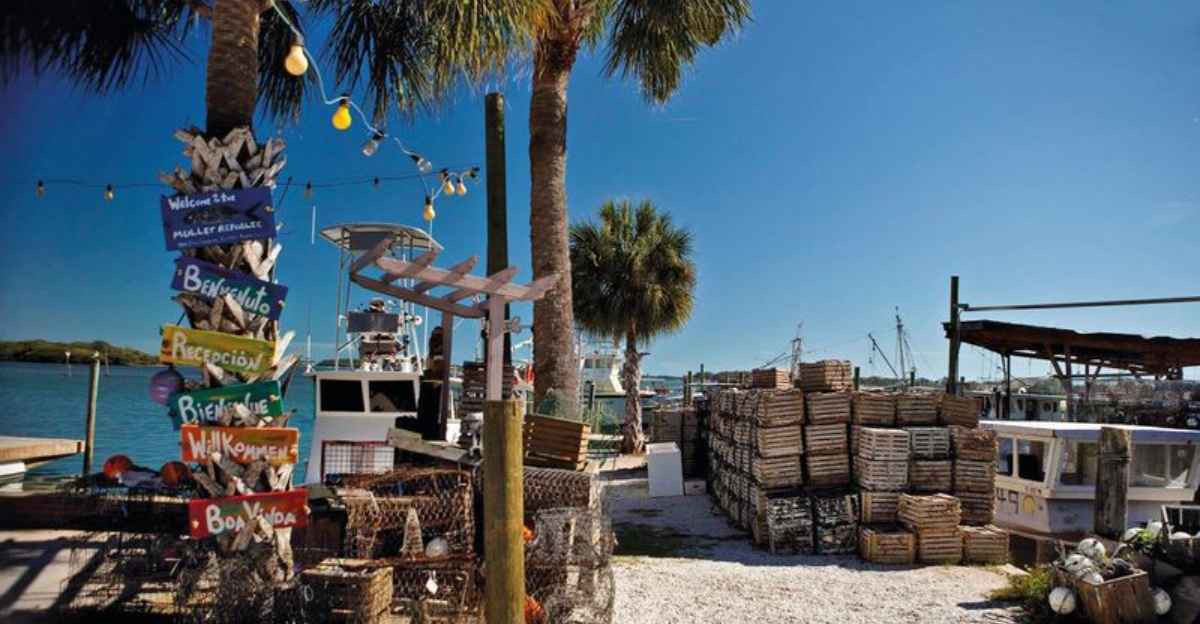
Tucked along Florida’s Gulf Coast, Cortez is a fishing village that time forgot—in the best way possible. Founded in the 1880s by North Carolina settlers, this tiny Manatee County community still runs on fish houses, wooden docks, and families who’ve worked these waters for generations. With weathered cottages, salty air, and zero chain restaurants, Cortez offers a rare glimpse into Old Florida before the condos took over.
1. A Working Waterfront That Still Works
Walk down to the docks and you’ll see something increasingly rare in Florida: actual fishermen doing actual work. Cortez remains one of the last commercial fishing villages on the Gulf Coast, where boats unload their catch daily and fish houses process seafood the way they have for over a century. No theme park version here—just nets, ice, and the smell of honest labor.
The waterfront isn’t prettied up for tourists. You’ll find working boats tied to weathered pilings, stacks of crab traps waiting for the next run, and locals who know the difference between a pompano and a permit without Googling it. Families who’ve fished these waters since the 1800s still operate out of the same docks their great-grandparents built.
This isn’t a museum exhibit you observe from behind velvet ropes. The fishing industry here is alive, messy, and unapologetically real. Watch boats head out before dawn or return with holds full of mullet and stone crab, and you’ll understand why preservationists fight so hard to keep Cortez exactly as it is—functional, authentic, and stubbornly resistant to becoming another boutique shopping district.
2. The Village Historic District Where History Lives
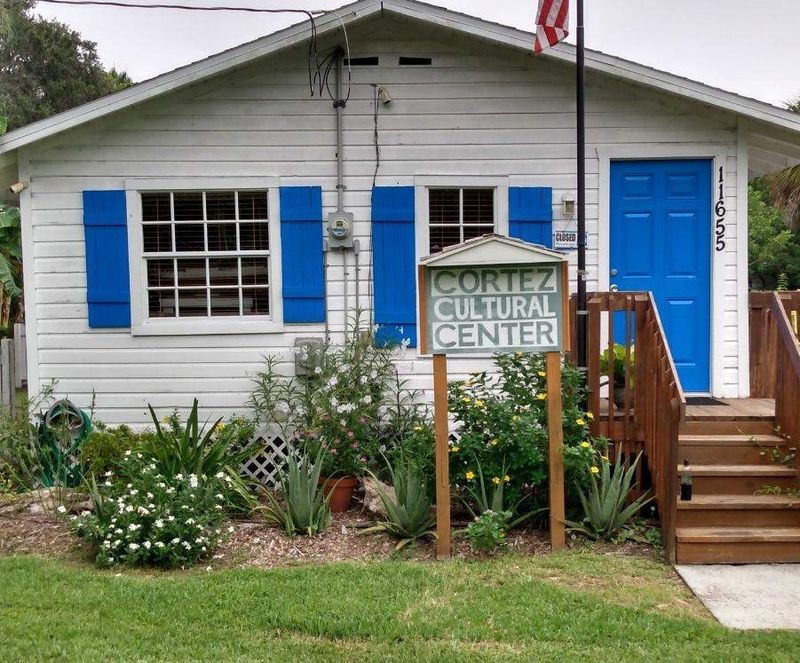
Cortez earned its spot on the National Register of Historic Places, and one walk through the village tells you why. The historic district preserves buildings and homes dating back to the village’s founding, many still occupied by descendants of the original settlers. These aren’t reconstructions or replicas—they’re the actual structures where fishing families have lived and worked for five generations.
The architecture reflects practical coastal living from another era. Wood-frame houses sit elevated on pilings to escape storm surge, wide porches catch the Gulf breeze before air conditioning existed, and tin roofs ping when afternoon rain rolls through. You won’t find McMansions or modern renovations trying to look old—just genuinely old buildings that have survived hurricanes, economic downturns, and development pressure.
What makes the district special isn’t just the buildings themselves, but that they’re still used for their original purposes. Fish houses still process fish, homes still house fishing families, and the village store still serves the community. Walking these streets feels like stepping sideways in time, not because someone designed it that way, but because Cortez never saw a reason to change.
3. Cortez Kitchen Where Locals Actually Eat
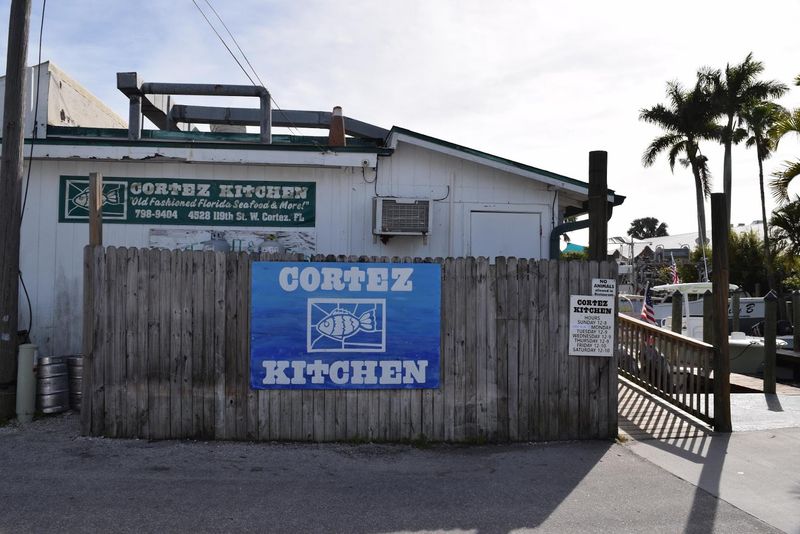
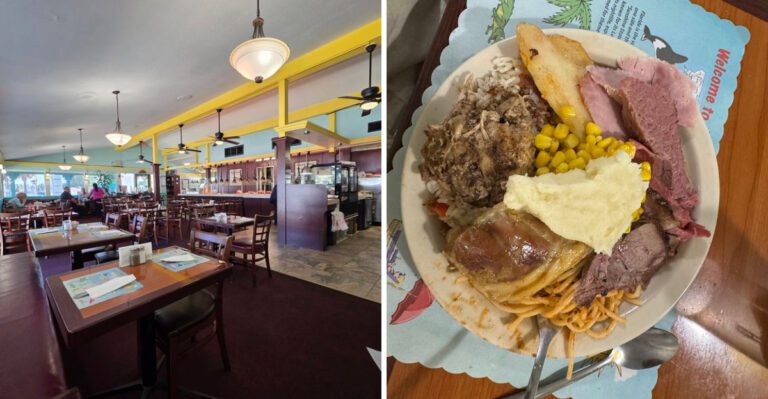
Forget fancy menus with microgreens and foam. Cortez Kitchen serves the kind of seafood that made Florida famous before celebrity chefs got involved—fresh, simple, and caught that morning by someone you might see at the next table. Located in the heart of the village, this family-owned spot feeds both fishermen coming off the water and visitors smart enough to follow the locals.
The menu changes based on what’s running. Stone crab when it’s in season, grouper sandwiches that don’t need seventeen toppings to taste good, and mullet smoked the old-school way. Portions come sized for people who work for a living, and prices won’t require a second mortgage.
Eat on the patio and watch boats cruise by while pelicans dive for their own lunch.
What you won’t find: frozen imports, pretentious plating, or waiters who recite the fish’s life story. What you will find: cold beer, hot food, and the satisfaction of eating seafood in a place where catching seafood is still the main industry. It’s the kind of restaurant that reminds you why you came to a fishing village in the first place.
4. The Maritime Heritage Museum and Its Fierce Protector
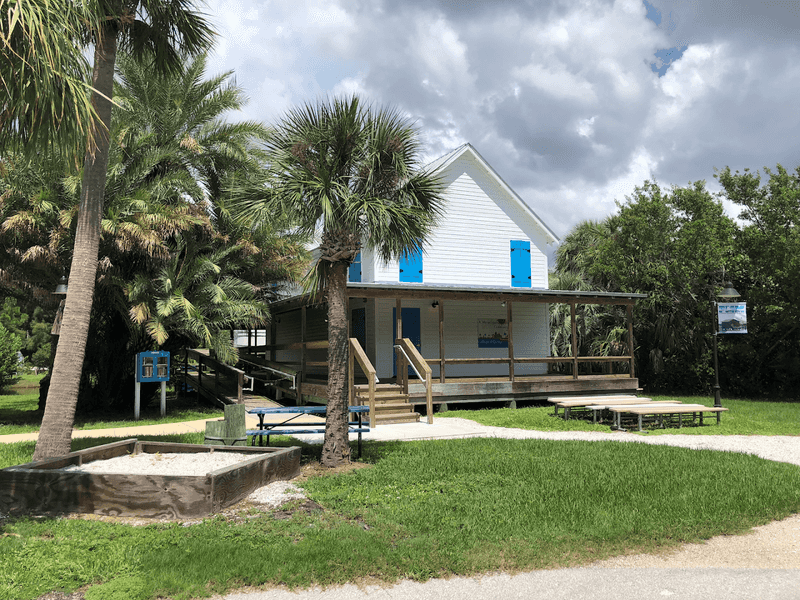
Karen Bell didn’t just open a museum—she became Cortez’s guardian against developers who saw dollar signs where she saw heritage. The Florida Maritime Museum sits in a restored 1912 schoolhouse and tells the story of how North Carolina families sailed south and built a fishing empire on determination and cast nets. Bell, who arrived in the 1970s, has spent decades fighting to keep Cortez from becoming another waterfront condo wasteland.
Inside, you’ll find fishing gear that’s actually been used, photographs of families who actually lived here, and artifacts that explain how a tiny village became a commercial fishing powerhouse. The exhibits aren’t slick or digital—they’re honest documentation of a way of life that’s disappearing everywhere else. You’ll learn about mullet fishing, boat building, and the specific skills that kept families fed through generations.
Bell’s preservation work extends beyond the museum walls. She’s battled county commissioners, developers, and anyone else who threatened Cortez’s character. Thanks largely to her efforts, the village earned historic designation and protection from the worst development schemes.
Visit the museum and you’re supporting the fight to keep Cortez real.
5. Fishing Festivals That Aren’t Corporate Sponsored
Cortez hosts a couple of annual festivals that feel refreshingly un-Disneyfied. The Commercial Fishing Festival celebrates the industry that built the village, featuring fresh seafood, working boats you can tour, and demonstrations of net-making and other skills tourists usually don’t get to see. No cover bands playing Jimmy Buffett covers—just real fishermen showing you what they actually do.
These aren’t massive events with corporate sponsors and VIP sections. They’re community gatherings where locals far outnumber visitors, and the food comes from village fish houses rather than catering trucks from Tampa. You might watch someone repair a cast net, learn how stone crab traps work, or taste mullet prepared three different traditional ways.
The festivals serve a purpose beyond entertainment—they’re fundraisers for preservation efforts and educational programs that teach kids about their heritage. Attendance helps keep the village independent and the waterfront working. You’ll leave with a full stomach, sure, but also with appreciation for how much effort goes into maintaining a authentic place in a state that usually bulldozes authenticity to build another Margaritaville.
6. Palma Sola Causeway Views Without the Crowds
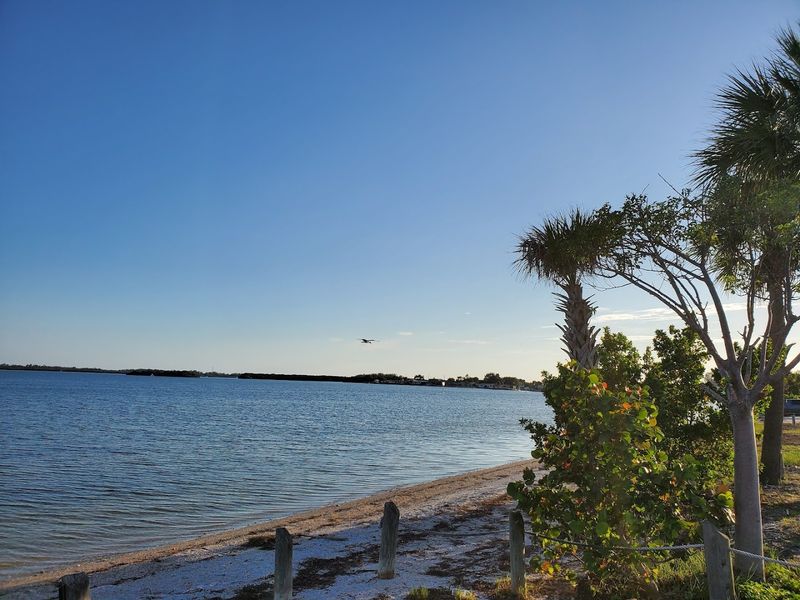
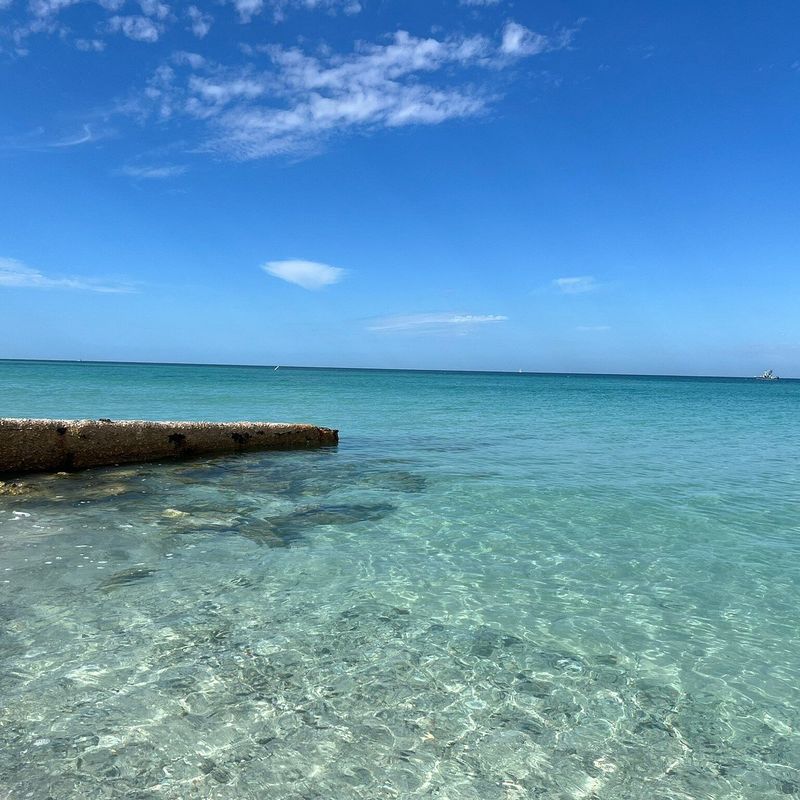
The Palma Sola Causeway connects Cortez to the mainland, but it’s more than just a bridge—it’s a front-row seat to Tampa Bay’s best light show. Drive or bike across at sunset and you’ll understand why locals consider this their secret spot, even though it’s technically public. Water stretches on both sides, reflecting colors that camera phones can’t quite capture, while birds work the shallows and boats head home.
Unlike the famous bridges that get clogged with tourists hunting Instagram shots, Palma Sola stays relatively quiet. A few fishermen cast from the edges, locals walk their dogs, and that’s about it. No parking lot attendants, no vendors, no crowds jostling for the same angle.
Just a causeway doing its job while accidentally providing some of the best views in Manatee County.
The lack of development along this stretch is no accident—preservationists have fought to keep it that way. You won’t find high-rises blocking the view or tiki bars blasting music. Just open water, big sky, and the kind of peaceful coastal scenery that’s becoming extinct elsewhere in Florida.
Stop midway across, breathe the salt air, and remember what the Gulf Coast looked like before it got Floridafied.
7. Mullet Fishing Traditions That Refuse to Die
Mullet might not win beauty contests, but in Cortez, this humble fish represents cultural survival. For generations, families have made their living catching mullet using cast nets and skills passed down through bloodlines. It’s not glamorous work—it requires perfect timing, strong shoulders, and intimate knowledge of how mullet move with tides and seasons.
But it’s work that’s defined Cortez since North Carolina families first arrived.
Watch someone throw a cast net properly and you’re seeing an art form. The net needs to spread perfectly circular, sink fast, and close around the school before they scatter. It takes years to master, and most people who can do it learned from parents who learned from their parents.
Machines can’t replicate it, which is why Cortez fishermen still use methods from the 1880s.
The mullet fishery faces constant pressure from regulations, market changes, and the simple fact that fewer young people want to work this hard for this little money. But families persist, partly from stubbornness, partly from pride, and partly because abandoning mullet fishing would mean abandoning their identity. When you see mullet on a menu in Cortez, you’re tasting history.
8. North Carolina Roots That Still Show
Cortez wasn’t settled by Spanish explorers or Seminole tribes—it was founded by practical North Carolinians who sailed south in the 1880s looking for better fishing grounds. They brought their boat-building techniques, their fishing methods, and their work ethic, then planted all three firmly in the Gulf Coast sand. Family names from those original settlers—Fulford, Taylor, Guthrie—still dominate the village roster today.
The North Carolina influence shows in ways both obvious and subtle. The architecture echoes coastal Carolina styles adapted for Florida heat. The fishing techniques came straight from the Outer Banks.
Even some of the speech patterns and cultural attitudes reflect Tar Heel roots more than typical Florida transplant culture. It’s a reminder that Florida’s identity was built by people from somewhere else, but those people actually stayed and built something lasting.
This heritage matters because it explains why Cortez resists change so fiercely. The descendants of those 1880s settlers aren’t just protecting old buildings—they’re protecting their family story. When developers propose tearing down fish houses for condos, they’re not just threatening business, they’re threatening identity.
The North Carolina settlers came to Florida to fish, and five generations later, their descendants are still fishing.