8 Florida Ghost Towns That Reveal a Forgotten Side of the Sunshine State
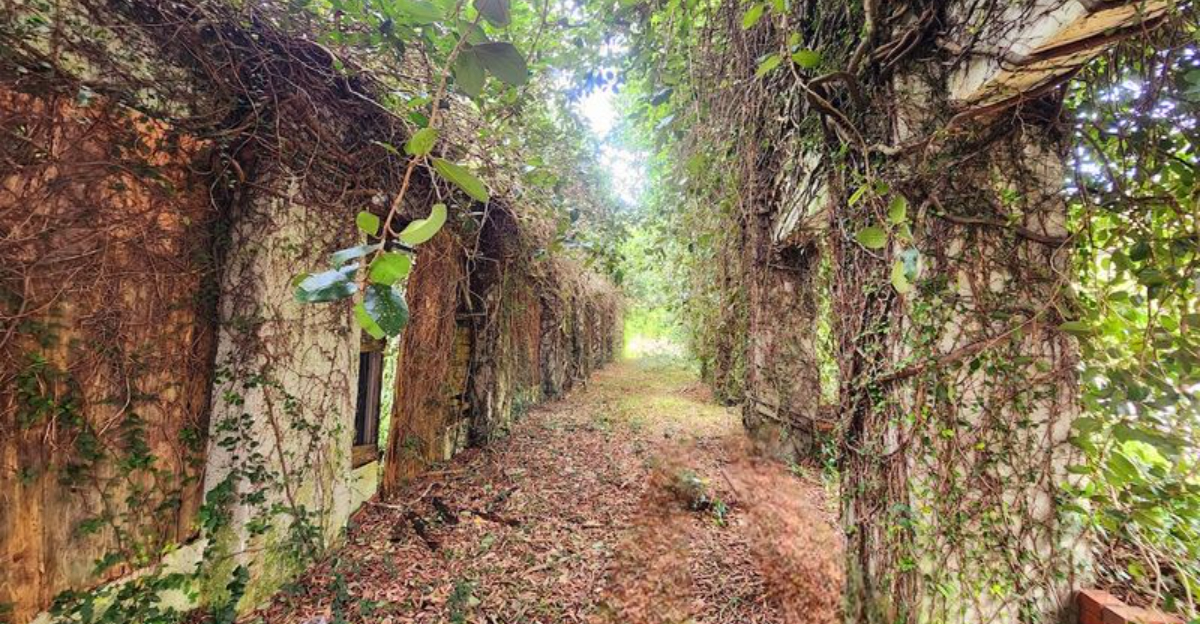
Florida is famous for theme parks and beaches, but hidden across the state are abandoned communities that tell a completely different story. These ghost towns were once thriving settlements built on citrus, military strategy, shipwreck salvage, and land-boom dreams. Today, they stand as quiet reminders of Florida’s wilder, forgotten past—places where nature has slowly reclaimed what people left behind.
1. Fort Dade / Egmont Key (Tampa Bay)
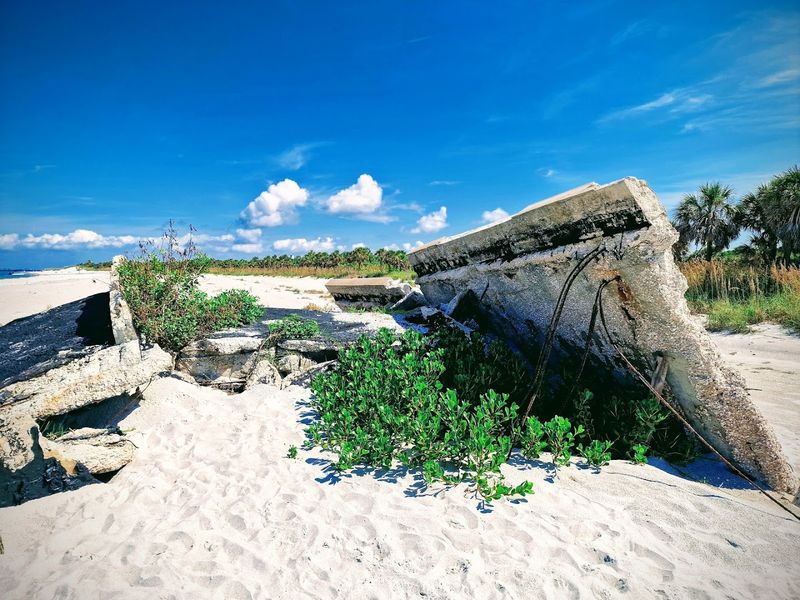
Fort Dade sits on Egmont Key, a small island in Tampa Bay that looks like a peaceful nature preserve today. But walk the trails and you’ll start noticing the bones of something bigger—crumbling brick batteries, concrete foundations, and roads that once connected a full military community.
The fort was built in 1898 during the Spanish-American War, part of a coastal defense network meant to protect Tampa’s shipping lanes. By the early 1900s, the island had become a small town in itself, with barracks, officer quarters, a mess hall, and even a schoolhouse for soldiers’ families.
Then the military moved on. Fort Dade was deactivated in 1923, and the buildings were left to the salt air and the storms. Now the island is a state park and wildlife refuge, accessible only by boat or ferry.
You can explore the ruins on foot, follow interpretive signs, and walk right through history. Gopher tortoises and seabirds have taken over where soldiers once drilled. It’s one of the most accessible ghost towns in Florida, and one of the most haunting.
2. Indian Key (Islamorada)
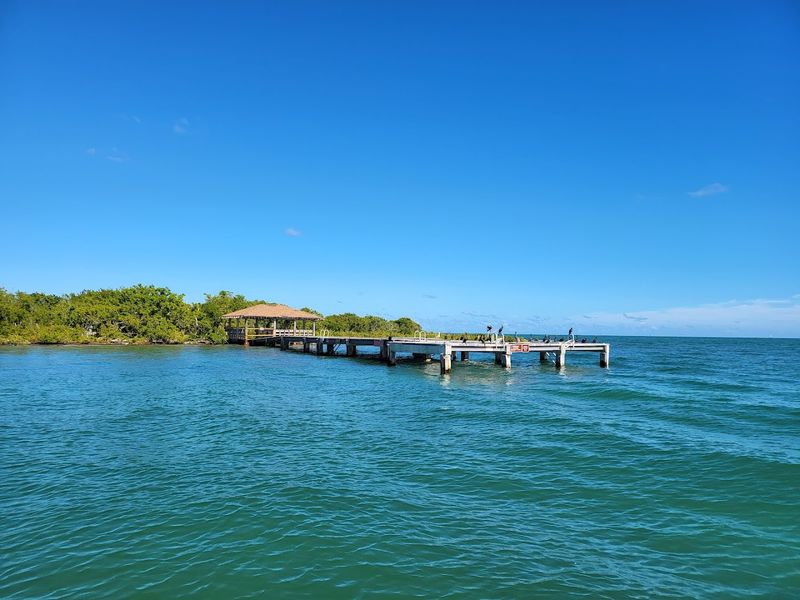
Indian Key is only 11 acres, but for a brief moment in the 1830s, it was one of the most important spots in South Florida. The island became a wrecking station, where salvagers made a fortune pulling cargo from ships that ran aground on the nearby reefs.
It was so prosperous that in 1836, Indian Key was named the first county seat of Dade County. A doctor named Henry Perrine even set up a tropical plant research station there, hoping to introduce new crops to Florida. But in 1840, a Seminole raid destroyed the settlement and killed several residents, including Perrine.
The island was abandoned after that and never rebuilt. Today, Indian Key Historic State Park preserves what’s left—a grid of old streets, cistern ruins, and foundation stones hidden under the trees.
You can only reach it by boat or kayak, which adds to the eerie, time-capsule feeling. Interpretive trails guide you through the layout of the old town, and if you look closely, you can still see the outlines of homes, stores, and docks. It’s a ghost town floating in paradise.
3. Atsena Otie Key (Cedar Key)
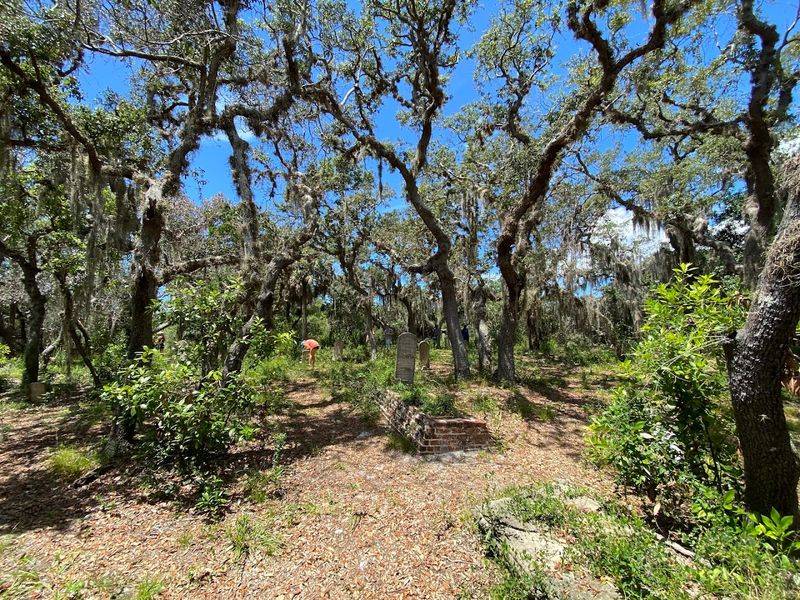
Just a short boat ride from Cedar Key, Atsena Otie feels like a place the world forgot on purpose. The island was once the main settlement for Cedar Key before a hurricane in 1896 convinced everyone to move to higher ground. What’s left now is quiet, overgrown, and full of ghosts.
Near the dock, you’ll find the ruins of the Faber Cedar Mill, a massive operation that once processed timber from the surrounding forests. The mill was the economic heart of the island, and when it closed, so did the town.
Walk inland and you’ll reach the old cemetery, one of the most haunting spots in Florida. The headstones are hand-carved and weathered by salt air, many marking graves of yellow fever victims who died during the 1800s. Some stones are so worn you can barely read the names.
There’s no electricity, no facilities, just trails and ruins and the sound of the Gulf. It’s the kind of place that makes you feel like you’re trespassing on history. Bring water, bug spray, and a sense of respect—this island earned its silence.
4. Ellaville (Near Lee)
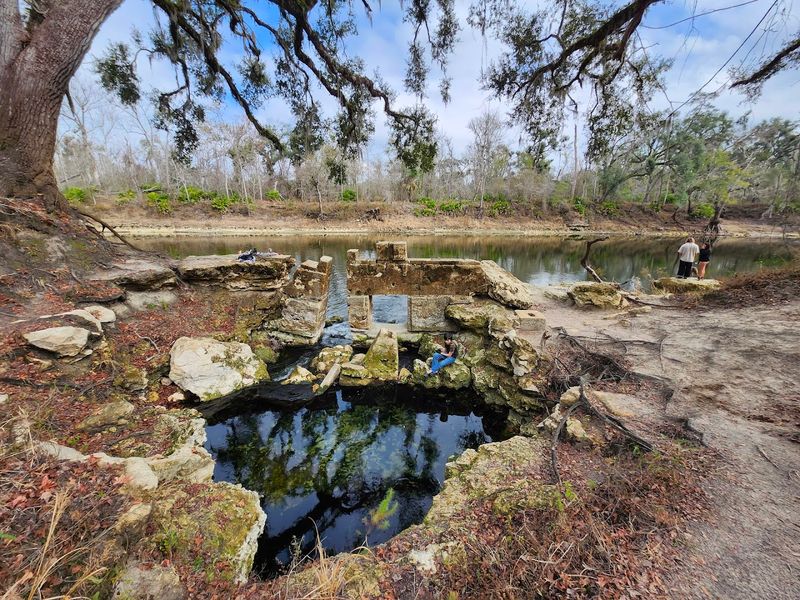
Ellaville was born in 1861 on the banks of the Suwannee River, founded by George F. Drew, who would later become Florida’s governor. The town grew up around a massive steam-powered sawmill that processed timber from the surrounding forests and shipped it out by rail and river.
For a while, Ellaville thrived. It had a railroad depot, homes, stores, and even a mansion where Drew lived with his family. But fires, floods, and economic downturns slowly chipped away at the town’s foundation.
By the early 1900s, most residents had moved on. The mill shut down, the railroad rerouted, and the buildings decayed or burned. Today, almost nothing is left except old bridge pilings, scattered foundation stones, and the memory of the Drew Mansion site.
You can visit the area near the Suwannee River and imagine what it looked like when the mill was running and the trains were rolling through. It’s a quiet spot now, popular with kayakers and history buffs who know where to look. Ellaville is one of those ghost towns that disappeared so completely, even the ruins are hard to find.
5. Eldora (Canaveral National Seashore)
Eldora was a small settlement tucked along the Indian River Lagoon in the late 1800s, built by families who fished, farmed, and grew citrus in the sandy soil. Life was hard but steady—until the Great Freeze of 1894–95 wiped out the citrus groves and left the community with no economic foundation.
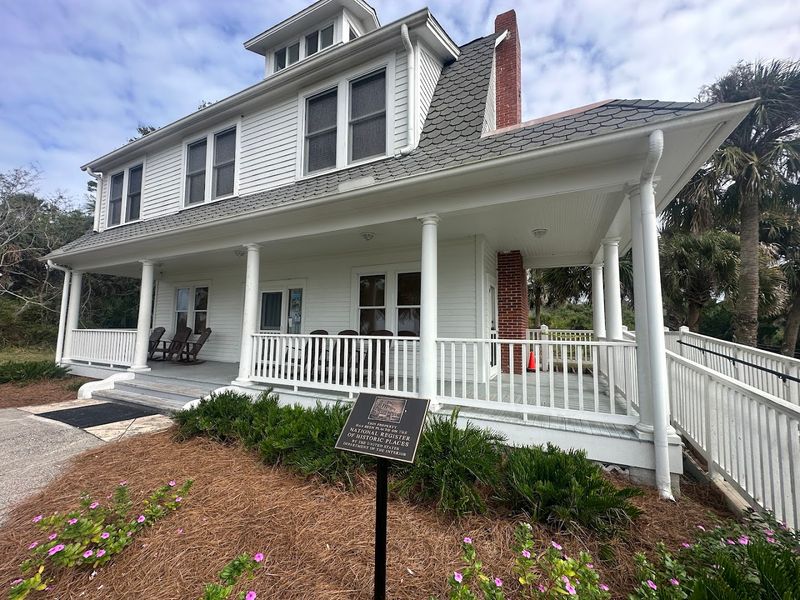
Most families packed up and left. The town slowly faded, swallowed by the coastal hammock and salt marsh. But one building survived: the Eldora State House, a wood-frame home that now sits inside Canaveral National Seashore as a preserved piece of Old Florida.
The house is open to visitors and gives you a real sense of what pioneer life looked like on Florida’s east coast. You can see the simple construction, the small rooms, and the layout designed to catch the breeze. It’s one of the few tangible pieces left of a vanished village.
The area around Eldora is now protected wilderness, full of trails, wildlife, and lagoon views. It’s a peaceful place to visit, but there’s a loneliness to it too—a reminder that even in Florida, the land doesn’t always cooperate with human plans.
6. Kismet (Lake County / Ocala National Forest Area)
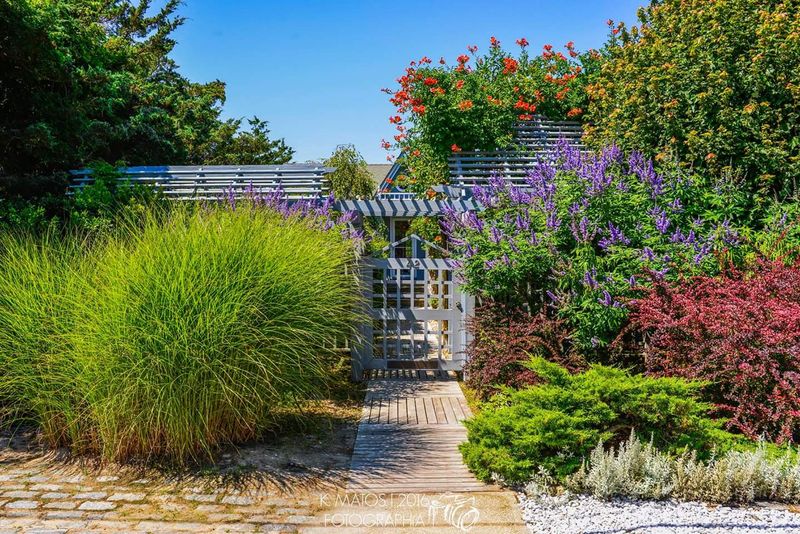
Kismet was founded in the 1880s near Lake Dorr in what is now the Ocala National Forest area. The town was built on citrus dreams, with groves planted across the sandy hills and a 50-room hotel planned to attract wealthy winter visitors from the North.
For a few years, it looked like Kismet might actually make it. The groves were producing, the hotel was under construction, and settlers were moving in. But then the freezes came—the same brutal cold snaps that killed Eldora and dozens of other Florida towns.
The citrus trees died, the investors pulled out, and the hotel was never finished. By the early 1900s, Kismet was abandoned. Today, almost nothing remains except a few scattered foundation stones and the name itself, which still shows up in old ghost-town records and local history books.
The area is now deep in the national forest, accessible mainly by hiking or off-road trails. You won’t find much to see, but if you know the history, walking through the woods where Kismet once stood feels like stepping into Florida’s boom-and-bust past. It’s a reminder that not every dream survives the freeze.
7. Aladdin City (Redland / Miami-Dade County)
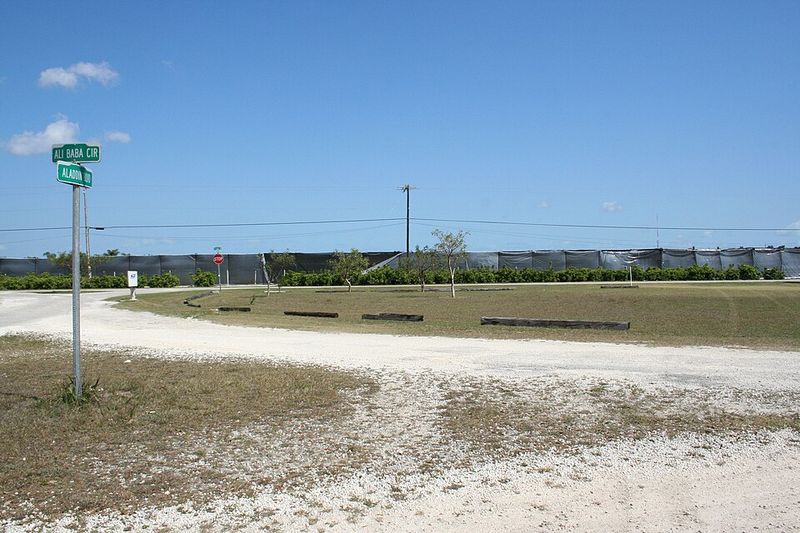
Aladdin City wasn’t an old frontier settlement—it was a 1920s fever dream. Developers imagined a Moorish-themed planned community in South Florida, complete with canals, boulevards, and thousands of homes for a booming population that never showed up.
The project launched during the height of the Florida land boom, when speculators were flipping properties sight unseen and entire cities were being drawn on maps before a single foundation was poured. Aladdin City was supposed to be one of the biggest.
Then the 1926 Miami hurricane hit, followed by the real estate crash that ended the boom for good. Construction stopped almost overnight. Roads were graded but never paved, lots were sold but never built on, and the grand vision collapsed into weeds and mud.
Today, the area is part of the Redland agricultural district in Miami-Dade County. You can still find traces of the old street grid if you know where to look, but most of it has been reclaimed by farms, nurseries, and suburban sprawl. Aladdin City is a ghost town that never got the chance to be a real town—a monument to Florida’s wildest real estate gamble.
8. Rollestown (Near the St. Johns River)
Rollestown is one of Florida’s oldest and least-known ghost towns, dating all the way back to British Florida in the 1760s. It was founded in 1767 by Denys Rolle, a British entrepreneur who brought indentured servants to the colony to grow crops and raise cattle along the St. Johns River.
The settlement relied on hard labor—first indentured servants, then enslaved people—to clear land, plant citrus, and produce turpentine. For a while, it functioned as a working plantation community, isolated but productive. But when Britain ceded Florida back to Spain in 1783, most British settlers packed up and left.
Rollestown was abandoned almost overnight. The buildings decayed, the fields went wild, and the settlement faded into the swamps and forests. Today, very little remains except a few scattered ruins and the memory of a short-lived colonial experiment.
The site is difficult to access and largely unmarked, but it’s a fascinating piece of Florida’s pre-American history. Rollestown reminds us that Florida’s ghost towns aren’t all about the 1800s or the land boom—some go back even further, to a time when the state was still being fought over by empires.