This Davie Sanctuary Lets You Hand-Feed Flamingos and Explore 60 Acres Of Wild Florida
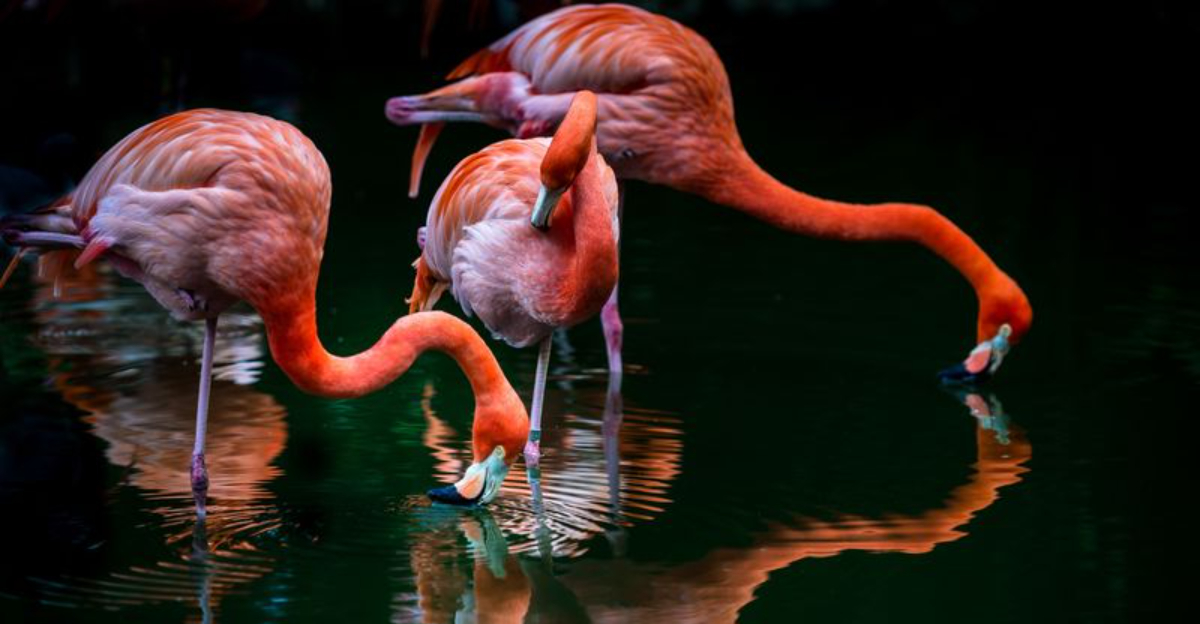
Tucked inside the town of Davie, Florida, Flamingo Gardens is the kind of place that makes you forget a major city is just minutes away. Spread across 60 lush acres, this botanical garden and wildlife sanctuary is home to rescued native animals, rare tropical plants, and — yes — real flamingos you can feed right from your hand.
Whether you are a lifelong Florida resident or just passing through South Florida, this spot consistently earns its 4.7-star rating for a reason. Pack your curiosity and maybe a snack, because there is a lot to explore here.
Hand-Feeding the Flamingos
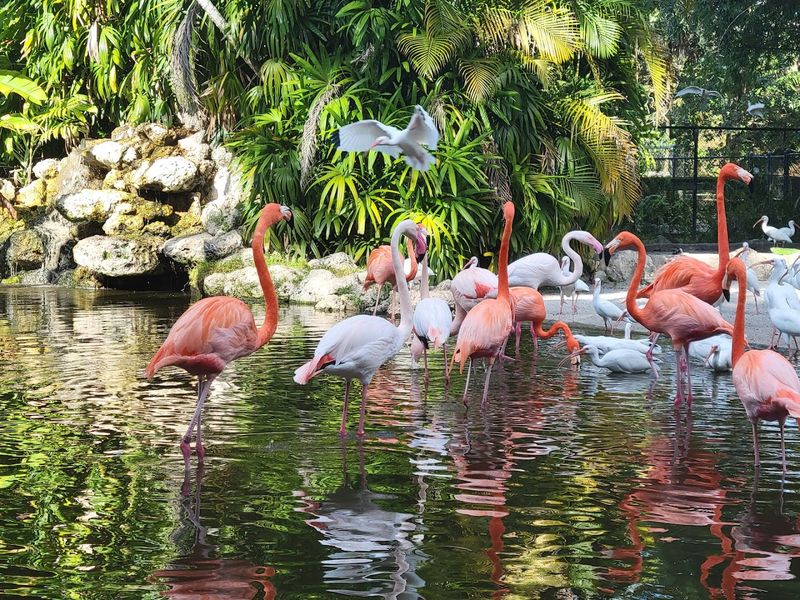
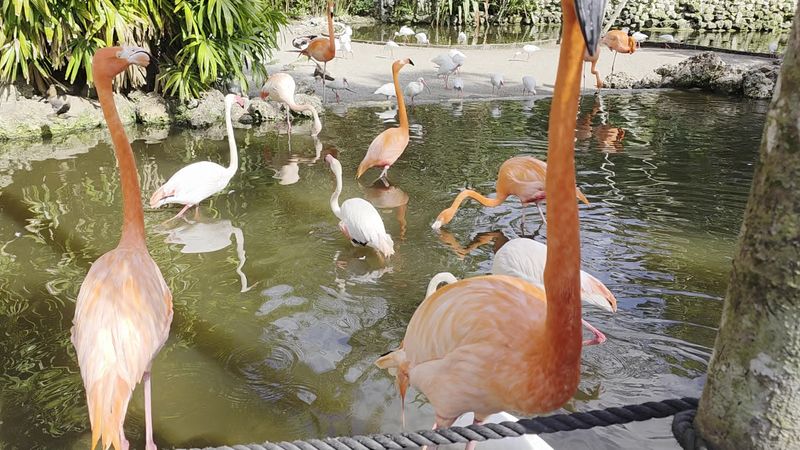
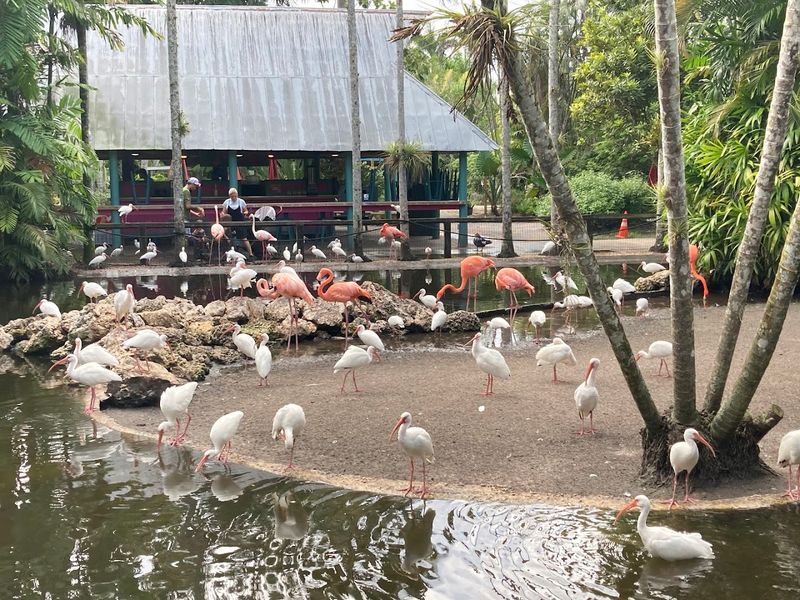
Standing at the edge of the flamingo lagoon with a handful of feed and a crowd of hot-pink birds waddling your way is genuinely one of the coolest things you can do in South Florida. Flamingo Gardens is home to more than 40 flamingos, and getting up close to them feels surreal — like something out of a nature documentary, except you are the one holding the snacks.
The flamingo feeding experience is available to general visitors, but if you want to go deeper, the Flamingo Encounter is a ticketed add-on that puts you right in the habitat with a knowledgeable guide. Guests who have done this experience rave about the guides, especially one named Miranda, who brings so much enthusiasm and warmth that visitors leave feeling like flamingo experts.
A few pro tips before you go: arrive earlier in the day if feeding the flamingos is your top priority. Multiple visitors have noted that by the afternoon, the birds are already full from their morning feedings and may not be interested in your offered treats.
Also, flamingo food bags are sold on-site for just a dollar, so it is worth grabbing one first thing when you walk in.
Fun fact — flamingos get their pink color from the pigments in the algae and crustaceans they eat. The ones at Flamingo Gardens are well cared for and clearly thriving, with vibrant coloring that makes every photo look almost too good to be real.
James, one of the more famous individual flamingos at the sanctuary, has his own fan following among regular visitors. Whether you go for the Encounter or just the open feeding, this experience alone is worth the price of admission.
The Tram Tour Through 60 Acres
Not every park gives you a guided ride through a jungle-like landscape with someone narrating exactly what you are looking at — but Flamingo Gardens does, and it is one of the smartest ways to experience the property. The tram runs every 30 minutes throughout the day, and the narrated tour lasts roughly 20 to 25 minutes, taking you through sections of the park that many walkers skip entirely.
The tram winds through thick tropical canopy, past rare plant collections, and makes a quick stop at the butterfly pavilion — a tucked-away spot featuring cacti and other unique plant species that feels like a completely different world from the main gardens. If you have limited mobility or are visiting with young children or older adults, the tram is an absolute must.
It covers ground efficiently without wearing anyone out.
Visitors consistently name the tram ride as one of their favorite parts of the trip. The narration adds real context to what you are seeing, turning a simple garden stroll into an educational experience.
You will learn about the native ecosystems, the conservation efforts happening on the property, and the stories behind some of the plants and trees that have been growing here for decades.
Flamingo Gardens sits on land with genuine Florida history, and the tram tour touches on that legacy in an engaging way. The guide keeps things interesting for both kids and adults, making it feel less like a lecture and more like a conversation with someone who truly loves this place.
Tram tickets are included with general admission, so there is no reason to skip it. Grab a seat near the front for the best views, and keep your camera ready — photo opportunities pop up around every turn.
The Wildlife Sanctuary and Rescued Animals
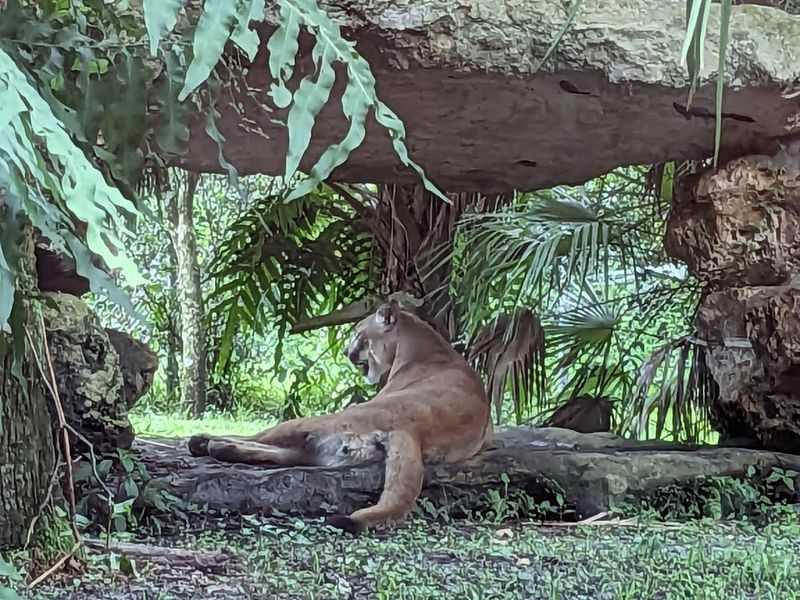
Every animal at Flamingo Gardens has a story — and not a simple one. The wildlife sanctuary is home to rescued native Florida animals that, for various reasons, cannot be released back into the wild.
That mission gives the whole place a different energy compared to a typical zoo. You are not just looking at animals; you are meeting survivors.
The roster of residents is impressive: alligators, Florida panthers, river otters, bobcats, birds of prey, and more. The otter habitat is a crowd favorite, with multiple visitors reporting that they spent 30 minutes or more just watching the otters swim and play.
The alligators tend to draw gasps — at least one massive gator on the property has left visitors genuinely wide-eyed.
Wildlife Encounter Shows run on a schedule and feature different animals on different days, so no two visits are exactly alike. Past shows have included a blind albino opossum and a tiny owl, with the educational talk focusing on how each animal ended up at the sanctuary and what the public can do to help protect Florida wildlife.
It is conservation education wrapped in pure entertainment.
The sanctuary also recently welcomed a young puma cub, which was so new to the property that staff asked visitors to stay calm and quiet during its first days on exhibit. Moments like that remind you that this is a living, working sanctuary — not a static display.
The staff and volunteers who care for these animals are clearly passionate, answering every question with patience and genuine knowledge. Spending time in this section of the park shifts the visit from fun day trip to something that actually stays with you long after you leave.
The Botanical Gardens and Rare Plant Collections
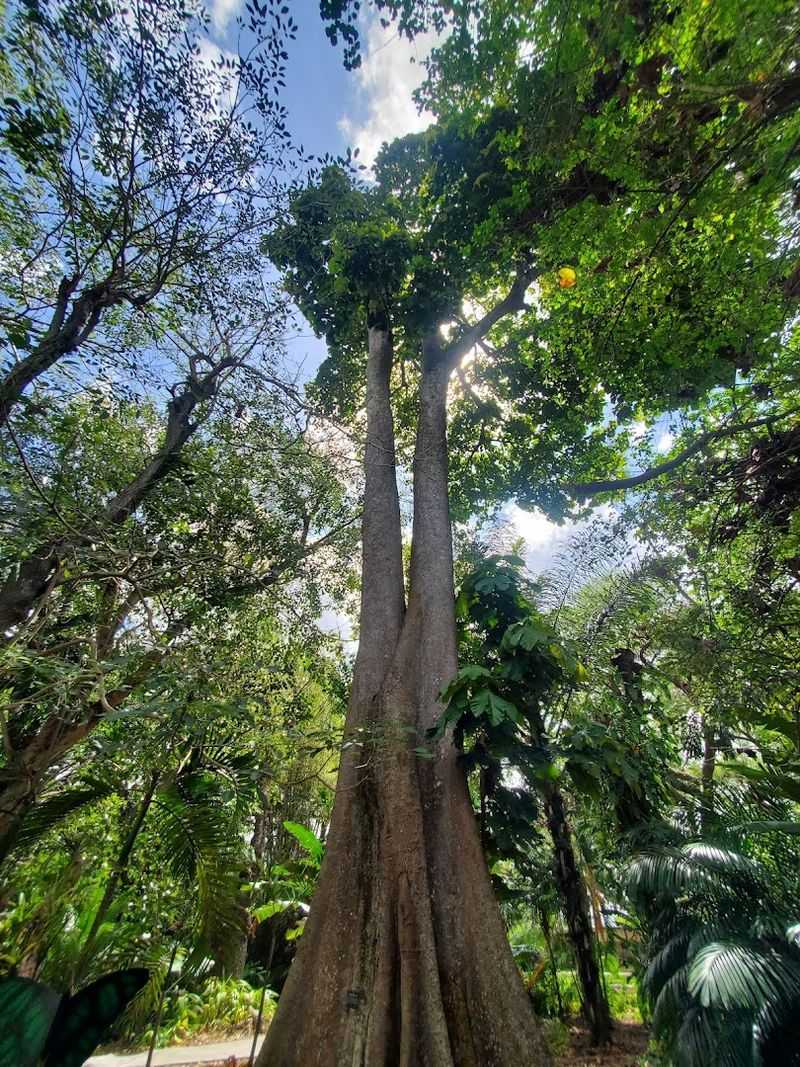
Before Flamingo Gardens became a wildlife sanctuary, it was first and foremost a botanical garden — and that heritage shows in every corner of the property. The plant collections here are genuinely extraordinary, featuring tropical fruit trees, native Florida species, and rare specimens from around the world.
One plant that visitors mention again and again is the rainbow eucalyptus, a tree with multicolored bark that looks almost too vivid to be real.
The garden paths are shaded by towering old trees that create a canopy so thick it feels ten degrees cooler underneath. That natural shade is a serious perk when you are visiting South Florida, where the sun is not exactly subtle.
The layout is thoughtful, with plenty of spots to pause, read the educational signs, and just soak in the atmosphere without feeling rushed.
Tropical fruit trees, bromeliads, orchids, and plants you would never encounter in a typical Florida backyard fill the space in abundance. The team at Flamingo Gardens is also actively working to expand the butterfly population on the property, cultivating specific plants that attract and support various butterfly species.
That ongoing conservation work adds another layer of purpose to what you are walking through.
For photography lovers, the botanical section is a dream. Soft light filters through the canopy at different angles throughout the day, and there are genuinely stunning compositions available at almost every turn.
One reviewer visited specifically to do a photo shoot and called the grounds endlessly photogenic. Whether you are a casual visitor who just appreciates a beautiful setting or someone who geeks out over plant taxonomy, the botanical gardens at Flamingo Gardens deliver something memorable.
Wear comfortable shoes — you will want to explore every path.
Freely Roaming Peacocks
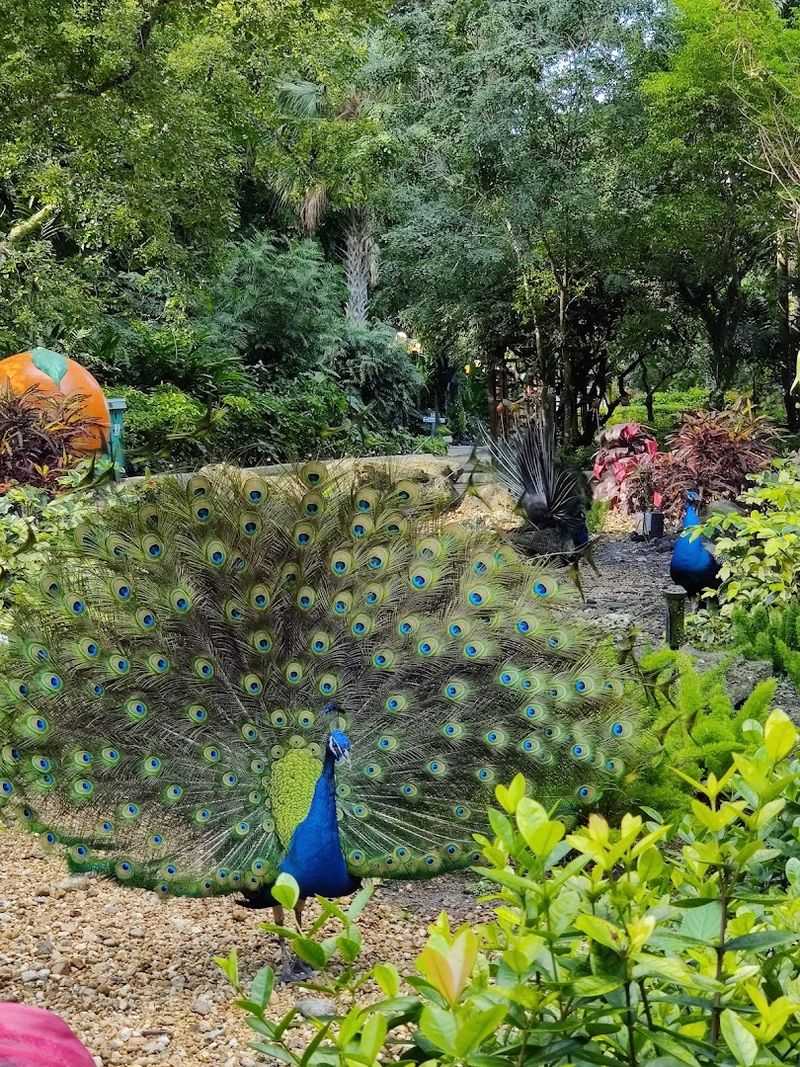
Nobody tells you to expect peacocks, and then suddenly there is a full-grown male with his tail fanned out standing about three feet away from you on the garden path. That is just a regular Tuesday at Flamingo Gardens.
The peacocks roam the property completely freely, strutting past visitors like they own the place — because honestly, they kind of do.
Watching a peacock fan its tail in full display is one of those experiences that genuinely stops people in their tracks. The colors — deep blues, greens, and golds — are almost otherworldly, and they photograph beautifully against the lush garden backdrop.
Families with kids especially love this part of the visit, since the peacocks are curious and unbothered by human presence, sometimes walking right alongside you as you explore.
Here is a fun heads-up: the bags of animal food sold on-site specifically say not to feed the peacocks. The reason?
They will follow you. Everywhere.
Multiple visitors have joked that feeding a peacock by accident turns you into a very colorful Pied Piper for the rest of your visit. The staff mentions it with good humor, but they do mean it — stick to the flamingo feed for the flamingos.
Beyond the males, you will also spot peahens and younger peacocks moving through the gardens at their own relaxed pace. Seeing them against the backdrop of blooming tropical plants makes the whole setting feel almost surreal — like a botanical garden crossed with a fairy tale.
If you are visiting on a quieter weekday, you are more likely to catch a peacock in a calm, photogenic moment without a crowd around. Early mornings tend to be especially magical for peacock-watching before the park fills up.
The Wray Museum and Historic Estate
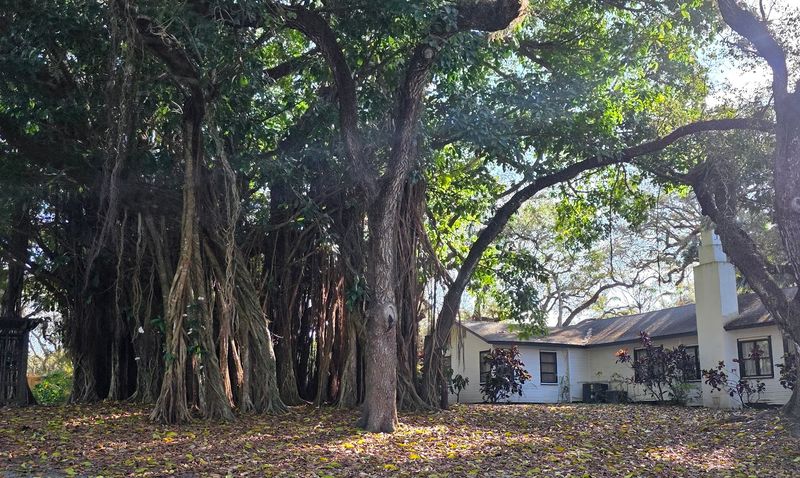
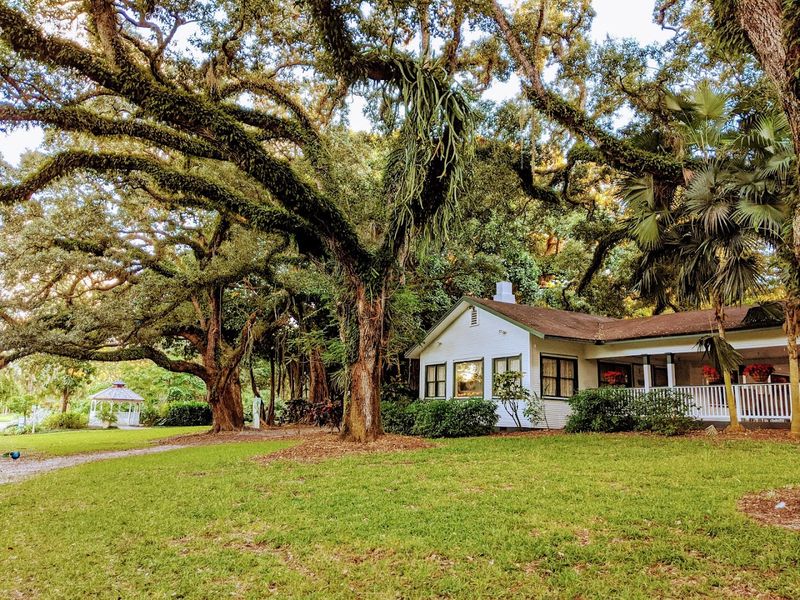
Most people come to Flamingo Gardens for the animals and plants, but there is a whole chapter of Florida history sitting right in the middle of the property that deserves more attention. The Wray Home Museum tells the story of Floyd and Jane Wray, the family who originally developed this land in the 1920s as a citrus grove and botanical garden.
Walking through the museum gives the entire visit a richer sense of place.
The Wrays were passionate about horticulture and wildlife long before conservation was a mainstream conversation. Their vision transformed this stretch of Davie farmland into something that eventually became one of Broward County’s most beloved natural spaces.
The museum preserves that legacy through photographs, artifacts, and exhibits that document both the family history and the broader story of how South Florida’s landscape has changed over the decades.
Visitors who take the time to explore the Wray Museum often say it was an unexpected highlight. One reviewer specifically called it out alongside the tram ride and the animals as a top-three moment of their visit.
It is not a huge museum, but the content is well-curated and genuinely interesting, especially for anyone curious about old Florida history.
The building itself has a character that fits perfectly with the surrounding gardens — there is something grounding about standing in a historic home surrounded by trees that have been growing since before most visitors were born. If you tend to skip the museum sections of parks and attractions, this one is worth making an exception for.
It adds meaningful context to everything else you experience at Flamingo Gardens, and it is included with your general admission. Budget about 20 to 30 minutes to walk through it properly.
The Aviary and Interactive Bird Feeding
Stepping inside the large walk-through aviary at Flamingo Gardens is a completely different sensory experience from the rest of the park. Birds are everywhere — perched on branches overhead, hopping along the ground, and occasionally landing on visitors who are holding feed.
It is lively, colorful, and a little chaotic in the best possible way.
The aviary houses a wide variety of tropical and native bird species, and the volunteer guides stationed inside make the experience significantly better. One volunteer named Geoff has been mentioned by name in multiple visitor reviews for his encyclopedic knowledge of the birds and his knack for pointing visitors toward the best feeding spots.
Striking up a conversation with the aviary staff is genuinely one of the smarter moves you can make during your visit — they know where to find the koi feed, which birds are most interactive, and all the little details that casual visitors miss.
Beyond the aviary, bird life is woven throughout the entire property. Ibis, muscovy ducks, pelicans, birds of prey, cranes, and parrots in stunning color combinations all make appearances across different areas of the park.
For serious birders, Flamingo Gardens is an exceptional spot — you will encounter species in a single afternoon that would take multiple wild excursions to find otherwise.
The park is also actively working to increase butterfly populations, which means the plantings throughout the property are designed to attract a wide range of winged wildlife beyond just birds. Visiting on a weekday gives you a quieter, more immersive experience in the aviary, while weekends tend to be busier with families.
Either way, the bird interactions here are a standout feature that sets Flamingo Gardens apart from a standard botanical garden or nature walk.
Food, Gift Shop, and Practical Visitor Tips
Spending a full day at Flamingo Gardens is completely doable, and the on-site amenities make it easy to settle in without rushing. There is a food truck stationed outside the park that serves snacks and drinks — one visitor raved specifically about the flamingo fries, which apparently hit the spot after a long morning of exploring.
The food options are casual and convenient, not gourmet, but they are surprisingly satisfying according to multiple reviews.
Inside the park, there is also a cafe and snack bar area where you can grab something to eat or drink while enjoying the shade. The gift shop carries a solid selection of souvenirs at reasonable prices, and it doubles as an air-conditioned refuge on particularly humid Florida afternoons.
Given that South Florida heat is no joke, knowing that cool air is available somewhere on the property is genuinely useful information.
Admission pricing is considered very reasonable by most visitors, and there is no pressure to rush through. The park is open daily from 9:30 AM to 5 PM, and the general consensus is that arriving early gives you the best experience — cooler temperatures, less crowded paths, and more active animals.
Weekday visits, especially Monday through Wednesday, tend to be quieter than weekend trips when families with young children fill the grounds.
Parking is free and adequate, restrooms are available throughout the property, and the paved walkways make it accessible for strollers and wheelchairs. Plan on spending at least two to three hours, though plenty of visitors end up staying all day.
Flamingo Gardens is located at 3750 S Flamingo Rd, Davie, FL 33330, and can be reached at 954-473-2955. More details and tickets are available at flamingogardens.org — booking ahead on busy weekends is a smart move.