This Tiny Florida Island Is Surrounded By Mangroves, Mystery, And Wild Waters
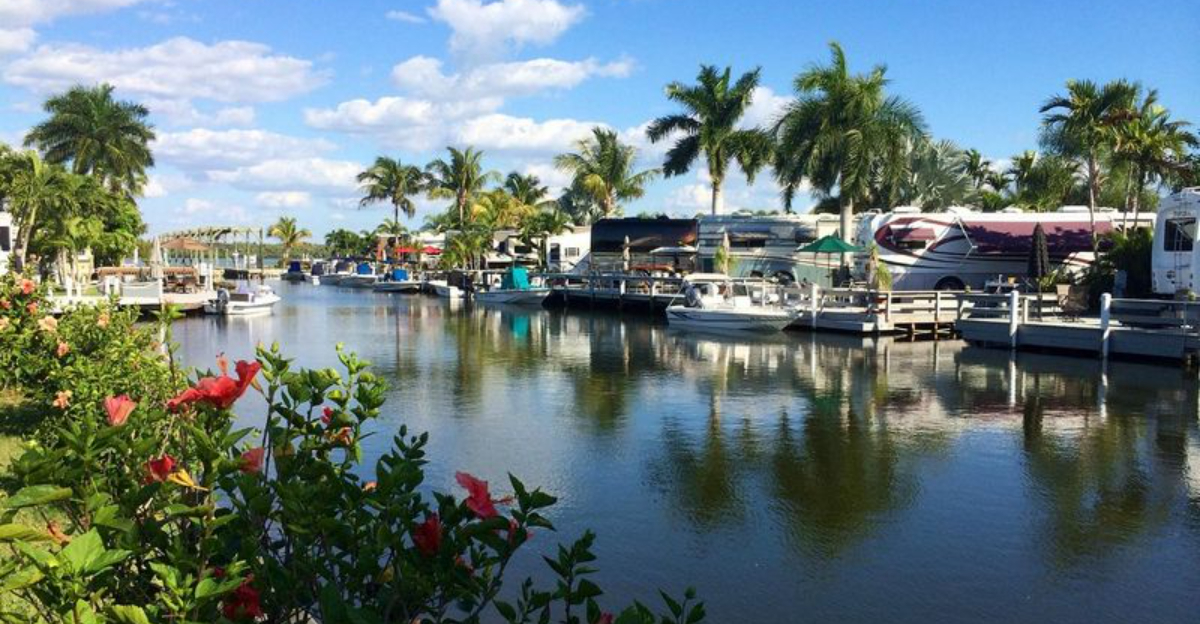
Tucked away at the edge of the Ten Thousand Islands, Chokoloskee is a tiny Florida community that feels like stepping back in time. With just over 300 residents and a landscape dominated by tangled mangrove forests and mysterious waterways, this hidden gem offers a raw, untamed version of Florida that most tourists never see. Whether you’re drawn to its colorful history, incredible fishing spots, or the wild beauty of the Everglades, Chokoloskee delivers an adventure you won’t forget.
1. A Community Built on Shell Mounds
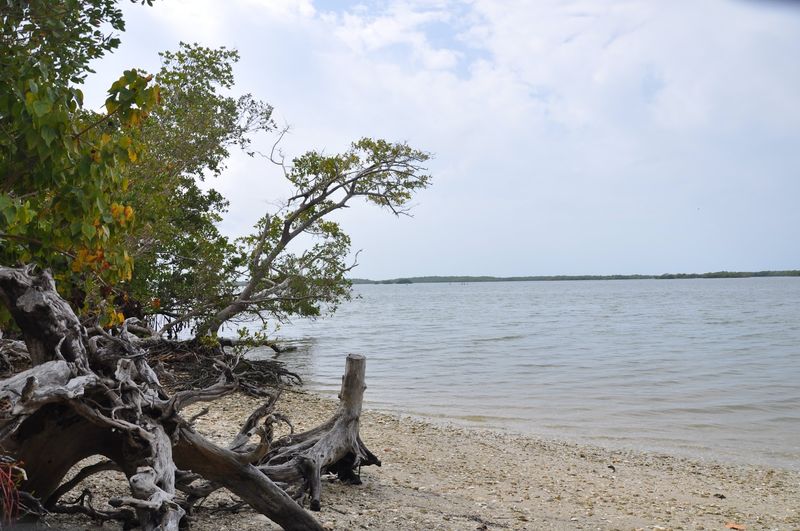
Long before modern Florida existed, the Calusa Indians called this place home and literally built it from the ground up. Chokoloskee sits on a massive shell mound created over centuries by these indigenous people who lived off the sea. The island itself rises about twenty feet above sea level, entirely constructed from discarded shells, bones, and pottery fragments left behind by generations of Calusa families.
Walking around Chokoloskee today, you’re actually standing on an archaeological treasure. The whole island spans roughly 150 acres, and every inch tells a story that’s thousands of years old. Some estimates suggest the mound began forming around 500 AD, making it one of the most significant prehistoric sites in South Florida.
You can still see shell fragments everywhere if you look closely at the ground. Local historians have found tools, pottery pieces, and even human remains over the years. This living museum reminds visitors that Chokoloskee’s history runs deeper than most Florida communities, rooted in cultures that thrived here long before European contact.
The island’s foundation literally connects modern residents to ancient Florida in a way few other places can claim.
2. Gateway to the Ten Thousand Islands
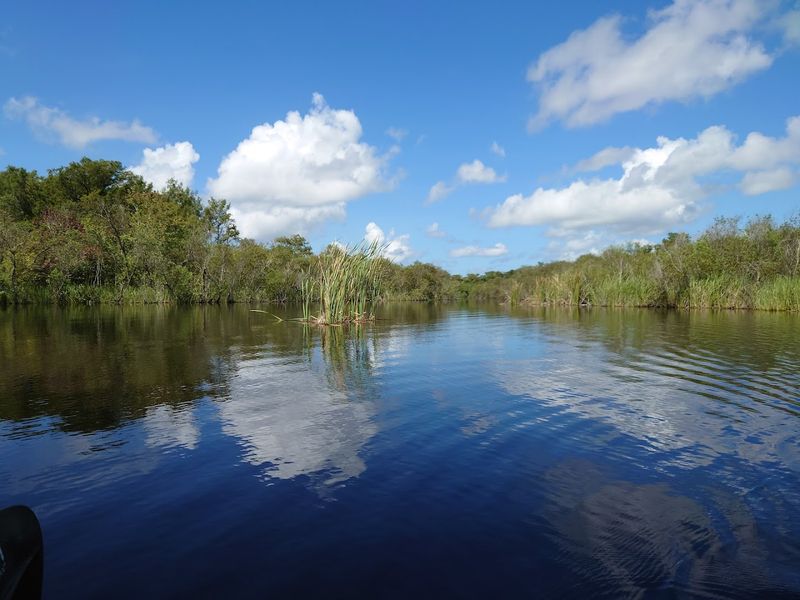
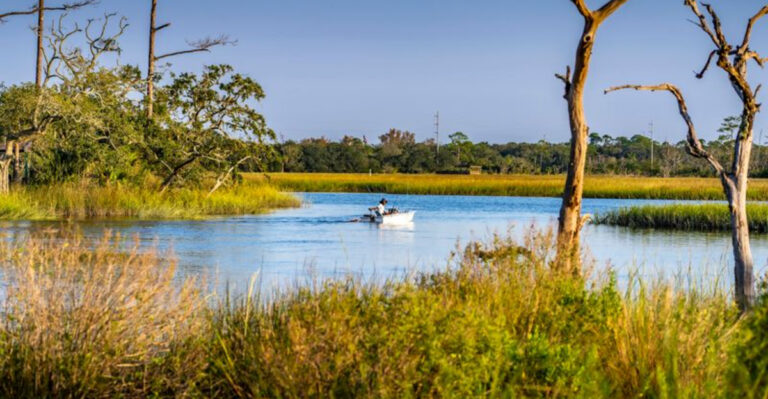
Chokoloskee serves as your launching point into one of America’s most spectacular coastal wilderness areas. The Ten Thousand Islands stretch along Southwest Florida’s coast, creating a labyrinth of mangrove islands, hidden bays, and narrow channels that feel utterly wild. From Chokoloskee’s boat ramps, you can disappear into this watery maze within minutes.
The island network actually contains closer to thousands of islands rather than exactly ten thousand, but the name captures the overwhelming abundance perfectly. These mangrove-covered islands range from tiny clumps barely big enough for a bird to land on, to larger islands with beaches and camping spots. The waterways between them shift with tides and seasons, making navigation tricky for newcomers but paradise for experienced boaters.
Kayakers especially love exploring from Chokoloskee because the protected waters stay relatively calm. You can paddle for hours without seeing another person, surrounded only by wading birds, dolphins, and the occasional manatee. The Turner River Canoe Trail and other marked routes start nearby, offering guided paths through this wilderness.
Whether you’re fishing, birdwatching, or just exploring, the Ten Thousand Islands deliver an authentic Old Florida experience that’s increasingly rare along the state’s developed coastlines.
3. Smallwood Store and Museum
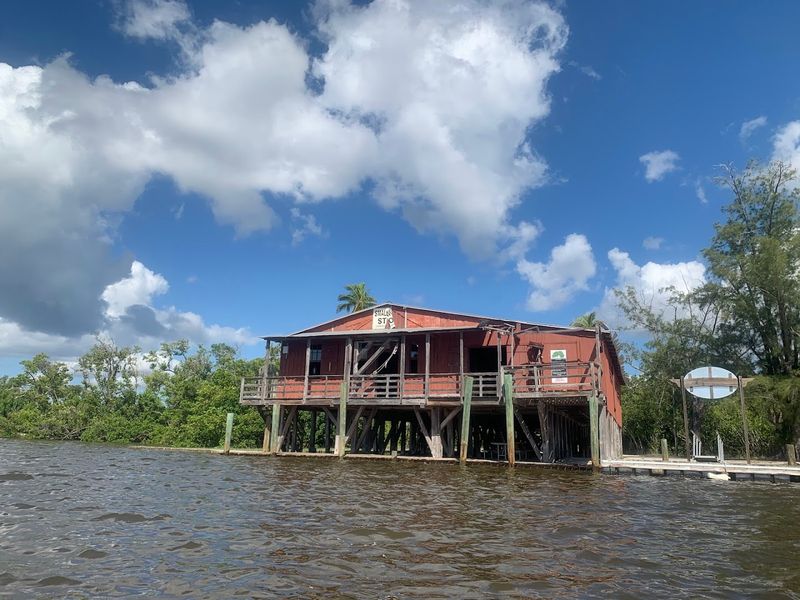
Step inside this weathered wooden building and you’re transported straight to frontier Florida. Ted Smallwood opened his trading post in 1906, serving as the community’s lifeline when Chokoloskee was truly isolated from the rest of civilization. The store operated continuously until 1982, and today it stands preserved as a museum filled with original merchandise, tools, and artifacts from a bygone era.
Everything remains exactly as Smallwood left it, creating an eerie time capsule effect. Shelves still hold vintage canned goods, farming tools, fishing supplies, and household items from the early 1900s. The wooden floors creak beneath your feet, and you can almost hear the conversations between settlers and Seminole Indians who traded here.
Smallwood kept detailed records and photographs, many now displayed throughout the museum, documenting daily life in this remote outpost.
The building itself sits on stilts over the water, designed to catch breezes and avoid flooding during storms. Outside, interpretive signs explain how settlers survived in this challenging environment, relying on fishing, farming, and trading to make ends meet. Visiting Smallwood Store isn’t just about seeing old stuff—it’s about understanding the grit and determination required to build a life in such an isolated, unforgiving landscape before modern conveniences existed.
4. Everglades National Park Access
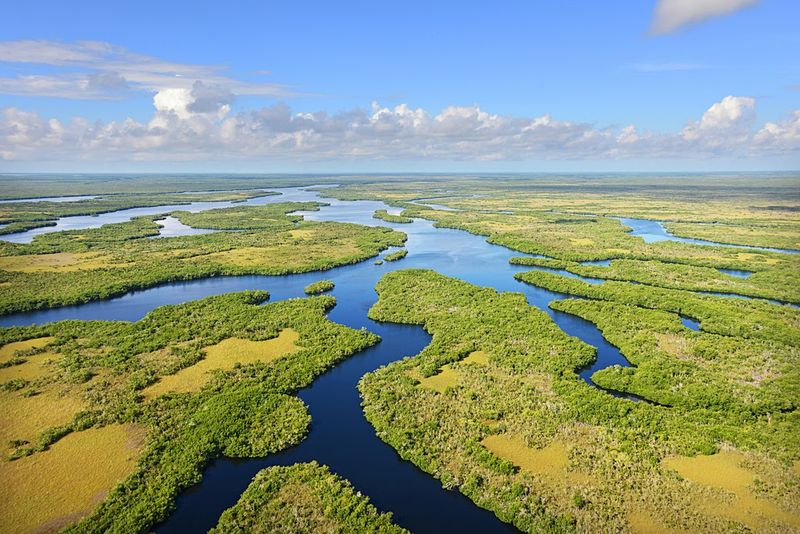
Chokoloskee sits right at the doorstep of Everglades National Park, giving visitors immediate access to one of the world’s most unique ecosystems. The park’s western water entrance lies just minutes away, opening up over 1.5 million acres of protected wilderness for exploration. Unlike the more famous eastern entrances near Miami, this side stays quieter and feels more authentically wild.
From here, you can access the Wilderness Waterway, a 99-mile paddling trail connecting Chokoloskee to Flamingo on Florida Bay. This challenging route takes experienced kayakers and canoeists through pristine mangrove tunnels, open bays, and countless backcountry campsites. Even if you’re not attempting the full journey, shorter day trips reveal incredible wildlife viewing opportunities including dolphins, manatees, sea turtles, and hundreds of bird species.
The Gulf Coast Visitor Center in nearby Everglades City provides maps, permits, and ranger-led programs. Many visitors use Chokoloskee as their base camp, staying in local accommodations while spending days exploring the park. Winter months offer the best conditions with lower mosquito populations and comfortable temperatures.
The park’s western side emphasizes water-based activities, so bring your boat, kayak, or book a guided tour to truly experience this remarkable landscape that exists nowhere else on Earth.
5. World-Class Fishing Waters
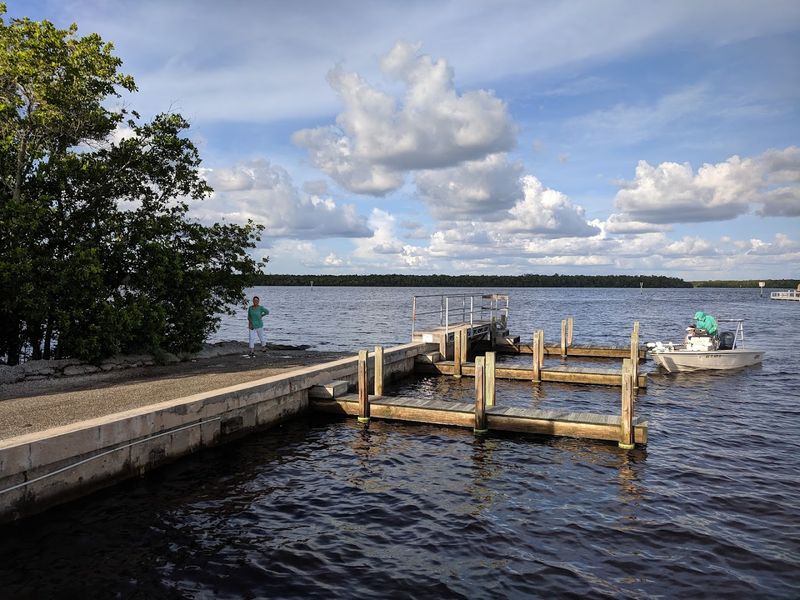
Anglers from around the globe make pilgrimages to Chokoloskee for its legendary fishing opportunities. The waters surrounding this tiny island teem with snook, redfish, tarpon, sea trout, and countless other species that thrive in the mangrove-rich environment. Shallow flats, deep channels, and oyster bars create diverse habitats where fish congregate year-round, though spring and fall bring the most consistent action.
Tarpon fishing particularly shines here during migration seasons when these powerful silver kings move through local waters. Catching a hundred-pound tarpon in the backcountry represents a bucket-list achievement for serious anglers. Snook hide in mangrove roots and ambush prey along shorelines, providing exciting sight-fishing opportunities in crystal-clear shallows.
Redfish cruise the flats in schools, their bronze backs visible as they hunt for crabs and baitfish.
Numerous fishing guides operate from Chokoloskee, offering their expertise navigating the complex waterways and finding productive spots. These captains know exactly where fish hold based on tides, seasons, and moon phases. Even fishing from shore or a kayak can produce excellent results if you know what you’re doing.
The remote location means less fishing pressure than more accessible areas, giving fish more natural behavior patterns. Whether you prefer fly fishing, light tackle, or conventional gear, Chokoloskee’s waters deliver experiences that keep anglers returning year after year.
6. The Infamous Watson Place
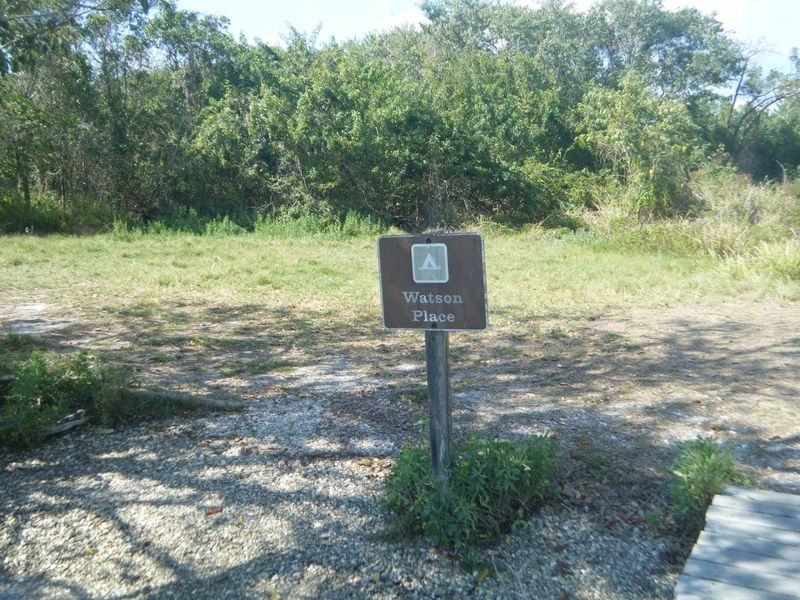
Few Florida stories blend fact and legend quite like the tale of Edgar Watson, Chokoloskee’s most notorious resident. Watson arrived in the 1890s and established a successful sugarcane farm on a nearby island, but rumors swirled about his violent past and suspicious disappearances of workers. In 1910, residents finally confronted him on Chokoloskee’s shore, and in a moment of frontier justice, multiple men shot him dead.
Author Peter Matthiessen immortalized Watson’s story in his acclaimed novel “Killing Mister Watson,” blending historical facts with fictional elements to create a compelling portrait of frontier Florida. The truth remains murky—was Watson a serial killer who murdered his workers, or simply a hard man caught up in wild times and wilder rumors? Historical records show he faced murder charges in other states before arriving in Chokoloskee, lending credence to darker interpretations.
Today, you can visit the Watson Place by boat, though little remains except foundation remnants slowly being reclaimed by jungle. The site sits within Everglades National Park boundaries now, protected as a historic location. Standing there, surrounded by dense mangroves and listening to wind rustle through palms, it’s easy to imagine how isolated and lawless this area once was.
Watson’s story reminds visitors that Chokoloskee’s past wasn’t all peaceful fishing and trading—it included violence, mystery, and characters larger than life.
7. Hurricane Resilience and Island Life
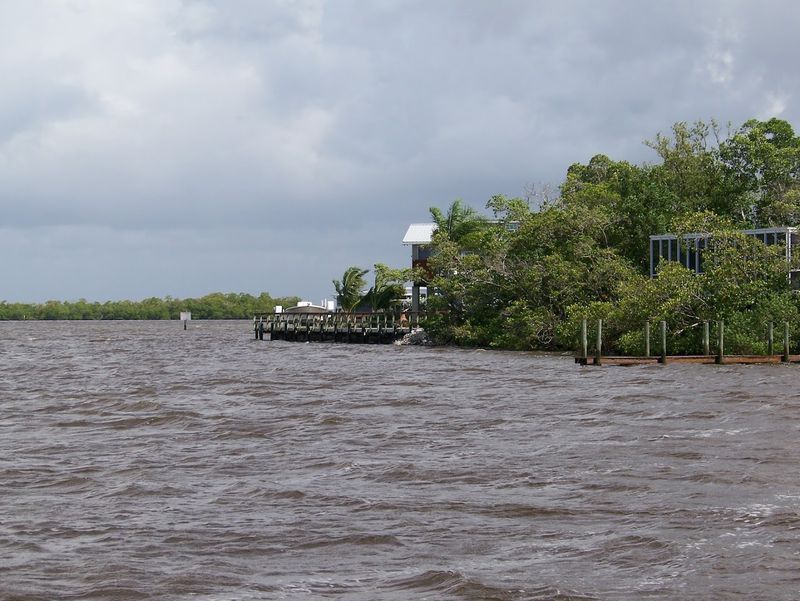
Living on Chokoloskee means accepting that hurricanes will come eventually. This low-lying island has weathered countless storms over the decades, including devastating hits from Hurricane Donna in 1960 and Hurricane Irma in 2017. Yet the community persists, rebuilt each time with the stubborn determination that defines true Florida pioneers.
Homes sit elevated on stilts, designed to let storm surge pass underneath rather than destroy the structure.
Residents prepare meticulously when storms approach, securing boats, boarding windows, and often evacuating to mainland shelters. The single causeway connecting Chokoloskee to the mainland becomes a lifeline during emergencies, though it’s also vulnerable to flooding that can temporarily strand residents. After major storms, neighbors help neighbors clear debris, patch roofs, and restore normalcy in a display of community spirit that’s increasingly rare in modern America.
This constant threat shapes island culture in subtle ways. People build stronger, plan smarter, and maintain a healthy respect for nature’s power. Insurance costs run high, and some properties remain uninsurable, yet families stay because the lifestyle rewards outweigh the risks.
There’s something admirable about choosing to remain in such a vulnerable location, refusing to abandon a home despite knowing another storm will eventually arrive. Chokoloskee’s residents embody a resilience that’s becoming Florida’s most valuable trait as climate challenges intensify.
8. Sunset Views Over Endless Mangroves
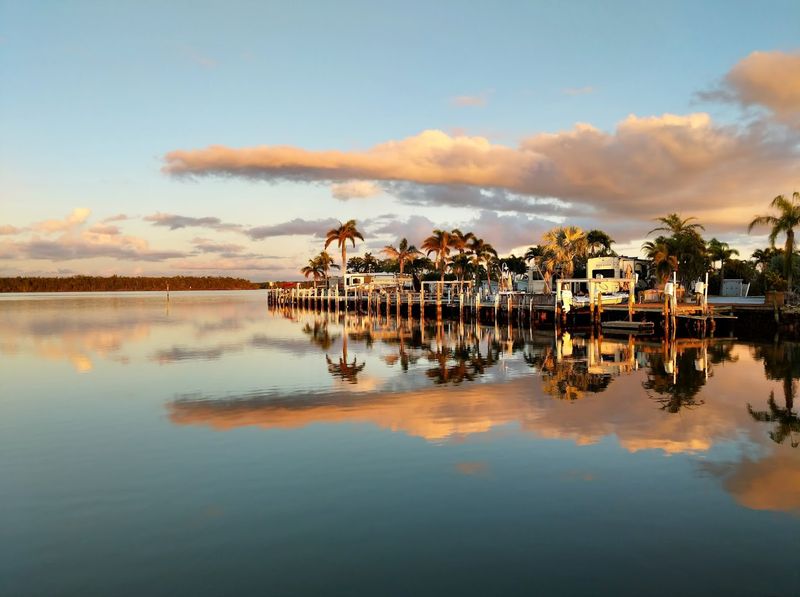
When the sun drops toward the horizon over Chokoloskee, the sky explodes in colors that seem impossible—deep oranges, brilliant pinks, and purples that reflect off calm waters stretching to infinity. The mangrove islands create layered silhouettes, adding depth and drama to already spectacular displays. Locals claim these sunsets rival anything you’ll see in the Keys, and they’re not exaggerating.
The western exposure combined with open water and minimal light pollution creates perfect conditions for breathtaking evening shows.
Many visitors time their boat returns to catch sunset from the water, drifting among mangrove islands as the light transforms everything around them. Birds settle into roosting spots, mullet jump, and the temperature drops to comfortable levels after hot days. It’s a magical transition time when the wilderness feels most alive and peaceful simultaneously.
Photographers love golden hour here because the unique landscape provides endless interesting compositions.
Even from shore, sunset watching becomes a daily ritual for residents and visitors alike. Small groups gather at waterfront spots, often with cold drinks and fresh-caught fish on the grill, celebrating another day in paradise. The sunsets serve as a daily reminder of why people choose this isolated lifestyle despite its challenges.
In those quiet moments watching light fade over endless mangroves, Chokoloskee reveals its greatest gift—natural beauty so profound it makes everything else seem insignificant by comparison.