These Otherworldly Sand Dunes In Florida’s Santa Rosa Beach Are Perfect For A Family Outing
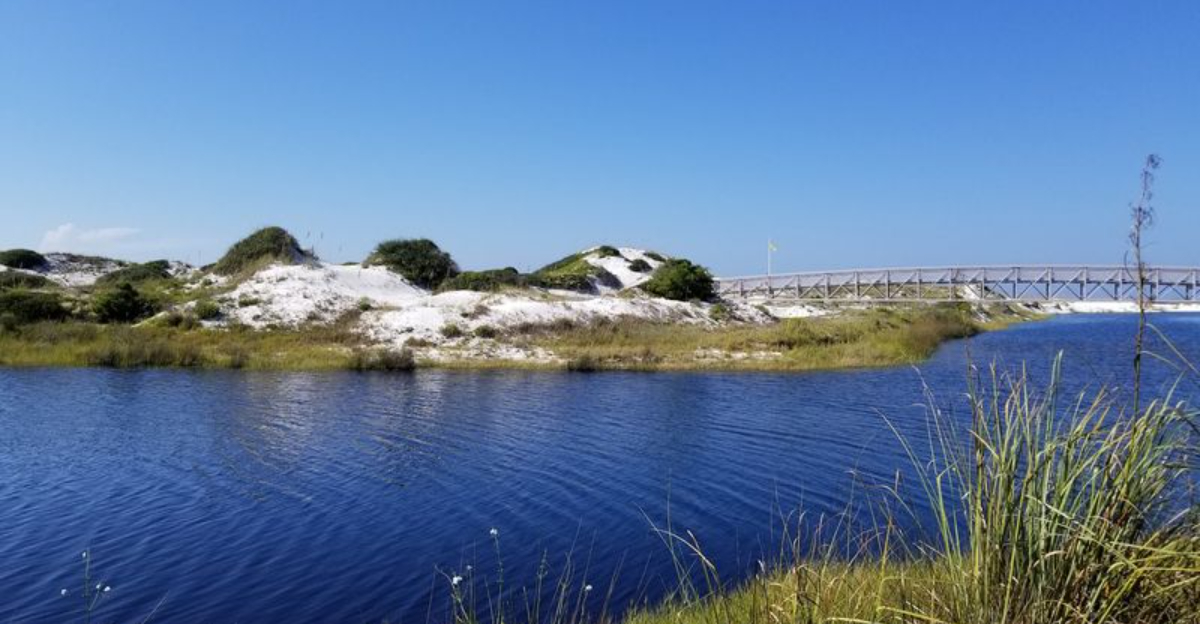
Santa Rosa Beach sits along Florida’s Emerald Coast, where sugar-white sand and turquoise water create one of the state’s most stunning shorelines. But the real magic happens just inland, where massive coastal dune lakes and towering sand formations create landscapes that feel more like the Sahara than the Sunshine State. These rare geological wonders offer families an unforgettable adventure that combines beach fun with exploration, making every visit feel like discovering a hidden world right in your own backyard.
1. Topsail Hill Preserve State Park Dunes
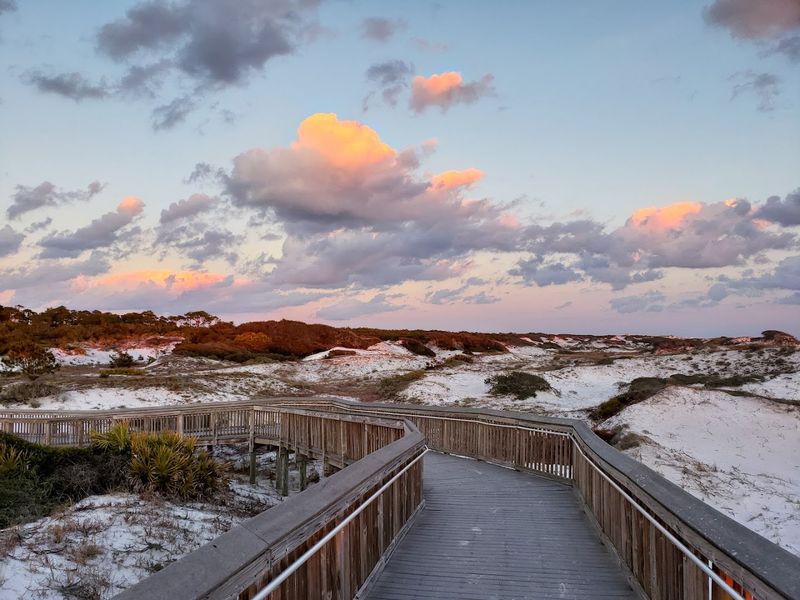
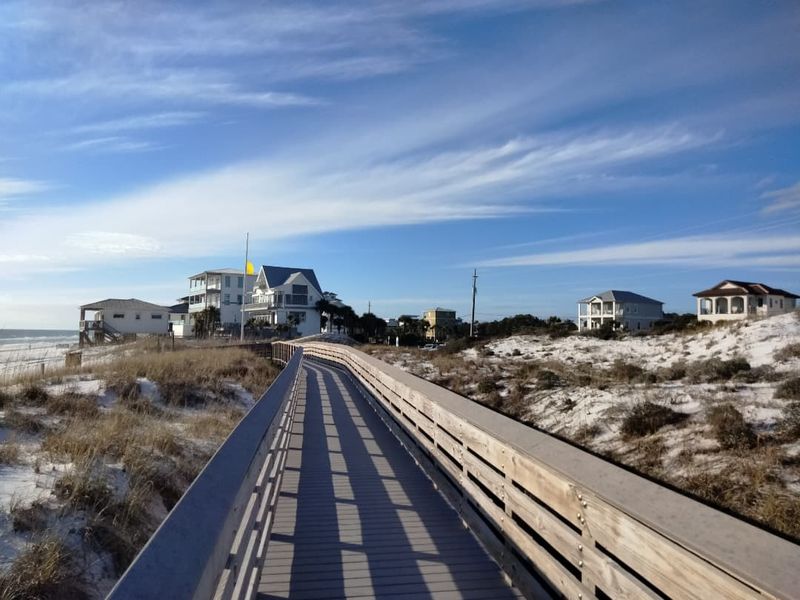
Topsail Hill Preserve State Park protects some of the tallest dunes along the Gulf Coast, with peaks reaching over 25 feet high. The park’s 1,640 acres include three miles of secluded beach and rare coastal dune lakes that exist in only a handful of places worldwide. Wooden boardwalks wind through the dunes, making it easy for kids and strollers to navigate while protecting the fragile ecosystem.
The dunes here feel like walking through a desert wonderland. Wind-sculpted sand creates rippling patterns that change daily, and native sea oats wave from the peaks like flags marking your conquest. Families can rent bikes to explore the park’s 15 miles of trails, or take the tram down to the beach for swimming after your dune adventure.
Rangers offer guided walks during peak season, teaching kids about the plants and animals that call these dunes home. Ghost crabs scuttle across the sand at dusk, and you might spot nesting shorebirds in protected areas. The park’s campground lets you wake up surrounded by dunes, with the sound of waves just beyond the sand hills.
Pack plenty of water and sunscreen because shade is scarce among the dunes. The sand reflects sunlight intensely, creating that otherworldly glow that makes photos absolutely stunning.
2. Grayton Beach State Park Dune Systems
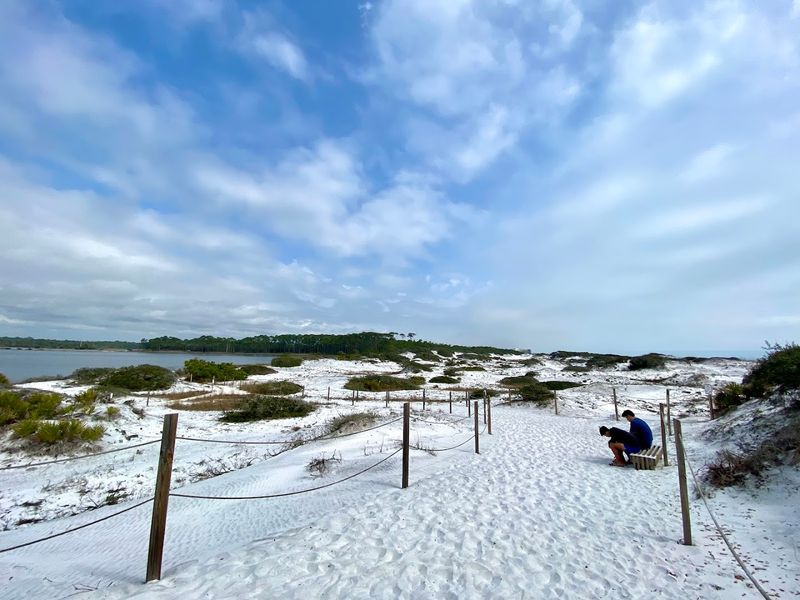
Grayton Beach State Park earned recognition as one of America’s most beautiful beaches, and its dune systems are a huge reason why. These ancient sand hills rise dramatically between the Gulf and Western Lake, creating a barrier that’s both stunning and scientifically important. The dunes here formed over thousands of years, and they’re still actively shaped by wind and waves today.
Western Lake sits right behind the dunes, offering a completely different water experience. This rare coastal dune lake has brackish water that shifts from fresh to salty depending on whether the sandbar connecting it to the Gulf is open or closed. Kids love wading in the calmer lake water, which is usually warmer and gentler than the Gulf surf.
The park’s nature trails loop through the dune landscape, passing through scrub oak forests and pine flatwoods. You’ll see dune rosemary, a threatened plant species that grows nowhere else on Earth except these coastal dune systems. The contrast between the bright white sand and the dark green vegetation creates incredible scenery.
Arrive early during summer because parking fills up fast. The beach here stays relatively uncrowded even on busy days, and the dunes provide natural windbreaks for setting up your family’s beach camp.
3. Point Washington State Forest Sand Hills
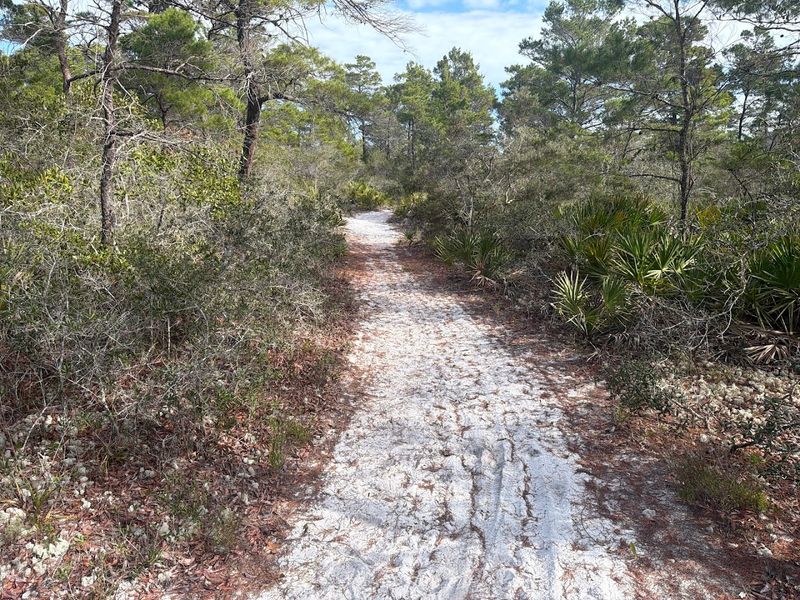
Point Washington State Forest sprawles across 15,000 acres just north of Santa Rosa Beach, protecting an inland continuation of the coastal dune system. These ancient sand hills once formed the coastline thousands of years ago when sea levels were higher. Now they’re covered with longleaf pine and scrub oak, creating a completely different vibe from the beach dunes.
Families can hike or bike over 20 miles of trails that wind through this sandy terrain. The elevation changes are surprisingly dramatic for Florida, with some hills rising 60 feet above the surrounding forest. Kids get a workout climbing these slopes, but the views from the top make it worthwhile.
The forest’s sand hills support rare plant communities found nowhere else. Wiregrass prairies carpet the ground between pines, and after controlled burns, wildflowers explode in colorful displays. Red-cockaded woodpeckers nest in the old-growth pines, and gopher tortoises dig their burrows in the sandy soil.
This spot offers a quieter alternative to the beach dunes, with shade and wildlife viewing opportunities. The trails stay open year-round, and fall through spring provides the most comfortable hiking weather. Bring binoculars for birdwatching and watch for deer browsing in the clearings between sand hills.
4. Eden Gardens State Park Historic Dunes
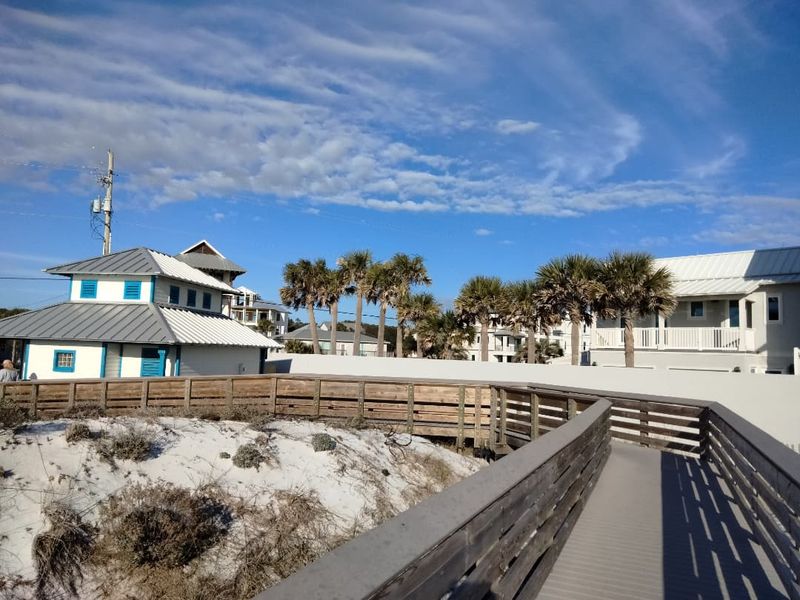
Eden Gardens State Park combines Southern history with natural beauty, sitting on ancient dunes overlooking Choctawhatchee Bay. The Wesley Mansion, built in 1897, perches on a sand ridge that once formed the bay’s shoreline. Spanish moss drapes from massive live oaks that took root in the stabilized dunes centuries ago.
Walking the gardens here feels like traveling back in time. The mansion’s grounds showcase how people learned to landscape on these challenging sandy soils, using native plants that could survive the harsh conditions. Camellias, azaleas, and magnolias thrive in the protected pockets between dune ridges, creating stunning spring blooms.
The park’s picnic areas sit among the dunes under oak canopy, offering shaded spots with bay breezes. Kids can explore the sloping terrain, discovering how the dunes create natural amphitheaters and hidden valleys. The elevation changes here are subtle but noticeable, showing how ancient wave action shaped this land.
Tours of the mansion run Thursday through Monday, and guides explain how families adapted to life on these sandy bluffs. The park hosts special events throughout the year, including outdoor concerts that take advantage of the dunes’ natural acoustics. It’s less about climbing massive sand mountains and more about understanding how these formations shaped human settlement patterns.
5. Coastal Dune Lake Adventures
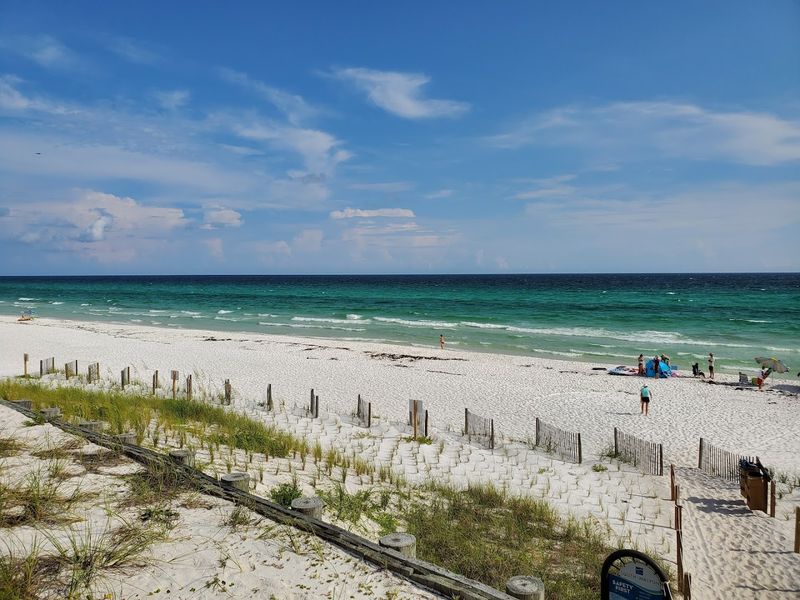
Santa Rosa Beach claims fame for having the highest concentration of coastal dune lakes in the world. Only about 15 of these rare formations exist globally, and South Walton County has several of them. These lakes form in depressions between ancient dune ridges, creating freshwater or brackish bodies separated from the Gulf by just a thin strip of sand.
Families can kayak or paddleboard on these calm waters, which offer a completely different perspective than ocean paddling. The lakes are shallow enough for kids to touch bottom in many spots, and the water stays warmer than the Gulf. When storms breach the sandbar, saltwater rushes in and the ecosystem transforms overnight.
Western Lake, Draper Lake, and Morris Lake are the most accessible for families. You’ll see wading birds fishing in the shallows, and turtles sunning on logs. The surrounding dunes create a protected environment where wind rarely churns up waves, making these ideal spots for beginning paddlers.
Local outfitters rent kayaks and paddleboards, and some offer guided eco-tours explaining the unique geology. The lakes connect to the Gulf periodically through natural channels called outfalls, and watching this process during storms is incredible. These dune lakes represent some of the rarest coastal ecosystems on the planet, right in Santa Rosa Beach’s backyard.
6. Sandcastle Building on Pristine Beaches
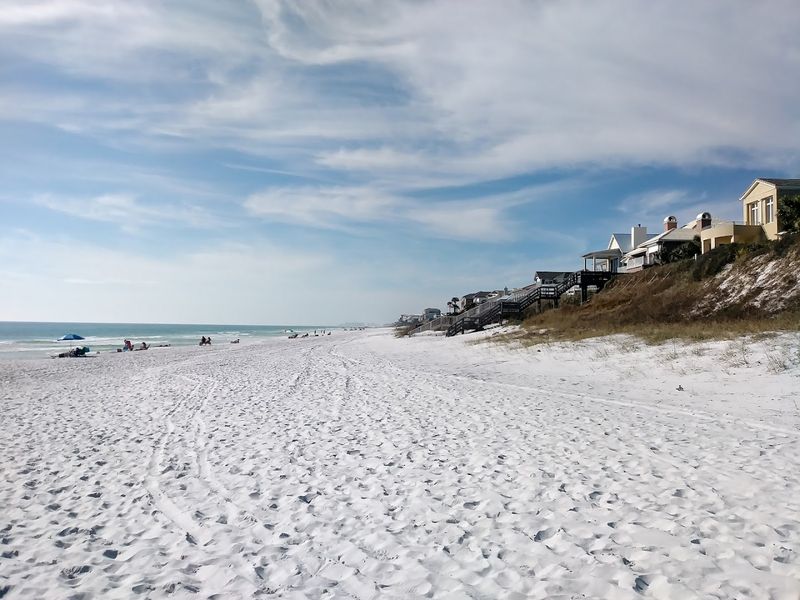
The sugar-white quartz sand at Santa Rosa Beach creates the absolute best material for sandcastle construction. This sand compacts perfectly when wet, holding intricate details that would crumble with regular beach sand. The fine grain means you can build towering structures with remarkably smooth surfaces and sharp edges.
Families spend hours creating elaborate sand cities near the dune line, where the sand stays slightly moist even at low tide. Kids dig moats that actually hold water, and the sand’s pure white color makes every sculpture photograph beautifully. Local competitions happen throughout summer, with professional sand sculptors demonstrating techniques that seem impossible.
The beach’s gentle slope means you have plenty of space to work between the dunes and the waterline. Morning low tides offer the best building conditions, with packed sand that’s damp but not soggy. Bring basic tools like buckets and shovels, but serious builders pack trowels, spray bottles, and carving tools.
After building your masterpiece, climb the nearby dunes for aerial photos showing your creation against the turquoise Gulf. The dunes provide natural seating for parents to relax while keeping an eye on young builders. And when you’re done, the tide erases everything, leaving a clean canvas for tomorrow’s architects.
7. Sunset Dune Hiking Adventures
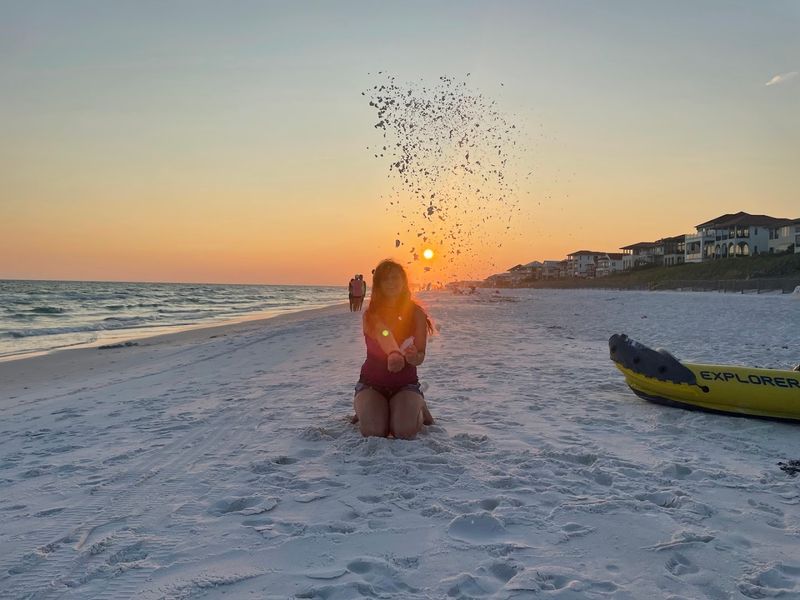
Climbing the dunes at sunset transforms a simple beach walk into an unforgettable family adventure. The sand cools as temperatures drop, making barefoot climbing comfortable after a hot day. Golden light hits the white sand and creates this incredible glow that makes everything look magical.
Start your hike about an hour before sunset, giving kids time to climb without rushing. The loose sand provides a serious workout as you sink with each step, but reaching the summit feels like a real accomplishment. From the top, you can see the entire coastline stretching in both directions, with the Gulf turning from turquoise to gold to pink.
Bring a blanket to sit on while watching the sun drop into the water. The dunes block wind that might be blowing on the beach below, creating a comfortable viewing platform. As the sky changes colors, the dunes themselves shift through different shades, from bright white to pale lavender to deep shadow.
After sunset, the stars emerge spectacularly because the dunes block light pollution from nearby development. Some families pack headlamps for the walk back down, turning it into a nighttime adventure. The sand stays warm for hours after dark, and ghost crabs emerge for their nightly beach patrol, entertaining kids on the return journey.
8. Wildlife Watching in Dune Habitats
The dune ecosystem supports an incredible variety of wildlife that most beach visitors never notice. Shorebirds like least terns and snowy plovers nest directly on the sand between beach and dune line, camouflaging their eggs so perfectly you could walk right past them. During nesting season, marked areas protect these threatened species, and kids love spotting the tiny chicks when they hatch.
Gopher tortoises dig extensive burrow systems in the stable backdunes, creating underground apartments that shelter dozens of other species. These ancient reptiles move slowly through the sand, munching on grasses and leaving distinctive tracks. Finding an active burrow is like discovering a secret entrance to an underground city.
Ghost crabs rule the beach at night, emerging from burrows to scavenge and hunt. Their pale shells blend perfectly with the white sand, but their quick sideways scurrying catches kids’ attention. Bring a flashlight and walk the beach after dark to see hundreds of these crabs going about their business.
Sea turtles nest on these beaches from May through October, crawling up from the Gulf to dig nests in the dunes. While you shouldn’t disturb nesting turtles or hatchlings, you might see their tracks in early morning. Local organizations offer turtle walks during nesting season, teaching families about conservation while searching for nesting mothers.