Take A Whimsical Train Ride With The Kids At This Florida Railroad Museum
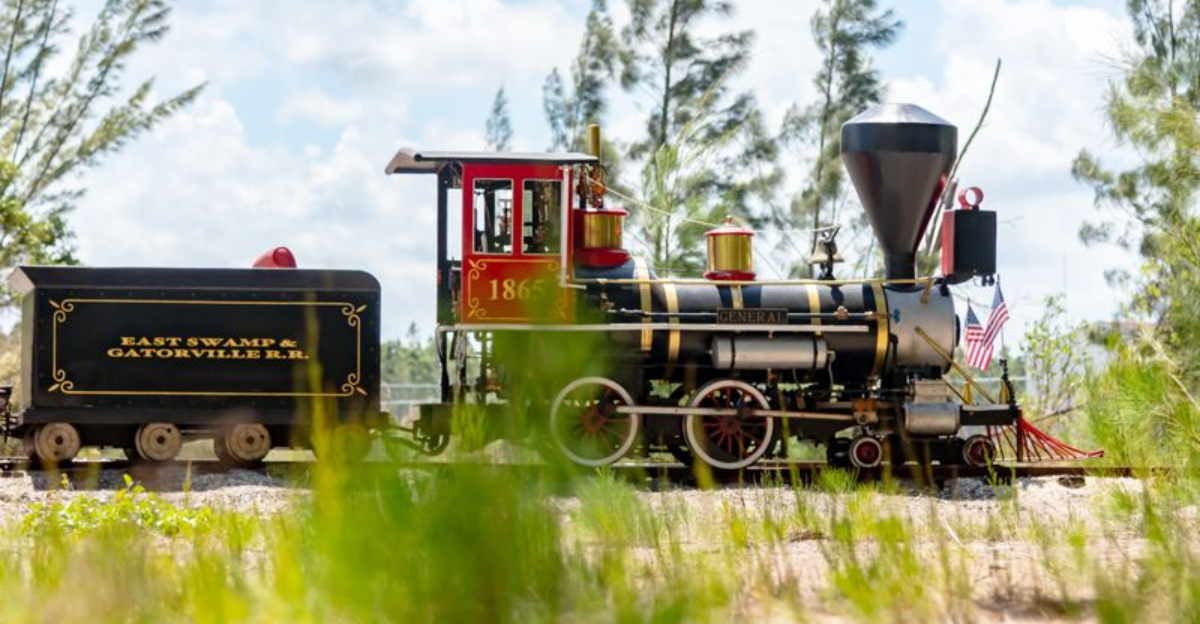
Tucked away in southwest Miami, the Gold Coast Railroad Museum offers families a chance to step back in time and experience the golden age of rail travel. With vintage locomotives, historic passenger cars, and actual train rides that kids can enjoy, this hidden gem brings railroad history to life in the most hands-on way possible. Whether your little ones are train enthusiasts or just looking for a unique adventure, this museum delivers an unforgettable day of exploration and discovery that beats another afternoon at the mall.
1. Climb Aboard Historic Train Cars From Different Eras
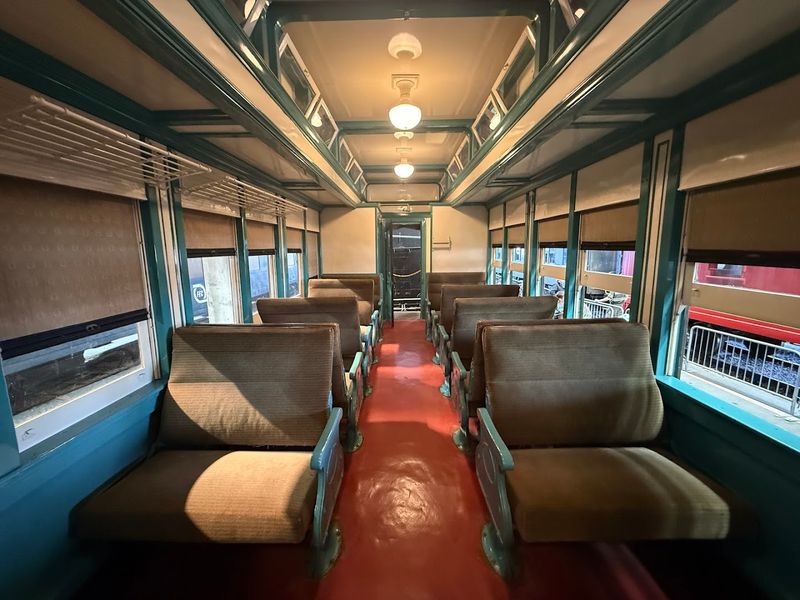
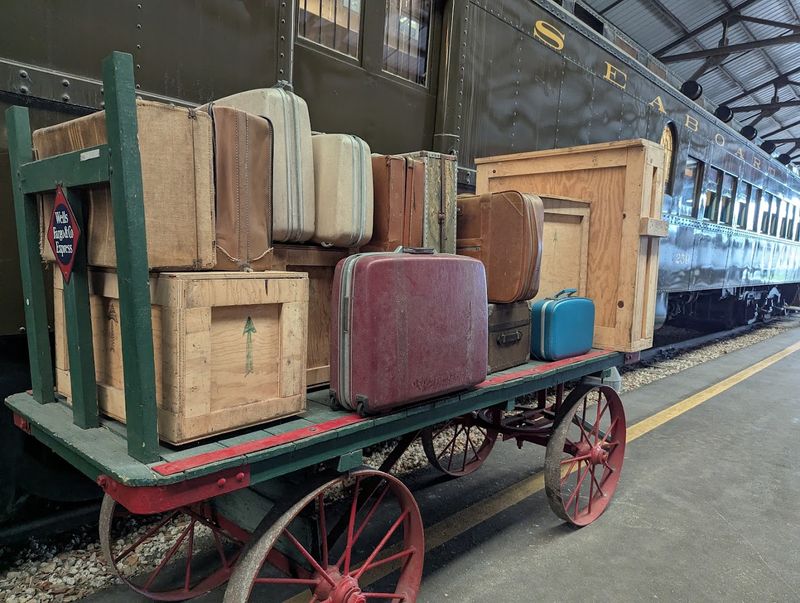
Walking through the museum grounds feels like wandering onto an outdoor movie set frozen in time. Dozens of authentic train cars from various periods sit waiting for exploration, each one telling its own story through worn leather seats, polished wood paneling, and vintage fixtures. Kids can actually step inside many of these cars, running their hands along the same surfaces that passengers touched decades ago.
The Florida East Coast Railway cars showcase how Floridians once traveled before highways dominated the landscape. You’ll find everything from luxurious sleeper cars to utilitarian freight cars that hauled goods across the state. The U.S.
Army Hospital car offers a particularly fascinating glimpse into how medical care was delivered during wartime, complete with original equipment that makes history textbooks come alive.
Each car has informational plaques explaining its significance, though some exhibits await restoration funding. The outdoor setting means you can take your time exploring without feeling rushed, and the shaded pathways between cars provide relief from Miami’s heat. Bring your camera because these vintage beauties photograph incredibly well against the South Florida sky.
2. Experience A Real Train Ride On Vintage Locomotives
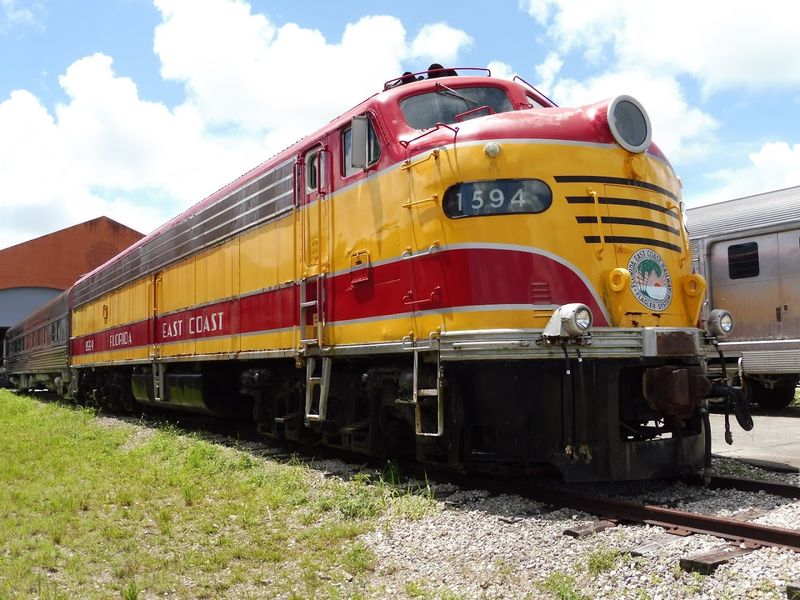
Nothing compares to the thrill on a child’s face when that train whistle blows and the wheels start rolling. The museum offers actual train rides pulled by diesel locomotives, giving kids the authentic experience of rail travel that most modern children never get to enjoy. These aren’t tiny kiddie rides either—you’re boarding real railroad equipment that once served working routes across Florida.
The ride typically lasts about 30 minutes, making two passes along the track so everyone gets a good look at the museum grounds from a completely different perspective. The gentle swaying motion and rhythmic clacking of wheels on rails creates a surprisingly soothing experience. Kids love pulling the whistle cord when the conductor offers them the chance, creating memories that’ll stick with them far longer than any video game.
Train rides cost extra beyond admission, but families consistently mention they’re worth every dollar. The experience runs on select days, so check the schedule before visiting. Weekends see the most frequent departures, and arriving early helps you snag seats together.
The vintage cars aren’t air-conditioned, so dress accordingly for South Florida weather.
3. Tour The Presidential Train Car Used By Harry Truman
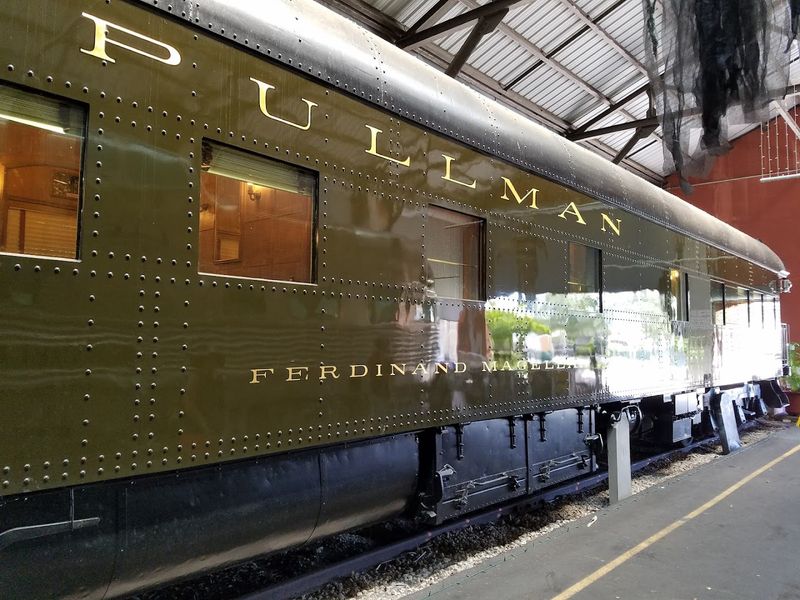
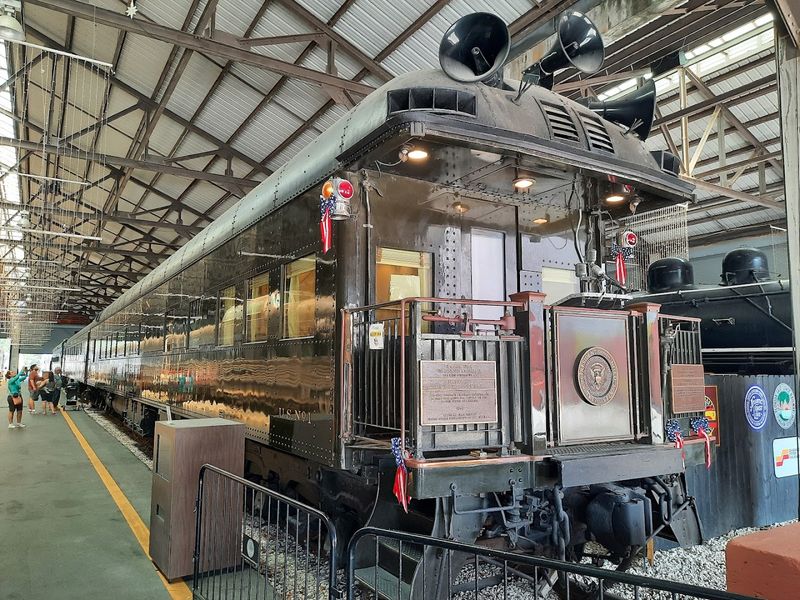
The Ferdinand Magellan stands as the crown jewel of the museum’s collection, and for good reason. This armored railroad car served as the only car ever custom-built specifically for a U.S. President, providing secure transportation for Franklin D.
Roosevelt, Harry Truman, and Dwight Eisenhower. The level of craftsmanship and historical significance packed into this single car is absolutely staggering.
Guided tours of the Magellan cost around five dollars per person and deliver fascinating insights you won’t find on any placard. The tour guides, particularly Chase according to multiple visitors, share captivating stories about presidential travels and the car’s unique security features. You’ll see the reinforced armor plating, bulletproof glass, and luxurious interior appointments that made this car both a fortress and a palace on wheels.
Kids find the presidential connection incredibly cool, especially when they learn that major decisions affecting American history were made while rolling down the tracks in this very car. The tour takes about 20 minutes and offers incredible photo opportunities. This special experience isn’t included in general admission, but history buffs and curious families alike consider it an absolute must-do addition to their visit.
4. Watch Detailed Model Train Layouts In Action
Head to the back building and prepare to have your jaw drop. The museum houses an enormous model railroad layout that rivals anything you’ve seen in hobby shops or home basements. These aren’t simple oval tracks with a single train—we’re talking intricate landscapes with multiple trains running simultaneously, tiny buildings, realistic scenery, and details that’ll keep you spotting new elements every time you look.
The scale and complexity of these layouts impresses adults as much as it captivates children. Volunteers who clearly love what they do maintain and operate the displays, sometimes working on improvements right in front of visitors. Watching the miniature trains navigate switches, cross bridges, and pull into stations demonstrates the same principles that govern the full-size locomotives outside.
The model train room provides a climate-controlled break from the outdoor heat, making it a strategic stop during your visit. Benches allow parents to sit while kids press their noses close to the glass, following individual trains on their journeys. Photography is welcome, and the lighting is actually pretty good for capturing these tiny mechanical marvels in motion.
The attention to detail in these layouts shows the dedication of the museum’s volunteer community.
5. Let Little Ones Play With Hands-On Train Activities
Recognizing that toddlers and preschoolers need different engagement than older kids, the museum provides a dedicated children’s area with hands-on train activities. Wooden toy train sets, interactive displays, and play equipment designed for smaller visitors give the youngest family members their own space to explore railroad themes at their developmental level. This thoughtful addition means you don’t have to worry about keeping a restless three-year-old entertained while older siblings tour historic cars.
The play area offers parents a chance to actually sit down and catch their breath while kids burn energy in a safe, contained environment. Chairs and seating areas acknowledge that museum visits can be exhausting for adults chasing multiple children. The space isn’t fancy or high-tech, but it serves its purpose well and gives little ones a chance to engage with trains in a tactile, imaginative way.
Parents appreciate this designated spot for younger children who might not have the patience for lengthy tours or historical explanations. The play area is indoors, providing relief from the heat and a comfortable environment regardless of weather. While some reviews mention the furnishings could use updating, families with toddlers consistently mention this space as a visit highlight that kept their youngest happy.
6. Take The Locomotive Cab Ride Experience
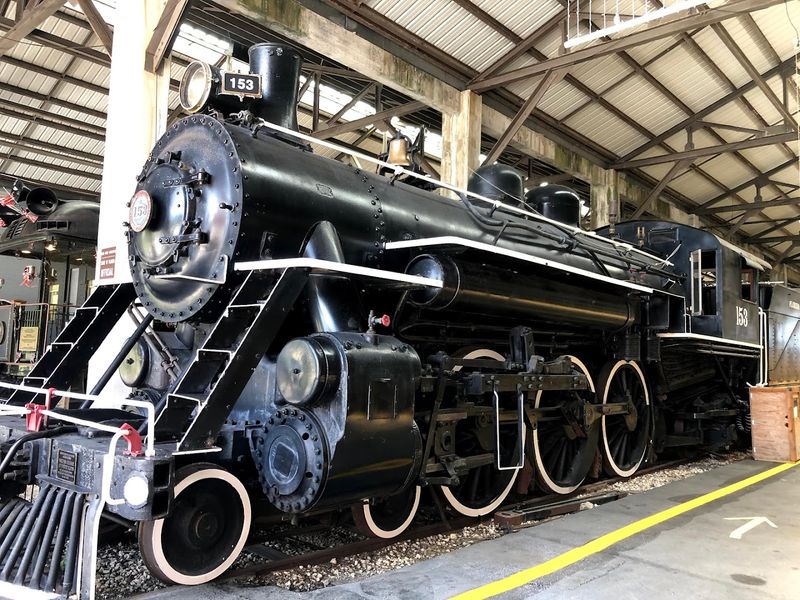
For the ultimate railroad enthusiast experience, the museum offers something truly special: the chance to actually operate a diesel locomotive. This isn’t a simulation or a toy—you’re sitting in the engineer’s seat of real railroad equipment, learning the controls, and driving the locomotive around the museum’s yard. The experience costs around fifteen dollars and delivers thrills that no passive tour can match.
Knowledgeable staff members guide you through the operation, explaining how the various controls work and the responsibility that comes with operating such powerful machinery. You’ll pull the horn, manage the throttle, and feel the incredible power of tons of steel responding to your commands. Visitors from overseas have specifically mentioned traveling to the museum just for this opportunity, calling it worth every dollar spent.
The cab ride experience also includes hauling historic railroad cars and a caboose, giving you a sense of what engineers faced managing heavy loads. Staff members like Cully share fascinating details about locomotive operation and railroad history during the experience. This premium activity requires advance booking and isn’t available every day, so plan accordingly.
It’s suitable for older kids and adults who can safely reach the controls and follow instructions carefully.
7. Visit On First Saturday For Free Admission
Smart families know the secret to making this adventure budget-friendly: the first Saturday of every month features free general admission. You’ll still pay for special experiences like train rides, presidential car tours, or locomotive cab experiences, but eliminating the entrance fee makes the visit significantly more affordable for larger families. This popular promotion draws crowds, but the museum rarely feels uncomfortably packed.
Even with free admission, you’re getting access to dozens of historic train cars, the model railroad displays, children’s play area, and all the outdoor exhibits. Many families report spending three hours or more exploring without paying for any add-on experiences, though most end up purchasing at least the train ride because kids beg for it. The free admission day doesn’t diminish the experience—you’re seeing and accessing the same exhibits as any other day.
Parking remains free regardless of when you visit, which is another nice perk in a city where parking fees can add up quickly. The museum is conveniently located near Zoo Miami, making it easy to combine attractions if you’re planning a full day out. Arrive when they open at 10 AM on free Saturdays to beat the afternoon heat and enjoy a less crowded experience before word spreads throughout the morning.
8. Explore The Historic Naval Air Station Grounds
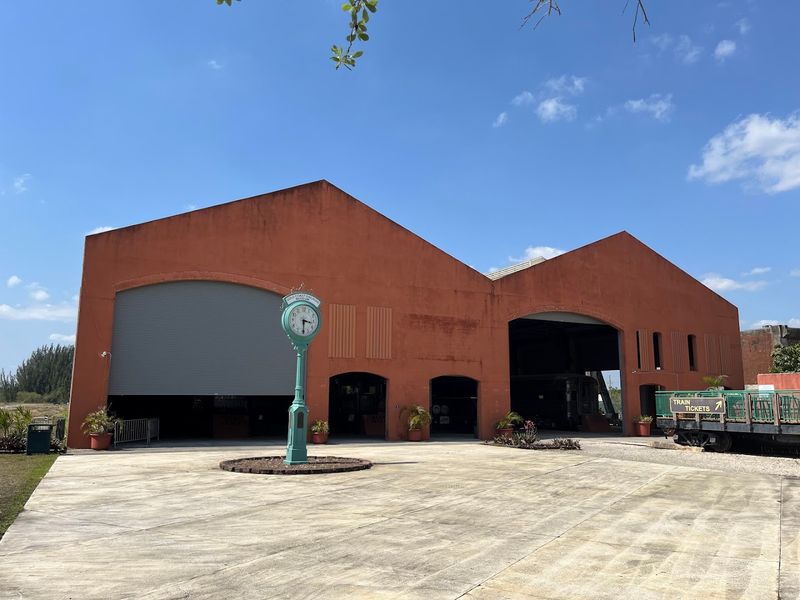
The museum’s location adds an unexpected layer of historical significance that many visitors discover only after arriving. The grounds occupy part of what was once a Naval Air Station used for blimp manufacturing and operations during World War II. Remnants of the enormous airship hangars still stand, and the museum provides information about this fascinating chapter of South Florida’s military history that most people never learn in school.
Tour guides sometimes share stories about the station’s role in coastal defense and anti-submarine patrols during the war years. The sheer scale of the infrastructure needed to house and maintain blimps becomes apparent when you see the massive foundation structures that remain. This dual history—both railroad and aviation—makes the site particularly interesting for families with kids who love different types of transportation history.
The naval aviation history doesn’t overshadow the railroad focus but rather enriches the overall experience by showing how this land has served multiple important purposes over the decades. Informational displays explain the transition from military installation to railroad museum. Walking the grounds with this context in mind adds depth to your visit and gives you interesting facts to share with kids who might be studying World War II history in school.