This Eerie Abandoned Jail In Florida Is Not Somewhere You’d Want To Visit After Dark
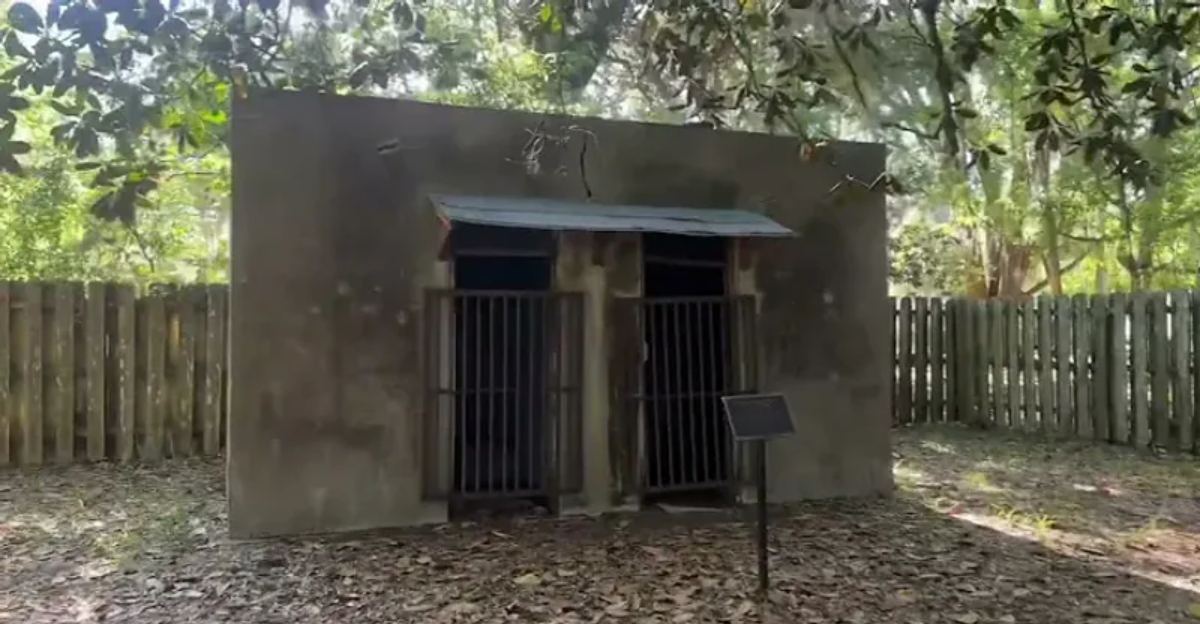
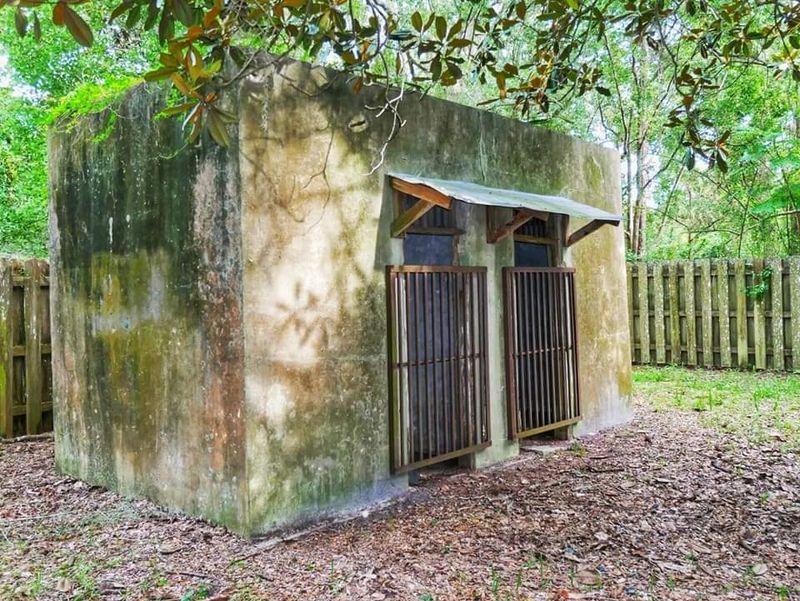
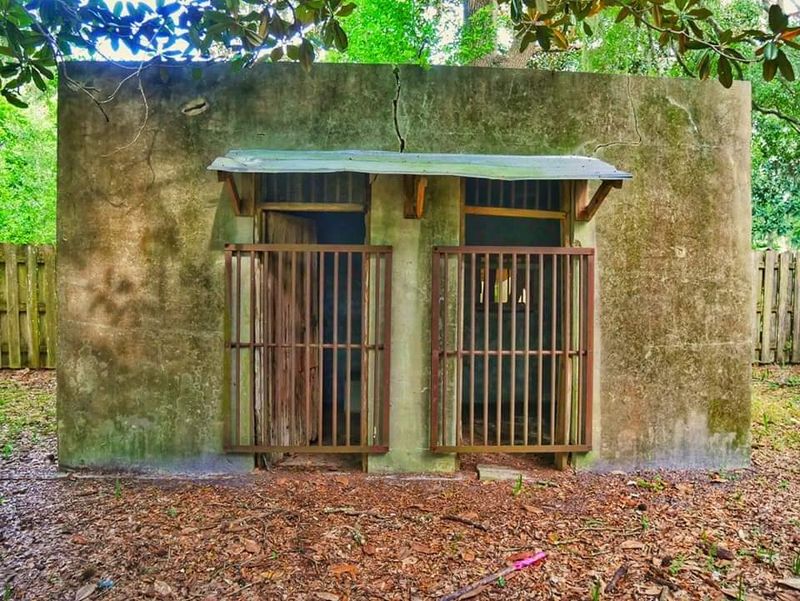
Deep in the heart of Levy County sits a crumbling piece of Florida history that sends shivers down visitors’ spines. The Old Chiefland Jail stands silent and weathered, its rusty bars and peeling walls telling stories of a rougher time in this small town’s past. While most folks prefer their history lessons in broad daylight, this abandoned lockup takes on an entirely different personality once the sun goes down, making it one of the most unsettling spots in all of North Central Florida.
1. The Haunting Architecture of Decay
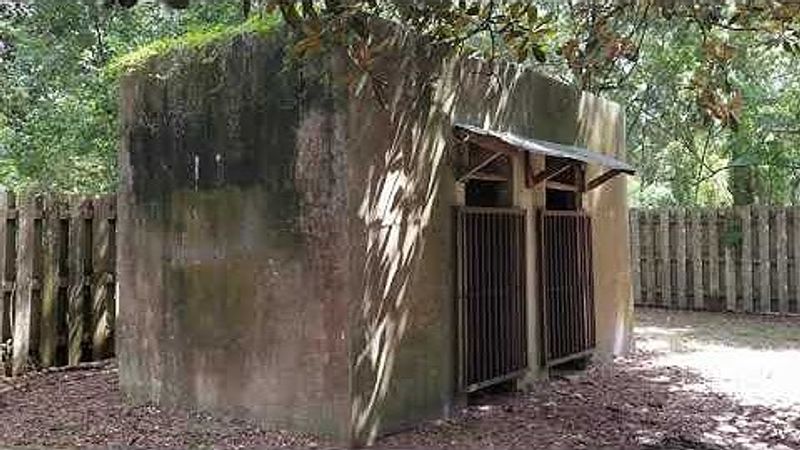
Walking past the Old Chiefland Jail feels like stepping through a time portal to Florida’s frontier days. The building’s weathered brick facade tells decades of stories through every crack and crumble. Iron bars, now orange with rust, still cling stubbornly to window frames that once kept lawbreakers from escaping into the night.
What makes this structure particularly unsettling is how nature has begun reclaiming it. Vines snake through broken windows and weeds push through foundation cracks. The roof sags in places where water damage has weakened the support beams over years of neglect.
During daylight hours, the jail looks sad and forgotten. But as shadows lengthen across its facade, those empty window frames start resembling hollow eyes watching passersby. The building seems to transform from a historical curiosity into something far more menacing.
Local historians have documented the jail’s construction in the early 1900s, when Chiefland was still establishing itself as a proper town. Back then, this small lockup served the entire surrounding area. Today, it stands as a crumbling monument to rougher times, drawing curious visitors who want to glimpse Old Florida before preservation efforts erase these authentic remnants forever.
2. Cells That Still Echo With History
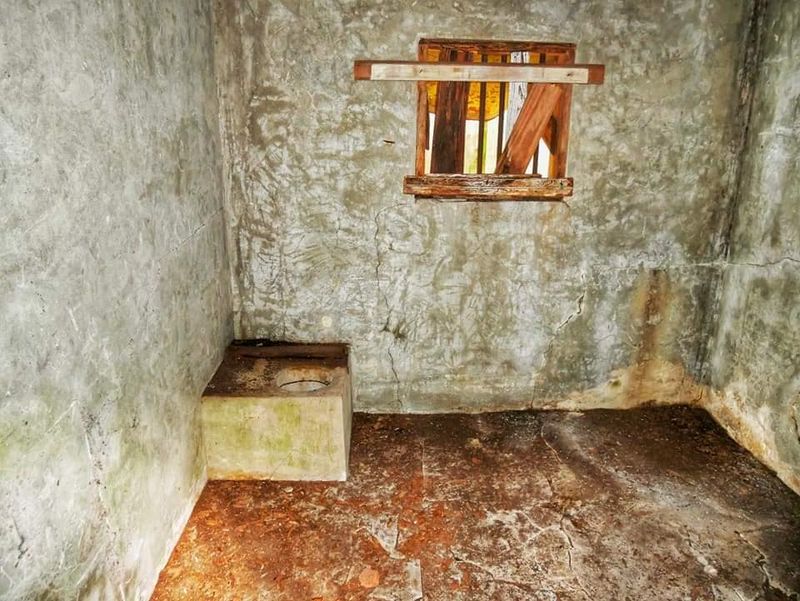
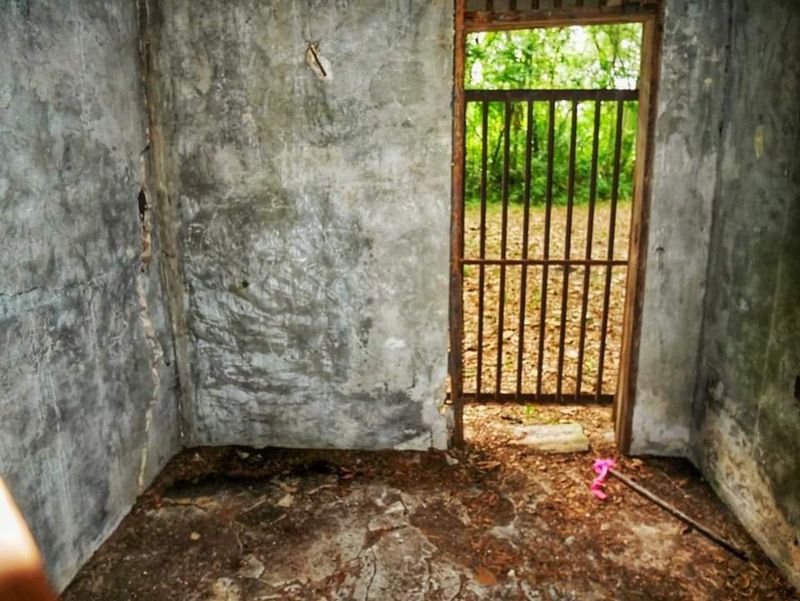
Step inside if you dare, and you’ll find the jail cells themselves remarkably intact despite decades of abandonment. Each cramped space measures barely larger than a modern walk-in closet. The metal bunks have long since rusted into abstract sculptures, but you can still imagine prisoners lying there, counting ceiling cracks and listening to sounds from the free world outside.
Graffiti from various eras covers the walls, creating an unintentional timeline of trespassers and thrill-seekers. Some messages date back decades, while others look fresh enough to be from last month. Reading these scrawled notes feels invasive somehow, like eavesdropping on conversations between the building and its uninvited guests.
The cells retain an oppressive atmosphere that no amount of fresh air can quite dispel. Something about standing in such a confined space, knowing others were locked here against their will, creates an uncomfortable tightness in your chest. Sunlight struggles to penetrate the small, high windows, leaving corners perpetually shadowed.
Former inmates probably included everyone from rowdy drunks to cattle rustlers to more serious criminals. Their presence seems to linger in the stale air, making visitors instinctively want to leave these small spaces quickly.
3. The Booking Room Where Records Ended
Beyond the cells lies what was once the jail’s booking area, where officers processed arrested individuals before locking them away. A massive wooden desk still occupies one corner, its surface scarred by decades of use and abuse. You can almost hear the thunk of rubber stamps and the scratch of fountain pens recording names in ledgers that have long since disappeared.
This room holds particular fascination for history buffs because it represents the administrative side of frontier justice. Chiefland wasn’t exactly a Wild West town, but law enforcement in rural Florida during the early twentieth century operated quite differently than today. Officers handled everything from paperwork to prisoner meals to building maintenance themselves.
Broken filing cabinets line one wall, their drawers hanging open like gaping mouths. Whatever records they once protected have vanished, either removed during the jail’s closure or stolen by souvenir hunters over the years. Only dust and spider webs remain where important documents once rested.
The booking room windows face Chiefland’s main street, allowing officers to keep watch on town activities while working. Today, those same windows provide glimpses of modern life passing by an increasingly forgotten piece of the past. It’s jarring to see cars and smartphones existing just feet away from this preserved moment of history.
4. Mysterious Sounds After Sunset
Ask locals about the Old Chiefland Jail, and many will share stories about strange noises emanating from the building after dark. Metallic clangs echo through empty corridors despite no visible source. Footsteps seem to pace the cells even though the building stands empty.
Some brave souls who’ve investigated these sounds report feeling watched by unseen eyes.
Skeptics reasonably point out that old buildings make noise as temperatures drop and materials contract. Raccoons, possums, and other critters probably account for many mysterious sounds. Wind whistling through broken windows and loose boards creates its own eerie symphony after sunset.
Still, the consistency of reports from different people across different decades gives pause. Why do so many visitors independently describe similar experiences? Whether you believe in supernatural explanations or prefer logical reasoning, something about this place definitely feels different once darkness falls.
Paranormal investigation groups have visited multiple times, claiming to capture unexplained electronic voice phenomena and temperature anomalies. Their findings remain controversial, but they’ve certainly added to the jail’s spooky reputation. Now, curiosity-seekers from across Florida make pilgrimages here, hoping to experience something unexplainable themselves.
Most leave disappointed, though a surprising number swear they encountered something genuinely unsettling during their visits.
5. Rusted Restraints and Forgotten Equipment
Scattered throughout the jail are remnants of law enforcement equipment from another era. Rusted handcuffs dangle from hooks where officers once stored them between uses. Heavy chains that secured particularly dangerous prisoners lie coiled in corners like sleeping metal serpents.
Each piece tells stories we can only imagine about the people they once restrained.
Modern visitors find this equipment both fascinating and disturbing. The handcuffs look impossibly heavy and uncomfortable compared to contemporary versions. The leg irons seem designed more for punishment than mere security.
Looking at these tools makes you grateful for how much criminal justice standards have evolved over the past century.
Some equipment defies easy identification, leaving historians scratching their heads about its original purpose. Was that hooked pole for pulling prisoners away from bars? Did that strange metal contraption secure cell doors or serve some other function entirely?
Without documentation, we’re left guessing about many items’ uses.
Occasionally, artifact hunters try removing these historical pieces, but most items are too rusted and fragile to survive transportation. Besides, taking them feels wrong somehow, like disturbing graves. These objects belong here, slowly returning to the earth alongside the building that housed them.
They’re monuments to a rougher time when Chiefland was still finding its identity as a community.
6. Why Chiefland Abandoned Its Historic Jail
The Old Chiefland Jail closed its doors when the county built modern detention facilities better suited to contemporary standards and growing populations. As Levy County’s needs evolved, this small-town lockup simply couldn’t accommodate updated requirements for prisoner housing, safety regulations, and legal mandates. Progress demanded something new, leaving this historic structure behind.
After closure, the building served various purposes before being abandoned completely. Some remember it housing storage for county equipment. Others recall it being used for administrative overflow when courthouse space ran short.
Eventually, maintaining the aging structure became more trouble than it was worth, and the building was simply locked up and forgotten.
Today, debates continue about what should happen to the Old Chiefland Jail. Preservationists argue it represents irreplaceable local history deserving restoration and protection. Others counter that spending tax dollars on maintaining an old jail makes little sense when more pressing needs exist.
Meanwhile, the building continues deteriorating, making eventual decisions more urgent and expensive.
Chiefland itself has changed dramatically since this jail operated. The sleepy agricultural community has grown and modernized while maintaining its small-town character. The abandoned jail serves as a physical reminder of how far the town has come, standing as a monument to rougher times when law and order looked very different than today.