14 Florida Vacation Ideas That Go Beyond the Usual Beach Day
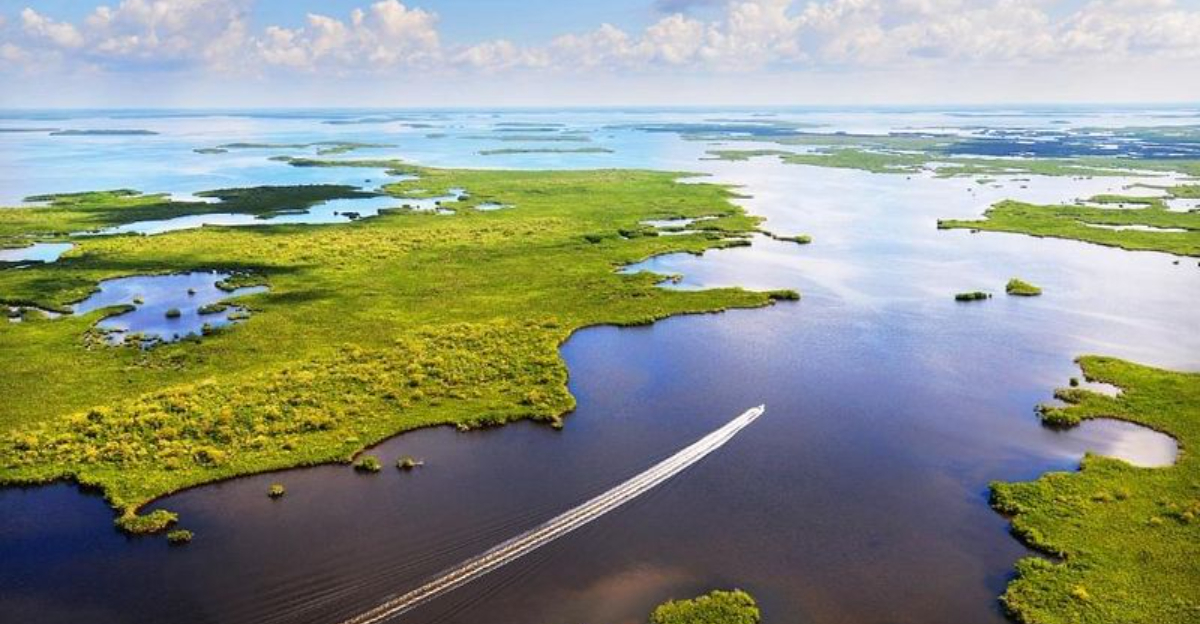
Florida is famous for its beaches, but there’s so much more waiting beyond the sand. From swimming with manatees to exploring quirky roadside attractions, the Sunshine State offers adventures that most visitors never experience. Whether you’re craving wildlife encounters, historic towns, or natural springs, these unique vacation ideas will help you see a completely different side of Florida.
1. Swim or paddle with manatees (Crystal River)
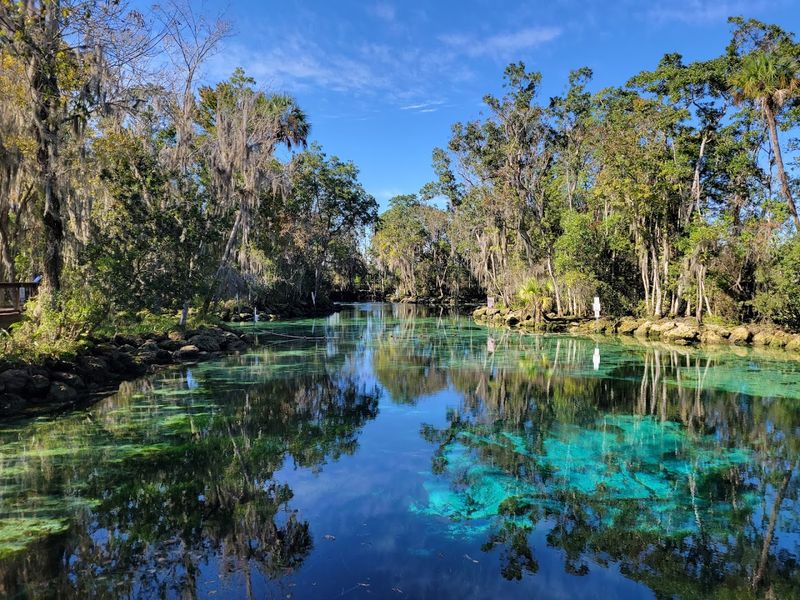
Crystal River becomes a manatee sanctuary every winter when hundreds of these gentle giants migrate to the area’s warm springs. This is the only place in the United States where you can legally swim alongside manatees under carefully regulated conditions.
Licensed tour operators provide wetsuits, snorkels, and thorough briefings on how to respectfully interact with these protected animals. The experience usually lasts a few hours and includes boat rides through spring-fed waterways.
Most encounters happen between November and March when water temperatures drop and manatees seek refuge in the consistently 72-degree springs. You’ll float quietly while manatees glide past, sometimes rolling over or swimming right up to curious visitors.
Even if you prefer staying dry, glass-bottom boat tours and kayaking trips offer excellent viewing opportunities. Bring an underwater camera, book early during peak season, and prepare for one of Florida’s most unforgettable wildlife experiences.
2. Explore the Everglades by airboat or kayak (Everglades National Park)
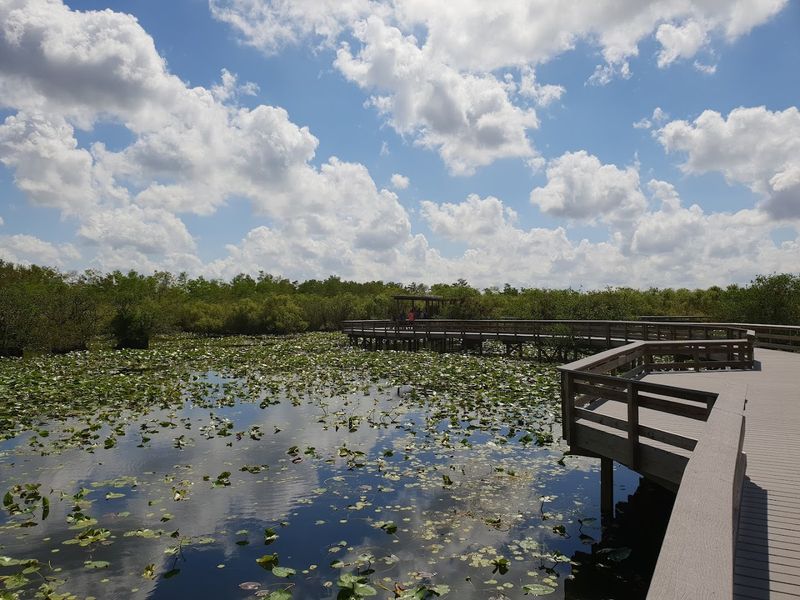
Sawgrass prairies stretch endlessly across one of America’s most unique ecosystems, where alligators sun themselves and wading birds stalk through shallow water. Everglades National Park protects 1.5 million acres of subtropical wilderness that looks nothing like typical Florida vacation spots.
Airboat tours zip across open marshes, giving you a thrilling ride while guides point out wildlife and explain the ecosystem. For a quieter experience, paddle through mangrove tunnels where the only sounds are bird calls and your paddle dipping into tannin-stained water.
Multiple entry points serve different areas. The main entrance near Homestead offers paved trails and ranger programs, while the Gulf Coast entrance provides excellent kayaking routes through Ten Thousand Islands.
Winter brings cooler temperatures, fewer mosquitoes, and better wildlife viewing as animals congregate around shrinking water sources. Pack sun protection, bring binoculars, and expect a completely different Florida landscape than you’ve seen before.
3. Take a historic getaway (St. Augustine)
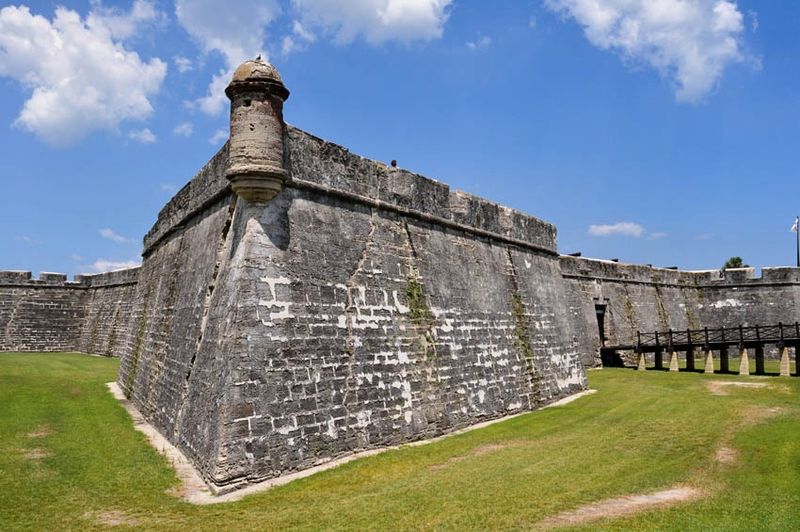
America’s oldest continuously occupied European settlement feels worlds away from modern Florida theme parks and beach resorts. Founded in 1565, St. Augustine preserves centuries of Spanish colonial history through its architecture, museums, and narrow streets.
Castillo de San Marcos stands as the oldest masonry fort in the continental United States, with thick coquina walls that have survived pirate attacks and colonial wars. Rangers demonstrate cannon firings on weekends, and you can explore gun decks overlooking Matanzas Bay.
The compact historic district is perfectly walkable, filled with galleries, chocolate shops, restaurants serving Spanish and Minorcan cuisine, and buildings that date back hundreds of years. Flagler College occupies a stunning former hotel worth touring even if you’re not a student.
Ghost tours run nightly for those interested in haunted history, while daytime visitors can browse the old market district or take trolley tours narrated by costumed guides. Book accommodations inside the historic area to maximize your immersion in old-world Florida charm.
4. Go spring-hopping (Central Florida)
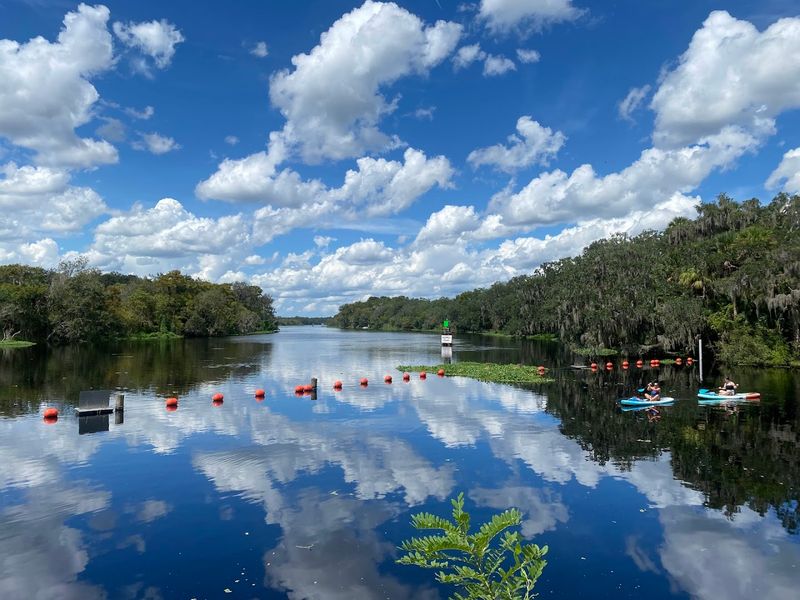
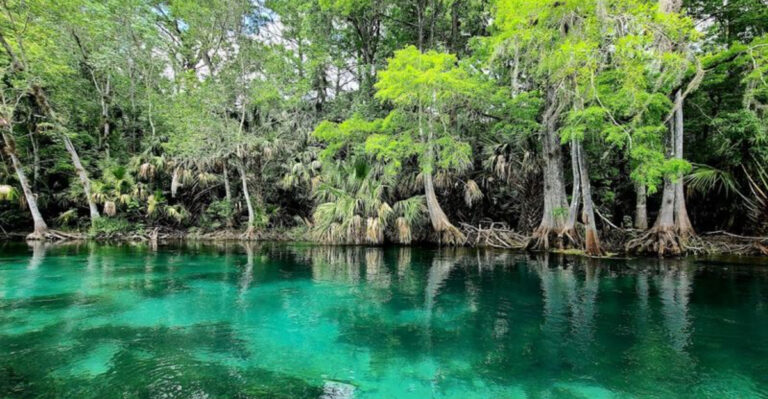
More than 700 natural springs bubble up across Florida, creating swimming holes with water so clear you can count fish from the surface. These geological wonders maintain constant temperatures around 72 degrees year-round, making them perfect for cooling off in summer or warming up in winter.
Ginnie Springs near High Springs is famous among divers and snorkelers, while Ichetucknee Springs offers lazy river tubing through shaded waterways. Wakulla Springs features one of the world’s deepest freshwater springs and glass-bottom boat tours.
Each spring has its own character. Some allow jumping from rope swings, others are better for quiet kayaking. Rainbow Springs State Park combines swimming with botanical gardens and waterfall features.
Most springs charge modest entrance fees and have facilities like changing rooms and concession stands. Weekdays are less crowded than weekends during summer. Bring reef-safe sunscreen, water shoes for rocky bottoms, and prepare to see Florida’s natural beauty at its most pristine and refreshing.
5. Visit Kennedy Space Center (Merritt Island)
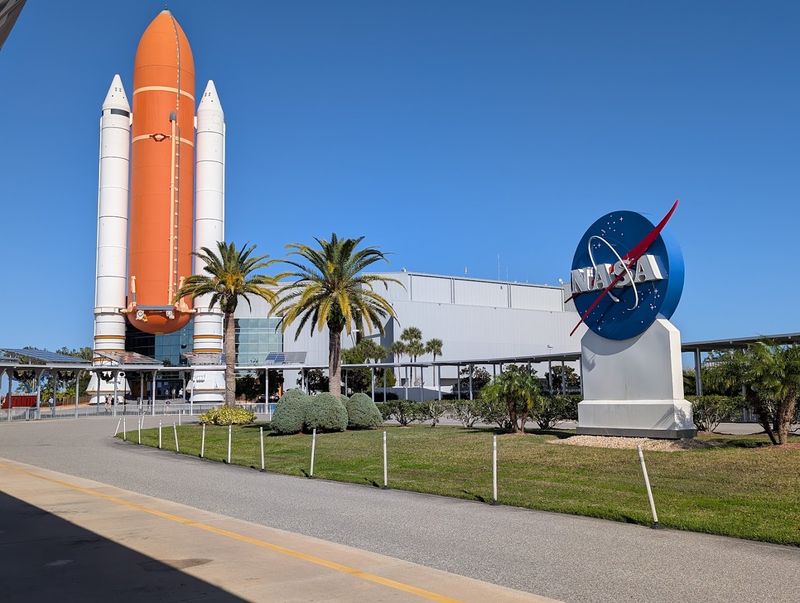
Rockets tower over the horizon at one of America’s most significant historic sites, where moon missions launched and space shuttles blasted into orbit. Kennedy Space Center Visitor Complex sits on Merritt Island, offering a full day of space exploration history without the crowds of nearby theme parks.
The Atlantis exhibit lets you walk beneath a real space shuttle suspended as if floating in orbit. Touch moon rocks, meet veteran astronauts during scheduled talks, and experience launch simulators that shake your seat.
Bus tours take you into restricted areas where actual spacecraft preparation happens. You’ll see the massive Vehicle Assembly Building and visit launch pads used for current missions.
IMAX films show stunning space footage on five-story screens, while the rocket garden displays missiles from different eras of space exploration. If you time your visit right, you might witness an actual rocket launch from nearby viewing areas.
Combine your space center visit with wildlife drives through Merritt Island National Wildlife Refuge for an unusual day mixing technology and nature.
6. Do a small-town arts weekend (New Smyrna Beach)
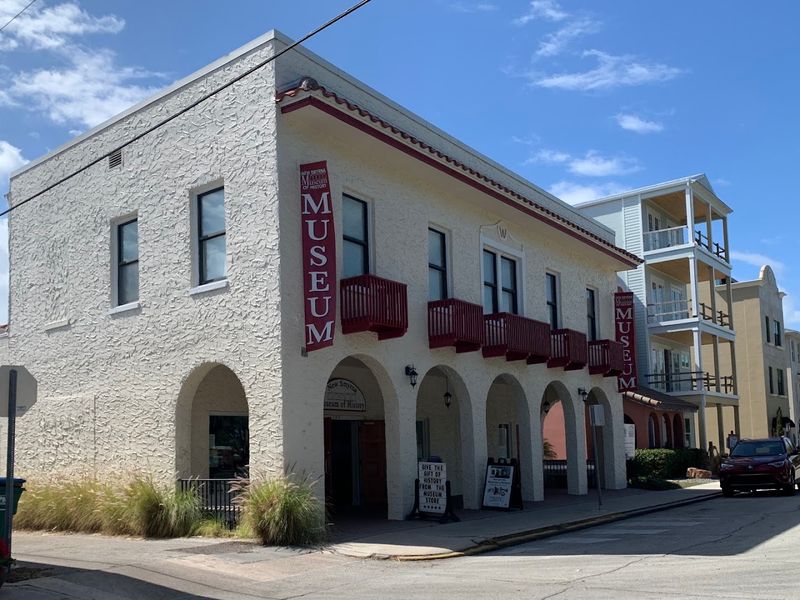
Gallery Row stretches along Flagler Avenue in a beach town that takes its art scene seriously. New Smyrna Beach has cultivated a creative community that goes far beyond typical coastal tourist shops.
Bob Ross, the famous television painter, got his start here, and the town celebrates that connection alongside contemporary artists working in studios you can visit. First Saturday gallery walks happen monthly, with wine, live music, and artists demonstrating their techniques.
Between gallery hopping, you’ll find craft breweries, farm-to-table restaurants, coffee roasters, and vintage shops in historic buildings. The Riverside Drive district offers antiques and Mediterranean-style architecture along the Indian River.
Canal Street becomes a foodie destination after dark, with everything from fresh seafood to international cuisine. The beach itself remains quieter and less developed than nearby Daytona, giving the whole town a relaxed, artsy vibe.
Plan your visit around art festivals in February or November for the fullest cultural experience, or come anytime to enjoy a Florida beach town with genuine creative energy and local character.
7. Tour Bok Tower Gardens (Lake Wales)
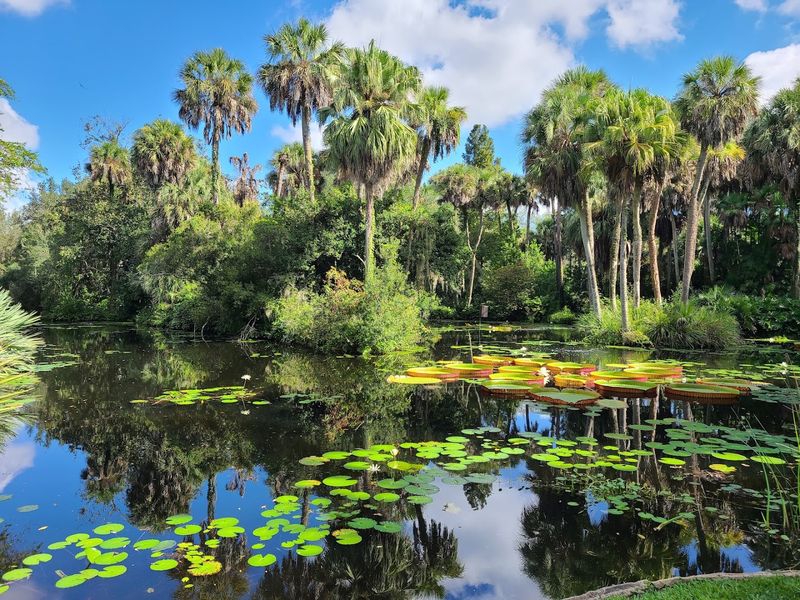
A 205-foot singing tower rises from one of Florida’s highest points, surrounded by gardens designed by Frederick Law Olmsted Jr., whose father created New York’s Central Park. This National Historic Landmark offers something completely unexpected in Central Florida.
The carillon bells ring out daily concerts at 1 and 3 p.m., filling the gardens with music that echoes across the landscape. Pink marble and coquina stone cover the Art Deco tower, decorated with sculptures and intricate tile work.
Winding paths lead through azaleas, camellias, magnolias, and palm groves, with benches positioned for quiet contemplation. A separate historic mansion called Pinewood Estate offers guided tours of 1930s Mediterranean Revival architecture.
The gardens stay relatively cool even in summer thanks to mature tree canopy and elevation. Bring a picnic to enjoy in designated areas, or visit the café for light refreshments.
This is Florida’s answer to formal botanical gardens, created by Edward Bok as a gift to the American people. It remains peaceful, uncrowded, and perfect for anyone seeking beauty and tranquility away from commercial attractions.
8. Kayak the mangroves (Treasure Coast or Ten Thousand Islands)
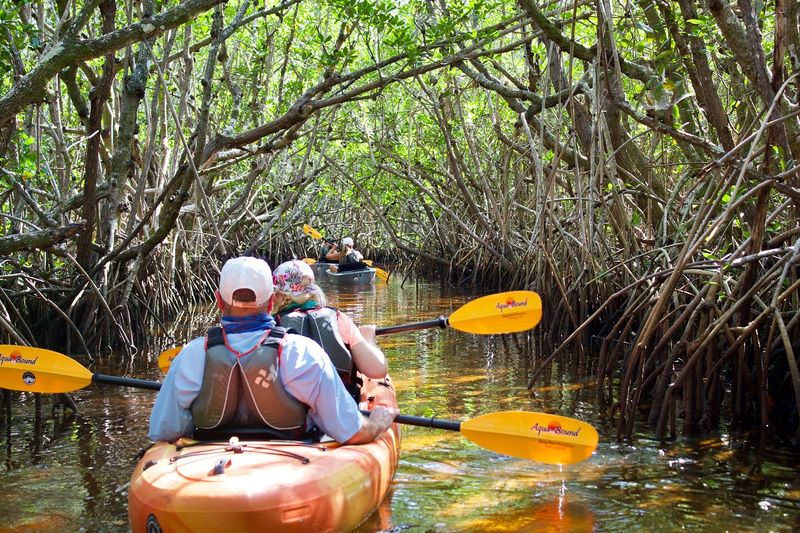
Tangled roots form natural tunnels where sunlight filters through leaves and creates moving shadows on dark water below. Mangrove ecosystems protect Florida’s coastline while creating some of the state’s most atmospheric paddling routes.
Ten Thousand Islands near Everglades City offers miles of interconnected waterways where you can paddle for hours without seeing the same channel twice. Roseate spoonbills, herons, and egrets fish along the edges while dolphins occasionally surface nearby.
On the Treasure Coast, Savannas Preserve State Park and Indian River Lagoon provide easier access with shorter routes perfect for beginners. Outfitters rent kayaks and provide maps highlighting the best channels.
Mangrove tunnels stay cooler than open water, and the enclosed feeling creates an almost magical atmosphere. You might spot baby fish darting between roots, crabs scuttling up trunks, or manatees surfacing for air.
Bring insect repellent, wear sun protection even in shade, and time your paddle with tides when possible. This is coastal Florida at its wildest and most beautiful, completely different from standard beach experiences.
9. Plan a food-focused trip (Tampa, Miami, or St. Petersburg)
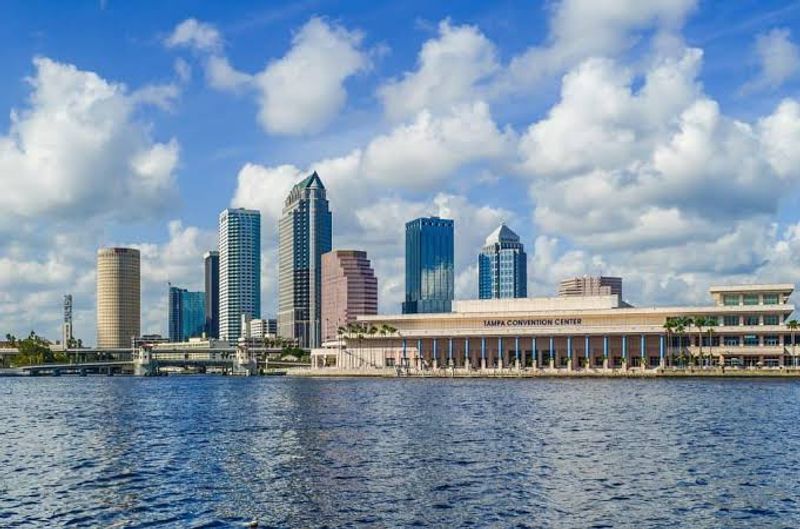
Tampa’s Columbia Restaurant has been serving Spanish cuisine since 1905, but the city’s food scene extends far beyond historic establishments. Ybor City offers Cuban sandwiches pressed to perfection, while Seminole Heights has become a brewery and restaurant destination.
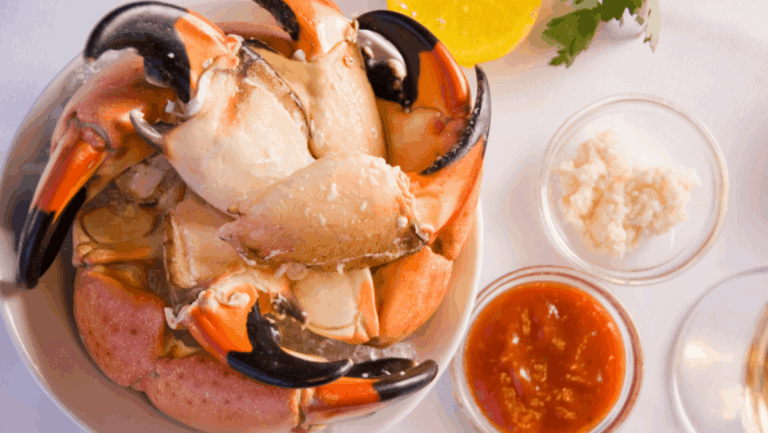
Miami brings international flavors from Little Havana’s ventanitas serving cafecito to Wynwood’s food halls showcasing Venezuelan arepas, Peruvian ceviche, and everything in between. Stone crab season runs October through May, and Joe’s Stone Crab remains a Miami Beach institution.
St. Petersburg has transformed into a culinary hotspot with James Beard-nominated chefs opening restaurants downtown. The Saturday Morning Market draws farmers, bakers, and food artisans selling everything from local honey to fresh-caught mullet.
Build your itinerary around meals instead of attractions. Take food tours that explain cultural connections behind dishes. Visit fish markets, Cuban bakeries, key lime pie shops, and craft breweries.
Each city offers cooking classes where you can learn to make regional specialties. This approach to Florida travel emphasizes culture, community, and the stories told through food rather than typical tourist activities.
10. Visit a river town (Dunnellon or DeLand)
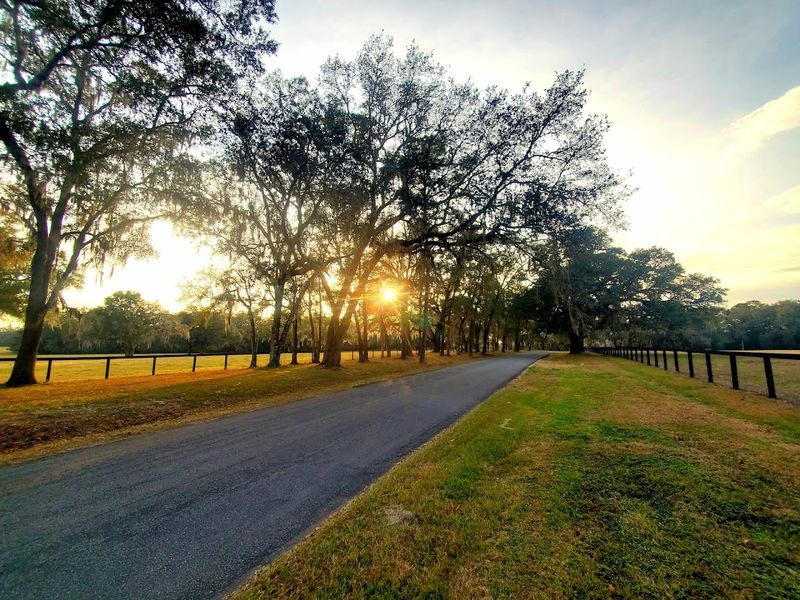
Dunnellon sits where the Rainbow River meets the Withlacoochee, creating a small-town escape built around crystal-clear water and Old Florida charm. Historic downtown fills just a few blocks with antique stores, cafes, and shops that haven’t changed much in decades.
The Rainbow River offers some of Florida’s best tubing, with outfitters providing tubes and shuttle service for lazy floats through spring-fed water so clear you’ll see every fish and turtle. KP Hole County Park provides easy river access for swimming and kayaking.
DeLand, about an hour northeast of Orlando, combines Stetson University’s college-town energy with historic architecture and a thriving arts scene. Downtown revolves around Woodland Boulevard, lined with locally owned restaurants, vintage stores, and the historic Athens Theatre.
Both towns offer farmers markets, weekend festivals, and bed-and-breakfast accommodations in restored Victorian homes. You can explore by bicycle, browse used bookstores, and enjoy craft beer at local breweries.
These river towns represent Florida before theme parks and high-rises, where the pace slows down and conversations happen on front porches. Perfect for travelers seeking authenticity over attractions.
11. Take a wildlife refuge trip (Sanibel, Merritt Island, or Big Cypress)
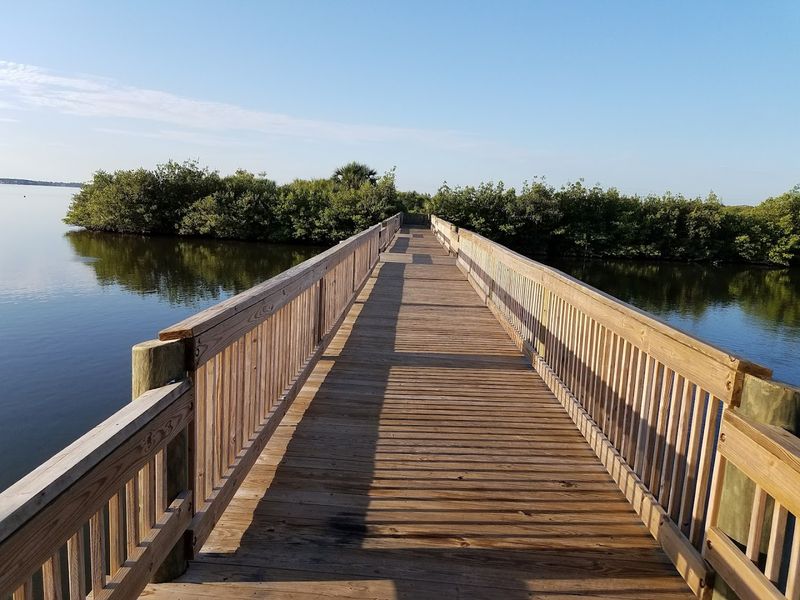
J.N. “Ding” Darling National Wildlife Refuge on Sanibel Island protects mangrove forests and tidal flats that attract more than 200 bird species. A five-mile wildlife drive lets you spot roseate spoonbills, alligators, and wading birds from your car, with boardwalks providing closer access.
Merritt Island National Wildlife Refuge shares space with Kennedy Space Center, creating an unusual combination of rocket launches and pristine habitat. Black Point Wildlife Drive offers seven miles of excellent birding, especially during winter migration.
Big Cypress National Preserve north of Everglades National Park features different ecosystems including cypress domes, pine forests, and prairies. The Loop Road provides bumpy but rewarding access to alligator-filled canals and rare wildlife.
These refuges operate differently from parks, focusing on habitat protection rather than recreation. That means fewer facilities but more authentic wildlife encounters.
Bring binoculars, field guides, and patience. Early morning and late afternoon provide the best viewing. Many refuges offer ranger programs and guided walks that explain ecology and conservation efforts.
This is Florida for nature enthusiasts who want wild experiences without theme park crowds.
12. Go scalloping season-style (Florida’s Nature Coast)
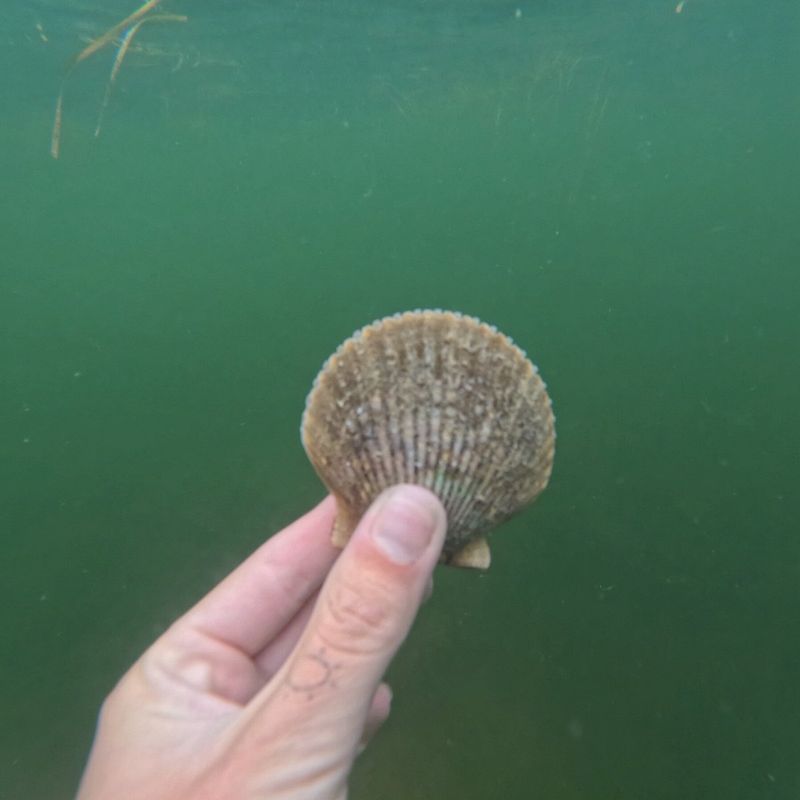
Summer brings an unusual harvest to Florida’s Gulf Coast when bay scallop season opens from late June through September. Towns like Homosassa, Crystal River, and Steinhatchee become headquarters for snorkeling expeditions that combine recreation with seafood gathering.
You’ll wade or snorkel in three to five feet of clear water, scanning grass beds for scallops that look like small clams with bright blue eyes around their shells. The eyes actually help scallops detect predators, making them surprisingly easy to spot.
Charter captains provide all necessary equipment including snorkels, masks, mesh bags, and boat transportation to productive scalloping grounds. Most trips last four hours, with limits allowing two gallons of whole scallops per person.
Back on shore, many accommodations offer cleaning stations where you can shuck your catch. Restaurants will often cook scallops you’ve collected, or you can prepare them yourself for incredibly fresh seafood dinners.
This activity combines outdoor adventure, family fun, and sustainable harvesting. The season attracts locals and visitors who return annually, creating a festive summer tradition unique to Florida’s Nature Coast and unlike any typical beach vacation.
13. Explore Florida’s coral reef world (Florida Keys)
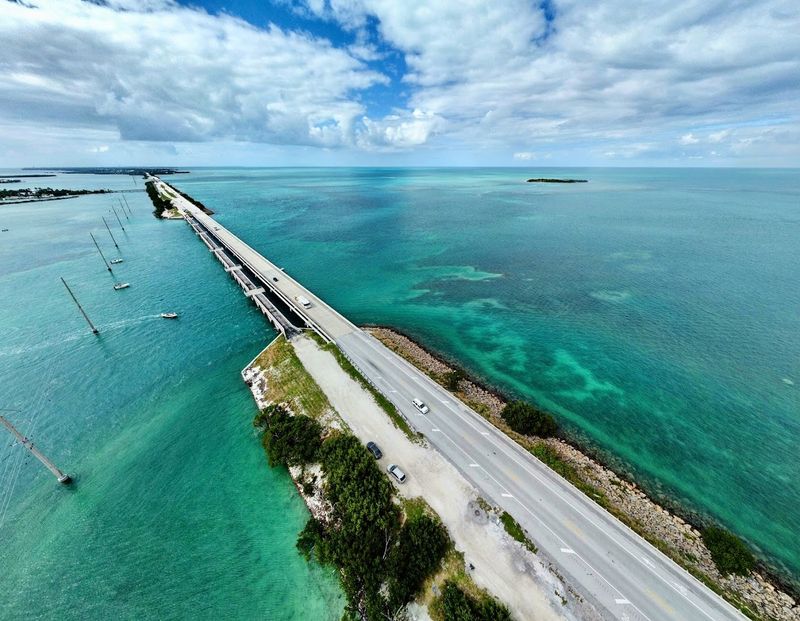
The only living coral barrier reef in the continental United States stretches along the Florida Keys, creating underwater landscapes completely different from anything on land. John Pennekamp Coral Reef State Park in Key Largo offers glass-bottom boat tours, snorkeling trips, and diving excursions to this protected ecosystem.
You don’t need diving certification to experience the reef. Shallow snorkeling sites like Grecian Rocks and Dry Rocks put you above vibrant coral gardens where parrotfish, angelfish, and sea turtles glide past.
Beyond the water, the Keys offer quirky attractions like the Ernest Hemingway Home with its six-toed cats, mile marker photo opportunities, and sunset celebrations at Mallory Square. Bahia Honda State Park combines white-sand beaches with historic railroad bridge ruins.
Drive the Overseas Highway with windows down, stopping at roadside conch stands and family-owned restaurants serving key lime pie and fresh fish. State parks provide kayaking through mangroves and camping under star-filled skies.
The Keys feel more Caribbean than mainland Florida, with a laid-back island culture that rewards slow exploration. Plan multiple days to fully appreciate both underwater wonders and above-water island character.
14. Do a “weird Florida” road trip (Cassadaga, Weeki Wachee, Spook Hill, roadside citrus stands)
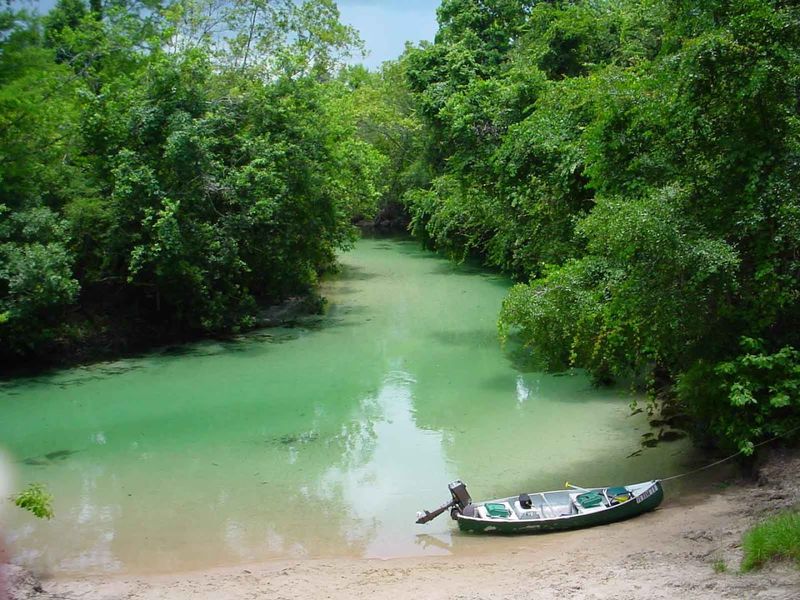
Weeki Wachee Springs has been featuring live mermaid shows since 1947, with performers holding their breath while doing underwater ballet in a natural spring theater. This vintage attraction represents Florida’s roadside tourism heyday and continues operating with the same retro charm.
Cassadaga calls itself the “Psychic Capital of the World,” a small spiritualist community where certified mediums offer readings from Victorian-era homes. Whether you believe or not, the town’s history and atmosphere make for fascinating exploration.
Spook Hill in Lake Wales defies logic with a gravity anomaly where cars appear to roll uphill when placed in neutral. Legend attributes this to a Seminole chief’s battle with an alligator, though physics offers different explanations.
Between these stops, pull over at roadside citrus stands selling fresh orange juice, grapefruit, and bags of fruit picked that morning. Some stands have been family-operated for generations.
This kind of road trip celebrates Florida’s eccentric side, collecting strange stories and offbeat experiences. Add Solomon’s Castle, the Coral Castle, or dinosaur statues at Dinosaur World. Bring cash for citrus stands, embrace the kitsch, and enjoy Florida’s wonderfully weird roadside culture.