This Florida River Is So Transparent It Makes Every Other River Look Cloudy
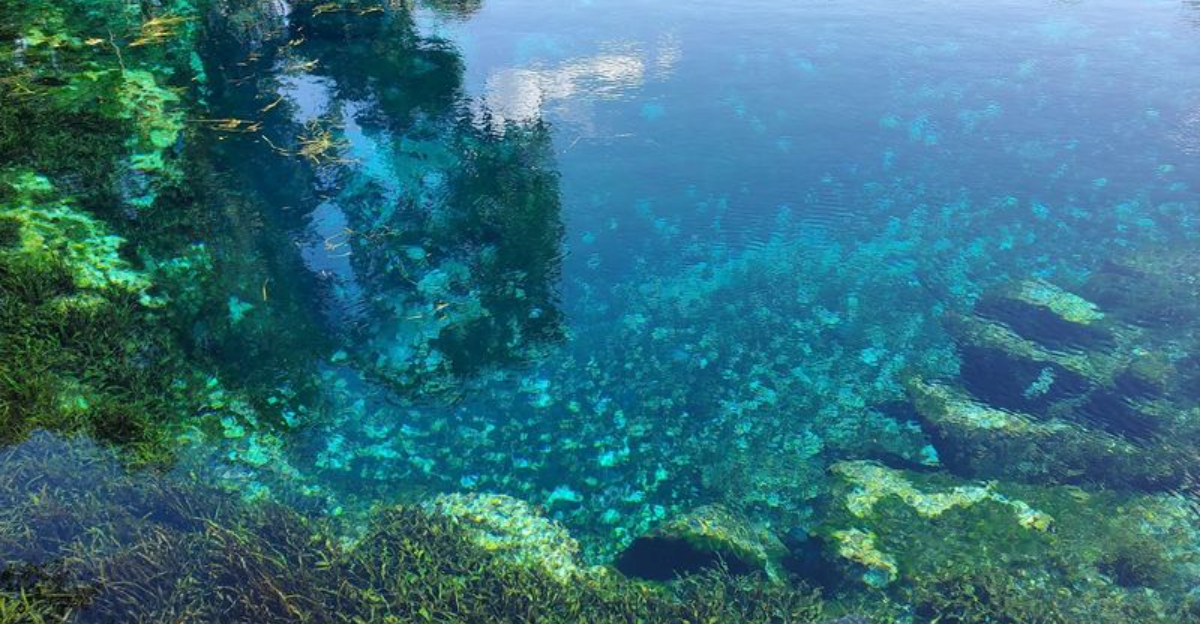
Silver Springs State Park sits in the heart of Florida, home to one of the clearest natural springs you’ll ever see. The water here is so transparent that you can watch fish, turtles, and even manatees glide beneath the surface like they’re floating in air. It’s the kind of place that makes you wonder if your eyes are playing tricks on you, because rivers just aren’t supposed to look this pristine.
1. Crystal Clear Waters That Redefine Transparency
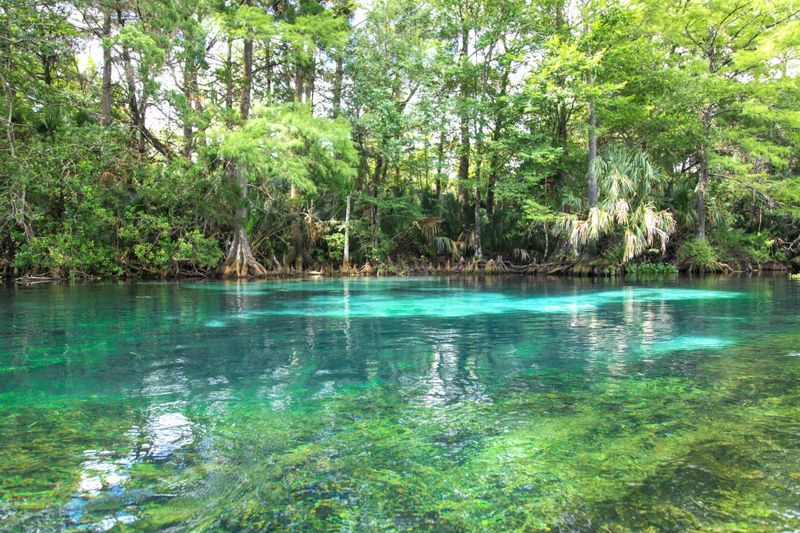
Walk up to the edge of Silver Springs and prepare to have your expectations shattered. The water clarity here isn’t just good—it’s almost supernatural. You can spot fish darting around 30 feet below the surface, count the scales on a turtle’s back, and watch manatees cruise by like slow-motion submarines.
The springs pump out around 550 million gallons of water daily, filtered through ancient limestone aquifers that act like nature’s own purification system. This geological gift creates visibility that rivals some ocean dive sites. No murky sediment, no cloudy runoff—just pure, gin-clear water that looks more like liquid glass than a typical river.
Scientists measure water clarity using Secchi disks, and Silver Springs consistently scores off the charts. The transparency isn’t just pretty; it’s a living classroom. You’ll see the entire underwater ecosystem functioning in real-time, from schools of bass to beds of swaying eelgrass.
It’s the kind of clarity that makes snorkeling feel redundant because you can see everything from the surface anyway.
2. Glass Bottom Boat Tours That Bring the River Floor to Life
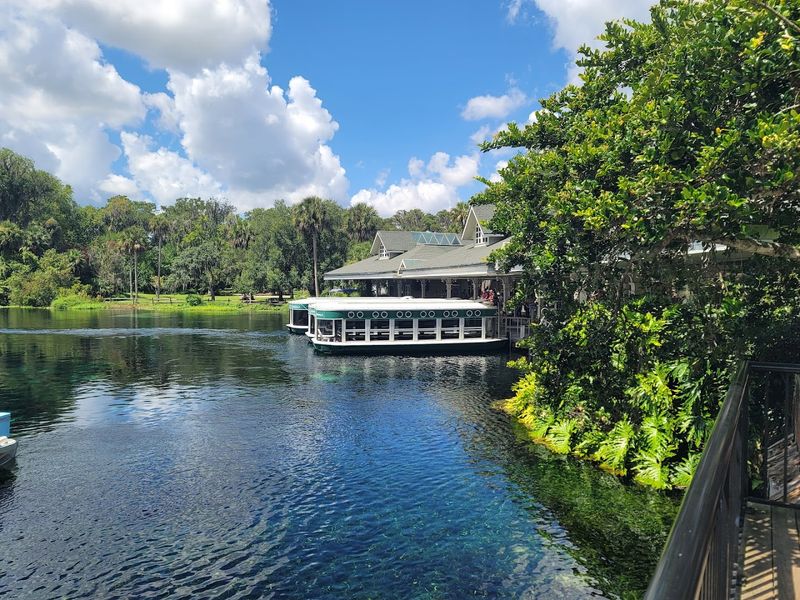
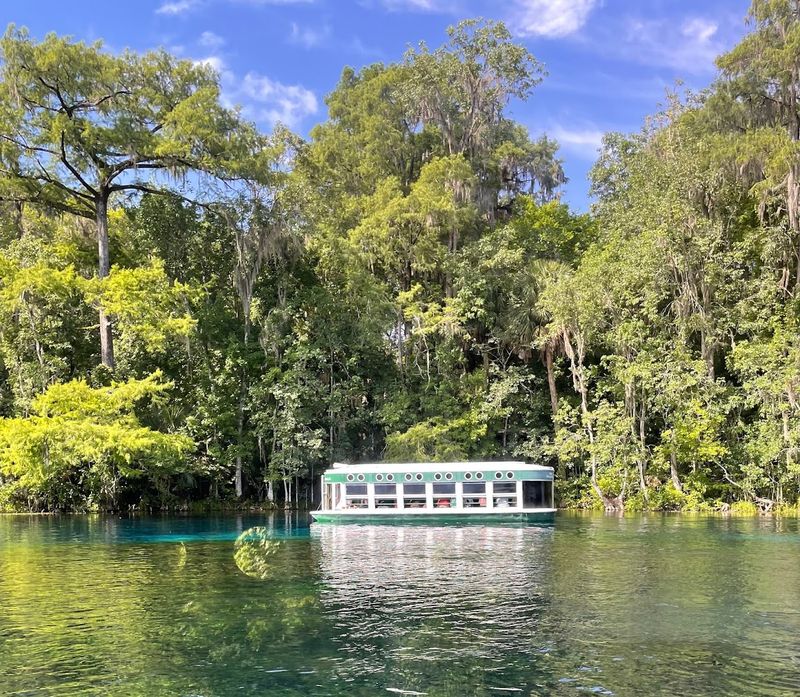
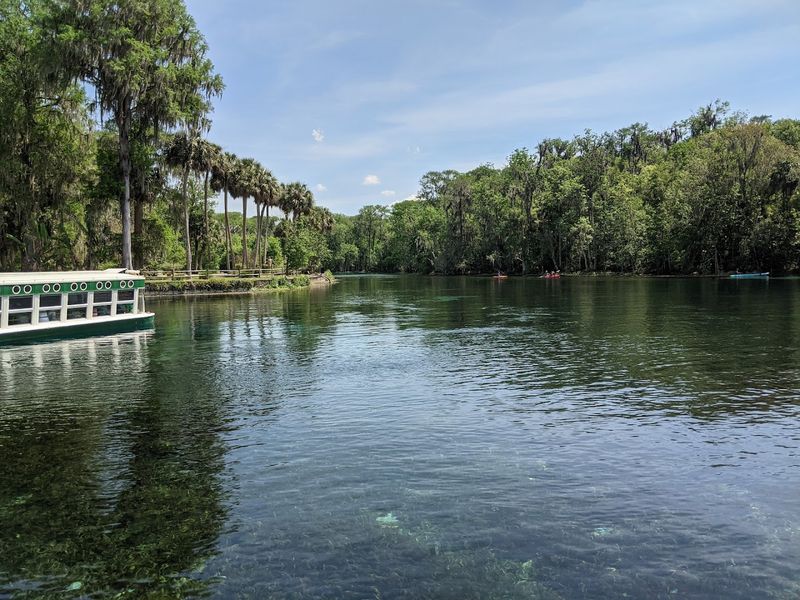
Forget peering over the side of a regular boat—Silver Springs invented the glass bottom boat experience back in the 1870s, and they’ve perfected it ever since. These tours let you glide across the springs while watching the underwater world unfold beneath your feet like a living documentary. Captain guides narrate the journey with equal parts science and dad jokes, pointing out everything from ancient cypress trees to resident alligators.
The extended tour is where the magic really happens. You’ll venture further downstream where wild monkeys swing through the trees on nearby islands—yes, actual monkeys in Florida, descendants of a 1930s movie set escape. Manatees often surface right under the boat, their whiskered faces appearing through the glass like curious puppies checking out the visitors.
Tours run multiple times daily and cost around $15 per person, which is a steal considering you’re getting front-row seats to one of nature’s clearest aquariums. Book ahead online, especially during winter months when manatees migrate here for warmer water. The boats themselves are historic relics, some dating back decades, adding vintage charm to your crystal-clear adventure.
3. Kayaking Through Liquid Transparency
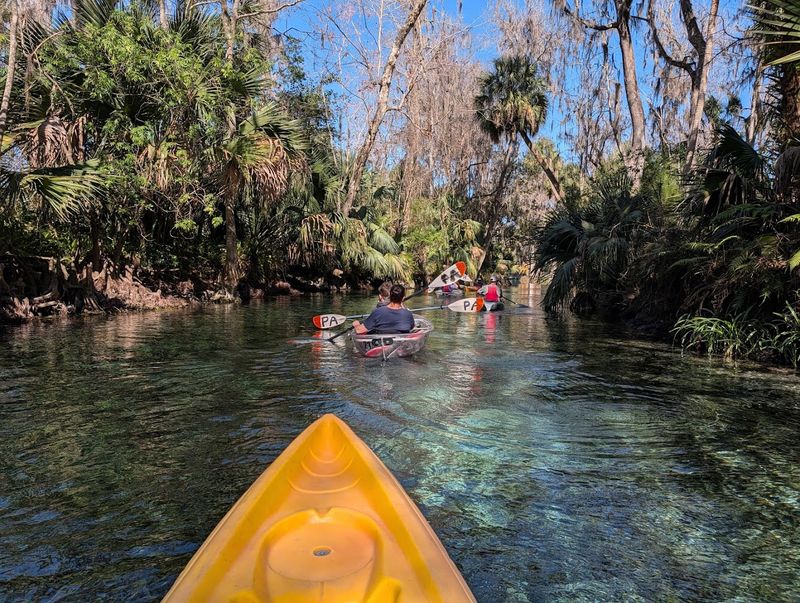
Paddling Silver Springs in a kayak or canoe is like floating on air. The water is so clear that first-timers often freeze mid-stroke, convinced they’re about to run aground—until they realize that “shallow bottom” is actually 15 feet below. Rental options include regular kayaks and the increasingly popular clear-bottom versions that turn your entire vessel into a viewing portal.
The park offers two main routes: a gentle 2-mile loop perfect for beginners and families, or the full 5-mile downstream journey for adventurers wanting the complete experience. The loop brings you back to your starting point, while the longer route requires a shuttle service back upstream. Both paths deliver wildlife encounters that’ll fill your camera roll—alligators sunbathing on banks, turtles stacked like pancakes on logs, and manatees that sometimes surface right beside your kayak.
Launch fees are minimal if you bring your own boat, or rent from the park’s concessionaire. Early morning paddles offer the best wildlife viewing and cooler temperatures. The current does most of the work on downstream sections, so you’re mostly steering rather than exhausting yourself.
Just remember: federal law prohibits paddling directly over manatees, though they often swim wherever they please anyway.
4. Manatee Viewing That Feels Too Close to Be Real
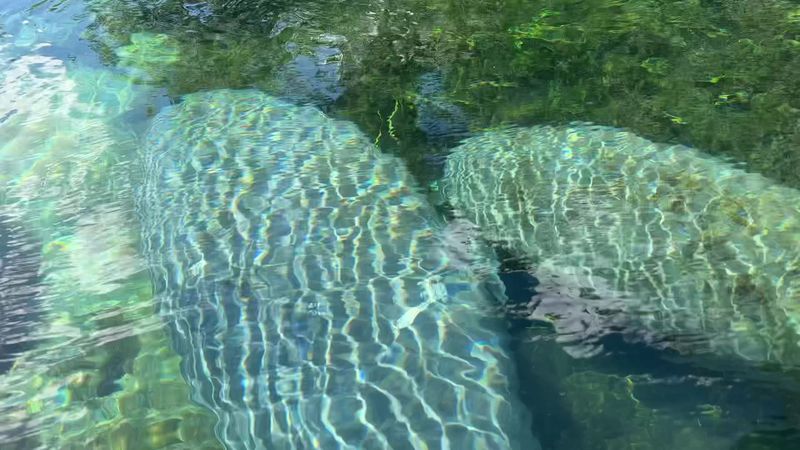
Winter transforms Silver Springs into manatee central. These gentle giants migrate here when coastal waters turn chilly, seeking the springs’ constant 72-degree temperature. Unlike other manatee spots where you’re squinting at distant shapes, Silver Springs’ clarity lets you watch every movement—the slow flipper strokes, the whiskered snouts surfacing for breath, even the scars that tell stories of boat encounters.
The designated viewing area near the headsprings is where crowds gather, but patient kayakers often get even better encounters further downstream. Manatees are curious creatures, and they’ll sometimes approach boats on their own terms, rolling belly-up or exhaling bubbles that rise through the transparent water like champagne.
Peak manatee season runs November through March, with December and January offering the highest numbers. Come on cooler days for the best viewing—when air temperatures drop, manatees congregate in the warmer spring water like retirees at a heated pool. The park’s observation decks and boardwalks provide barrier-free viewing for those who’d rather stay dry.
Bring binoculars if you want close-up views without disturbing these protected creatures, though honestly, the water is so clear that naked-eye viewing works just fine.
5. Wild Monkeys on Monkey Island
Here’s a sentence you don’t expect in Florida: wild monkeys live here. Silver Springs is home to a population of rhesus macaques that have been swinging through the trees since the 1930s, when a tour boat operator released six monkeys on an island thinking they couldn’t swim. Spoiler alert: they can swim, and they did, establishing colonies throughout the area.
These aren’t your friendly petting-zoo primates—they’re genuinely wild animals that maintain a healthy distance from humans. You’ll spot them on the extended boat tours or during longer kayak trips, usually lounging in trees or foraging along the riverbanks. They’re most active in early morning and late afternoon when temperatures cool down.
The monkeys have become an unexpected part of the ecosystem, though wildlife officials don’t exactly celebrate their presence since they’re an invasive species.
Photography enthusiasts love Monkey Island because these primates are surprisingly photogenic. You’ll see mothers carrying babies, juveniles playing in trees, and dominant males standing guard. Keep your distance and definitely don’t feed them—they’re wild animals with sharp teeth and unpredictable behavior.
The irony isn’t lost on anyone that one of Florida’s clearest springs is also home to one of its strangest wildlife stories.
6. Hiking Trails That Show You the Springs from Every Angle
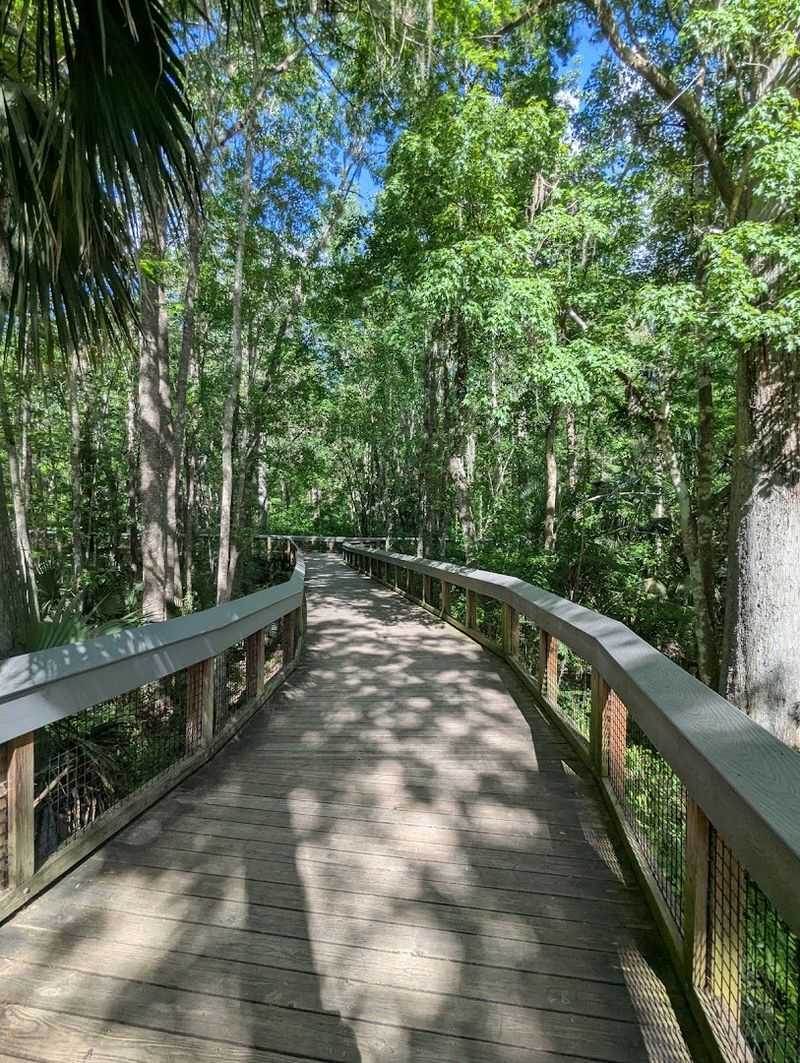
Not everything at Silver Springs requires getting wet. The park maintains several miles of hiking trails that wind through different ecosystems, from hardwood hammocks to pine flatwoods. The Sandhill Trail offers a completely different perspective than the water-based activities, taking you through upland habitats where gopher tortoises dig their burrows and scrub jays call from longleaf pines.
Paved paths and boardwalks make the park accessible to everyone, including wheelchair users and families with strollers. The River Trail hugs the spring run, offering constant water views and prime bird-watching opportunities. Look up—seriously, look up—because the tree canopy here hosts everything from woodpeckers to the occasional barred owl that watches hikers with bemused indifference.
Trail maps can be confusing with their color-coded systems, so grab a paper map at the entrance or download one beforehand. The trails connect various points of interest including the museum, gardens, and campground. Most paths are shaded, but Florida heat is still Florida heat, so bring water and start early.
The park opens at 8 AM, giving morning hikers a head start before crowds arrive. Wildlife viewing on trails often surprises visitors—alligators occasionally wander between water and land, and white-tailed deer browse the understory like they own the place.
7. Camping Where Crystal Springs Meet Starry Skies
Why rush through Silver Springs in a day when you can wake up here? The campground offers spacious sites tucked into shaded areas that feel private despite being part of a larger facility. Sites accommodate everything from tent campers to big rigs, with full hookups available.
The bathhouses are surprisingly clean and well-maintained—a detail that matters more than non-campers realize.
What sets this campground apart is the access. You’re steps away from trails and a short walk from hidden kayak launch points that bypass the main crowd areas. Early morning paddlers who camp here often have the springs to themselves for magical sunrise sessions.
Evening campfires come with a soundtrack of frogs, crickets, and the occasional barred owl asking “who cooks for you?”
Sites book up fast, especially during winter’s manatee season and spring break weeks. The cabins offer a middle ground between roughing it and hotel comfort—they’re quaint, spaced for privacy, and come without the hassle of setting up tents. Campground rates are reasonable for a state park, and the $2 per person daily entrance fee is already included in camping fees.
Dog-friendly policies mean your four-legged family members can join the adventure, though they’re not allowed on boats or in certain wildlife areas.
8. The Museum and Cafe That Complete Your Visit
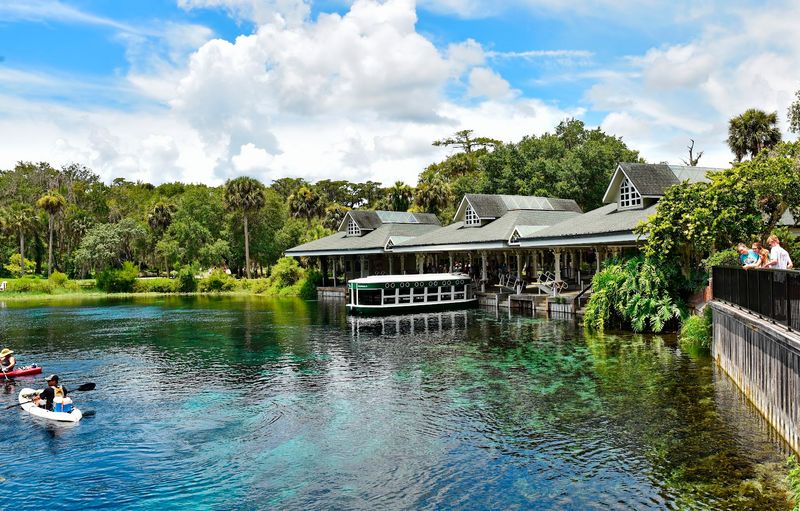
Every great outdoor adventure needs a good starting and ending point, and Silver Springs delivers both in its main complex. The museum isn’t some dusty afterthought—it’s packed with exhibits covering the springs’ history, from Native American settlements through Hollywood’s golden age when dozens of movies filmed here. You’ll learn about the geological forces that created these springs and see artifacts that tell 10,000 years of human history.
The on-site cafe serves better-than-expected food for a park concession. We’re talking chicken and waffles, eggs Benedict, and bourbon vanilla lattes that would hold their own in a city coffee shop. It’s the perfect spot for a post-adventure brunch or a mid-morning break between activities.
The gift shop stocks the usual souvenirs plus quality local items and practical supplies you might have forgotten.
Clean restrooms, plenty of parking, and friendly staff round out the visitor experience. The complex includes Adirondack chairs positioned along the spring run where you can sit, relax, and watch the crystal-clear water flow past. It’s also where you’ll book boat tours and rent kayaks.
Arrive early during peak season because parking fills up fast, and popular activities sell out. The $2 per person entrance fee is almost comically cheap considering everything you get access to.