12 Florida Small Towns Where a Stroll Down Main Street Feels Like Time Travel
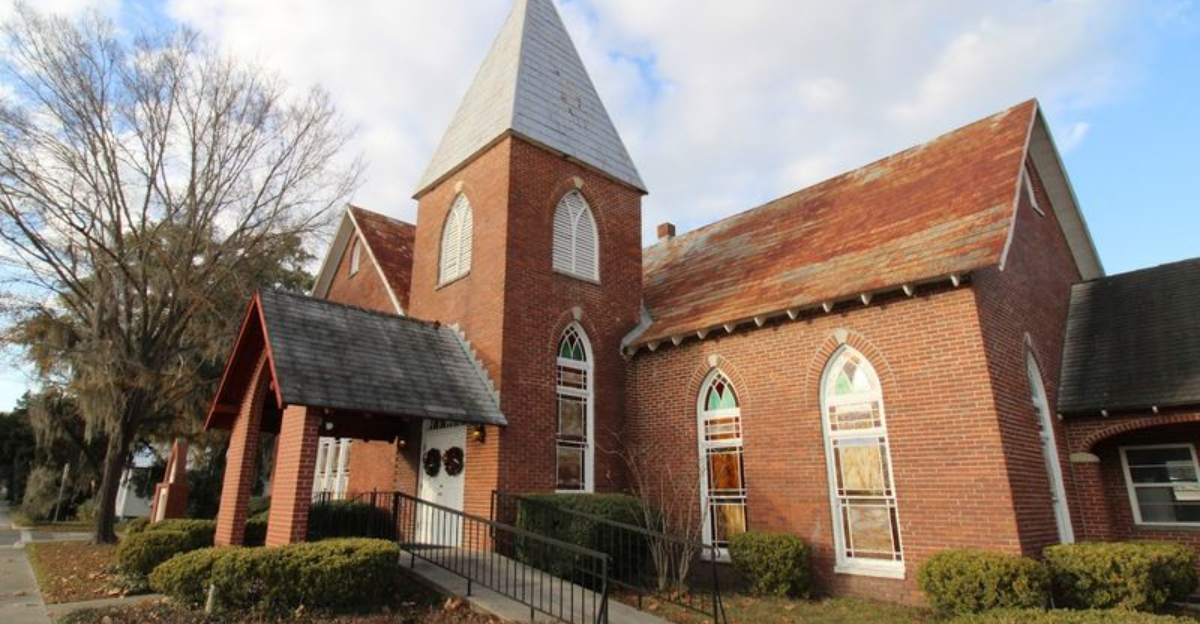
Florida isn’t all theme parks and beaches. Tucked between the tourist hot spots are small towns where the streets still look like they did decades ago, with historic buildings, moss-covered oaks, and storefronts that haven’t changed much since your grandparents were young. Walking through these places feels like stepping into a different era, where life moves slower and every corner has a story to tell.
Whether you’re hunting for antiques, exploring maritime history, or just want to escape the modern world for an afternoon, these 12 towns offer the perfect time-travel experience without leaving the Sunshine State.
1. Micanopy
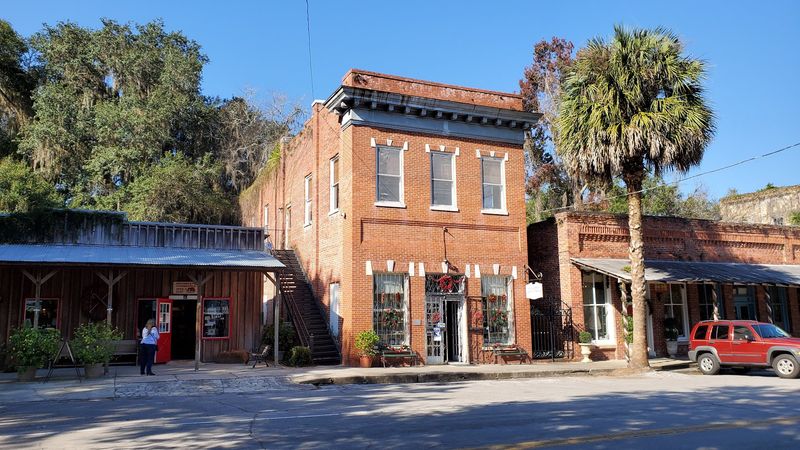
Moss hangs from old oaks like curtains in a forgotten theater, and the storefronts look like they were built when Florida was still wild. Micanopy doesn’t try to be cute or trendy. It just is.
Antique shops line the street, filled with everything from vintage postcards to furniture that predates air conditioning. The buildings themselves tell stories—some date back over a century, and walking past them feels like flipping through a history book without the boring parts.
There’s no rush here. People browse slowly, chat on porches, and take their time deciding where to eat lunch. The whole town operates on a different clock, one that ticks slower and doesn’t care about your schedule.
Visit Florida calls it one of the state’s most charming old towns, and they’re not overselling it. Micanopy has that rare quality where everything feels authentic, not staged for Instagram. It’s the kind of place where you show up for an hour and leave three hours later, wondering where the time went and already planning your next visit.
2. Mount Dora
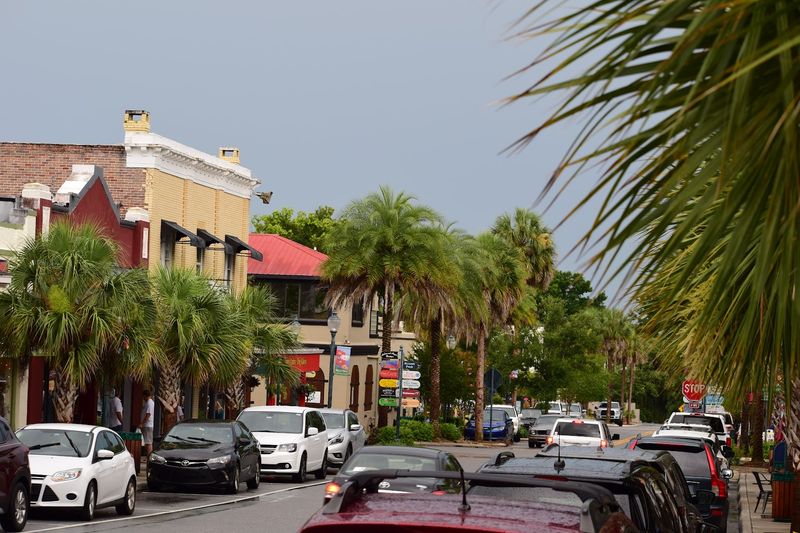
Lakeside breezes mix with coffee shop aromas, and the storefronts look like they belong in a storybook. Mount Dora built its downtown for wanderers, not drivers rushing through.
Galleries showcase local artists, cafes serve pastries that taste homemade, and shops sell everything from handmade jewelry to books you didn’t know you needed. The architecture leans Victorian, with touches of old Florida mixed in, creating a look that’s both elegant and easygoing.
Events happen constantly—art festivals, antique fairs, holiday celebrations—but even on quiet weekdays, the downtown hums with life. Locals know each other by name, and visitors get treated like they might become locals soon.
The city markets downtown as a destination for shopping, dining, and memorable strolls, which undersells it. Walking these streets feels less like checking off a tourist activity and more like discovering a place where people still care about community and craft. You’ll find yourself stopping to read historical markers, peeking into shop windows, and losing track of time in the best possible way.
3. Apalachicola
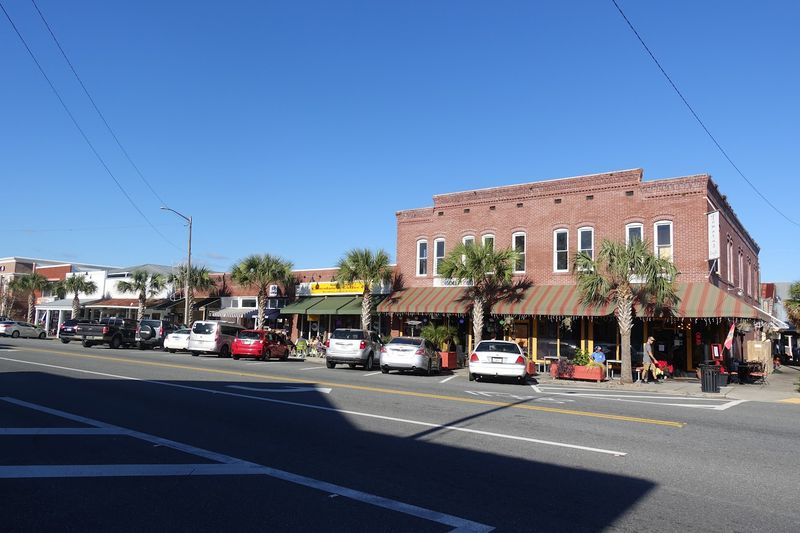
Salt air and history blend together here, creating an atmosphere you can practically taste. Apalachicola’s downtown doesn’t hide its working-port roots—it celebrates them with weathered buildings that have survived hurricanes and economic shifts.
Seafood houses serve oysters pulled from nearby waters that morning. Historic storefronts house galleries, shops, and restaurants that understand the difference between rustic and run-down. The architecture tells stories of maritime prosperity, with details that modern construction skips.
Walking these streets means passing buildings that have watched generations of fishermen, merchants, and dreamers come and go. Some structures date back to the 1800s, their brick and wood holding memories of a Florida most people never see.
Visit Florida describes it as a small port town rich in history and maritime culture, which captures the facts but not the feeling. Standing on these streets at sunset, watching light hit old buildings while boats rock in the harbor, you understand why some places refuse to modernize. Apalachicola knows what it is and doesn’t apologize for staying that way.
4. Fernandina Beach
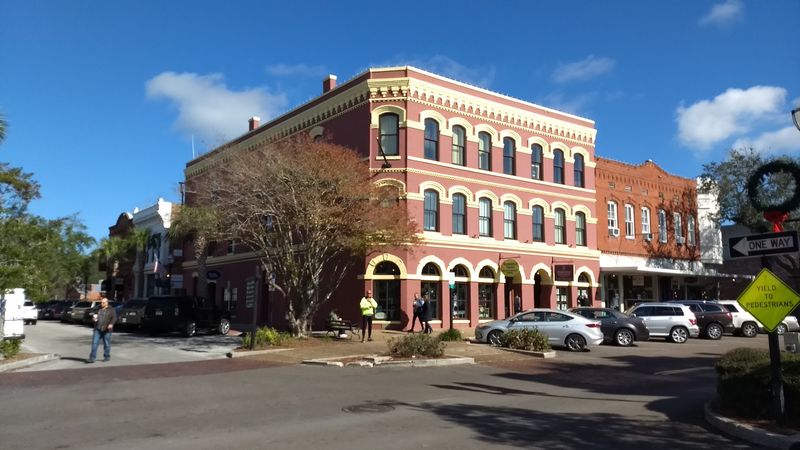
Victorian buildings stand like dignified elders along Centre Street, their details preserved and their stories still being told. Fernandina Beach downtown doesn’t feel like a recreation—it feels like the real thing that somehow survived.
Fifty blocks of historic district means you could spend days exploring and still find new details. Shops occupy buildings that once served completely different purposes, their brick walls and wooden floors connecting present-day browsing with past-century commerce.
Restaurants serve fresh seafood in dining rooms with original architecture, galleries display local art in spaces that predate Florida tourism, and every corner reveals another layer of island history. The atmosphere mixes seaside relaxation with historic preservation in a way that feels natural, not forced.
Amelia Island tourism calls it 50 blocks of island charm filled with history, culture, dining, and shopping. That’s accurate but clinical. Walking these streets feels like discovering a place where time didn’t stop—it just slowed down enough to let character accumulate instead of getting bulldozed for the next big development.
5. DeFuniak Springs
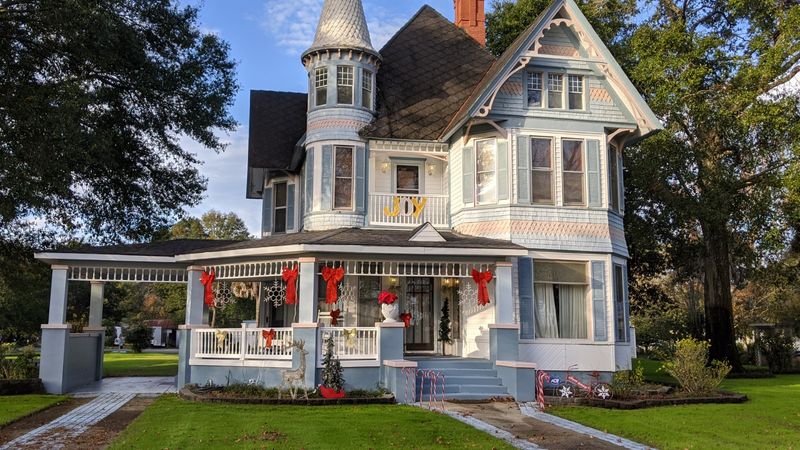
A perfectly round lake sits at the town’s heart, surrounded by Victorian homes and historic buildings that look like they’re posing for a period photograph. DeFuniak Springs built itself around natural beauty and never forgot that original plan.
Hundreds of historic structures fill the district, each one adding to the sense that you’ve wandered into a different century. The architecture ranges from grand to modest, but all of it shares a commitment to preservation over modernization.
Walking here means moving slowly, taking time to notice details on porches and rooflines that modern construction considers unnecessary. The pace matches the setting—nobody rushes around a lake that’s been the town center for over a century.
Visit Florida suggests visitors can “step back in time” while seeing these historic homes and buildings. That phrase gets overused, but here it fits. The town hasn’t frozen itself in amber or turned into a museum.
People live in these historic homes, work in these old buildings, and maintain a community that respects its past without being trapped by it.
6. St. Augustine
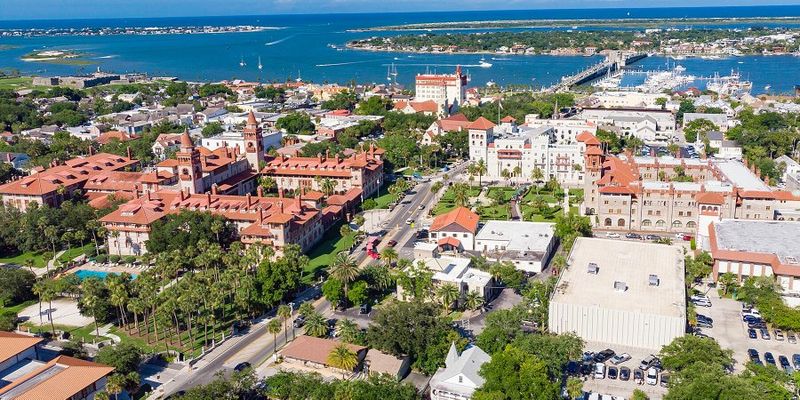
Centuries-old stones pave streets where history isn’t just preserved—it’s everywhere you look. St. Augustine earns its reputation as America’s oldest city with architecture and atmosphere that most Florida towns can’t touch.
Spanish Colonial buildings stand next to Victorian structures, creating a timeline you can walk through in minutes. Courtyards hide behind thick walls, their fountains and gardens offering quiet escapes from streets busy with visitors and locals alike.
Every building has a story, and many of those stories stretch back 300 years or more. The Castillo de San Marcos guards the waterfront like it has for centuries, its coquina walls still solid despite hurricanes and sieges.
Yes, it’s larger than other towns on this list, and yes, tourists flock here year-round. But walk these streets early morning or late evening, and you’ll understand why it belongs here. The living museum label fits perfectly—this isn’t a recreated historic village but an actual old city that never stopped being old.
Time travel doesn’t get more authentic than streets built before the United States existed.
7. Dade City
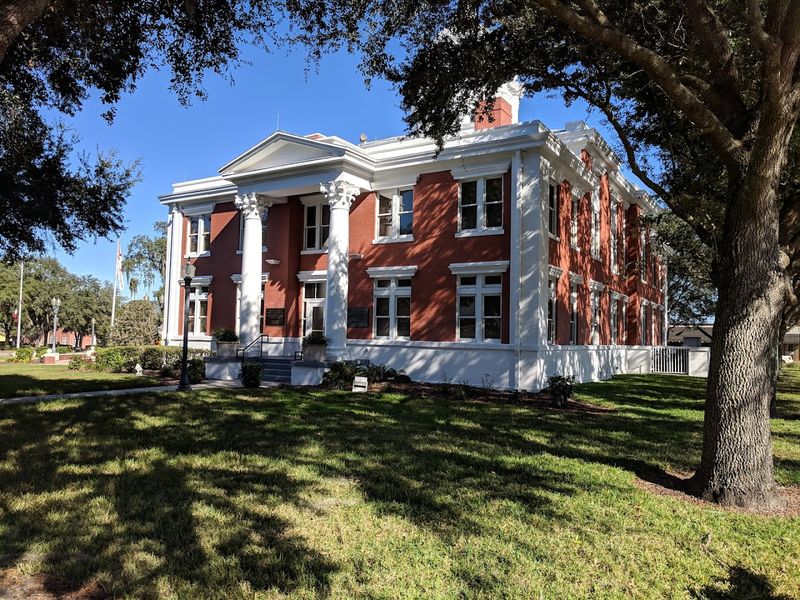
Courthouse-square towns have a particular rhythm, and Dade City perfected it. Antique shops occupy buildings that have housed everything from general stores to law offices, their shelves now filled with treasures from decades past.
Historic storefronts line the square, their facades maintained but not overly polished. The charm comes from authenticity—these buildings still serve their communities, not just tourists hunting for photo opportunities.
A short stroll easily expands into lunch at a local spot, browsing through shops where owners actually know their inventory, and conversations with people who remember when downtown was the only place to shop. The pace encourages lingering, not rushing.
Those “this feels like old Florida” moments happen naturally here, usually when you’re sitting on a bench watching daily life unfold or chatting with a shop owner who’s been in the same building for decades. Dade City doesn’t advertise itself as a time-travel destination, which somehow makes it more effective at delivering that experience. It’s just a real small town that happens to have kept its character intact while Florida changed around it.
8. Brooksville
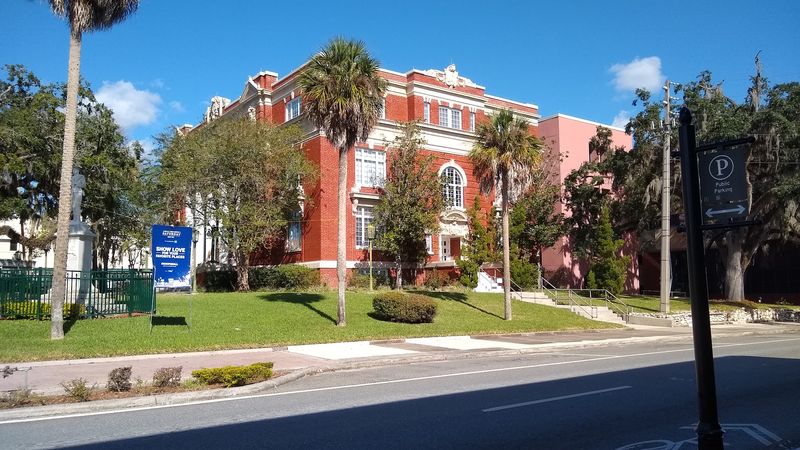
Oak trees create natural canopies over streets lined with homes that predate modern Florida’s explosive growth. Brooksville holds onto its inland character, offering a different kind of old-Florida experience than coastal towns provide.
Historic homes range from modest to mansion-sized, but all share careful preservation and pride of place. The downtown centers around a traditional courthouse square, the kind that used to anchor every small Southern town.
Walking these streets means seeing architecture that tells stories about Florida before air conditioning, before interstates, before the population boom that transformed so much of the state. The buildings aren’t museum pieces—people live and work in them—but they maintain their historic character.
Courthouse towns have personality when done right, and Brooksville does it right. The setting feels especially fitting for travelers who appreciate places where local history is visible in everyday surroundings, not just in designated historic districts. You’re not visiting history here—you’re walking through a place where history is still part of the present, woven into streets and structures that refuse to forget where they came from.
9. Lake Wales
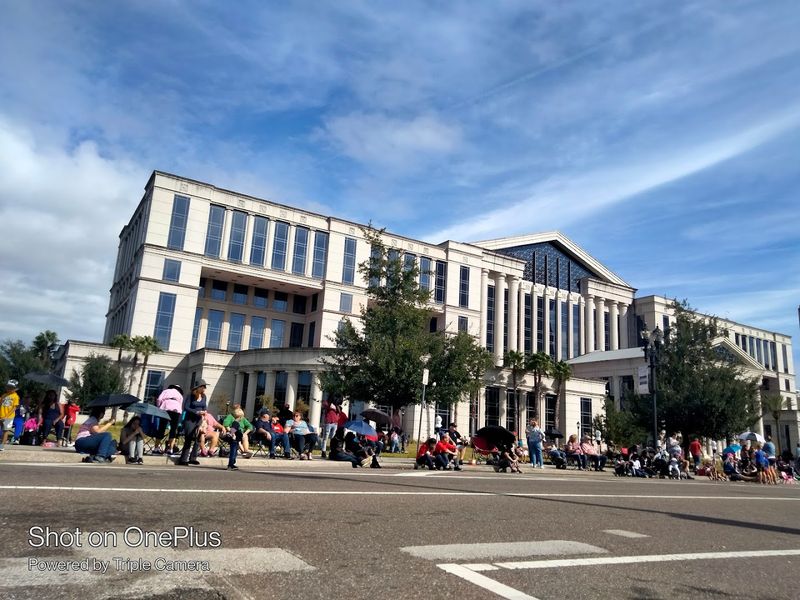
Vintage storefronts line a downtown that feels genuinely Central Florida—not coast, not Panhandle, but the in-between places that developed their own character. Lake Wales maintains that classic small-town look without turning it into a tourist attraction.
Murals add color to historic buildings, celebrating local history and culture in ways that feel community-driven rather than commercially calculated. The architecture mixes periods and styles, creating a streetscape that evolved naturally over decades.
A walk here pairs perfectly with a trip to nearby Bok Tower Gardens, turning a downtown stroll into a full day of old-Florida exploration. The combination works because both places respect history and natural beauty without overdoing the nostalgia.
Local history runs strong here, visible in building details, business names, and the way people talk about their town. Lake Wales doesn’t shout about being historic—it just is, with storefronts and streets that look like they could have been photographed in 1950 or yesterday. That timeless quality makes it special, offering a glimpse of Florida before everything became a resort or a subdivision.
10. High Springs
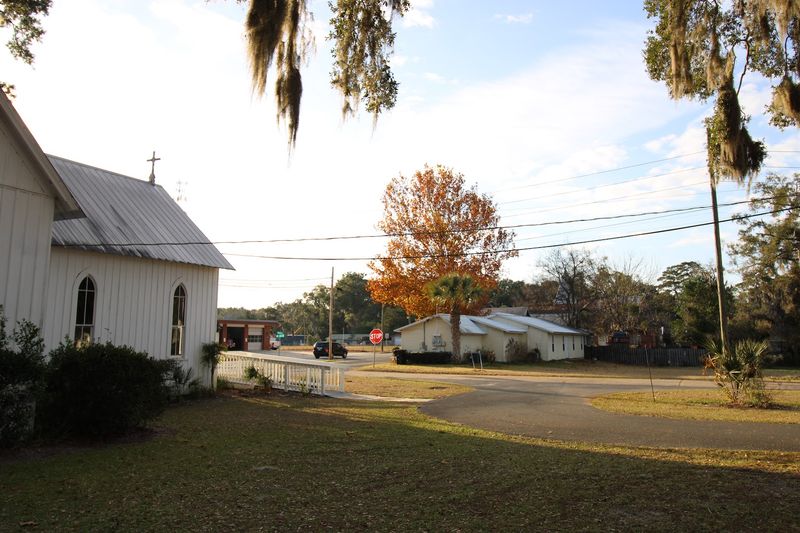
Old storefronts house new businesses, creating a downtown that feels historic but not stuck in the past. High Springs nailed the balance between preservation and practicality, keeping its character while staying relevant to actual residents.
Local shops sell everything from outdoor gear to handmade crafts, cafes serve food that tastes homemade because it is, and the whole downtown invites walking rather than driving. The buildings show their age in good ways—exposed brick, original details, floors that creak with history.
What makes it work is that lived-in quality. This isn’t a restored historic village where everything’s too perfect. It’s a real town where people shop, eat, and gather in buildings that happen to be old.
The historic feel succeeds because nobody’s trying too hard. Storefronts get updated when needed but keep their bones, businesses come and go but the character stays, and visitors get to experience a downtown that serves locals first and tourists second. That priority shows in the best way—High Springs feels authentic because it is, not because someone decided to make it look that way.
11. Tarpon Springs
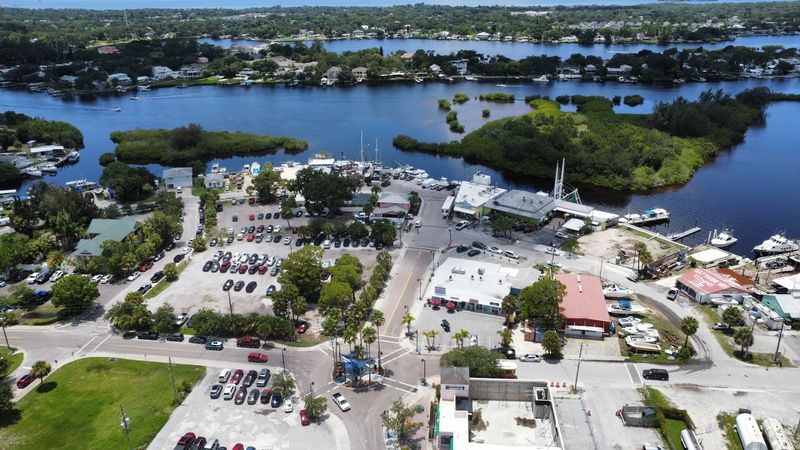
Greek heritage shapes every corner here, from bakery windows displaying baklava to signs written in two languages. Tarpon Springs doesn’t feel like typical Florida because it isn’t—it’s a cultural enclave that preserved its identity while the state changed around it.
Historic streets lead to sponge docks where boats still harvest natural sponges like they have for over a century. The waterfront mixes working maritime culture with shops and restaurants, creating an atmosphere that’s both authentic and welcoming to visitors.
Bakeries sell pastries using recipes brought from Greece generations ago, restaurants serve seafood prepared with Mediterranean touches, and shops display sponges alongside Greek imports. The whole experience feels less like visiting a Florida town and more like discovering a cultural time capsule.
Walking here means experiencing Florida’s immigrant history in ways most coastal towns erased long ago. Tarpon Springs kept its character by staying connected to its roots, maintaining traditions while adapting to modern times. That combination creates something special—a place where old-world culture and Gulf Coast Florida coexist naturally, offering time travel to an era when Florida’s small towns had distinct identities worth preserving.
12. Cedar Key
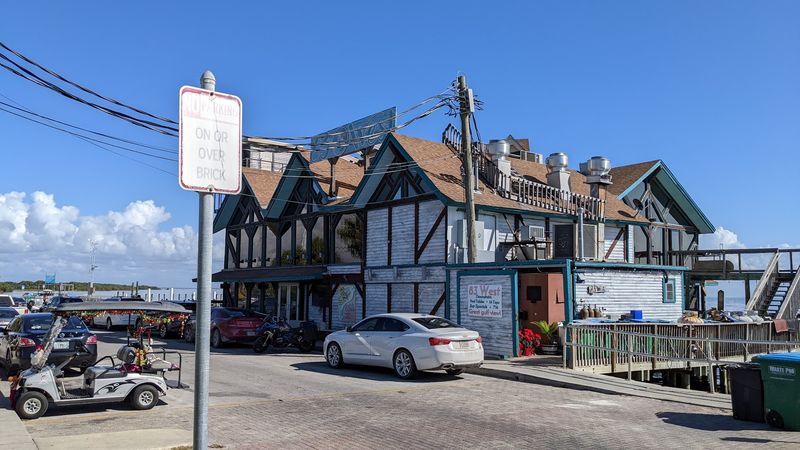
Weathered buildings lean slightly, worn by salt air and decades of Gulf storms, and nobody seems interested in making them look newer. Cedar Key operates on island time, which runs slower than mainland time and doesn’t apologize for it.
Small describes everything here—small streets, small buildings, small population. But that smallness creates intimacy, a feeling that you’ve discovered something special that hasn’t been overrun or overdeveloped yet.
Seafood spots serve fish caught that morning, waterfront views come standard with almost every meal, and the whole town radiates a “don’t rush me” attitude that’s increasingly rare in Florida. High-rises never arrived, chain restaurants never invaded, and the island stayed stubbornly itself.
This feels like Florida’s coast before tourism became an industry, when fishing villages were actually fishing villages and not themed attractions. Cedar Key didn’t freeze in time—it just refused to race forward, maintaining a pace and character that modern Florida forgot. Walking these streets means experiencing what much of coastal Florida used to be: salty, unhurried, and wonderfully resistant to change.