We Just Found The Most Unique Beach In Florida
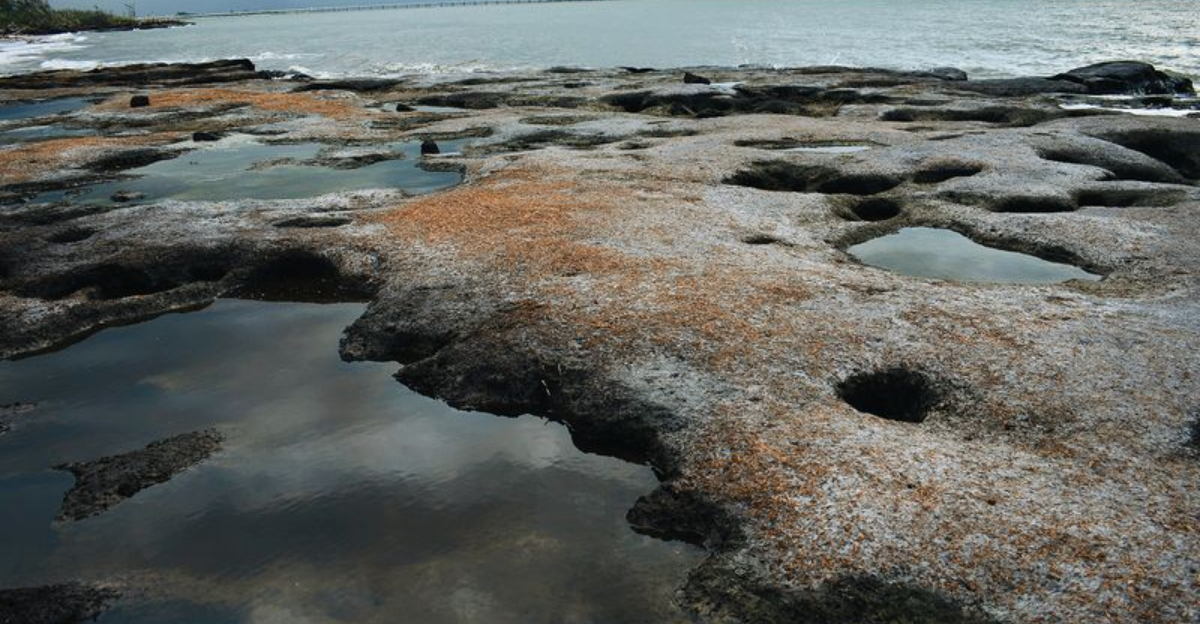
Most Florida beaches look the same—white sand, blue water, maybe some seashells. But hidden away in Big Talbot Island State Park near Jacksonville, there’s a beach that breaks all the rules. Blackrock Beach doesn’t just look different from your typical Florida shoreline—it looks like it belongs on another planet entirely.
With crumbling dark formations that resemble lava rocks, bleached driftwood forests, and tidal pools teeming with marine life, this secluded spot has earned its reputation as the state’s most unusual coastal destination.
1. Ancient Black Rock Formations That Crumble Like Sand
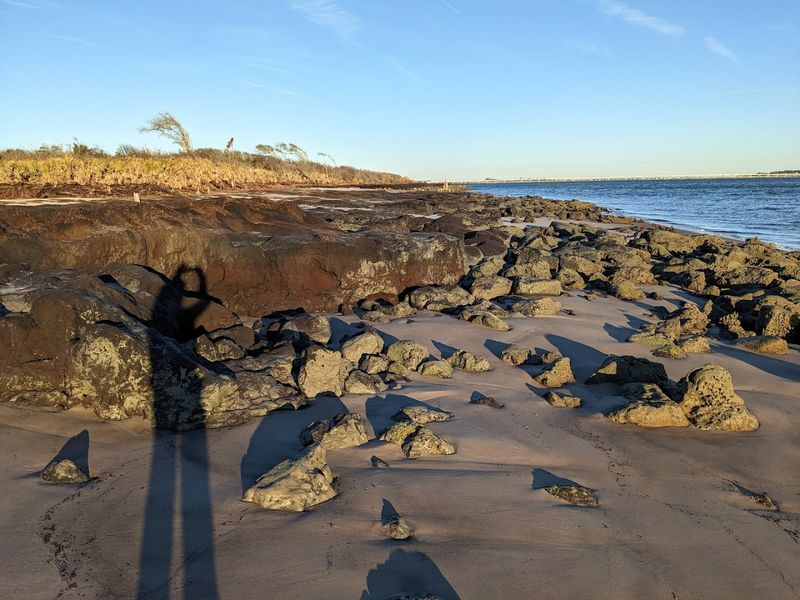
Forget everything you think you know about Florida geology. The “black rocks” scattered across this beach aren’t volcanic—they’re compacted ancient sand and soil called spodosol that’s been squeezed together over thousands of years. These formations only exist on about 3.5% of U.S. land, making this beach a genuine geological rarity.
What really surprises first-time visitors is how these rocks feel. Touch one and it crumbles in your hand, leaving behind a gritty, sandy residue that stains your fingers. The colors shift depending on erosion and mineral content—some appear jet black, others burnt brown or deep red.
Erosion has carved these formations into dramatic shapes: potholes, miniature bluffs, and even small caves along the shoreline. Walk carefully because the surfaces get slippery when wet. The contrast between these dark, crumbling formations and the soft white sand creates a visual experience unlike any other Florida beach.
Photographers absolutely love the textures and shadows these rocks create, especially during sunrise when the light hits them just right. Kids find them endlessly fascinating too, though parents should know they’ll probably go home with stained hands and clothes from exploring.
2. Dramatic Tidal Pools Filled With Marine Life
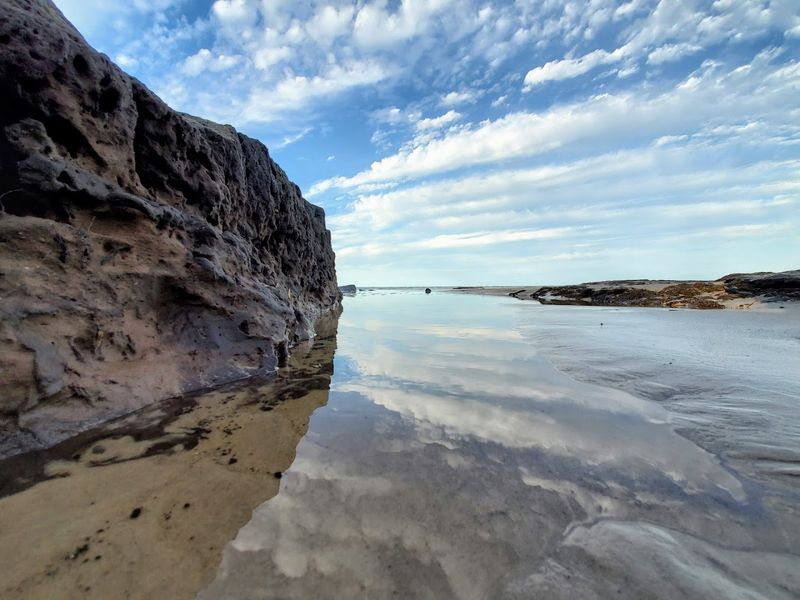
Low tide transforms Blackrock Beach into a living aquarium. The unique rock formations create natural pools where seawater gets trapped, bringing along all sorts of marine creatures for visitors to observe up close. Hermit crabs scuttle across the rocks while tiny fish dart between crevices.
Families with curious kids absolutely treasure these pools. One reviewer mentioned finding shrimp and beautifully striped fish during their visit. You might spot oysters clinging to old driftwood or discover small mollusks tucked into rocky hiding spots.
Timing your visit matters here. Check the tide schedule before you go—low tide reveals the most pools and the best opportunities for discovery. Bring a small net or container if you want to temporarily catch and observe creatures, but always return them to their pools before leaving.
The pools vary in size from puddle-small to several feet across. Some are shallow enough for toddlers to safely wade in while parents supervise. The water stays surprisingly clear, making it easy to see what’s swimming around your feet.
Even if you’re not particularly interested in marine biology, there’s something magical about peering into these miniature ecosystems. It’s like having a free, natural science lesson right at your feet.
3. The Otherworldly Boneyard Beach Connection
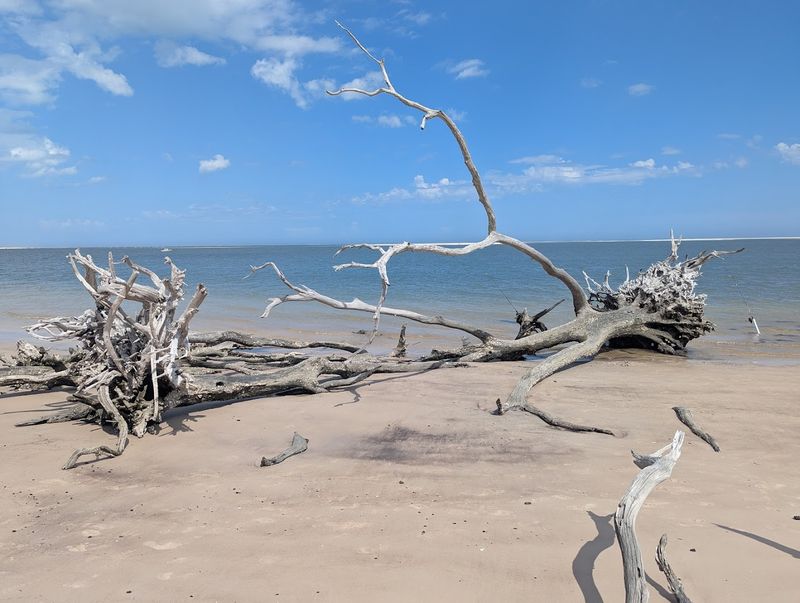
Walk along Blackrock Beach and you’ll eventually reach one of Florida’s most photographed natural wonders: Boneyard Beach. The transition between these two beaches creates a landscape so surreal that visitors frequently compare it to Hawaii or describe it as movie-like.
Boneyard Beach earned its name from the skeletal remains of live oak and cedar trees that line the shore. Salt water and erosion killed these trees, leaving behind bleached, twisted trunks and branches that look like enormous bones scattered across the sand. Combined with the dark rock formations, the visual contrast is absolutely striking.
Many visitors don’t realize these are actually two connected beaches. You can access both from the same trail, making it possible to experience two completely different beach environments in one visit. The driftwood forest feels almost prehistoric—one reviewer perfectly described it as having a “lost world” atmosphere.
Sunrise photographers particularly love this spot. The early morning light illuminates the white driftwood while casting dramatic shadows from the dark rocks. The combination creates images that look professionally staged but are entirely natural.
Plan to spend time exploring both areas. The driftwood provides interesting subjects for photos, natural seating for resting, and endless opportunities for kids to climb and play on fallen trees.
4. A Peaceful Half-Mile Nature Trail Through Hammock Forest
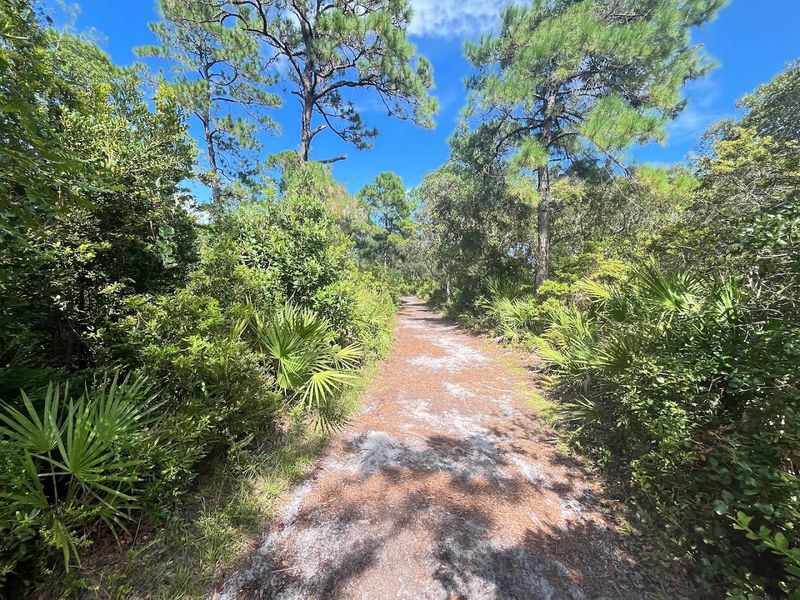
Getting to Blackrock Beach requires a short journey that’s part of the experience. A half-mile trail winds through shaded hammock forests and coastal scrub, giving you a taste of North Florida’s natural ecosystems before you ever reach the sand.
The trail itself is flat and well-maintained, making it accessible for most fitness levels. Hard-packed sand creates a stable walking surface that’s easier than hiking through loose sand. Most people complete the walk in 10-15 minutes, though it might feel longer if you’re carrying beach gear.
Here’s the honest truth about this trail: bring bug spray. Seriously. Multiple reviewers mentioned mosquitoes so aggressive they’ll cover you the second you stop moving.
One visitor from the country said they’d never seen mosquitoes that bad anywhere. Wear long sleeves if you’re particularly sensitive to bites.
Despite the bugs, the shaded walk provides relief from Florida’s intense sun. You’ll pass through different vegetation zones, observing native flora and occasionally spotting birds. The trail feels like a natural buffer between the parking area and the beach, building anticipation as you go.
After rain, conditions can get muddy. Some experienced visitors recommend skipping the trail entirely during wet periods and instead walking south along the beach from Little Talbot Island.
5. Soft White Sand That Contrasts The Dark Rocks
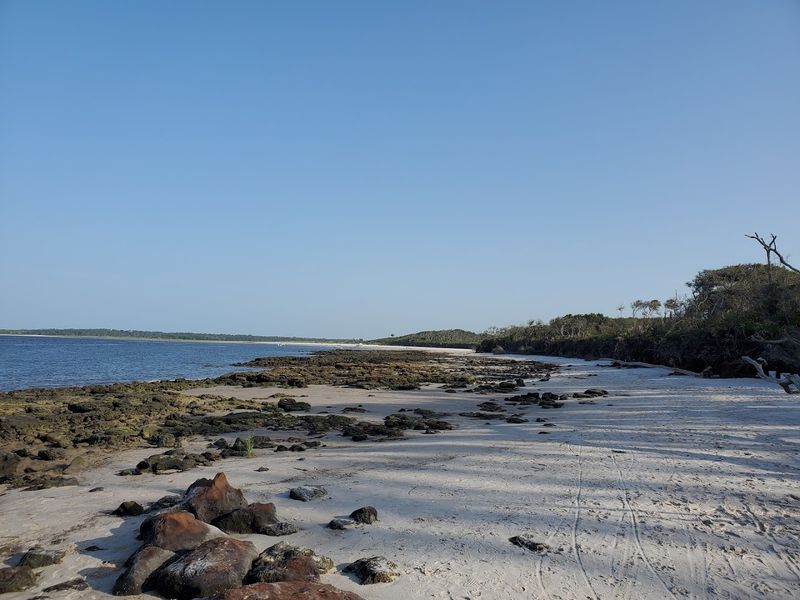
While the black rocks grab all the attention, the actual sand at Blackrock Beach deserves recognition too. Visitors consistently describe it as exceptionally soft and fine—the kind that feels wonderful under bare feet and between toes.
This isn’t the coarse, shell-filled sand you find at many Florida beaches. It’s powder-fine, almost silky in texture. One reviewer compared the waves to a lake rather than an ocean, noting how gentle the water conditions typically are here.
That ultra-fine quality does come with one quirk: wind easily picks it up and blows it around. Several visitors mentioned this makes beach picnics challenging since you’ll constantly have sand blowing onto your food and belongings. Consider this when planning what to bring.
The white sand creates stunning visual contrast against the dark rock formations and driftwood. Photography enthusiasts love how this natural color palette photographs—no filters needed to make images pop. The brightness of the sand also reflects light beautifully during golden hour.
Unlike typical tourist beaches, you won’t find crowds sprawled on towels here. The rocky entry and unique terrain make this less ideal for traditional sunbathing. Instead, visitors tend to explore, photograph, and wade rather than stake out spots for all-day lounging.
6. Secluded Beach Experience With Minimal Crowds
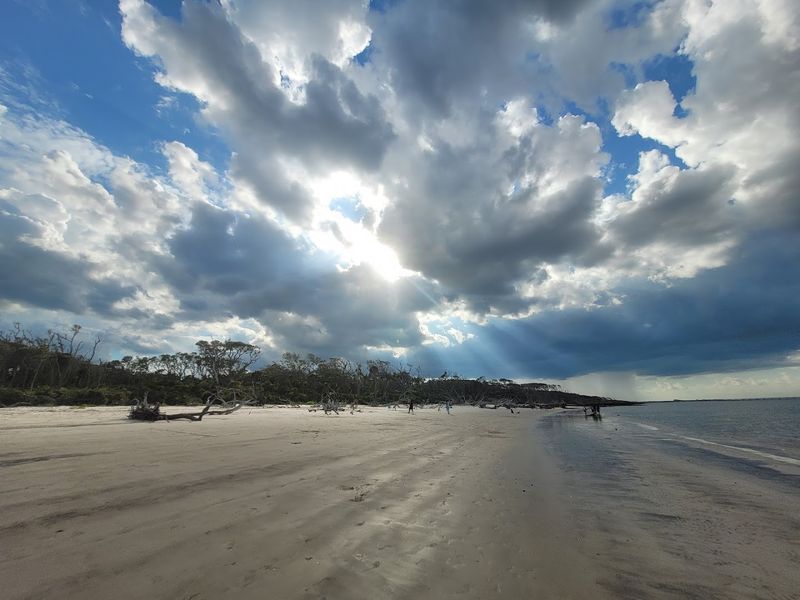
Want a beach almost entirely to yourself? Blackrock Beach delivers that rare experience. Review after review mentions having the entire beach to themselves or encountering only a handful of other people during their visit.
This seclusion stems from several factors. The location requires intentional planning—you won’t stumble upon this beach by accident. Limited parking at the trailhead naturally restricts visitor numbers.
The half-mile walk filters out casual beachgoers looking for easy access.
One couple visited on a Thursday in May and saw only a few other people. Another reviewer spent nearly an hour on the beach and encountered just two other visitors. Even during beautiful weather, this beach remains wonderfully uncrowded compared to Florida’s more famous coastal destinations.
This peaceful atmosphere creates opportunities you don’t get at busy beaches. You can explore tidal pools without dodging other people, set up photography shots without strangers in the background, and actually hear the waves instead of competing conversations and music.
The seclusion also means you need to be self-sufficient. There are no vendors, no lifeguards, and minimal amenities. Bring everything you’ll need including water, snacks, and first aid supplies.
Cell service can be spotty, so don’t count on your phone for emergencies.
7. A Paradise For Photography Enthusiasts
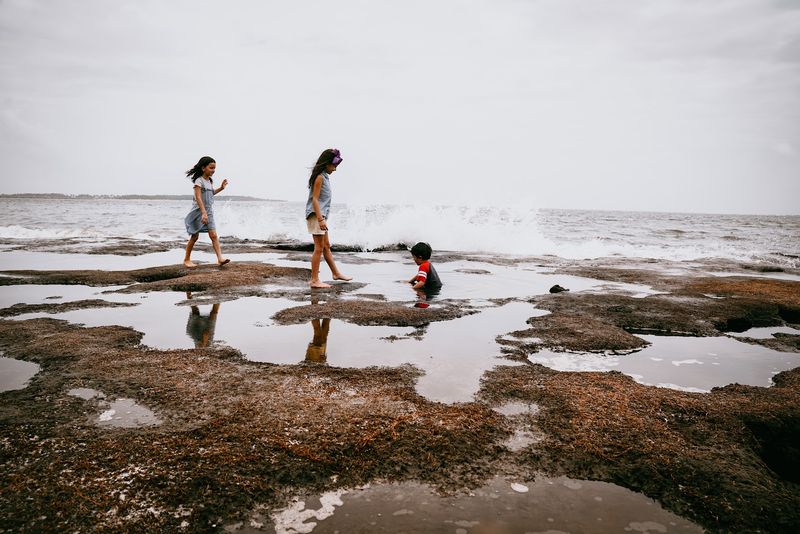
Ask photographers about the best beach locations in Florida, and Blackrock Beach consistently appears on their lists. The combination of unique geological formations, bleached driftwood, and dramatic lighting conditions creates endless compositional opportunities.
Sunrise is the magic hour here. Early morning light illuminates the scene with warm tones that make the white driftwood glow while adding depth to the dark rock formations. Multiple reviewers specifically mentioned arriving early to catch sunrise, and their enthusiasm suggests the effort pays off.
The natural elements provide ready-made subjects. Twisted driftwood creates interesting foreground elements. Rock formations add texture and contrast.
The meeting of land and sea offers classic coastal compositions. You don’t need to be a professional to capture stunning images here—the location does half the work.
Family photographers appreciate this beach too. The unique backdrop makes portraits stand out from typical beach photos. Kids naturally interact with the driftwood and rocks, creating authentic candid moments.
One reviewer called it the best place they’d found for family beach pictures.
Remember to protect your camera gear from the fine, blowing sand. Bring lens cleaning supplies and be careful when changing lenses. The soft sand and water create opportunities for creative low-angle shots, but protect your equipment from moisture and grit.
8. Practical Details For Planning Your Visit
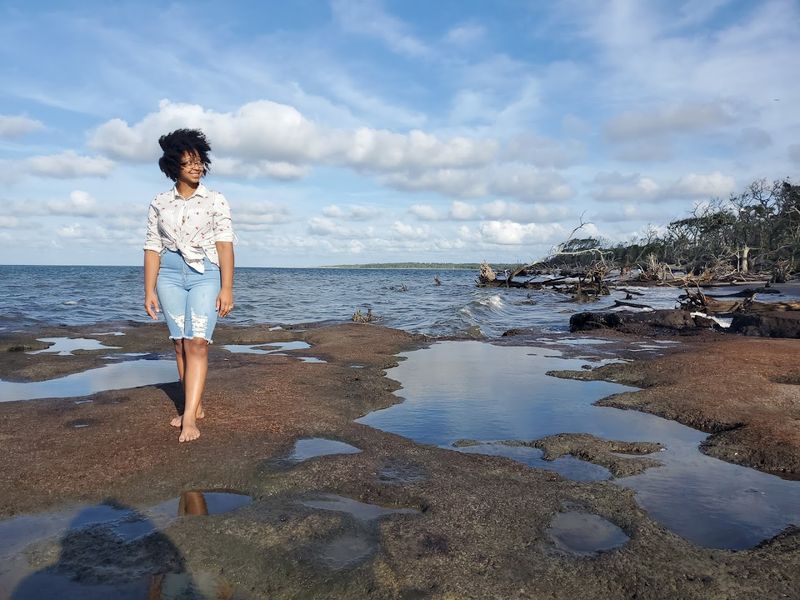
Planning ahead makes your Blackrock Beach experience much better. The park charges a modest entrance fee—typically $3 per vehicle—paid through a self-serve honor system. You put money in an envelope, drop it in a slot, and hang the receipt from your rearview mirror.
Parking is extremely limited at the trailhead. Arrive early, especially on weekends or during nice weather, or you might find no available spaces. The small lot fills quickly because this hidden gem isn’t quite as hidden as it used to be.
Important rule: dogs aren’t allowed on the beach itself, though they can join you on the trail if leashed. Some visitors mistakenly bring pets only to discover they can’t take them onto the sand. Plan accordingly if you’re traveling with furry friends.
Swimming isn’t recommended here. The rocky entry, tidal pools, and unique terrain make this better suited for wading and exploring than actual swimming. There are no lifeguards, so water activities are entirely at your own risk.
Bring bug spray—this cannot be stressed enough. Also pack water, snacks, and anything else you’ll need since there are zero facilities at the beach. Check tide schedules before visiting to catch low tide for the best tidal pool exploration.
Wear shoes you don’t mind getting wet and possibly stained from the crumbling rocks.