10 Hidden Everglades Spots In Florida That Feel Wild, Quiet, And Untouched
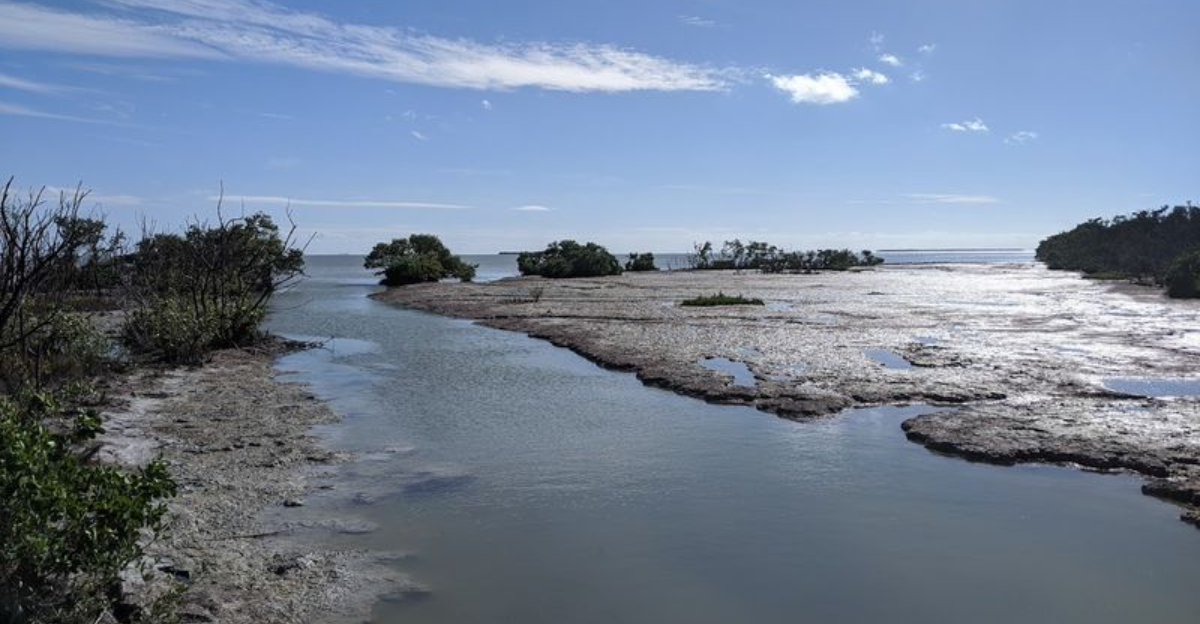
The Everglades might be famous, but most visitors only scratch the surface, sticking to the crowded boardwalks and main visitor centers. Beyond those well-worn paths lies a quieter, wilder version of South Florida where cypress trees rise from dark water, mangrove tunnels twist into silence, and the only sounds are bird calls and paddle strokes. These hidden spots offer the kind of untouched atmosphere that makes you feel like an explorer instead of a tourist.
1. Hell’s Bay Canoe Trail
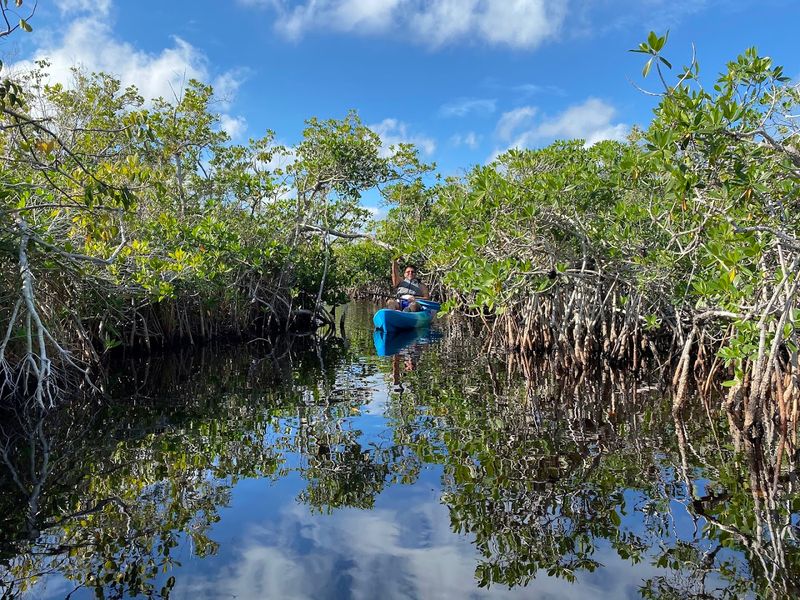
Paddlers call this route “Hell’s Bay” because it’s hell to get into and hell to get out of, but that’s exactly what keeps the crowds away. The narrow channels twist through mangrove mazes where branches scrape your kayak and the world shrinks down to just you and the water. Every turn feels like you’ve left civilization behind completely.
This isn’t a quick afternoon paddle. Plan for several hours of slow, careful navigation through tight passages that demand your attention. The reward is total immersion in a landscape that hasn’t changed in centuries, with zero signs of human interference once you’re deep enough in.
Bring plenty of water, sunscreen, and a good sense of direction. The mangrove tunnels all look similar, and it’s surprisingly easy to lose your bearings when every channel looks identical. Go early in the morning for the calmest water and the best chance of spotting wildlife before the heat sets in.
This trail delivers that rare feeling of genuine wilderness without requiring a multi-day expedition. You’ll finish tired, possibly sunburned, but absolutely certain you’ve experienced the Everglades the way it was meant to be seen.
2. Nine Mile Pond Canoe Trail
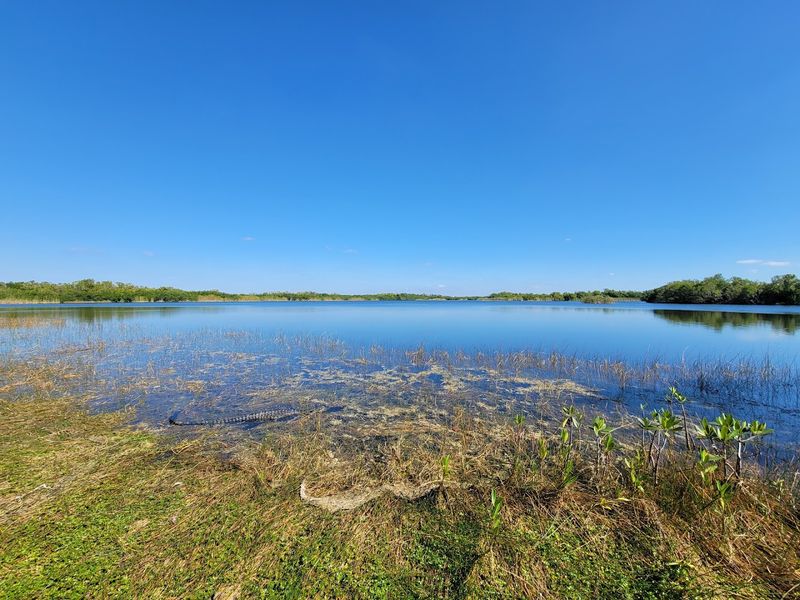
Nine Mile Pond offers something rare in the Everglades: a manageable loop that still delivers serious wilderness vibes. The five-mile circuit winds through open marsh, sawgrass prairies, and shaded mangrove sections that feel worlds away from the busy main roads. It’s perfect for paddlers who want solitude without committing to an all-day expedition.
The scenery shifts constantly as you move through different ecosystems. One moment you’re gliding across open water with endless views of sawgrass, the next you’re ducking under mangrove branches in cool shade. The variety keeps things interesting without ever feeling rushed or crowded.
Winter and early spring are prime times here, when water levels are reliable and temperatures stay comfortable. Summer paddling is possible but expect heat, afternoon thunderstorms, and potentially low water in some sections. Always check current conditions before launching.
Wildlife sightings happen regularly along this route. Alligators sun themselves on banks, wading birds stalk through shallows, and turtles slip off logs as you approach. The relatively short distance means you can paddle slowly, stop often, and really observe instead of just passing through.
3. Bear Lake Trail
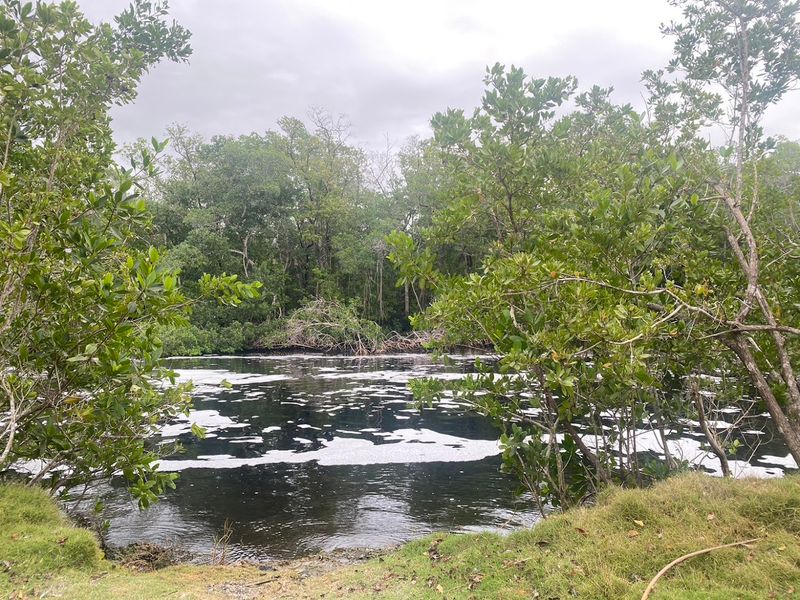
Most visitors to Flamingo stick to the marina and nearby boardwalks, which means Bear Lake Trail gets overlooked despite offering one of the area’s wildest walks. The path cuts through dense hardwood hammock where gumbo limbo trees twist overhead and the air feels thick with humidity and life. It’s shadier and more intimate than the open prairie trails elsewhere in the park.
The vegetation here tells a different story than the sawgrass marshes and mangrove forests that dominate other Everglades areas. Tropical hardwoods create a canopy that blocks the sun and drops the temperature noticeably. Bromeliads cling to branches, and ferns carpet the forest floor in spots where enough light filters through.
Mosquitoes can be fierce during warmer months, so come prepared with bug spray and long sleeves if you’re hiking outside winter. The trail isn’t long, but the thick vegetation and remote location make it feel like you’ve stepped into genuine backcountry even though you’re just minutes from the Flamingo parking area.
Bird activity picks up around dawn and dusk when the heat eases. Listen for rustling in the understory as small mammals and reptiles move through the leaf litter.
4. Snake Bight Trail
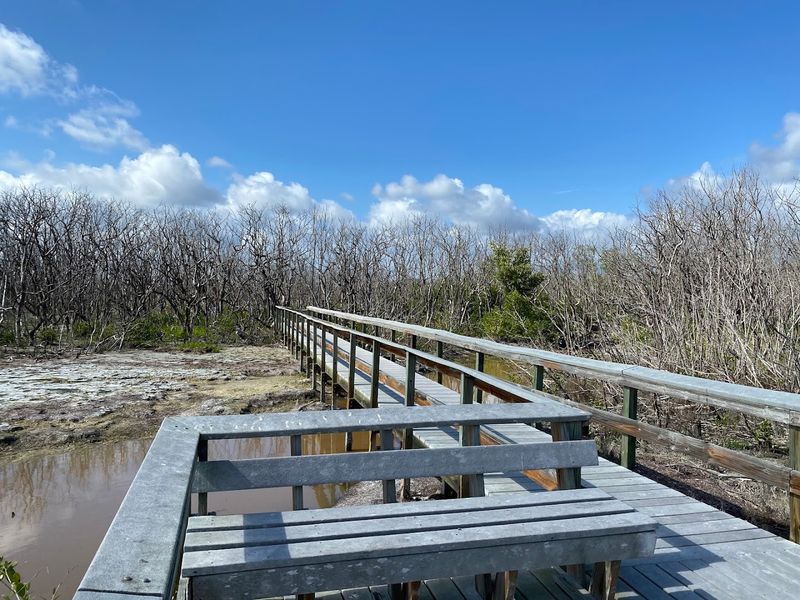
Snake Bight sounds ominous but delivers peaceful birding and solitude instead of danger. This straight, flat trail stretches toward Florida Bay through coastal prairie and mangrove transition zones that attract incredible numbers of wading birds, especially during winter dry season. Serious birders consider it one of the park’s best spots for shorebirds and waders.
The walk itself is simple and exposed, with little shade along the two-mile path to the bay. That openness means you can scan the landscape easily for birds and wildlife without thick vegetation blocking your view. Bring binoculars, because you’ll want them.
Timing matters here more than most trails. Go during low tide when mudflats emerge and birds concentrate in feeding areas. High tide pushes birds elsewhere and reduces the wildlife spectacle considerably.
Check tide charts before making the drive.
The trail ends at a mangrove-lined overlook where Florida Bay spreads out in shallow blues and greens. It’s not a dramatic viewpoint, but the quiet emptiness feels restorative after dealing with busy park entrances and visitor centers. You might see other people, but rarely more than a handful even on decent-weather weekends.
5. Turner River Canoe Trail
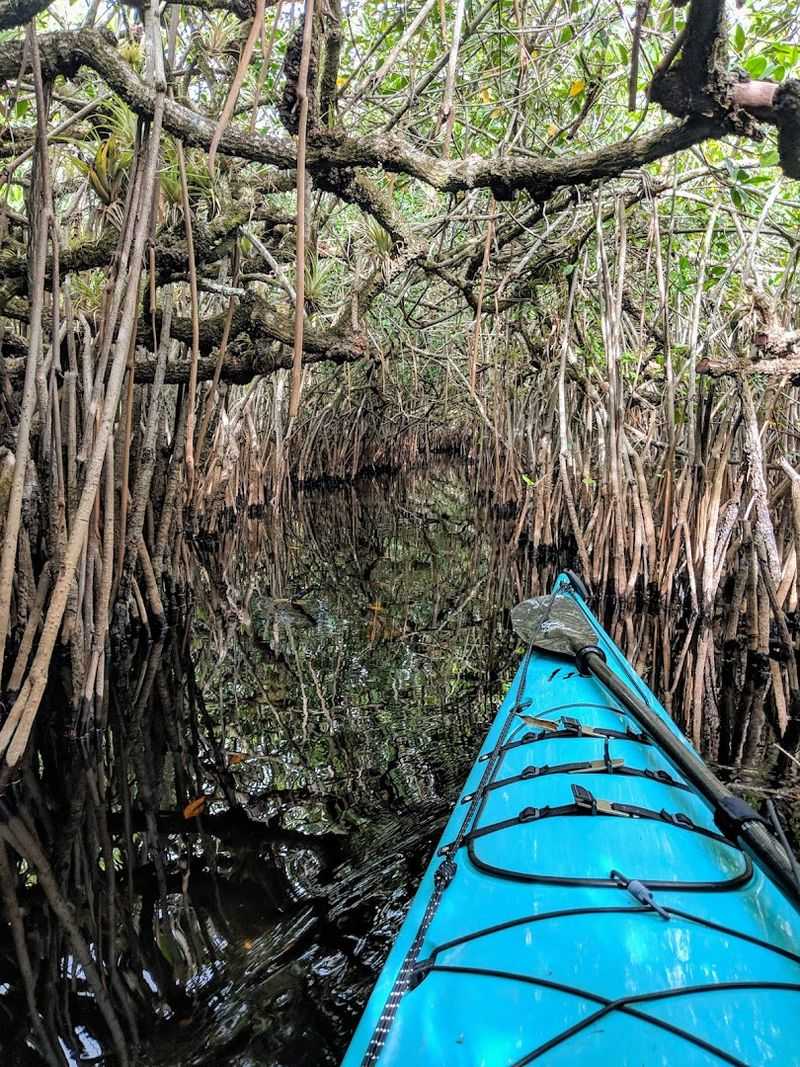
Turner River delivers classic Old Florida paddling through a landscape that shifts from open wetlands to tight mangrove tunnels to shaded cypress swamp. The variety keeps things interesting over the roughly four-mile route, and the lack of motorboat traffic means you’re paddling in near-total silence except for bird calls and water sounds.
Start at the northern access point near Highway 41 and paddle south through progressively wilder scenery. Early sections feel open and exposed, but as you move downstream the vegetation closes in and the experience becomes more intimate. Cypress trees rise from dark water, their knees creating natural sculptures that catch the light beautifully.
Alligators are common here, so keep a respectful distance and never approach them intentionally. They’re typically unbothered by paddlers who give them space and don’t act aggressively. Watch where you put your hands when navigating tight spots near logs and banks.
Plan your trip around water levels and tides if you’re paddling the full route. Low water can make sections difficult or impossible to navigate, while high water opens up more side channels for exploration. Check with Big Cypress visitor centers for current conditions before committing to the trip.
6. Halfway Creek Canoe Trail
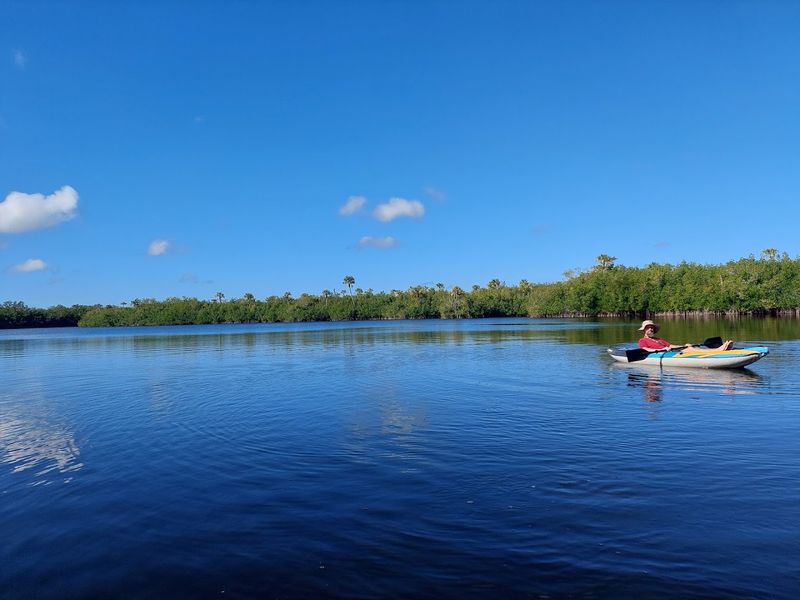
Halfway Creek moves slowly through some of the most photogenic cypress swamp in Big Cypress Preserve. The water reflects trees and sky like dark glass, creating mirror images that make you lose track of where the real world ends and the reflection begins. It’s the kind of place that makes you stop paddling just to sit and absorb the stillness.
The creek stays narrow and shaded for most of its length, with cypress branches forming natural archways overhead. That shade makes summer paddling more tolerable here than on exposed marsh trails, though mosquitoes appreciate the same conditions. Winter remains the most comfortable season for exploration.
Bird activity happens constantly along this route. Herons stalk through shallows, anhinga dry their wings on snags, and smaller songbirds flit through the understory. The slow pace of creek paddling gives you time to actually watch wildlife instead of just glimpsing it as you pass.
Launch from the Highway 41 access point and paddle upstream or downstream depending on wind and water conditions. The creek doesn’t form a loop, so plan on an out-and-back trip and save energy for the return paddle. Most people spend two to three hours on the water, though you could easily stretch that longer.
7. Kirby Storter Boardwalk
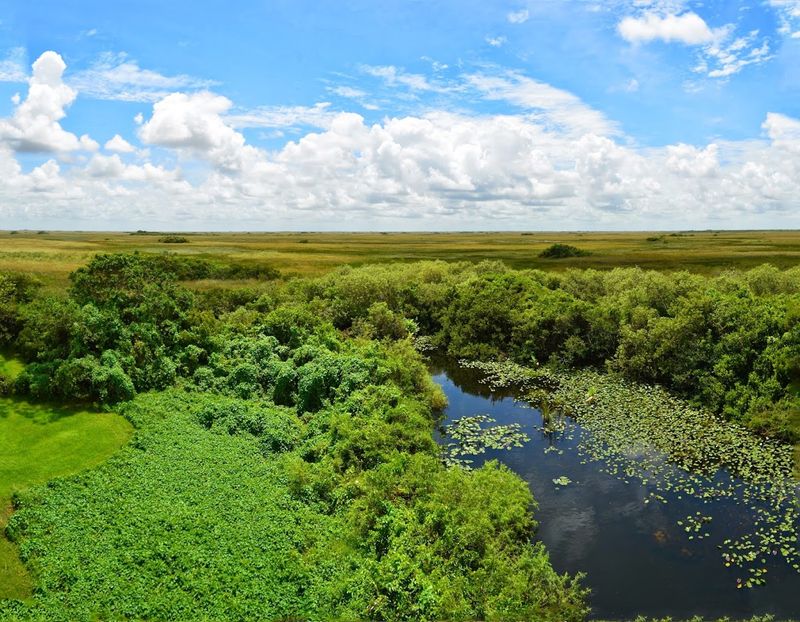
Sometimes the easiest trails deliver the most surprising experiences. Kirby Storter Boardwalk loops just over a mile through a cypress strand that feels remarkably wild for such a simple walk. The elevated boardwalk puts you at eye level with the swamp’s mid-story, where orchids and bromeliads grow on tree trunks and birds move through branches just feet away.
Go early morning or late afternoon for the best light and the fewest people. Midday visits are fine but the harsh overhead sun flattens the landscape and makes wildlife less active. Dawn and dusk bring out feeding birds, better shadows, and that golden light that makes every photo look magical.
The boardwalk’s condition varies seasonally, so watch your step on potentially slippery sections after rain. Railings provide safety, but keep children and pets close because the drop into standing water is immediate. The swamp below stays wet year-round, creating perfect habitat for aquatic creatures.
Interpretive signs along the route explain the cypress strand ecosystem, though honestly the landscape speaks for itself. Ancient trees, still water, and the cathedral-like quality of light filtering through the canopy create an atmosphere that needs no explanation. Just walk slowly and pay attention.
8. Loop Road Scenic Drive
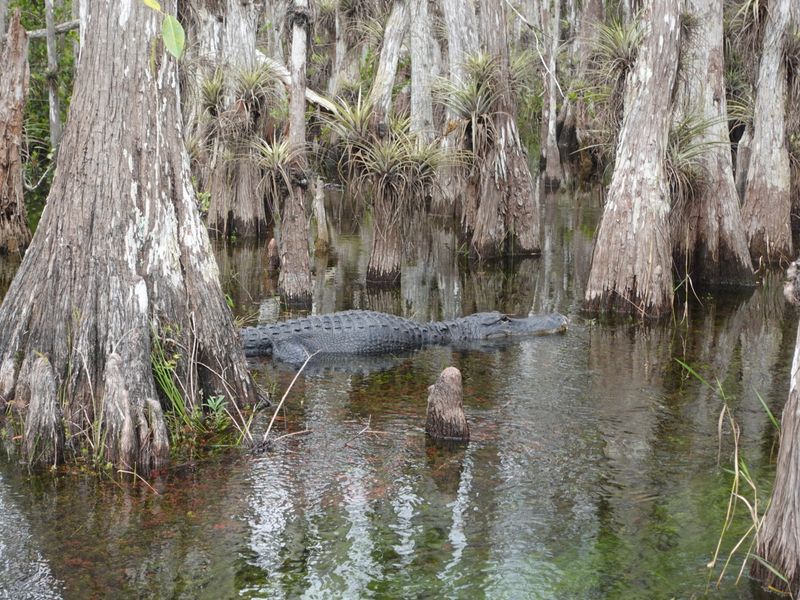
Loop Road offers wilderness views from the comfort of your vehicle, making it perfect for days when you want Everglades atmosphere without committing to a long paddle or hike. The roughly 24-mile unpaved route splits off from Highway 41 and winds through cypress swamp, pine flatwoods, and wetlands that feel genuinely remote despite being drivable.
The road condition varies from smooth gravel to rutted dirt depending on recent weather and maintenance. Most passenger cars handle it fine during dry conditions, but heavy rain can create muddy sections that challenge low-clearance vehicles. Check conditions before committing if you’re driving something low to the ground.
Wildlife sightings happen constantly along this route. Alligators sun themselves on canal banks just feet from the road, wading birds stalk through roadside wetlands, and turtles cross the road with alarming frequency. Drive slowly, both for safety and to actually see what’s around you.
Multiple pull-offs and primitive campsites line the route, giving you options for stopping, exploring on foot, or even camping if you have the proper permits. The road delivers that hard-to-find combination of accessibility and genuine wilderness character that makes it feel like a secret even though it’s marked on maps.
9. Big Cypress Bend Boardwalk
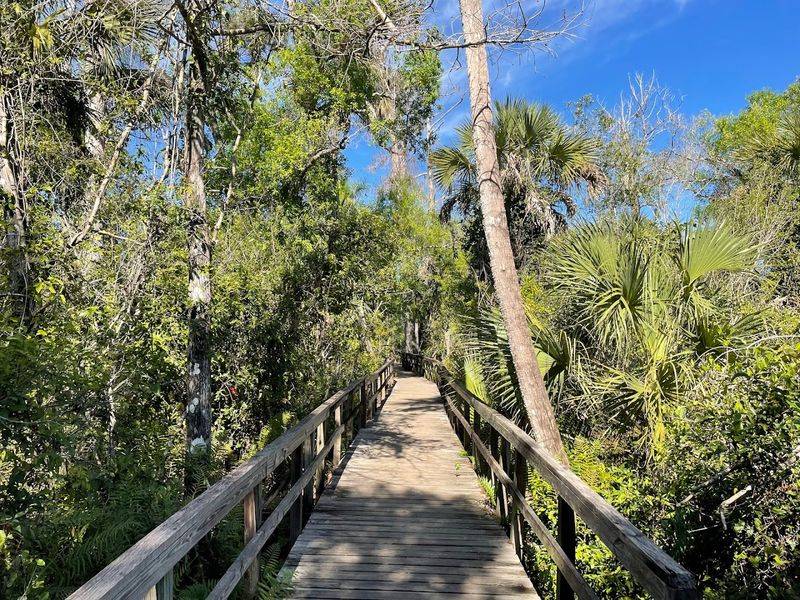
Fakahatchee Strand holds some of Florida’s last remaining old-growth cypress, and Big Cypress Bend Boardwalk takes you straight into the heart of it. These aren’t the skinny second-growth trees you see in most swamps—these are massive, centuries-old giants with buttressed trunks and crowns that tower overhead. The scale alone makes this walk memorable.
The quarter-mile boardwalk stays accessible for all mobility levels while delivering genuine immersion in one of Florida’s wildest preserves. Fakahatchee’s reputation as the “Amazon of North America” isn’t marketing hype—the biodiversity here rivals anywhere in the continental United States. Rare orchids, ghost orchids included, grow in this strand along with countless other species.
Winter dry season offers the most reliable boardwalk conditions and the most comfortable temperatures. Summer brings afternoon thunderstorms, high humidity, and aggressive mosquitoes that can make the experience less pleasant despite the lush vegetation. Plan accordingly based on your tolerance for heat and bugs.
The preserve’s remote location keeps visitor numbers low even though the boardwalk itself is easy to access. You might encounter other nature enthusiasts, particularly during peak orchid season, but crowds never approach the levels seen at more famous Everglades spots. The atmosphere stays peaceful and contemplative year-round.
10. East River Paddling Area
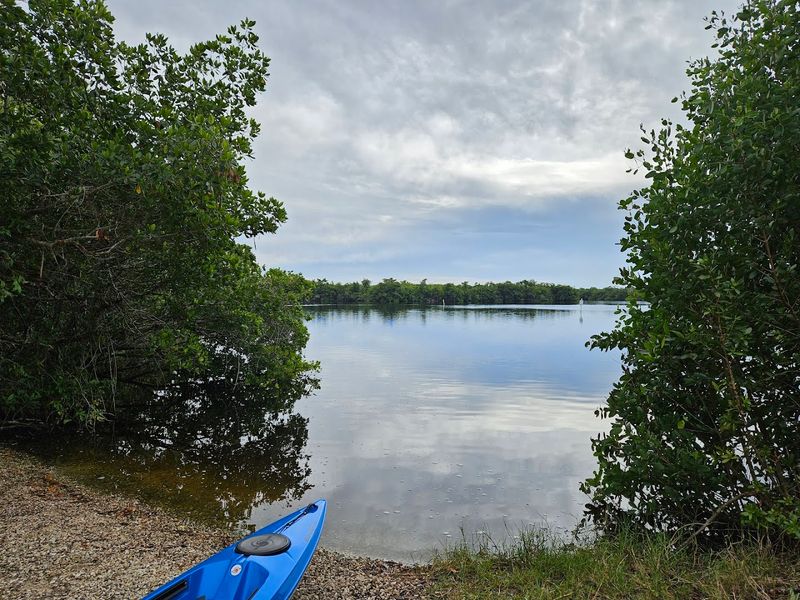
East River offers Ten Thousand Islands atmosphere without the crowds that pack more famous launch points like Everglades City. The paddling here winds through mangrove channels and tidal creeks that feel genuinely remote, with little evidence of human presence once you’re a mile or so from the access point. It’s perfect for paddlers who want coastal wilderness without fighting for parking or jockeying for position at busy launches.
Tides matter enormously in this area. Plan your trip around tide charts to avoid fighting strong currents or getting stranded on mudflats when water levels drop. Rising tides make upstream paddling easier, while falling tides help on return trips if you’ve planned your route correctly.
The mangrove tunnels here create that classic Southwest Florida paddling experience where branches form green arches overhead and the water narrows to just wider than your kayak. Navigation requires attention because side channels branch off constantly and everything looks similar. Bring a GPS or detailed map if you’re prone to getting turned around.
Wildlife encounters happen regularly in these channels. Dolphins sometimes patrol deeper sections, manatees browse in grassy areas, and birds nest in mangrove canopies overhead. The relative lack of boat traffic compared to busier areas means animals behave more naturally and tolerate closer observation.