11 Favorite Secret Spots In South Florida You’ll Be Glad You Found
South Florida is famous for its beaches and nightlife, but some of the best places to visit are the ones most people drive right past. These hidden gems offer everything from crashing waves on limestone rocks to secret islands you can only reach by boat. Whether you’re looking for peaceful gardens, mysterious roadside attractions, or wild natural preserves, these spots will make you feel like a true local explorer.
1. Blowing Rocks Preserve (Jupiter Island)
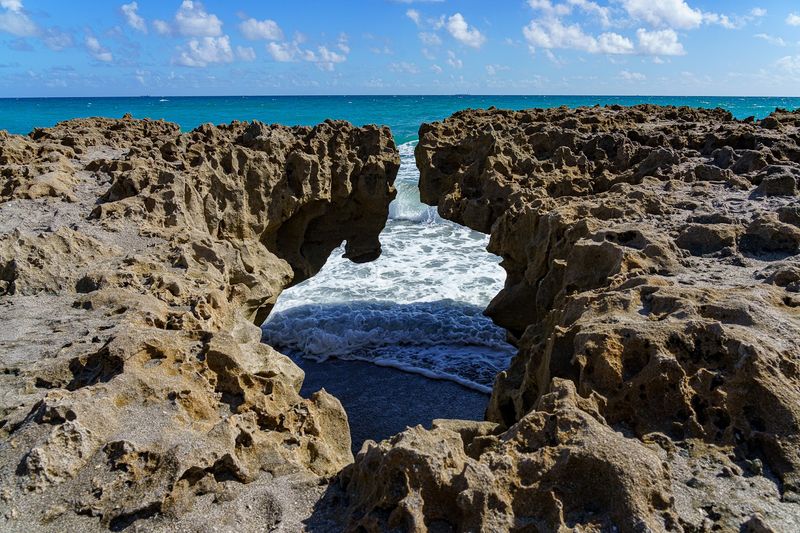
When waves slam into ancient limestone and explode fifty feet into the sky, you know you’ve found something special. Blowing Rocks Preserve sits on Jupiter Island and feels more like the rugged coast of Maine than anything you’d expect from Florida.
The Anastasia limestone formations here are rare along Florida’s shoreline. During high tide or when storms roll through, the ocean forces water through holes and crevices in the rock, creating dramatic geysers of spray. It’s a photographer’s dream and a reminder that Florida’s coastline has more personality than just flat sand.
The preserve also protects sea turtle nesting sites and native coastal plants. You can walk along a short trail that winds through the dunes and leads right to the rocky shore. Early morning visits offer the best light and fewer crowds.
Pack water and sunscreen because shade is limited. The preserve is managed by The Nature Conservancy, so there’s no commercial development—just raw coastal beauty. It’s the kind of place that makes you rethink what Florida can be.
2. Morikami Museum and Japanese Gardens (Delray Beach)
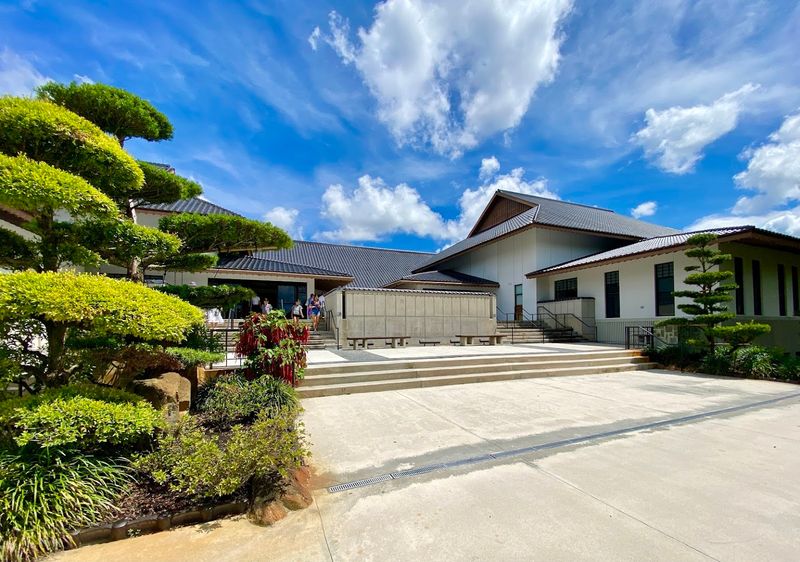
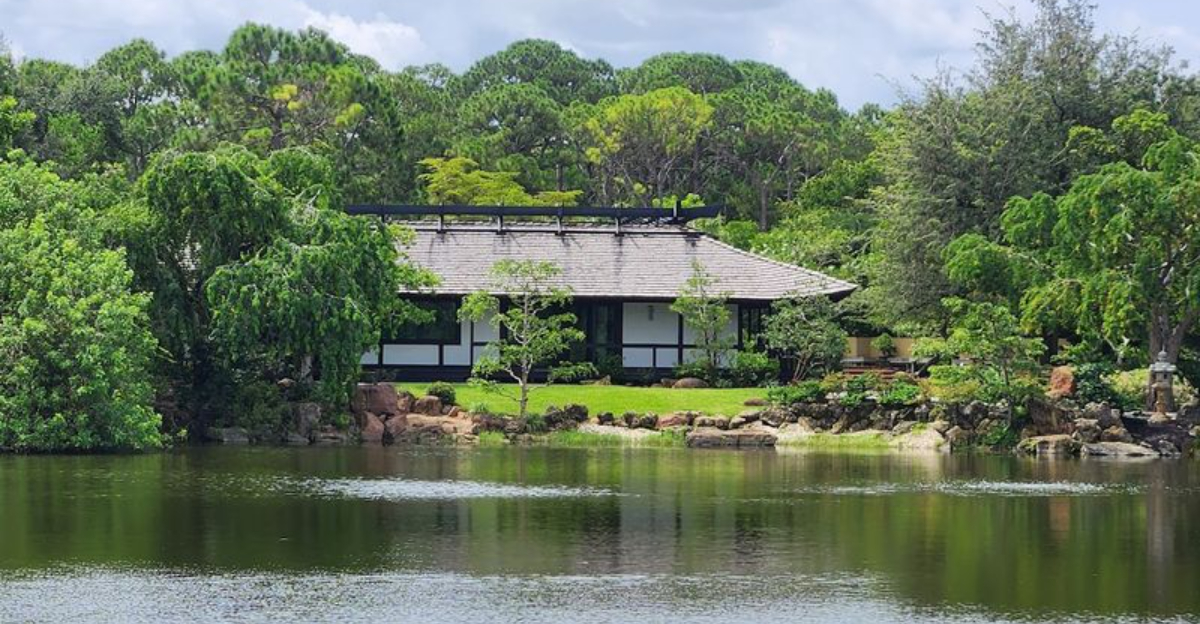
Stepping into the Morikami feels like boarding a flight to Kyoto without leaving Palm Beach County. This museum and garden complex sits on sixteen acres and celebrates Japanese culture with rotating exhibits, traditional tea ceremonies, and some of the most peaceful landscapes in South Florida.
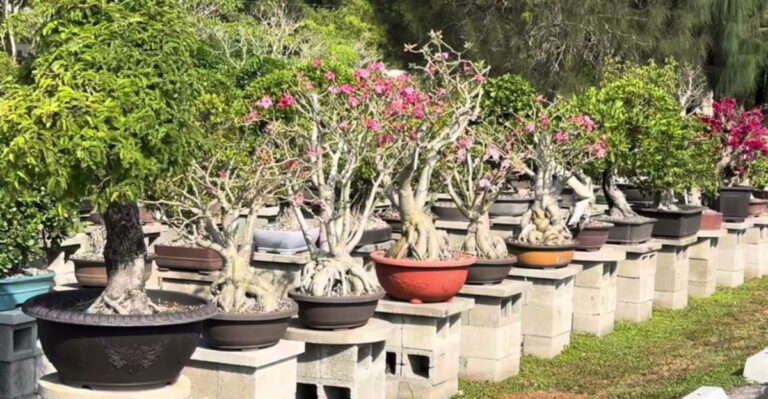
The gardens are divided into six distinct styles, each representing different periods of Japanese garden design. You’ll walk past koi ponds, bamboo groves, bonsai collections, and perfectly placed stone lanterns. The museum building hosts art exhibitions, cultural programs, and a gift shop filled with authentic Japanese crafts.
What makes this spot truly special is how unexpected it is. There’s no theme park vibe or artificial staging—just thoughtful design and genuine respect for the traditions being honored. The on-site Cornell Café serves Japanese-inspired cuisine if you want to extend your visit.
Weekday mornings are ideal for a quiet stroll. The gardens change with the seasons, so repeat visits always offer something new. Whether you’re into photography, meditation, or just need a break from South Florida’s usual energy, the Morikami delivers calm in spades.
3. Fakahatchee Strand Preserve State Park (Copeland)
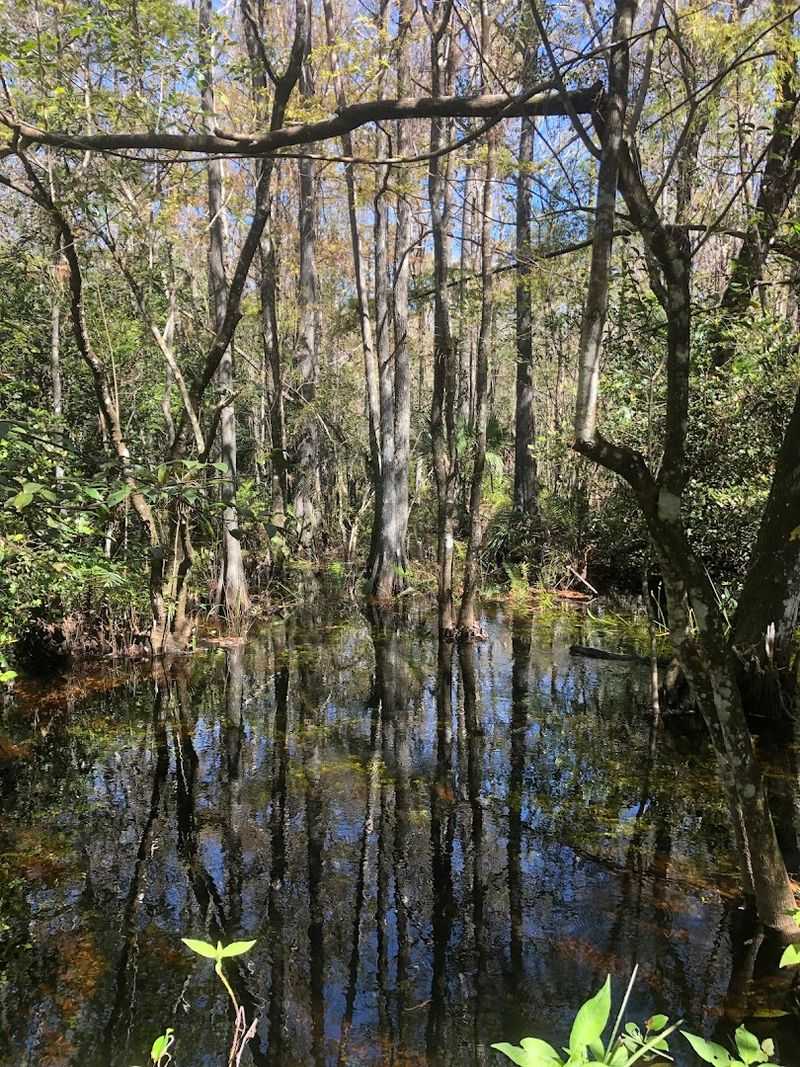
Most people race past Copeland on their way to the Everglades without realizing they’re missing Florida’s wildest secret. Fakahatchee Strand Preserve is the largest state park in Florida, and it protects ecosystems and species you won’t find anywhere else in the continental United States.
This is swamp country at its finest—bald cypress trees draped in Spanish moss, rare ghost orchids hiding in the canopy, and wildlife that includes Florida panthers and black bears. The Big Cypress Bend Boardwalk offers an easy way to experience the swamp without getting your feet wet, though serious adventurers can arrange guided swamp walks with park rangers.
The preserve doesn’t have the polish of more famous parks. Facilities are basic, and cell service is spotty. But that’s exactly the point—this place rewards visitors who want authentic Florida wilderness, not a curated experience.
Bring bug spray and binoculars. Early morning or late afternoon light filters through the canopy in magical ways. If you’re lucky, you might spot a rare orchid or hear the call of a barred owl echoing through the trees.
Fakahatchee reminds you that Florida still has wild places worth protecting.
4. The Kampong (Coconut Grove)
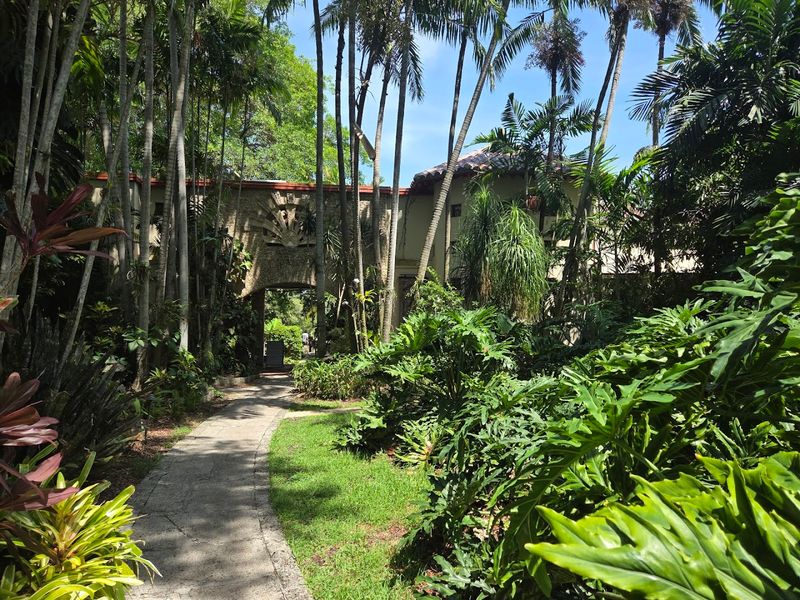
Hidden behind a wall in Coconut Grove sits a botanical treasure that most Miami residents have never heard of. The Kampong was the home of David Fairchild, one of history’s greatest plant explorers, and today it operates as a National Tropical Botanical Garden site.
Fairchild traveled the world collecting rare and useful plants, and he turned his waterfront estate into a living laboratory. Today you can wander through groves of rare tropical fruit trees—mangoes, avocados, lychees, and dozens of species you’ve probably never tasted. The grounds slope down to Biscayne Bay, offering stunning water views framed by exotic palms and flowering trees.
The Kampong isn’t flashy or heavily promoted. It’s open for self-guided visits certain days and offers occasional tours led by knowledgeable guides who can identify every plant and share stories about Fairchild’s adventures. The historic house sits at the center of the property, maintaining its old Florida charm.
This spot is perfect for plant lovers, history buffs, or anyone seeking a peaceful escape from Miami’s intensity. The property feels like a secret garden that time forgot, which is exactly what makes it so special.
5. Deering Estate (Palmetto Bay)
Art, history, nature, and waterfront beauty collide at the Deering Estate, a sprawling property that manages to be four attractions in one. Located along the Palmetto Bay coast, this former winter residence of industrialist Charles Deering now serves as a museum, nature preserve, archaeological site, and event venue.
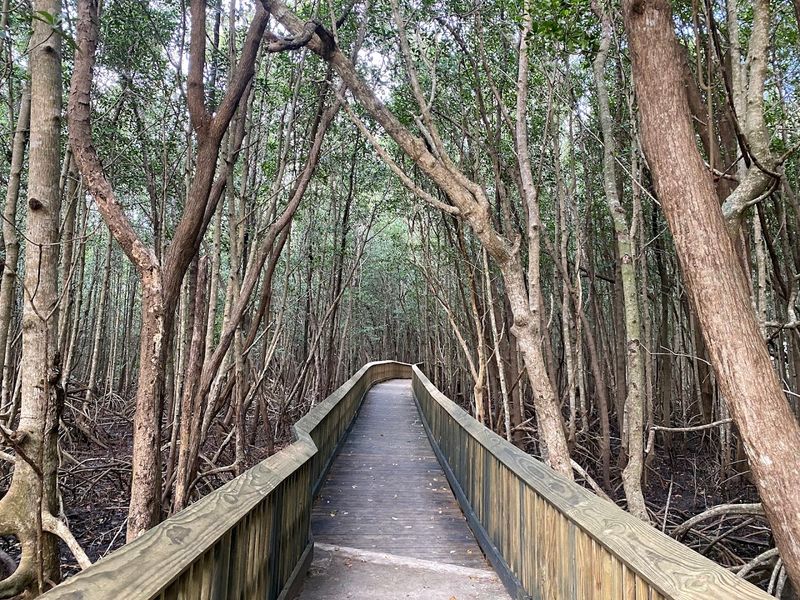
The estate includes two historic homes—the original Richmond Cottage and the grand Stone House—both open for tours. But the real magic happens outdoors, where you can explore coastal hammocks, mangrove forests, and pine rocklands. Guided kayak tours launch from the property’s boat basin, and fossil pit tours reveal evidence of prehistoric animals that once roamed South Florida.
Weekend programming often includes art exhibitions, concerts, and environmental education events. The estate’s mission is to connect visitors with South Florida’s cultural and natural heritage, and they do it without feeling preachy or boring.
The property is large enough that you can spend hours exploring without retracing your steps. Pack comfortable walking shoes and plan to stay awhile. The Deering Estate proves that historic sites don’t have to be stuffy—they can be living, breathing places where past and present meet.
6. Ancient Spanish Monastery (North Miami Beach)
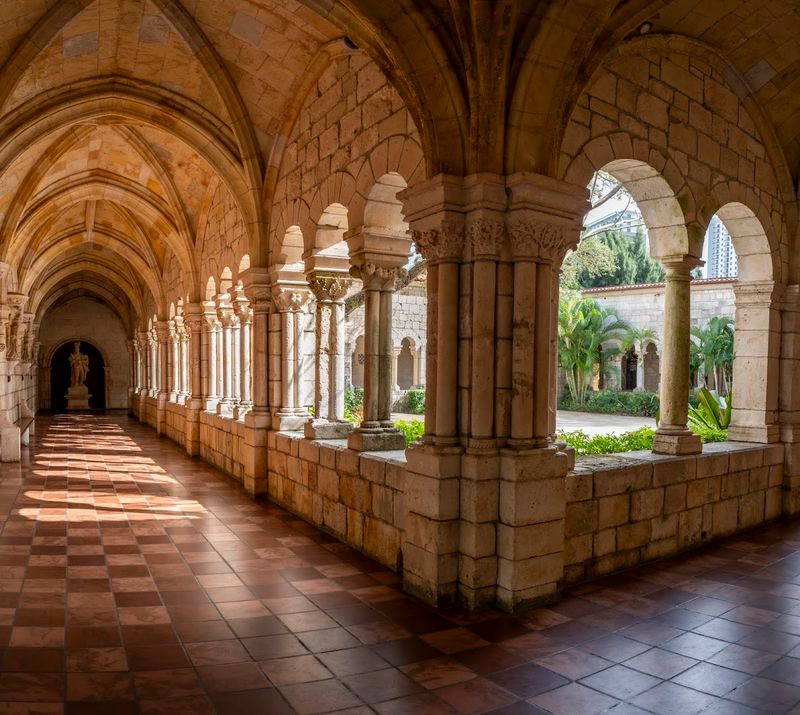
A thousand-year-old monastery sitting in suburban North Miami Beach sounds like fiction, but it’s absolutely real. This surreal landmark was originally built in Spain in the 12th century, then disassembled, shipped to America by William Randolph Hearst, and eventually reconstructed in South Florida.
Walking through the cloisters feels like stepping into a European time machine. The hand-carved stone columns, Gothic arches, and peaceful courtyard gardens transport you far from the strip malls and traffic outside. The monastery operates as an active Episcopal church, but it’s open to visitors during weekday hours, with weekend schedules varying.
The building’s journey to Florida is almost as fascinating as the structure itself. After Hearst purchased it, the stones were packed into thousands of crates. Due to various complications, the pieces sat in a Brooklyn warehouse for decades before being reassembled in their current location in the 1950s.
Photography enthusiasts love the dramatic stone architecture and play of light through the arches. The gardens offer quiet spots for reflection. Whether you’re into history, architecture, or just enjoy bizarre roadside discoveries, the Ancient Spanish Monastery delivers an experience you won’t find anywhere else in South Florida.
7. Coral Castle Museum (Homestead)
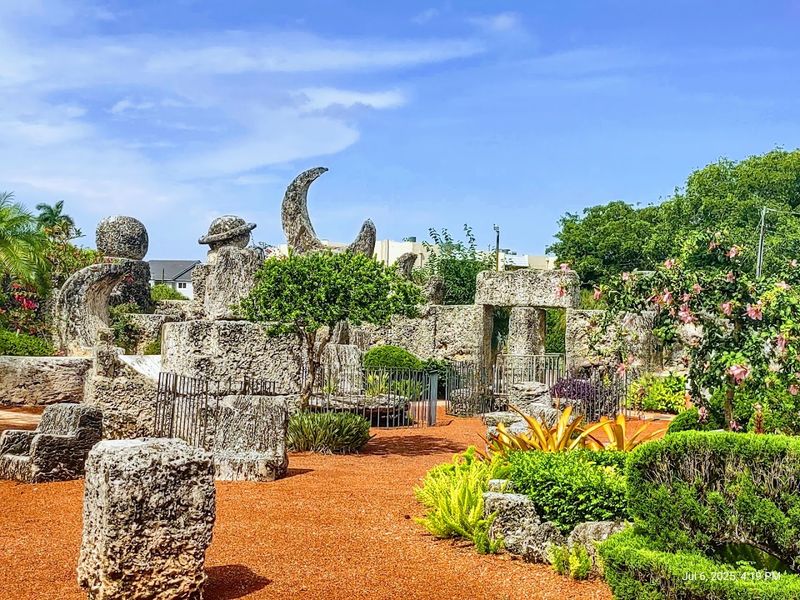
One man, simple tools, and over 1,100 tons of coral rock carved into an architectural mystery—that’s Coral Castle in a nutshell. Built single-handedly by Edward Leedskalnin between 1923 and 1951, this roadside oddity continues to baffle engineers and fascinate visitors who can’t quite figure out how he did it.
Leedskalnin claimed to understand the secrets of the pyramids and used that knowledge to move massive stones weighing several tons each. He worked alone, mostly at night, and never revealed his methods. The result is a collection of carved stone furniture, celestial sculptures, and architectural features that seem impossible for one person to create.
The site operates as a museum with self-guided tours. You’ll see a stone telescope aligned with the North Star, a nine-ton gate that once moved with the touch of a finger, and heart-shaped tables carved from solid rock. It’s weird, wonderful, and quintessentially Florida.
Coral Castle sits in Homestead, making it an easy stop if you’re heading to the Keys or Everglades. The mystery surrounding its construction adds to the appeal—nobody has definitively explained Leedskalnin’s techniques, leaving room for imagination and wonder in a world that usually demands explanations.
8. Flamingo Gardens (Davie)
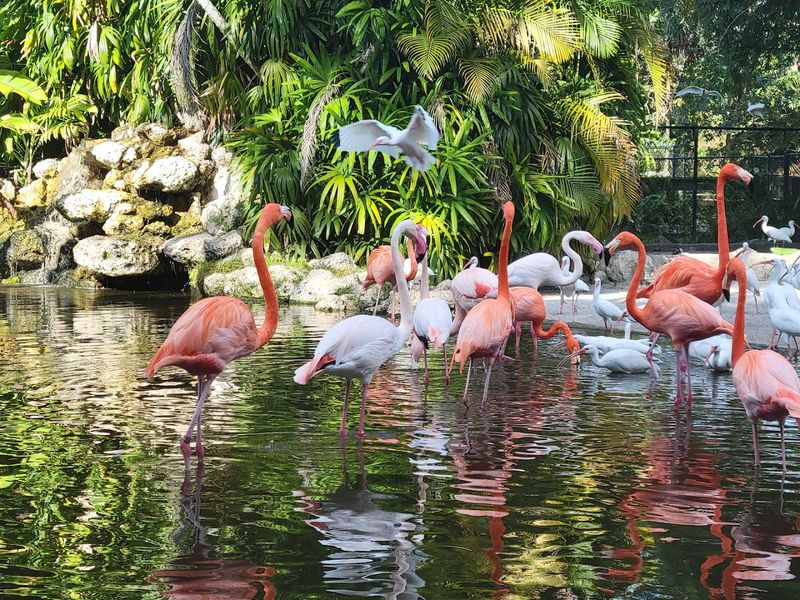
Before theme parks took over, Florida attractions looked a lot like Flamingo Gardens—a family-run botanical garden and wildlife sanctuary that’s been operating since 1927. Located in Davie, this sixty-acre site feels like stepping back to old Florida, when roadside attractions focused on real plants and animals instead of manufactured thrills.
The gardens showcase native and exotic plants, including a champion tree trail featuring some of the largest trees in Florida. A free-flight aviary houses flamingos, peacocks, and other colorful birds. The wildlife sanctuary cares for permanently injured native animals like alligators, otters, panthers, and eagles that can’t be released back into the wild.
What sets Flamingo Gardens apart is its authenticity. There’s no corporate polish or over-the-top marketing—just straightforward education about South Florida’s ecosystems and wildlife. The historic Wray Home Museum sits on the property, offering glimpses into early pioneer life.
Tram tours run throughout the day, narrated by knowledgeable guides who share facts about the plants and animals. Kids enjoy the hands-on learning, while adults appreciate the peaceful atmosphere. Flamingo Gardens reminds us that sometimes the best attractions are the ones that have been quietly doing good work for decades.
9. Anne Kolb Nature Center (Hollywood)
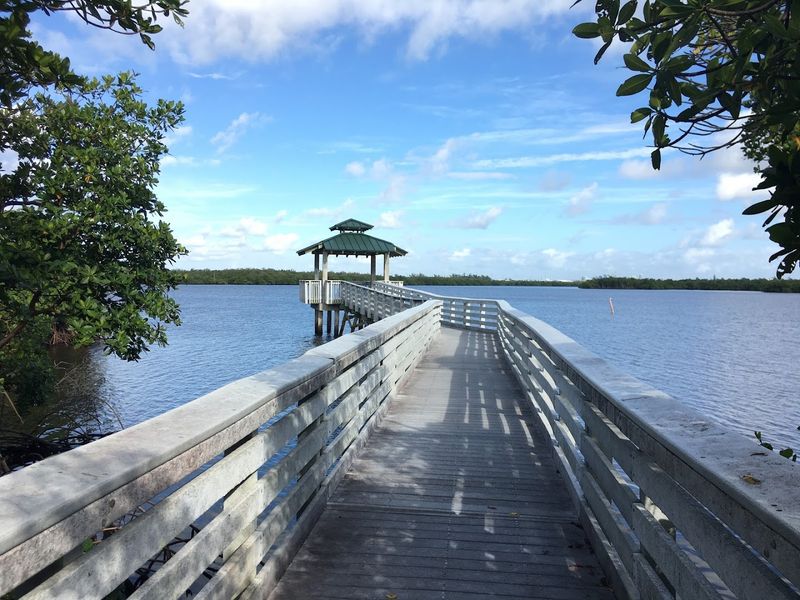
Tucked inside West Lake Park’s 1,500-plus acres of coastal mangrove wetlands, the Anne Kolb Nature Center offers an escape from Broward County’s urban intensity. Most visitors stick to the beaches and boardwalks a few miles east, which means this nature center remains blissfully quiet even on busy weekends.
The park features elevated walkways that wind through thick mangrove forests, giving you an up-close look at an ecosystem that protects Florida’s coastline from storms and serves as a nursery for countless marine species. An observation tower rises above the tree canopy, offering panoramic views of the Intracoastal Waterway and beyond.
Inside the nature center building, interactive exhibits teach visitors about mangrove ecology, local wildlife, and South Florida’s environmental challenges. Rangers lead guided walks and kayak tours for those wanting deeper engagement. The fishing pier attracts anglers hoping to catch snook, snapper, or tarpon.
Bring binoculars for bird watching—the park is a hotspot for migratory and resident species. The flat, paved trails make the center accessible for strollers and wheelchairs. Anne Kolb proves that you don’t have to drive far from the city to find genuine natural beauty and environmental education done right.
10. Rain Barrel Village (Islamorada)
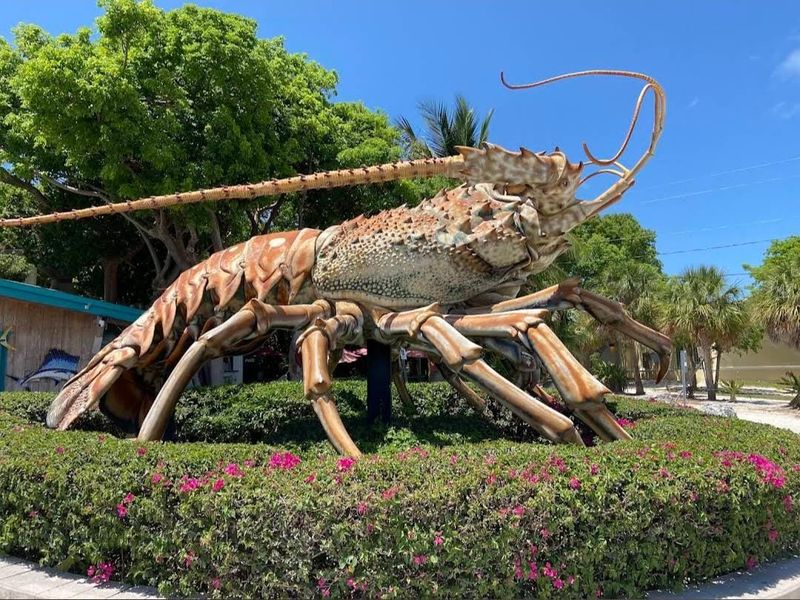
Tucked along the Overseas Highway in Islamorada, Rain Barrel Village is a burst of color and creativity that captures the quirky spirit of the Florida Keys. This open-air tropical garden oasis features local artists’ studios, galleries, shops, and the village’s most famous resident—Betsy, a giant lobster sculpture that’s become a beloved photo op.
The village started as a single artist’s studio and has grown into a collection of wooden buildings painted in bright Caribbean colors, all connected by garden paths lined with tropical plants. You’ll find handmade jewelry, paintings, sculptures, pottery, and other crafts created by local artisans. Unlike generic tourist shops, the art here reflects the Keys’ laid-back, salt-washed personality.
Betsy the Lobster stands guard over the property, welcoming visitors and providing endless selfie opportunities. The village’s gardens create shady spots perfect for browsing without the harsh Florida sun beating down. It’s a place where you can actually meet the artists, ask about their process, and take home something genuinely local.
Rain Barrel Village isn’t trying to be slick or commercial—it’s authentic Keys culture in a compact, walkable space. Stop by when you need a break from driving or want to support local creators instead of chain stores.
11. Boca Chita Key (Biscayne National Park)
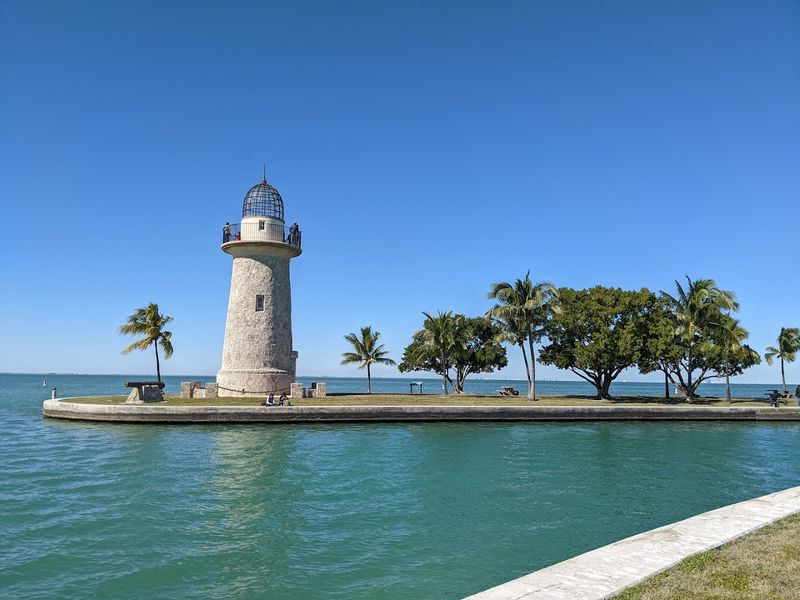
Reaching Boca Chita Key requires a boat, which automatically makes it feel like a secret even though it’s technically the most visited island in Biscayne National Park. The journey across the bay rewards you with an ornamental lighthouse, picnic areas, and the kind of turquoise water that makes you forget you’re still in the United States.
The sixty-five-foot lighthouse isn’t a working navigational aid—it was built in the 1930s as a decorative piece by the island’s former private owner. You can climb to the top for sweeping views of Biscayne Bay and the Miami skyline in the distance. The island also features a small harbor, primitive camping areas, and nature trails.
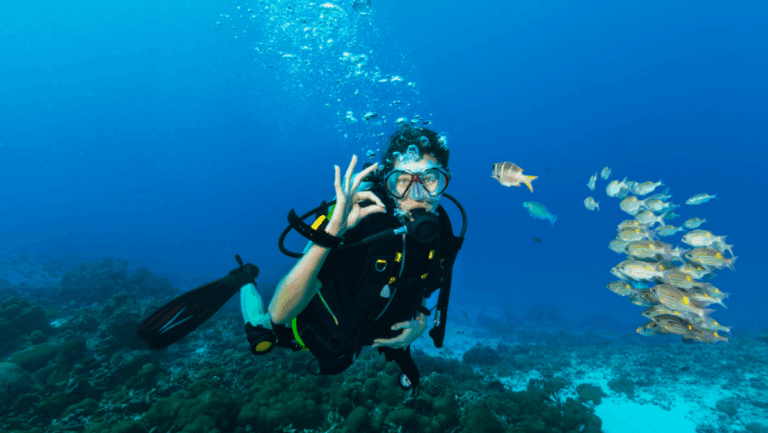
Because you need your own boat or must arrange a charter to visit, Boca Chita never feels crowded the way mainland parks do. Kayakers and boaters anchor offshore, spending the day swimming, snorkeling, and exploring. The National Park Service maintains the facilities but keeps development minimal, preserving the island’s remote feel.
Pack everything you need—there are no concessions or services. The island offers a rare chance to experience South Florida’s coastline the way it existed before high-rises and highways. It’s the ultimate secret spot, hiding in plain sight just offshore.