This Stunning Spiritual Sanctuary In Tampa Feels Like Stepping Into Another World
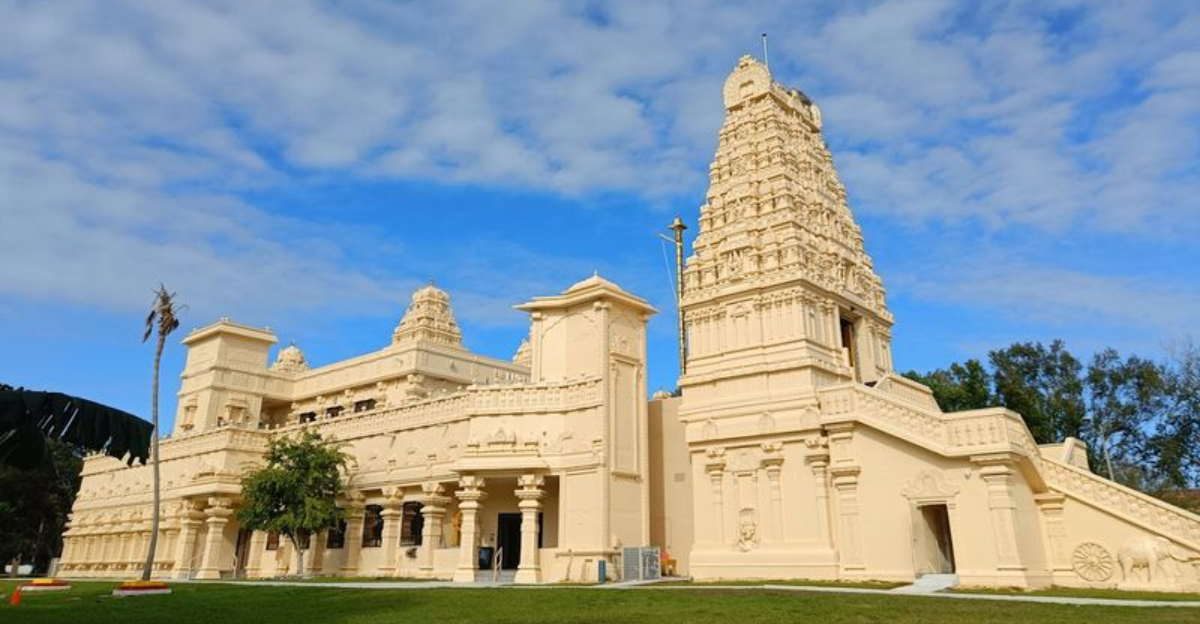
Tucked away on Lynn Road in Tampa sits a breathtaking architectural wonder that transports visitors straight to the heart of India without ever leaving Florida. The Hindu Temple of Florida stands as one of the most magnificent spiritual landmarks in the Tampa Bay area, drawing worshippers and curious visitors alike with its towering gopurams, intricate carvings, and peaceful atmosphere. Whether you’re seeking spiritual connection, cultural exploration, or simply a moment of tranquility away from the everyday hustle, this temple offers an unforgettable experience that feels truly otherworldly.
1. Towering Architecture That Commands Attention
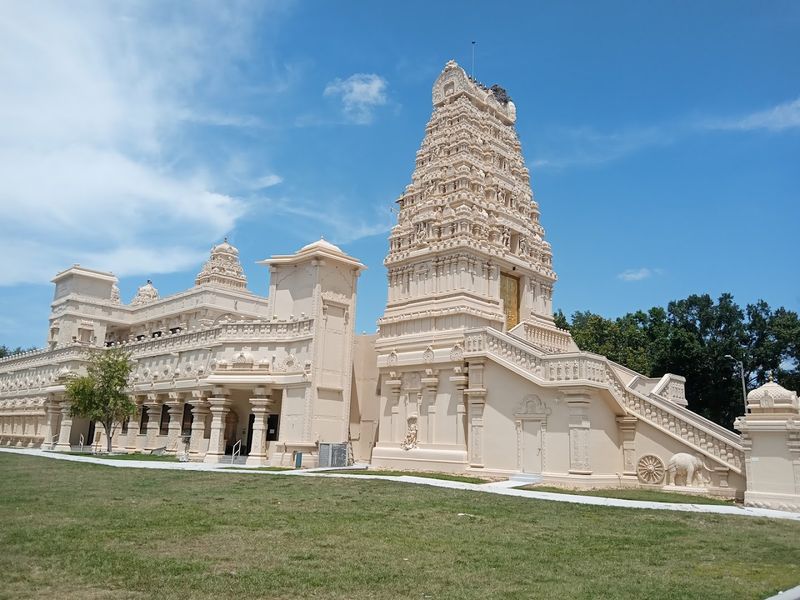
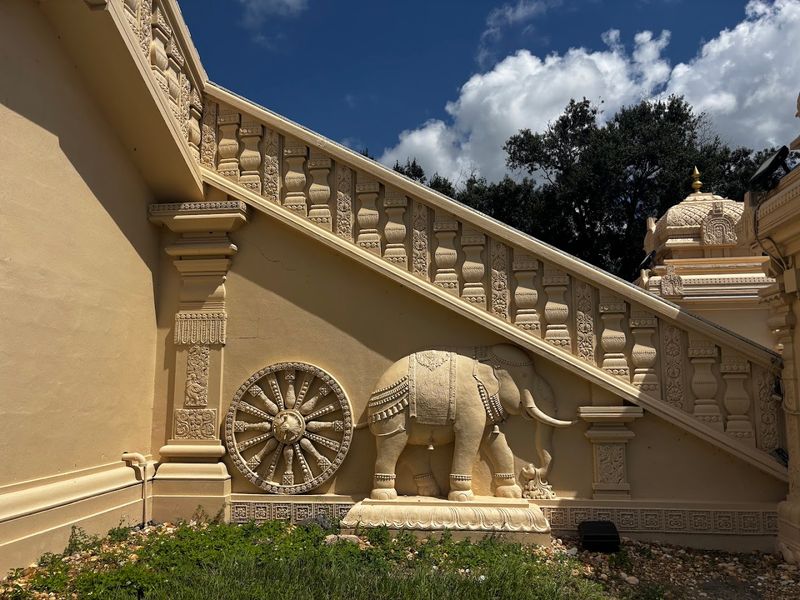
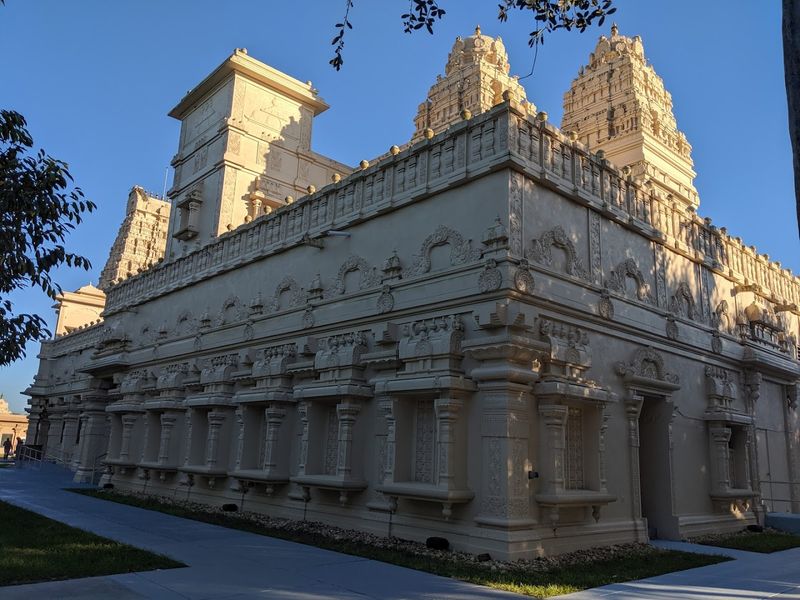
Walking up to the Hindu Temple of Florida feels like stumbling upon a secret portal. The towering gopuram rises against the Tampa skyline, its layers of meticulously carved deities and mythological figures telling ancient stories in stone. Skilled artisans brought this vision to life, creating something that rivals temples you’d find across India.
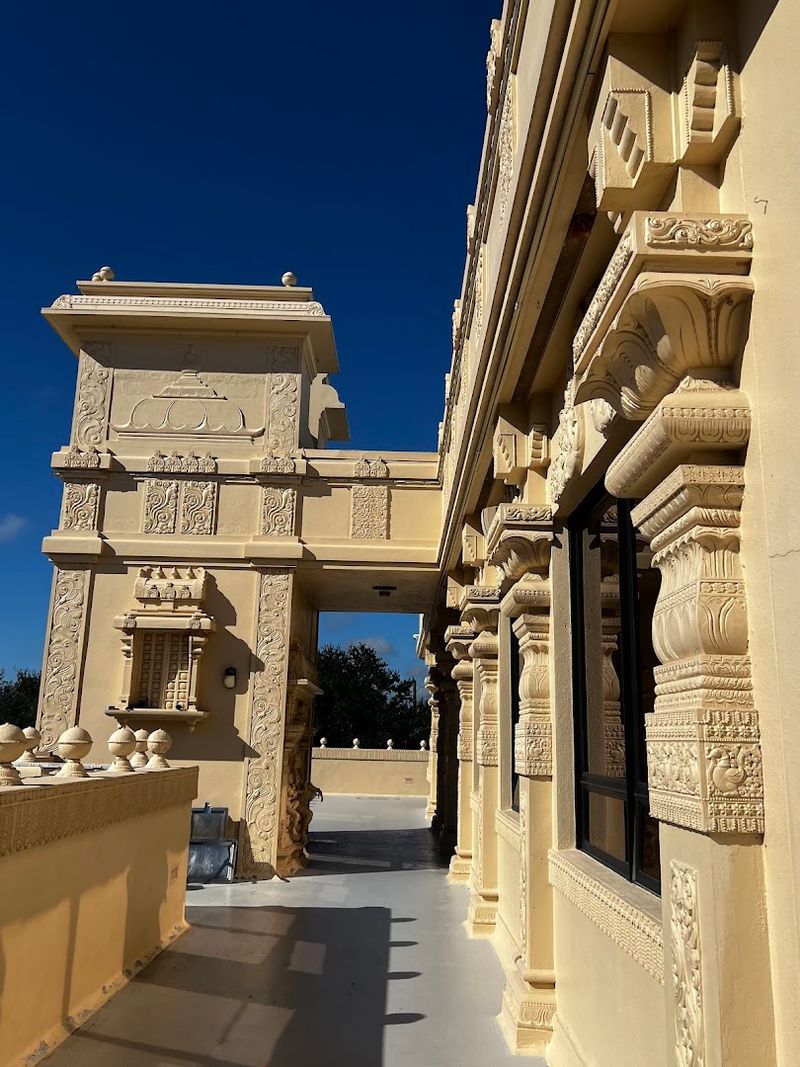
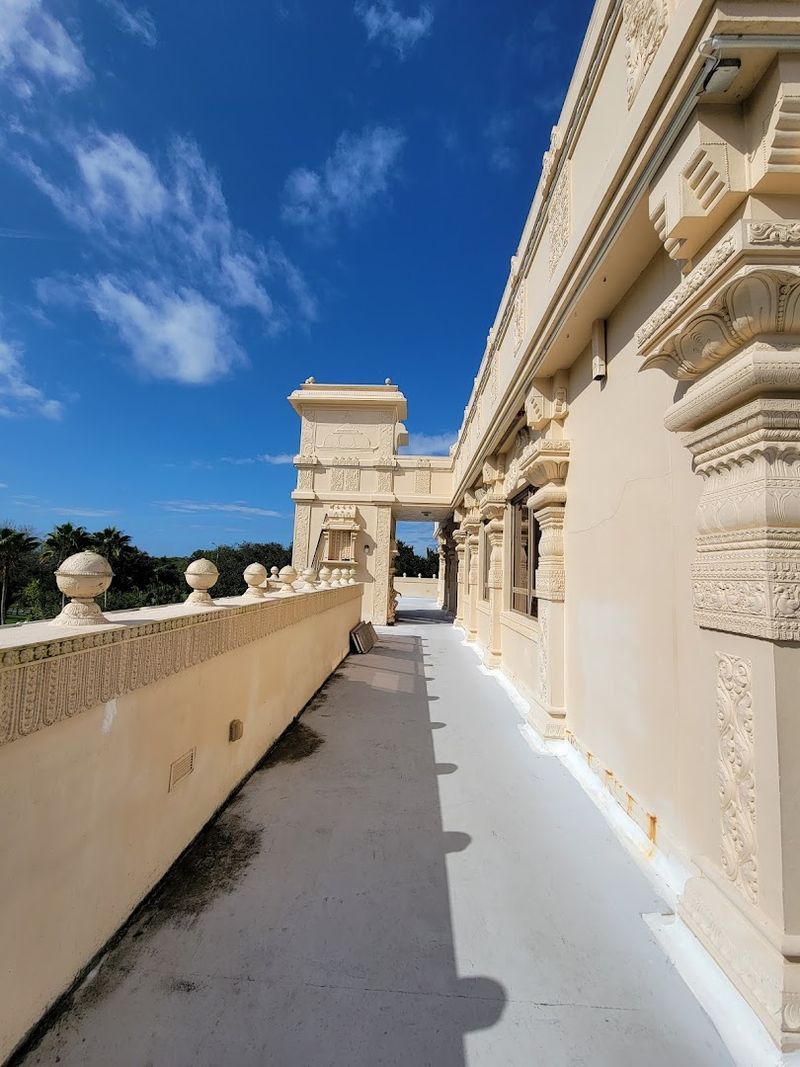
The exterior alone deserves a slow walk-around. Every surface holds meaning, from the smallest decorative flourish to the grand statues standing guard. These aren’t just pretty details—each carving represents specific gods, goddesses, and tales from Hindu scriptures that have been passed down through millennia.
Visitors often stand at the base, necks craned upward, trying to take in the full scope of this architectural achievement. The craftsmanship becomes even more impressive when you consider the dedication required to transport traditional temple-building techniques to Florida soil. Sunlight plays across the carved surfaces differently throughout the day, revealing new details with each visit.
First-timers frequently admit they had no idea such a place existed right here in Tampa. The structure doesn’t just serve religious purposes—it stands as a cultural landmark that bridges continents. Photography enthusiasts find endless angles to capture, though remember that certain areas restrict cameras out of respect for active worship spaces.
2. Sacred Spaces Where Devotion Comes Alive
Step inside the actual worship building—a separate structure from the towering main hall—and the energy shifts immediately. The sanctum sanctorum houses beautifully crafted idols of Satya Narayana, Lakshmi, Murugan, Ganesha, and Rama, each deity adorned with fresh garlands and traditional decorations. The scent of incense wraps around you while bells chime rhythmically, creating a soundscape that quiets the mind.
Priests conduct pujas with practiced precision, their chants filling the space with sacred vibrations. Even if you don’t understand Sanskrit, there’s something deeply moving about witnessing these ancient rituals performed with such care and devotion. Many visitors describe feeling an unexpected sense of peace wash over them, regardless of their own religious background.
The temple follows specific protocols that first-timers should know. Shoes come off before entering—there’s a designated area to leave them safely. Modest dress is required, meaning covered legs and shoulders, though the temple sells appropriate wraps for five dollars if you arrive unprepared.
Photography isn’t permitted inside the main shrines, a rule that helps maintain the sanctity of these sacred spaces. Rather than feeling restrictive, this policy actually encourages you to be fully present instead of viewing everything through a phone screen. The experience becomes about connection rather than documentation, which honestly makes it more memorable.
3. Additional Shrines Expand The Spiritual Journey
Beyond the main temple building, the complex includes another structure housing Panchamukhi Anjaneya, the Navagraha shrine, and Sai Baba. This setup gives visitors multiple opportunities for prayer and reflection, each space carrying its own distinct spiritual energy. The Hanuman shrine particularly draws devotees on Tuesdays and Saturdays, traditional days for worshipping this beloved deity.
The Navagraha section honors the nine celestial influencers from Vedic astrology—the sun, moon, and seven planets that ancient traditions believe affect human destiny. Devotees often perform specific rituals here seeking planetary blessings or relief from astrological challenges. Watching these ceremonies offers fascinating insight into practices that have guided millions for centuries.
Sai Baba’s shrine attracts followers from various religious backgrounds since this saint preached unity among all faiths. The inclusive atmosphere here reflects that philosophy, welcoming anyone seeking spiritual solace regardless of their beliefs. Fresh flowers and incense create a constantly renewed offering of devotion.
Having these separate shrines means the temple complex accommodates different spiritual needs simultaneously. Some visitors spend hours moving between spaces, while others focus their attention on one particular deity. There’s no rushed feeling or pressure to hurry through—the layout encourages personal pacing and individual spiritual exploration at whatever depth feels right for you.
4. Guided Tours Unlock Deeper Understanding
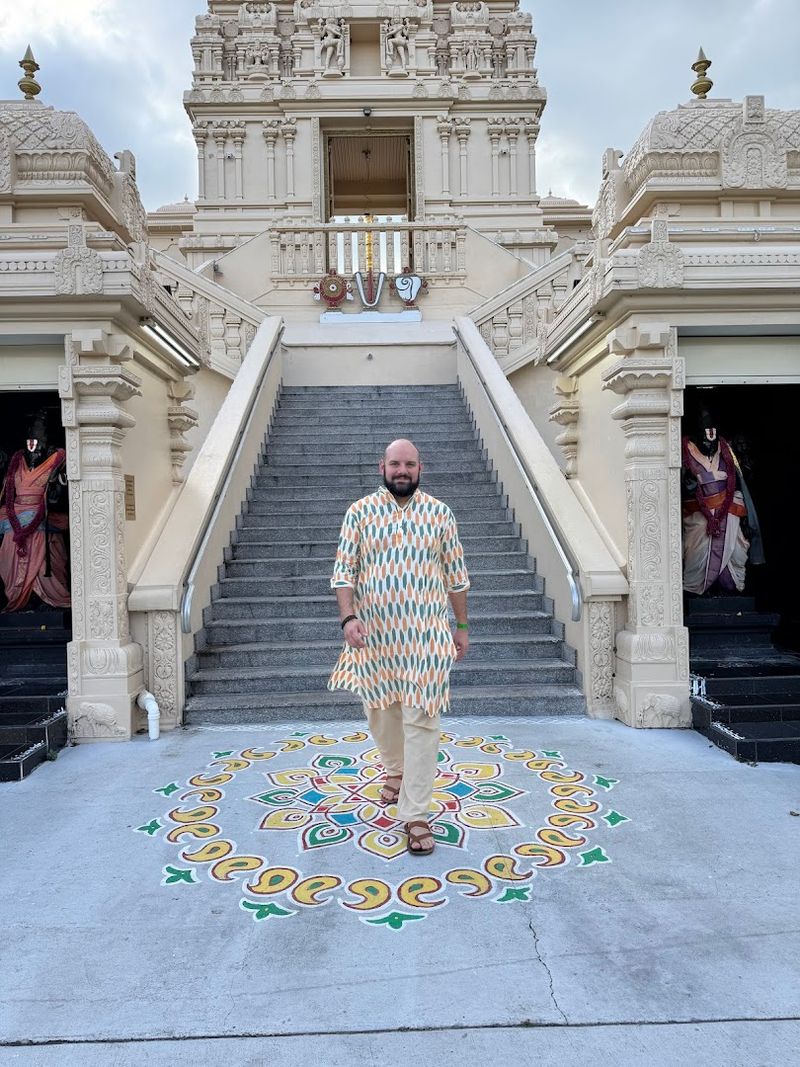
Free guided tours transform a simple visit into an educational journey through Hindu philosophy, architecture, and cultural traditions. Tour guides welcome drop-ins when groups are forming, though advance registration guarantees your spot and helps organizers plan accordingly. One reviewer stumbled into a tour mid-session and found the guide warmly invited them to join without hesitation.
These tours aren’t dry lectures—guides bring stories to life, explaining the symbolism behind architectural elements and the mythology depicted in carvings. You’ll learn why certain deities hold specific objects, what different hand gestures mean, and how temple design follows ancient principles intended to create spiritual harmony. The information sticks because it’s presented through engaging narratives rather than textbook facts.
Guides also answer questions about Hindu practices that might seem mysterious to outsiders. Why do worshippers ring bells? What’s the significance of the red dot?
How do priests conduct ceremonies? Getting these explanations directly from knowledgeable sources beats googling later and potentially finding incomplete or inaccurate information.
Dress codes apply for tours just as they do for general visits—covered legs and shoulders are mandatory. The temple sells appropriate coverings if needed, but planning ahead saves time. Tours can run long depending on group questions and interest levels, so allowing extra time makes the experience less rushed and more rewarding for everyone involved.
5. Vegetarian Cuisine That Surprises And Delights
The Prasad Sadan canteen serves authentic South Indian vegetarian food that consistently earns rave reviews for quality and affordability. Idli, vada, dosa, and various sweets emerge from the kitchen tasting better than many Florida Indian restaurants, according to multiple visitors who’ve compared extensively. Prices run thirty to fifty percent cheaper than typical restaurant rates, making this a genuine bargain for quality cuisine.
During peak times—weekends, holidays, and evening puja hours—lines can stretch long as everyone wants their food quickly. The staff handles these rushes with impressive patience and efficiency that one reviewer compared to managing major Indian city traffic. Their work ethic and dedication create positive vibes even when you’re waiting longer than expected.
The canteen typically opens at specific hours, sometimes aligned with puja schedules. Arriving during off-peak times means shorter waits and more relaxed dining. Everything served is completely vegetarian, prepared with care and devotion that visitors say makes the food taste spiritually nourishing beyond just physical satisfaction.
Some suggest adding more ordering kiosks to reduce wait times during busy periods. Currently, automated kiosks handle archana tickets, but expanding this system to food orders could streamline the process. Despite occasional waits, the consistent praise for taste, cleanliness, and value keeps people returning and recommending the canteen to friends and family.
6. Peaceful Atmosphere Perfect For Meditation
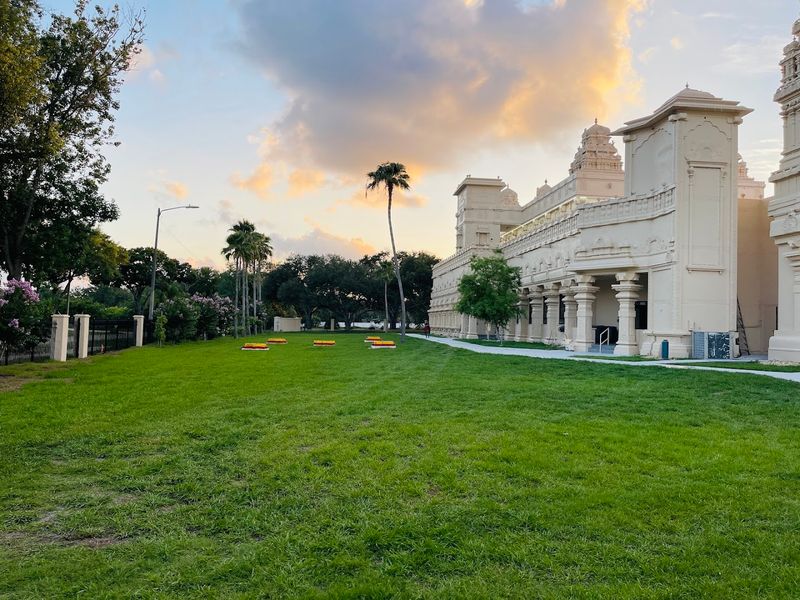
Beyond the visual grandeur and cultural richness, the temple offers something increasingly rare—genuine peace and quiet. Multiple visitors describe feeling immediately calmer upon entering, as if the space itself radiates tranquility that settles racing thoughts and anxious hearts. The combination of incense, soft lighting, and devotional atmosphere creates conditions perfect for meditation or simple reflection.
During quieter weekday mornings, you might find yourself nearly alone in certain shrine areas. These moments allow for uninterrupted prayer or meditation without feeling rushed or self-conscious. Sitting in the presence of the deities, even non-Hindus report experiencing unexpected spiritual upliftment and mental clarity.
The temple maintains this peaceful environment through careful upkeep and respect for sacred space. Cleanliness standards stay high throughout most areas, contributing to the overall sense of purity and order. Visitors naturally lower their voices and move thoughtfully, creating a collective atmosphere of reverence that enhances everyone’s experience.
One reviewer traveled all the way from Ohio specifically for abhishekam and archana ceremonies, calling the spiritual experience amazing and worth every mile. Others mention coming during difficult life periods—heartaches, unanswered prayers, major decisions—and finding solace they couldn’t locate elsewhere. The temple seems to offer what many desperately seek: a genuine sanctuary from life’s chaos where renewal becomes possible.
7. Cultural Events And Festivals Throughout The Year
The temple serves as a vibrant cultural center hosting festivals and events that bring Hindu traditions to life in Tampa. During Navarathri, elaborate Golu displays showcase artistic arrangements of dolls and figurines depicting mythological scenes—a tradition especially popular in South Indian communities. These displays transform the temple into a visual storytelling experience that delights children and adults alike.
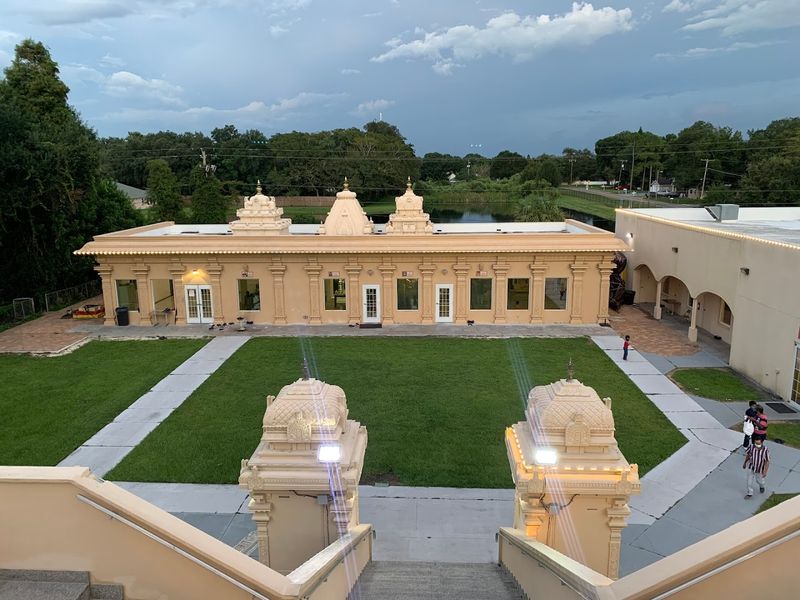
Weddings and other celebrations frequently take place in the community hall, that impressive towering structure with grand arches that initially appears to be the main temple. While one reviewer felt disappointed discovering this building serves primarily as event space rather than a worship area, it actually fulfills an important function bringing community together for life’s significant moments.
You might encounter dance practice sessions, with women in traditional garb rehearsing classical Indian dance forms. These glimpses into cultural preservation show how the temple functions beyond daily worship—it’s actively keeping traditions alive for younger generations growing up in America. The commitment to cultural education ensures these practices don’t fade with distance from India.
Festival times bring larger crowds and heightened energy throughout the complex. If you prefer quieter contemplation, weekday mornings offer better conditions. But if you want to experience Hindu culture in full celebration mode, timing your visit with major festivals like Diwali or Janmashtami provides unforgettable memories and deeper cultural understanding.
8. Practical Details For First-Time Visitors
Planning your first visit requires knowing a few key details that make everything smoother. The temple opens at nine-thirty on weekday mornings for limited hours, but stays open until nine PM on Saturdays and Sundays. Checking the website or calling ahead confirms current hours since special events sometimes alter the schedule.
Ample parking sits close to the temple entrance, so you won’t face long walks after parking.
Dress code enforcement is real and necessary—men need long pants, women need covered legs and shoulders. Tank tops and shorts don’t make the cut, nor do mini skirts or short dresses. The five-dollar wraps available for purchase solve wardrobe emergencies, but planning appropriate clothing beforehand shows respect and saves money.
Shoe removal happens before climbing the stairs to the main worship area. Designated storage keeps footwear safe while you explore. Some visitors note the stairs can get extremely hot on warm Florida days, so timing visits for cooler morning hours or wearing socks provides foot protection.
Photography rules vary by location within the complex. Exterior architecture is fair game, but interior shrine photography is prohibited. Asking permission before snapping pictures demonstrates respect and prevents awkward confrontations.
The temple welcomes all visitors with genuine warmth—staff and regular devotees often go out of their way to help newcomers feel comfortable and answer questions about unfamiliar customs.