11 Florida Trails Perfect for Spotting Wildflowers During Spring
Spring in Florida means more than just warmer weather and sunny skies. It’s when prairies, pine forests, and wetlands come alive with wildflowers in every color you can imagine. From the Panhandle down to the Everglades, trails across the state offer front-row seats to nature’s most colorful show, and you don’t need to be a botanist to enjoy it.
1. La Chua Trail (Paynes Prairie Preserve State Park)
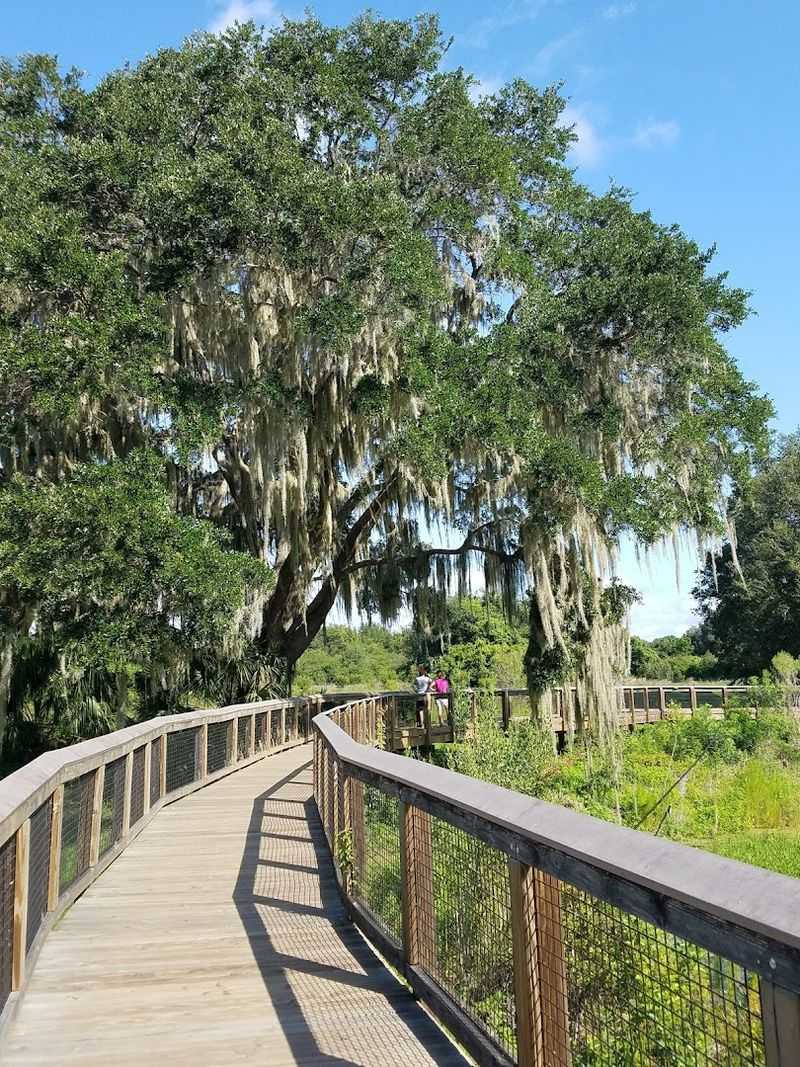
Walking out onto La Chua feels like stepping into Florida’s wild past. The boardwalk and trail stretch across wet prairie where alligators sun themselves and bison graze in the distance, but spring is when the real magic happens.
Wildflowers carpet the grasslands in yellows, purples, and whites, turning the wide-open landscape into something that belongs on a postcard. Paynes Prairie Preserve has eight different trails, but La Chua is the most accessible and the one that delivers the biggest payoff for flower fans.
Florida State Parks highlights this spot as one of the best places in the state to see wildflowers in bloom, and they’re not exaggerating. The mix of wet and dry prairie creates perfect conditions for a rotating cast of blooms throughout the season.
Bring binoculars if you’re into birds, because the prairie attracts tons of species. But even if you’re just here for the flowers, you’ll leave with dozens of photos and a renewed appreciation for Florida’s grasslands. The trail is easy, mostly flat, and family-friendly, making it a great pick for anyone who wants big scenery without a big workout.
2. Prairie Loop Trail (Kissimmee Prairie Preserve State Park)
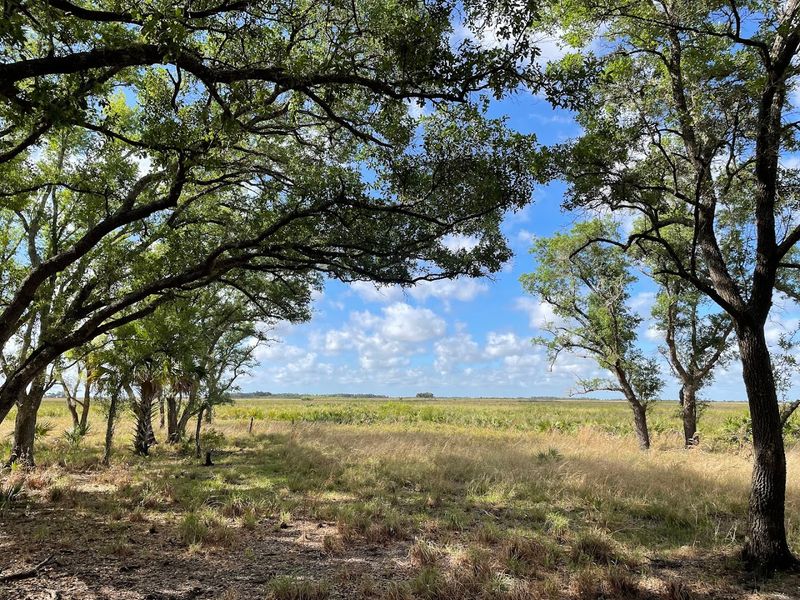
If you want to see what Florida looked like before roads and buildings took over, head to Kissimmee Prairie Preserve. This place protects the state’s largest remaining dry prairie, and when spring arrives, the grasslands transform into what Florida State Parks calls “beautiful tapestries” of wildflowers.
The Prairie Loop Trail takes you deep into this open landscape where the horizon stretches forever. You’ll spot blooms in shades you didn’t know wildflowers came in, all mixed with native grasses that sway in the breeze.
It’s one of those trails where you feel small in the best way possible. The lack of trees means unobstructed views in every direction, and on clear days, the sky seems twice as big as it does anywhere else.
Bring sun protection because there’s zero shade out here, but that openness is exactly what makes the wildflower display so spectacular. Early morning or late afternoon light makes the colors pop even more. The trail isn’t difficult, but it’s longer than some others on this list, so plan accordingly.
This is Florida’s prairie at its finest, and spring is absolutely the time to see it.
3. Myakka Hiking Trails (Myakka River State Park)
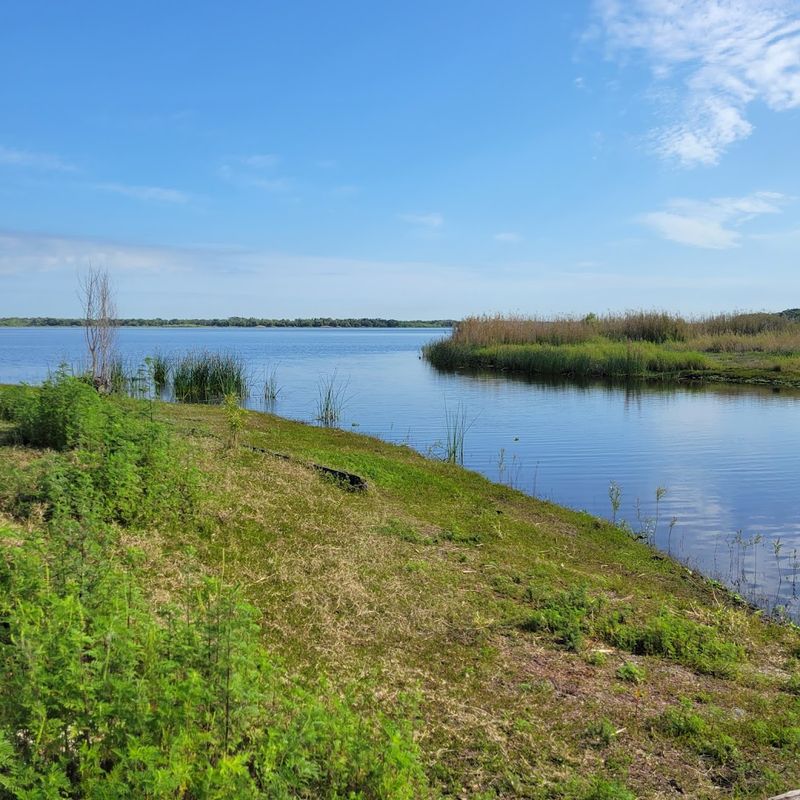
Myakka River State Park is one of Florida’s oldest and largest state parks, and its hiking trails deliver exactly what wildflower lovers want in spring: wide-open prairies bursting with color. The park’s dry prairie sections transform seasonally, creating bloom fields that look almost too perfect to be natural.
Several trails wind through these areas, giving you options depending on how far you want to walk. The scenery shifts from river views to palmetto flats to those gorgeous flower-filled prairies that make you stop and stare.
What makes Myakka special is the variety. You’re not just walking through one type of habitat; you’re experiencing multiple ecosystems in a single hike. And in spring, when the wildflowers are at their peak, those prairie sections become the highlight of the entire park.
Wildlife is everywhere here, so keep your eyes open for deer, wild turkeys, and plenty of birds. The trails range from easy to moderate, so you can pick one that matches your energy level. Just remember to bring water and a camera, because you’ll want to document this.
Myakka feels like old Florida, the kind of place that reminds you why the state is worth protecting.
4. Kitching Creek Nature Trail (Jonathan Dickinson State Park)
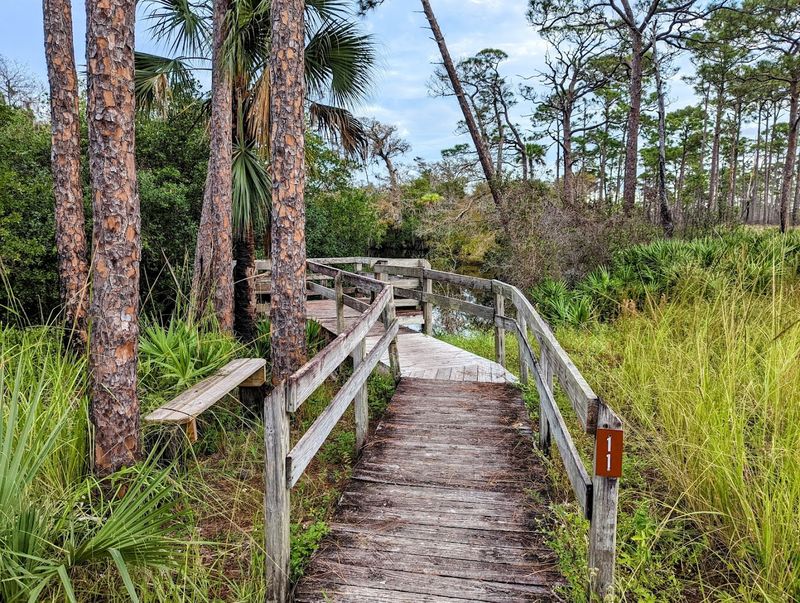
Jonathan Dickinson State Park packs 16 different natural communities into one place, which means wildflower fans get a lot of variety in a single visit. Kitching Creek Nature Trail takes you through several of these habitats, and each one offers something different when spring blooms arrive.
You’ll walk through pine flatwoods, scrubby areas, and spots where the vegetation changes every few hundred feet. That diversity means different wildflowers appear throughout the season, so even if you visit twice, you’ll see new blooms the second time around.
The trail itself is short and manageable, perfect for families or anyone who wants a nature walk without committing to a full-day hike. Signs along the way explain what you’re seeing, which is helpful if you’re trying to learn more about Florida’s native plants.
Located in Southeast Florida, this park offers a different wildflower experience than the prairie trails farther north. The blooms here are adapted to sandy soil and coastal conditions, giving you a glimpse of how plants thrive in this unique environment.
It’s a great pick if you’re in the area and want a quick, rewarding trail that delivers on wildflowers without requiring serious hiking skills.
5. Withlacoochee State Trail (Citrus to Pasco Counties)
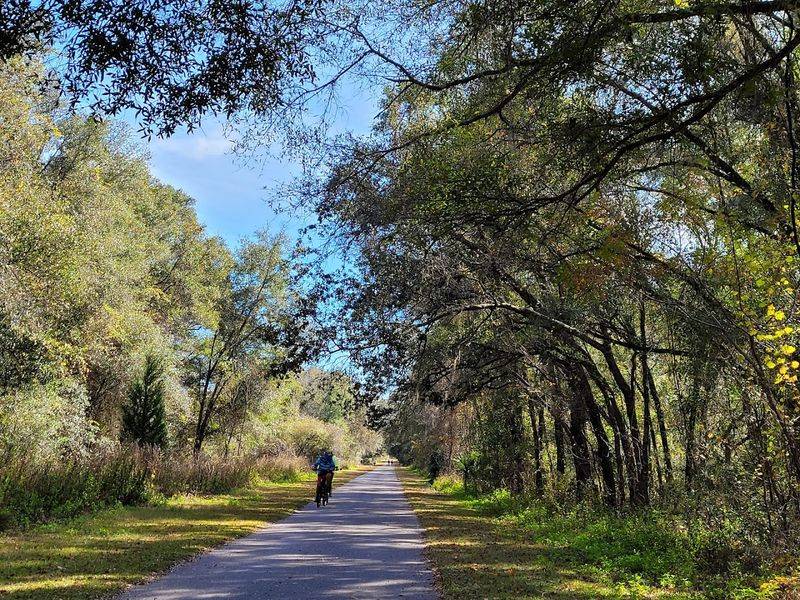
Not every wildflower trail requires hiking boots and a backpack. Withlacoochee State Trail is a 46-mile paved path that welcomes walkers, cyclists, stroller-pushers, and anyone who prefers their nature with a smooth surface underfoot.
The trail cuts through sandhills, cypress swamps, and natural areas where wildflowers pop up along the edges throughout spring. You won’t get the wide-open prairie views of some other trails, but you will get a relaxed, accessible way to enjoy Florida’s blooms without leaving the pavement.
Families love this trail because it’s flat, safe, and easy for kids. You can bring bikes, rollerblades, or just walk at your own pace while scanning the sides for colorful flowers.
The length means you can pick a section that fits your schedule. Do a quick out-and-back for a morning stroll, or pack a lunch and make a longer day of it. Either way, you’ll pass through enough varied scenery to keep things interesting.
Wildflowers aren’t the main attraction here like they are on some prairie trails, but they’re a lovely bonus on a trail that’s already worth visiting. Plus, the accessibility factor makes this a great option for anyone who wants to enjoy spring blooms without tackling rugged terrain.
6. Ravine Gardens State Park Trails (Palatka)
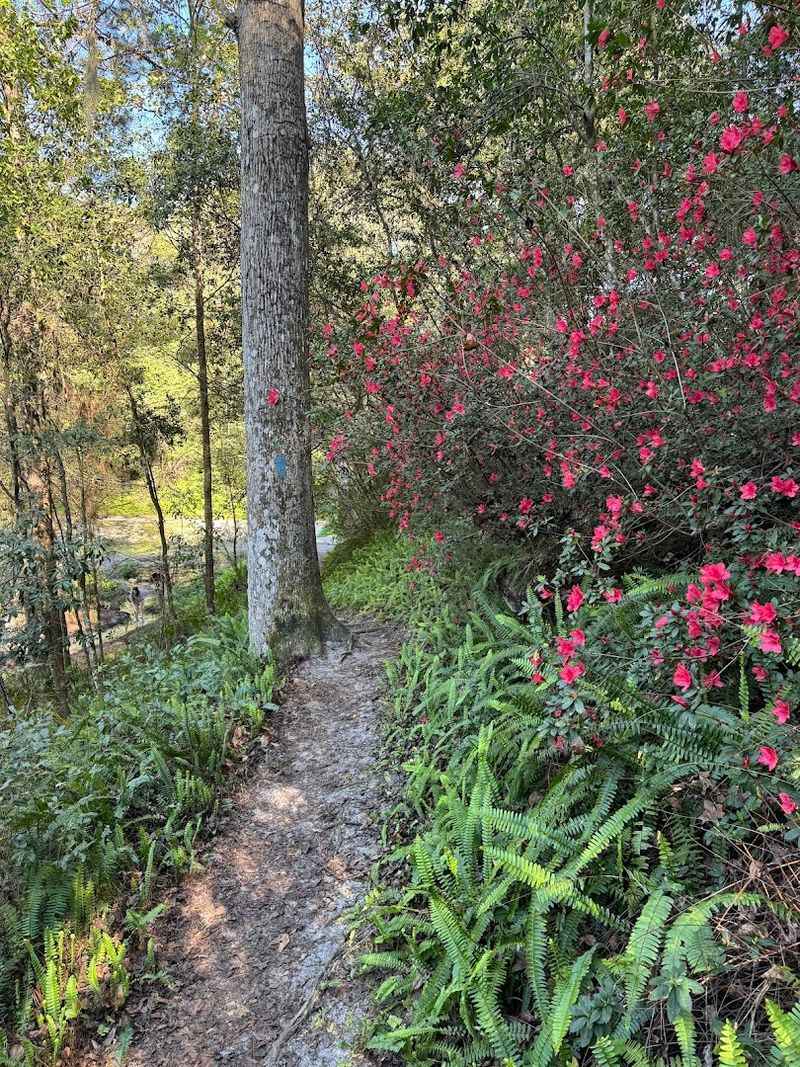
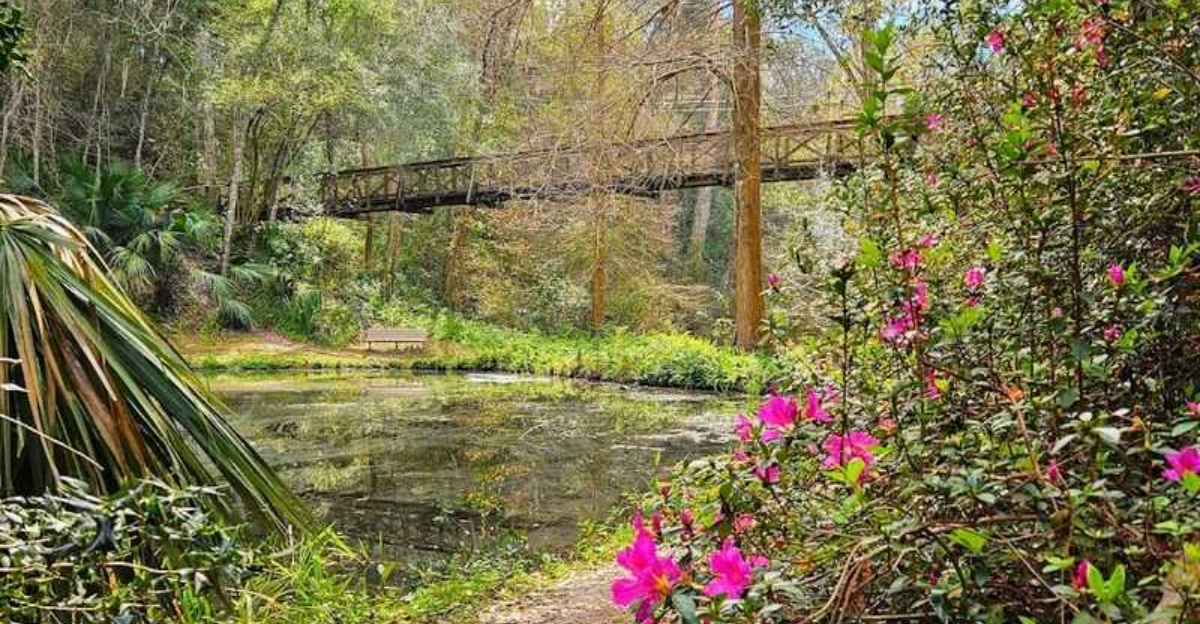
Ravine Gardens State Park feels more like a curated botanical experience than a rugged wilderness hike, and that’s exactly what makes it perfect for certain wildflower seekers. The park’s ravines create natural amphitheaters filled with blooms, and the suspension bridges let you walk above it all for bird’s-eye views of the color below.
Spring here is spectacular. The landscape design enhances what’s already naturally beautiful, so you get wildflowers mixed with ornamental plantings in a way that feels intentional but not overdone.
If you’re the type who wants a floral walk that’s more stroll-through-the-garden than trek-through-the-woods, this is your spot. The trails are easy, the scenery is gorgeous, and the suspension bridges add a fun element that kids especially love.
Ravine Gardens works well for photographers because the varied terrain and dramatic ravines create natural frames for flower photos. The light filters through the trees in ways that make everything look magazine-ready, especially in the softer hours of morning or late afternoon.
It’s not a long trail system, so you can see everything in a couple of hours. But those hours will be packed with color, interesting landscapes, and the kind of scenery that makes you glad you brought your camera.
7. Mike Roess Gold Head Branch State Park Trails (Keystone Heights)
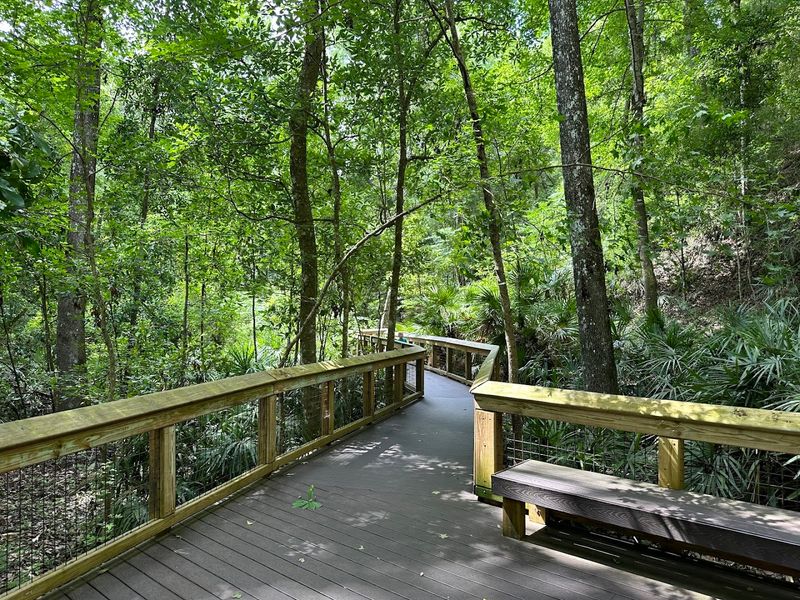
Plant lovers have a soft spot for Mike Roess Gold Head Branch State Park, and it’s easy to see why. The park’s sandhills, longleaf pines, and fire-managed habitat create perfect conditions for wildflowers, and Florida State Parks specifically calls out this location for its wildflower abundance.
Prescribed fire plays a big role here. By carefully burning sections of the forest, park managers clear out underbrush and encourage native wildflowers to thrive. The result is open, park-like pine forests where blooms carpet the ground in spring.
The trails wind through these managed areas, giving you front-row access to the flowers without having to bushwhack or go off-trail. You’ll see species that depend on fire to survive, many of which are becoming rare in other parts of Florida.
The terrain here is more varied than some prairie trails, with hills, ravines, and changes in elevation that keep the walk interesting. It’s not a difficult hike, but it’s more than just a flat stroll, which some people appreciate.
If you’re into native plant conservation, this park is especially rewarding. You’re not just seeing pretty flowers; you’re seeing what Florida forests looked like historically, maintained through the same natural processes that shaped them for thousands of years.
8. Falling Waters State Park Trails (Chipley)
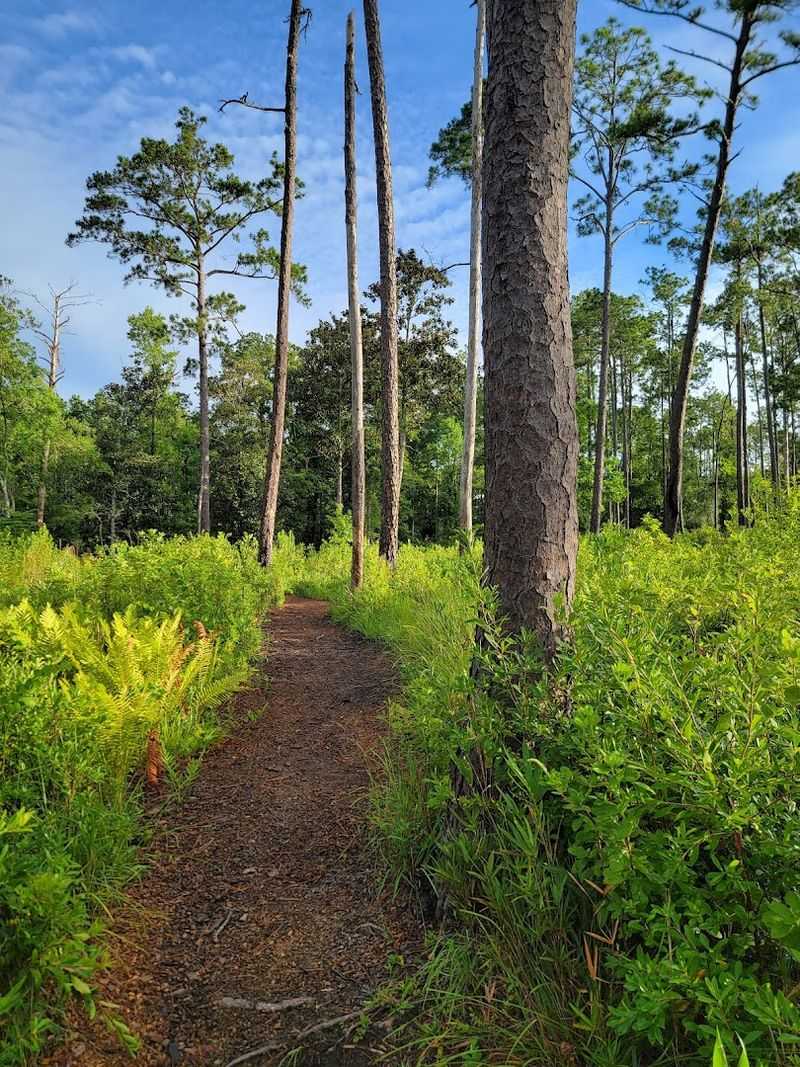
Most people visit Falling Waters State Park to see Florida’s tallest waterfall, and that alone makes the trip worthwhile. But if you’re here in spring, don’t skip the upland pine forest trails where wildflowers flourish in the open spaces and rolling hills.
The Panhandle has a different feel than Central or South Florida, and the wildflowers reflect that. You’ll see species adapted to cooler winters and the region’s unique soil conditions, creating a bloom display that feels distinct from what you’d find farther south.
The trails aren’t long, but they’re scenic, winding through forests where sunlight filters through the pines and hits the wildflowers just right. Combined with the waterfall, it makes for a well-rounded visit that offers both dramatic natural features and quieter, flower-filled moments.
This park works well as a half-day trip. You can see the waterfall, walk the wildflower trails, and still have time for lunch in Chipley or a drive through the surrounding countryside. The area doesn’t get as crowded as some state parks closer to major cities, which is a bonus if you prefer a more peaceful experience.
Spring is absolutely the time to visit if wildflowers are on your list, but even outside bloom season, this park is worth the stop.
9. Lake Jesup Wilderness Area Trails (Sanford)
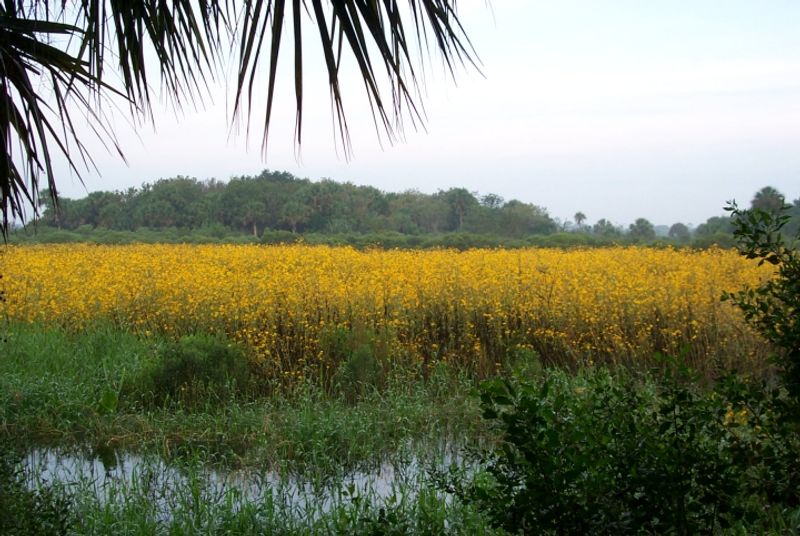
Lake Jesup Wilderness Area sits in Central Florida, offering loop trails that mix prairie views, hammock sections, and spring wildflower displays along the pathways. According to Florida Hikes, spring and fall are prime wildflower seasons in Florida, especially in pine flatwoods and sandhill habitats like the ones you’ll find here.
The trails give you a good sampling of Central Florida ecosystems. You’ll walk through open areas where wildflowers thrive, then dip into shaded hammocks before emerging back into the sun. That variety keeps the hike interesting and gives you multiple chances to spot different blooms.
Lake Jesup itself is known for having one of Florida’s densest alligator populations, which adds an extra layer of wildlife-watching to your wildflower walk. You probably won’t see gators on the trails, but knowing they’re nearby makes the whole experience feel a little wilder.
The trails aren’t the most famous in Florida, which means they’re often less crowded than state park trails closer to Orlando or Tampa. If you live in the area or you’re passing through Sanford, it’s a solid choice for a morning or afternoon hike.
Bring bug spray, especially if you’re visiting early or late in the day, and keep an eye out for birds. The area is popular with birders for good reason.
10. Ocala National Forest Trails (Marion, Lake, and Putnam Counties)
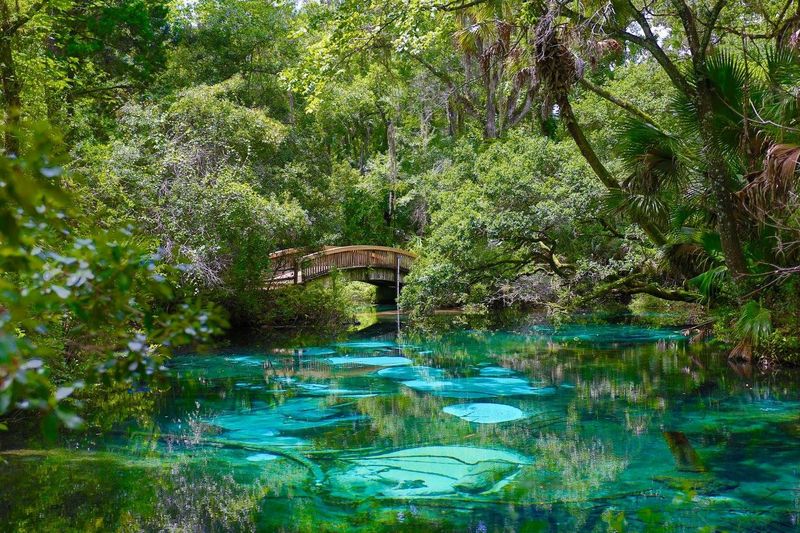
Ocala National Forest covers a massive area across three counties, and within that space, you’ll find dozens of trails that pass through scrub, pine forests, sandhills, and spring-fed landscapes. The Florida Wildflower Foundation lists Ocala National Forest as a Central Florida wildflower hotspot, and once you visit in spring, you’ll understand why.
The variety of habitats means wildflower diversity. Different blooms appear depending on which trail you choose and what type of ecosystem it passes through. You could hike here multiple times in one season and see something new each visit.
Some trails are short and easy, perfect for families or casual walkers. Others are longer and more challenging, appealing to hikers who want to spend a full day in the forest. No matter which you pick, spring is when the forest floor comes alive with color.
The forest also offers camping, swimming holes, and scenic drives, so you can easily turn a wildflower hike into a weekend trip. Juniper Springs and Alexander Springs are especially popular spots if you want to combine flowers with a refreshing swim.
Ocala National Forest is big enough that you won’t feel crowded even on busy weekends. There’s plenty of room to explore, and plenty of wildflowers to find.
11. Corkscrew Swamp Sanctuary Boardwalk (Naples Area)
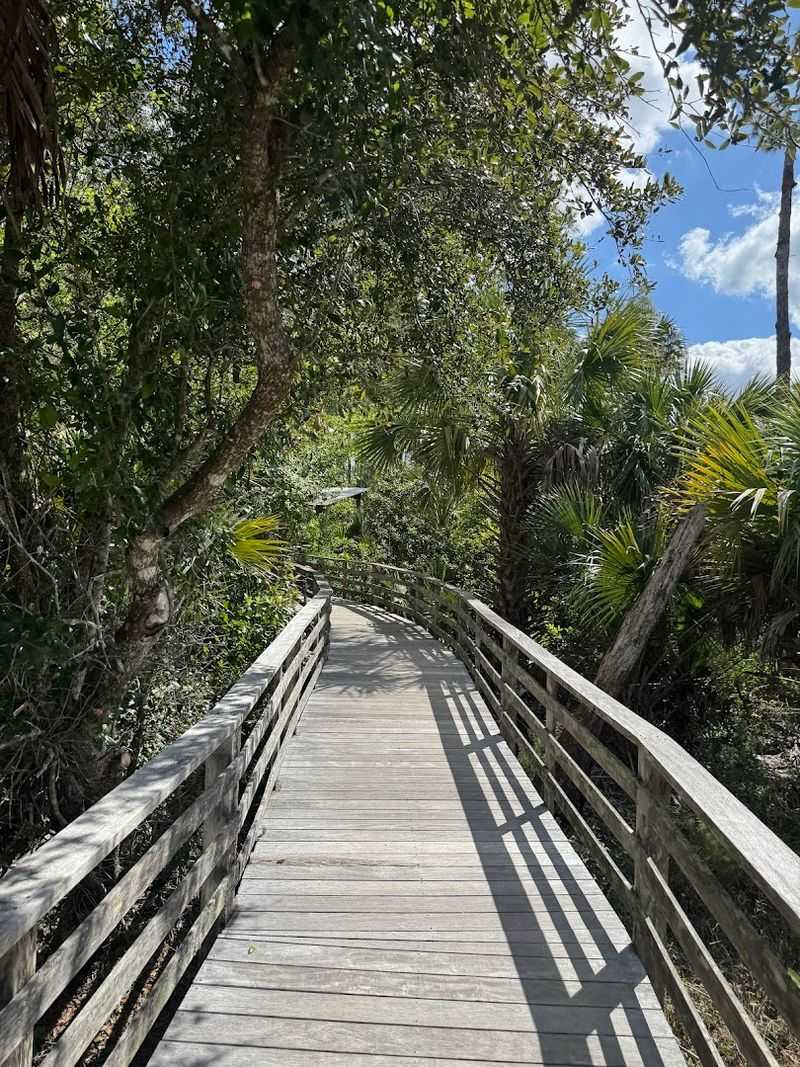
Corkscrew Swamp Sanctuary offers a gentler wildflower experience, perfect for anyone who wants to enjoy spring blooms without hiking miles through rugged terrain. The boardwalk trail winds through swamp and forest scenery, and the Florida Wildflower Foundation includes Corkscrew among South Florida’s wildflower hotspots.
The boardwalk keeps your feet dry while taking you deep into habitats where wildflowers thrive along the edges of wetlands and under the canopy of ancient cypress trees. It’s an easy, accessible walk that works for all ages and fitness levels.
South Florida’s wildflowers differ from those in northern parts of the state, adapted to warmer temperatures and wetter conditions. At Corkscrew, you’ll see blooms that thrive in swampy environments, adding splashes of color to an already stunning landscape.
The sanctuary is managed by Audubon, so the trails are well-maintained and the interpretive signs are informative without being overwhelming. You’ll learn about the plants, animals, and ecosystems as you walk, making it both a beautiful and educational experience.
Spring is an excellent time to visit because the weather is comfortable and the flowers are at their peak. Combine the wildflower walk with some birdwatching, and you’ve got a perfect morning in one of Southwest Florida’s most treasured natural areas.