This Florida Monastery Lets Visitors Wander Past Giant Buddha Statues And Hidden Garden Paths
Tucked away on Old Vineland Road in Kissimmee sits a seven-acre slice of Thailand that most Central Florida visitors never discover. Wat Florida Dhammaram is a working Buddhist monastery where towering golden Buddha statues peek through palm trees and winding garden paths lead to ornate temples filled with hand-carved details. Open daily from 6 AM to 7 PM, this peaceful sanctuary welcomes everyone regardless of background or beliefs, offering a rare chance to experience authentic Thai culture without leaving the Sunshine State.
1. Giant Golden Buddha Statues Tower Over The Grounds
Walking through the entrance gates, you’ll immediately spot the massive golden Buddha figures that make this monastery impossible to miss from the road. These aren’t your average garden statues—some stand several stories tall with intricate gold leaf details that catch the Florida sunlight in ways that feel almost magical. Each statue represents different aspects of Buddhist teaching, and you’ll find them positioned throughout the property in spots designed for contemplation.
The craftsmanship on these figures is genuinely impressive, with hand-carved features and traditional Thai styling that required skilled artisans to create. Visitors often spend time photographing these statues from different angles, trying to capture their scale and beauty. The largest Buddha sits in a meditation pose that radiates calm, even when you’re standing in the middle of tourist-packed Kissimmee.
Unlike museum pieces behind velvet ropes, these statues live outdoors year-round, weathering Florida’s storms and humidity while maintaining their dignified presence. You’re welcome to walk right up to them, sit nearby for meditation, or simply admire the artistry. Many reviewers mention these golden giants as the highlight of their visit, and it’s easy to understand why once you’re standing in their shadow.
2. Authentic Thai Architecture Transports You Across The Pacific
The main temple building looks like it was airlifted straight from Bangkok, complete with the sweeping multi-tiered roofs and elaborate decorative elements that define traditional Thai religious architecture. Painted in rich reds, golds, and greens, the exterior alone deserves a few minutes of your attention before you even step inside. The attention to architectural detail shows serious dedication—this isn’t a theme park replica but an actual functioning temple built to traditional specifications.
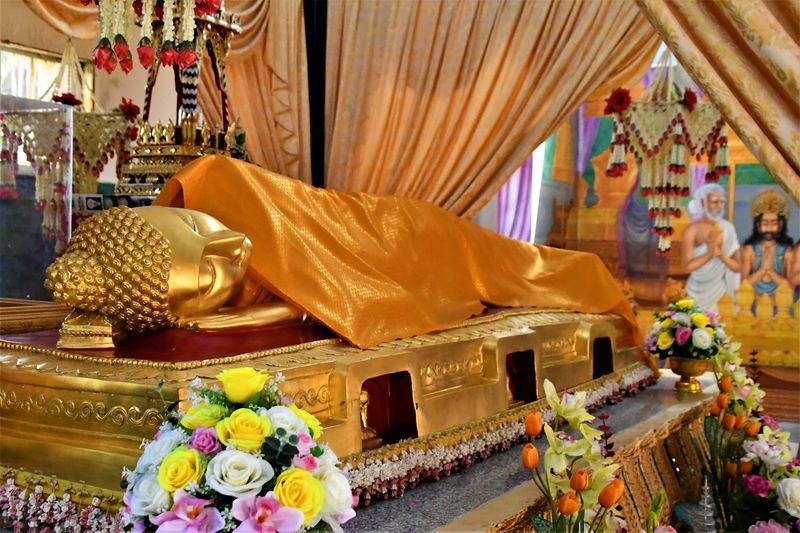
Step through the doors and you’ll find yourself surrounded by hand-painted murals, ornate altars, and the stunning Phra Buddha Chinnarat statue that visitors consistently rave about in reviews. The interior stays remarkably cool even on scorching summer days, and the scent of incense creates an atmosphere that feels worlds away from the nearby theme parks. Everything from the tile work to the ceiling paintings follows authentic Thai Buddhist design principles.
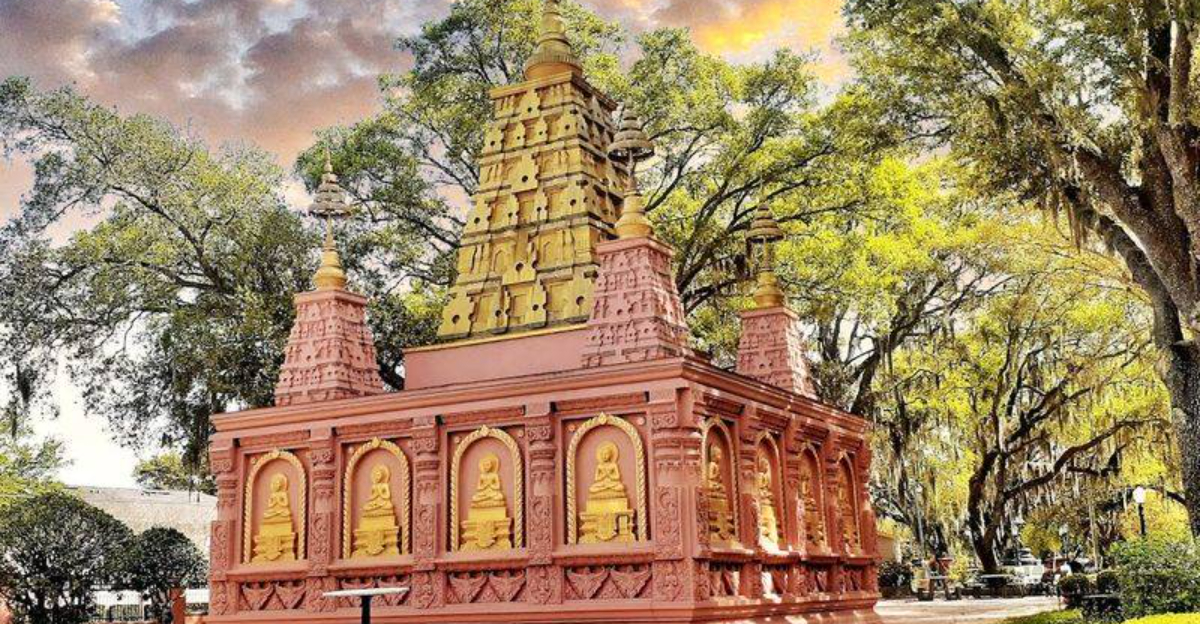
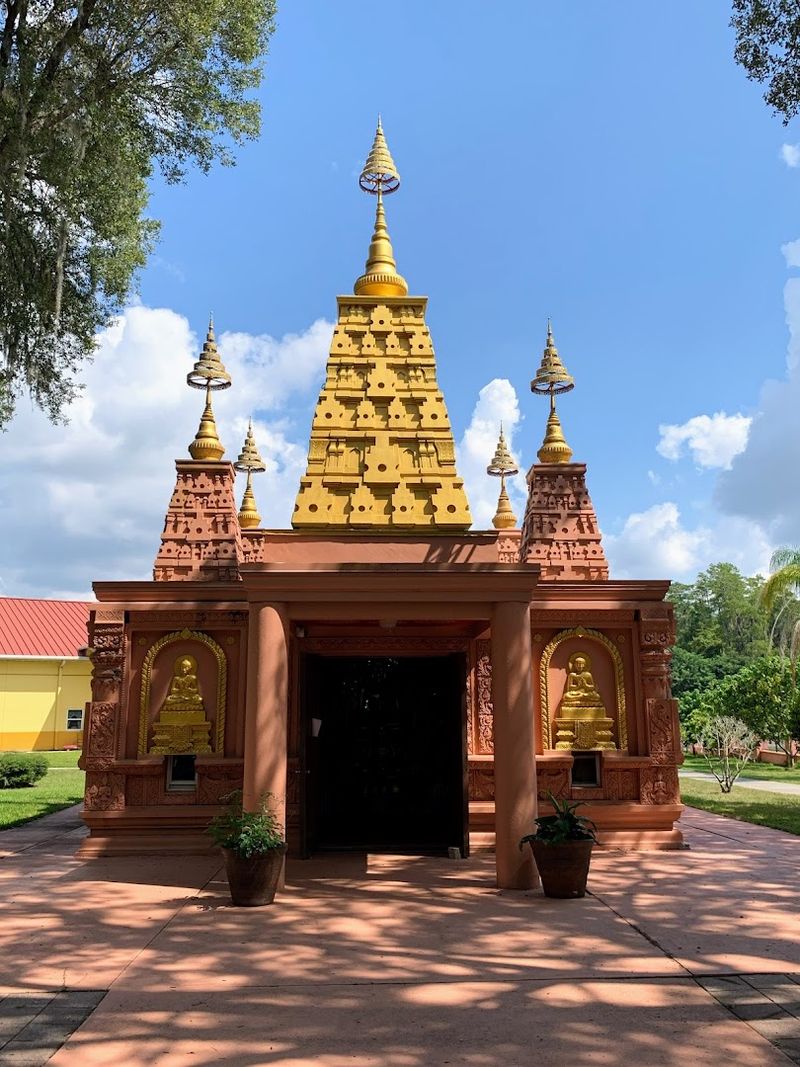
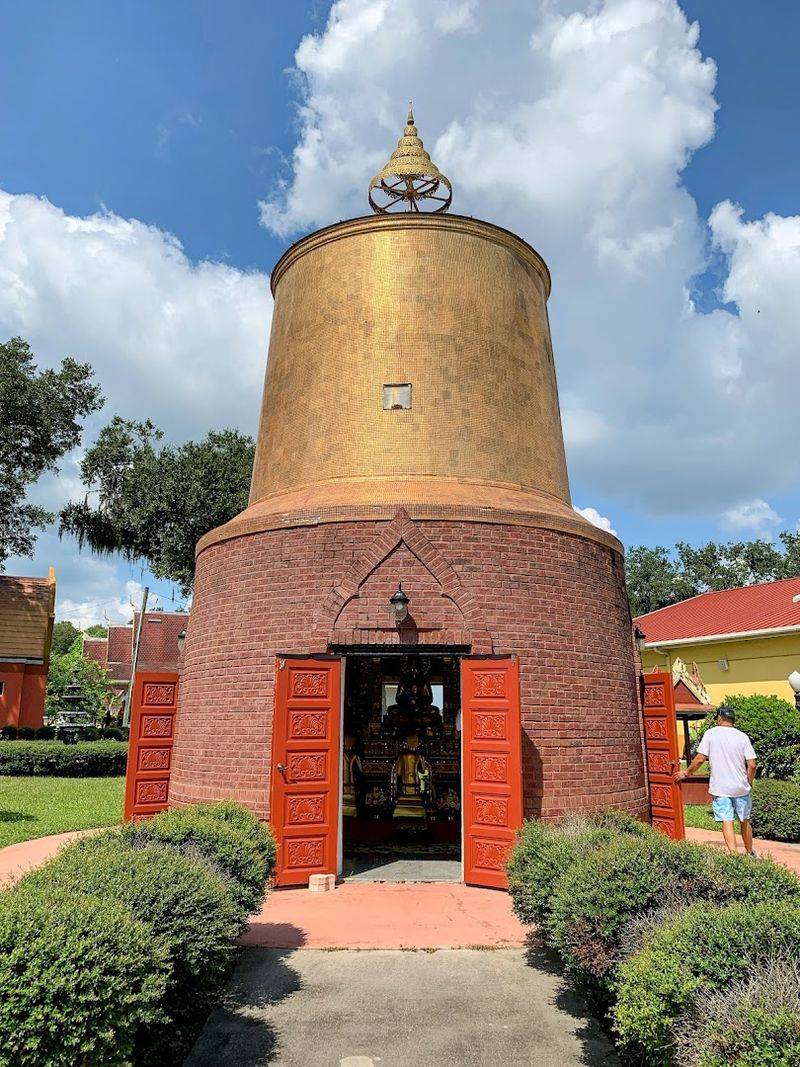
Several smaller structures dot the property, each housing different shrines and sacred spaces worth exploring. The monastery includes a replica of a Buddhist stupa from India, giving you a mini-tour of Asian religious architecture without booking international flights. Reviewers who’ve actually visited Thailand confirm this place captures the real deal, making it especially meaningful for Thai-Americans living in Florida who want to connect with their cultural heritage.
3. Hidden Garden Paths Wind Through Seven Peaceful Acres
Forget rushing from attraction to attraction—this monastery rewards slow wandering along paths that meander through beautifully landscaped grounds. The seven acres contain multiple routes to explore, each revealing different statues, shrines, and garden features as you walk. You’ll find yourself naturally slowing down as you follow these trails, partly because there’s so much to notice and partly because the peaceful atmosphere just does that to people.
The landscaping mixes Florida natives with plants that give the space a distinctly Southeast Asian feel. Palm trees provide shade while tropical flowers add pops of color throughout the seasons. Some paths lead to quiet meditation spots, others to ornate shrines, and a few simply loop back on themselves, inviting aimless exploration.
Several reviewers mention reading the informational signs placed on trees throughout the grounds, which teach visitors about both the plants and Buddhist philosophy. The gardens need occasional maintenance according to some feedback, but the slightly wild edges actually add to the charm rather than detract from it. Bring comfortable walking shoes and leave yourself at least an hour to properly explore—rushing through defeats the entire purpose.
The paths invite contemplation and discovery, making this a refreshing break from Florida’s usual high-energy attractions.
4. Daily Meditation Sessions Welcome Complete Beginners
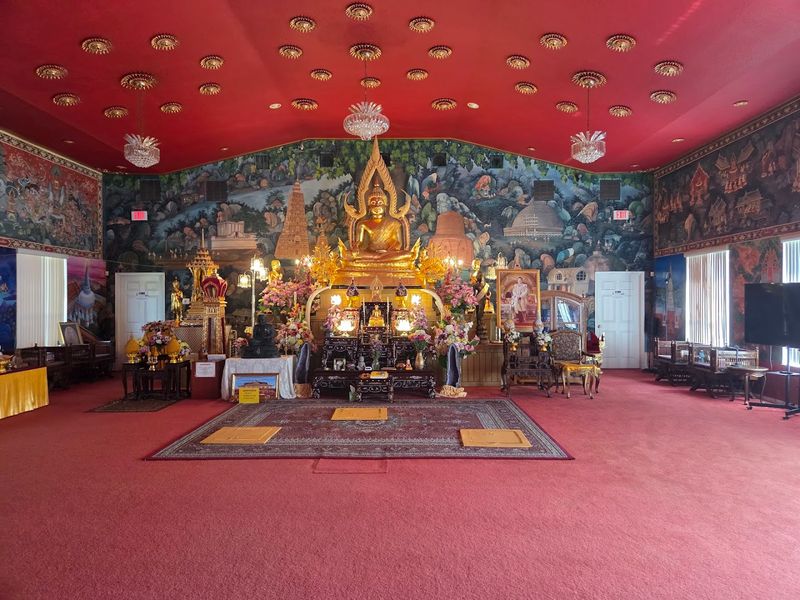
At 1 PM and 3 PM daily, the monastery offers meditation sessions that anyone can join, regardless of experience level. You don’t need to know anything about Buddhism or meditation techniques—the monks provide gentle guidance and create a welcoming space for first-timers. These aren’t commercialized wellness classes with hefty price tags; they’re authentic Buddhist practice sessions offered freely to whoever shows up.
The sessions typically happen in the main temple where the atmosphere naturally encourages quiet reflection. Monks may chant during these times, and hearing traditional Buddhist chants echo through an ornate Thai temple creates an experience you simply can’t replicate at home with a meditation app. Visitors mention feeling surprisingly comfortable even as complete novices, thanks to the patient and kind approach of the resident monks.
If meditation isn’t your thing, you’re still welcome to sit quietly in the temple spaces throughout the day. The monastery also offers classes on Buddhism for those interested in learning more about the philosophy and practices. Reviewers consistently praise how approachable and knowledgeable the monks are, happy to answer questions and share their traditions.
This openness makes the monastery feel less like a closed religious community and more like a cultural bridge, inviting everyone to experience something new without pressure or judgment.
5. Thai Festival Days Bring Market Food And Cultural Celebrations
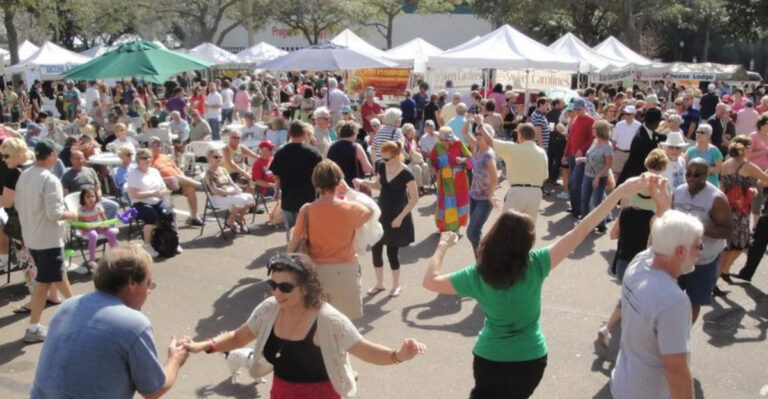
Several times throughout the year, the monastery transforms into a bustling Thai market festival that draws crowds from across Central Florida. Food stalls line the grounds selling authentic Thai dishes you’d struggle to find elsewhere in the region—grilled pork with sticky rice, fresh-made pad Thai, traditional desserts, and other specialties prepared by community members. The atmosphere shifts from peaceful sanctuary to lively cultural celebration, giving visitors a completely different experience depending on when they arrive.
These festival days have been happening for over a decade, with some visitors returning annually as tradition. The events typically coincide with important Buddhist holidays and offer a genuine taste of Thai culture rather than watered-down tourist versions. You’ll find families gathered on the grounds, kids running between stalls, and the air filled with the smell of grilling meats and sweet coconut desserts.
If you’re interested in Thai food and culture, timing your visit during one of these festivals adds tremendous value to the experience. Check their website or call ahead to find out when the next festival is scheduled. Even regular visitors say the festival atmosphere stands out as something special, combining the monastery’s inherent peacefulness with the joyful energy of community celebration and seriously good food.
6. Statues Of Tao Wessuwan And Naga Guard Sacred Spaces
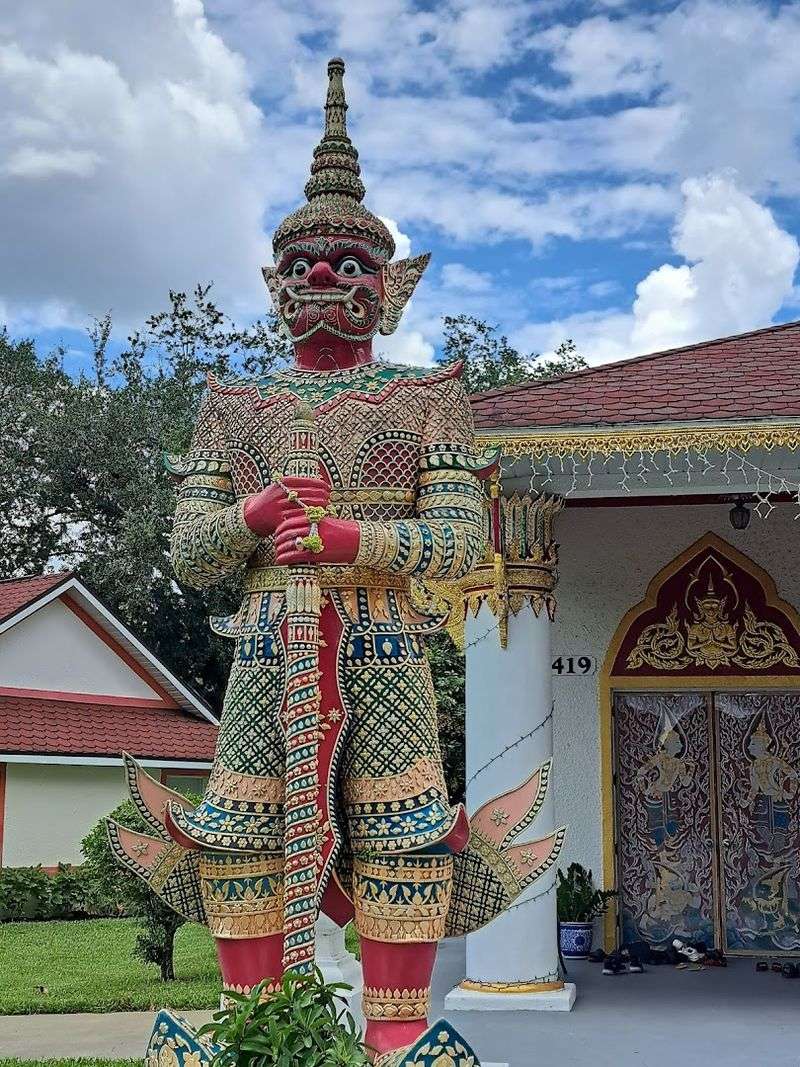
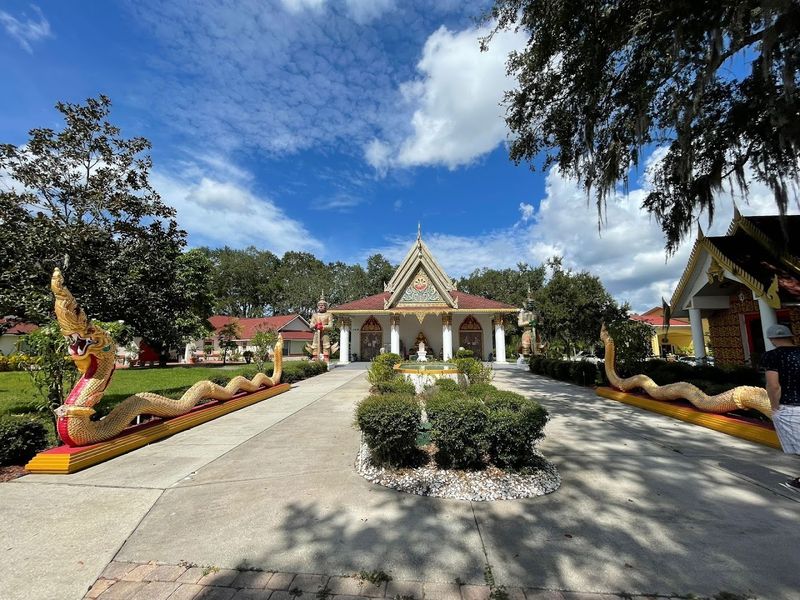
Beyond the Buddha figures, the monastery features statues of other important figures from Buddhist mythology that add layers of interest for visitors curious about Thai religious traditions. Tao Wessuwan, a guardian deity, stands watch over certain areas, while Naga serpents—those multi-headed mythological creatures you’ve probably seen in Southeast Asian art—appear in various forms throughout the property. These aren’t random decorations but meaningful symbols within Buddhist cosmology.
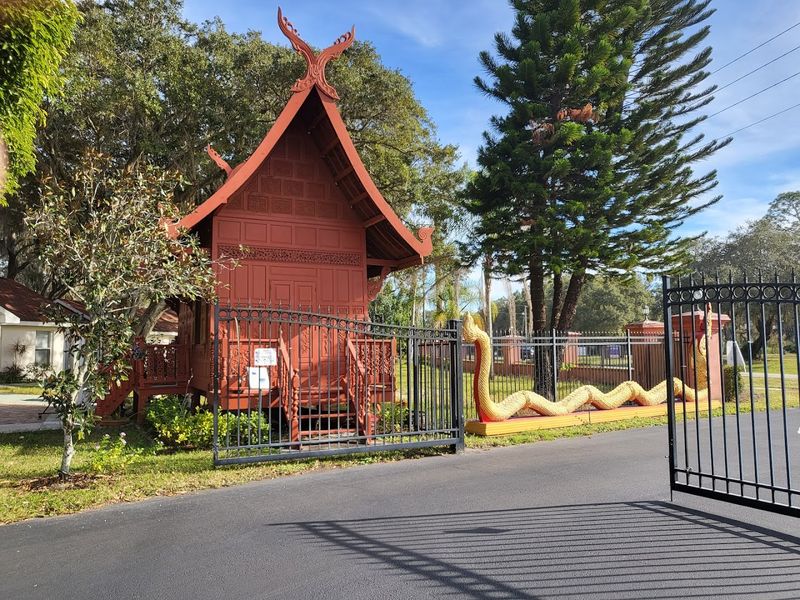
The Naga statues are particularly striking, with their serpentine bodies and multiple cobra-like heads rendered in vibrant colors and intricate detail. In Thai Buddhist tradition, Nagas are protective water spirits associated with rainfall and prosperity. You’ll often find them flanking staircases or doorways, serving as spiritual guardians of sacred spaces.
Tao Wessuwan’s statue represents the guardian of the northern direction and protector of Buddhist teachings, typically depicted as a fierce warrior figure. These lesser-known figures offer visitors a chance to learn about aspects of Buddhist tradition beyond the basics. The informational materials available at the monastery help explain the significance of these various statues and deities, turning a casual visit into an educational experience.
For anyone interested in comparative religion or mythology, these details make the monastery particularly fascinating—you’re not just seeing pretty statues but encountering a complete religious worldview expressed through art and architecture.
7. Clean Facilities And Free Parking Make Visiting Easy
Practical matters count when you’re planning a visit, and the monastery handles the basics well. Free parking is available inside the gates, so you don’t need to worry about street parking or fees. The lot accommodates a decent number of vehicles, though festival days can fill up quickly.
Reviewers specifically mention the large, clean public restrooms—not always a given at free-to-visit religious sites—which makes the monastery practical for families with young children.
The grounds are open daily from 6 AM to 7 PM, giving you flexibility in when you visit. Early morning visits offer cooler temperatures and fewer crowds, while late afternoon brings beautiful lighting for photography. Water is available on-site, important given Florida’s heat and humidity.
The monastery accepts donations but doesn’t charge admission, operating on the generosity of visitors who appreciate what they’ve experienced.
Getting there is straightforward—the monastery sits on Old Vineland Road in Kissimmee, easily accessible from major highways. While some reviewers joke about the drive into Kissimmee, the location is actually convenient for anyone staying in the Orlando area. You don’t need advance reservations or special permissions to visit; just show up during open hours, park, and start exploring.
The welcoming staff and monks are usually around if you have questions, but you’re equally free to wander independently and enjoy the space at your own pace.
8. Respectful Visitors Of All Backgrounds Feel Welcome
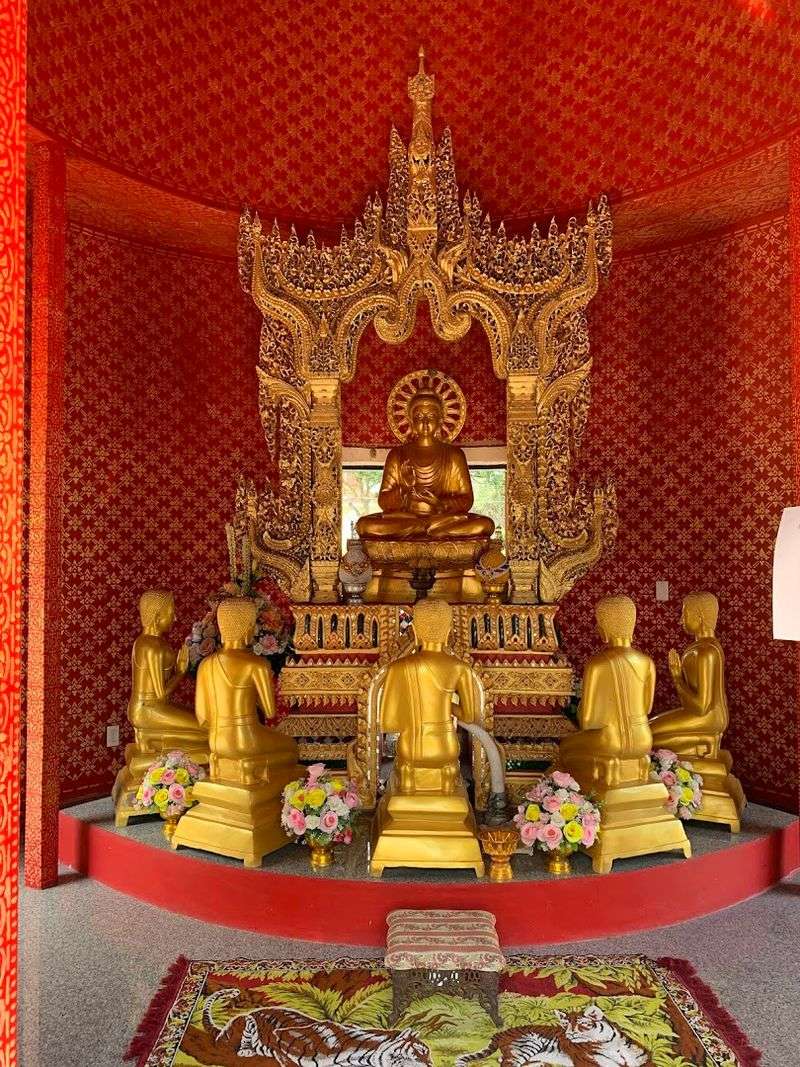
You don’t need to be Buddhist to visit, and the monks make that abundantly clear through their warm hospitality. Reviewers of all religious backgrounds and none report feeling genuinely welcome rather than like cultural tourists invading someone else’s sacred space. The monastery functions as both an active religious site for practitioners and an open cultural resource for anyone interested in learning.
That dual purpose works because visitors generally arrive with respect and curiosity.
The friendly monks and staff are happy to explain traditions, answer questions, and share their knowledge about Buddhism and Thai culture. Several visitors mention having meaningful conversations with monks who took time to discuss the temple’s history and philosophy. This openness creates opportunities for genuine cultural exchange rather than just sightseeing.
Thai-American visitors especially appreciate having this connection to their heritage available in Florida, often bringing family members to share their cultural roots.
Basic etiquette applies—dress modestly, remove shoes before entering temple buildings, speak quietly, and ask before photographing people. The peaceful atmosphere tends to encourage appropriate behavior naturally. Multiple reviewers emphasize bringing your manners and showing respect, which seems obvious but bears repeating.
The monastery offers something rare in tourist-heavy Central Florida: a space that invites slowing down, learning, and experiencing a different cultural perspective without commercialization or gimmicks getting in the way.