We Found A Central Florida Bird Sanctuary Where Hundreds Of Colorful Birds Eat Right From Your Hand
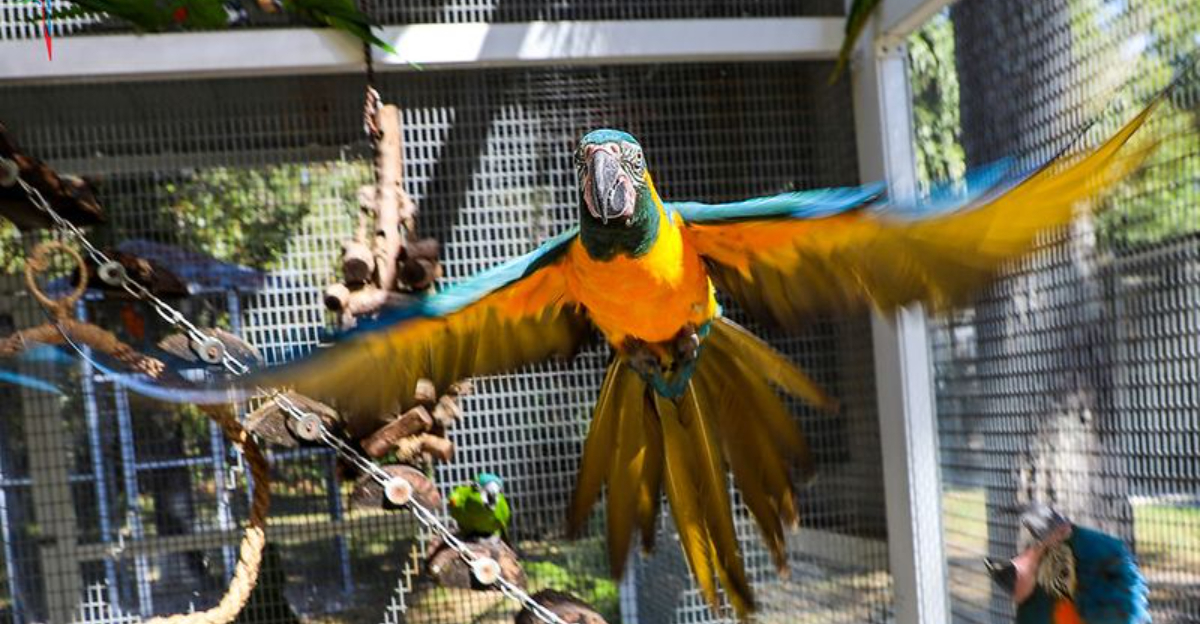
In Hudson, Florida, more than 800 rescued parrots have found safety, care, and a forever home. The Florida Exotic Bird Sanctuary isn’t your typical zoo experience—here, vibrant macaws land on your shoulders, cockatoos sing classic tunes, and you can hand-feed some of the world’s most stunning exotic birds. This non-profit sanctuary has been giving second chances to surrendered and rescued birds for years, and now they’re inviting you to meet their feathered residents up close.
1. Over 800 Rescued Parrots Call This Place Home
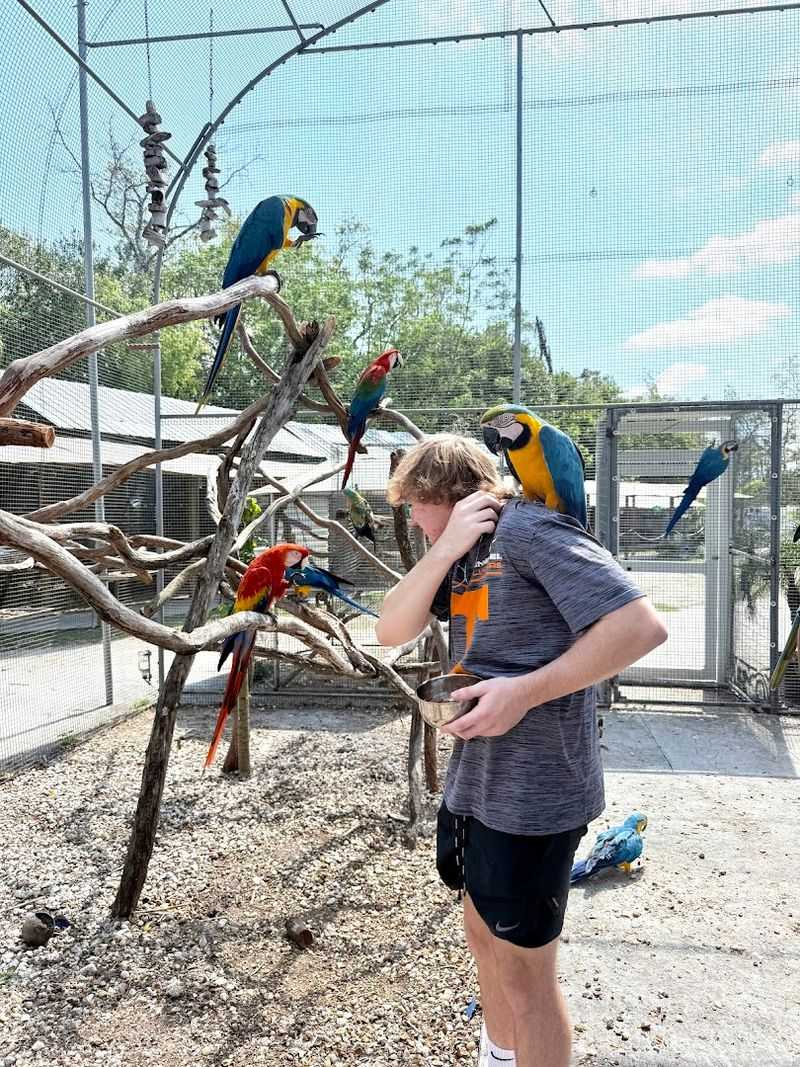
Walking onto the property at 8933 Casper Ave feels like stepping into a tropical paradise, except this one’s dedicated entirely to birds who needed saving. The sanctuary cares for more than 800 parrots, from tiny parakeets to giant macaws, each with their own backstory. Some were surrendered by owners who couldn’t provide the attention these intelligent creatures demand, while others were rescued from neglect or abandonment.
What makes this place special is how much space and care each bird receives. They’re not crammed into small cages—instead, they live in spacious flight enclosures where they can spread their wings, socialize with other birds, and actually behave like the wild creatures they were meant to be. The sanctuary’s approach focuses on integration, making sure new arrivals adjust comfortably and find their flock.
Volunteers work tirelessly to ensure every single bird gets food, water, and attention daily. That’s no small feat when you’re caring for hundreds of parrots who each have distinct personalities and needs. The facility stays immaculate despite housing such a large population, which speaks volumes about the dedication of everyone involved.
Visitors consistently mention how happy and well-cared-for the birds appear. You can tell these aren’t just housed birds—they’re loved birds living their best lives in retirement.
2. The High Flyer Tour Lets You Meet Macaws Up Close
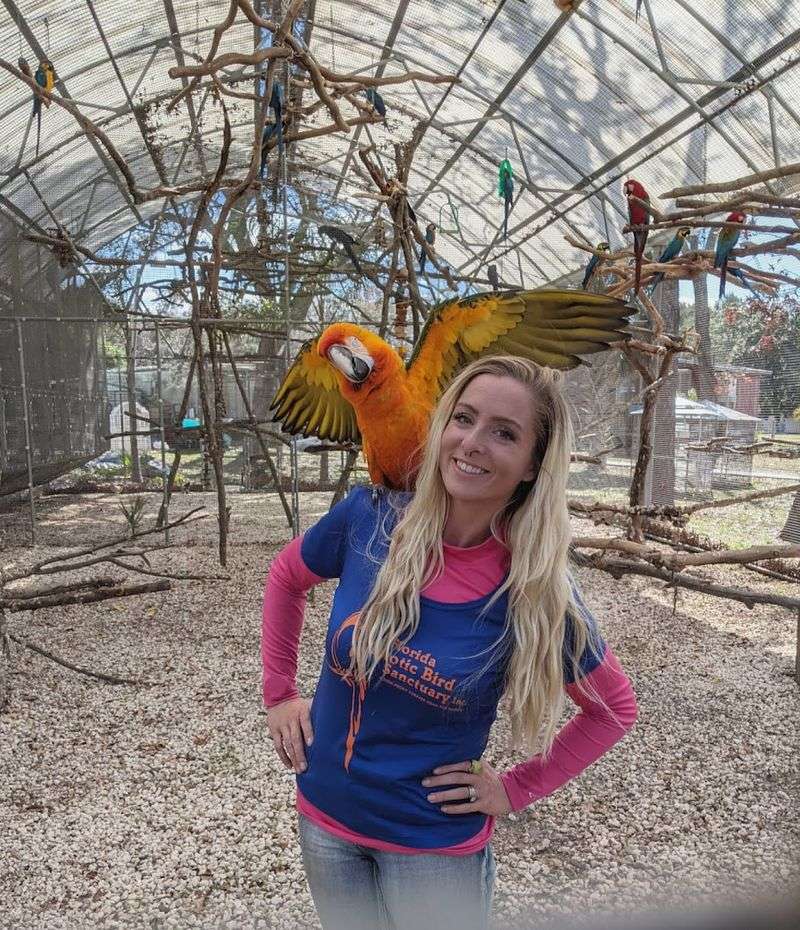
Sure, the standard tour is great, but the High Flyer experience is where the magic really happens. This premium tour gets you inside the giant macaw enclosure, where these magnificent birds—some with wingspans stretching over three feet—will land right on your arm to munch seeds from your hand. It’s the kind of moment that makes you feel like a kid at Disney, except these characters are real, feathered, and surprisingly gentle.
You’ll need to book ahead because spots fill up fast. The tour isn’t rushed either—guides take their time letting you interact with multiple birds while sharing their individual stories. One macaw might have been a beloved pet whose owner passed away, while another was rescued from poor living conditions.
The birds clearly recognize and adore their caretakers, calling out excitedly when tour guides approach each enclosure. That bond between human and bird is palpable and heartwarming. These aren’t performing animals; they’re residents who genuinely enjoy the interaction.
Fair warning: wear sleeves. Those talons are strong and sharp, designed for gripping tree branches. The experience is open to visitors 18 and up for the macaw feeding portion.
Bring your camera because you’ll want to remember the moment a brilliant blue-and-gold macaw decided your shoulder was the perfect perch.
3. Meet Crackers, The Bird Who Sings Old MacDonald
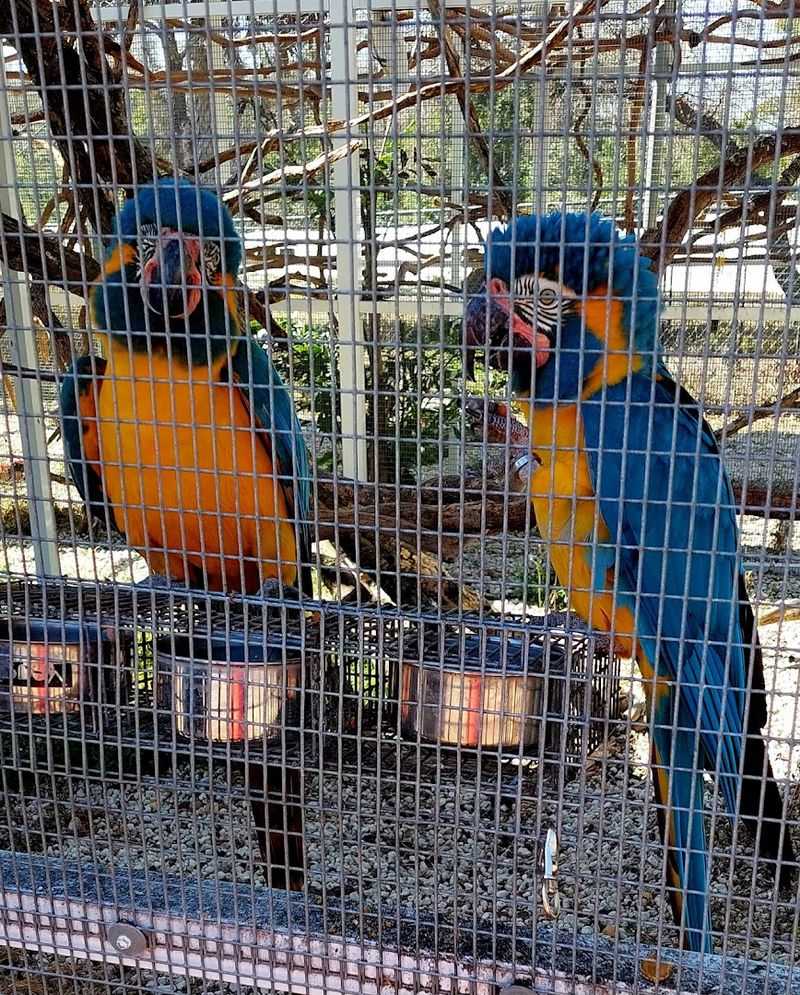
Among the 800-plus residents, certain personalities stand out, and Crackers has become something of a sanctuary celebrity. This talented bird has mastered the entire song “Old MacDonald Had a Farm,” complete with all the animal sounds. Hearing a parrot enthusiastically belt out “E-I-E-I-O” is exactly as delightful and hilarious as you’d imagine.
Parrots are incredibly intelligent creatures—some species have the cognitive abilities of a five-year-old child—and they’re natural mimics. Crackers didn’t learn this song overnight; it takes patience, repetition, and a genuine love of performing. The fact that she still enjoys singing it for visitors shows how enriched and happy she is in her environment.
Tour guides love introducing Crackers because her performance never fails to bring smiles. She’s proof that these birds aren’t just surviving at the sanctuary—they’re thriving, showing off their personalities, and engaging with people on their own terms. Other residents have their own party tricks too, from saying “Hello honey” to whistling tunes.
These interactions demonstrate why parrots make such demanding pets. They need mental stimulation, social interaction, and attention—sometimes more than busy humans can provide. At the sanctuary, they get all three in abundance.
Crackers represents the success story the sanctuary hopes for every bird: a second chance at a joyful, enriched life surrounded by care and companionship.
4. Knowledgeable Guides Make Every Tour Educational And Fun
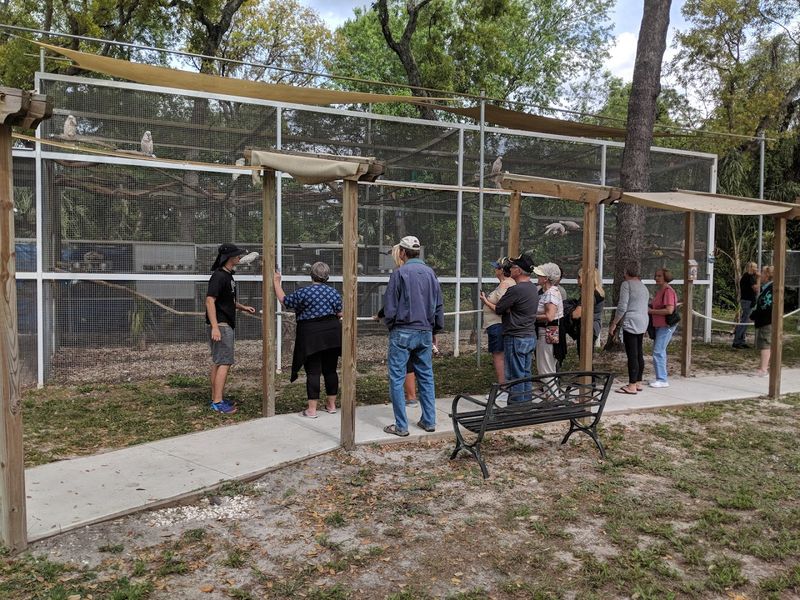
John, Sarah, Alex, Jean—these names pop up repeatedly in visitor reviews, and for good reason. The sanctuary’s tour guides aren’t just walking you past cages and rattling off facts. They’re passionate bird lovers who know each resident by name, personality quirks, and backstory.
That personal connection transforms a simple tour into something genuinely memorable.
John seems particularly beloved, with visitors praising his humor, extensive knowledge, and obvious affection for his feathered charges. The birds respond to him too, calling out when he approaches and calming under his gentle handling. Sarah’s enthusiasm is described as infectious, while Alex impresses with her detailed knowledge of both bird species in general and the specific individuals at the sanctuary.
What makes these guides special is their ability to balance education with entertainment. They’ll explain why certain species need particular care, share heartbreaking rescue stories, and answer every question thoroughly—but they’ll also make you laugh and ensure you’re having an amazing time. There’s no rushing through the experience or sticking to a rigid script.
Tours typically run Thursday through Wednesday from 11 AM to 2 PM (closed Sundays), giving guides time to really connect with visitors. The sanctuary closes at 2 PM, which might seem early, but caring for 800 birds requires hours of behind-the-scenes work. These guides are educators, caretakers, and advocates rolled into one.
5. Yes, It Gets Loud—But That’s Part Of The Experience
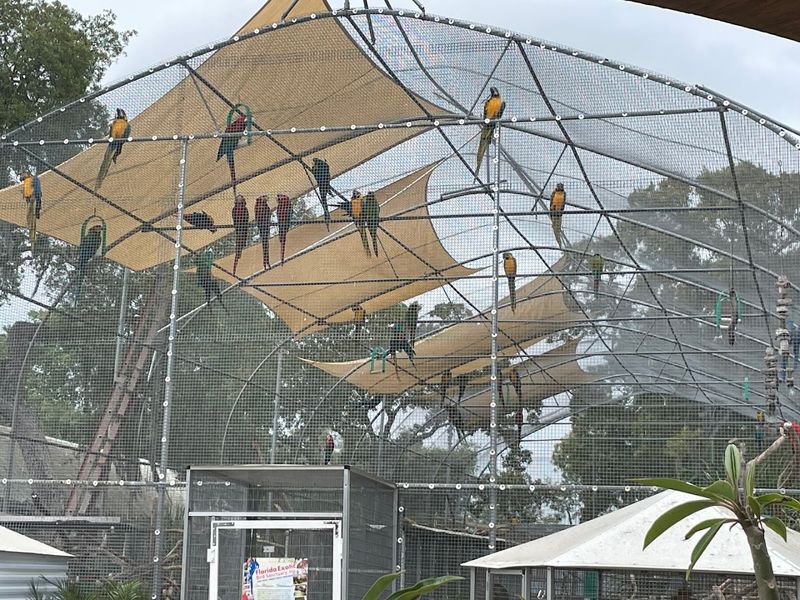
Let’s address the elephant—or rather, the 800 parrots—in the room: this place gets LOUD. We’re talking about hundreds of birds announcing their feelings simultaneously, and parrots aren’t known for their inside voices. If you’re expecting a peaceful, serene nature experience, you might want to adjust those expectations.
This is more like attending the world’s most colorful rock concert.
The sanctuary staff knows it’s intense. They typically offer earplugs to visitors who need them, and reviewers recommend bringing your own if you’re sensitive to noise. But here’s the thing—that cacophony is actually a sign of healthy, happy birds.
In the wild, parrots are incredibly social and vocal, using calls to communicate with their flocks across distances.
The noise level also demonstrates that these birds aren’t stressed or depressed. They’re expressing themselves freely, chatting with neighbors, and responding to their environment. It’s the sound of 800 birds living authentically rather than sitting silently in isolated cages.
Some visitors find the symphony of squawks, whistles, and calls absolutely thrilling.
The decibel level varies throughout your visit. Some enclosures are quieter than others, and individual birds have different volume settings. You’ll find moments of relative calm mixed with periods of joyful chaos.
Embrace it as part of the authentic experience of being surrounded by one of nature’s most vocal creatures.
6. A Reputable Forever Home For Birds Who Outlive Their Owners
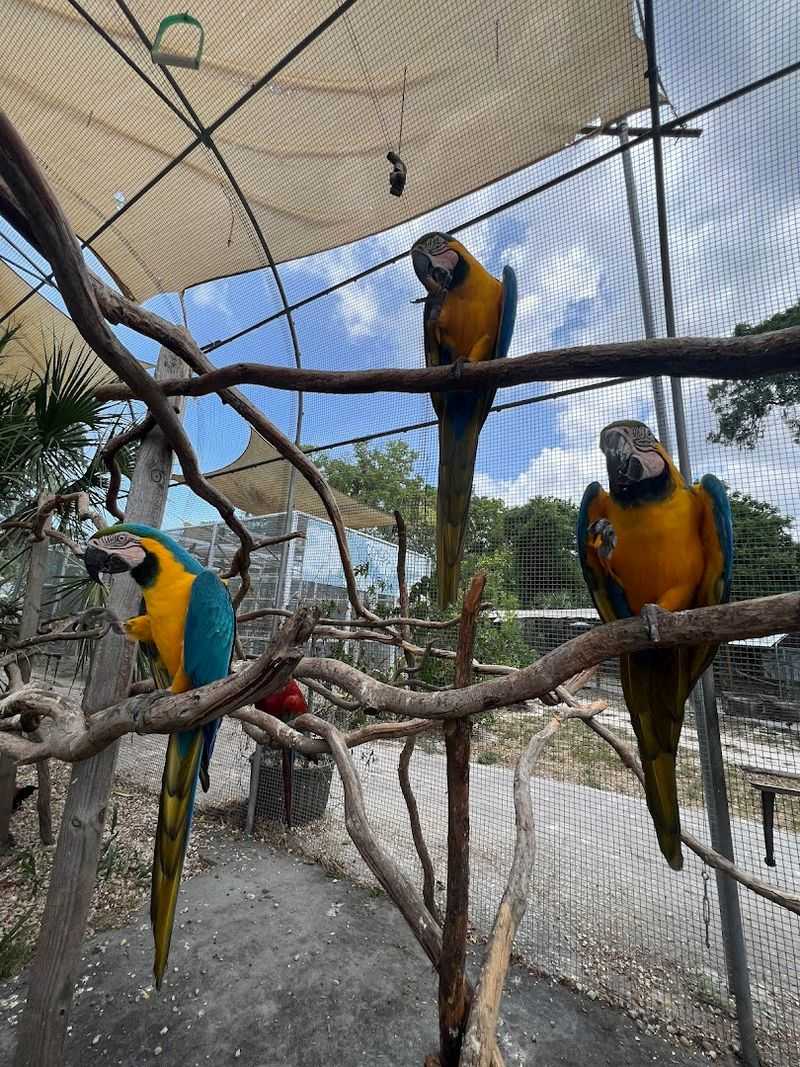
Here’s something most people don’t consider when they buy a parrot: many species live 50 to 80 years, with some macaws reaching 100. That adorable baby bird you bring home at 30 might still be around when you’re 90—or more likely, will outlive you entirely. The sanctuary exists partly to solve this uncomfortable reality.
One reviewer’s story perfectly illustrates the sanctuary’s mission. They had a beloved sulfur-crested cockatoo but realized they couldn’t provide the attention he deserved, and they worried about his future after they were gone. After visiting two other facilities that didn’t feel right, they found FEBS.
Two years later, their bird lives in a large flight cage with companions and is clearly thriving. They visit monthly and feel completely at peace with their decision.
This is exactly what a good sanctuary should do: provide transparency, ongoing visitation opportunities, and genuine care that owners can verify. The sanctuary’s approach to integration ensures birds don’t just survive the transition—they adapt and often flourish with the increased socialization and space. They allow previous owners to stay connected, providing updates and welcoming visits.
It’s not an easy decision to surrender a pet, but the sanctuary makes it as positive as possible. These birds get to live like birds, socializing with their own kind in spacious environments rather than spending decades alone in a cage.
7. Immaculate Facilities Despite Housing Hundreds Of Birds
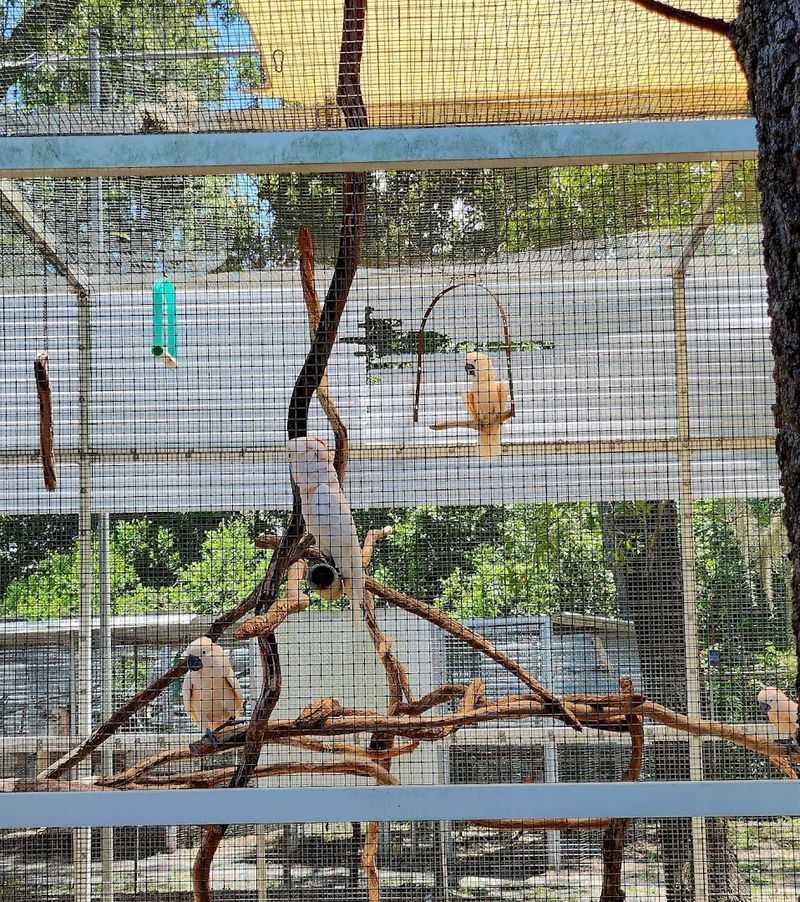
Walk into some animal facilities and you’re immediately hit with unpleasant smells and visible mess. Not here. Visitors consistently comment on how surprisingly clean and well-maintained everything is, despite the sanctuary housing over 800 birds.
That level of cleanliness doesn’t happen by accident—it requires dedicated daily effort from staff and volunteers who genuinely care.
The enclosures themselves vary in size to accommodate different species and social groups, but they all share common features: cleanliness, appropriate perches and enrichment, and enough space for birds to actually fly. The sanctuary prioritizes bird happiness over cramming in more residents. If an enclosure is full, they don’t just squeeze in another bird—they ensure proper housing first.
The grounds are equally impressive. Pathways are clear, landscaping is maintained, and the overall atmosphere feels organized and professional. This isn’t some fly-by-night operation—it’s a legitimate non-profit with high standards.
The attention to detail extends to how birds are introduced to new spaces, ensuring they’re comfortable and happy in their assigned areas.
That commitment to cleanliness also speaks to the birds’ health. Parrots are susceptible to respiratory issues and diseases that spread in unsanitary conditions. The pristine environment helps keep the entire flock healthy.
It’s one more way the sanctuary demonstrates that these aren’t just rescued birds—they’re respected residents receiving top-tier care.
8. Support A Non-Profit That’s Planning To Expand
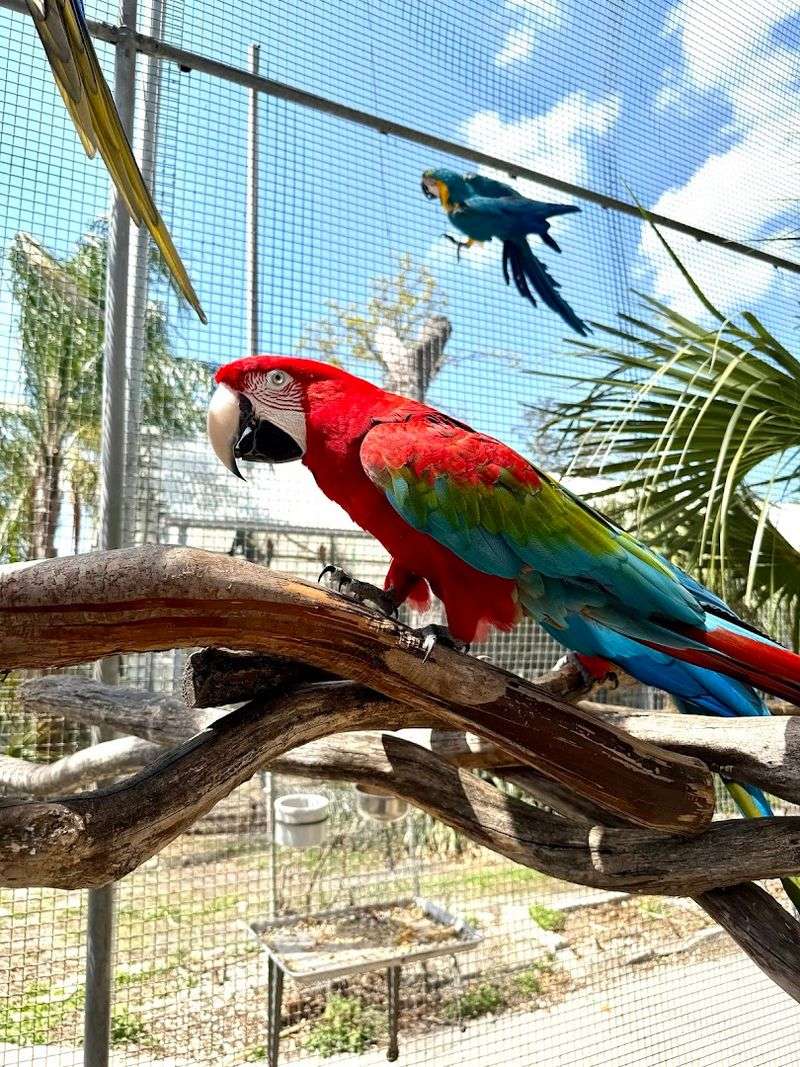
The Florida Exotic Bird Sanctuary operates as a 501(c)(3) non-profit, meaning every dollar goes toward bird care, facility maintenance, and expansion plans. They’re not trying to turn a profit—they’re trying to save more birds. With a 4.7-star rating from 156 Google reviews, they’ve clearly earned the community’s trust and support.
Tour fees help fund operations, but the sanctuary also relies on donations and volunteer hours. The fact that they’re planning expansion is both exciting and necessary—there’s no shortage of parrots needing rescue. As more people realize they can’t provide adequate lifelong care for these demanding pets, sanctuaries like this become increasingly vital.
The waiting list for placement is real.
When you visit, you’re not just getting an entertaining afternoon—you’re directly supporting their mission. You can also contribute through their website at flabirdsanctuary.org or by calling 844-352-2473 to learn about other ways to help. Some people become regular visitors, others volunteer their time, and some make financial contributions.
The sanctuary’s transparency about their operations and willingness to educate visitors about proper bird care also helps prevent future surrenders. They’re not just rescuing birds—they’re teaching people what these animals actually need. It’s a hidden gem in Hudson that deserves recognition and support.
Every visit helps ensure these 800-plus birds continue living their best lives.