We Found The Cutest Florida Treehouse Stay, And It’s Only $35 A Night
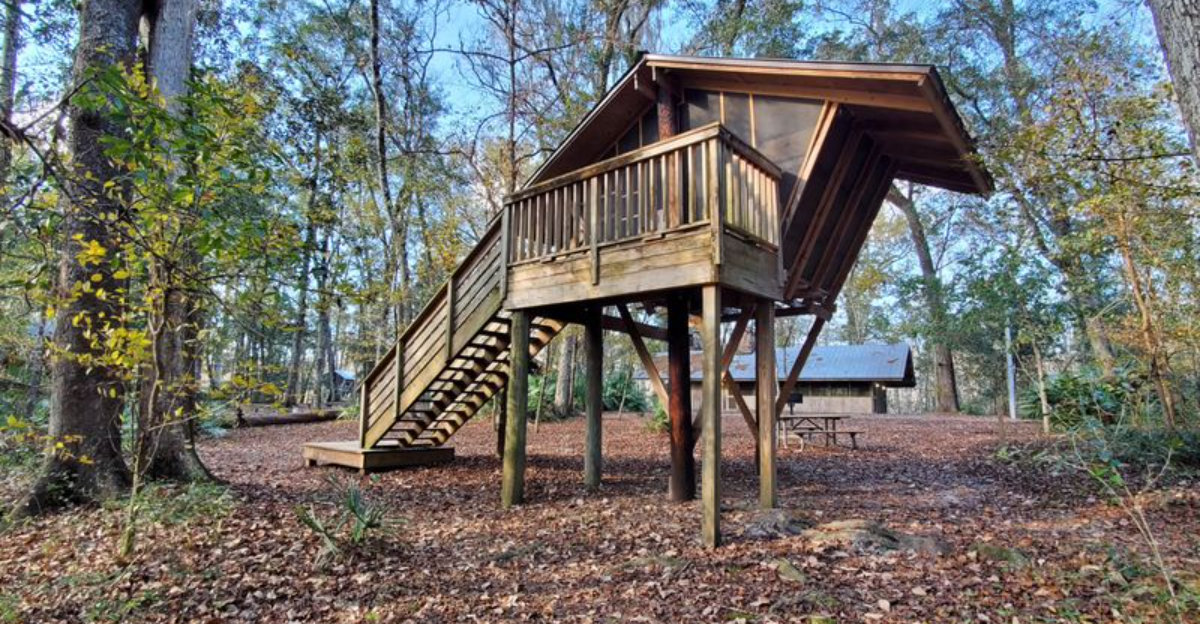
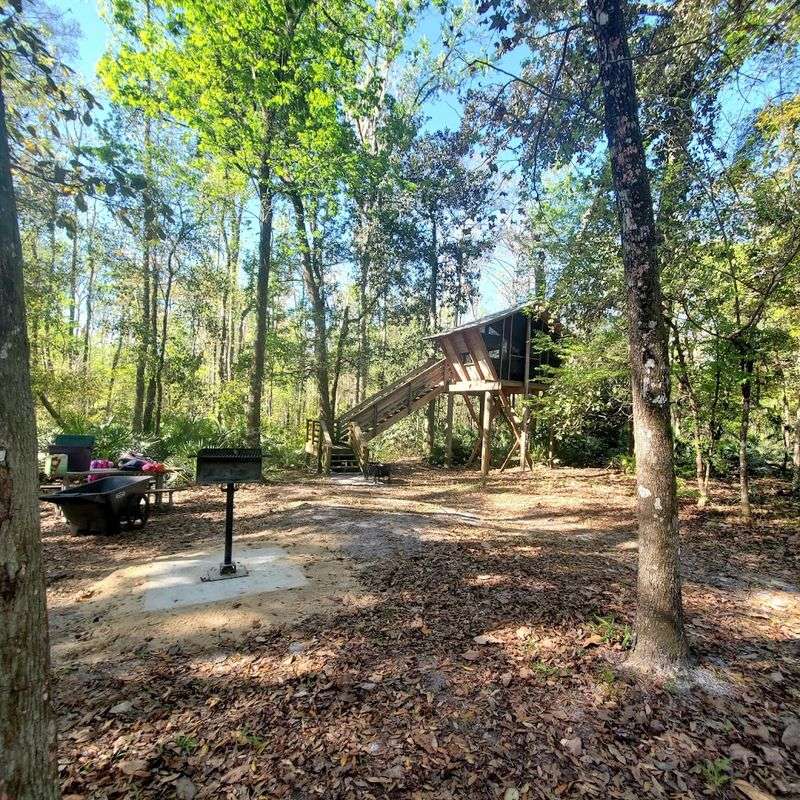
Looking for an affordable adventure that gets you back to nature without breaking the bank? Camp Chowenwaw Park in Green Cove Springs offers one of Florida’s best-kept secrets: charming treehouses you can rent for just $35 a night. This historic park, dating back to 1933, combines old-school camping vibes with unique accommodations that’ll make you feel like a kid again.
Whether you’re planning a family getaway or a solo escape into the woods, these elevated hideaways deliver an unforgettable experience without the usual glamping price tag.
1. Elevated Sleeping Quarters That Won’t Empty Your Wallet
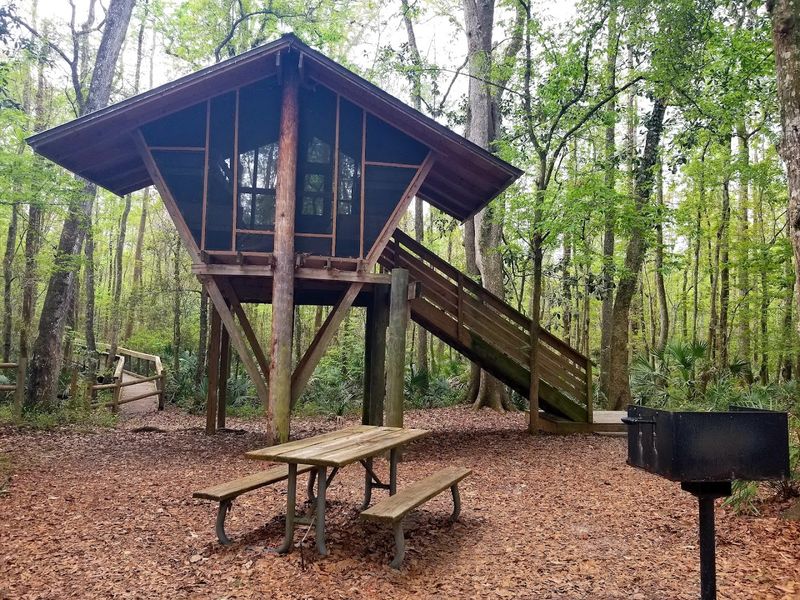
Forget expensive hotels or overpriced vacation rentals. Camp Chowenwaw’s treehouses give you an authentic outdoor experience for what you’d spend on a couple of lattes. Each structure sits elevated among the trees, featuring screened walls that let you breathe in fresh forest air while staying protected from bugs.
The setup is wonderfully basic: four bunks per treehouse, no frills, just you and nature. Adults should definitely pack a mattress pad because these aren’t luxury resort beds, but that’s part of the charm. You’re camping, after all, just with a roof over your head and walls around you.
Shared bathroom facilities keep costs down and add to the summer camp atmosphere. Yes, you’ll spot the occasional Florida roach (the big outdoor kind, not the gross indoor ones), so store your snacks wisely. But honestly, that’s just Florida being Florida.
The price point makes this accessible for families who want to try camping without investing in tons of gear. Bring your sleeping bag, some good company, and an adventurous spirit. For thirty-five bucks, you get a night suspended in the canopy, surrounded by owls hooting and fireflies dancing.
That’s the kind of memory you can’t put a price on, even though technically, the park just did.
2. A Swimming Pool That Beats Any Hotel Amenity
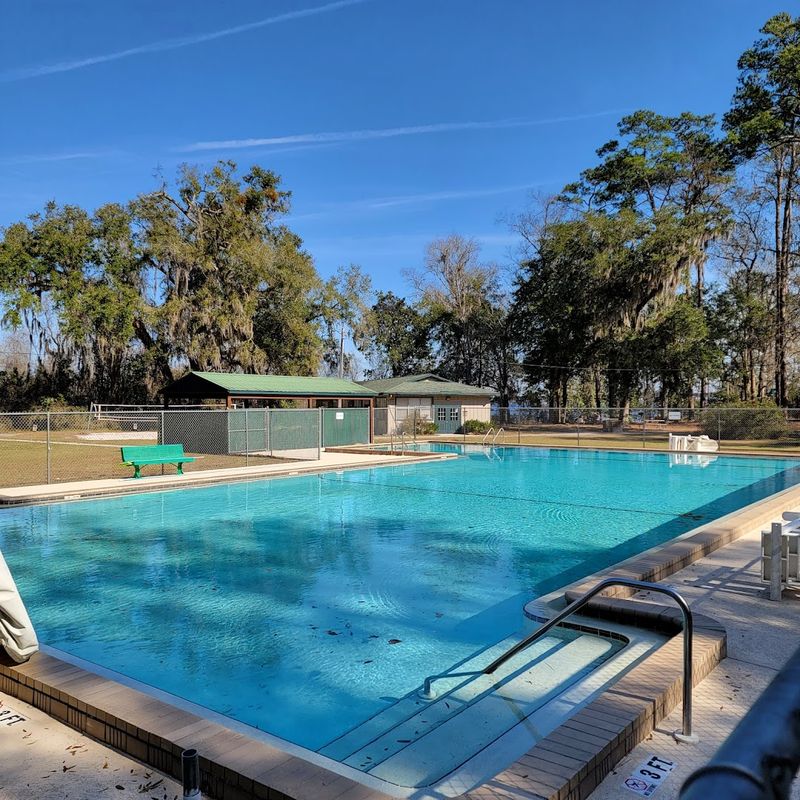
Most budget camping spots make you swim in murky lakes or skip water activities altogether. Camp Chowenwaw flips that script with a massive pool that ranges from three feet to ten feet deep, giving everyone from toddlers to diving enthusiasts their own zone. The pool operates during summer months for a small additional fee, which is totally worth it after a sweaty hike.
What makes this even better? There’s a whole cluster of restrooms and changing facilities right by the pool area. No trudging back to your campsite soaking wet.
You can rinse off at the drinking fountains or sinks nearby, making the whole experience surprisingly convenient for such a rustic setting.
The pool area becomes a natural gathering spot where families mingle and kids make instant friends. It’s got that nostalgic summer camp energy that modern resorts try to replicate but never quite capture. The depth variation means strong swimmers can actually get some exercise while little ones splash safely in the shallow end.
Fun fact: there’s also an old pond on the property that used to be a pool before nature reclaimed it. Now it’s home to bluegill, bass, and turtles. The contrast between the maintained swimming pool and the wild pond perfectly captures what Camp Chowenwaw does best—blending recreation with genuine natural Florida landscapes.
3. Boardwalk Adventures to Black Creek’s Hidden Beauty
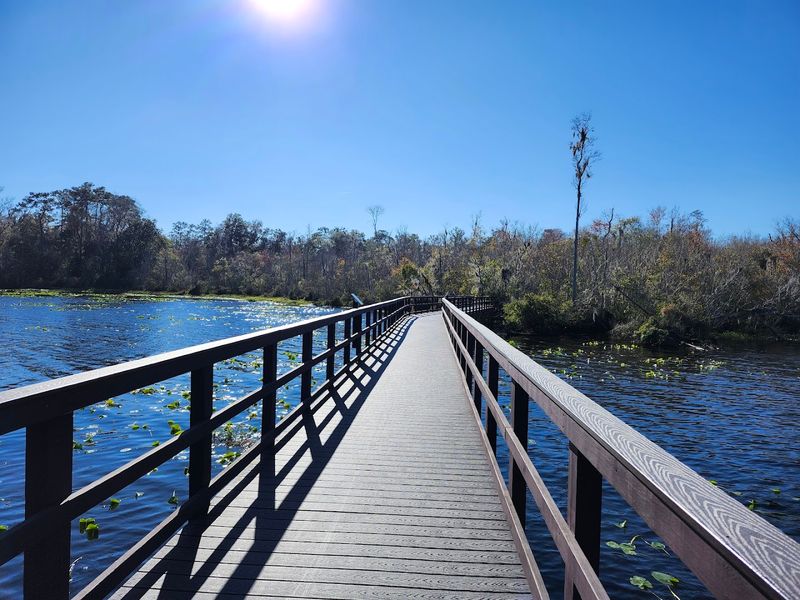
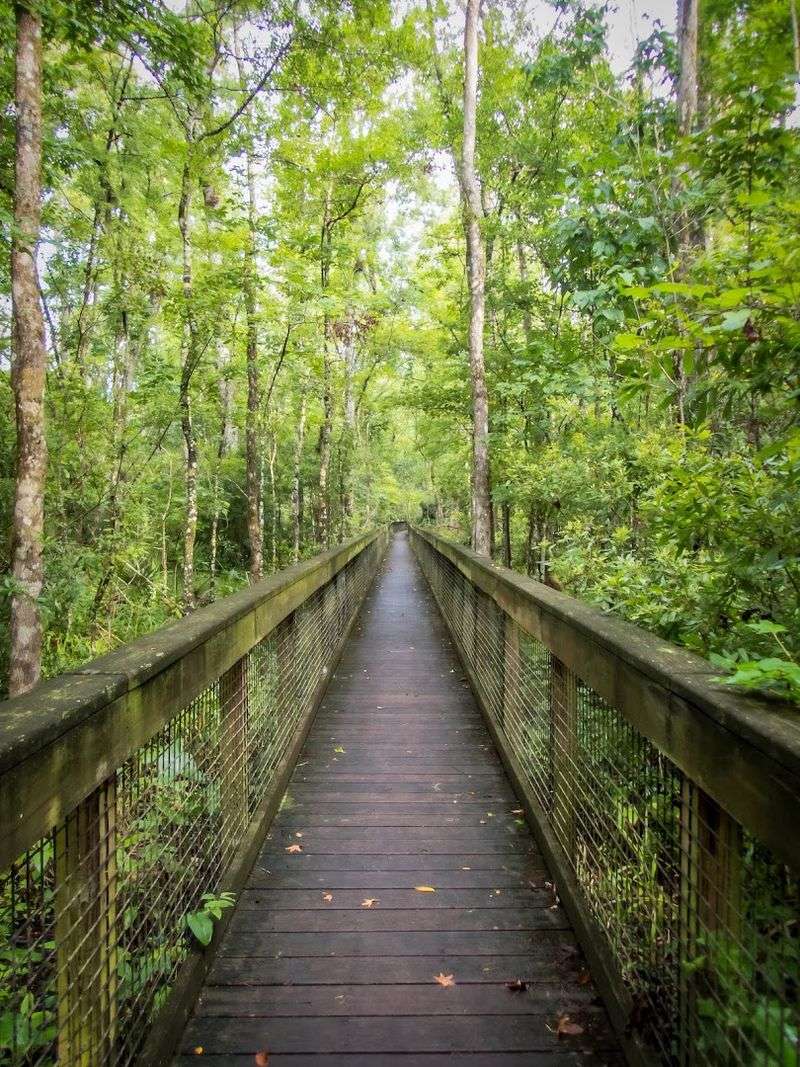
The boardwalk out to Black Creek ranks as one of the park’s absolute highlights. This elevated walkway carries you through wetlands and forest, ending at views of the creek that connects to the St. Johns River. It’s wheelchair accessible, making it one of the few truly inclusive nature experiences in the area.
Walking these planks feels like entering another world. Dragonflies zip past, turtles sun themselves on logs, and if you’re lucky, you might spot a manatee feeding near the water. One visitor even watched a rat snake hunt in the dining hall area—that’s how wild and authentic this place stays.
The boardwalk back to the treehouses offers a different but equally gorgeous perspective. You’re literally walking through the canopy level, getting eye-to-eye with birds and seeing the forest from angles ground trails can’t provide. It’s quiet enough to hear your own thoughts, which feels increasingly rare these days.
Bring your camera but also take moments to just stand still and observe. The biodiversity here is incredible—dozens of tree species, countless birds, and reptiles going about their business. These boardwalks prove you don’t need fancy equipment or extreme hiking skills to experience Florida’s natural side.
Just show up, walk slowly, and pay attention. The creek and surrounding ecosystem will reward your patience with sights that beat any theme park attraction.
4. Historic Vibes From the Great Depression Era
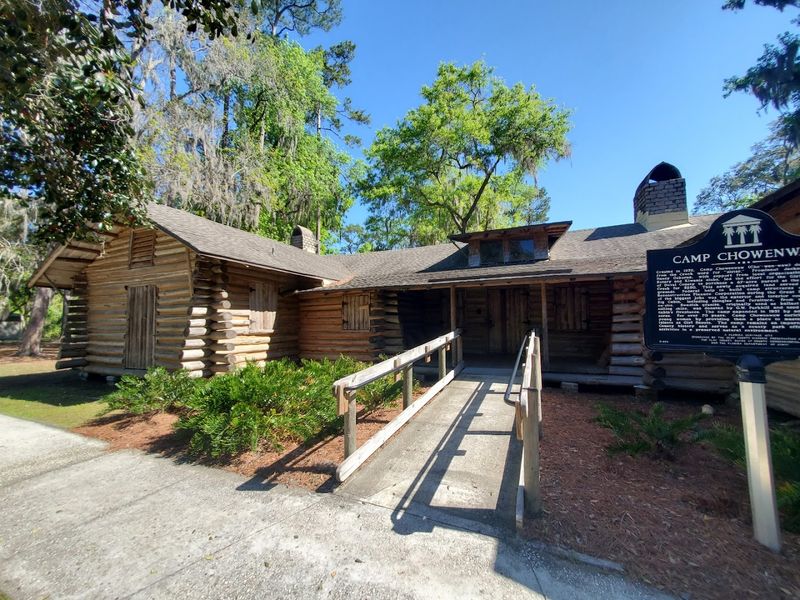
Camp Chowenwaw opened in 1933, right in the thick of the Great Depression. The Civilian Conservation Corps built much of what you see today, including those original log cabins that still stand as testament to craftsmanship from nearly a century ago. Walking these grounds feels like stepping into a time capsule.
The park expanded in the 1950s, and that mid-century aesthetic still permeates the place. There’s no modern resort polish here—instead, you get genuine vintage Florida camping culture. The small history museum, open Saturdays from 10 to 3, tells the full story with artifacts and displays that bring the past to life.
A friendly young volunteer typically staffs the museum, happy to chat about the park’s evolution through decades. Next door, the nature center runs looping videos with narration that one visitor swore sounded like Billy Bob Thornton (probably wasn’t, but it adds to the quirky charm). These educational spaces enhance your visit without feeling like homework.
The late-1950s vibe isn’t just nostalgia—it’s a reminder of when public parks prioritized accessibility and family recreation over profit. Everything here was built to last and to serve the community. That philosophy still guides Camp Chowenwaw today, keeping prices low and facilities well-maintained.
You’re not just camping; you’re participating in a tradition that’s endured through generations of Florida families seeking simple outdoor joy.
5. Trail Systems Perfect for Casual Explorers
Nobody’s asking you to be an elite hiker here. Camp Chowenwaw’s trail system caters to casual walkers, families with kids, and anyone who just wants to stretch their legs without gasping for air. Reviewers consistently mention that even grandma could handle these paths, which is exactly the point.
The trails wind through diverse Florida ecosystems—hardwood hammocks, pine flatwoods, and wetland edges. You’ll encounter some tree roots poking up, so watch your step, but nothing that requires special footwear or athletic prowess. The main trail is wide and well-packed, even accommodating wheelchairs in most sections.
What the trails lack in difficulty, they make up for in variety and tranquility. You might walk for an hour without seeing another soul, which is remarkable for a park so close to civilization. The tree canopy provides excellent shade, making summer walks bearable when other Florida trails become sweat-fests.
Trail markings could be better—several visitors mentioned needing to hunt for the black and white map near the ranger station. But getting slightly turned around is part of the adventure, and the park isn’t so vast that you’ll end up genuinely lost. The trash-free, well-maintained paths show that park staff and visitors alike respect this space.
Whether you’re walking off breakfast or searching for wildlife photo ops, these trails deliver exactly what casual nature lovers need: easy access to genuine Florida wilderness.
6. Fishing Spots Where Patience Pays Off
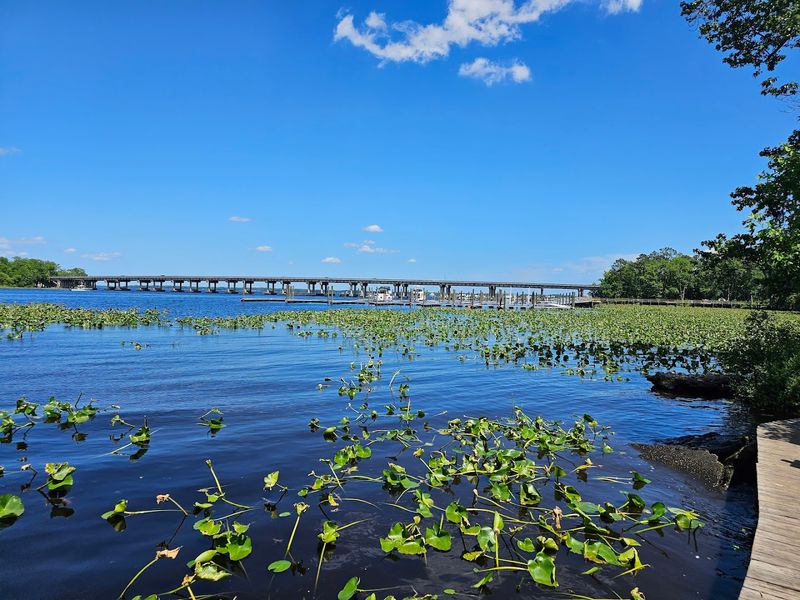
The fishing pier at Camp Chowenwaw might not guarantee you’ll catch dinner, but it offers something better: a peaceful spot to cast a line while soaking up river views. The dock is wide with benches, so you can actually relax instead of balancing precariously on rocks or muddy banks.
Black Creek connects to the St. Johns River system, supporting populations of bass, bluegill, and various other freshwater species. One visitor reported no luck on a weekday visit, but that’s fishing—sometimes the journey matters more than the catch. Bring your tackle box and realistic expectations.
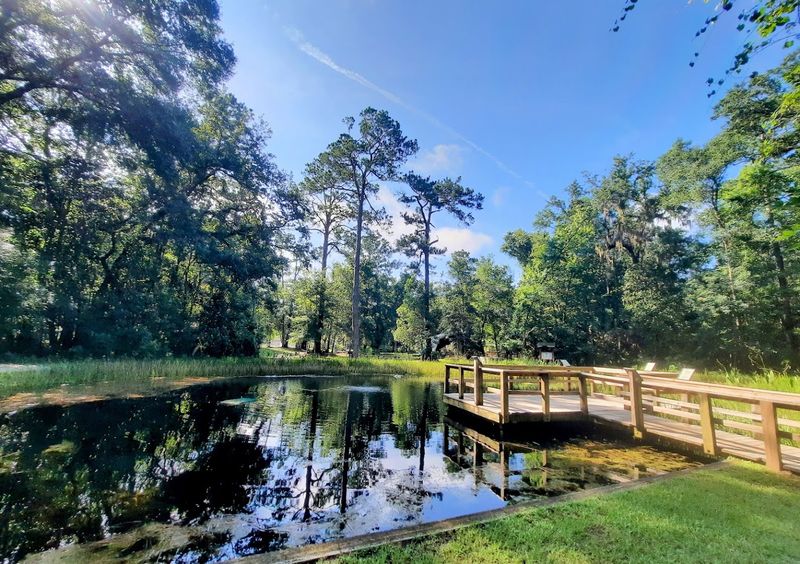
The old pond that used to be a swimming pool now serves as another fishing option, stocked with bluegill and largemouth bass. Turtles inhabit the area too, and occasionally an alligator makes an appearance (this is Florida, after all). Kids especially love this spot because it feels more contained and manageable than the open creek.
What makes fishing here special is the setting. You’re not standing shoulder-to-shoulder with other anglers or competing for space. The natural surroundings stay quiet enough to hear fish jumping and birds calling.
Even if you don’t land anything impressive, you’ll leave feeling more relaxed than when you arrived. Pack your poles, some snacks, and sunscreen. Whether you’re teaching kids to fish or just escaping daily stress, these waterfront spots provide the perfect excuse to slow down and enjoy Florida’s aquatic ecosystems.
7. Wildlife Encounters You Won’t Find in Theme Parks
Theme parks offer animatronic animals and carefully curated exhibits. Camp Chowenwaw gives you the real deal: actual Florida wildlife going about their business in natural habitats. Owls hoot throughout the night, creating a soundtrack that’s both eerie and magical.
Fireflies emerge at dusk, turning the forest into a living light show that no technology can replicate.
Multiple visitors reported snake sightings—water snakes near the creek and rat snakes around buildings. Before you panic, remember these reptiles are harmless and actually beneficial, controlling rodent populations. Watching a snake hunt naturally is educational and surprisingly fascinating, especially for kids who’ve only seen them in zoos.
The turtle population thrives here, particularly around the old pond. You’ll spot them basking on logs or swimming lazily through the water. Manatees occasionally visit the kayak launch area, which is absolutely thrilling when it happens.
These gentle giants don’t follow schedules, so spotting one feels like winning the wildlife lottery.
Birdwatchers bring binoculars and field guides, checking off species throughout the day. The diverse tree population supports an equally diverse bird community—woodpeckers, warblers, herons, and more. Butterflies and dragonflies add color and motion to every walk.
This authentic wildlife exposure teaches kids (and adults) more about Florida ecology than any classroom lesson could. You’re not observing animals in captivity; you’re visiting their home and witnessing their actual behaviors. That’s infinitely more valuable and memorable.
8. Strategic Location Near Green Cove Springs Conveniences
Remote camping usually means you’re truly isolated, far from any stores or restaurants. Camp Chowenwaw strikes a perfect balance—you feel like you’re deep in the woods, but Green Cove Springs sits just five minutes away. That proximity means you can grab forgotten supplies, eat at local restaurants, or handle emergencies without a major expedition.
The park is easy to reach from the highway, with ample parking at the ranger station. You won’t spend hours navigating confusing backroads or worrying about getting lost. This accessibility makes it feasible for weekend trips when you don’t want to waste half your time driving.
If you need more shopping or entertainment options, Palatka and East Palatka are about 30 minutes away. That gives you backup plans if weather turns bad or if you just want to mix outdoor time with some small-town exploring. Green Cove Springs itself has charm worth discovering—local eateries, shops, and its own history.
The location also means cell service generally works, which provides peace of mind for parents and anyone who needs to stay semi-connected. You can unplug as much as you want, but you’re not completely cut off from civilization. This strategic positioning makes Camp Chowenwaw ideal for camping newcomers who aren’t ready to go full wilderness survival mode.
You get authentic nature experiences with a safety net of nearby amenities, proving that affordable outdoor adventures don’t require suffering through total isolation.