The Weirdest, Coolest Museum in Florida Might Be Hiding in Miami Beach
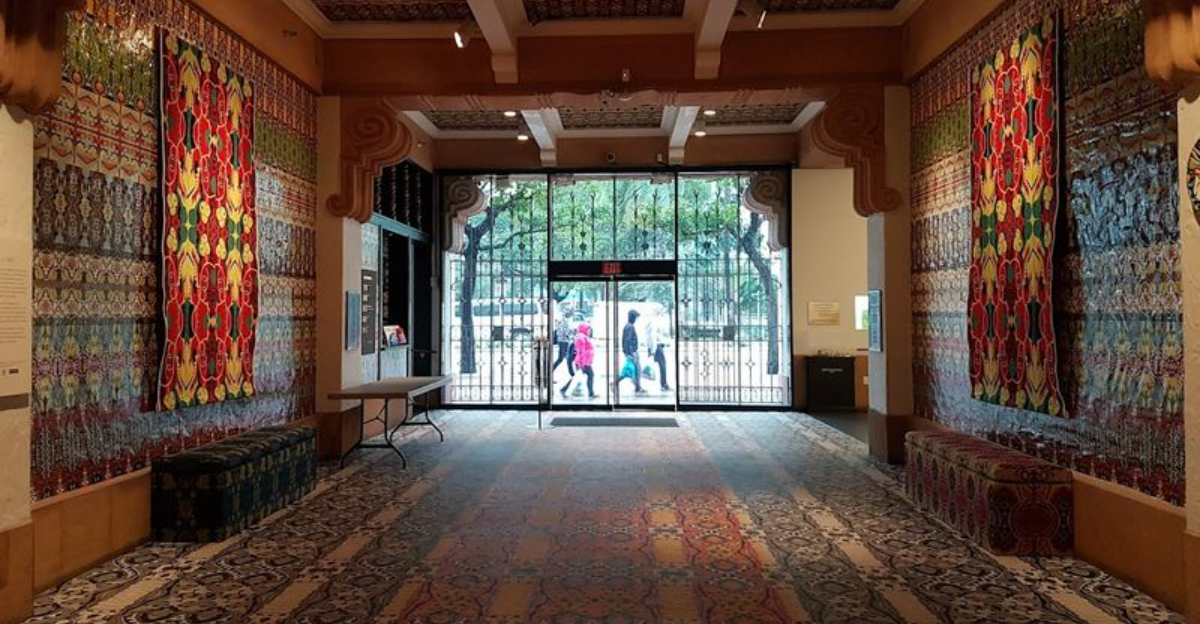
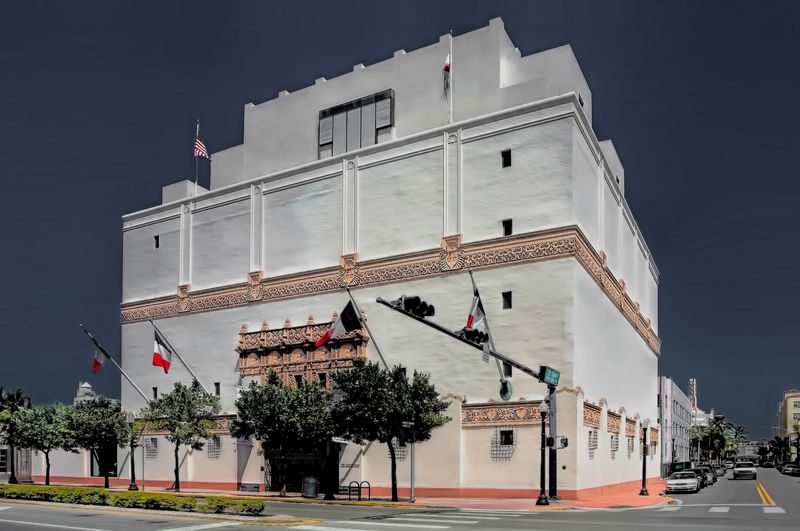
Tucked between the neon lights and beach vibes of South Beach sits a museum that feels like stepping into a time machine designed by someone with excellent taste. The Wolfsonian-Florida International University isn’t your typical art museum—it’s a treasure chest of industrial design, propaganda posters, and quirky artifacts from the late 1800s through the mid-1900s. While tourists flock to the beach just blocks away, this seven-story gem quietly showcases everything from stunning stained glass to World’s Fair memorabilia, proving that Miami Beach has way more to offer than just sand and sunburn.
1. A Seven-Story Secret Hiding in Plain Sight
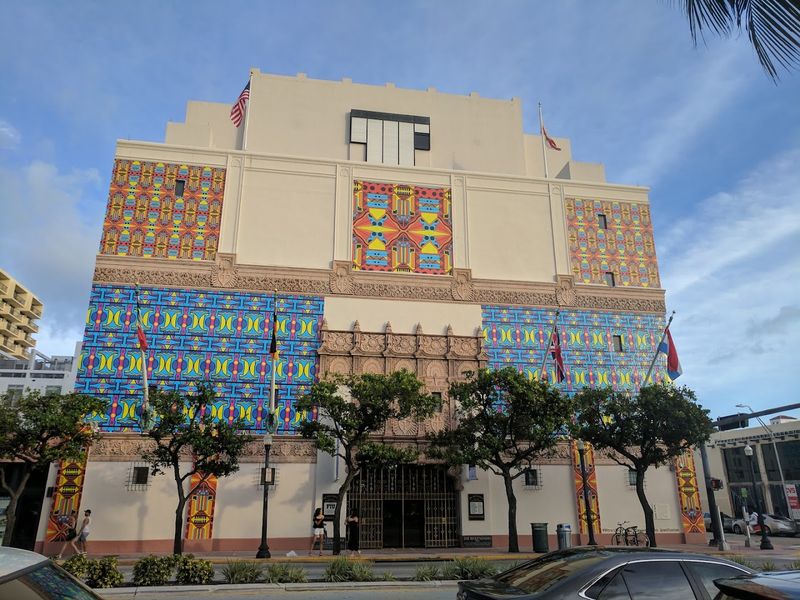
Walking down Washington Avenue, you might breeze right past this place without a second glance. That’s the beauty of it—The Wolfsonian doesn’t scream for attention like the flashy clubs and restaurants surrounding it.
Built in 1927, the building originally served as storage before transforming into one of South Beach’s most fascinating cultural spots. Seven floors tall and packed with over 200,000 objects in its collection, this museum proves that bigger isn’t always flashier.
The exterior whispers Art Deco elegance, but the real magic happens once you step inside. From the moment the elevator doors open—and trust me, even the elevators here are worth photographing—you know you’re somewhere special.
Most visitors spend between one and two hours exploring, though art enthusiasts could easily lose half a day here. The building’s layout encourages wandering, with exhibits spread across multiple floors that each tell different stories.
What makes this spot truly weird and wonderful is its unpretentious vibe. No stuffy museum guards hovering over you, no pressure to appreciate things you don’t understand. Just fascinating objects from another era, displayed beautifully in a building that’s practically a museum piece itself.
2. Free Admission for Florida Residents Makes It Even Better
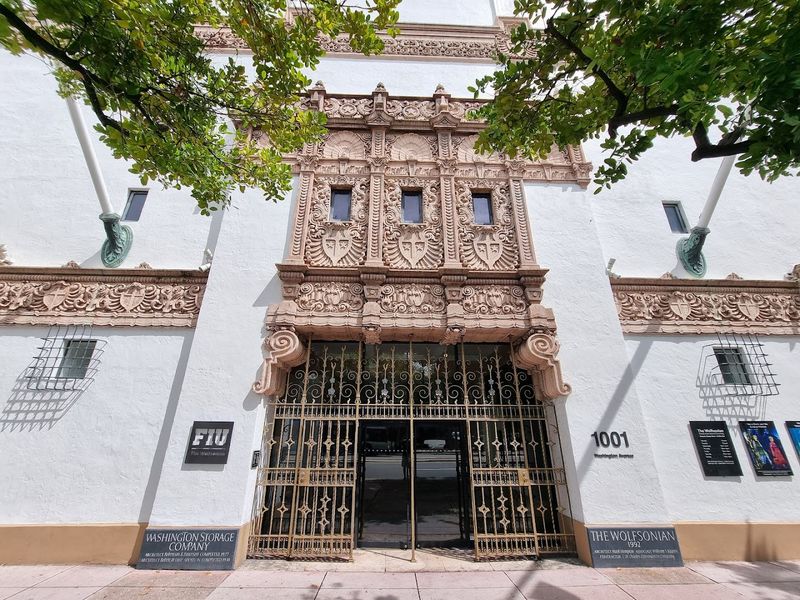
Here’s something that’ll make Florida residents smile: admission is completely free if you show your Florida ID. Out-of-state visitors pay just $12, which honestly feels like a steal considering what you get to see.
This free admission policy makes The Wolfsonian accessible to locals who might visit multiple times to catch rotating exhibits. Students especially benefit since they can pop in between classes or on weekends without worrying about ticket costs adding up.
The museum operates under Florida International University, which explains both the educational mission and the generous resident policy. It’s part of FIU’s commitment to making culture and history accessible to the community it serves.
Many reviewers mention feeling proud that such a quality institution offers free entry to Floridians. One FIU alumnus specifically noted how the museum made them proud of their university’s cultural contributions.
Even if you’re paying the $12 non-resident fee, you’re getting serious value. Compare that to other Miami attractions charging $30 or more for experiences that last half as long. The Wolfsonian proves that cultural institutions don’t need to break your budget to deliver memorable experiences worth talking about.
3. The Elevator Alone Is Worth the Visit
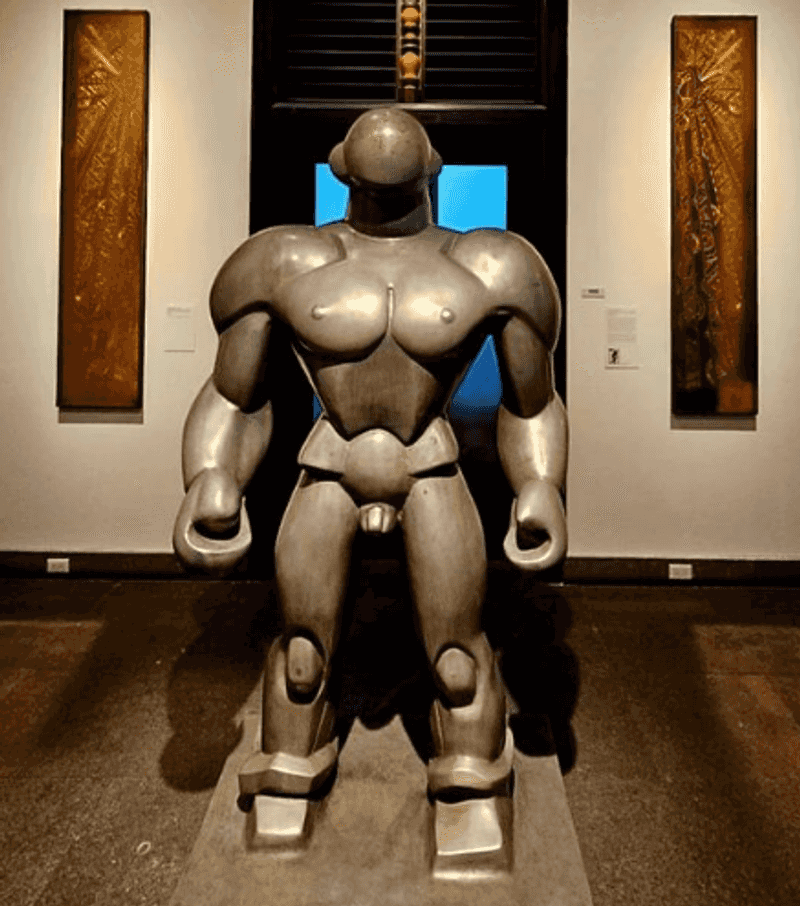
Multiple visitors mention the elevators specifically in their reviews, which tells you something important: even the functional parts of this building are works of art. The elevator design showcases the kind of attention to aesthetic detail that defined the Art Deco era.
Riding up and down might seem like an odd highlight for a museum visit, but when the elevator itself could be an exhibit, you understand why people get excited. The decorative metalwork and vintage styling transport you back to when even utilitarian objects received artistic treatment.
This attention to design extends throughout the building. The bathrooms even get shoutouts in reviews for their gorgeous design—how often do museum bathrooms become conversation pieces?
What’s happening here is that The Wolfsonian practices what it preaches. As a museum dedicated to industrial design and decorative arts, the building itself demonstrates these principles. You’re not just looking at historical design; you’re experiencing it.
First-time visitors often express surprise at discovering beauty in unexpected places throughout their visit. That fountain on the ground floor? It’s actually a repurposed theater facade.
The gift shop? Designed with the same care as the exhibits themselves. Every corner rewards curious eyes with something interesting to discover.
4. World’s Fair Exhibits That Capture Yesterday’s Tomorrow
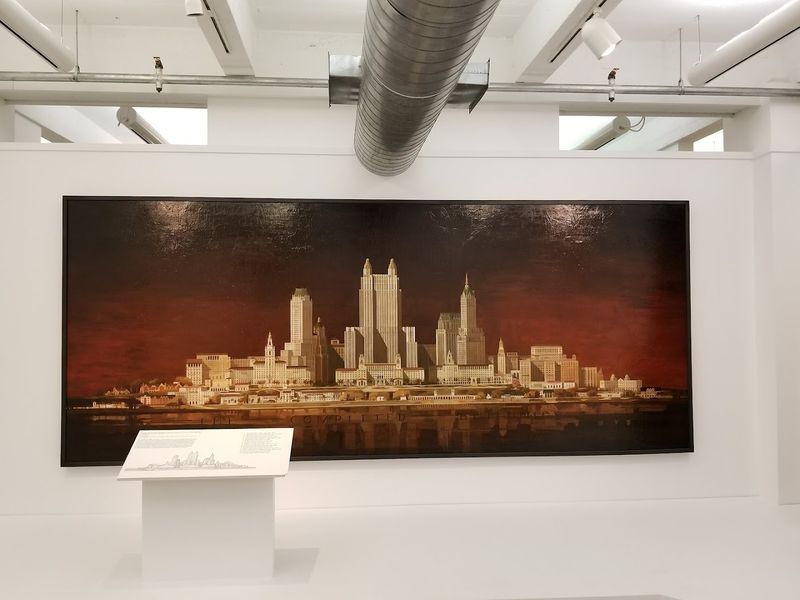
Imagine visiting exhibitions that showcase how people from the past imagined our future. The Wolfsonian’s World’s Fair collection does exactly that, featuring architectural models, city plans, and artifacts that captured humanity’s most optimistic visions for progress.
These exhibits include everything from elaborate Disney ephemera to archival videos documenting expositions that drew millions of visitors. You’ll see innovations that once seemed impossibly futuristic, some of which became reality while others remained beautiful dreams.
What makes this collection particularly fascinating is the blend of fantasy and ambition. World’s Fairs represented moments when nations and corporations competed to present the most dazzling vision of tomorrow, resulting in designs that mixed practical innovation with pure showmanship.
The artwork alone deserves attention—posters, promotional materials, and commemorative items that graphic designers labored over to capture the excitement of these massive events. Each piece tells stories about what people valued, feared, and hoped for during different eras.
Walking through this exhibit feels like flipping through a time capsule filled with humanity’s greatest aspirations. Some predictions seem charmingly naive now, while others prove eerily accurate. Either way, you leave understanding how design and optimism intertwined during these cultural moments that brought the world together.
5. Harry Clarke’s Stained Glass That May Have Killed Him
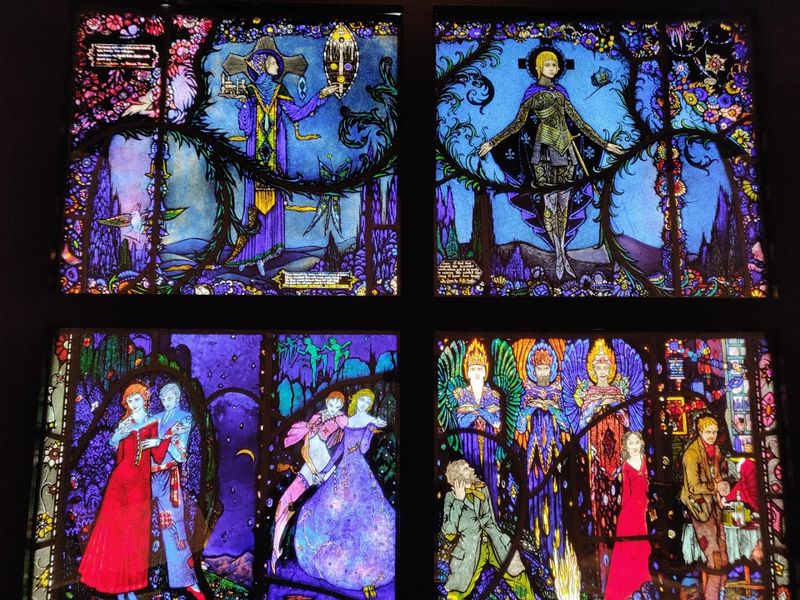
Irish artist Harry Clarke created stained glass so breathtakingly detailed that working with the minerals and pigments may have cost him his life. The museum displays his elaborate pieces alongside information about how lead poisoning from his materials possibly contributed to his early death.
This exhibit doesn’t just show you pretty glass—it tells the darker story behind artistic creation. Clarke’s dedication to his craft meant handling toxic substances regularly, a common occupational hazard for artists of his era that often went unrecognized until too late.
The pieces themselves showcase incredible complexity. Clarke’s work features intricate patterns, vivid colors, and storytelling elements that reward close examination. You could spend twenty minutes studying a single panel and still discover new details.
What’s particularly interesting is how the museum contextualizes the work. Signs explain not just the artistic techniques but also the human cost of creating such beauty. You learn about rejected commissions, difficult patrons, and the physical toll of Clarke’s perfectionism.
Visitors consistently rate this as one of the museum’s standout exhibitions. The combination of stunning visual artistry and sobering historical context creates an experience that sticks with you long after leaving. It’s beautiful and tragic simultaneously—exactly the kind of complex storytelling that makes The Wolfsonian special.
6. Industrial Revolution Through Great Depression Artifacts
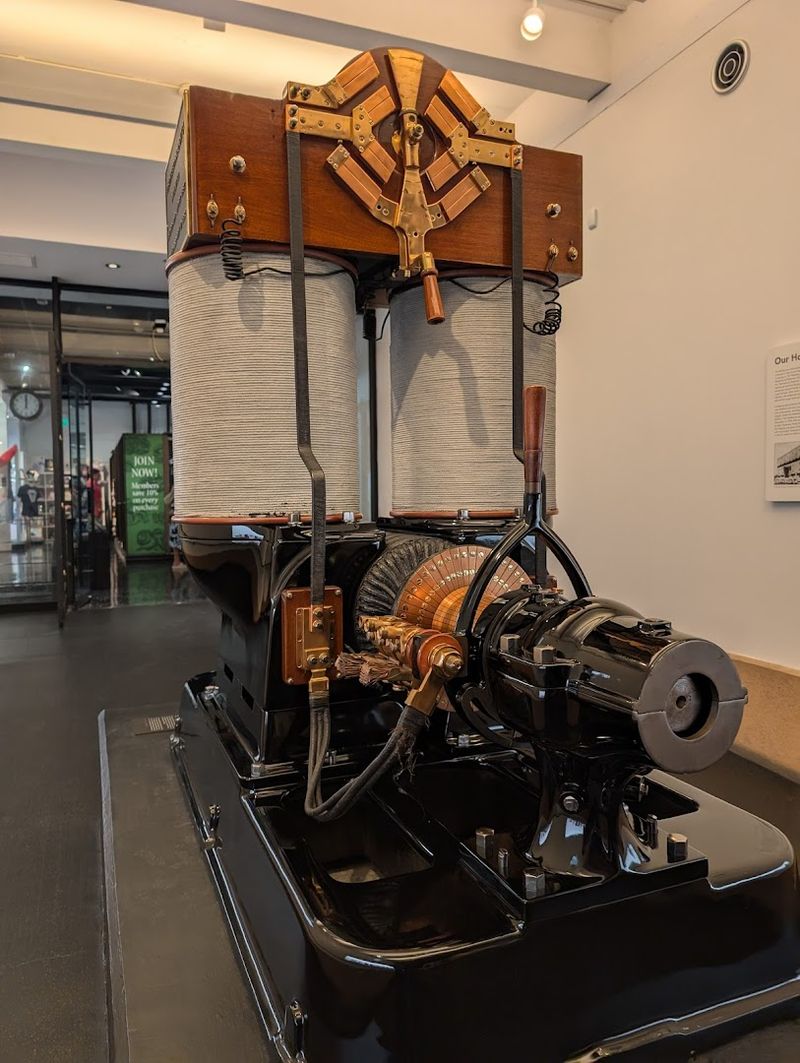
The museum’s permanent collection spans roughly from the 1880s through the 1945, covering some of history’s most transformative and turbulent decades. You’ll encounter objects from the Industrial Revolution, World War I, the Great Depression, and World War II—each piece chosen because it reveals something about how design reflected and shaped society.
Propaganda posters particularly stand out in this collection. These aren’t just historical curiosities; they’re windows into how governments and organizations used visual design to influence public opinion during critical moments. The artistry is often stunning even when the messages feel uncomfortable from our modern perspective.
The Dust Bowl exhibit deserves special mention for its thoughtful curation. Through classic films and poignant displays, it brings one of America’s hardest periods into sharp focus, showing how design and visual culture responded to environmental and economic catastrophe.
Some visitors note that not all seven floors are always open for exhibits—typically two or three floors host rotating displays while others house the permanent collection or undergo renovation. This actually works in the museum’s favor, preventing overwhelming experiences and keeping exhibits fresh for repeat visitors.
What ties everything together is the focus on how ordinary objects—posters, furniture, household items—carry extraordinary stories about the people who made and used them during history’s pivotal moments.
7. A Gift Shop That Feels Like a Curated Boutique
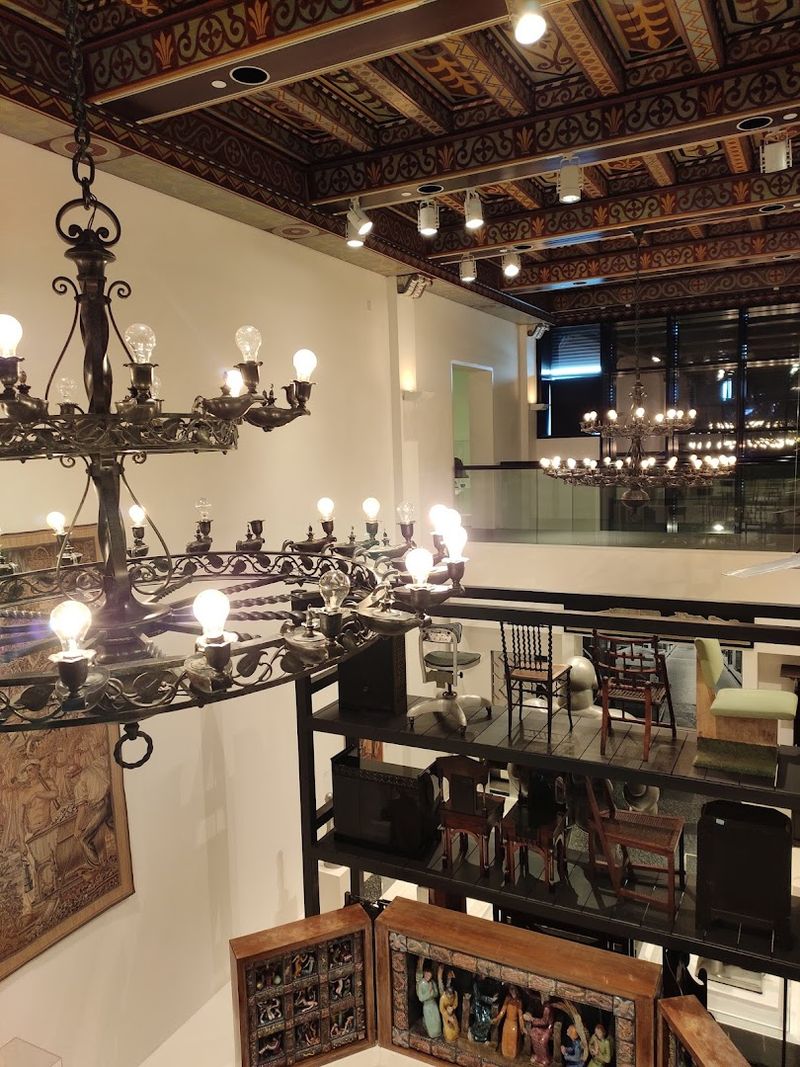
Most museum gift shops feel like afterthoughts—generic postcards, overpriced magnets, maybe some disappointing candy. The Wolfsonian’s shop operates on an entirely different level, curating merchandise with the same care given to the exhibits upstairs.
You’ll find design-centric books you won’t see at regular bookstores, hysterical greeting cards that actually make you laugh, and jewelry pieces—necklaces and earrings—that feel genuinely special rather than mass-produced tourist trinkets. Everything reflects the museum’s aesthetic sensibility.
The shop also houses a small coffee bar serving quality coffee and alcoholic drinks. Multiple reviewers mention lingering here after touring exhibits, sipping coffee while browsing through items they actually want to buy. It’s become a destination itself rather than just a place to grab something on your way out.
Free admission to the shop means you can pop in even without visiting the museum. Some locals apparently do exactly that, treating it as a unique shopping experience in the middle of South Beach’s commercial chaos.
What makes this space work is authenticity. The merchandise genuinely connects to the museum’s mission and collection rather than feeling like random products with the museum’s logo slapped on. You leave with items that remind you why you enjoyed your visit rather than dust-collectors you’ll regret buying.
8. Limited Hours Mean You Need to Plan Ahead
Here’s the catch that trips up spontaneous visitors: The Wolfsonian stays closed Mondays and Tuesdays. If you’re planning a Miami Beach trip, you absolutely need to check the schedule before showing up, or you’ll find locked doors and disappointment.
Wednesday through Saturday, the museum operates from 10 AM to 6 PM. Fridays extend to 9 PM, offering evening hours perfect for beating the daytime heat or catching exhibits after work. Sundays also run 10 AM to 6 PM, making weekend visits totally doable.
The limited schedule actually reflects the museum’s status as an educational institution rather than a commercial tourist attraction. It operates on academic rhythms, with staff conducting research and rotating exhibits during closed days.
Smart visitors call ahead or check the website before visiting, especially since some floors occasionally close for installation of new exhibits. One reviewer mentioned arriving when only two floors were open, which shortened their visit considerably though they still found value in what they saw.
Metered parking sits steps away from the entrance, but Miami Beach parking enforcement is notoriously aggressive. Set phone alarms to remind yourself when meters expire—tickets come fast and expensive. The museum experience is great; the parking ticket afterward definitely isn’t worth the distraction from enjoying what you just saw inside.