This Hidden Florida Park Has an Oak Canopy That Feels Almost Enchanted
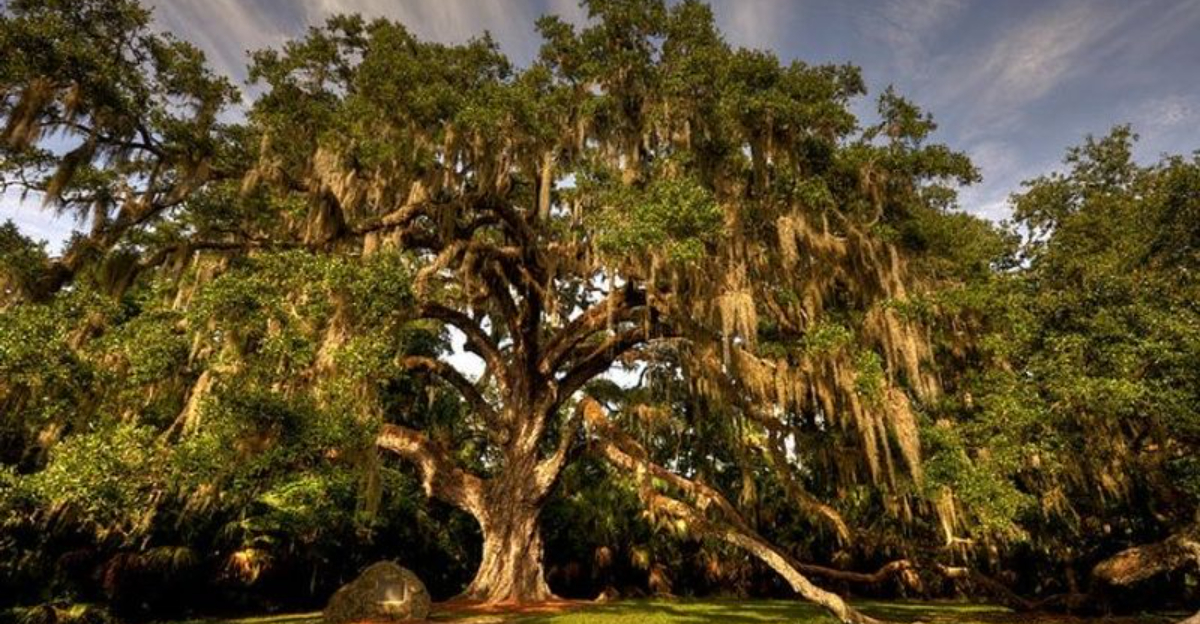
In Ormond Beach sits a place that time seems to have forgotten. Bulow Creek State Park sprawls across nearly 5,600 acres of ancient forest where massive live oaks twist overhead like nature’s own cathedral ceiling. The moment you step onto these trails, you’ll understand why locals guard this secret so carefully—it’s the kind of spot that makes you believe in magic again.
1. A Living Giant Older Than America Itself
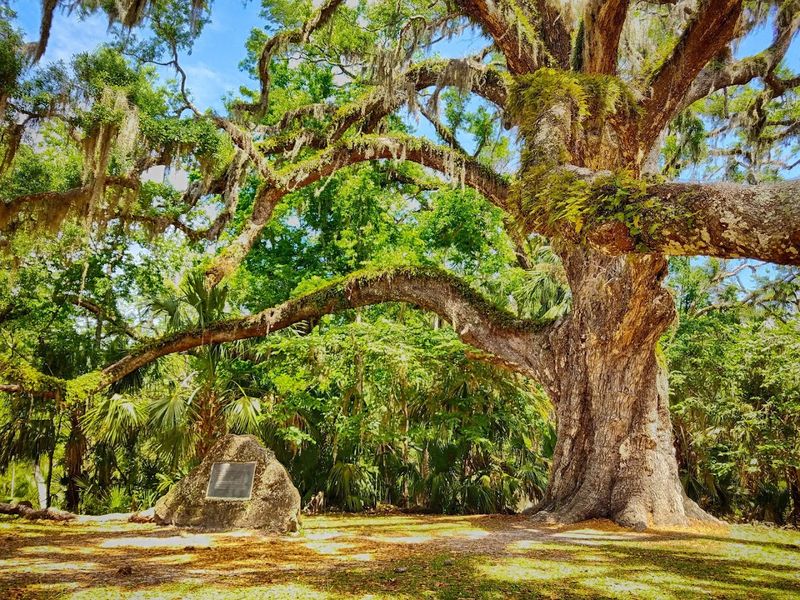
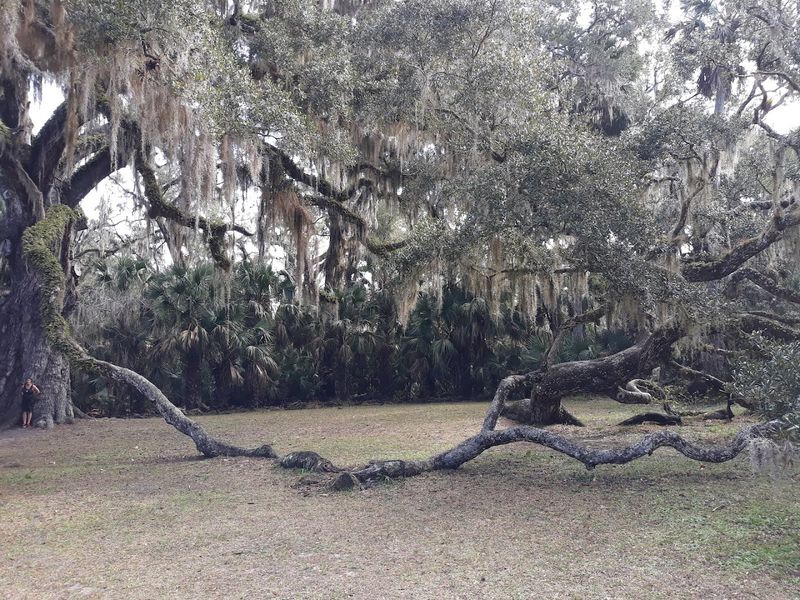
Standing before the Fairchild Oak feels like meeting royalty. This absolute unit of a tree has witnessed somewhere between 400 and 800 years of Florida history, making it one of the oldest living oaks in the entire South. Some enthusiastic visitors claim it’s over 2,000 years old, though scientists put it closer to the 400-year mark—still impressively ancient.
The trunk measures so wide around that you’d need several friends holding hands to circle it completely. Branches stretch outward like welcoming arms, some so heavy they dip down to touch the ground before curving back up toward the sky. Spanish moss drapes from every limb, swaying gently in the breeze and adding to that fairytale atmosphere everyone raves about.
You’ll find this magnificent giant just steps from the parking area, making it accessible even if you’re not up for a long hike. Benches nearby invite you to sit and simply soak in the presence of something that’s been growing since before Florida was even discovered by Europeans. Photographers absolutely love this spot during golden hour when sunlight filters through the canopy in magical ways.
2. Trail Networks That Feel Like Nature’s Maze
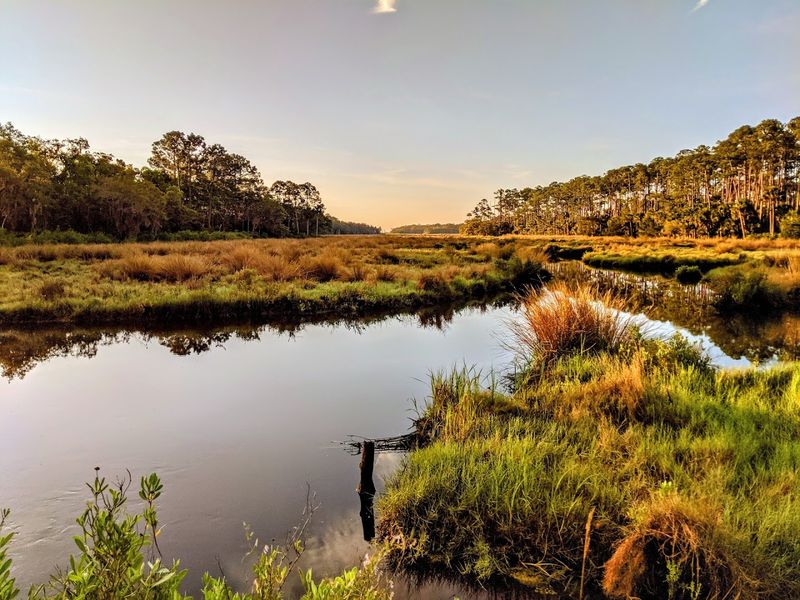
Two main trails wind through Bulow Creek, and both deliver that enchanted forest vibe in spades. The shorter route hugs closer to the Fairchild Oak and works perfectly for families with little ones or anyone wanting a quick nature fix. The longer trail stretches roughly four miles out and back, taking you deeper into old-growth forest where civilization feels like a distant memory.
Hikers consistently mention how well-maintained these paths are, with relatively even surfaces that don’t require serious hiking boots. That said, you’ll encounter some muddy patches, especially after rain or about halfway to the creek crossing. Nothing too gnarly, though—even three-year-olds have conquered these trails according to proud parents in the reviews.
What makes these trails special is the canopy overhead. Ancient oaks create a tunnel effect in many sections, their branches intertwining so thickly that it stays surprisingly cool even on hot Florida days. You’ll spot occasional benches and rocks along the water where you can rest and watch for wildlife.
The trails connect and loop in places, so bring a map or stay alert to avoid accidentally extending your hike beyond what you planned.
3. Wildlife Encounters Around Every Bend
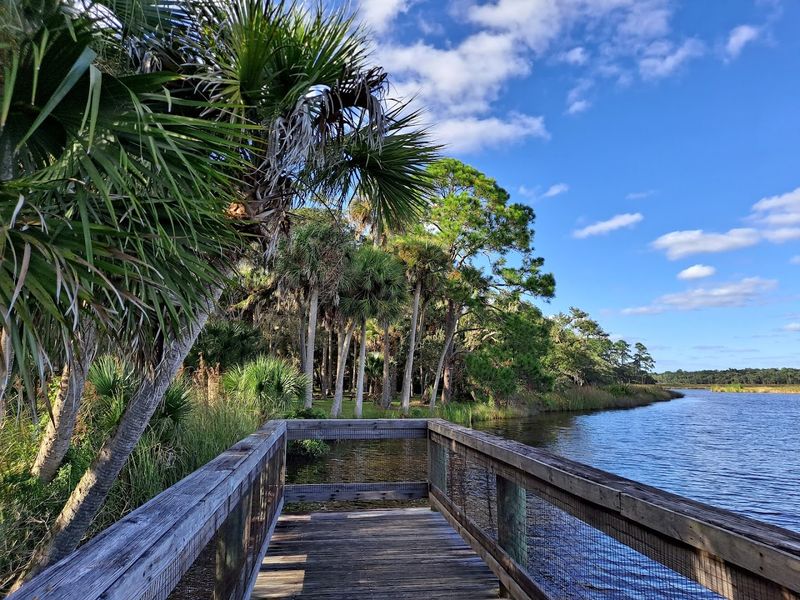
Forget the zoo—Bulow Creek delivers wildlife sightings that’ll make your nature-loving heart sing. Visitors regularly spot white-tailed deer browsing near the trails, woodpeckers hammering away at old trees, and gopher tortoises ambling across the path like they own the place. One family counted raccoons, lizards, snakes, birds, gators, and squirrels all in a single visit.
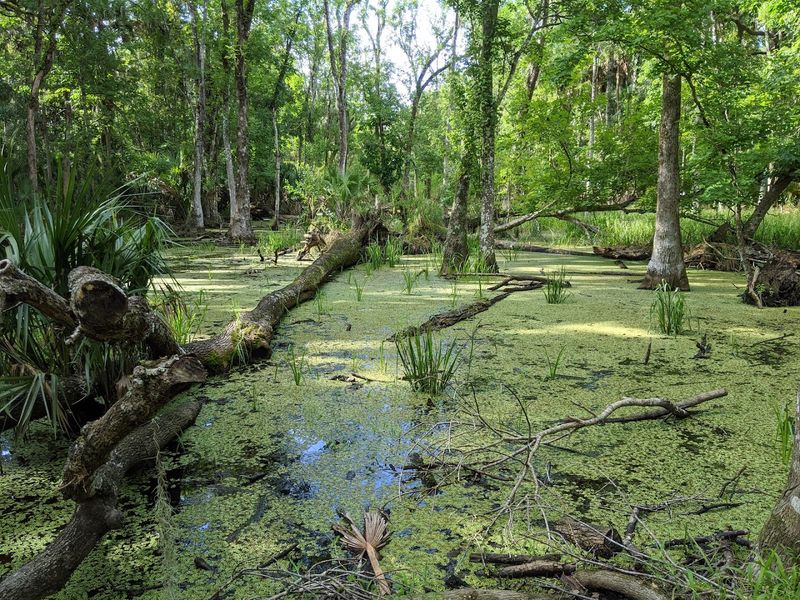
The swampy areas prove especially productive for critter watching. Alligators sun themselves along the creek banks, while tiny colorful frogs—some red, some black—hop through the underbrush faster than you can snap a photo. Bird enthusiasts bring binoculars to catch glimpses of species that thrive in this old-growth habitat.
Even fish swim visibly in the clearer creek sections.
A word of caution: pygmy rattlesnakes do live here, particularly near the marsh areas on the northern loop trail. Don’t let that scare you off, though. These small snakes would rather avoid you than cause trouble.
Just watch where you step, give them space if you spot one, and they’ll slither away peacefully. Several hikers have found fresh snake skins along the trails, which makes for cool discoveries without the actual snake encounter.
4. Creek Crossings That Stop You in Your Tracks
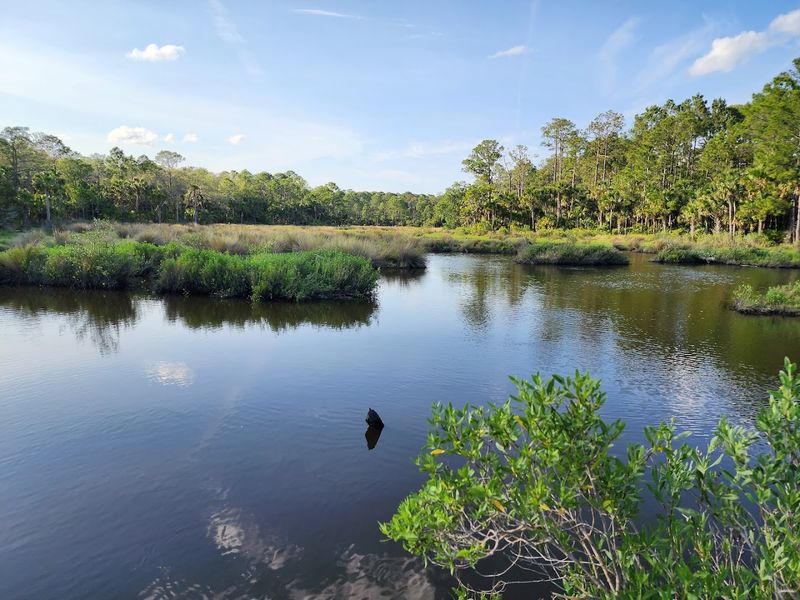
About two miles into the longer trail, you’ll reach a bridge crossing over Bulow Creek that’s worth the hike all by itself. The water below runs dark with tannins, stained the color of sweet tea by decomposing vegetation. It looks mysterious and primordial, especially when dappled sunlight breaks through the canopy overhead.
Stand on that bridge for a few minutes and you’ll witness some seriously weird nature stuff. One hiker described watching crabs emerge from the creek bottom in a massive, moving water mass—the kind of thing you don’t see every day. The creek flows slowly here, creating perfect conditions for spotting fish and other aquatic life moving through the dark water.
This crossing marks a natural turnaround point for many visitors, though the trail does continue beyond if you’ve got energy to spare. Families with young kids often make this their destination, snapping photos and enjoying a snack break before heading back. The surrounding forest feels especially dense and ancient in this section, with massive oaks creating an almost cathedral-like atmosphere.
It’s one of those spots where you’ll want to linger, breathing in the earthy smell of creek water and old trees.
5. Free Admission to Paradise
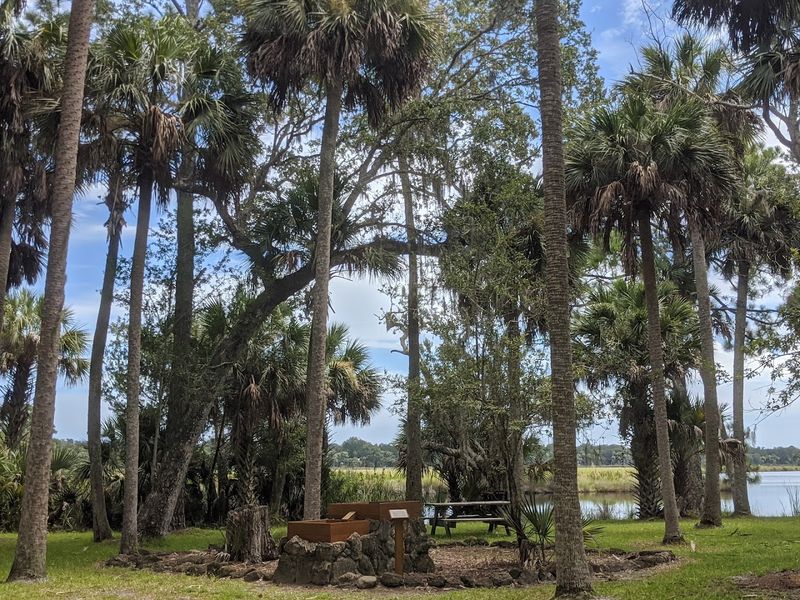
Here’s the best part: this entire experience costs you exactly zero dollars. Unlike many Florida state parks that charge entrance fees, Bulow Creek remains completely free to visit. Just pull into the small parking lot that fits 15-20 vehicles depending on how friendly everyone parks, and you’re good to go.
That free admission makes this spot incredibly popular with locals who return again and again. You’ll see the same faces on the trails, people who’ve made visiting the Fairchild Oak or hiking to the creek part of their weekly routine. It’s also perfect for budget-conscious families who want outdoor adventure without the price tag.
The facilities match what you’d expect from a well-loved community park. Clean restrooms sit near the parking area—multiple reviews specifically praise their cleanliness, which any parent knows is worth its weight in gold. Picnic tables and grills dot the area, inviting you to pack lunch and make an afternoon of it.
Just note there’s no drinking water available, so bring your own bottles. The lack of fees means this place stays accessible to everyone, which seems fitting for somewhere that feels like it belongs to the ages rather than any single generation.
6. Historic Ruins Hidden in the Forest
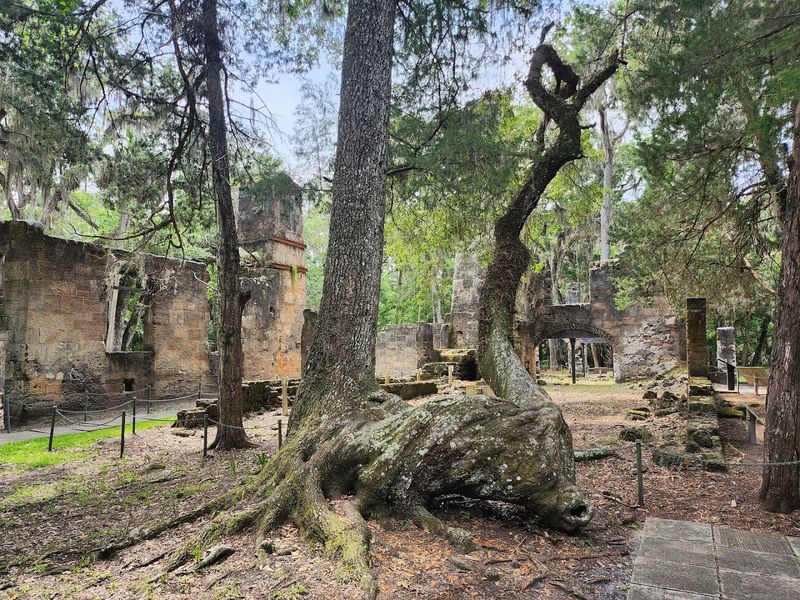
Venture deeper into Bulow Creek’s trail system and you’ll stumble upon remnants of Florida’s plantation past. The park contains ruins from the old Bulow sugar plantation, established in the early 1800s before being destroyed during the Second Seminole War. These crumbling structures peek through the forest growth, telling stories of a complicated history.
Not every hiker makes it to the ruins—they require a longer trek that some families skip in favor of shorter routes. But history buffs find the journey worthwhile, walking in the footsteps of people who lived and worked this land two centuries ago. The ruins blend into the landscape now, with trees growing through walls and nature slowly reclaiming what humans built.
What strikes visitors most is how the ancient forest has absorbed these human artifacts. The same oaks that witnessed the plantation’s rise and fall still stand sentinel, their roots probably older than the ruins themselves. It creates this layered sense of time where natural history and human history intertwine.
The park doesn’t heavily advertise the ruins, so they maintain an almost secret quality—you have to seek them out intentionally, which adds to the adventure of discovery.
7. Mystical Energy That Visitors Can’t Quite Explain
Something feels different here. Multiple visitors mention sensing unique energy in this old-growth forest, describing it as mystical or spiritual in ways that other parks don’t quite match. One reviewer specifically noted how Bulow Creek stands apart from typical state parks that have been heavily disturbed by human activity over the years.
Maybe it’s the age of the trees creating that atmosphere. When you’re surrounded by oaks that sprouted before the Revolutionary War, you’re walking through living history that’s witnessed centuries of change. The forest canopy filters sunlight into green-gold beams that shift throughout the day, creating theatrical lighting effects that photographers dream about.
Or perhaps it’s simply the quiet. Bulow Creek sits far enough from major highways that traffic noise fades to nothing once you’re on the trails. You’ll hear wind rustling through oak leaves, birds calling to each other, and your own footsteps on the path—that’s about it.
City dwellers especially notice this absence of human noise, describing it as grounding or centering. Whether you believe in forest energy or just appreciate really old trees, there’s no denying this place feels special in ways that transcend typical outdoor recreation.
8. Bug Spray and Smart Planning Make All the Difference
Let’s talk about the one thing that can make or break your Bulow Creek experience: bugs. Yellow flies and mosquitoes thrive in this humid, shaded environment, and they’re not shy about making their presence known. Nearly every review mentions bringing bug spray, with some calling it essential rather than optional.
Yellow flies prove particularly annoying during warmer months, delivering bites that itch like crazy. These persistent pests seem especially active in summer and early fall. Mosquitoes swarm near the creek and in shaded sections of trail where standing water collects.
Visitors who forgot bug spray report cutting their visits short, while prepared hikers barely notice the insects.
Beyond bug protection, smart planning includes bringing water since none is available on-site, packing snacks for energy on longer trails, and wearing good sneakers that can handle occasional mud. A small first aid kit makes sense given the remote nature of some trail sections. Early morning visits often mean fewer bugs and better wildlife viewing as animals are most active at dawn.
Some hikers also recommend bringing something to mark your path on less-maintained trail sections, though the main routes are clear enough that most people navigate without trouble.