Need A Break? These 12 Underrated Florida Parks Are The Perfect Escape
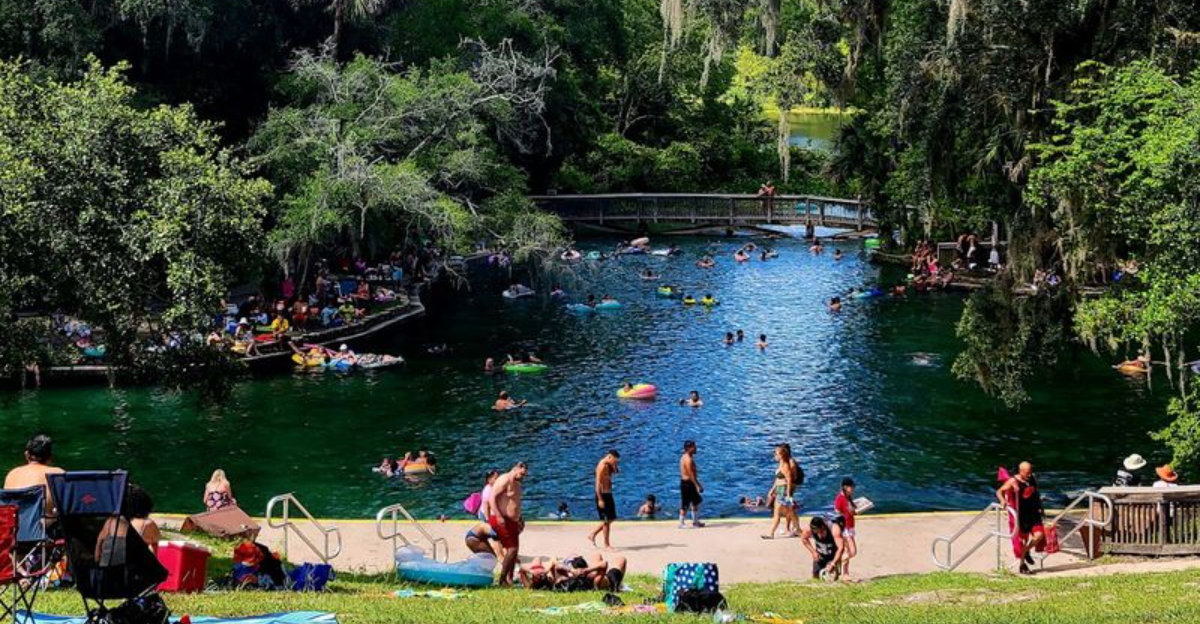
Florida’s most famous attractions might steal the spotlight, but the state’s lesser-known parks offer something even better – peaceful natural beauty without the crowds. These hidden gems provide everything from crystal-clear springs to wild beaches where you can actually hear the waves.
Whether you need a quiet hike through ancient forests or a secluded spot to watch the sunset, these underrated parks deliver the perfect escape from everyday stress.
1. Paynes Prairie Preserve State Park
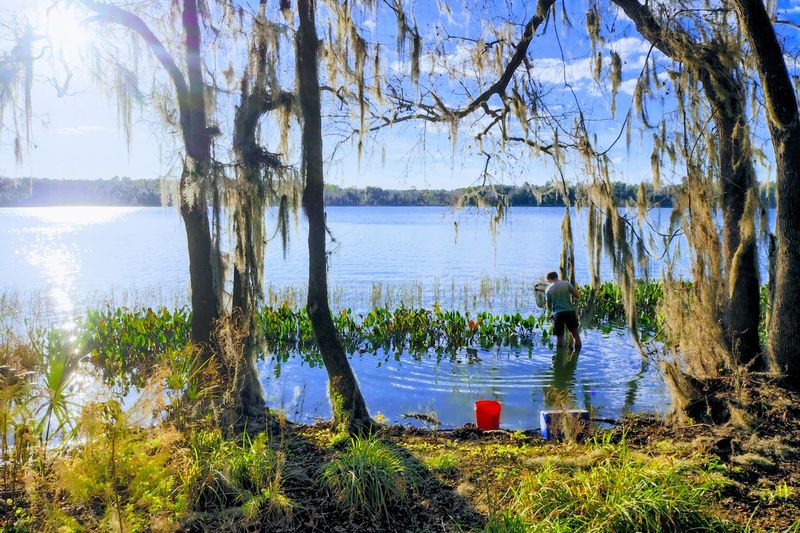
Standing on an observation tower watching wild bison roam across endless grasslands right here in Florida. Paynes Prairie Preserve State Park near Gainesville feels like stepping into an old western movie, except with alligators and tropical birds mixed in.
The park covers over 21,000 acres of preserved wilderness that Native Americans called home for thousands of years.
Eight different trails wind through the preserve, each showing off different ecosystems. The Bolen Bluff Trail takes you through hardwood forests before opening up to stunning prairie views where bison, wild horses, and even sandhill cranes hang out.
La Chua Trail is another favorite because it practically guarantees alligator sightings – sometimes dozens of them sunbathing along the water’s edge.
Bird watchers absolutely love this place since more than 270 species have been spotted here. From bald eagles soaring overhead to tiny painted buntings hiding in the bushes, you could spend hours just watching wildlife.
The visitor center offers a cool 50-foot observation tower where you can see for miles across the prairie.
What makes Paynes Prairie special is how different it feels from typical Florida parks. Instead of just beaches and palm trees, you get wide-open spaces that remind you of the Great Plains.
Early morning visits are magical when fog blankets the grasslands and wildlife becomes most active.
The park charges a small entrance fee, and camping facilities are available if you want to extend your escape. Bring binoculars, plenty of water, and prepare to see a side of Florida most tourists completely miss.
2. Honeymoon Island State Park
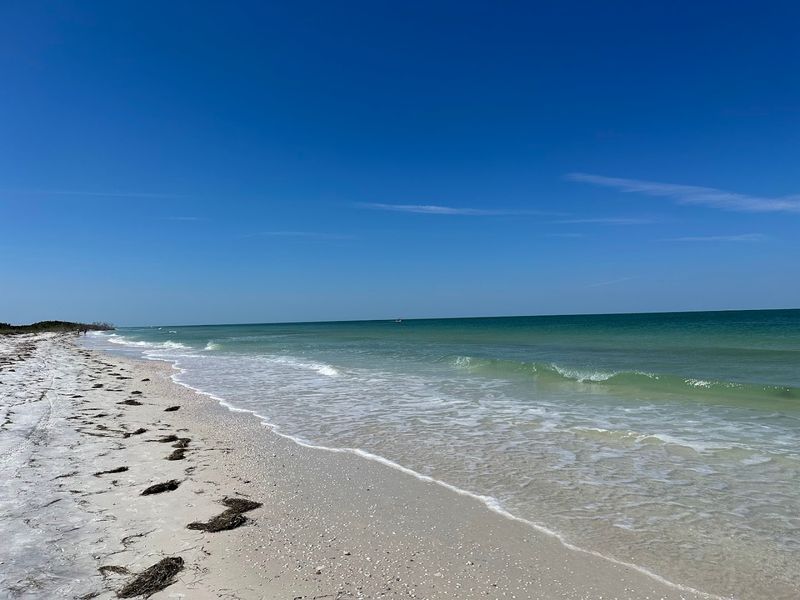
White sand beaches without the typical Florida beach crowds sound too good to be true, but Honeymoon Island delivers exactly that. Located near Dunedin on the Gulf Coast, this barrier island offers four miles of gorgeous shoreline where you can actually find a quiet spot to relax.
The name comes from the 1940s when newlyweds used to vacation in thatched-roof bungalows here.
The beach itself features powder-soft sand and calm, clear water perfect for swimming. Families love the shallow areas where kids can wade safely while parents relax nearby.
Shelling is absolutely fantastic here – you’ll find everything from sand dollars to colorful coquinas washing up with each wave.
Beyond the beach, the Osprey Trail takes you through a coastal hammock filled with slash pines and saw palmettos. Keep your eyes open for gopher tortoises crossing the path and ospreys nesting in tall trees.
The trail is easy enough for younger kids but still interesting for adults who want to see native Florida plants up close.
The park’s northern section connects to Caladesi Island State Park, often ranked among America’s best beaches. You can kayak or take a ferry over for even more secluded paradise.
Back on Honeymoon Island, the pet beach area lets dogs run leash-free in designated zones, making this a rare find for pet owners.
Arrive early on weekends since parking fills up by mid-morning during peak season. The nature center offers educational programs about coastal ecosystems, and the cafe provides snacks when you need a break from the sun.
This island paradise proves Florida still has peaceful beaches waiting to be discovered.
3. Ichetucknee Springs State Park
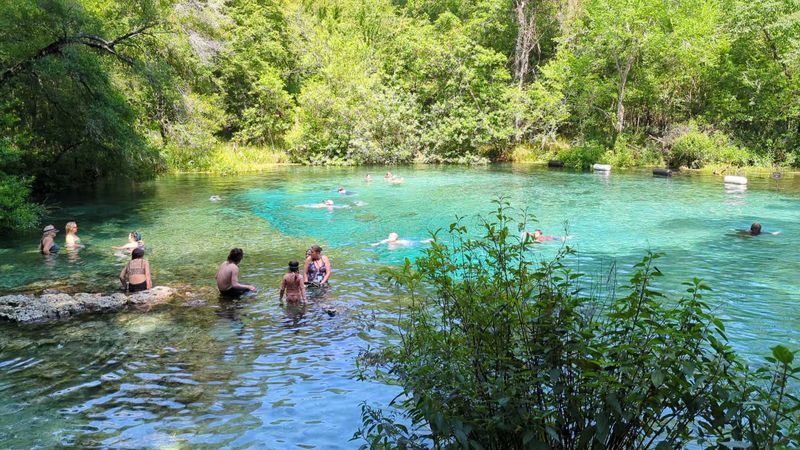
Crystal-clear spring water flows through Ichetucknee Springs at 233 million gallons daily, creating one of Florida’s most refreshing natural water parks. The springs maintain a constant 72-degree temperature year-round, which feels wonderfully cool during hot summer months.
Tubing down the lazy river here has become a beloved Florida tradition that somehow stays relatively unknown to out-of-state visitors.
The upper entrance lets you start a three-mile float that takes about two hours of drifting downstream. You’ll pass through tunnels of overhanging trees, over sandy bottoms clear enough to count fish, and past limestone outcroppings covered in ferns.
No motors are allowed, so the only sounds are birds singing and water gently flowing.
Eight named springs feed into the Ichetucknee River, each one offering slightly different experiences. Blue Hole Spring sits deep in the forest, accessible by a short boardwalk trail where you can watch turtles and fish swimming in impossibly clear water.
Mill Pond Spring features a rope swing that’s become Instagram-famous among locals.
Swimming and snorkeling are equally popular as tubing. Bring an underwater camera because the visibility often exceeds 100 feet – you’ll spot bass, bream, and even the occasional otter.
The springs support sensitive ecosystems, so the park limits daily visitors to protect water quality.
Plan your visit carefully because the park stops admitting guests once capacity is reached. Tube rentals are available at the park, though many people bring their own.
No coolers or disposable containers are allowed on the river to keep it pristine. Pack water shoes since the riverbed can be rocky in spots, and don’t forget sunscreen for exposed areas during your float.
4. Wekiwa Springs State Park
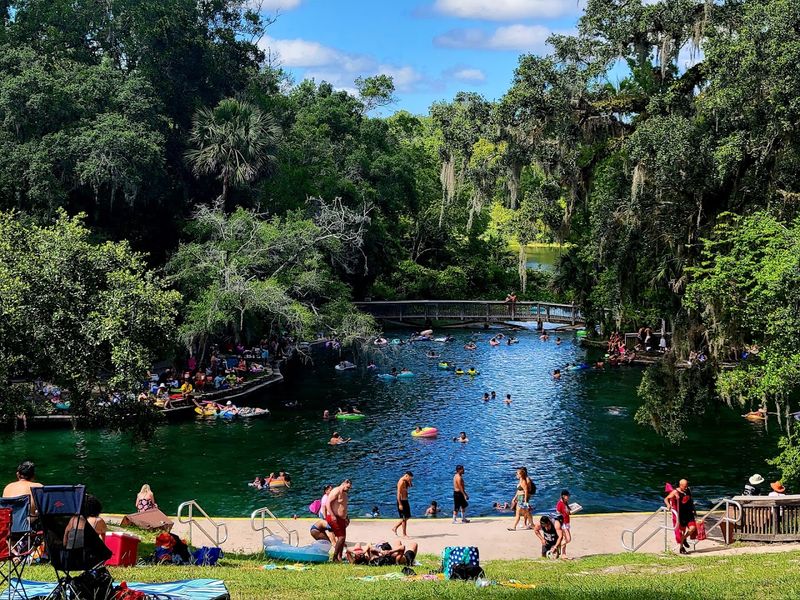
Just 20 minutes from downtown Orlando, Wekiwa Springs feels like it exists in a completely different world. Ancient cypress trees tower overhead while clear spring water bubbles up at 42 million gallons per day, creating a swimming hole that’s become a local favorite.
The spring maintains a refreshing 72-degree temperature that feels incredible after hiking the park’s sunny trails.
The main spring area gets busy on weekends, but the park’s 8,400 acres offer plenty of room to spread out. Thirteen miles of hiking trails wind through sand pine scrub, wetlands, and hardwood hammocks.
The Sand Lake Trail is moderately challenging and rewards hikers with views of a pristine lake that looks like it hasn’t changed in centuries.
Paddling opportunities here are outstanding. You can canoe or kayak down the Wekiva River, which flows north from the springs through wilderness areas.
Wildlife sightings are common – alligators sunbathe along the banks, otters play in the water, and various wading birds hunt for fish in the shallows. Rangers emphasize giving alligators plenty of space since this is their natural habitat.
The Rock Springs Run connected to this park system offers even more paddling adventures through some of Florida’s last remaining wild rivers. Multi-day camping trips are possible for experienced paddlers wanting to truly disconnect from civilization.
The park also offers horseback riding trails and a separate equestrian campground.
Camping facilities include both full-facility and primitive sites. The full-facility sites come with electricity and water, while primitive sites offer a true backcountry experience.
Spring and fall are ideal visiting times when temperatures are mild and bugs are minimal. Summer can be hot and buggy, though the cool spring water makes it tolerable.
5. Fakahatchee Strand Preserve State Park
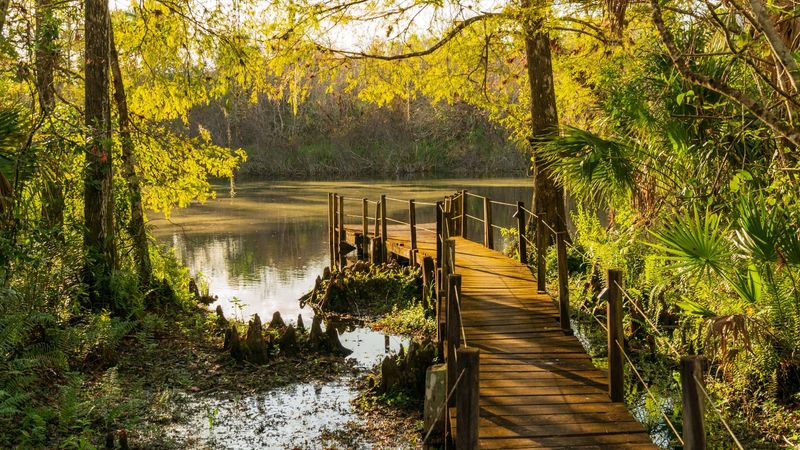
Deep in the heart of the Everglades ecosystem, Fakahatchee Strand harbors Florida’s wildest and most mysterious landscape. This 85,000-acre park protects the largest stand of native royal palms in North America and serves as home to incredibly rare ghost orchids.
Scientists and nature photographers consider this place sacred ground for biodiversity.
The Big Cypress Bend Boardwalk provides easy access into this swampy wonderland. The 2,000-foot boardwalk takes you over dark tannin-stained water where alligators lurk and wading birds hunt.
Cypress knees poke up through the water like wooden stalagmites, and air plants cling to every tree branch. Morning visits often mean encountering mist hanging in the trees like something from a fairy tale.
What really sets Fakahatchee apart is the orchid diversity – 44 native species grow here, more than anywhere else in North America. Ghost orchids bloom in summer, though finding them requires serious effort and sometimes wading through waist-deep water with a ranger.
The preserve’s slough systems create perfect conditions for these epiphytes to thrive.
Wildlife watching here can be spectacular. The endangered Florida panther occasionally leaves tracks along the trails.
Black bears, white-tailed deer, and hundreds of bird species call this preserve home. During winter dry season, fish concentrate in remaining pools, attracting wood storks and other wading birds in impressive numbers.
This park requires more adventurous spirit than typical Florida destinations. Trails often involve wet hiking through ankle to knee-deep water.
Bring waterproof boots or shoes you don’t mind getting soaked. Bug spray is absolutely essential during warm months.
Rangers lead wet walks and canoe trips that provide the best way to truly experience Fakahatchee’s wild nature.
6. Rainbow Springs State Park
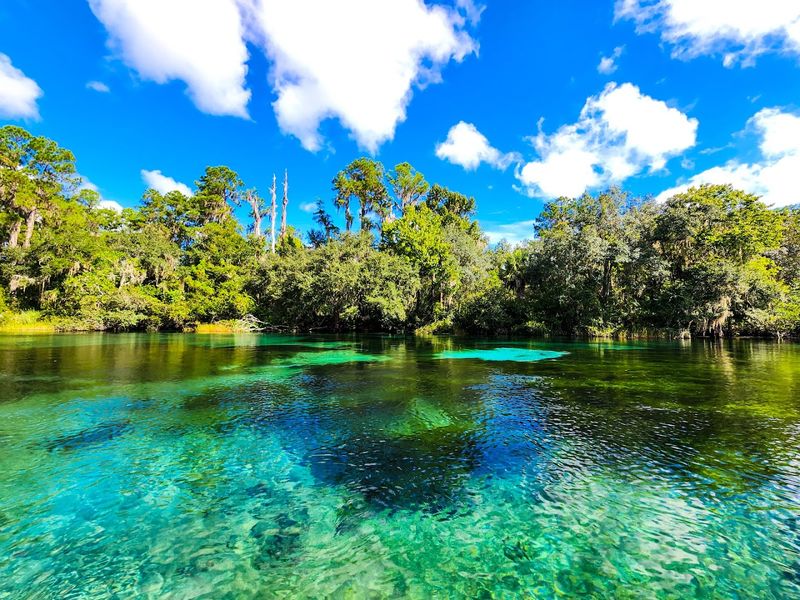
Fourth-largest spring in Florida pumps out 400 to 600 million gallons of water daily at Rainbow Springs, creating an aquatic playground that rivals any commercial water park. The main spring head forms a massive pool so clear you can see 100 feet down to the limestone bottom.
Underwater gardens of eelgrass sway in the current while fish dart between rays of sunlight penetrating the water.
The name comes from the rainbow of colors visible in the spring – sapphire blues, emerald greens, and crystalline clarity that seems almost artificial. Snorkeling here feels like swimming in an aquarium except everything is natural and wild.
Bring an underwater camera because the views beneath the surface rival anything above it.
Tubing down the Rainbow River offers a longer adventure than just swimming at the headspring. The four-mile float takes about two hours and passes through tunnels of overhanging trees.
Several smaller springs feed into the river along the way, each creating distinct temperature zones. The current moves slowly enough for relaxation but fast enough to keep things interesting.
The park’s upland area features different attractions entirely. Hiking trails wind through old-growth longleaf pine forests and along the river bluffs.
Historical ruins from the 1930s tourist attraction days still stand, including the old lodge and phosphate mining operations. These abandoned structures have become covered in vines and surrounded by native plants, creating an atmospheric glimpse into Florida’s tourism history.
Kayak and canoe rentals are available at the park, though many visitors bring their own. The watercraft launch area stays busy on nice days.
Pack a picnic because facilities inside the park are limited. The springs maintain their 72-degree temperature year-round, making winter visits surprisingly pleasant.
Summer weekends can get crowded, so arrive early or visit on weekdays for a more peaceful experience.
7. Anastasia State Park
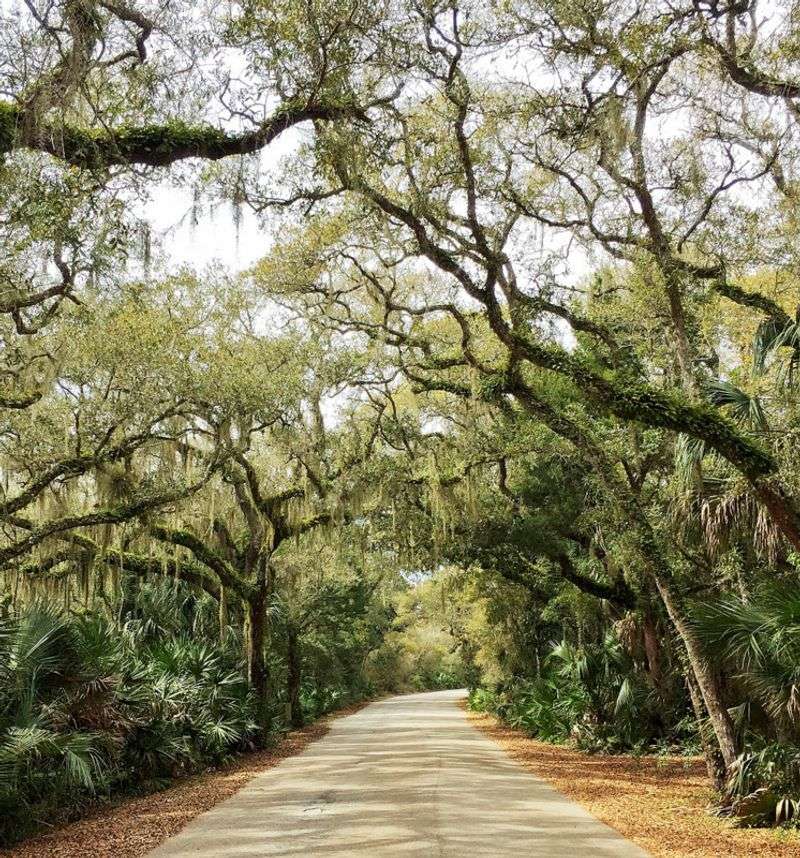
Ancient sand dunes towering 30 feet high define Anastasia State Park’s unique landscape just south of historic St. Augustine. These massive dunes, called coquina rock formations, were created over thousands of years from compressed seashells.
The beach here stretches for 1,600 feet of pristine Atlantic coastline where loggerhead sea turtles nest during summer months.
Four distinct natural communities exist within the park’s 1,600 acres. Maritime hammock trails take you through wind-twisted oaks draped in Spanish moss.
The Ancient Dunes Trail showcases plants that have adapted to surviving in harsh sandy soil with salt spray constantly blowing inland. Bird watchers report seeing over 200 species throughout the year, from painted buntings to roseate spoonbills.
Salt Run Lagoon on the park’s west side creates a protected waterway perfect for kayaking, windsurfing, and paddleboarding. The shallow water and steady breezes make this an ideal spot for beginners learning water sports.
Rentals are available at the concession area, and lessons can be arranged through local outfitters. The lagoon stays calmer than the ocean side, making it family-friendly for younger kids.
Camping here puts you within walking distance of both the beach and historical St. Augustine. The 139 campsites range from primitive tent spots to RV sites with full hookups.
Waking up to ocean waves and sea birds makes for an unforgettable Florida camping experience. The campground includes modern bathhouses and a camp store for supplies.
Beach activities include swimming, surfing, and fishing from shore. The park rents beach equipment during peak season.
Summer brings afternoon thunderstorms, so plan morning beach visits. Spring and fall offer ideal weather with fewer crowds and more wildlife activity.
Don’t forget to explore nearby St. Augustine for a combination of natural beauty and historical attractions all in one trip.
8. Fort Clinch State Park
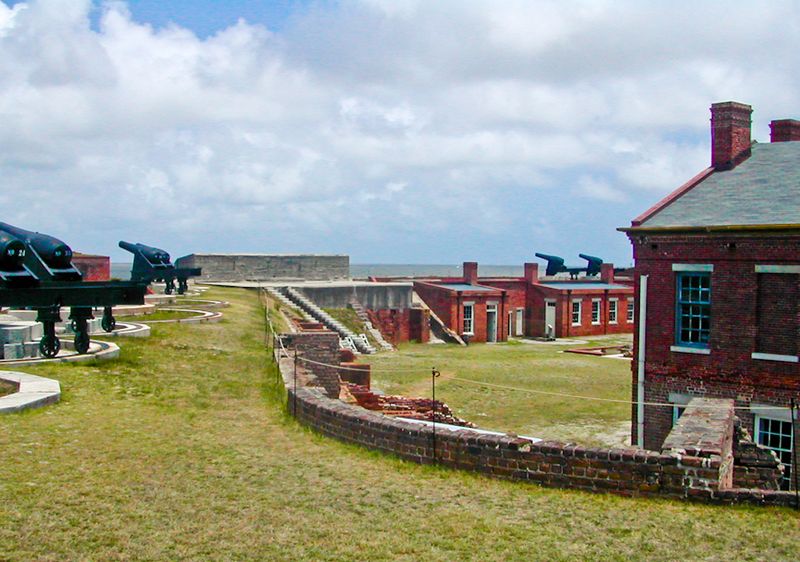
Where history meets nature, Fort Clinch State Park on Amelia Island offers both a well-preserved Civil War fort and over 1,400 acres of coastal wilderness. The five-sided brick fortress dominates the landscape, its cannons still pointing toward the Atlantic as if guarding against naval attacks.
Living history reenactments bring the 1860s to life with costumed interpreters demonstrating what garrison life was like.
Walking through the fort feels like time travel. Dark hallways connect rooms where soldiers once slept, cooked, and stood guard.
The fort never saw major combat, which is why it’s so well-preserved today. Kids love exploring the maze-like corridors and climbing to the upper levels for panoramic ocean views.
Monthly candlelight tours during full moons create an atmospheric after-dark experience.
Beyond the historical attraction, the park protects valuable coastal ecosystems. Six miles of trails wind through maritime forests where gnarled live oaks create shady canopies.
The Willow Pond Nature Trail circles a freshwater marsh where alligators often sun themselves on the banks. Deer frequently cross the paths, and armadillos rustle through the underbrush.
The beach area stretches along Cumberland Sound rather than the open Atlantic, creating calmer water conditions. Fishing from shore or the park’s pier produces catches of redfish, flounder, and sea trout.
The pier extends far enough out to reach deeper water where bigger fish cruise. Low tide reveals tidal pools worth exploring for small crabs and other marine creatures.
Camping facilities include wooded sites that feel secluded despite being close to amenities. Some sites sit so close to the beach you can fall asleep hearing waves.
The park operates a full-service campground with bathhouses and a camp store. Reserve sites early because this popular destination fills up quickly, especially during spring and fall when temperatures are perfect.
9. Dr. Julian G. Bruce St. George Island State Park
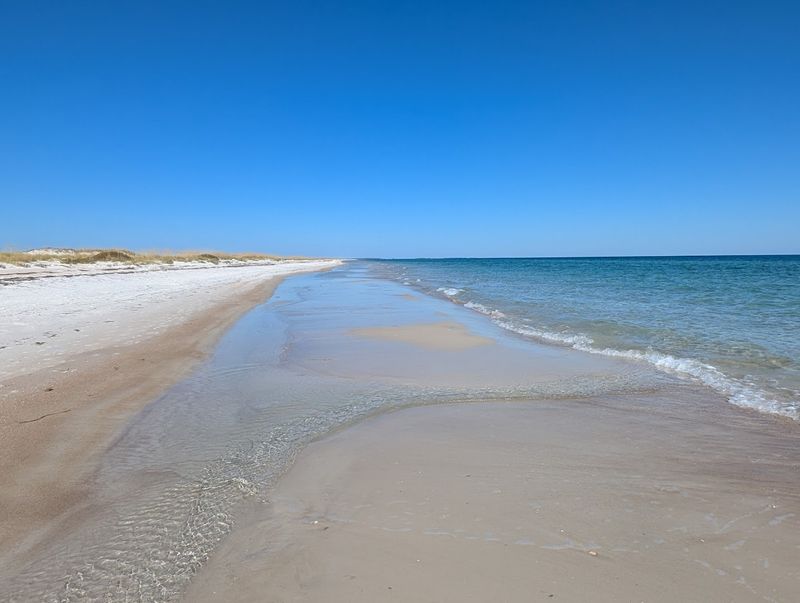
Nine miles of undeveloped beach make St. George Island State Park feel like your own private paradise. Located on a barrier island in Florida’s Panhandle, this park showcases what Gulf Coast beaches looked like before development took over.
Sugar-white sand squeaks beneath your feet, and the emerald water stays shallow for hundreds of feet offshore, creating ideal swimming conditions.
The island’s narrow width means you can walk from the Gulf side to the bay side in minutes. St. George Sound on the bay side offers calmer water perfect for paddling and fishing.
Kayakers explore the salt marshes where dolphins frequently surface nearby and herons wade through shallow water hunting for fish. The bay sunsets create stunning color shows that photographers dream about.
Primitive camping takes you even deeper into island wilderness. The Gap Point area at the island’s eastern end features backcountry campsites accessible by hiking several miles down the beach.
Carrying your gear in takes effort, but the reward is camping right on the beach with almost no one else around. Watching sunrise over the Gulf from your tent makes the hike completely worthwhile.
Shelling here can be phenomenal, especially after storms stir up the sea floor. Sand dollars, lightning whelks, and colorful scallop shells wash ashore regularly.
The park asks visitors to collect only unoccupied shells to protect living creatures. Beach combing in early morning often yields the best finds before other visitors arrive.
Sea turtle nesting season from May through October makes the beach off-limits after dark to protect nests. Rangers mark nest locations with stakes and caution tape.
Watching hatchlings emerge and crawl to the sea is possible if you join ranger-led programs. The park maintains several miles of hiking trails through coastal scrub habitat where gopher tortoises and beach mice live.
10. Little Talbot Island State Park
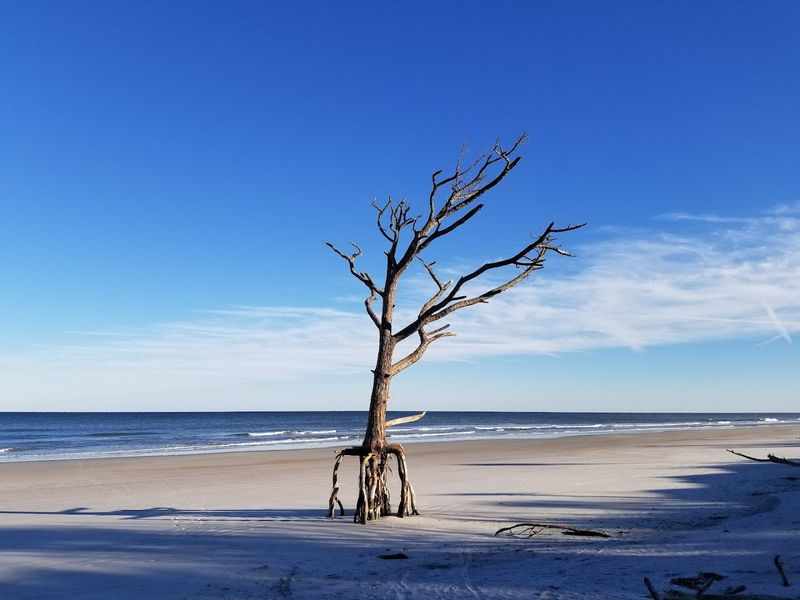
Massive pieces of driftwood scattered across the beach create an otherworldly landscape at Little Talbot Island State Park. Atlantic storms have deposited entire tree trunks on the sand, some as large as cars, bleached white by sun and salt.
These natural sculptures make this one of Florida’s most photogenic and unusual beaches, attracting photographers and artists from across the state.
Five miles of shoreline remain completely undeveloped, showing what Florida’s coast looked like before humans arrived. The beach constantly changes as tides and storms reshape the sand and move the driftwood around.
Walking the beach feels like exploring a giant natural art installation. Sunrise photography here produces magical images with silhouetted driftwood against colorful skies.
The park’s interior features maritime forests and salt marshes worth exploring beyond the beach. The four-mile paved road through the park works great for biking, and hiking trails branch off into the woods.
The salt marshes teem with wildlife – fiddler crabs scurry across the mud, ospreys dive for fish, and dolphins patrol the waterways looking for mullet.
Kayaking through the salt marsh creeks provides intimate views of coastal ecosystems. Launch from the boat ramp and paddle through winding channels bordered by spartina grass.
Low tide exposes oyster bars where wading birds congregate for easy meals. High tide allows access to smaller creeks where you might spot otters playing or alligators sunbathing.
Fishing from shore or the small pier produces catches of redfish, flounder, and trout. Surf fishing along the beach can yield pompano and whiting.
The park prohibits vehicles on the beach, keeping it pristine and peaceful. Camping facilities include both tent and RV sites tucked into the maritime forest.
The campground stays shaded and cool even during summer heat, with bathhouses and a dump station available.
11. Torreya State Park
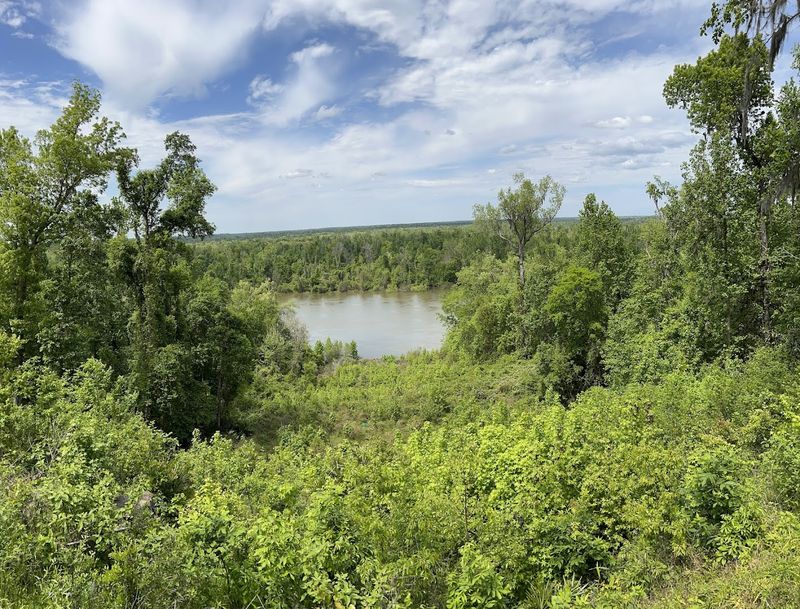
Forget everything you think you know about flat Florida – Torreya State Park features hills, bluffs, and ravines that drop 150 feet to the Apalachicola River below. Located in the Panhandle’s forgotten Liberty County, this park protects one of Florida’s rarest trees and most unusual landscapes.
The torreya tree, which gives the park its name, grows almost nowhere else on Earth.
Hiking here challenges you in ways most Florida trails don’t. The Torreya Challenge Trail climbs up and down steep ravines through ravine forests that feel more like Appalachia than Florida.
Towering beech, magnolia, and holly trees create dense canopy overhead. The trail is rated difficult and earns that designation – bring water and take your time navigating the elevation changes.
The Gregory House sits atop the highest bluff in the park, a restored antebellum plantation home dating to the 1840s. Rangers offer tours of the house, which was moved to this location to save it from erosion.
Standing on the porch provides breathtaking views across the Apalachicola River valley. Interpretive displays explain how wealthy planters lived in this remote area before the Civil War.
Rock Bluff Landing down by the river offers a completely different experience from the uplands. The boat launch provides access to the Apalachicola River, a designated paddling trail.
Limestone outcrops along the riverbank create natural shelves perfect for picnicking or fishing. The river supports huge populations of fish, making this a favorite spot for bass and bream anglers.
Primitive camping puts you deep in the woods away from civilization. The campground sits on the bluff tops with sites spread out for privacy.
No electricity or water hookups exist, creating a true backcountry experience despite being reachable by car. Fall visits showcase amazing leaf colors as hardwood trees transform.
Spring wildflowers carpet the forest floor in unexpected beauty for Florida.
12. Devil’s Den Prehistoric Spring and Campground
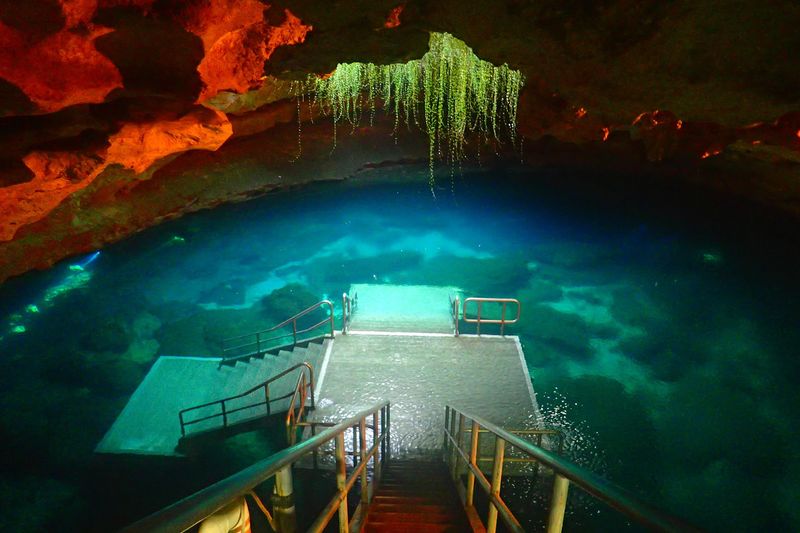
A collapsed karst cave filled with crystal-clear spring water creates Devil’s Den, one of Florida’s most unique swimming holes. Light streams through an opening in the cavern ceiling, illuminating the turquoise water 54 feet below ground level.
Wooden stairs descend into the earth, taking you into a prehistoric world where ancient animals once fell through the opening and left fossils behind.
The water maintains a constant 72 degrees year-round, making this a popular winter destination when outdoor pools feel too cold. Snorkeling and scuba diving are the main activities, with visibility often exceeding 100 feet in the gin-clear water.
Fossils embedded in the limestone walls serve as reminders that mastodons and saber-toothed cats roamed Florida during the Ice Age.
Divers love Devil’s Den because the cavern is fully enclosed with no overhead restrictions, making it safer than cave diving. Sunlight penetrating the chamber creates dramatic light beams that photographers capture in stunning images.
Snorkelers stay near the surface while divers descend to the 54-foot bottom where a false floor covers even deeper passages that remain closed to the public.
The temperature inside the cavern stays cooler than outside air during summer, creating a refreshing microclimate. Ancient rock formations and stalactites hang from the ceiling above the water.
Small fish swim through the chamber, and if you stay still, they’ll approach curiously. The acoustic properties inside the cave amplify every sound, from dripping water to voices echoing off the limestone.
This privately-owned attraction charges admission but provides changing facilities, bathrooms, and camping areas. Snorkel gear rentals are available if you don’t have your own equipment.
Scuba divers must show certification cards before entering the water. The cavern has limited capacity, so reservations during peak season are highly recommended.
Weekday visits tend to be less crowded than weekends, giving you more time to explore without bumping into other swimmers.