14 Peaceful Florida Creekside Parks Perfect For A Relaxing June Escape
Florida offers some of the most serene natural escapes where creeks wind through shaded forests and wildlife thrives along peaceful banks. June brings warm sunshine and longer days, making it the ideal time to explore these hidden waterside gems.
Whether you want to kayak through calm waters, hike shaded trails, or simply relax by a babbling creek, these parks deliver the perfect blend of tranquility and natural beauty. Pack your picnic basket and discover your new favorite spot to unwind.
1. Hillsborough River State Park
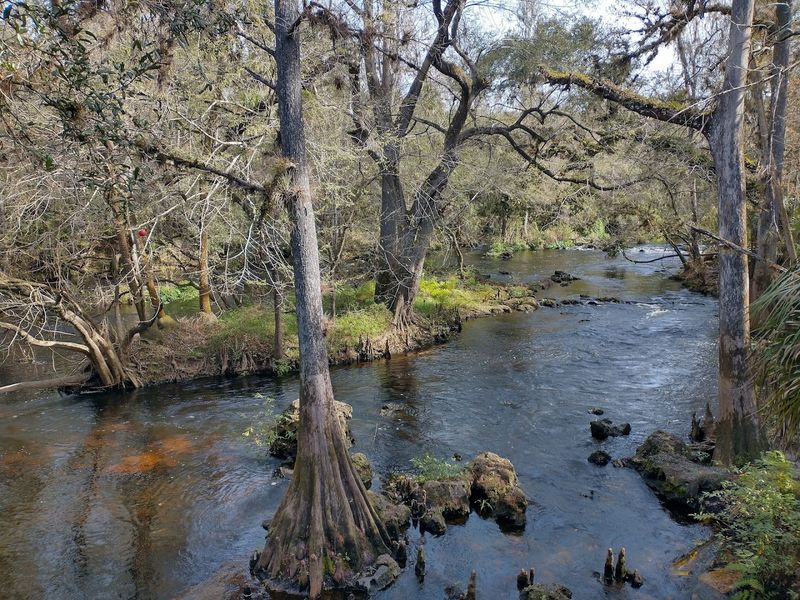
Hillsborough River State Park sits just north of Tampa and offers seven miles of trails that weave through hardwood forests alongside bubbling rapids. The park’s most famous feature is its Class II rapids, rare in Florida’s typically flat landscape.
June visitors enjoy comfortable temperatures under the shade of ancient oaks draped with Spanish moss. The park maintains swimming areas where families can cool off after hiking, and the rapids create natural white noise that drowns out city stress.
Canoe rentals let you paddle upstream into quieter sections where turtles sun themselves on fallen logs.
Early morning brings the best wildlife viewing opportunities. Deer often graze near the riverbanks while wading birds search for breakfast in shallow pools.
The park’s campsites sit close enough to hear the water but far enough to feel secluded.
Pack insect repellent and water shoes for maximum comfort. The boardwalks stay dry, but exploring off-trail rewards adventurous visitors with hidden creek views and photo opportunities you won’t find in guidebooks.
2. Rainbow Springs State Park
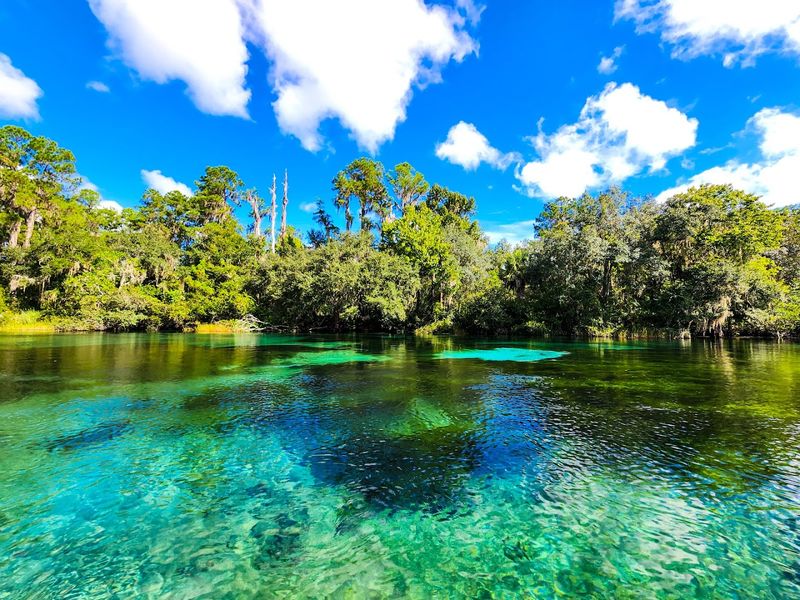
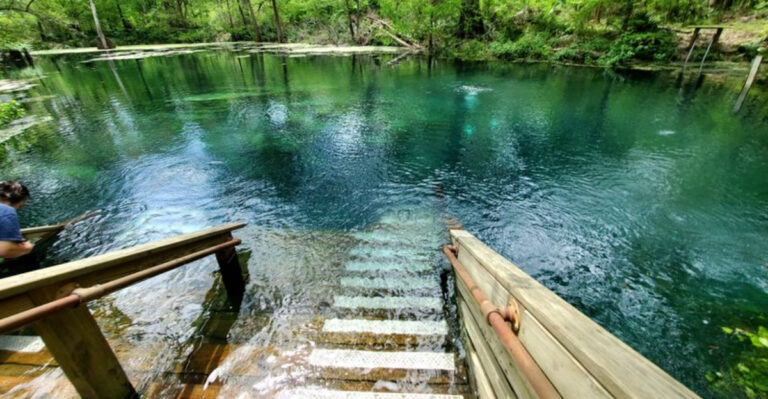
Rainbow Springs pumps out 400 million gallons of water daily, creating one of Florida’s most stunning natural attractions. The spring forms the headwaters of the Rainbow River, where water stays a constant 72 degrees year-round.
This temperature feels refreshing during hot June afternoons without the shock of colder springs.
Underwater gardens bloom with aquatic plants that sway in gentle currents while fish dart between vegetation. Glass-bottom kayak tours reveal this underwater world without getting wet, though most visitors eventually jump in anyway.
The clarity reaches up to 200 feet on calm days, making every stone and shell visible on the bottom.
Three miles of paved trails connect different viewing areas and picnic spots along the creek’s banks. Massive oaks provide natural canopies where you can spread a blanket and watch tubers float past.
The park manages visitor numbers to prevent overcrowding, maintaining its peaceful atmosphere even during peak season.
Arrive early on weekends to secure parking and prime swimming spots. Tube rentals from nearby outfitters let you float the entire river length, which takes about three hours at a leisurely pace.
3. Ichetucknee Springs State Park
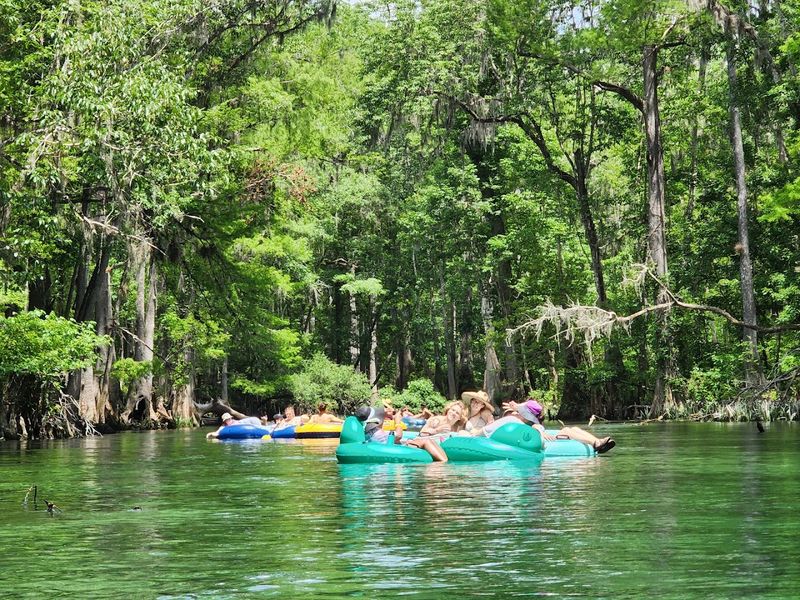
Six miles of spring-fed waterway wind through untouched forest at Ichetucknee Springs State Park. Eight major springs feed the river, maintaining temperatures that feel perfect for June swimming.
Local families have been tubing here for generations, creating a tradition that continues every summer.
The north entrance offers shorter float trips perfect for beginners or families with young children. These routes take about an hour and pass through shaded sections where cypress trees lean over the water.
The south entrance provides longer adventures that last three to four hours, giving you more time to spot wildlife.
Otters play along the banks while herons stand motionless in shallow areas waiting for fish. The springs themselves bubble up from limestone caves, creating boils on the surface that fascinate kids and adults alike.
Some areas stay shallow enough for wading while deeper pools invite diving and swimming.
The park enforces strict rules about disposable items to protect water quality. Bring reusable containers and leave valuables in your car since you’ll be floating downstream.
Coolers with attached lids are allowed but must stay sealed during the float.
4. Fakahatchee Strand Preserve State Park
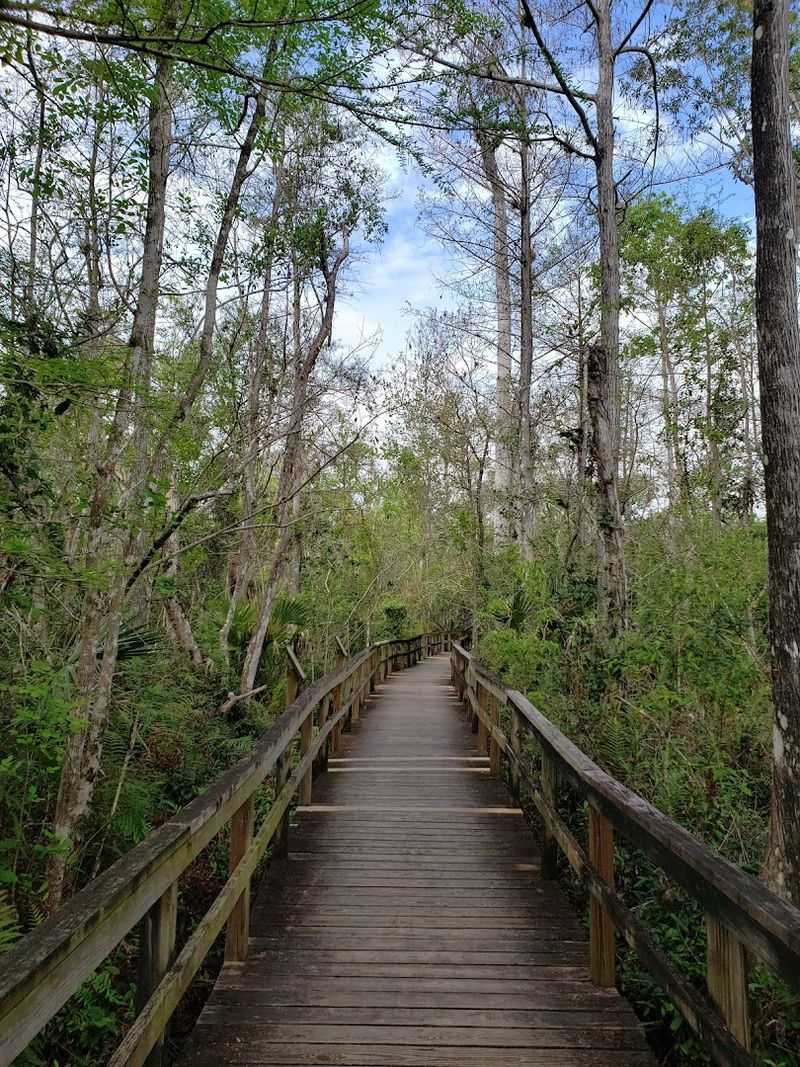
Deep in Southwest Florida lies a slice of true wilderness where creeks meander through the largest cypress strand in the world. Fakahatchee Strand feels like stepping back in time to prehistoric Florida.
Royal palms tower overhead while rare ghost orchids hide in tree canopies, making this park a botanist’s dream destination.
The Big Cypress Bend Boardwalk extends over a creek lined with massive cypress trees, some over 500 years old. June brings higher water levels that reflect the surrounding forest like a mirror.
Alligators rest on muddy banks while water snakes swim between cypress knees searching for frogs.
This park rewards patient observers who move quietly and watch carefully. Panthers occasionally leave tracks along muddy trails, though sightings remain rare.
More commonly, visitors spot deer, wild turkeys, and countless bird species that nest in the preserve’s remote sections.
Bring binoculars and a camera with a good zoom lens. The boardwalk stays dry and accessible, but venturing onto trails requires waterproof boots during June’s rainy season.
Consider guided swamp walks offered by rangers who know where wildlife congregates and can identify rare plants.
5. Wekiwa Springs State Park
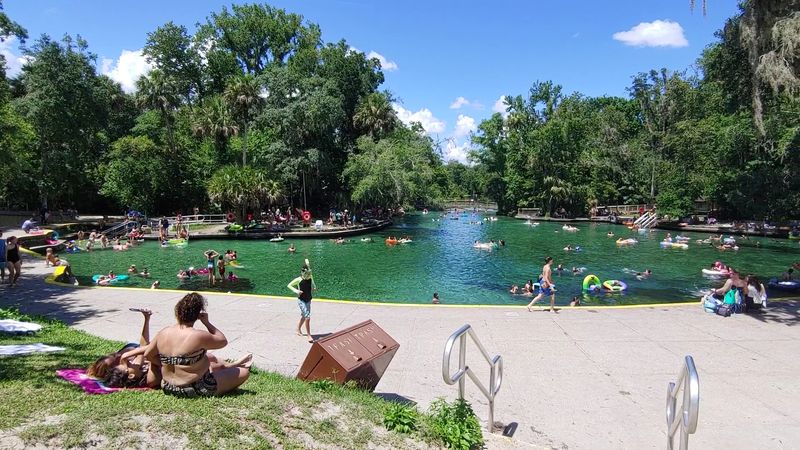
Just minutes from Orlando’s busy theme parks, Wekiwa Springs offers a completely different experience. Wekiva River flows from natural springs that produce 42 million gallons daily, creating a waterway perfect for June paddling adventures.
The Seminole name “Wekiwa” means flowing water, and the creek certainly lives up to its name.
Thirteen miles of trails crisscross the park, connecting different creek access points and scenic overlooks. The spring run stays shallow enough for children to explore safely while deeper pools attract snorkelers hoping to see bass and bream.
Sand Creek connects to Rock Springs Run, extending paddling options for experienced kayakers.
Black bears live in the surrounding forest, though they typically avoid developed areas. Morning hikers often encounter deer browsing near trail edges while colorful songbirds flit through palmetto understory.
The park’s diverse habitats support over 60 animal species and numerous plant communities.
Canoe and kayak rentals operate daily during summer months. Reserve equipment ahead for weekend visits when locals flock here to escape heat.
The concession stand sells basic supplies, but pack your own lunch for waterside picnicking. Swimming areas near the spring head stay consistently busy, so explore upstream for quieter spots.
6. Torreya State Park
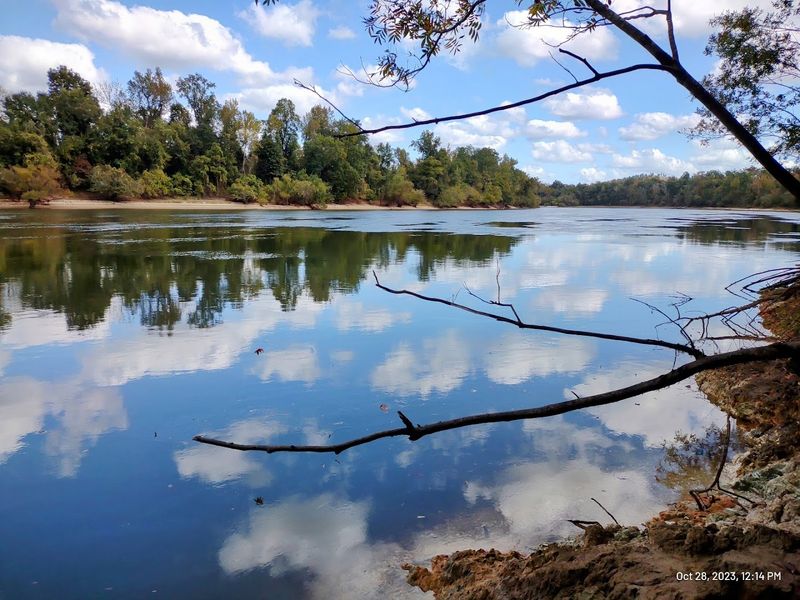
Perched on bluffs 150 feet above the Apalachicola River, Torreya State Park showcases Florida’s unexpected topography. Ravines carved by ancient creeks create a landscape more reminiscent of Appalachian foothills than typical Florida terrain.
The endangered Torreya tree grows nowhere else on Earth, making this park scientifically significant and visually stunning.
Webbville Landing provides creek access where paddlers can explore quiet tributaries feeding into the main river. Rock Creek Trail descends through ravines where ferns blanket the forest floor and seepage streams create miniature waterfalls after June thunderstorms.
The elevation changes challenge hikers while providing spectacular views from ridge tops.
A historic home relocated from its original riverside location sits on the property, offering glimpses into 19th-century Florida life. Guided tours run on weekends, but the real attraction remains the untouched forest and geological features.
Confederate soldiers built earthwork fortifications here during the Civil War, and remnants still visible today.
Bring sturdy hiking boots since trails involve steep sections and can stay muddy after rain. The park remains relatively unknown, meaning you might have entire trails to yourself even during peak season.
Primitive camping areas near creek valleys let overnight visitors fall asleep to flowing water sounds.
7. Blackwater River State Park
The Blackwater River earns its name from tannins leached from cypress and oak leaves, creating water that looks like dark tea but stays incredibly clean. White sand beaches line the creek banks, creating striking contrast against the dark water.
This combination makes for stunning photographs and comfortable wading areas where sand stays cool underfoot.
Longest undammed river in Florida, the Blackwater flows freely through longleaf pine forests that once covered millions of southern acres. June water levels suit both novice and experienced paddlers, with gentle currents that let you focus on scenery rather than navigation.
The state park section offers excellent swimming holes where families can spend entire afternoons.
Chain Pickerel hide among underwater vegetation while turtles bask on partially submerged logs. Otters play in early mornings before heat drives them to shaded dens.
The riverbanks support wildflowers that bloom throughout June, attracting butterflies and bees that add color to the landscape.
Several canoe outfitters operate nearby, offering shuttle services for different length trips. The most popular route runs four hours and passes through pristine wilderness.
Camping facilities include sites directly on the river where evening campfires reflect off dark water creating magical atmospheres.
8. Withlacoochee State Forest
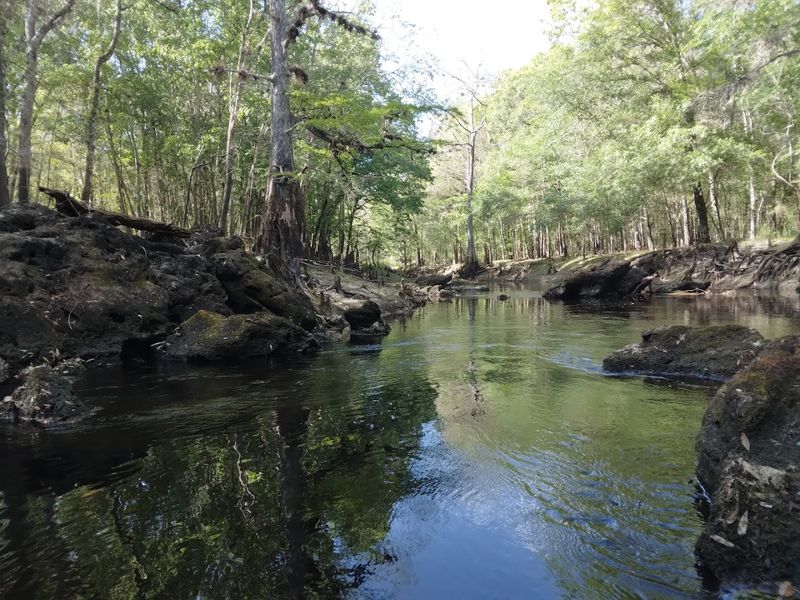
Stretching across four counties, Withlacoochee State Forest encompasses 160,000 acres of varied terrain where numerous creeks drain into the Withlacoochee River. Multiple recreation areas provide different creek experiences, from swift-flowing sections perfect for kayaking to tranquil pools ideal for fishing.
The forest’s size ensures you can always find solitude, even on busy weekends.
The Croom tract features the popular Croom Trail that follows creek valleys through hardwood forests and pine plantations. Mountain bikers love this section, but hikers find plenty of quieter paths branching toward hidden creek access points.
Jumper Creek Trail leads to swimming holes known mainly to locals who return year after year.
Wildlife thrives throughout the forest with deer, wild hogs, and occasional bear sightings reported regularly. Birdwatchers can spot over 200 species, including rare red-cockaded woodpeckers that nest in old-growth pines.
Creek crossings require careful navigation during high water but reward adventurers with pristine fishing spots rarely visited by casual tourists.
Dispersed camping is allowed in designated areas, letting you pitch tents within earshot of babbling creeks. Bring detailed maps since cell service remains spotty throughout much of the forest.
June temperatures stay moderate under tree canopies where afternoon shade provides natural cooling.
9. Paynes Creek Historic State Park
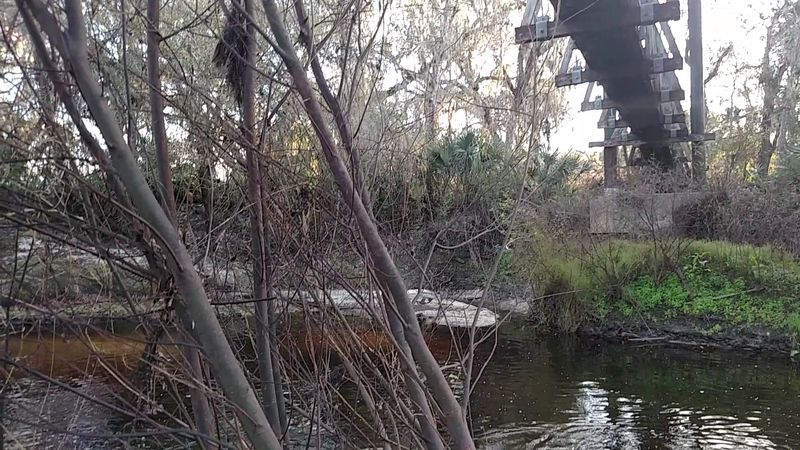
History and nature intertwine at Paynes Creek where a reconstructed fort commemorates the Second Seminole War. Peace River tributaries flow through the park, creating calm waterways perfect for contemplative paddling.
The creek’s gentle current makes it accessible for beginners while still offering scenic beauty that captivates experienced paddlers.
Interpretive trails explain the area’s complex history while winding through habitats that haven’t changed much in 180 years. Creek banks support massive oaks that likely witnessed historical events, their spreading branches now providing picnic shade.
A fishing pier extends over the creek where bass and catfish congregate in deeper pools.
June brings nesting season for many bird species that raise young along protected creek corridors. Patient observers might spot wood storks, little blue herons, or anhinga drying their wings on snags.
The park’s relatively small size makes it easy to explore thoroughly in a single visit without feeling rushed.
Kayak and canoe launches provide easy water access without requiring portages or difficult entries. The park stays quieter than more famous Florida destinations, appealing to visitors who prefer fewer crowds.
Primitive camping areas accommodate those wanting to extend their stay and experience the park after day visitors depart. Evening wildlife activity increases dramatically as temperatures cool.
10. Little Manatee River State Park
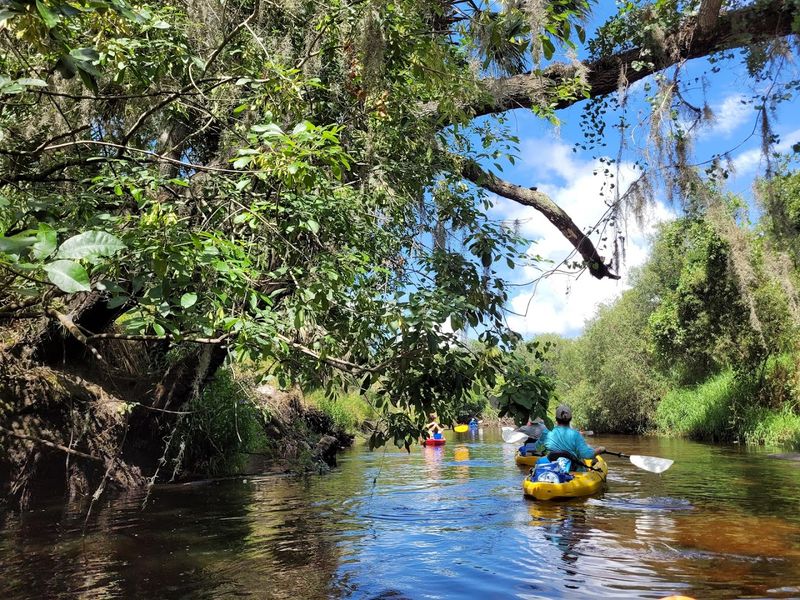
Tampa Bay area residents treasure Little Manatee River State Park as their local escape from urban sprawl. Six and a half miles of river flow through the park where freshwater creeks merge with tidal influences, creating unique brackish environments.
This mixing of waters supports diverse wildlife populations rarely seen in single-habitat parks.
Horseback riding trails parallel creek banks, offering unique perspectives as you move through changing ecosystems. Hikers and equestrians share some paths while other trails remain foot-traffic only.
Boardwalks cross wetland areas where water levels fluctuate with tides, creating pools that trap fish and attract wading birds during low water.
Manatees occasionally swim upstream during winter months, though June visitors more commonly spot dolphins exploring tidal creeks. Roseate spoonbills wade in shallow areas, their pink plumage providing dramatic color against green vegetation.
The park’s wilderness area prohibits development, preserving natural conditions that benefit sensitive species.
Equestrians must bring their own horses since no rentals operate onsite. Several liveries near the park offer trail rides for visitors without mounts.
Kayak launches accommodate both short paddles and longer expeditions down to Tampa Bay. Camping facilities include both developed sites with amenities and primitive spots along remote creek sections where generators aren’t permitted.
11. Suwannee River State Park
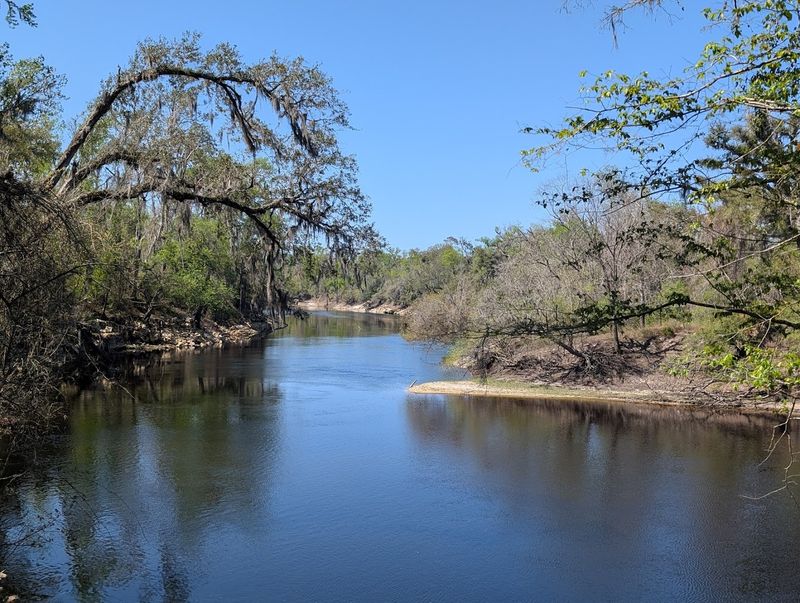
Where the Withlacoochee River joins the mighty Suwannee, two waterways merge in a spectacular display of natural engineering. Suwannee River State Park preserves this confluence where creek channels divide around wooded islands creating maze-like paddling routes.
Limestone outcrops line banks, remnants of ancient sea floors now exposed by flowing water.
Stephen Foster’s famous song immortalized the Suwannee, though he never actually visited. Modern visitors discover why the river inspired such romanticism as they explore shaded waterways where time seems suspended.
Five hiking trails total over six miles, connecting different creek access points and scenic overlooks perched above the flowing water.
Earthwork fortifications from the Civil War period still mark strategic positions overlooking the river. Interpretive signs explain how soldiers used the waterway for transportation and communication.
Today’s peaceful atmosphere contrasts sharply with the park’s turbulent history, creating reflective spaces perfect for contemplation.
Canoe and kayak launches serve paddlers planning short explorations or multi-day trips down to the Gulf of Mexico. June’s longer daylight hours permit extended paddles without rushing.
Full-facility campsites include bathhouses and electric hookups while cabin rentals provide more comfortable accommodations. The park’s location in North Florida means slightly cooler temperatures than southern regions, making June visits particularly pleasant.
12. Juniper Springs Recreation Area
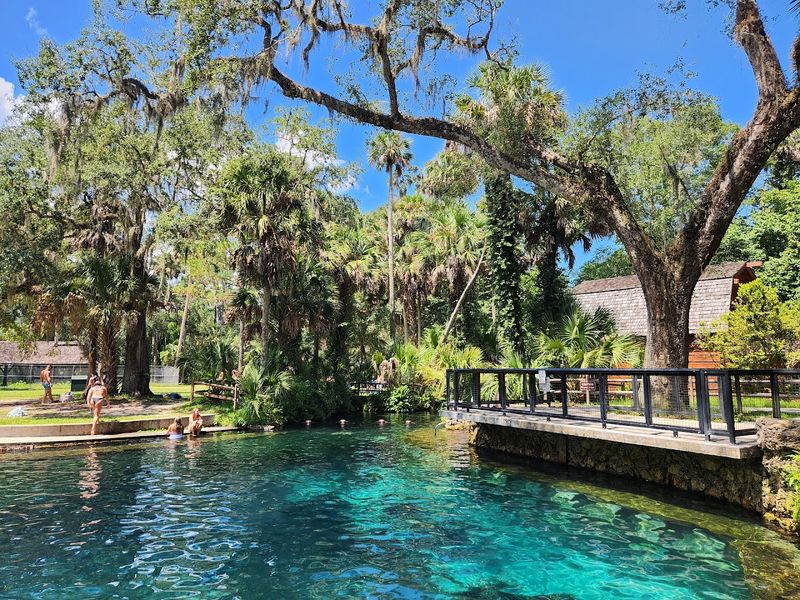
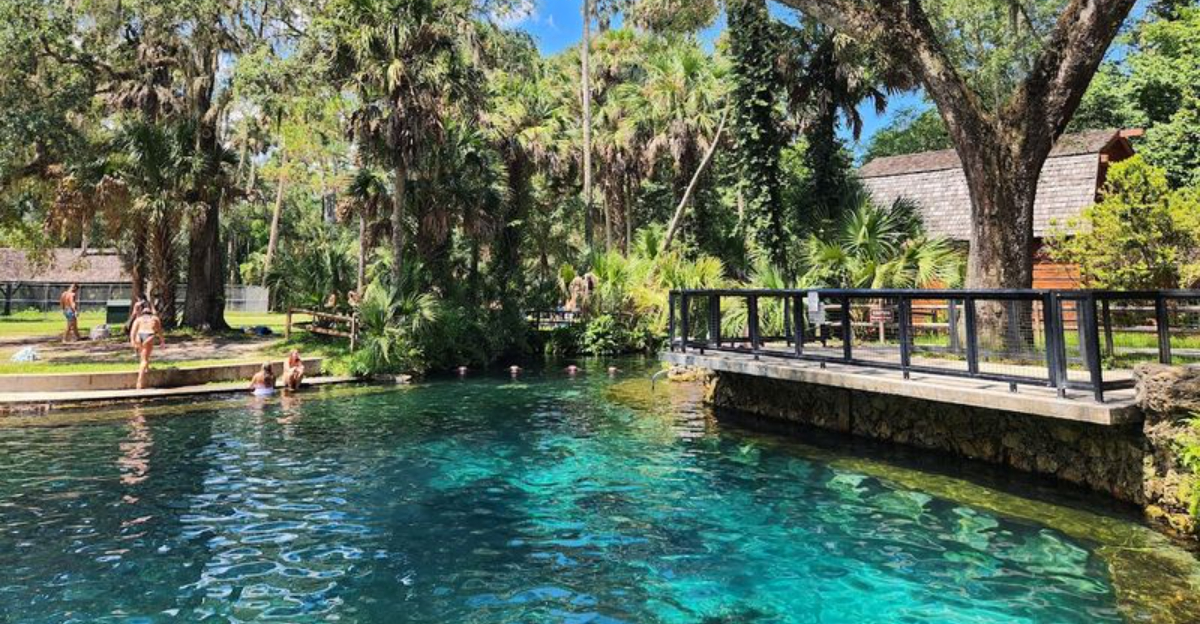
Ocala National Forest cradles Juniper Springs, where water bubbles up at 13 million gallons daily creating a creek famous for its extraordinary clarity. The spring run extends seven miles through hammock forests before joining larger waterways.
This length provides varied paddling experiences from easy floats near the spring to more challenging sections downstream where fallen trees create natural obstacles.
A stone mill built by Depression-era workers still stands near the spring head, its weathered walls telling stories of Florida’s past. Swimming areas near the mill stay busy during June weekends, but walking short distances upstream reveals quieter pools.
Snorkeling equipment lets you observe fish and turtles going about their daily routines in remarkably clear water.
The paddle trip through Juniper Creek challenges beginners with its narrow channels and overhanging vegetation. Outfitters provide shuttle services and rental equipment, plus valuable advice about current conditions.
During high water, the trip takes three hours while lower levels might require occasional portages around obstacles.
Arrive early for parking since the recreation area reaches capacity quickly on nice days. The springs maintain constant 72-degree temperatures that feel invigorating without being uncomfortably cold.
Pack waterproof bags for valuables since canoe tips occasionally happen in tighter sections where maneuvering requires attention.
13. De Leon Springs State Park
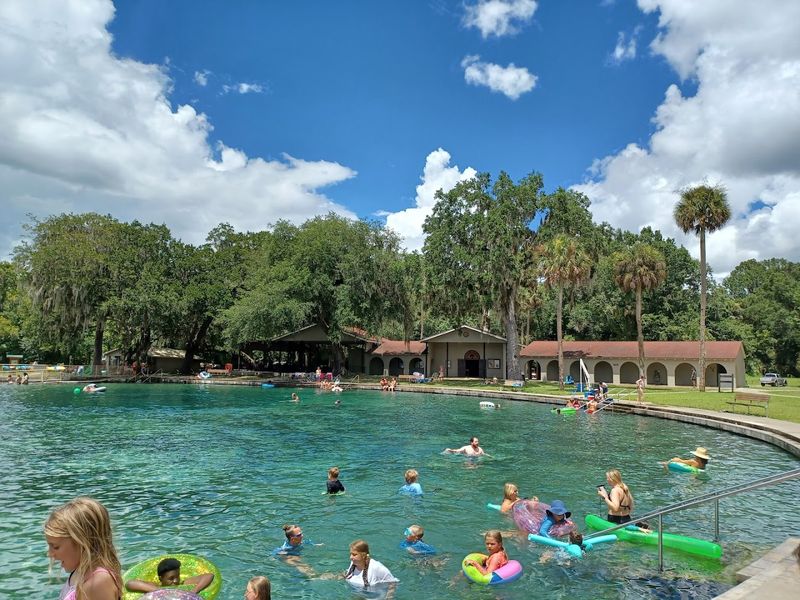
Legend claims Ponce de Leon sought his fountain of youth here, though historians dispute this romantic tale. Regardless of its mythical status, De Leon Springs certainly rejuvenates visitors who swim in its 68-degree waters.
The spring produces 19 million gallons daily, forming Spring Garden Creek that flows through hardwood forests toward the St. Johns River.
An old sugar mill turned pancake house operates inside the park, letting visitors cook their own pancakes on griddles built into tables. This unique dining experience pairs perfectly with morning swims before crowds arrive.
The spring pool accommodates swimmers of all skill levels with designated areas for different activities including diving platforms that thrill adventurous kids.
Kayak rentals allow exploration of Spring Garden Creek where overhanging oaks create tunnels of vegetation. Wildlife sightings include manatees during cooler months and alligators year-round.
The creek’s tannin-stained water contrasts with the spring’s crystal clarity, creating interesting color variations where they meet.
Nature trails circle the spring and venture into surrounding forests where wildflowers bloom throughout June. The park’s proximity to Daytona Beach makes it popular with tourists seeking natural alternatives to crowded beaches.
Weekday visits offer more relaxed experiences with shorter waits for swimming areas and restaurant tables. Bring quarters for lockers to secure belongings while swimming.
14. Alafia River State Park
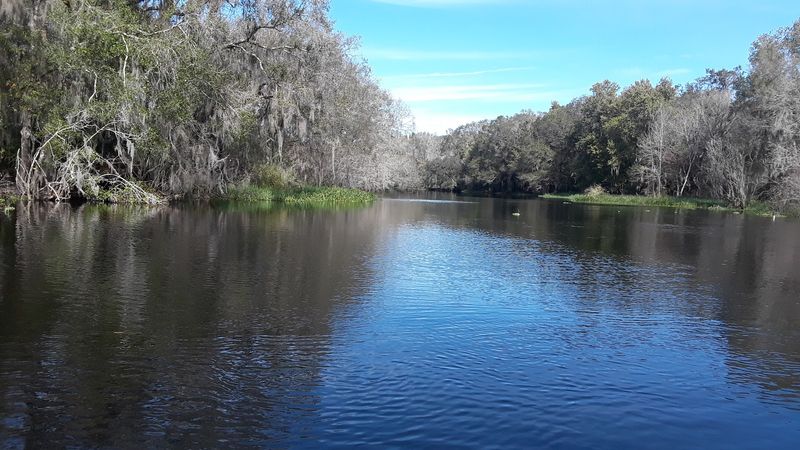
Alafia River tributaries feed Sweetwater Creek as it winds through 125 acres of protected Hillsborough County land. This preserve showcases Florida’s disappearing creek ecosystems where development hasn’t yet encroached.
Boardwalks and elevated platforms provide excellent wildlife viewing without disturbing sensitive habitats, making this spot ideal for photographers and nature enthusiasts.
The preserve’s compact size doesn’t diminish its ecological importance. Creek banks support native plants that filter stormwater and prevent erosion while providing habitat for fish, amphibians, and invertebrates.
Educational signs explain how creek ecosystems function and why preserving them matters for regional water quality.
June mornings bring chorus frogs and cricket frogs whose calls echo across wetlands. Dragonflies patrol creek surfaces hunting mosquitoes while butterflies nectar on wildflowers.
The preserve demonstrates successful restoration efforts where volunteers have removed invasive plants and replanted natives that now flourish along waterways.
Limited parking reflects the preserve’s focus on low-impact recreation rather than mass tourism. Visitors appreciate this approach as it maintains the peaceful atmosphere that makes creekside relaxation possible.
Bring binoculars for bird watching since over 60 species use the preserve seasonally. The relatively short trails allow complete exploration in two hours, perfect for morning or evening visits when wildlife activity peaks and temperatures moderate.