10 Florida Favorites First-Time Visitors Almost Always Miss
Most people visiting Florida for the first time make a beeline for the theme parks, Miami beaches, or Key West sunsets. But tucked away in the corners of the Sunshine State are places so unexpected, so wonderfully weird, and so completely unlike the Florida you see in brochures that even locals sometimes forget they exist. From medieval monasteries to underground springs and actual white-water rapids, these hidden gems offer stories and experiences you simply won’t find anywhere else in the state.
1. Solomon’s Castle (Ona)
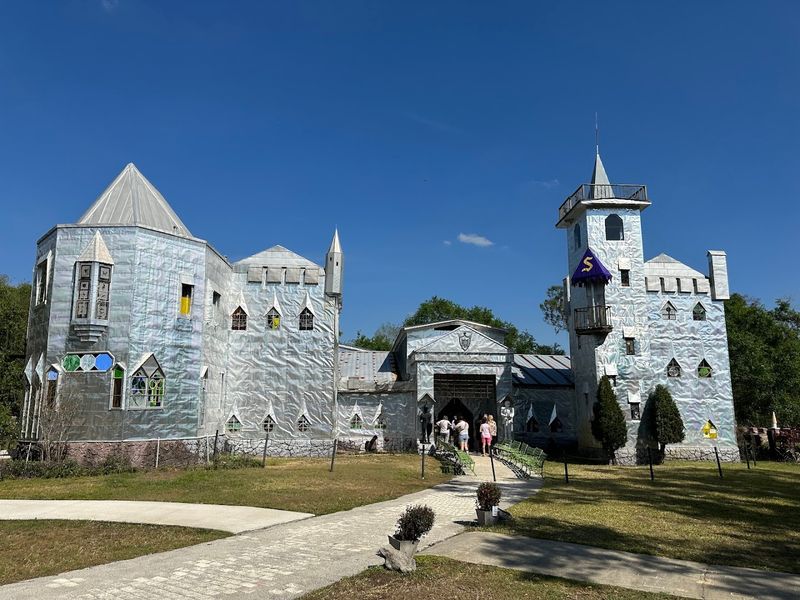
Out in the middle of nowhere, about an hour southeast of Tampa, sits a castle that looks like it crash-landed from another dimension. Solomon’s Castle gleams under the Florida sun, its entire exterior covered in repurposed aluminum printing plates that create a shimmering, almost otherworldly effect.
Built single-handedly by artist Howard Solomon, this three-story structure is part sculpture, part home, part art gallery, and entirely unexpected. Inside, you’ll find rooms filled with whimsical folk art, pun-heavy installations, and creations made from salvaged materials that somehow feel both ridiculous and brilliant at the same time.
The castle sits on sixty acres of rural Florida land, surrounded by palm trees and pastureland rather than moats and drawbridges. Most first-time visitors have never heard of it because it doesn’t fit into any standard Florida itinerary.
It’s not near a beach, it’s not part of a theme park, and it certainly doesn’t show up on the typical tourist maps. But that’s exactly what makes it special.
Visit Florida includes Solomon’s Castle among the state’s quirky roadside attractions, and once you see it in person, you’ll understand why. It’s proof that Florida’s weirdest treasures are often hiding in the least expected places, waiting for curious travelers willing to wander off the beaten path.
2. Florida Caverns State Park (Marianna)
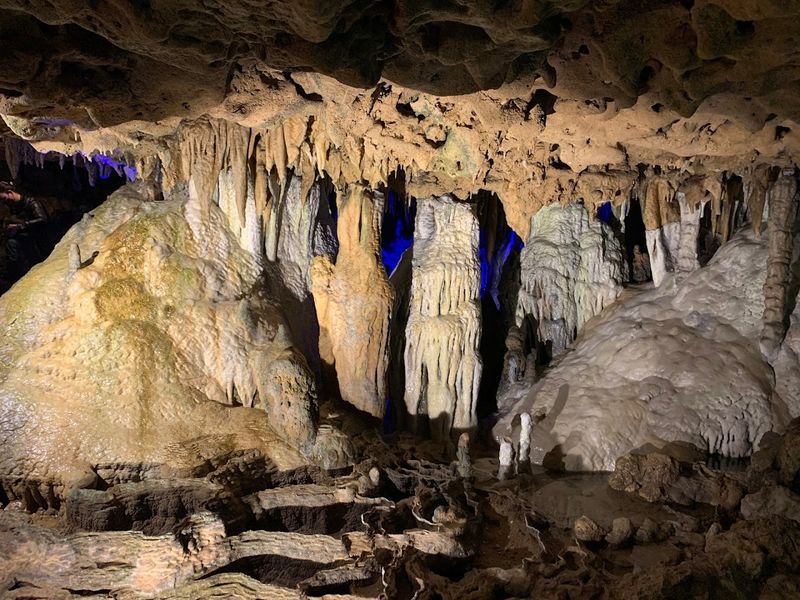
When you think Florida, you probably picture sandy beaches and crystal-clear springs, not guided tours through underground caverns filled with stalactites and flowstone formations. Yet here in the Panhandle, near the small town of Marianna, Florida Caverns State Park offers something most visitors never imagine exists in the Sunshine State.
The park’s limestone caves were formed millions of years ago and feature some of the most dramatic geological formations in the Southeast. Guided tours take you deep underground where the temperature stays cool year-round, a welcome break from Florida’s famous heat and humidity.
You’ll walk through chambers with names like the Wedding Room and the Cathedral Room, marveling at formations that took millennia to develop. The caverns are dry caves, meaning they’re no longer being actively formed by flowing water, which makes them safe and accessible for tours.
Southern Living highlights Florida Caverns as one of the state’s under-the-radar destinations, and it’s easy to see why it surprises so many people. Most first-timers assume Florida is geologically flat and featureless, but this park tells a completely different story.
Beyond the caves themselves, the park offers hiking trails, canoeing opportunities on the Chipola River, and old-growth forest that feels more like North Florida’s forgotten wilderness than the tropical paradise most tourists expect.
3. Devil’s Den Prehistoric Spring (Williston)
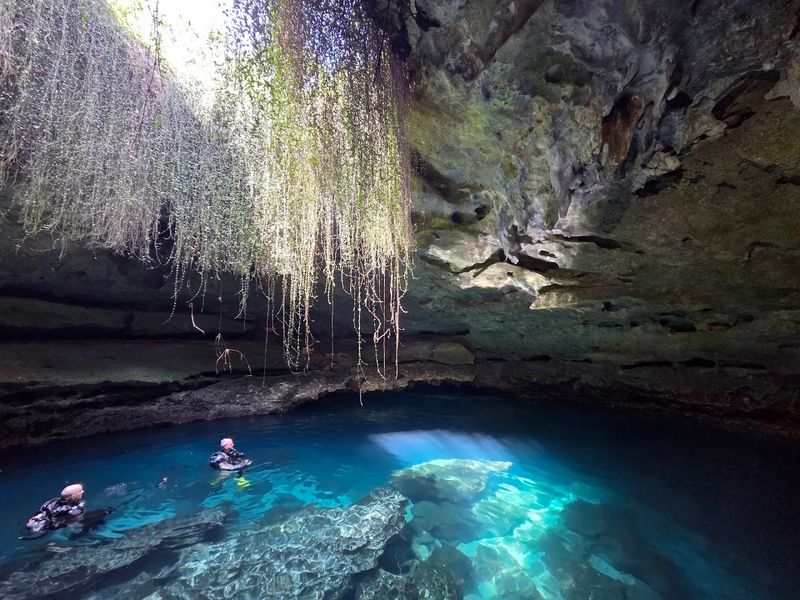
Imagine descending a wooden staircase into the earth, then finding yourself inside a prehistoric karst window filled with impossibly clear, 72-degree water. That’s Devil’s Den, and it feels more like something you’d discover in Mexico’s Yucatan Peninsula than central Florida.
This underground spring sits inside a dry cave, with an opening in the ceiling that allows sunlight to filter down and illuminate the water below. Snorkelers and scuba divers come here to explore the spring’s depths, which reach down about 50 feet in some spots.
The water stays a constant temperature year-round, making it a perfect escape during Florida’s sweltering summers or surprisingly chilly winters. Fossilized bones from extinct animals have been found here, adding to the site’s prehistoric mystique and reminding visitors just how ancient this landscape really is.
Unlike the state’s more famous springs like Ichetucknee or Wakulla, Devil’s Den has an intimate, almost secretive atmosphere. You’re not floating down a lazy river with hundreds of other people; you’re exploring a hidden chamber that feels like a natural cathedral carved from limestone over thousands of years.
Most first-time Florida visitors never venture to Williston, and they certainly don’t expect to find a place like this. But for those willing to seek it out, Devil’s Den offers an experience that challenges every assumption about what Florida springs should look and feel like.
4. Blowing Rocks Preserve (Hobe Sound)
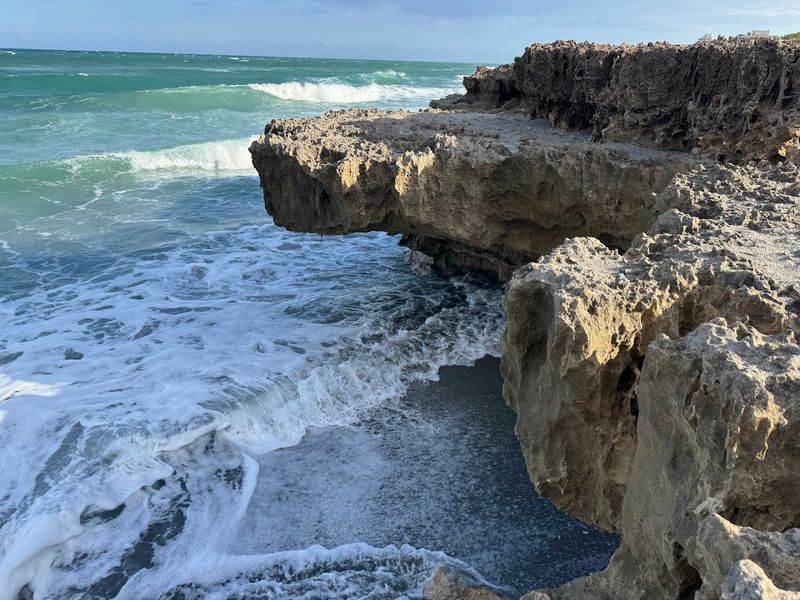
Florida beaches usually mean soft sand and gentle waves, but Blowing Rocks Preserve on Jupiter Island offers something dramatically different. Here, a rare stretch of Anastasia limestone shoreline creates a natural spectacle that feels more like the rugged coasts of New England or the Pacific Northwest.
When ocean swells are strong, especially during high tide or after storms, waves crash into the porous limestone and shoot dramatic plumes of water skyward through holes and crevices in the rock. The effect can send spray twenty feet or higher into the air, creating a show that’s both powerful and mesmerizing.
Even on calm days, the preserve offers a coastal experience unlike the typical Florida beach day. Instead of lounging on sand, you’re exploring tide pools, watching shorebirds, and walking among ancient rock formations that tell a geological story thousands of years old.
The Nature Conservancy manages this 73-acre preserve, which also protects important sea turtle nesting habitat and native coastal vegetation. It’s a quiet, contemplative place that attracts nature lovers and photographers rather than sunbathers and beach volleyball players.
Most first-time visitors to Florida never make it to Hobe Sound, and even those who do often stick to the sandy beaches nearby. But Blowing Rocks offers proof that Florida’s coastline holds surprises beyond the postcard-perfect images, rewarding those curious enough to seek out something genuinely different and unexpectedly wild.
5. The Ancient Spanish Monastery (North Miami Beach)
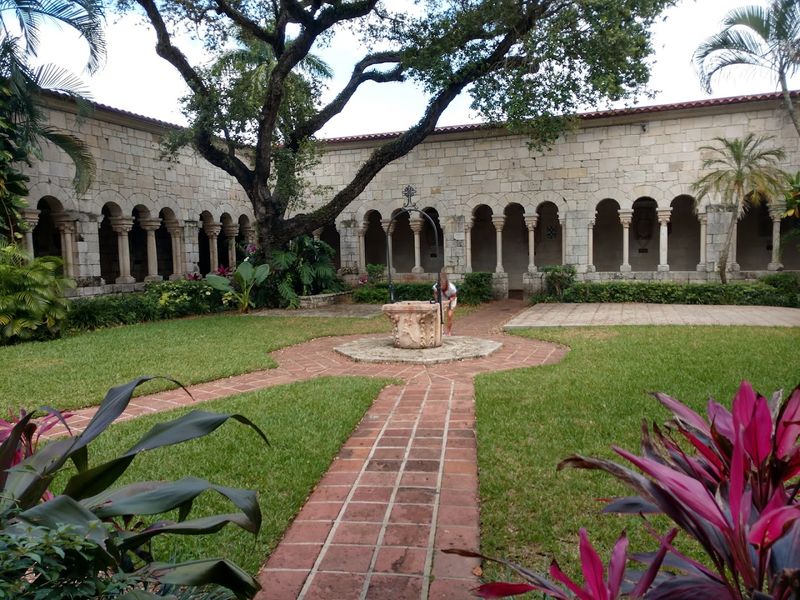
A genuine medieval monastery sits quietly in North Miami Beach, and most first-time visitors driving past have absolutely no idea it’s there. Built in Spain during the 12th century, the Monastery of St. Bernard de Clairvaux was disassembled stone by stone, shipped across the Atlantic, and painstakingly reassembled in Florida during the 1950s.
Newspaper magnate William Randolph Hearst purchased the monastery in the 1920s, but the stones spent decades in a warehouse after U.S. customs officials unpacked them due to quarantine concerns. Eventually, the pieces were purchased and reconstructed in their current location, creating one of the oldest buildings in the Western Hemisphere.
Walking through the cloisters feels surreal. You’re surrounded by tropical Florida vegetation, yet the architecture and stonework transport you straight to medieval Europe. The gardens, fountains, and peaceful courtyard offer a contemplative atmosphere that contrasts sharply with the energy of nearby South Beach.
The monastery functions as an Episcopal church and also hosts weddings, concerts, and tours. It’s a popular spot for history buffs and architecture enthusiasts, but it remains surprisingly unknown to typical Miami-area tourists focused on beaches, nightlife, and art deco districts.
This is the kind of cultural surprise that gives first-timers a completely different story to tell when they get home. Instead of just another beach sunset photo, they can share the bizarre and fascinating tale of how a 900-year-old Spanish monastery ended up in South Florida.
6. Venetian Pool (Coral Gables)
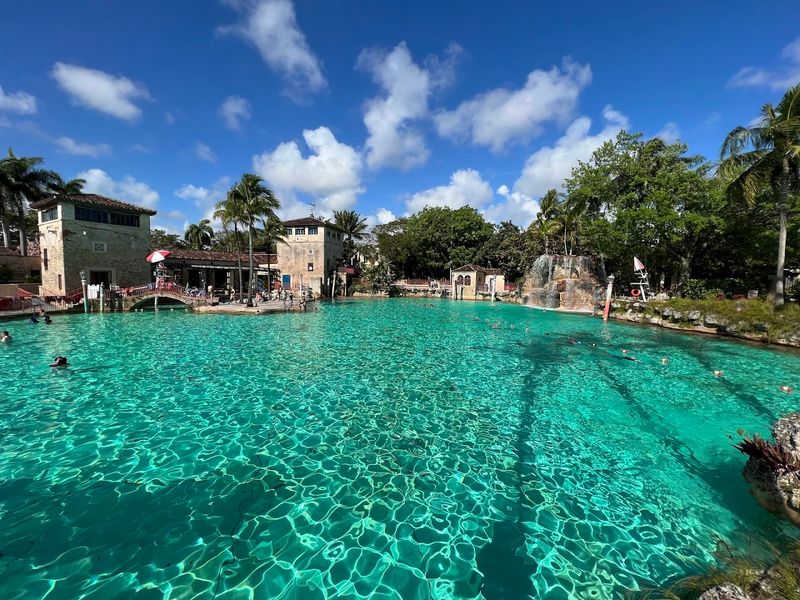
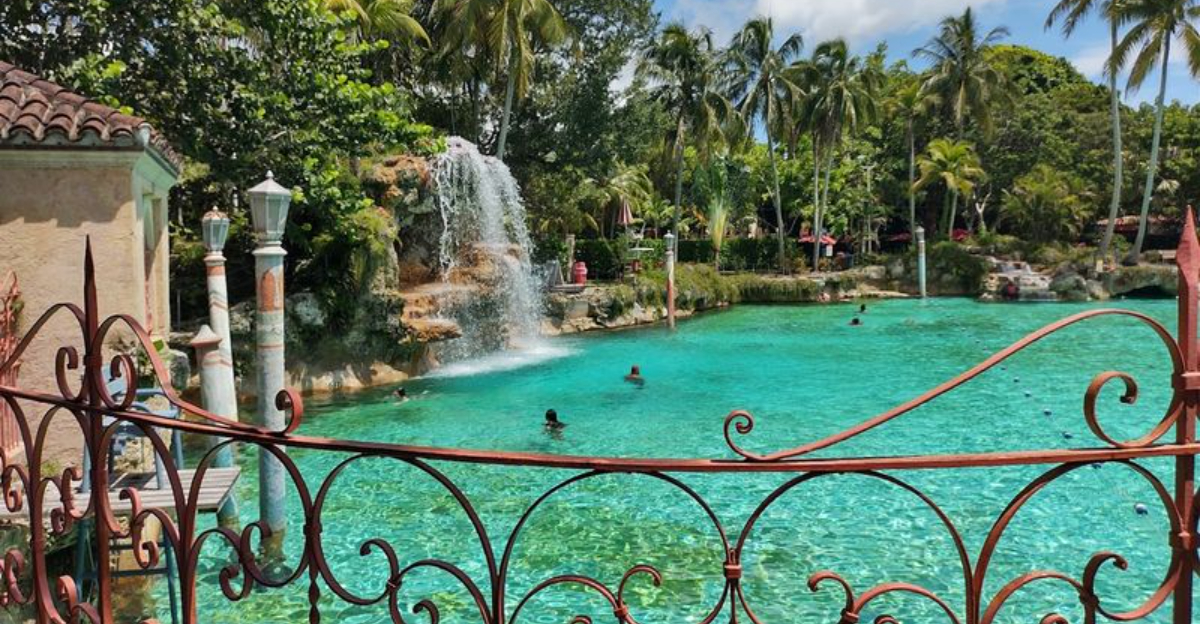
Forget the typical hotel pool or crowded public beach. The Venetian Pool in Coral Gables is a 1924 aquatic masterpiece that feels more like swimming in a Mediterranean fantasy than anything you’d expect in South Florida.
Carved from a coral rock quarry, this historic pool is fed by underground springs from the Biscayne Aquifer, meaning the water is continuously refreshed and maintains a cool, pleasant temperature. Stone bridges arch over sections of the pool, waterfalls cascade from grottos, and palm trees sway overhead, creating an atmosphere that’s part Old Hollywood glamour, part tropical paradise.
The pool was designed during Coral Gables’ development boom in the 1920s, when city founder George Merrick envisioned an entire community built around Mediterranean Revival architecture and lush landscaping. The Venetian Pool became the crown jewel of that vision, and it remains one of the most beautiful and unusual public pools in the entire country.
Locals know about it and treasure it, but most first-time visitors to the Miami area never venture into Coral Gables or simply don’t realize this gem exists. They’re too busy with South Beach or the Everglades to explore the neighborhoods just inland.
Admission is limited and the pool closes periodically for maintenance, so planning ahead is essential. But for those who make the effort, swimming in the Venetian Pool offers a uniquely Florida experience that combines history, architecture, and natural beauty in a way you simply won’t find anywhere else.
7. Big Shoals State Park (White Springs)
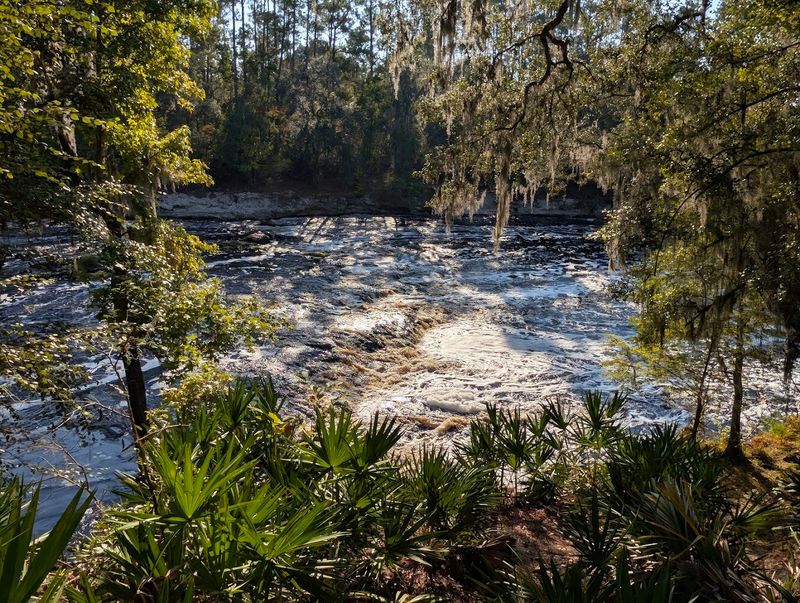
Florida has white-water rapids. Yes, really. And most first-time visitors have absolutely no idea because the state’s reputation is built entirely on flat terrain, lazy rivers, and calm springs.
Big Shoals State Park, tucked away in North Florida near White Springs, protects the largest white-water rapids in the entire state. The Suwannee River drops over limestone outcroppings here, creating Class III rapids that challenge kayakers and canoeists looking for something more adventurous than the typical Florida paddle.
The park’s landscape feels more like the Appalachian foothills than the Sunshine State. Hardwood forests, rolling terrain, and rocky riverbanks replace the palms and sandbars most people associate with Florida waterways. It’s a completely different ecological zone that surprises even longtime residents.
Hiking trails wind through the park, offering views of the rapids from elevated bluffs and taking visitors through ecosystems that feel decidedly un-Floridian. During periods of high water, the rapids become even more dramatic, though they also become more dangerous and should only be attempted by experienced paddlers.
Big Shoals doesn’t show up on most tourist itineraries because it’s remote, it requires some outdoor skill to truly appreciate, and it contradicts the mental image most people carry of Florida. But that’s precisely what makes it special. It’s proof that the state holds far more geographic and ecological diversity than the theme parks and beach resorts would ever suggest, rewarding adventurous travelers with experiences they never knew Florida could offer.
8. Historic Kapok Tree Area (Clearwater)
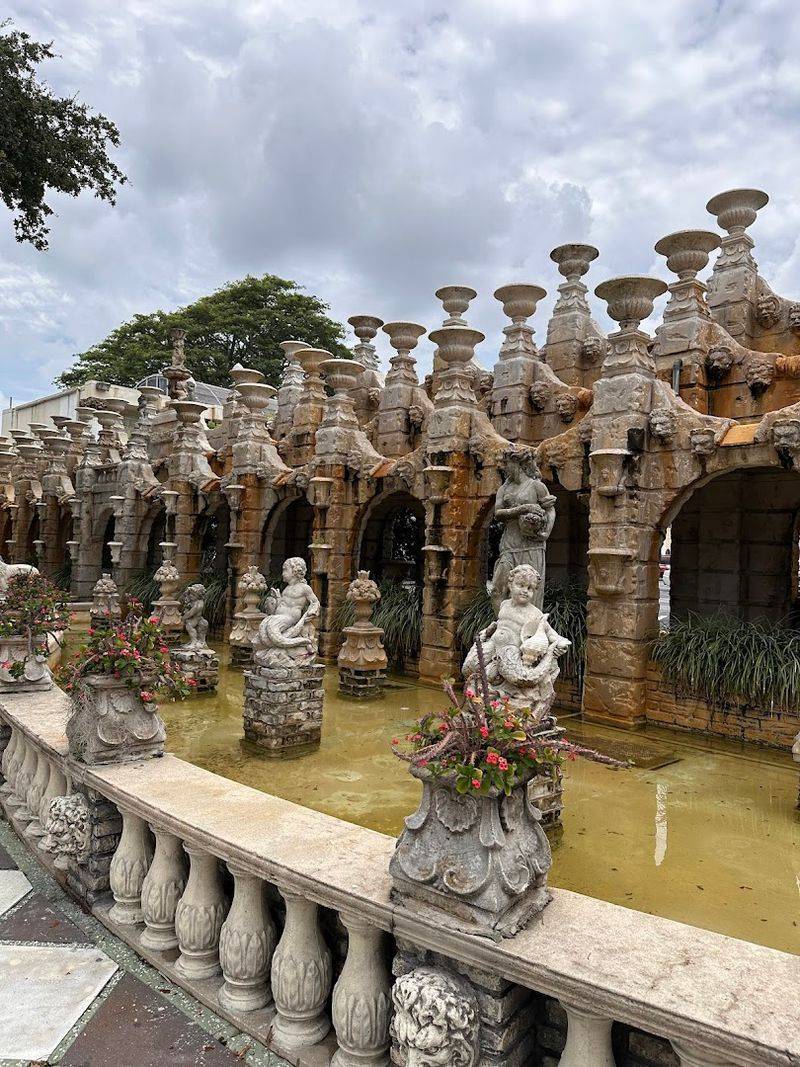
Once home to a legendary restaurant and event space, the Kapok Tree area in Clearwater represents a slice of old Florida glamour that most modern visitors never experience. The site is famous for its elaborate gardens, ornamental fountains, decorative statues, and the massive kapok tree that gave the place its name.
During its heyday, the Kapok Tree Restaurant was a destination unto itself, drawing visitors who came as much for the lush surroundings as for the food. The gardens were meticulously maintained, featuring tropical plants, koi ponds, and whimsical touches that made the whole experience feel like stepping into a different era.
Though the restaurant itself has closed, the area remains a photo-worthy spot that captures the kind of Florida aesthetic that thrived in the mid-20th century. It’s a reminder that before the state became synonymous with theme parks and beach resorts, it cultivated a different kind of appeal rooted in tropical exoticism and leisurely elegance.
Enjoy Florida lists the Kapok Tree area among hidden-gem stops, and it’s easy to see why it resonates with people seeking something beyond the typical tourist experience. The site offers a tangible connection to Florida’s past, a time when roadside attractions and themed restaurants created their own kind of magic.
First-time visitors racing between Tampa and the beaches often blow right past Clearwater’s quieter attractions, missing opportunities to explore the layers of history and culture that make Florida more than just sand and sunshine.
9. Stetson Mansion (DeLand)
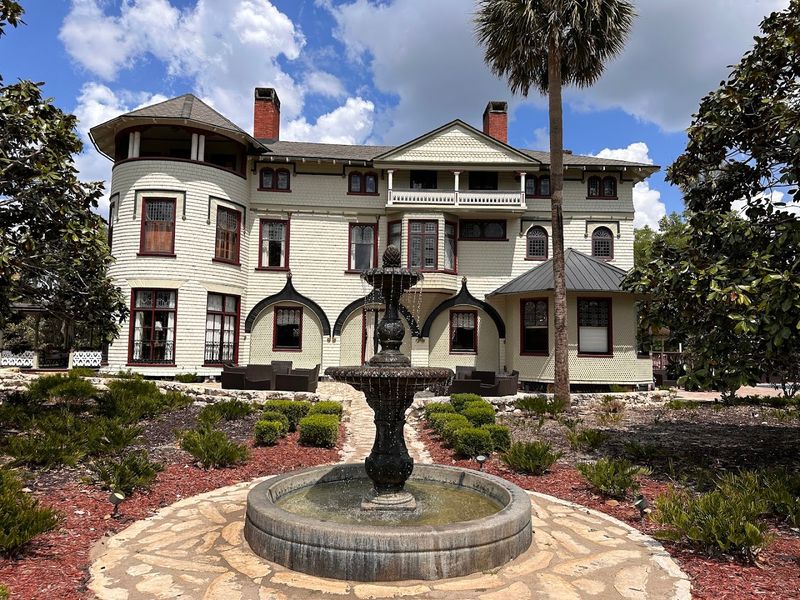
Florida’s Gilded Age history often gets overshadowed by beaches and theme parks, but the Stetson Mansion in DeLand offers a glimpse into the state’s opulent past that most first-timers never imagine exists. Built in 1886 by hat magnate John B. Stetson, this mansion is one of the finest examples of Gilded Age architecture and craftsmanship in the entire state.
The home features over 10,000 square feet of living space, filled with period furnishings, stained glass windows, hand-painted ceilings, and ornate woodwork that showcases the wealth and taste of Florida’s early elite. Every room tells a story about how the state’s wealthy residents lived during an era when Florida was being transformed from frontier territory into a winter playground for the rich.
Guided tours take visitors through the mansion’s many rooms, explaining the history of the Stetson family, the restoration efforts that saved the home from decay, and the architectural details that make the building so special. It’s a world away from the Florida most tourists experience, offering a more refined and historically grounded perspective.
Southern Living calls the Stetson Mansion one of Florida’s under-the-radar finds, and that’s exactly right. DeLand itself is often overlooked by visitors racing between Orlando’s theme parks and Daytona’s beaches, but the town holds treasures like this mansion that reward those willing to slow down and explore.
For first-time visitors, the Stetson Mansion provides a refreshing alternative to the state’s more commercialized attractions, proving that Florida’s history runs deeper and more interesting than many people realize.
10. The Cove Resort & Pub (Inverness)
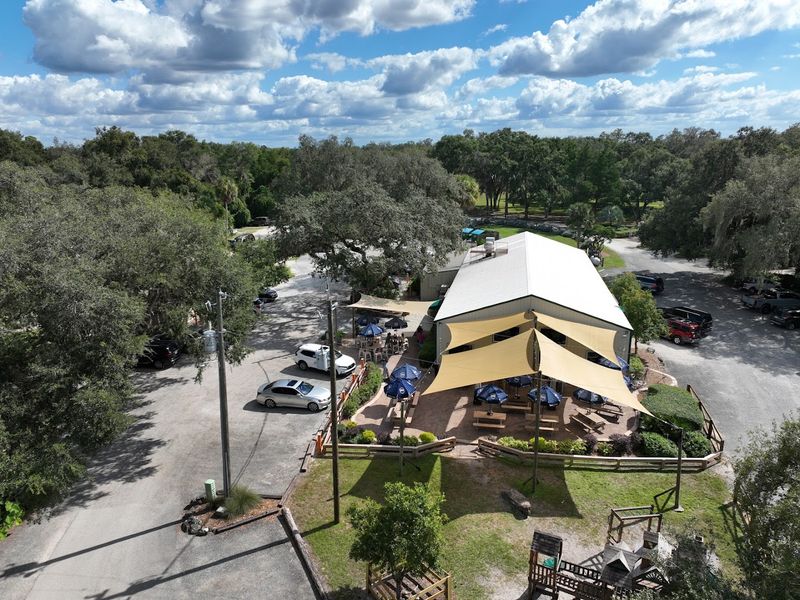
The Cove Resort & Pub in Inverness represents the kind of low-key, authentically Floridian getaway that most first-time visitors never discover because they’re too busy chasing the state’s flashier attractions. This fish-camp-style resort sits on the edge of Tsala Apopka Lake, offering access to quiet waters, the Withlacoochee State Trail, and a version of Florida that feels unhurried and genuinely local.
The resort’s charm lies in its simplicity and its connection to the natural landscape. Instead of over-the-top amenities and manufactured experiences, you get rustic cabins, a friendly pub, and easy access to outdoor activities like kayaking, fishing, and biking. It’s the kind of place where you can actually relax without constantly being sold something.
Southern Living reported that The Cove was named a top hidden gem in North America by Campspot, which makes perfect sense once you experience it. The resort offers a glimpse into Old Florida, the slower-paced, nature-focused version of the state that existed long before the theme parks and mega-resorts took over.
Tsala Apopka Lake itself is a sprawling, island-dotted waterway that’s perfect for exploring by kayak or canoe. The Withlacoochee State Trail provides miles of paved paths through forests and wetlands, ideal for biking or walking without the crowds you’d find in more touristy areas.
First-time visitors focused on Orlando or the coasts rarely make it to Inverness, which means they miss out on this kind of authentic, laid-back Florida experience that feels increasingly rare and precious.