These 13 Florida Backroads Lead To Some Of The State’s Prettiest Views
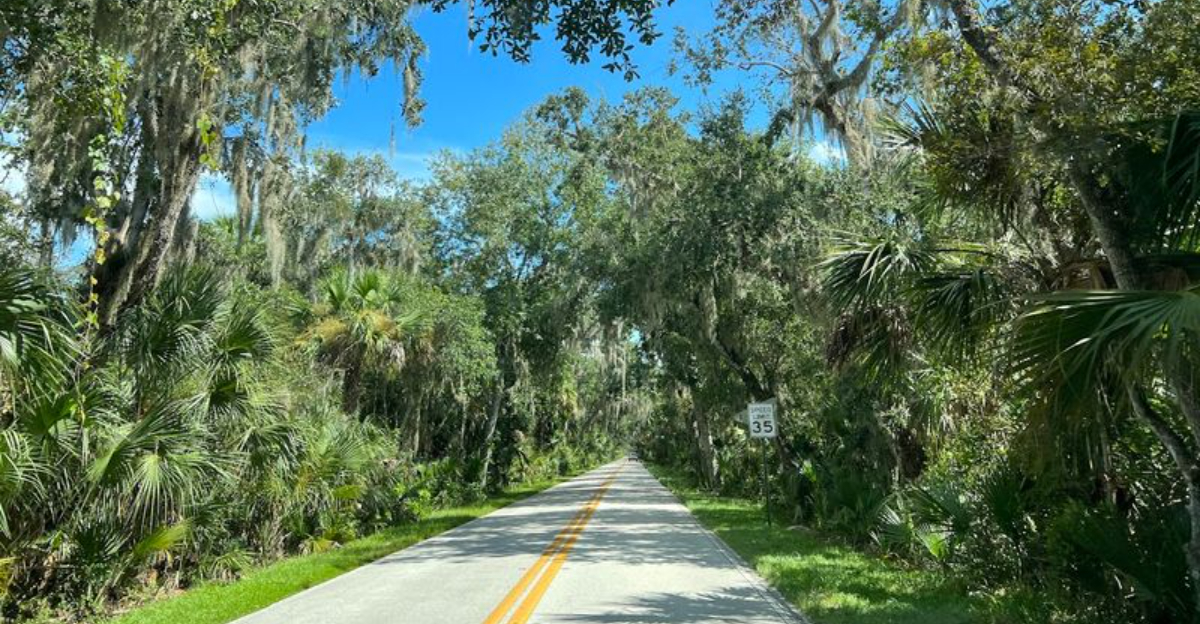
Florida is famous for its beaches and theme parks, but some of the state’s most beautiful scenery hides along quiet backroads far from the tourist crowds. These winding routes take you through ancient oak canopies, along wild coastlines, past hidden springs, and into landscapes that feel like stepping back in time. Whether you’re looking for a peaceful Sunday drive or an adventure through Florida’s natural side, these 13 backroads offer views you won’t find anywhere else.
1. Ormond Scenic Loop & Trail (Ormond Beach)
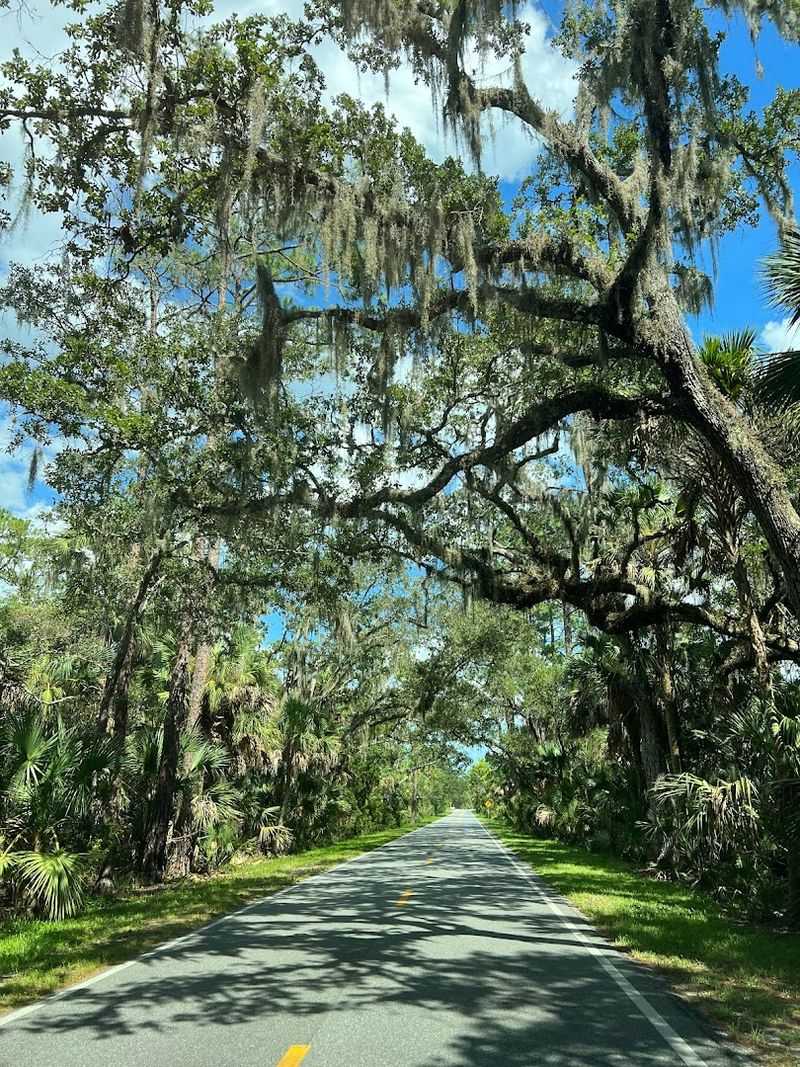
Winding along the Atlantic Coast, this 30-mile loop feels like a time machine back to Florida’s quieter days. Ancient live oaks arch overhead, their branches draped with Spanish moss that sways in the salt breeze. The route weaves between marshlands, beachside stretches, and patches of maritime hammock that have survived centuries of storms.
You’ll pass through Tomoka State Park, where the Tomoka and Halifax Rivers meet in a tangle of mangroves and tidal creeks. Bulow Creek State Park sits farther north, offering trails through old sugar plantation ruins hidden in the forest. The entire drive alternates between shaded canopy sections and open views of tidal flats where herons stalk through the shallows.
This route captures Old Florida at its finest—no high-rises, no chain restaurants, just oak tunnels and water views. Pack a picnic and take your time exploring the side roads and park trails. Early morning drives offer the best light filtering through the canopy, and you might spot deer, wild turkeys, or even a bobcat crossing the road.
It’s one of those rare drives where every turn reveals something worth stopping for.
2. Scenic Highway 30A (Walton County)
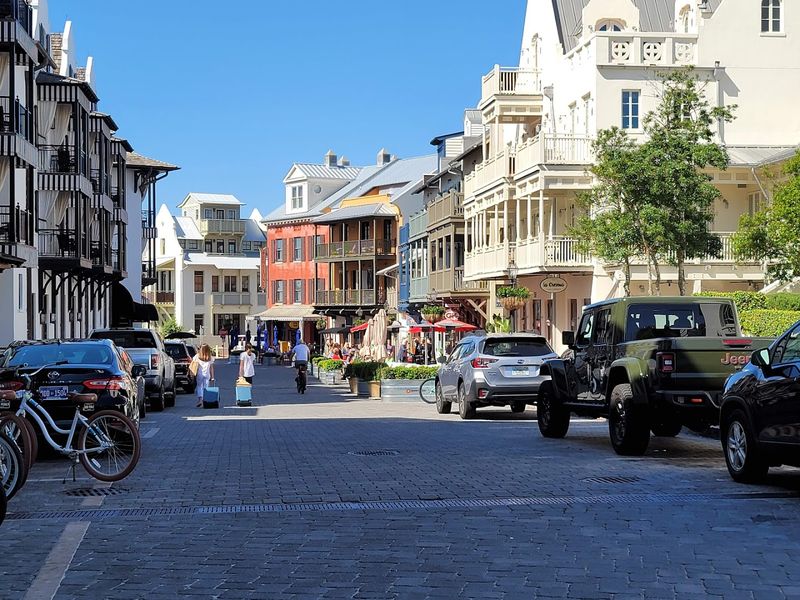
Stretching 24 miles along the Emerald Coast, Highway 30A has become legendary among beach lovers and road trippers alike. This isn’t your typical coastal highway—it curves past rare coastal dune lakes, state parks thick with longleaf pine, and some of the whitest sand beaches you’ll ever see. The sugar-white quartz sand squeaks under your feet and glows almost blindingly bright on sunny days.
Small beach towns dot the route, each with its own personality. Seaside looks like a pastel postcard, Grayton Beach keeps things laid-back and artsy, and Rosemary Beach channels European village charm. Between the towns, you’ll find nature preserves, bike paths, and beach access points where you can pull over and sink your toes in that famous sand.
The dune lakes here are found in only a few places worldwide—brackish bodies of water separated from the Gulf by narrow sand barriers that occasionally breach during storms. Drive slowly and keep your eyes open for the roadside stands selling fresh Gulf seafood. Sunset drives along 30A are particularly magical, with the low light turning everything golden and the crowds thinning out for the evening.
3. Big Bend Scenic Byway (Apalachicola to Tallahassee)
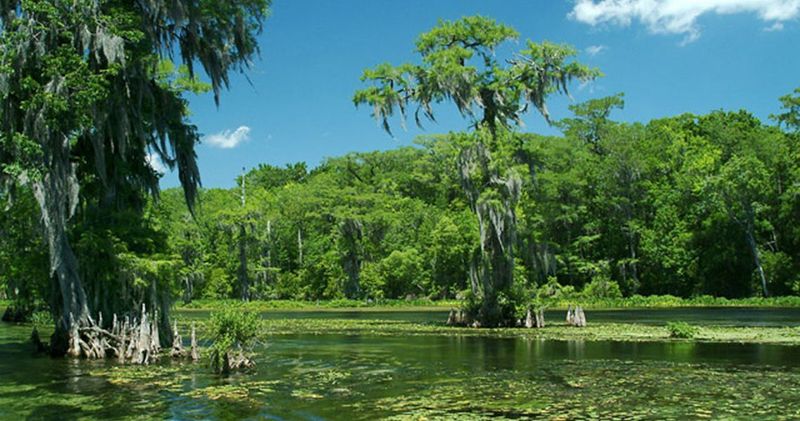
Running roughly 220 miles along Florida’s Big Bend coast, this route takes you through some of the state’s wildest and least-developed shoreline. Dense pine forests give way to vast salt marshes, and tiny fishing villages appear like mirages along the quiet two-lane roads. This is the Forgotten Coast in all its raw, untamed glory.
The byway passes through places like Panacea, Carrabelle, and St. Marks—towns where commercial fishing still matters more than tourism. You’ll see working oyster boats tied up at weathered docks, fish houses that have operated for generations, and roadside seafood shacks serving the day’s catch. Wildlife refuges and state parks protect huge swaths of coastal wetlands where alligators, wading birds, and manatees thrive.
This drive rewards those who appreciate solitude and unspoiled nature over manicured attractions. The coastline here is all marsh grass and mudflats rather than sandy beaches, but that’s exactly what makes it special. Stop at St. Marks National Wildlife Refuge to climb the historic lighthouse or scan the flats for migrating birds.
Pack snacks and fill your gas tank before starting—services are sparse, and that’s part of the appeal.
4. Florida Black Bear Scenic Byway (Ocala National Forest)
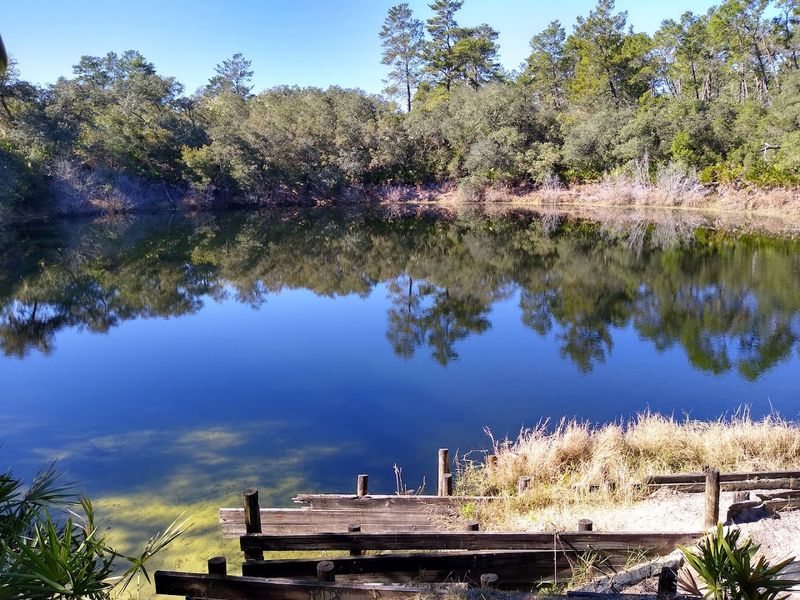
State Road 40 cuts straight through the heart of Ocala National Forest, connecting Silver Springs to Ormond Beach through 47 miles of genuine wilderness. This designated scenic byway passes through the largest sand pine scrub forest in the world and some of the best black bear habitat in Florida. Yes, bears actually live here, though spotting one requires luck and patience.
The landscape shifts constantly as you drive—from dense hardwood hammocks to open scrubland dotted with stunted oaks and longleaf pines. Crystal-clear springs bubble up throughout the forest, and several are accessible right from the highway. Juniper Springs and Salt Springs offer swimming areas where you can cool off in 72-degree water year-round.
The sandy soil and wiregrass prairies feel almost desert-like in their stark beauty.
Keep your speed reasonable and watch for wildlife, especially at dawn and dusk when deer, wild hogs, and occasionally bears cross the road. The forest canopy creates natural shade tunnels in sections, then opens up to reveal distant tree lines and big sky views. This route shows off Central Florida’s wild side—no strip malls, no traffic lights, just forest and springs and the occasional ranger station.
5. A1A Scenic & Historic Coastal Byway (St. Augustine to Ponte Vedra Beach)
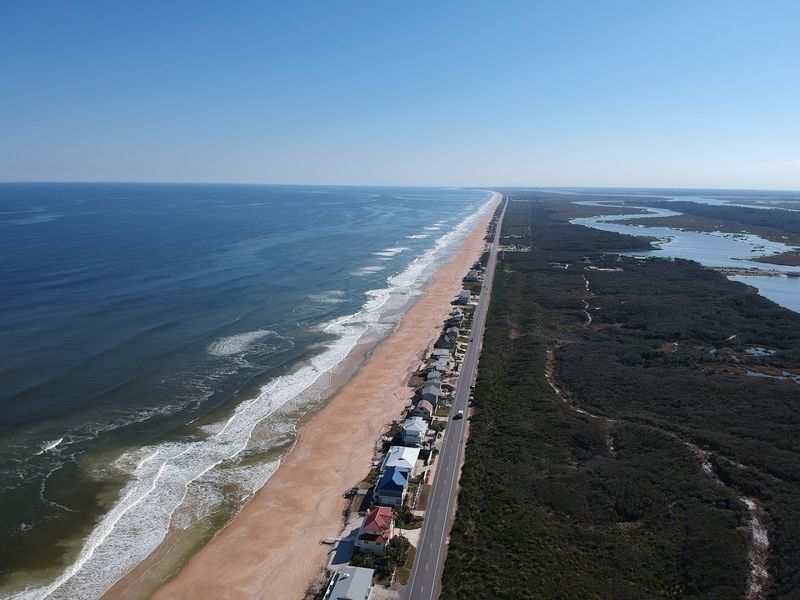
Few roads in Florida pack more history and natural beauty into such a short stretch than A1A between St. Augustine and Ponte Vedra Beach. This 15-mile segment hugs the Atlantic coastline, offering constant ocean views, beach parks, and glimpses of Old Florida coastal architecture. Salt air and sea breezes are your constant companions.
Starting in the nation’s oldest city, the route passes Anastasia State Park with its pristine beaches and tidal lagoons, then continues south past historic beach cottages and modern resorts that somehow coexist without overwhelming the landscape. The road rises and falls over barrier island dunes, with the ocean appearing and disappearing between sea oats and coastal vegetation. Several beach access points let you pull over and walk to the water’s edge.
This isn’t a wilderness drive—it’s a coastal classic that balances development with natural beauty. Historic markers dot the route, telling stories of Spanish explorers, colonial settlements, and maritime history. The relatively flat terrain makes this perfect for a leisurely drive with frequent stops.
Time it right and you’ll catch sunrise over the Atlantic, painting the waves in shades of pink and gold that make every photo look like a postcard.
6. Miccosukee Road Canopy Drive (Tallahassee)
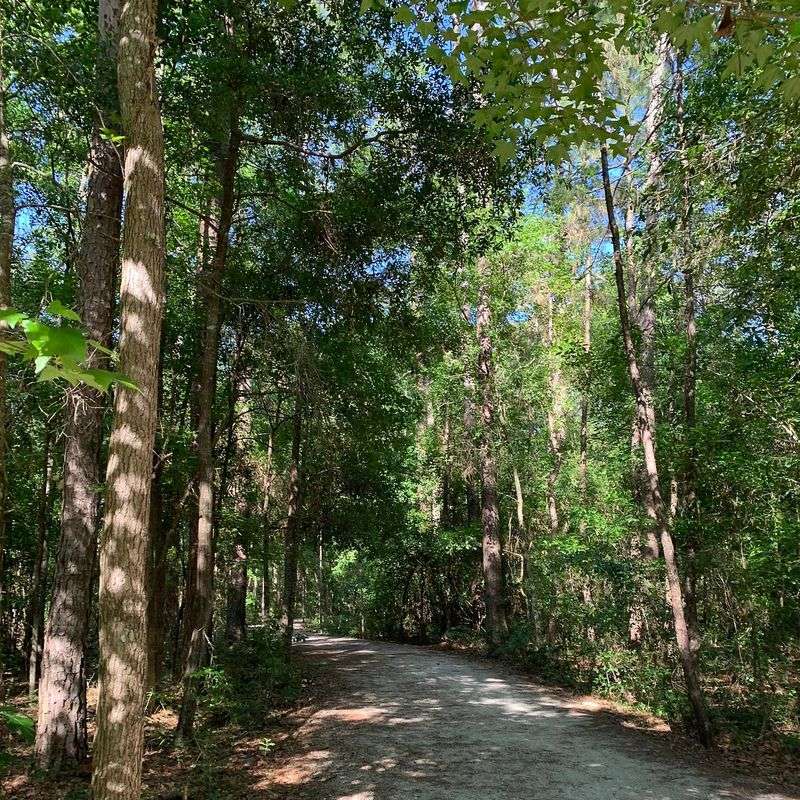
Tallahassee’s canopy roads are legendary, and Miccosukee Road stands out as one of the most dramatic. Massive live oaks line both sides of the narrow road, their branches meeting overhead to form a natural cathedral that stretches for miles. Spanish moss hangs in thick curtains, filtering the sunlight into soft green patterns on the pavement below.
This isn’t a long drive—just a few miles—but it feels like entering another world. The temperature drops noticeably under the shade, and the air smells of earth and old trees. These oaks have stood for centuries, their twisted limbs creating gothic arches that make you instinctively slow down and look up.
Local residents fought hard to protect these roads from widening and development, and driving beneath these ancient trees makes it clear why.
The canopy is densest in summer when the oaks are fully leafed out, but fall and winter offer their own magic when the moss stands out more dramatically against bare branches. Drive slowly—the road is narrow, and locals use it regularly. Early morning fog adds an ethereal quality, and late afternoon light creates dramatic shadows.
This is Tallahassee’s natural treasure, a reminder of what North Florida looked like before highways and suburbs.
7. Old Bainbridge Road (Tallahassee)
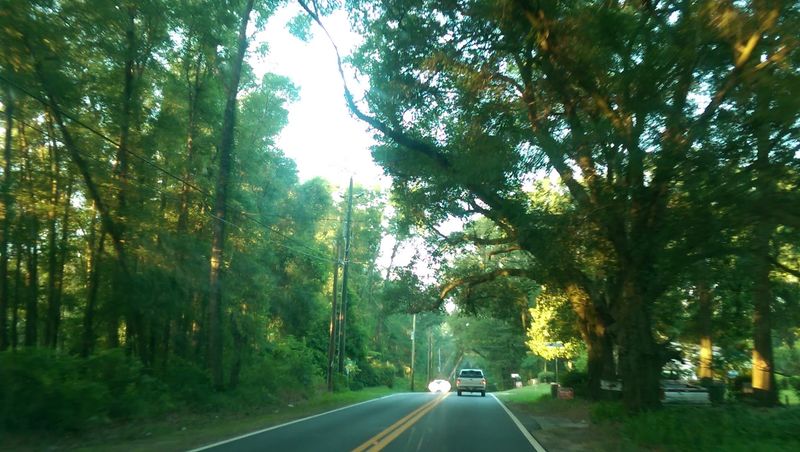
Another of Tallahassee’s protected canopy roads, Old Bainbridge Road delivers the same moss-draped magic with a slightly different character. This route carries more history, following an old plantation road that once connected Tallahassee to the town of Bainbridge, Georgia. The oaks here are just as impressive, creating that signature tunnel effect that makes canopy roads so special.
What sets Old Bainbridge apart is its combination of natural beauty and historic context. You’re driving through centuries of North Florida history, past land that once supported cotton plantations and antebellum estates. The trees witnessed it all, and their gnarled trunks and spreading branches feel like living monuments.
Modern life exists just beyond the tree line, but under the canopy, time seems suspended.
The road curves gently, revealing new perspectives of the overhead canopy with each turn. Photographers love this stretch for its play of light and shadow, especially in the golden hours around sunrise and sunset. Like Miccosukee, this is a road for slow cruising and appreciation rather than getting somewhere fast.
Roll down your windows and listen to the birds and rustling leaves. These canopy roads represent Old Florida at its most elegant, and Old Bainbridge Road captures that spirit perfectly.
8. Tamiami Trail Scenic Byway (Miami to Naples)
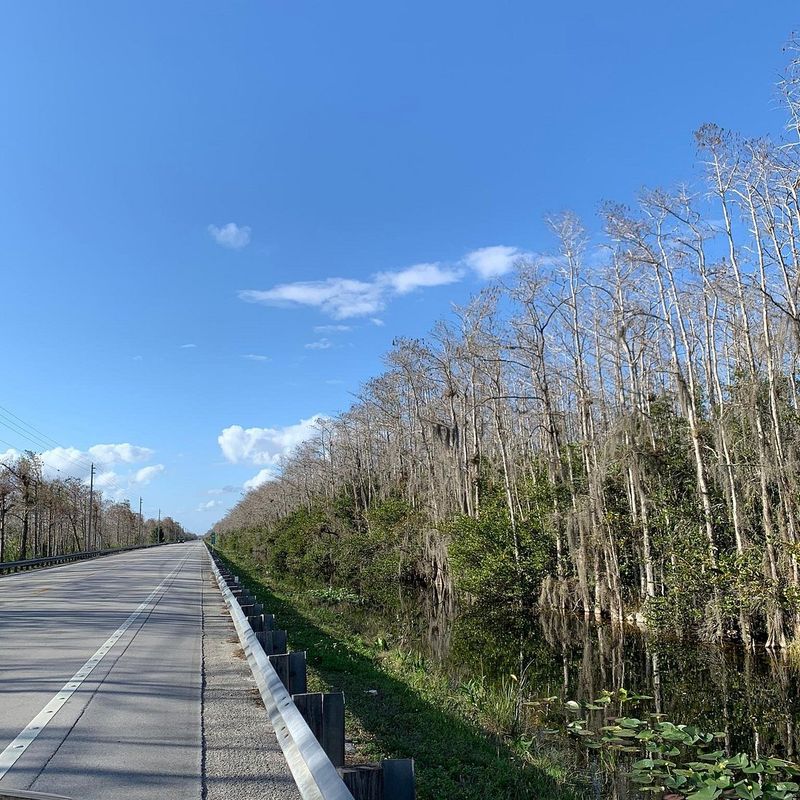
US Highway 41, better known as the Tamiami Trail, slices straight across South Florida through the heart of the Everglades. This 275-mile route connects Miami to Naples through one of the most unique ecosystems in North America. Looking out your window, you’ll see endless sawgrass prairies, cypress domes, and water stretching to the horizon in every direction.
Built in the 1920s, the Tamiami Trail was an engineering marvel that opened up Southwest Florida to development. Today it offers an unfiltered view of the River of Grass that makes the Everglades so special. Wildlife watching is exceptional—alligators sun themselves on canal banks, wading birds stalk through the shallows, and if you’re lucky, you might spot a Florida panther crossing the road at dawn or dusk.
Roadside stops include airboat tour operators, Miccosukee and Seminole tribal villages, and small restaurants serving gator tail and frog legs. The landscape feels almost hypnotic in its vastness—flat, wet, and teeming with life. Sunrise and sunset are particularly spectacular when the light turns the sawgrass gold and reflects off countless channels and ponds.
This drive shows you a Florida most visitors never see, wild and watery and wonderfully strange.
9. Lemon Bay/Myakka Trail Scenic Highway (Sarasota and Charlotte Counties)
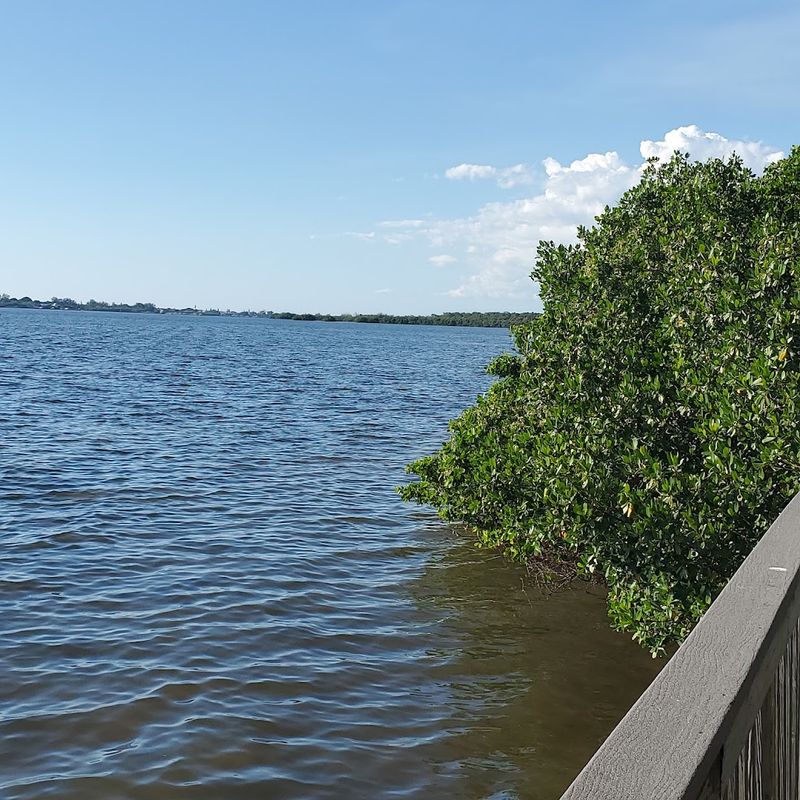
This 33-mile route along the Gulf Coast feels refreshingly unhurried compared to busier coastal highways. Following portions of US 41 and several side roads, the Lemon Bay/Myakka Trail takes you through old Florida fishing villages, mangrove-lined waterways, and quiet stretches where nature still dominates the landscape. The pace here is slower, more contemplative.
Lemon Bay itself is a shallow estuary rich with marine life, its waters dotted with small islands and bordered by red and black mangroves. The route provides glimpses of the bay between developments that remain relatively low-key and spread out. Further inland, connections to Myakka River State Park offer access to one of Florida’s wildest rivers, where alligators outnumber people and old-growth forests still stand.
Small communities like Englewood and Grove City maintain their fishing village character, with boat ramps, seafood markets, and mom-and-pop restaurants that have served locals for decades. This isn’t a dramatic scenic drive with sweeping vistas—it’s more subtle, revealing its beauty in quiet moments and small details. Watch for dolphins in the bay channels, osprey diving for fish, and manatees in the warm months.
It’s Gulf Coast Florida at its most authentic and unpretentious.
10. The Ridge Scenic Highway (Lake Wales Area)
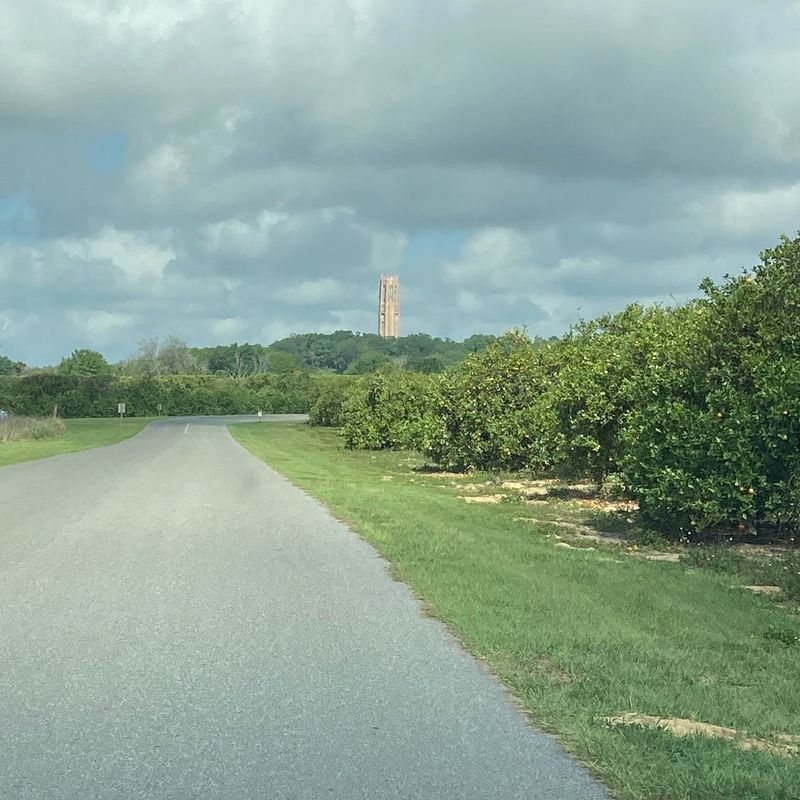
Central Florida gets dismissed as flat, but the Lake Wales Ridge tells a different story. This ancient sand ridge rises 100 to 300 feet above the surrounding flatlands, creating Florida’s version of hills. The Ridge Scenic Highway follows this elevated spine through citrus country, past spring-fed lakes, and through small towns that time seems to have forgotten.
Driving this route, you’ll actually notice elevation changes—a rarity in Florida. Citrus groves blanket the hillsides, their neat rows creating patterns across the landscape. In spring, the air fills with the sweet scent of orange blossoms.
Small lakes appear in valleys between the ridges, their blue water contrasting beautifully with the surrounding green groves and sandy soil.
Towns like Lake Wales, Frostproof, and Avon Park maintain their Old Florida charm with historic downtown districts and local businesses. The ridge itself is an ecological treasure, home to rare scrub habitat found nowhere else on Earth. Several preserves protect these unique ecosystems where ancient sand dunes support specialized plants and animals.
This route proves that Central Florida has more character than its theme park reputation suggests. The rolling terrain, agricultural heritage, and small-town atmosphere create a peaceful alternative to the coast’s crowds.
11. Green Mountain Scenic Byway (Lake County)
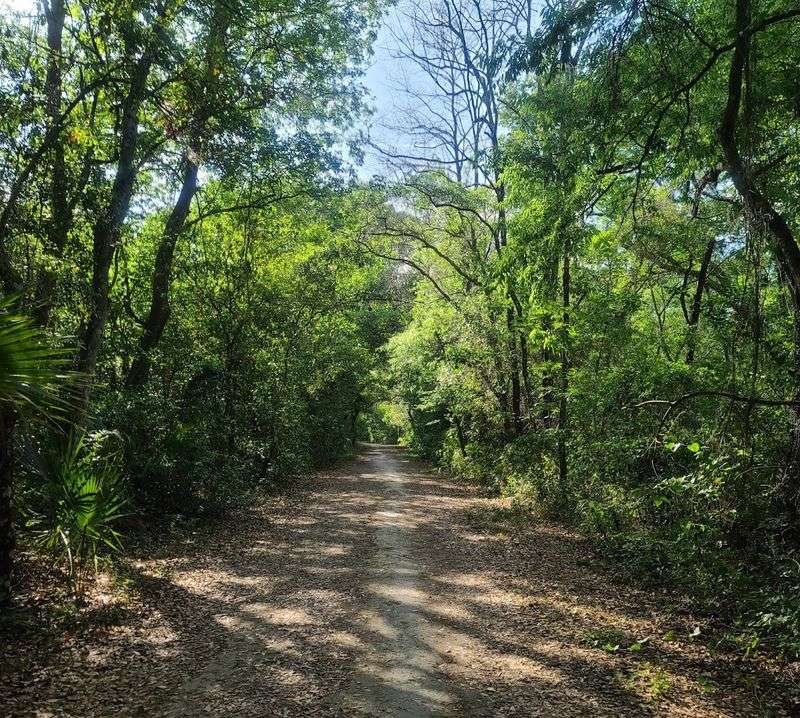
Lake County’s Green Mountain Scenic Byway winds through Central Florida’s lake country, where rolling hills, Spanish moss, and dozens of spring-fed lakes create surprisingly varied scenery. Despite its name, Green Mountain is more of a substantial hill than a mountain, but in pancake-flat Florida, even modest elevation feels significant. The views from the higher points stretch for miles across treetops and water.
The route connects charming communities like Mount Dora, known for its antique shops and waterfront parks, with quieter rural areas where citrus groves and horse farms dominate the landscape. Lakes appear around nearly every bend—Lake Dora, Lake Eustis, Lake Griffin—their shores lined with cypress trees and fishing camps. This is classic Central Florida lake country, where bass fishing and lakeside living have defined local culture for generations.
Nature preserves along the route protect rare habitats, including sand pine scrub and longleaf pine forests. The terrain’s gentle hills and curves make this a pleasant drive any time of year, though spring and fall offer the most comfortable temperatures. Stop in Mount Dora for lunch or browse the shops, then continue exploring the back roads that branch off the main route.
You’ll find hidden springs, old fish camps, and quiet spots where Florida still feels wild and undiscovered.
12. Martin Grade Scenic Highway (Martin County)
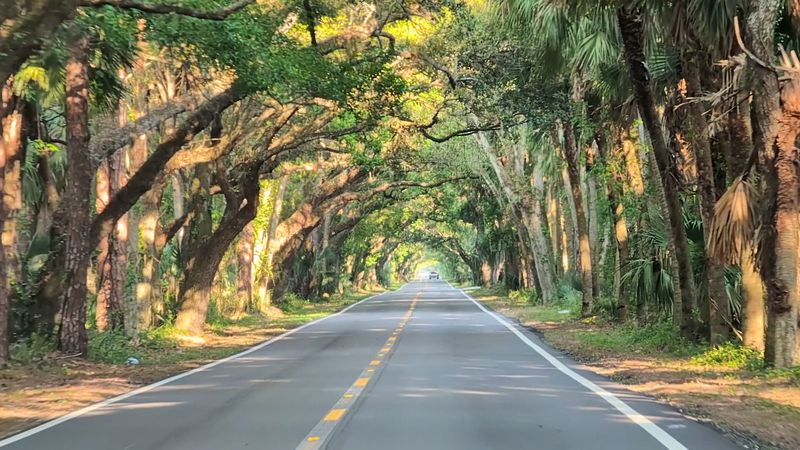
Cutting through the heart of rural Martin County, Martin Grade feels worlds away from the developed Atlantic coast just miles to the east. This quiet two-lane road passes through working ranchland, cypress swamps, and palmetto prairies that give you a sense of what South Florida looked like before the building boom. Cattle graze behind barbed wire fences, and wetlands stretch to distant tree lines.
The road itself is arrow-straight in sections, then curves around natural features and property lines. Live oaks draped with Spanish moss provide occasional shade, and the lack of development means you can actually see the sky in every direction. This is agricultural Florida, where land is still used for ranching and farming rather than subdivisions and strip malls.
Wildlife viewing can be excellent along Martin Grade—sandhill cranes stalk through pastures, hawks perch on fence posts, and deer emerge from tree lines at dawn and dusk. The wetlands support alligators, wading birds, and countless other species. There’s nothing dramatic or flashy about this drive, but that’s exactly what makes it special.
It’s peaceful, authentic, and refreshingly free from the commercialization that has overtaken so much of coastal South Florida. Pack water and snacks, as services are limited along this genuinely rural route.
13. River of Lakes Heritage Corridor (Volusia County)
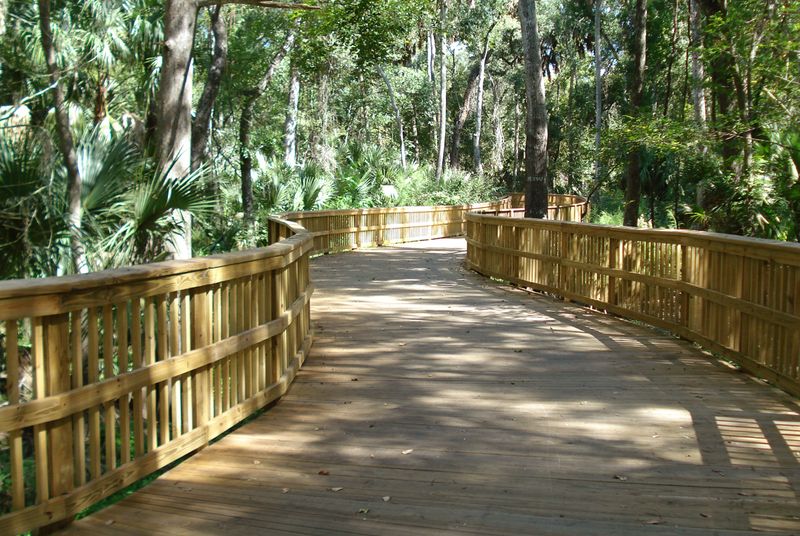
Following the St. Johns River through Volusia County, this scenic corridor connects a string of historic river towns, springs, and lakeside communities that grew up along Florida’s longest river. The St. Johns flows north—one of the few rivers in North America to do so—and this route captures its slow, wide, tannic beauty as it meanders through Central Florida.
Towns like DeLand, DeLeon Springs, and Enterprise retain their 19th-century charm, with brick streets, historic homes, and a slower pace that invites exploration. DeLeon Springs State Park lets you swim in a 72-degree spring pool and even make your own pancakes at the Old Spanish Sugar Mill restaurant. The river itself supports incredible biodiversity—manatees, alligators, countless bird species, and ancient cypress trees growing right out of the water.
Lakes dot the landscape, connected to the river by winding creeks and channels. The flat-water paddling here ranks among Florida’s best, but the drive itself offers plenty of water views and natural scenery. Spanish moss drapes from enormous live oaks, and historic sites tell stories of Seminole Wars, steamboat commerce, and early Florida settlers.
This corridor shows how deeply the river shaped North Florida’s development and why it remains such an important ecological and cultural resource today.