15 Florida Parks Where You Never Know What Animal You’ll Spot Next
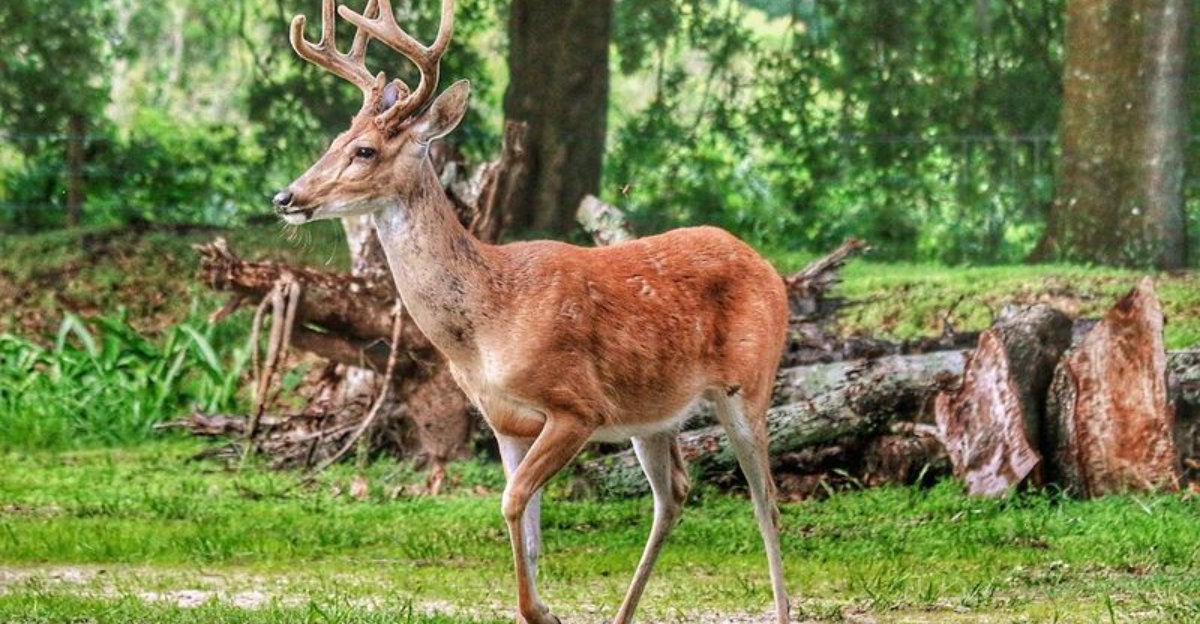
Florida’s wild spaces are packed with surprises around every bend. You might round a boardwalk corner and find an alligator sunbathing, or paddle up to a curious manatee drifting through crystal-clear springs. These 15 parks showcase the unpredictable magic of Florida wildlife, where every visit brings something different and the animals run the show.
1. Everglades National Park (Homestead / Everglades City)
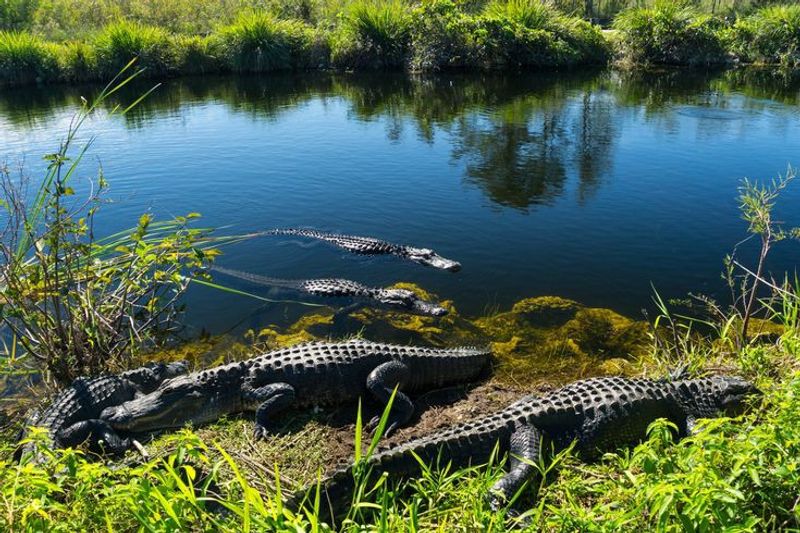
Stretching across 1.5 million acres of sawgrass marshes and mangrove forests, this UNESCO World Heritage Site is Florida’s ultimate wildlife stage. American alligators cruise through channels while American crocodiles lurk in coastal areas—one of the few places on Earth where both species coexist. Manatees drift through Florida Bay during cooler months, and bottlenose dolphins hunt in the Gulf waters.
The birdwatching here is legendary. Roseate spoonbills sweep their bills through shallow water, while great blue herons stand frozen like statues waiting to strike. Anhinga Trail is perfect for guaranteed wildlife sightings, especially during dry season when animals concentrate around shrinking water sources.
Bring binoculars and patience. The Everglades rewards slow observers who scan the water’s edge and watch the skies. Sunset at Flamingo offers spectacular views with silhouettes of wading birds against orange skies, and you might catch a glimpse of river otters playing along the shoreline or turtles stacking themselves on logs like living sculptures.
2. Myakka River State Park (Sarasota)
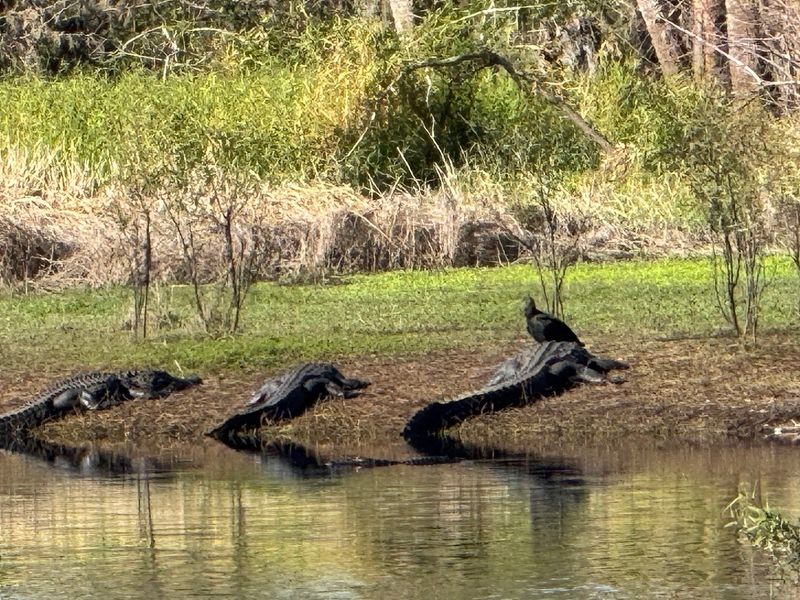
One of Florida’s oldest and largest state parks, Myakka spans 37,000 acres of wetlands, prairies, and hammocks teeming with wildlife. The Upper Myakka Lake is famous for its resident alligator population—you’ll often see dozens basking on the banks or floating like bumpy logs. White-tailed deer wander through open prairies, and wild turkeys strut along trails with surprising boldness.
The park’s canopy walkway takes you 25 feet above ground for a bird’s-eye view of the forest. Roseate spoonbills, with their shocking pink plumage, feed in shallow marshes alongside snowy egrets and tricolored herons. Ospreys nest in dead trees overlooking the river, and limpkins call out with their haunting wails.
Rent a kayak or take an airboat tour for up-close wildlife encounters. The river winds through pristine wilderness where you might spot river otters fishing or softshell turtles sunning on muddy banks. Early morning visits offer the best wildlife activity, when fog hangs over the water and animals are most active before the Florida heat settles in.
3. Paynes Prairie Preserve State Park (Micanopy)
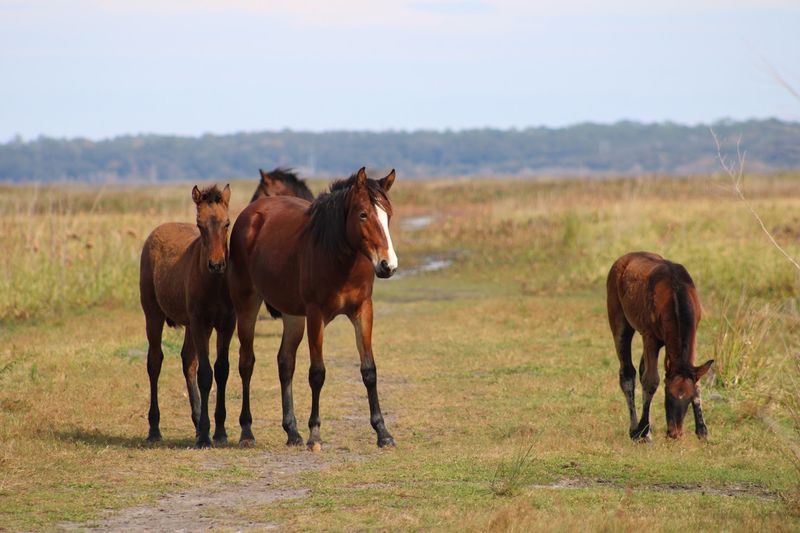
Few Florida parks surprise visitors quite like Paynes Prairie. This 21,000-acre preserve features an unexpected sight: wild horses and American bison roaming free across open grasslands. The horses descended from Spanish colonial stock, while the bison were reintroduced to restore the prairie’s historical ecosystem.
Watching these large mammals graze alongside alligators creates a surreal, almost prehistoric scene.
The preserve is also a birding hotspot with over 270 recorded species. Sandhill cranes strut through wet prairies, their rattling calls echoing across the basin. During winter, northern harriers hunt low over the grasslands, and bald eagles perch in distant trees scanning for prey.
La Chua Trail is the star attraction, offering boardwalk views over marshes packed with alligators—sometimes 20 or more visible at once. White-tailed deer browse at the forest edge, and if you’re incredibly lucky, you might spot a bobcat slinking through the underbrush. The observation tower provides sweeping views where you can scan for bison herds and watch flocks of wading birds descend at sunset, turning the sky into a moving tapestry of wings.
4. Blue Spring State Park (Orange City)
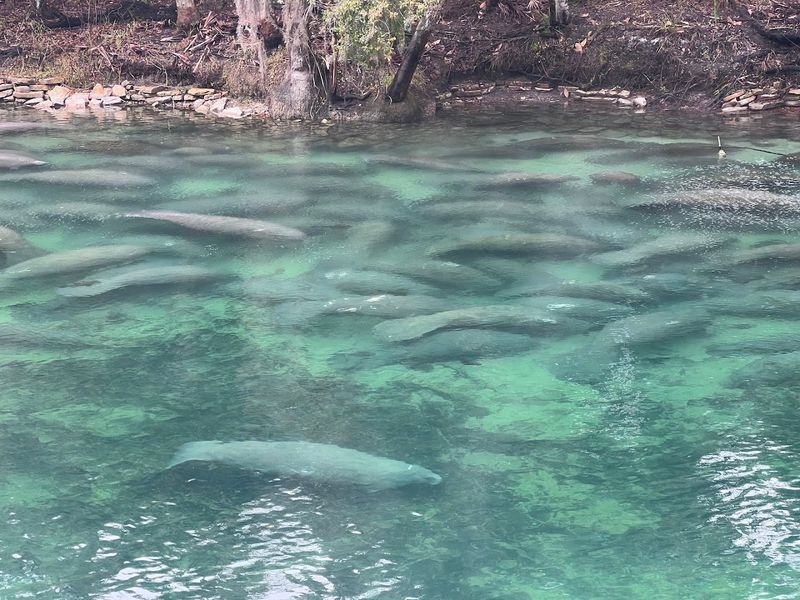
Blue Spring is manatee headquarters during Florida’s winter months. When Gulf and river temperatures drop, West Indian manatees migrate to this 72-degree spring, seeking its constant warmth. From November through March, the spring run becomes a manatee nursery, with mothers and calves crowding the narrow waterway.
On cold mornings, you might count over 500 manatees from the boardwalk.
Swimming is allowed when manatees aren’t present, typically in summer. The spring pumps 104 million gallons daily of impossibly clear water where you can watch fish darting below and turtles paddling lazily. Alligators patrol the St. Johns River nearby, and wading birds stalk the shallows hunting for prey.
The park’s nature trails wind through ancient oak hammocks where you might spot armadillos rooting through leaf litter or hear the drumming of pileated woodpeckers. River otters occasionally make appearances, sliding down muddy banks into the water. Winter weekends draw huge crowds for manatee viewing, so arrive early or visit weekdays for a more peaceful experience.
The underwater viewing area lets you see manatees eye-to-eye through glass windows—an unforgettable encounter with these gentle giants.
5. Ellie Schiller Homosassa Springs Wildlife State Park (Homosassa)
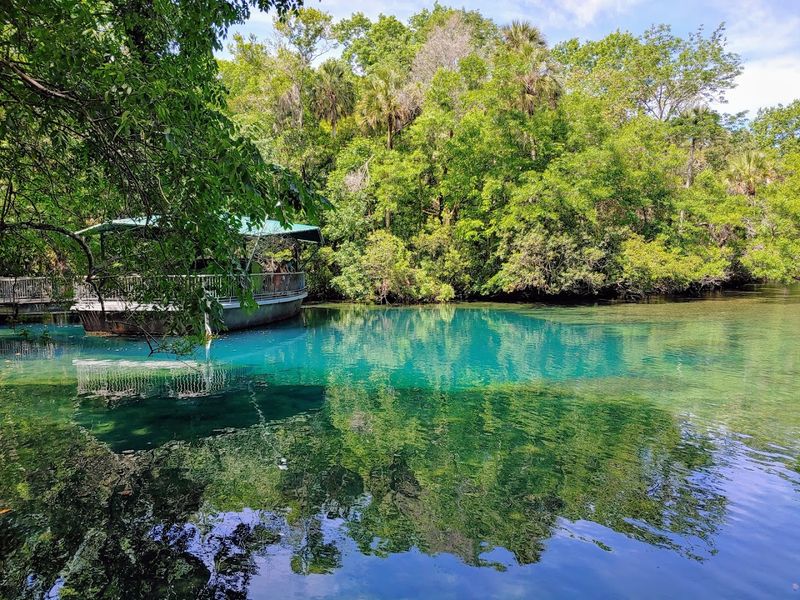
This unique park combines wild manatee viewing with captive native wildlife that can’t be released. The underwater observatory is the main attraction—a floating building with submerged windows where wild manatees swim right up to the glass. You’ll see every scar, every whisker, every barnacle on their gentle faces.
During winter, dozens gather in the warm spring water.
Aboveground, the wildlife walk showcases animals that were injured or orphaned and can’t survive in the wild. Florida panthers pace through naturalistic enclosures, their muscular bodies and intense eyes reminding you why they’re apex predators. Black bears lumber through wooded habitats, and bobcats watch visitors with calculating stares.
Red wolves, extinct in the wild in the Southeast, are part of a breeding program here.
The park also houses whooping cranes—among North America’s rarest birds—along with river otters that perform acrobatic swimming shows without even trying. A hippopotamus named Lu, a holdover from the park’s roadside-zoo days, has become a beloved resident. The spring-fed river supports wild fish, turtles, and birds that freely interact with the captive animals, creating an authentic Florida ecosystem experience where conservation meets education.
6. Silver Springs State Park (Ocala)
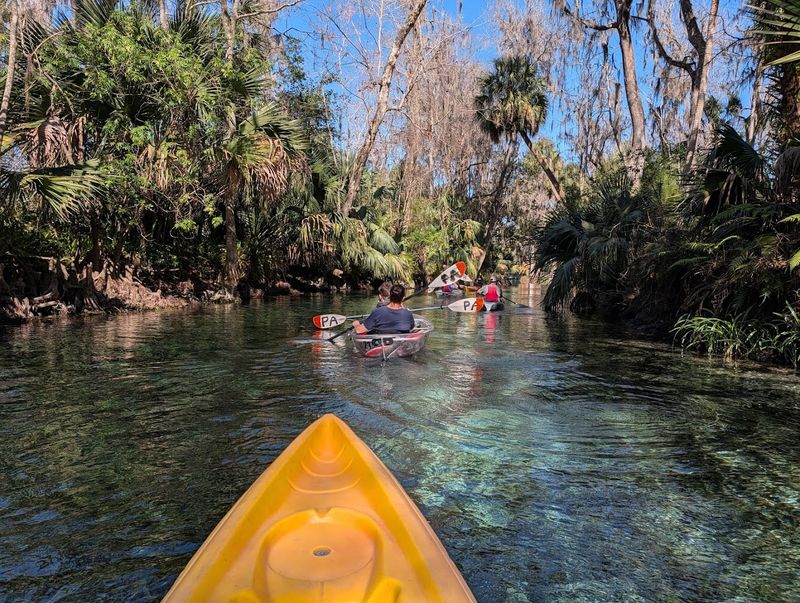
Silver Springs has been wowing visitors since the 1870s with its impossibly clear water. The springs pump 550 million gallons daily, creating visibility that stretches 80 feet deep. Glass-bottom boat tours remain the signature experience, gliding over underwater forests of eelgrass where bass, mullet, and gar swim in slow motion.
Turtles stack on submerged logs, and alligators patrol the river edges.
Here’s the wildcard: wild rhesus monkeys. In the 1930s, a tour operator released six monkeys on an island, thinking water would contain them. Surprise—monkeys can swim.
Now several troops roam the forest, swinging through trees and occasionally appearing along trails. They’re not native and ecologically problematic, but undeniably fascinating to spot.
Kayaking and paddleboarding let you explore at your own pace. The river winds through cypress swamps where great blue herons stand guard and anhingas spread their wings to dry. Limpkins probe the shallows for apple snails, their primary food source.
The park’s trails offer forest hiking where you might encounter white-tailed deer or hear the territorial calls of barred owls. Silver Springs blends Old Florida tourism history with legitimate wildlife viewing in a setting that feels frozen in time.
7. Jonathan Dickinson State Park (Hobe Sound)
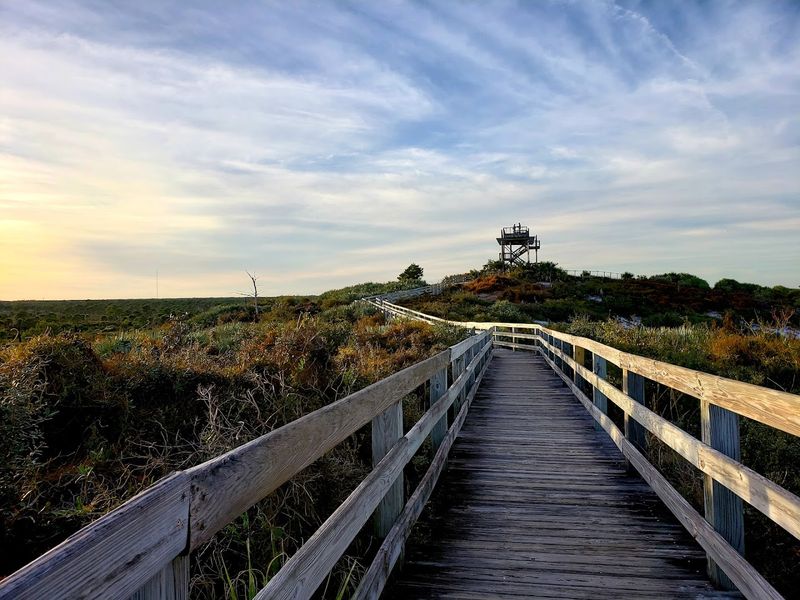
Named after a Quaker merchant shipwrecked here in 1696, this park protects 11,500 acres of incredibly diverse habitats. Sand pine scrub—one of Florida’s rarest ecosystems—covers the higher ground where gopher tortoises dig their burrows. These ancient reptiles are keystone species; their burrows shelter over 350 other animals including indigo snakes, burrowing owls, and gopher frogs.
The Loxahatchee River, Florida’s first federally designated Wild and Scenic River, snakes through the park’s heart. Paddling here feels like time travel—cypress trees draped in Spanish moss, alligators sunning on banks, and river otters fishing in tannic water. White-tailed deer come to drink at dawn, and occasionally you’ll spot a bobcat slipping through palmetto thickets.
The park’s observation tower offers panoramic views over the coastal scrub and river floodplain. Wading birds—herons, egrets, wood storks—hunt in shallow wetlands. During migration seasons, painted buntings flash their rainbow plumage in the undergrowth.
The variety here is remarkable: beach mice scurry through dunes, ospreys nest in tall pines, and manatees sometimes venture up the river from the coast. Each habitat zone hosts different wildlife communities, making every trail a new discovery.
8. Hillsborough River State Park (Thonotosassa)
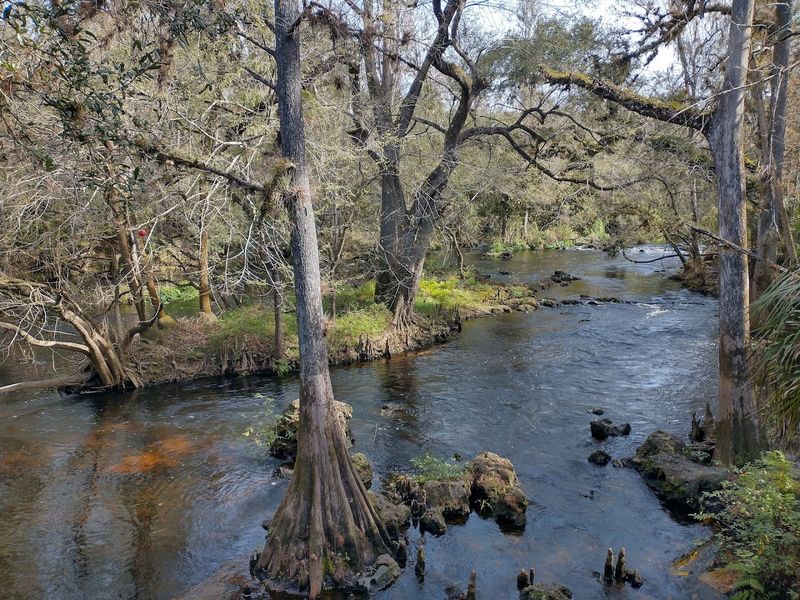
Just northeast of Tampa, this park offers a wild escape along one of Florida’s few rivers with Class II rapids. The Hillsborough River flows dark with tannins, creating perfect habitat for alligators that lurk along every bend. Paddlers regularly encounter gators sunning on logs or gliding silently through the current—usually harmless but always thrilling to see up close.
The river attracts wading birds year-round. Great egrets stand motionless in shallows, striking with lightning speed when fish swim past. Green herons perch on low branches, and occasionally you’ll spot a rare limpkin probing for apple snails.
Turtles—Florida softshells, river cooters, and peninsula cooters—bask in sunny spots along the banks.
Forest trails wind through oak and palm hammocks where white-tailed deer browse and armadillos root through leaf litter with single-minded determination. Barred owls call at dusk with their distinctive “who cooks for you” hoots. The suspension bridge offers elevated views over the river and floodplain forest, perfect for spotting wildlife movement below.
Summer brings nesting season when anhinga chicks perch awkwardly in treetop nests and baby alligators ride on their mother’s backs. The park’s proximity to Tampa makes it an easy wildlife escape without driving to remote wilderness areas.
9. Merritt Island National Wildlife Refuge (Titusville)
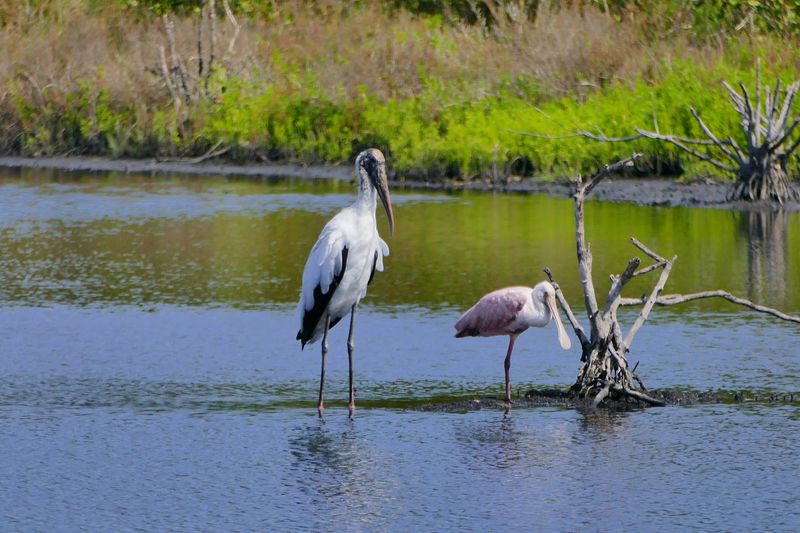
Sharing land with Kennedy Space Center, this 140,000-acre refuge protects some of Florida’s most productive wildlife habitat. The coastal marshes and lagoons support over 1,500 species of plants and animals. Alligators are everywhere—you’ll often see them from your car on Black Point Wildlife Drive, the refuge’s signature auto tour route that winds through impoundments packed with birds.
Winter brings massive waterfowl migrations. Northern pintails, blue-winged teal, and American wigeons gather by the thousands. Roseate spoonbills sweep their specialized bills through shallow water, while reddish egrets perform their distinctive “dancing” hunting technique.
Bald eagles nest here, and during winter, you might see a dozen or more perched in dead trees.
The Indian River Lagoon borders the refuge, hosting manatees year-round and bottlenose dolphins that hunt cooperatively in shallow water. Sea turtles nest on refuge beaches during summer, and occasionally you’ll spot them swimming offshore. The refuge is also critical habitat for Florida scrub-jays, an endangered species found only in Florida.
Mosquito Lagoon’s shallow flats attract wading birds in spectacular numbers, creating scenes that look like nature documentaries. Bring binoculars, patience, and insect repellent—the wildlife viewing is world-class but the mosquitoes are legendary.
10. J.N. “Ding” Darling National Wildlife Refuge (Sanibel)
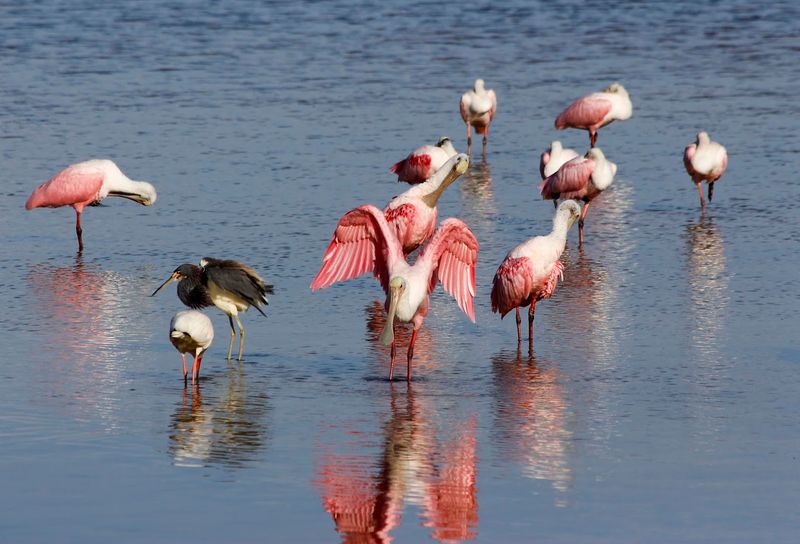
Named after a Pulitzer Prize-winning cartoonist and conservation pioneer, this Sanibel Island refuge is birding paradise. Over 245 bird species have been recorded here, making it one of America’s top birding destinations. The four-mile Wildlife Drive takes you through mangrove forests and tidal flats where roseate spoonbills feed in shocking pink flocks, their spatulate bills swishing side to side through the water.
Great blue herons, tricolored herons, and little blue herons stalk the shallows alongside snowy egrets and great egrets. Brown pelicans dive-bomb the water with spectacular splashes, while white pelicans float serenely in rafts. Ospreys nest on channel markers, and during migration, the refuge explodes with warblers, tanagers, and other neotropical migrants.
Low tide is prime viewing time when mudflats expose feeding areas. Raccoons prowl the mangrove edges, surprisingly bold and always searching for food. Alligators inhabit freshwater areas within the refuge, and occasionally American crocodiles appear in brackish zones.
The refuge offers kayak trails through mangrove tunnels where you’ll paddle inches from roosting herons and hunting egrets. Winter mornings are magical—cool air, soft light, and wildlife activity at its peak. The refuge proves that some of Florida’s best wildlife viewing happens on small islands where land meets sea.
11. Big Cypress National Preserve (Ochopee)
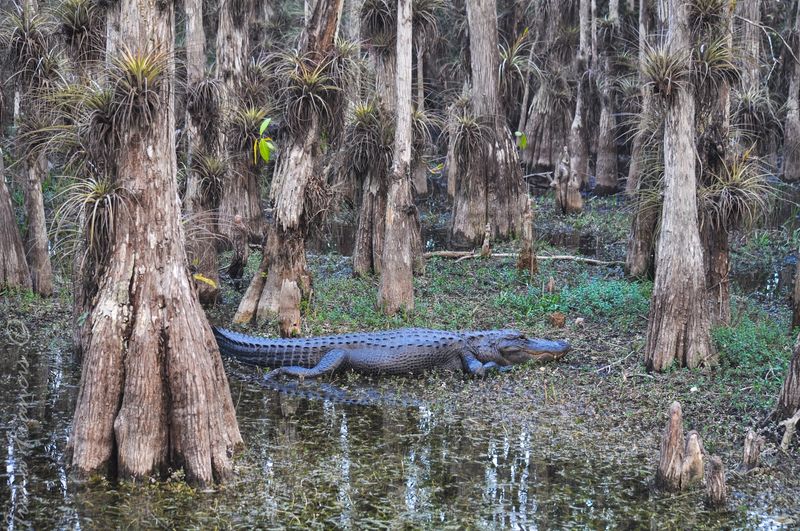
Big Cypress sprawls across 729,000 acres of swamp, marsh, and forest—true wilderness where Florida panthers still roam. This is one of the few remaining strongholds for these critically endangered cats, though spotting one requires extraordinary luck. Most visitors see only tracks or scratch marks on trees, but knowing panthers prowl these forests adds electric anticipation to every hike.
Alligators dominate the waterways, especially visible during dry season when they concentrate in shrinking pools. Wading birds—wood storks, white ibises, great egrets—gather in spectacular numbers at these pools, creating feeding frenzies that attract photographers from around the world. Turkey vultures and black vultures soar overhead, riding thermals above the endless swamp.
The preserve’s diverse habitats support white-tailed deer, wild turkeys, bobcats, and river otters. Snakes are abundant, including water moccasins, Florida cottonmouths, and non-venomous water snakes often mistaken for their dangerous cousins. The Loop Road offers primitive driving through the heart of Big Cypress, with numerous pull-offs for wildlife watching.
Turtles sun on logs, anhingas dry their wings spread-eagle style, and occasionally black bears wander through. Big Cypress feels genuinely wild—no manicured trails or visitor centers, just raw Florida swamp where nature operates on its own terms and surprises wait around every bend.
12. Wekiwa Springs State Park (Apopka)
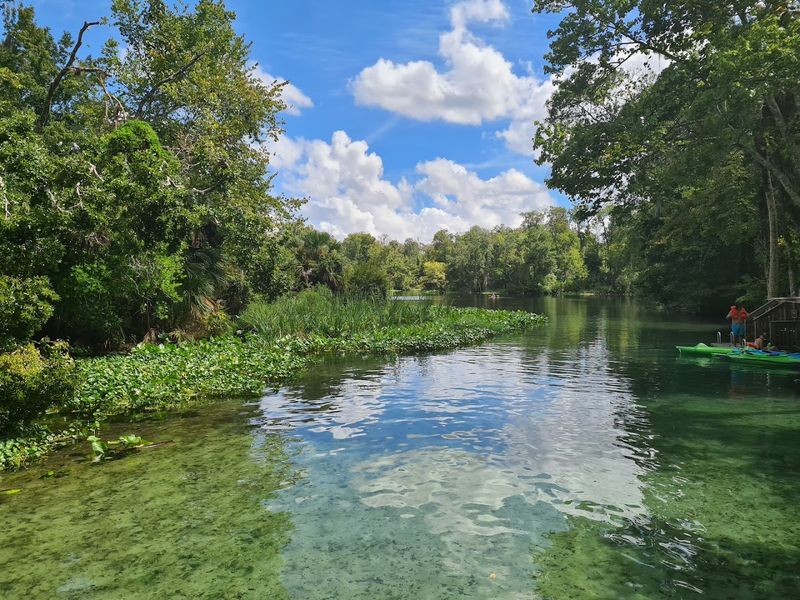
Just minutes from Orlando’s theme parks, Wekiwa Springs offers a completely different Florida experience. The spring pumps 42 million gallons daily of 72-degree water so clear you can count fish scales from the surface. Paddling the spring run and Wekiva River reveals a wildlife corridor where Central Florida’s animals still thrive despite suburban encroachment.
White-tailed deer are abundant and relatively habituated to humans, often grazing near the campground and trails. River otters fish in the spring run, their sleek bodies twisting through the water with playful energy. Alligators inhabit the river, and while they’re generally shy here, you’ll spot them floating near the banks or submerged with just eyes and nostrils visible.
The spring itself attracts swimmers and snorkelers who share the water with turtles, bass, and gar. Wading birds—herons, egrets, anhingas—hunt along the river edges. The park’s 13 miles of trails wind through sand pine scrub and hardwood hammocks where gopher tortoises dig burrows and pileated woodpeckers hammer dead trees.
Barred owls nest in the forest, their daytime hooting often surprising hikers. Early morning paddles offer the best wildlife viewing before crowds arrive, when mist hangs over the water and the forest wakes with birdsong. Wekiwa proves that exceptional wildlife habitat can survive even near major cities when properly protected.
13. St. Marks National Wildlife Refuge (St. Marks)
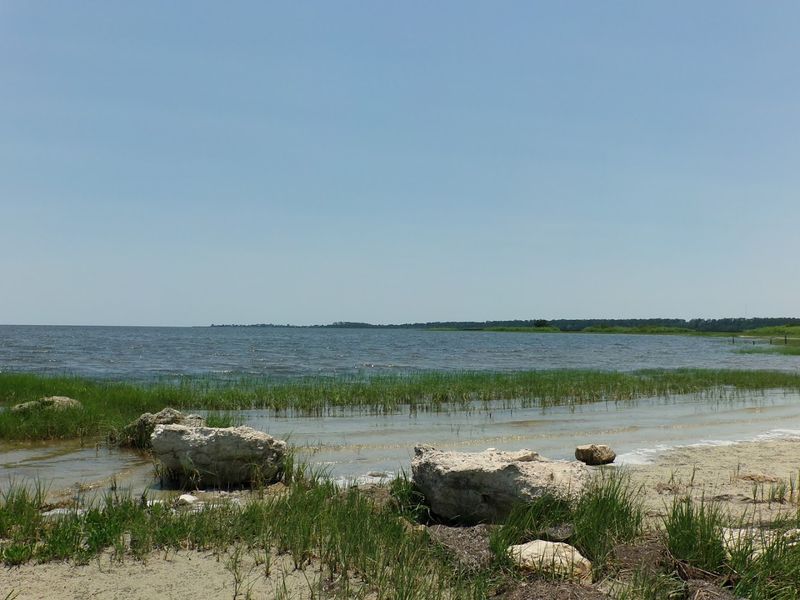
Where the Panhandle meets the Gulf, St. Marks protects 70,000 acres of coastal marsh, forest, and islands. The refuge is famous for its lighthouse and for spectacular wildlife migrations. Each fall, millions of monarch butterflies funnel through St. Marks on their journey to Mexico, creating orange clouds that settle on trees and shrubs.
Birdwatchers flock here during the same season when neotropical migrants rest before crossing the Gulf.
Alligators inhabit freshwater impoundments and brackish marshes throughout the refuge. The Lighthouse Road offers easy wildlife viewing from your car—scan the marshes for wading birds including roseate spoonbills, wood storks, and various herons. Bald eagles nest here, and during winter, you might see several perched in tall pines or soaring over the coastline.
The refuge’s diverse habitats attract equally diverse wildlife. Shorebirds probe the mudflats—willets, dowitchers, sandpipers, and plovers. Bottle-nosed dolphins hunt in nearshore waters, and sea turtles nest on refuge beaches during summer.
Forest trails offer chances to see white-tailed deer, armadillos, and fox squirrels. The observation tower at the end of Lighthouse Road provides sweeping views over salt marshes where tidal creeks wind like silver ribbons and birds move in constant motion, creating a living landscape that changes with every tide and season.
14. Loxahatchee National Wildlife Refuge (Boynton Beach)
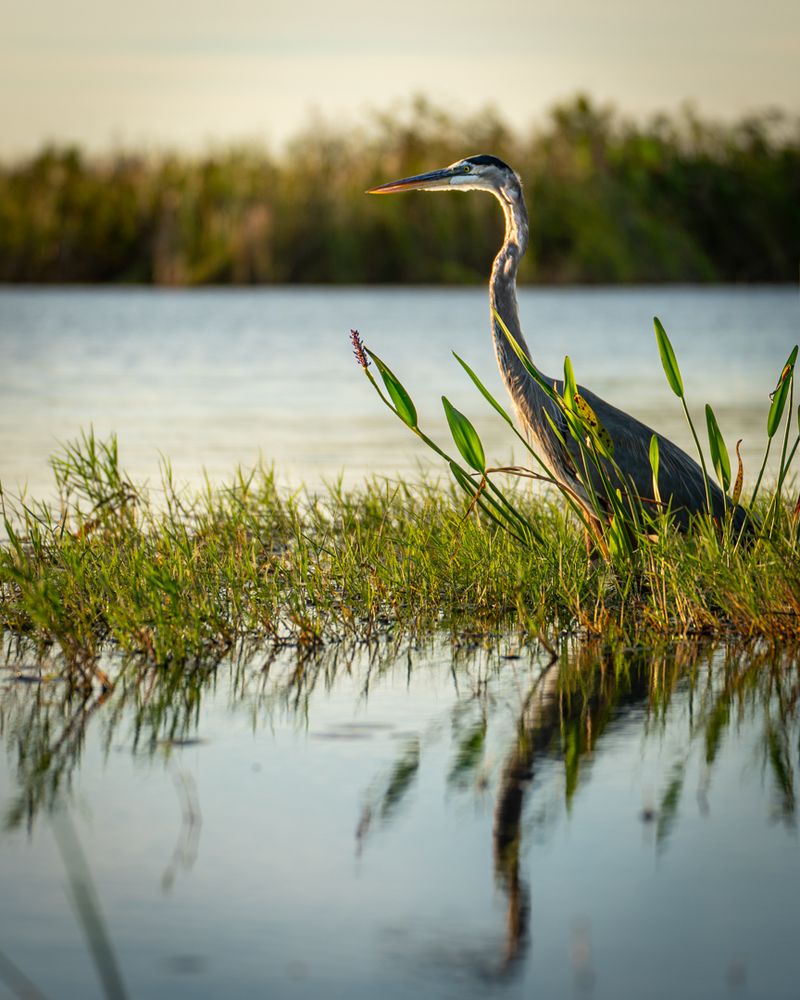
The northern remnant of the Everglades, Loxahatchee protects 145,000 acres of sawgrass marsh, wet prairie, and cypress swamp. This is the closest Everglades-style experience to the Palm Beach area, offering wildlife viewing that rivals the national park. Alligators are the stars—you’ll see them everywhere, especially from the Cypress Swamp Boardwalk where they bask below the walkway and occasionally bellow during mating season.
Wading birds gather in impressive numbers. Great egrets, snowy egrets, tricolored herons, and white ibises hunt in shallow water. Wood storks—endangered and unmistakable with their bald heads—wade through marshes probing for fish.
Anhingas perch on stumps drying their wings, and purple gallinules walk on lily pads with their oversized yellow feet.
The refuge’s canoe trail winds through cypress forest and marsh, offering intimate wildlife encounters impossible from land. Turtles sun on every available log, and occasionally you’ll spot a water snake swimming with just its head above water. Marsh rabbits hop through the sawgrass, and river otters fish in the canals.
The refuge observation tower provides panoramic views over endless marsh stretching to the horizon—a landscape that looks exactly as it did centuries ago, proving that even in developed South Florida, wilderness persists when we choose to protect it.
15. Highlands Hammock State Park (Sebring)
One of Florida’s original state parks, Highlands Hammock protects old-growth forest that escaped logging—a rarity in developed Florida. Ancient live oaks draped in Spanish moss create a cathedral-like canopy over trails where sunlight filters through in golden shafts. This is Old Florida at its finest, where the forest feels primeval and wildlife thrives in habitats that have remained largely unchanged for centuries.
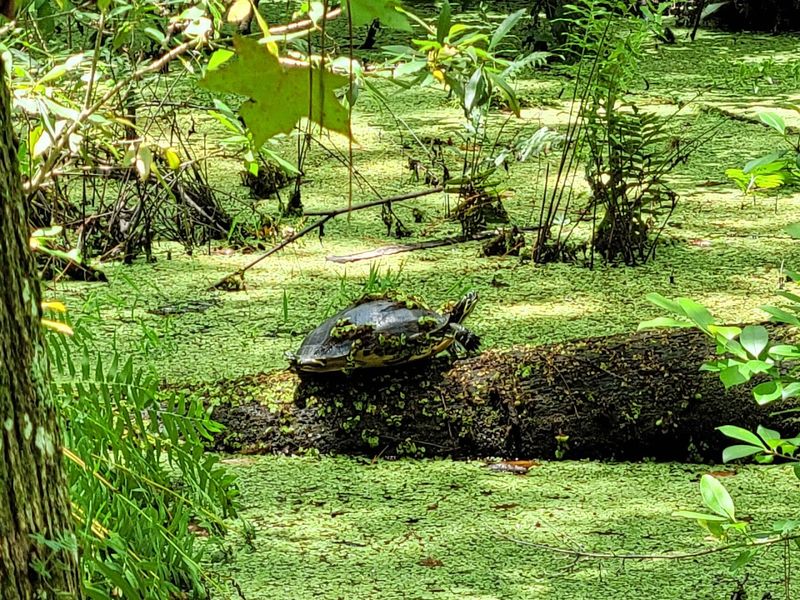
White-tailed deer are common, often browsing along trails and showing little fear of quiet hikers. Alligators inhabit the cypress swamp areas, and the park’s boardwalks offer safe viewing over dark water where gators float like prehistoric logs. Turtles stack themselves on every available perch, and occasionally you’ll spot a softshell turtle’s snorkel-like nose poking above the surface.
The hammock supports diverse birdlife including pileated woodpeckers, barred owls, and various warblers. During winter, painted buntings add tropical color to the understory. The park’s swamp areas host limpkins, anhingas, and herons hunting in the shallows.
Wild turkeys strut through open areas, and armadillos root through leaf litter with determined focus. The bicycle loop offers easy wildlife viewing through multiple habitat types—hammock, flatwoods, swamp, and scrub. Highlands Hammock feels like stepping back in time to pre-development Florida, where ancient forests still stand and wildlife moves freely through a landscape that remembers what the entire state once looked like.