12 Quiet Florida State Parks Perfect For Long Walks And Total Peace
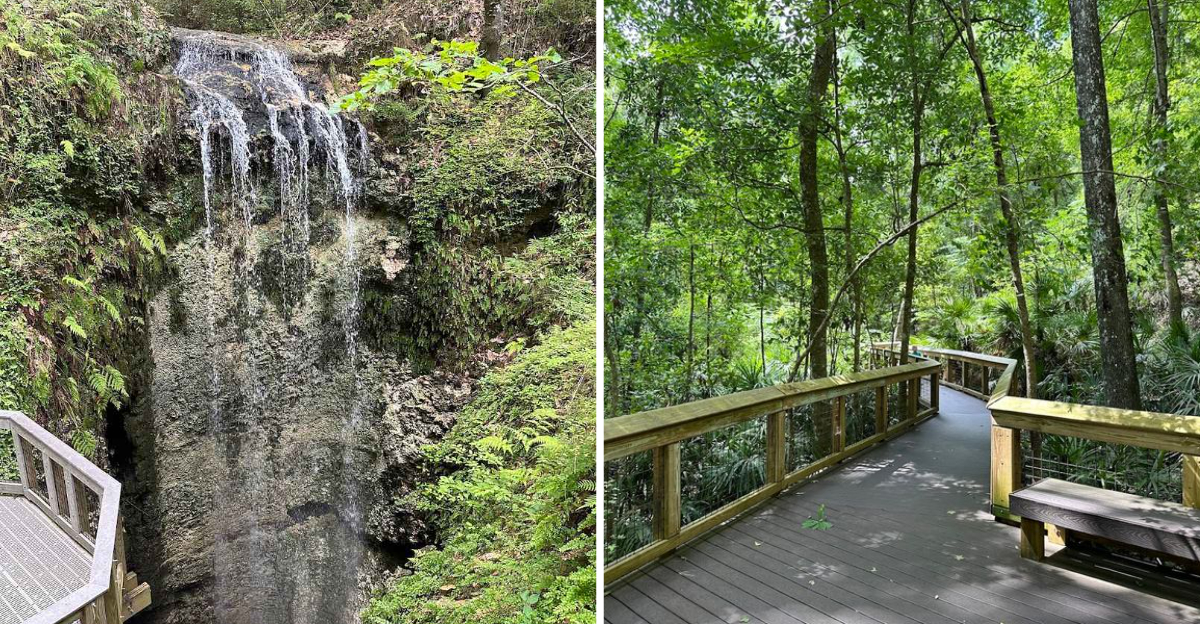
Finding a peaceful escape in Florida doesn’t require booking an expensive resort or traveling to a remote island. Hidden throughout the state are quiet parks where you can walk for hours without encountering crowds, listening only to birds singing and leaves rustling in the breeze.
These lesser-known natural areas offer exactly what your mind and body need after dealing with daily stress and endless to-do lists.
1. Big Shoals State Park — White Springs
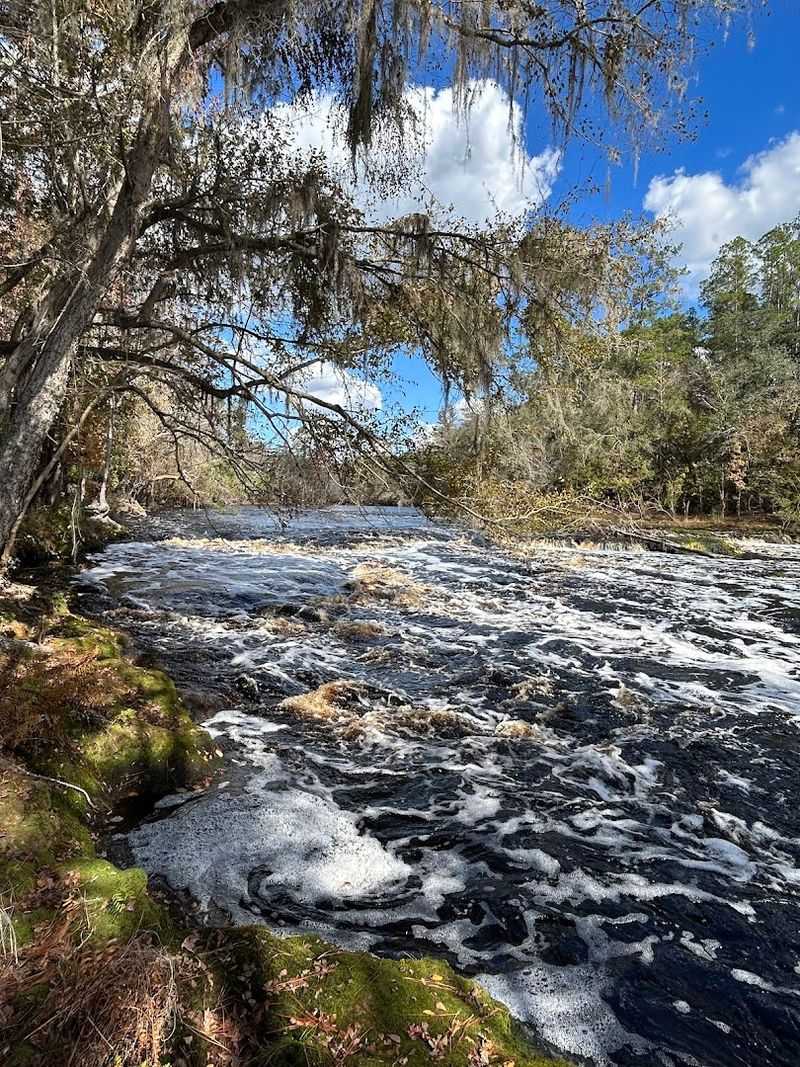
Up in North Florida where the Suwannee River carves through ancient limestone, you’ll find something most people don’t associate with the Sunshine State: actual whitewater rapids. Big Shoals holds the distinction of being Florida’s only Class III rapids, but don’t worry—the hiking trails stay safely on dry land.
The park’s remote location near the Georgia border means you’ll likely have the trails mostly to yourself, even on weekends.
Walking through this park feels like stepping into a completely different ecosystem. Towering longleaf pines create a canopy overhead while the sound of rushing water provides a constant, soothing soundtrack.
The trails range from easy riverside strolls to more challenging paths that climb through upland forests, giving you options depending on your energy level and available time.
What makes this spot especially peaceful is how few people know about it. While tourists flock to beaches and theme parks, this northern gem remains blissfully uncrowded.
You can spend hours exploring without seeing another soul, watching for wildlife like deer, turkeys, and the occasional gopher tortoise crossing your path.
The best time to visit is during cooler months when the humidity drops and the temperature becomes perfect for longer walks. Bring water and snacks since facilities are minimal, which is part of the charm.
The lack of development means nature stays front and center, exactly as it should be when you’re seeking genuine peace and quiet away from modern life’s constant noise.
2. Colt Creek State Park — Lakeland
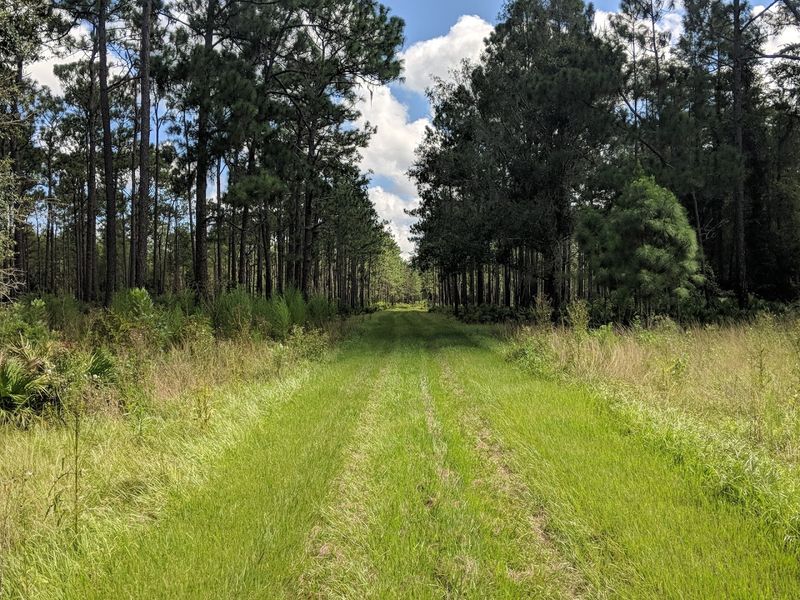
Tucked between Tampa and Orlando, Colt Creek offers something rare in Central Florida: genuine solitude despite being surrounded by development. This newer state park opened in 2007, so it hasn’t made it onto most tourists’ radar yet.
That works perfectly for anyone seeking quiet trails where the only sounds come from wind moving through palmetto scrub and water birds calling across marshes.
The landscape here showcases classic Florida terrain that existed before shopping centers and subdivisions took over. Miles of trails wind through pine flatwoods, oak hammocks, and wetlands that flood seasonally, creating different experiences depending on when you visit.
During drier months, you can walk further into areas that become impassable when summer rains arrive.
One of the park’s best features is how the trails interconnect, letting you customize your walk length without backtracking. You might start on a short loop and decide to keep going, following your mood rather than a predetermined plan.
This flexibility makes the park ideal for those days when you need to walk off stress but aren’t sure how much time or distance you’ll want.
Wildlife watching here can be exceptional, especially during early morning or late afternoon hours. Sandhill cranes often forage in open areas, their distinctive calls echoing across the landscape.
White-tailed deer browse near trail edges, and if you’re lucky, you might spot a bobcat slipping through the underbrush. The park’s relative obscurity means animals remain less skittish than in heavily visited areas, offering better viewing opportunities for patient observers.
3. Lake Kissimmee State Park — Lake Wales
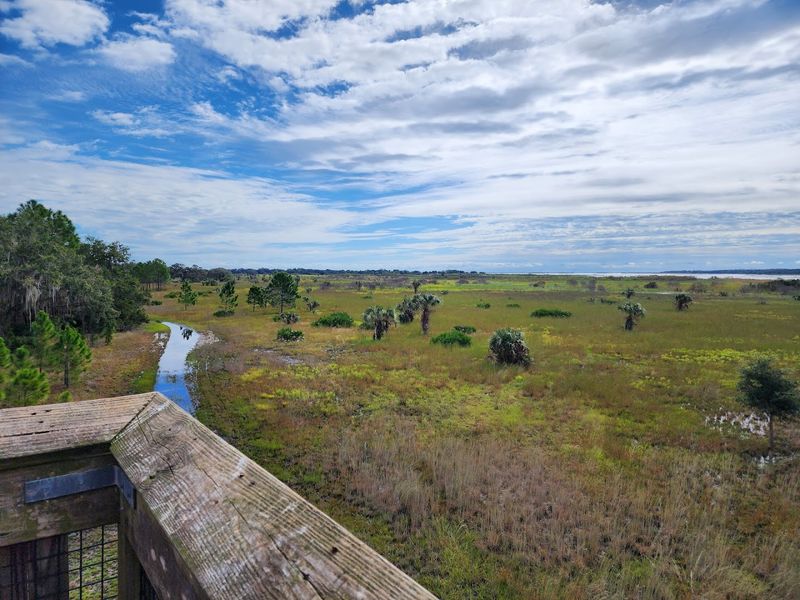
Imagine walking through Florida as it looked 200 years ago, before drainage projects and development transformed most of the state. Lake Kissimmee preserves over 6,000 acres of that original landscape, featuring vast prairies that stretch to the horizon, interrupted only by scattered oak trees and distant wetlands.
The openness creates a sense of space that’s increasingly rare in modern Florida.
The park’s trail system takes you through remarkably diverse habitats within relatively short distances. You’ll transition from shady oak hammocks to sun-drenched prairies to lakeside marshes, each supporting different plant and animal communities.
This variety keeps walks interesting since the scenery constantly changes, preventing the monotony that can come with longer hikes through uniform terrain.
Birdwatchers particularly appreciate this park’s quiet atmosphere and abundant species. Bald eagles nest here during winter months, while sandhill cranes gather in impressive numbers on the prairies.
Wading birds stalk the shallow waters along the lakeshore, and you’ll likely hear the distinctive call of red-shouldered hawks echoing across open areas. Bringing binoculars adds another dimension to your peaceful walks.
The park also features a living history farm that recreates 1876 cow-hunting life, but you can easily avoid that area if you prefer pure nature without interpretive elements. Most visitors stick to the developed section, leaving the backcountry trails wonderfully empty.
Pack plenty of water since shade can be limited on prairie sections, and consider visiting during cooler months when walking becomes more comfortable and wildlife viewing improves significantly.
4. Ochlockonee River State Park — Sopchoppy
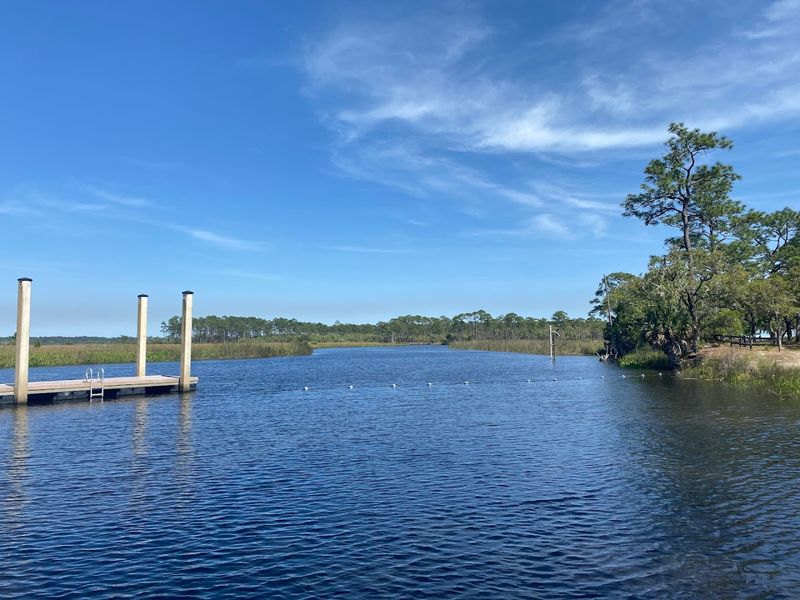
Sometimes the best parks are the ones nobody talks about. Ochlockonee River State Park sits in Florida’s Panhandle, far enough from major cities that it remains peacefully uncrowded year-round.
The park protects a beautiful stretch where the Ochlockonee River flows through forested floodplains, creating habitats that feel more like Georgia or Alabama than typical Florida environments.
Walking trails here meander through mixed pine and hardwood forests where Spanish moss drapes from oak branches, creating that classic Southern Gothic atmosphere. The terrain stays relatively flat, making it accessible for most fitness levels while still offering enough distance to feel like you’ve truly escaped.
Several trails lead to river overlooks where you can pause and watch the dark water flowing south toward the Gulf.
What really sets this park apart is its sense of remoteness despite being accessible via paved roads. The nearest town, Sopchoppy, barely qualifies as a town at all, which tells you something about how far from urban chaos you’ve traveled.
This isolation means incredible star viewing at night if you’re camping, and daytime walks where human-made sounds rarely intrude on natural quiet.
The park’s location in Florida’s Big Bend region means you’re experiencing ecosystems that transition between temperate and subtropical zones. Spring brings spectacular wildflower displays, while fall offers mild temperatures perfect for longer walks.
Summer can be humid and buggy, but that’s when you’ll have the place most to yourself. Bring insect repellent regardless of season, and don’t rush—this park rewards those who slow down and pay attention to small details.
5. Falling Waters State Park — Chipley
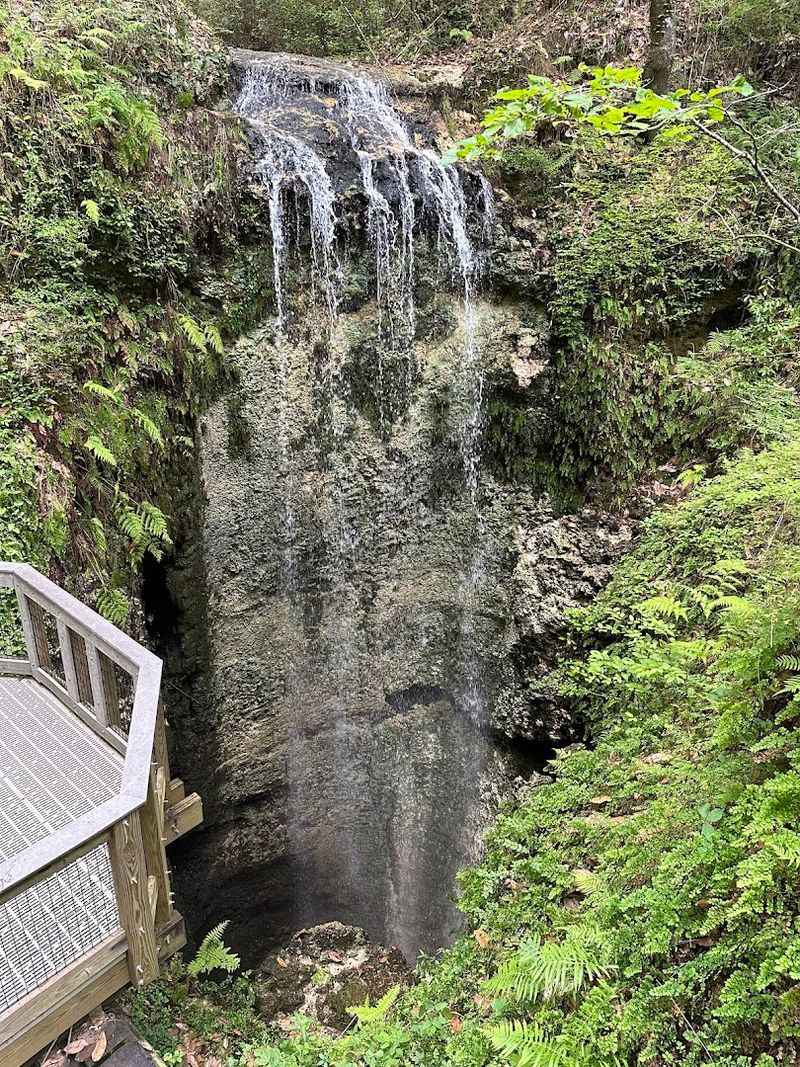
Florida’s tallest waterfall isn’t exactly Niagara Falls, but Falling Waters holds its own unique charm that draws visitors willing to venture into the state’s rural Panhandle. Water drops 73 feet into a cylindrical sinkhole, disappearing into the limestone below—a geological feature you won’t find anywhere else in Florida.
The park surrounding this natural wonder offers peaceful trails through forests that stay cool even during summer months.
Beyond the waterfall itself, the park’s trail system takes you through upland forests quite different from what most people picture when they think of Florida. Hardwood trees dominate rather than palms, and the rolling terrain provides actual elevation changes that challenge your legs a bit.
These trails see far fewer visitors than the short path to the falls, meaning you can quickly escape any crowds and find solitude.
The park’s small size works in its favor for those seeking peace rather than adventure. You won’t spend all day here, but that’s not the point.
Think of it as a perfect spot for a contemplative morning walk followed by sitting quietly near the falls, letting the sound of falling water clear your mind. The simplicity and focus make it ideal for meditation or just taking a break from overthinking everything.
Visit during weekdays if possible, especially outside summer vacation periods when local families arrive. Early morning offers the best light for viewing the falls and the coolest temperatures for walking.
The park’s northern location means genuine seasonal changes, so autumn brings colorful foliage that’s rare in most of Florida. Spring showcases blooming dogwoods and azaleas, adding visual interest beyond the main attraction.
6. Highlands Hammock State Park — Sebring
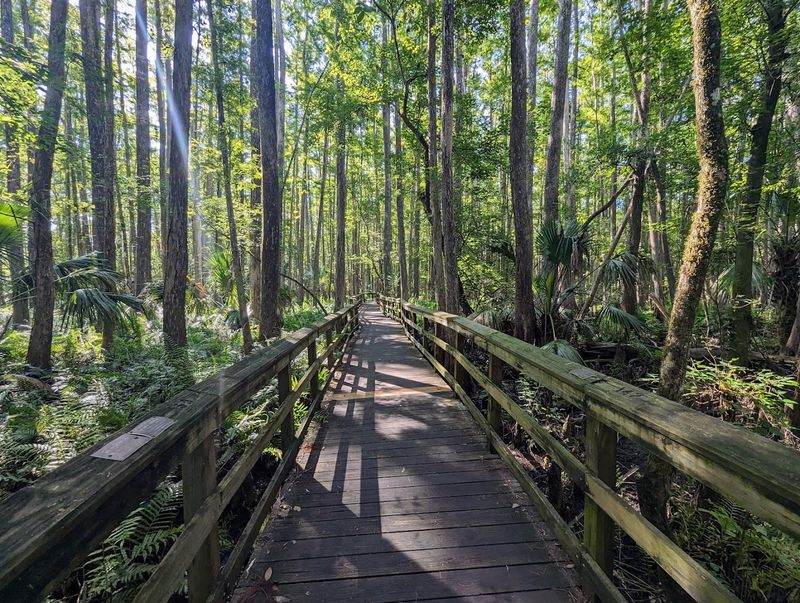
One of Florida’s original state parks, established back in the 1930s, Highlands Hammock has been providing peaceful escapes for nearly a century. What makes this park special is the feeling of stepping into old Florida, where massive live oaks create cathedral-like spaces and ferns carpet the forest floor.
The Civilian Conservation Corps built trails and facilities here that still serve visitors today, connecting you to both natural and human history.
Walking through the hammock feels like entering a different world. Sunlight filters through multiple canopy layers, creating constantly shifting patterns on the trail ahead.
The air stays noticeably cooler under this dense vegetation, and sounds seem muffled by all the plant life surrounding you. It’s the kind of place where you naturally lower your voice and slow your pace, responding to the environment’s inherent tranquility.
The park offers both paved and natural surface trails, letting you choose your experience. The paved paths make the hammock accessible to almost everyone, including those with mobility limitations who still deserve access to beautiful natural spaces.
Natural trails venture into wetter areas where you might need to navigate around seasonal flooding, adding a bit of adventure for those seeking it.
Wildlife encounters happen regularly here, from armadillos shuffling through leaf litter to barred owls calling during daylight hours. White-tailed deer browse near trail edges, and you’ll definitely hear woodpeckers hammering on dead trees.
The park’s long protection means animals act relatively unbothered by human presence, as long as you move quietly and respect their space. Winter months bring the most comfortable walking conditions and the best wildlife activity.
7. Mike Roess Gold Head Branch State Park — Keystone Heights
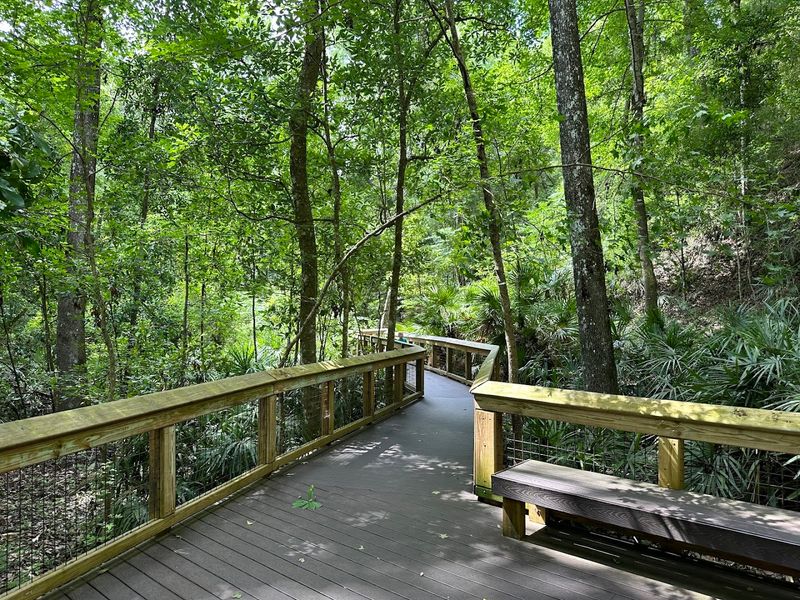
Steep ravines in Florida? Most people don’t believe they exist until they visit Gold Head Branch, where trails descend into dramatic valleys carved by spring-fed streams.
The elevation changes here create microclimates and habitat diversity you won’t find in Florida’s flatter regions. Walking these trails provides a genuine workout while immersing you in ecosystems that feel transported from Appalachia rather than the typical Sunshine State landscape.
The park’s centerpiece is the ravine system where Gold Head Branch flows through dense vegetation toward nearby lakes. Descending into these valleys on switchback trails, you’ll notice temperature drops and humidity increases as you enter the protected lowlands.
Ferns, mosses, and moisture-loving plants thrive in this environment, creating lush green walls on either side of the stream. It’s easy to spend hours exploring these ravines, discovering new perspectives with each turn.
What really makes this park perfect for peaceful walks is how the terrain naturally disperses visitors. People tend to stick to a few popular spots, leaving miles of trails nearly empty even on busy weekends.
The backcountry trails that circle through upland pine forests and around small lakes rarely see traffic, offering genuine solitude for those willing to venture beyond the main attractions.
The park sits in North Central Florida’s lake region, meaning you’ll find water everywhere you look. Several trails lead to lake overlooks where you can rest and watch for wading birds, otters, and alligators sunning themselves on distant banks.
The combination of hills, ravines, and lakes creates constantly changing scenery that keeps walks interesting regardless of how many times you visit. Cooler months provide ideal conditions, though summer mornings can be magical when mist rises from the ravines.
8. Torreya State Park — Bristol
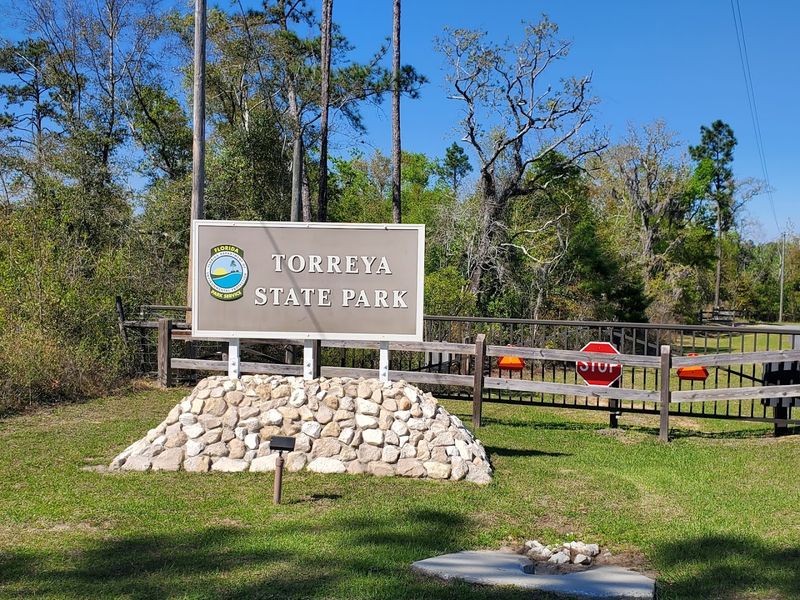
Perched on bluffs high above the Apalachicola River, Torreya State Park protects one of Florida’s most unusual landscapes. The elevation here reaches over 150 feet above sea level—genuine hills by Florida standards—and supports plant communities found nowhere else in the state.
The park’s namesake, the rare Torreya tree, clings to these bluffs in small numbers, a glacial relict species that once grew throughout the region but now survives only in this limited area.
Trails wind along bluff edges offering views across the river valley that extend for miles, a perspective rarely available in flat Florida. The topography creates challenging walks with real climbs and descents, rewarding your effort with constantly changing vistas.
During cooler months, you might see your breath in the morning—another rarity in the Sunshine State that makes this park feel special and different.
The remote location in Liberty County, one of Florida’s least populated areas, guarantees peace and quiet. Getting here requires commitment since it’s not near any major highways or cities, but that’s exactly why it remains uncrowded.
The drive itself takes you through rural North Florida landscapes that few outsiders ever see, adding to the sense of discovery and escape.
Beyond natural features, the park contains a relocated antebellum plantation house that provides historical context, though you can easily skip it if you prefer focusing on nature. The backcountry trails that loop through the park’s interior offer the best solitude, taking you away from any developed areas into forests that feel genuinely wild.
Pack everything you need since services are minimal, and embrace the remoteness as part of the experience rather than an inconvenience.
9. Kissimmee Prairie Preserve State Park — Okeechobee
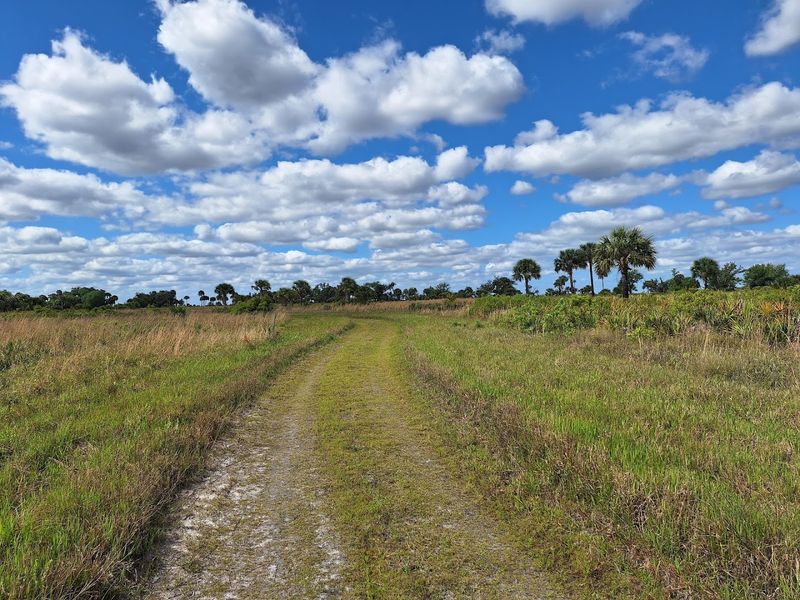
When you need to see the horizon in every direction and feel truly small under an enormous sky, Kissimmee Prairie delivers like nowhere else in Florida. This massive preserve protects over 54,000 acres of dry prairie, one of the state’s rarest and most threatened ecosystems.
Walking here means experiencing Florida as it existed before drainage and development, when vast grasslands stretched from horizon to horizon interrupted only by scattered hammocks and wetlands.
The openness creates a unique psychological effect. Without trees or buildings blocking your view, distances become difficult to judge and the landscape takes on an almost surreal quality.
You can walk for hours seeing nothing but grass, palmetto, and sky, with the only sounds coming from wind and grassland birds. This emptiness might feel uncomfortable at first if you’re used to visual stimulation, but give it time—the spaciousness eventually becomes deeply calming.
The preserve’s trail system includes both short nature walks and a 30-mile backcountry loop for serious hikers. Even if you stick to shorter trails, you’ll quickly understand why this place earned designation as an International Dark Sky Park.
With zero light pollution and unobstructed views overhead, the night sky here reveals thousands of stars invisible from urban areas. Daytime walks offer their own rewards, especially during spring when wildflowers paint the prairie in shifting colors.
Be prepared for exposure since shade is virtually nonexistent. Bring plenty of water, sun protection, and realistic expectations about distance and time.
What looks like a nearby tree hammock might be miles away across the prairie. This remoteness and challenge filter out casual visitors, leaving the preserve to those who truly appreciate wild, unmanicured landscapes where nature operates on its own terms.
10. Alafia River State Park — Lithia
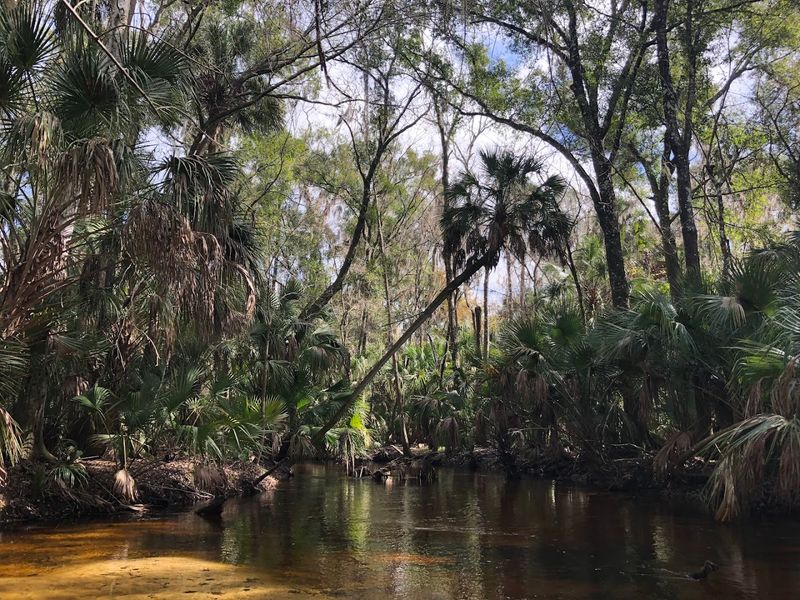
Built on reclaimed phosphate mining land, Alafia River State Park proves that damaged landscapes can recover into beautiful natural areas given time and proper management. The park’s history as mining property created unusual topography for Florida, with hills, valleys, and ponds scattered throughout the property.
These elevation changes make for more interesting walks than you’d find on typical flat Florida trails, and the variety of habitats supports diverse wildlife.
While the park is known among mountain bikers for its technical trails, walkers who visit during weekday mornings often have the place to themselves. The trail system covers miles of terrain, ranging from easy riverside strolls to more challenging routes that climb through upland areas.
Sharing trails with occasional bikers doesn’t diminish the peaceful experience, especially since most riders are courteous and the park’s size prevents crowding.
What makes Alafia particularly appealing is how quickly you can escape into nature despite being relatively close to Tampa. Within minutes of leaving your car, you’re surrounded by forest with no sounds of traffic or development.
The Alafia River flows through the property, creating opportunities to pause and watch for wading birds, turtles, and fish moving through the tannic water.
The reclaimed mining landscape supports interesting plant communities as succession continues transforming bare ground into mature forest. You can observe this ecological process in action, with different areas showing various stages of recovery.
Some sections feature young pines establishing themselves, while others contain more mature hardwood communities. This dynamic landscape changes noticeably over time, rewarding repeat visitors with new discoveries.
Cooler months provide the most comfortable walking conditions and the best chances for wildlife sightings along the trails.
11. Yellow River Marsh Preserve State Park — Milton
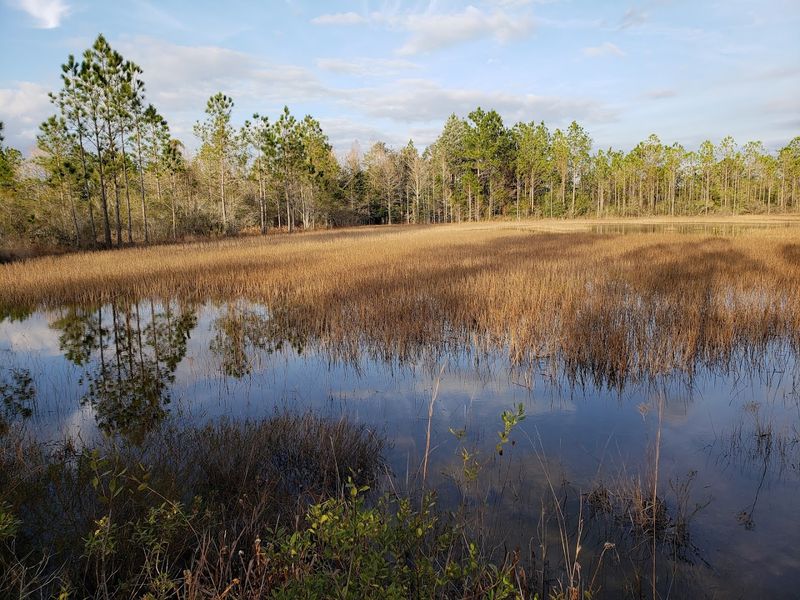
Up in the western Panhandle near Pensacola, Yellow River Marsh Preserve protects a transitional zone where river meets bay, creating rich wetland habitats that support incredible biodiversity. The preserve’s trail system takes you through multiple ecosystems, from pine flatwoods to hardwood swamps to salt marsh edges, all within a relatively compact area.
This concentration of habitat types means you’ll see dramatic changes in vegetation and wildlife over short distances.
Walking here feels more like exploration than exercise. Boardwalks and elevated trails keep your feet dry while providing excellent vantage points for observing wetland life.
You might spot alligators sunning on mudflats, ospreys diving for fish, or river otters playing in the shallows. The preserve’s location away from major tourist destinations means wildlife remains relatively abundant and unbothered by human presence.
The preserve’s name comes from the Yellow River, which flows through the property carrying tannic water that really does look yellow-brown under certain light conditions. This natural staining comes from organic material leaching from upstream wetlands, creating a distinctive appearance quite different from clear spring-fed streams found elsewhere in Florida.
The river’s slow current and dark water create a peaceful, almost mysterious atmosphere.
Because this preserve focuses on habitat protection rather than recreation, facilities remain minimal and crowds stay small. You won’t find playgrounds, picnic pavilions, or other developments that attract families looking for a day out.
Instead, you’ll find quiet trails through working ecosystems where natural processes continue without much human interference. This low-key approach appeals to visitors seeking genuine nature experiences rather than outdoor entertainment.
Visit during migration seasons to see remarkable bird diversity as species move between wintering and breeding grounds.
12. Cedar Key Scrub State Reserve — Cedar Key
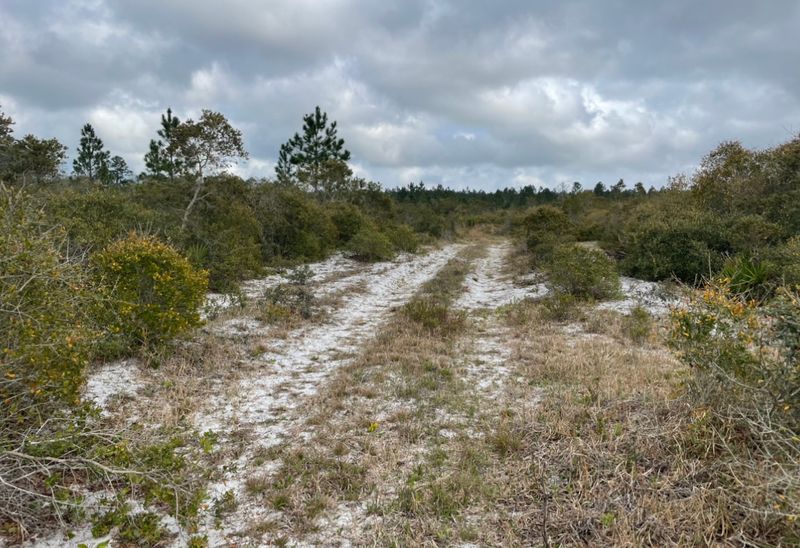
On Florida’s Nature Coast where the peninsula curves westward, Cedar Key Scrub State Reserve protects a threatened ecosystem that once covered much of the state. Scrub habitats develop on ancient sand dunes and ridges, supporting specialized plants and animals adapted to harsh conditions of intense sun, poor soil, and limited water.
Walking through scrub feels like exploring a desert, though you’re surrounded by water on three sides.
The reserve’s trails wind through classic scrub vegetation: gnarled sand pines, sprawling scrub oaks, and silvery-leaved plants that reflect sunlight to reduce heat absorption. This landscape looks harsh and inhospitable at first glance, but spending time here reveals surprising beauty in the adaptations and relationships that make life possible in such challenging conditions.
The openness and simplicity create a meditative atmosphere perfect for quiet contemplation.
What really distinguishes this reserve is its location near the quirky coastal village of Cedar Key. You can spend your morning walking peaceful scrub trails, then head into town for fresh seafood and local art galleries.
This combination of wild nature and cultural character makes the area perfect for those who want outdoor experiences without completely roughing it. The reserve itself remains undeveloped and quiet despite nearby civilization.
The scrub ecosystem supports several threatened species, including Florida scrub-jays found nowhere else on Earth. These intelligent, curious birds often approach visitors, providing delightful encounters if you remain still and patient.
Other scrub specialists like gopher tortoises create burrows that provide shelter for dozens of other species, making them ecosystem engineers worth watching for. Visit during cooler months when walking becomes comfortable and wildlife activity peaks throughout the day.