There’s a Hike in Florida That Smells Like Chocolate When the Wildflowers Bloom
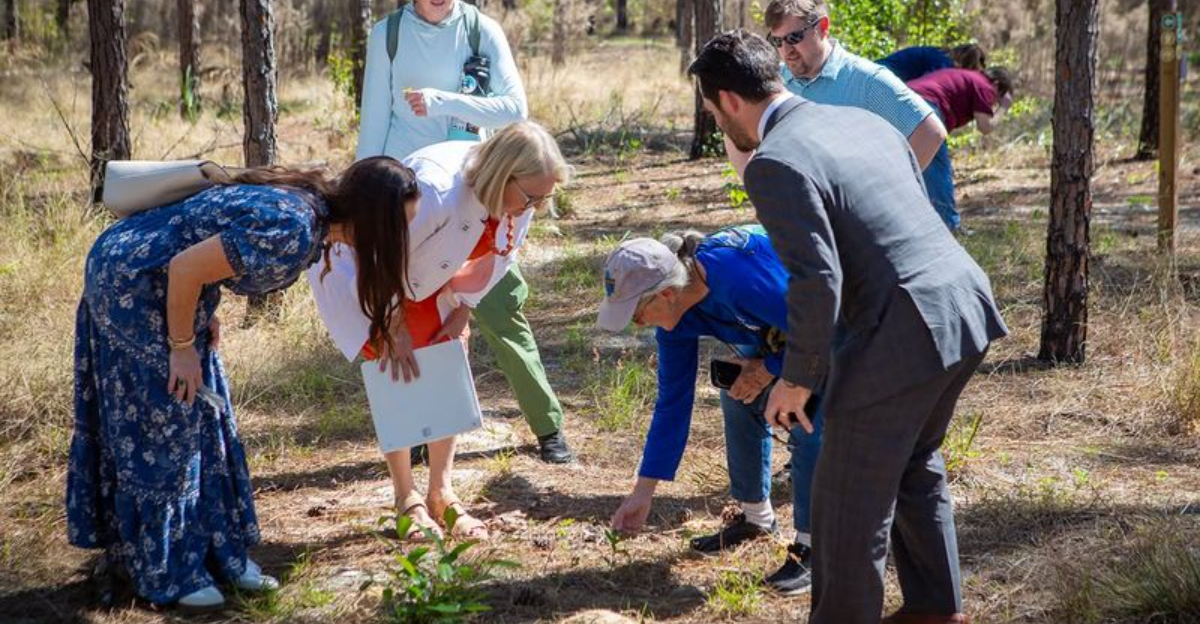
Imagine walking through a Florida trail where the air carries the sweet scent of chocolate, not from a candy shop, but from wildflowers blooming all around you. Greeneyes Wildlife Preserve in Apopka offers exactly this magical experience during certain times of the year when native plants release their distinctive cocoa-like fragrance. This hidden gem near Kelly Park provides an easy, family-friendly adventure that engages all your senses while teaching you about Florida’s incredible wildlife.
1. The Chocolate Cosmos Connection
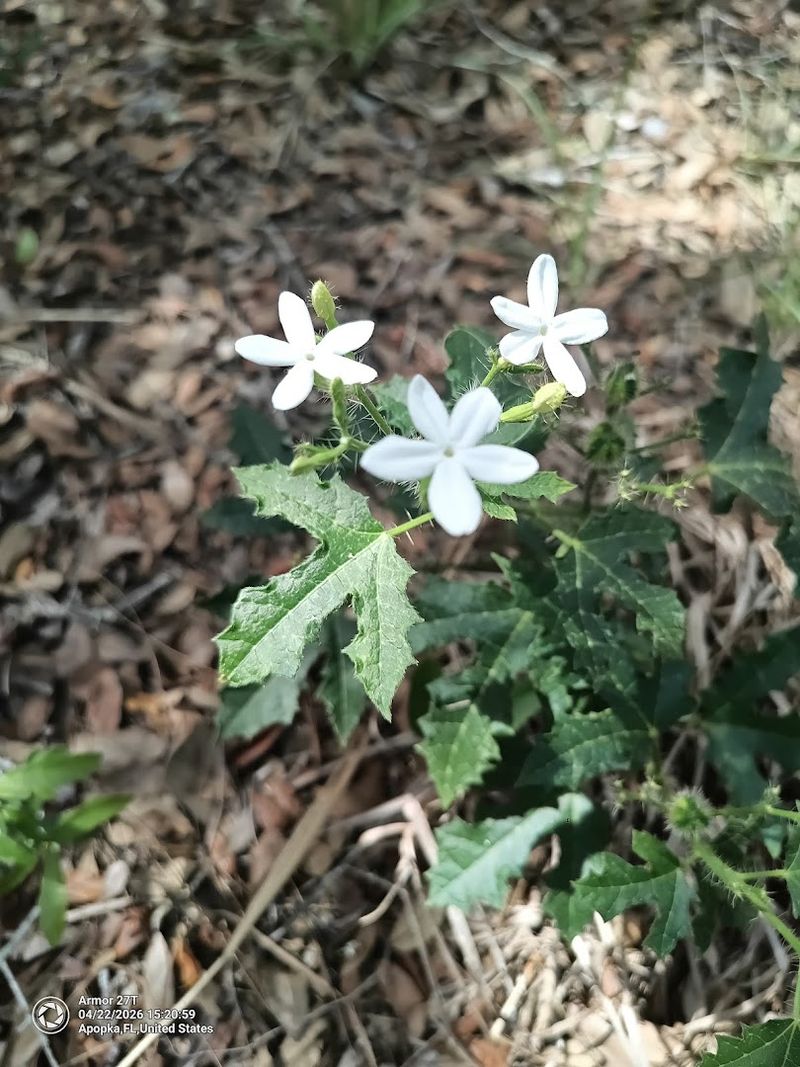
Walking into Greeneyes Wildlife Preserve during bloom season feels like stepping into a natural confectionery. The chocolate scent comes from specific wildflowers that release a cocoa-like aroma, creating an experience you won’t find on most Florida trails. This isn’t your imagination playing tricks—certain native plants genuinely smell like dessert when conditions are just right.
The preserve’s location near Apopka creates perfect growing conditions for these aromatic beauties. Morning dew and afternoon warmth combine to release the strongest fragrances, making early visits particularly rewarding. You’ll want to plan your hike during peak bloom times, typically in warmer months when Florida’s native flora comes alive.
What makes this experience special is how unexpected it feels. Most people associate nature hikes with earthy or floral scents, not chocolate. Kids especially love this quirky feature, often stopping mid-trail to sniff the air and search for the source.
The preserve maintains its natural landscape beautifully, allowing these wildflowers to thrive without human interference. Educational signs along the trail help identify which plants produce the chocolate fragrance. This combination of sensory delight and learning makes every visit memorable for families and nature enthusiasts alike.
2. A Trail Made for Families
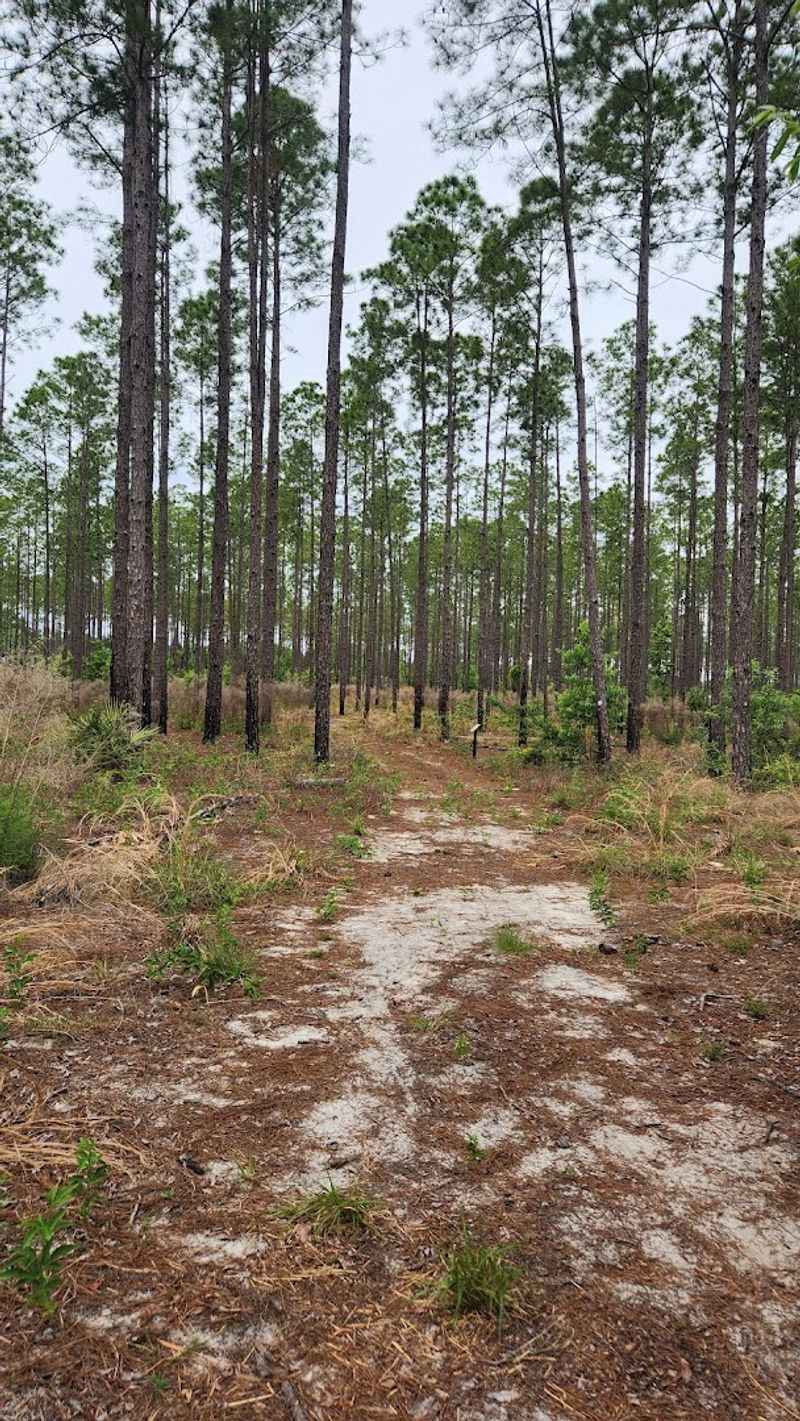
Greeneyes Wildlife Preserve keeps things simple and accessible, which is exactly what makes it brilliant for family outings. Both loops combined measure just over a mile, meaning even the youngest hikers can complete the entire trail without exhaustion or complaints. Parents appreciate how manageable this distance feels compared to longer, more demanding Florida hikes.
The trail surface stays relatively flat and well-maintained throughout the preserve. No steep climbs or treacherous roots to navigate, just gentle pathways that let you focus on the scenery rather than watching every step. Strollers might struggle in a few spots, but kids on foot handle it easily.
Educational signs dot the trail at regular intervals, teaching children about local animals in bite-sized, engaging ways. These aren’t boring plaques with dense paragraphs—they’re designed to capture young attention spans with fun facts and colorful illustrations. Kids often race ahead to find the next sign, turning the hike into an educational scavenger hunt.
The short distance also means you can visit during warmer months without worrying about heat exhaustion. Quick loops allow for breaks at the picnic area, where families can refresh before continuing their exploration or heading home after a satisfying outdoor adventure.
3. Wildlife Watching Done Right
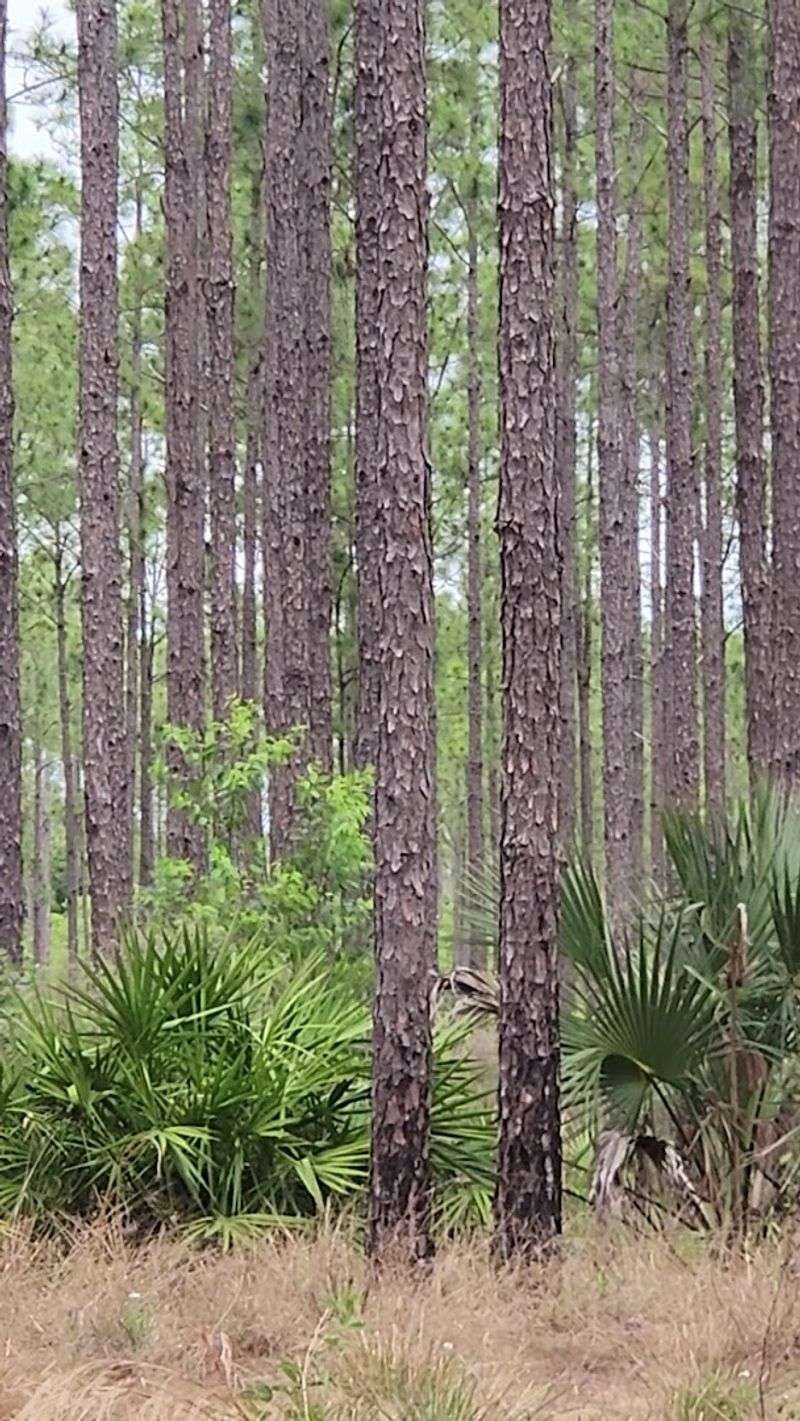
Patience pays off at Greeneyes Wildlife Preserve, where wildlife sightings reward those who move quietly and respectfully. One visitor famously rescued a gopher tortoise from a nearby road and released it deep into the preserve, giving the ancient creature a safe haven. Stories like this highlight why the preserve exists—to protect Florida’s vulnerable species.
The trail’s design encourages wildlife encounters without disturbing natural behaviors. Multiple diverging paths create the illusion of never walking the same route twice, while also providing animals with undisturbed spaces. You might spot tortoises, various bird species, or even deer if you visit during quieter hours.
Quiet walking isn’t just polite—it’s essential for actually seeing animals. Loud conversations and sudden movements send creatures scurrying before you ever notice them. Teach kids to use whisper voices and gentle footsteps, transforming the hike into a real-life nature documentary.
The educational signs help identify what you’re seeing, turning mystery animals into learning opportunities. Knowing whether that shell belongs to a gopher tortoise or box turtle adds depth to your experience. Bringing binoculars enhances bird watching, though many species come close enough for naked-eye observation if you’re patient and still.
4. The Peaceful Escape Factor
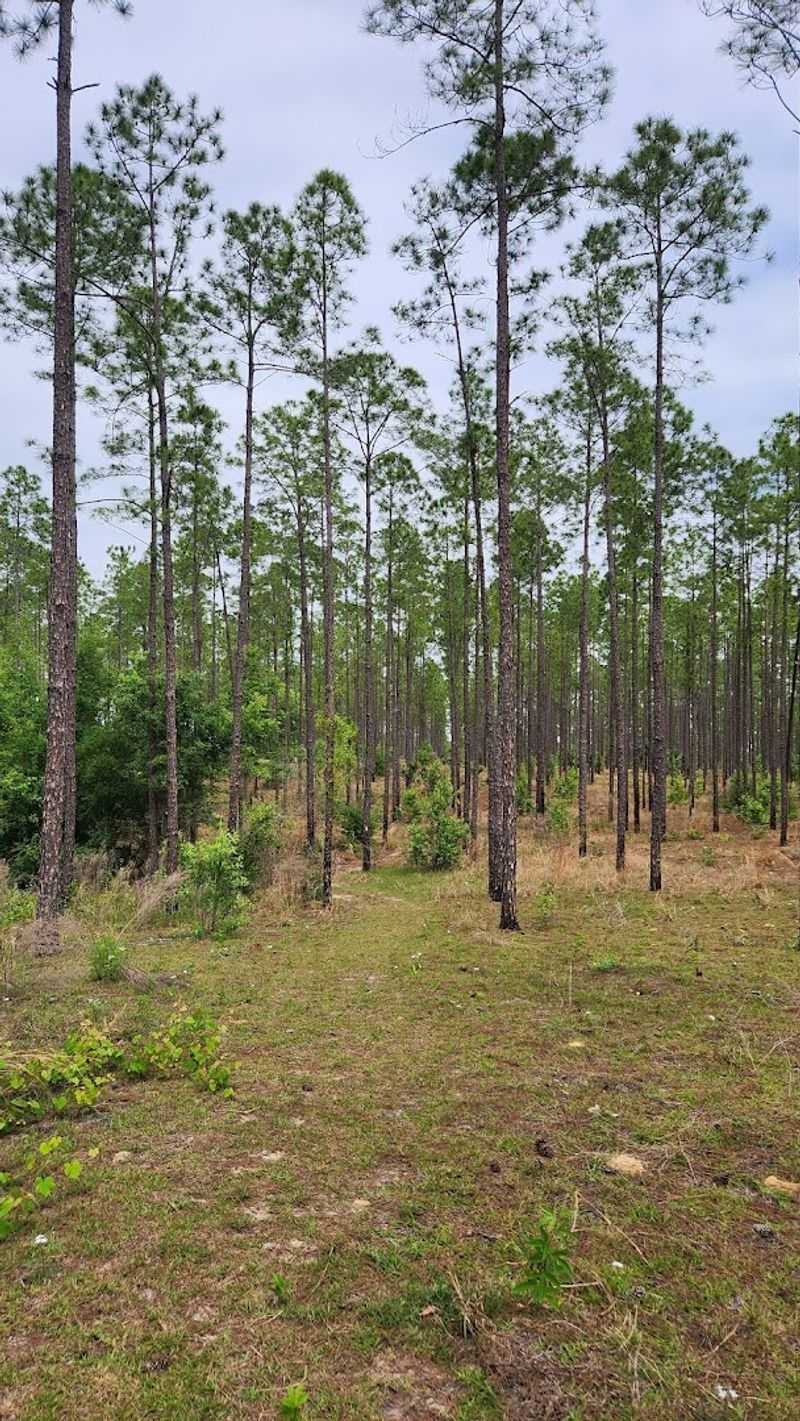
Sometimes you don’t need adventure—you need peace. Greeneyes Wildlife Preserve delivers exactly that kind of calming experience that clears your head without demanding anything strenuous. One reviewer simply called it a relaxing walk, which perfectly captures the preserve’s understated charm.
The trail’s location off West Kelly Park Road keeps it relatively undiscovered compared to busier Central Florida attractions. You won’t fight crowds or wait in lines, just park and start walking whenever you arrive. This accessibility without the chaos makes it perfect for spontaneous visits when you need a quick nature fix.
Natural sounds replace urban noise here—bird songs, rustling leaves, and wind through the canopy create Florida’s original soundtrack. Your stress melts away as you disconnect from screens and reconnect with something more fundamental. Even a quick 30-minute loop can reset your entire mood.
The preserve’s size works in its favor for peaceful experiences. Large enough to feel immersive, small enough to never feel lost or overwhelmed. You maintain that comfortable sense of exploration without any genuine wilderness anxiety.
Perfect for people who love nature but prefer their adventures on the gentler side of the spectrum.
5. Educational Opportunities Everywhere
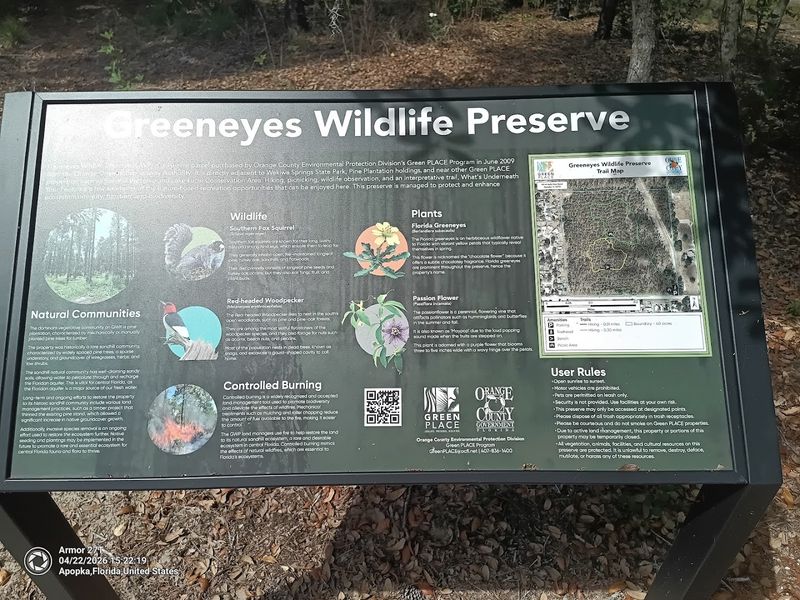
Greeneyes Wildlife Preserve functions as an outdoor classroom where learning happens naturally through exploration. The thoughtfully placed educational signs transform a simple walk into an interactive biology lesson. Children absorb information about local animals without realizing they’re being educated—the best kind of learning.
Each sign focuses on a specific species or ecosystem concept, keeping information digestible rather than overwhelming. Pictures accompany text, helping younger readers or those who prefer visual learning. Parents can use these signs as conversation starters, encouraging kids to observe their surroundings more carefully.
The preserve’s commitment to education extends beyond just posting signs. The entire trail design encourages observation and curiosity. Multiple paths mean you can explore different sections on repeat visits, discovering new signs and learning about different species each time.
Teachers and homeschooling families find this preserve particularly valuable for field trips. The manageable trail length allows time for stopping at each educational station without rushing. Kids can sketch what they learn, take notes, or simply discuss observations with classmates, making science tangible and memorable.
This educational approach helps build conservation awareness in the next generation. Understanding local wildlife creates empathy and responsibility toward protecting natural spaces, turning today’s young hikers into tomorrow’s environmental stewards.
6. Perfect Trail Etiquette Matters
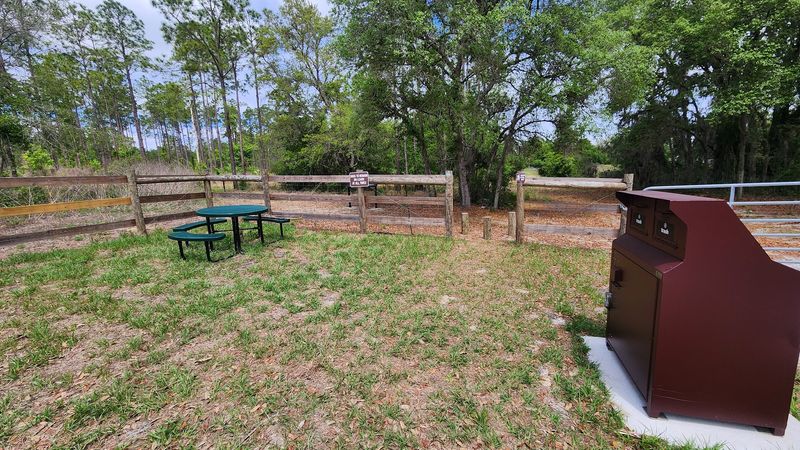
One passionate reviewer left detailed instructions about proper trail etiquette, and their advice deserves attention. Leaving trash at the designated waste receptacle near the picnic table isn’t just courteous—it protects the wildlife you came to see. Animals can’t distinguish between food wrappers and actual food, leading to dangerous situations.
Walking quietly benefits everyone on the trail, not just wildlife watchers. Other visitors came for peaceful experiences too, and loud conversations shatter that tranquility. Save the animated discussions for after your hike when you’re back at the parking area.
Bringing a reusable water bottle keeps you hydrated without creating plastic waste. The preserve currently lacks restroom facilities along the trail, so plan accordingly before starting your walk. Use facilities elsewhere beforehand, and keep your hike duration manageable based on personal needs.
Staying on designated paths prevents erosion and protects fragile plant communities. Those diverging trails exist intentionally, but wandering off-trail damages habitat and potentially disturbs nesting or denning animals. The preserve’s relatively small size means your impact matters more than you might think.
If you do find an injured or endangered animal like a tortoise on nearby roads, the preserve can provide safe habitat. However, contact wildlife authorities first rather than making independent decisions about relocating creatures.
7. Supporting Conservation Efforts
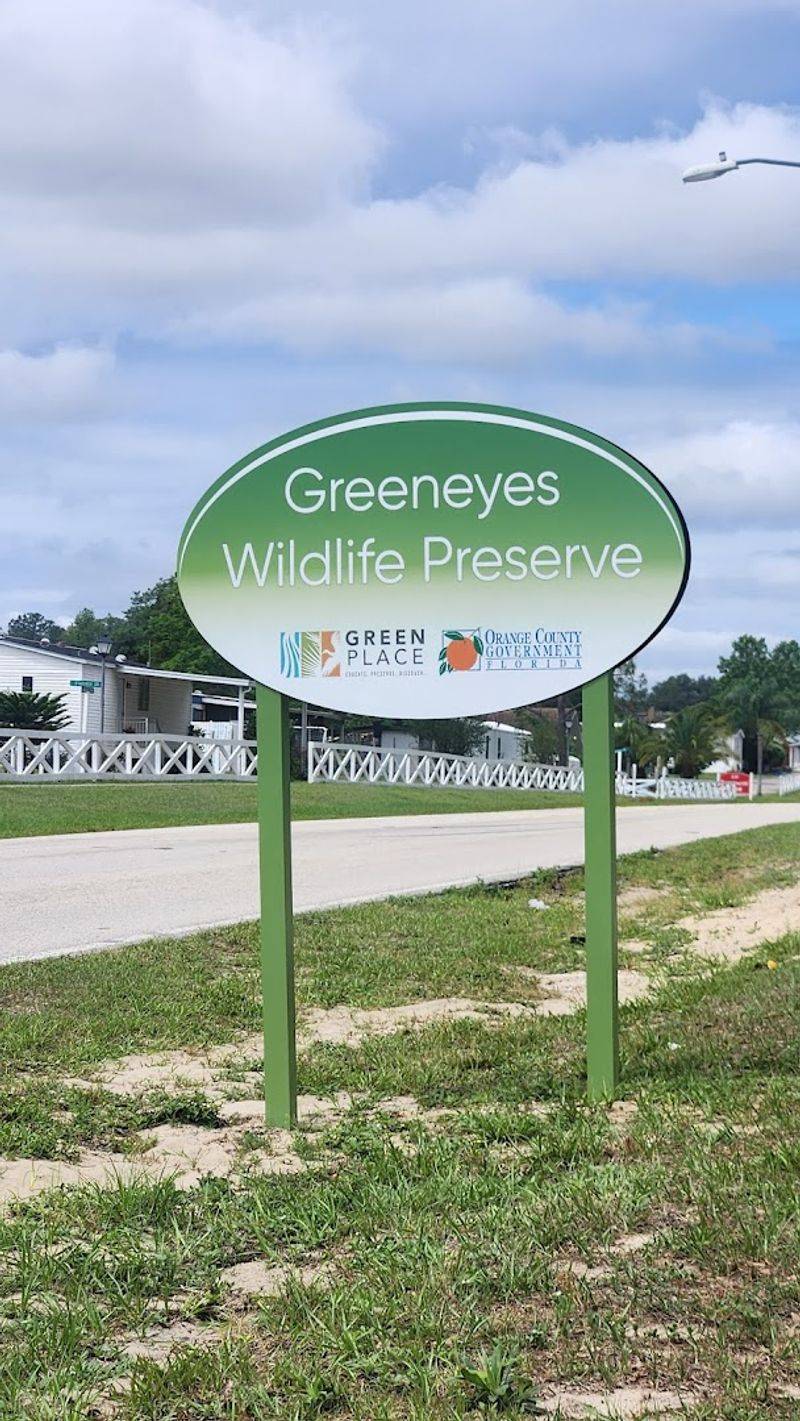
Greeneyes Wildlife Preserve exists because of dedicated conservation efforts, and it deserves community support to continue thriving. One enthusiastic visitor suggested contacting the managing society to offer financial, intellectual, or emotional support. These preserves don’t maintain themselves—they require funding, volunteer hours, and community advocacy.
Orange County announced the preserve’s grand opening relatively recently, making it a newer addition to the area’s conservation network. Early support helps establish strong foundations for long-term success. Even small donations can fund trail maintenance, educational sign updates, or habitat restoration projects.
Volunteering offers another way to give back while deepening your connection to the preserve. Trail maintenance days, invasive species removal, or educational program assistance all need helping hands. Working alongside other nature enthusiasts creates community while directly improving the space you enjoy.
Simply spreading the word about the preserve counts as support too. Bringing friends and family, posting positive reviews, or sharing photos on social media increases visibility. Higher visitation numbers often translate to better funding and resources from managing organizations.
The reviewer who mentioned portable restroom needs highlighted how community feedback shapes preserve development. Respectfully suggesting improvements through proper channels helps administrators understand visitor needs while planning future enhancements to facilities and amenities.