There’s a Secret Wildlife Refuge in Florida, and It’s One of the State’s Most Breathtaking Escapes
Pelican Island National Wildlife Refuge stands as America’s very first national wildlife refuge, established back in 1903 by President Theodore Roosevelt. This hidden gem in Vero Beach offers visitors a chance to step back in time and experience wild Florida exactly as nature intended it. With stunning waterfront views, peaceful trails, and birds galore, this 5,400-acre sanctuary proves you don’t need theme parks or crowded beaches to find magic in the Sunshine State.
1. America’s Original Wildlife Refuge
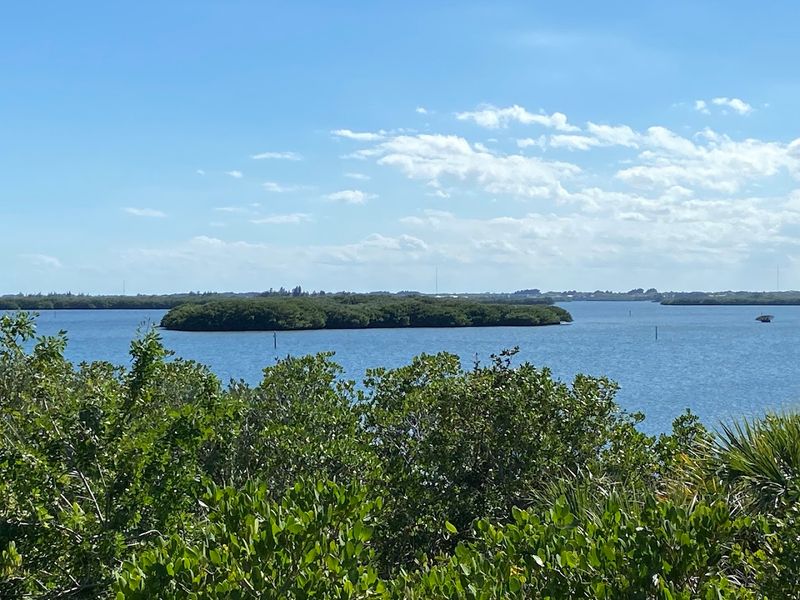
Picture this: It’s 1903, and plume hunters are decimating bird populations across Florida to satisfy fashion trends up north. Enter Teddy Roosevelt, who declared a tiny mangrove island off Vero Beach the nation’s very first wildlife refuge. That bold move started the entire National Wildlife Refuge System we know today.
Walking these grounds means standing where conservation history was made. The refuge now protects over 5,400 acres of pristine habitat, from mangrove islands to salt marshes. You’re literally exploring the birthplace of American wildlife conservation.
What makes this place extra special is how it’s managed to stay relatively unknown despite its massive historical importance. While tourists flock to overcrowded state parks, locals and savvy visitors enjoy this peaceful sanctuary. The refuge remains free to visit, making it accessible to everyone who wants to connect with nature.
Roosevelt’s vision created a domino effect that led to 568 refuges nationwide. Standing at the observation tower overlooking Pelican Island itself, you can see exactly what inspired that presidential proclamation. The island still hosts nesting colonies of brown pelicans, along with herons, egrets, and ibises doing their thing just like they did over a century ago.
2. The Centennial Trail Experience
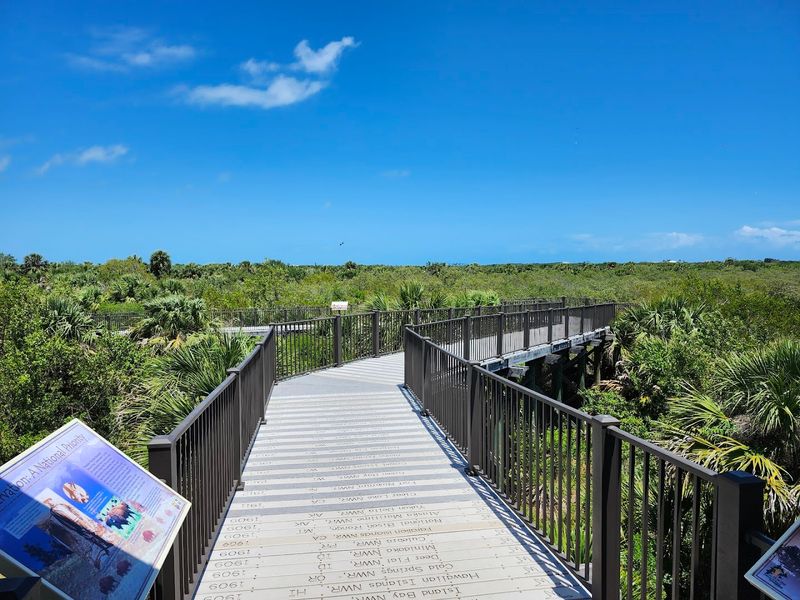
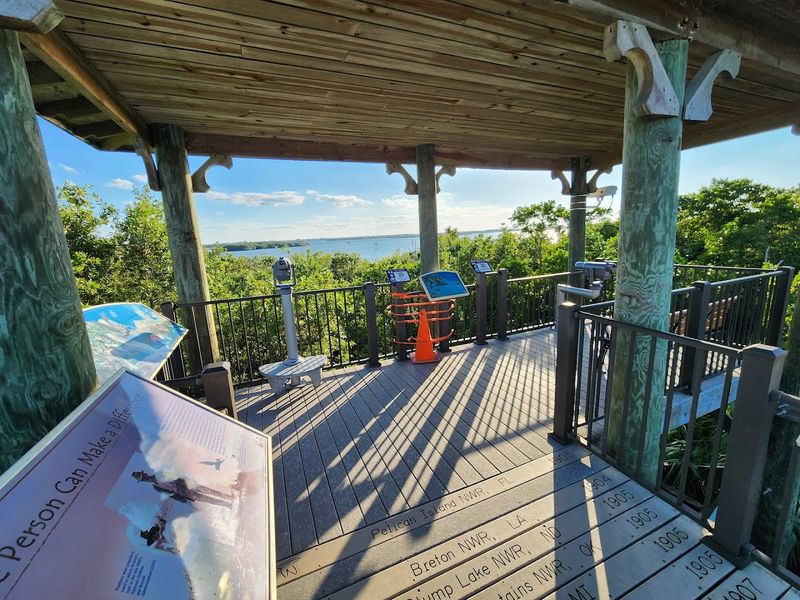
The Centennial Trail isn’t just any nature walk. This three-quarter-mile paved path starts as asphalt before transitioning into an elevated boardwalk made from recycled plastic planks. But here’s the cool part: every single plank is engraved with the name and establishment date of a different national wildlife refuge.
As you stroll toward the water, you’re literally walking through time, watching the refuge system grow from that single island in 1903 to hundreds of protected areas coast to coast. Kids love hunting for refuges they’ve visited or finding the newest additions. It’s like a scavenger hunt meets history lesson.
The trail is completely wheelchair and stroller accessible, making it perfect for families with little ones or visitors with mobility concerns. Benches dot the path every so often, giving you plenty of spots to rest and soak in the scenery. The gentle slope barely registers as exercise.
At trail’s end, you’ll reach an observation platform offering panoramic views of Pelican Island and the Indian River Lagoon. Bring binoculars because the refuge’s viewing monoculars have limited magnification. Early mornings and late afternoons bring the best wildlife action, when birds are actively feeding and the Florida heat hasn’t chased everything into the shade yet.
3. Bird Watching Paradise
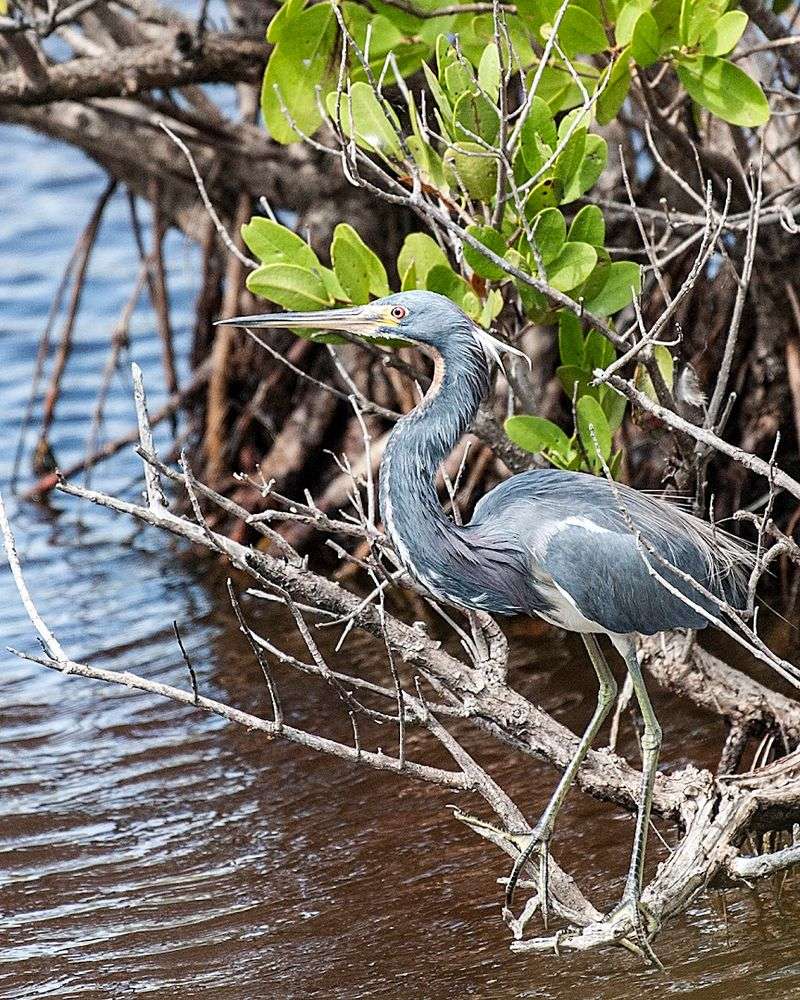
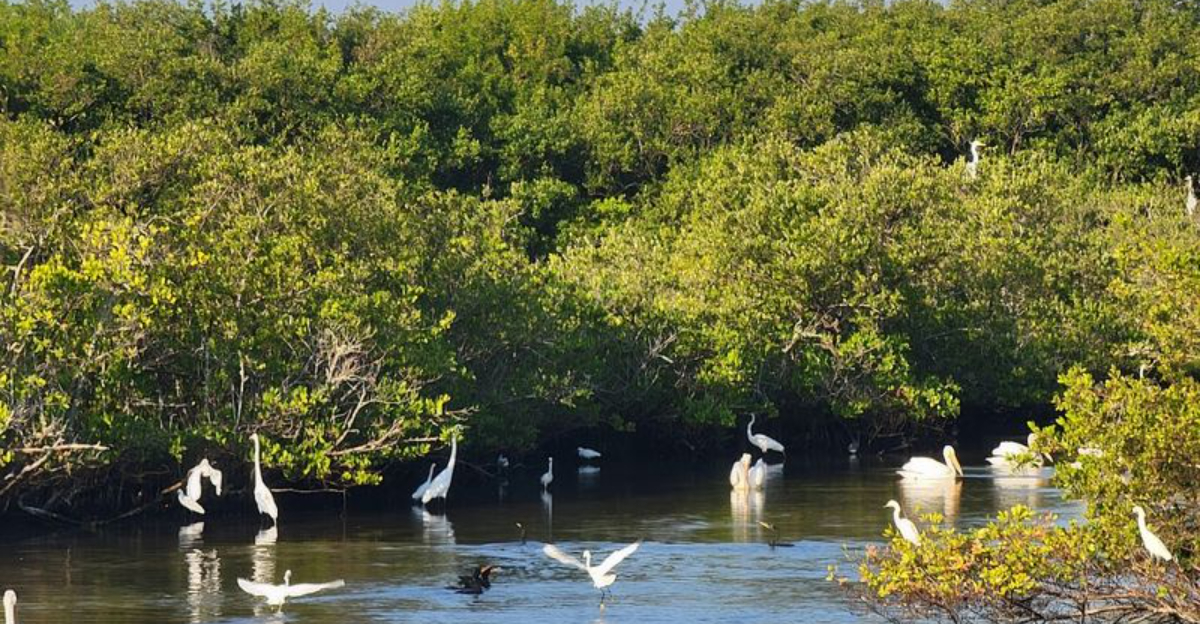
Forget everything you thought you knew about bird watching being boring. Pelican Island transforms even skeptics into feather fanatics. The refuge protects critical nesting habitat for brown pelicans, the very species that inspired its creation.
These prehistoric-looking birds put on quite a show, diving from ridiculous heights to snatch fish from the lagoon.
But pelicans are just the headliners. Great blue herons stalk the shallows like patient fishermen. Snowy egrets show off their fancy breeding plumage.
Roseate spoonbills sweep their bizarre bills through the water. During migration seasons, the bird diversity explodes with visitors passing through on their way north or south.
You don’t need to be an expert to enjoy the spectacle. Even casual observers get hooked watching osprey plunge into the water or laughing gulls living up to their name. The refuge’s multiple habitats attract different species, so every visit brings new surprises.
Winter months typically offer the best viewing, with migratory birds boosting the population and cooler weather making wildlife more active throughout the day. Spring brings nesting activity and adorable baby birds learning to fly. Pack your camera with a zoom lens because you’ll definitely want photographic evidence of the avian circus happening all around you.
4. Trail Options for Every Adventure Level
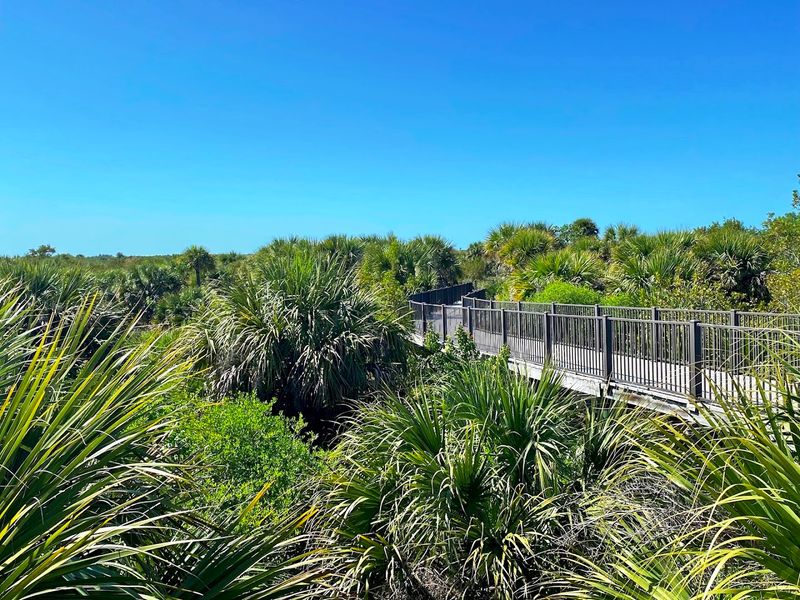
Beyond the famous Centennial Trail, the refuge offers additional paths for visitors craving more exploration. The Joe Michael Memorial Trail and Ridge Trail both loop roughly three miles through different ecosystems. These unpaved paths give you that authentic Florida wilderness vibe, winding through palmetto scrub, oak hammocks, and wetland edges.
Comfortable closed-toe shoes are essential for the longer trails. You’ll encounter sandy patches, grassy sections, and potentially muddy spots depending on recent rainfall. The terrain stays relatively flat, but three miles in Florida heat and humidity definitely counts as moderate exercise.
These longer trails see fewer visitors than the Centennial, offering extra solitude for nature lovers seeking peace and quiet. You might spot bobcats, river otters, or gopher tortoises along these paths. Snakes sunbathe on the trail occasionally, so watch your step and give them space to move along.
The main parking area provides access to all trails, with clear signage directing you to different trailheads. Restrooms are available and surprisingly well-maintained for a free refuge. A covered picnic pavilion near the parking area makes a great lunch spot before or after your hike.
Remember that bikes and dogs aren’t allowed on the trails, protecting both wildlife and the refuge’s natural character.
5. Wildlife Beyond the Birds
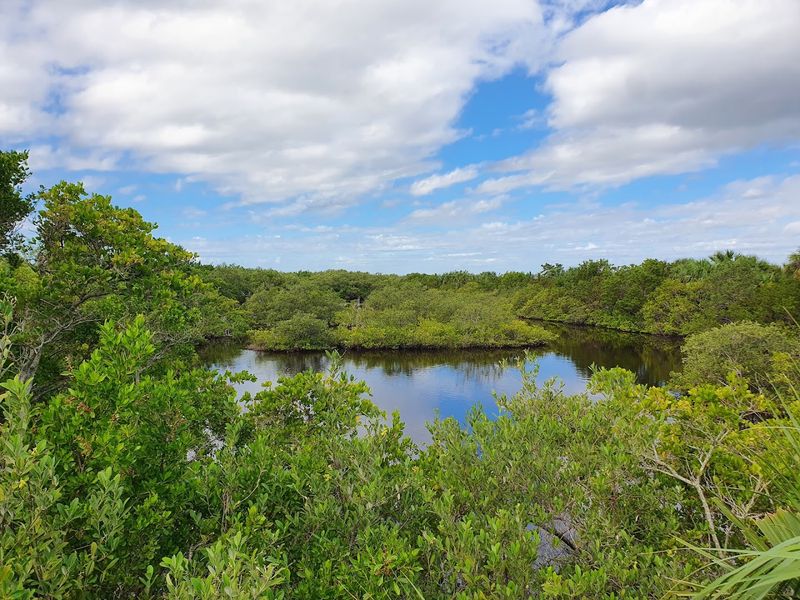
Sure, birds get top billing here, but the refuge’s wildlife roster runs deep. Alligators cruise the waterways and sunbathe along trail edges, reminding you this is wild Florida. They’re generally chill unless you do something foolish like approach them or feed them.
Admire from a safe distance and everyone stays happy.
Bobcats prowl the refuge, though spotting one requires serious luck since these secretive cats prefer dawn, dusk, and nighttime hunting. Visitors occasionally catch glimpses of their spotted coats disappearing into the palmetto thickets. River otters play in the lagoon, their sleek bodies cutting through the water with enviable grace.
Reptile diversity impresses too. Gopher tortoises dig their burrows in sandy areas, creating homes that dozens of other species also use. Various snake species call the refuge home, from harmless black racers to venomous pygmy rattlesnakes.
Most snakes want nothing to do with humans and will slither away given the chance.
The Indian River Lagoon itself teems with aquatic life. Tarpon roll at the surface. Manatees occasionally cruise through during cooler months.
Mullet leap acrobatically for reasons scientists still debate. Even the invertebrates fascinate, from fiddler crabs waving their oversized claws to colorful dragonflies patrolling for mosquitoes. Every ecosystem layer supports incredible biodiversity worth noticing.
6. The Jungle Trail Approach
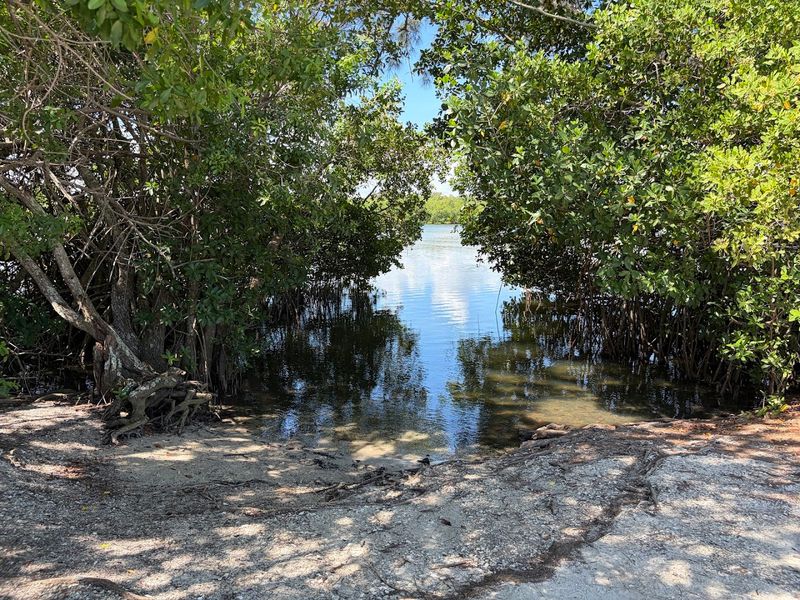
Getting to the refuge is half the adventure thanks to the Jungle Trail, a historic unpaved road that feels like driving through a time machine. This narrow sandy lane winds through dense coastal hammock, with tree canopies creating a green tunnel overhead. It’s bumpy, it’s slow, and it’s absolutely worth experiencing.
The Jungle Trail dates back to the early 1900s when it served as the main north-south route along the barrier island. Today it remains unpaved by design, preserving its wild character. Most vehicles handle it fine during dry weather, though low-clearance sports cars might struggle with the occasional rut or washout.
Driving this road at 10 mph lets you spot wildlife you’d miss at highway speeds. Birds flit across the path. Butterflies dance through sunbeams.
Armadillos root around in the leaf litter. Roll your windows down and let the earthy smell of Florida wilderness fill your car.
The Jungle Trail connects to the refuge parking area, making it the most atmospheric approach. Alternative paved routes exist for those preferring conventional access. Either way, arriving feels like discovering a secret spot locals have kept to themselves.
The refuge remains blissfully uncommercialized, with no gift shops, no entrance fees, and no crowds ruining the natural serenity you came seeking.
7. Perfect Timing Your Visit
Timing transforms a good refuge visit into an unforgettable one. Early morning arrivals between sunrise and 9 AM catch wildlife at peak activity before Florida’s brutal heat sends everything seeking shade. The light is gorgeous, the air is bearable, and you’ll have trails mostly to yourself.
Plus, mosquitoes are less aggressive in early morning compared to evening.
Late afternoon from 4 PM until sunset offers another prime window. Birds resume feeding as temperatures drop. The slanting golden light makes photography magical.
Sunset views from the observation tower rival anything Florida’s famous beaches offer, with the bonus of pelican silhouettes and zero beach crowds.
Season matters too. Winter months from November through March bring the most pleasant weather and the highest bird diversity as northern migrants arrive. Spring sees nesting activity and baby animals everywhere.
Summer gets brutally hot and humid, but brings fewer visitors if you don’t mind sweating. Fall weather remains warm but starts improving by November.
Weather considerations are crucial. Recent rain can make unpaved trails muddy and increase mosquito populations dramatically. The refuge conducts mosquito control via low-flying aircraft, which helps significantly.
Check their website or call ahead if uncertain about trail conditions. Bring bug spray regardless of season because this is Florida, where mosquitoes pay no attention to calendars.
8. What to Bring and Know Before You Go
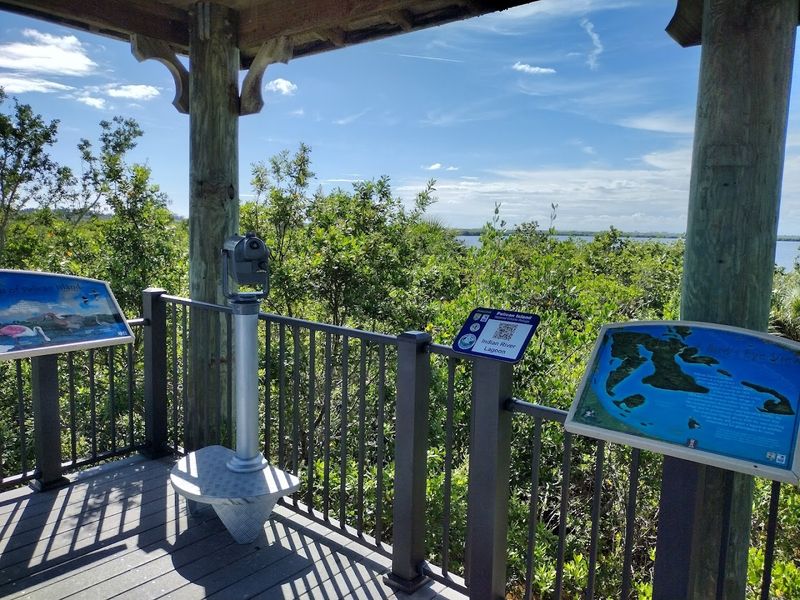
Smart packing makes your refuge visit way more enjoyable. Quality binoculars top the essential list since the viewing monoculars mounted at the observation tower offer limited magnification. A camera with decent zoom lets you capture amazing wildlife shots without disturbing the animals.
Sunscreen, a hat, and sunglasses protect you from Florida’s intense sun even on cloudy days.
Water is absolutely essential. The refuge has no concessions or vending machines, so bring more than you think you’ll need. Dehydration sneaks up fast in Florida’s heat and humidity.
Comfortable walking shoes with good traction prevent slips on the boardwalk and provide support on longer trails.
Important rules preserve the refuge’s natural character. Dogs aren’t allowed on trails, even leashed ones. Bikes are prohibited too.
Drones can’t be flown due to federal regulations protecting wildlife. These rules might seem restrictive, but they ensure the refuge remains a true sanctuary where animals behave naturally.
The refuge is free and open daily from sunrise to sunset. Clean restrooms and adequate parking exist at the main area. Cell service can be spotty, so download any trail maps beforehand.
The refuge website provides current information about seasonal closures or special events. Consider stopping at the nearby visitor center for maps and additional context about this remarkable place where American conservation began.