You’ll Feel Miles Away From Modern Florida in These 9 Quiet Fishing Towns
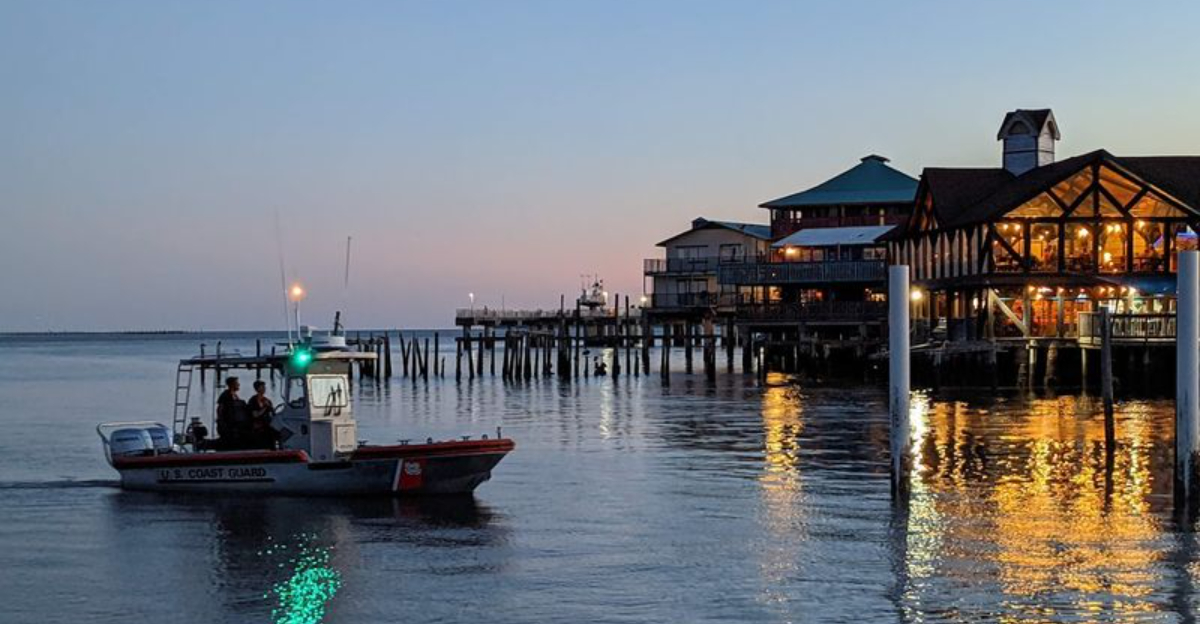
Florida’s fishing villages hold something the theme parks and beach resorts can’t replicate: a slower rhythm, genuine coastal culture, and a connection to the water that goes back generations. These towns weren’t built for tourists—they grew up around working waterfronts, oyster boats, and net-mending docks. Today, they’re some of the last places in the state where you can still watch the commercial fleet come in at dawn, eat seafood pulled from local waters that morning, and feel like you’ve stepped into a Florida that existed long before the condo towers arrived.
1. Cedar Key
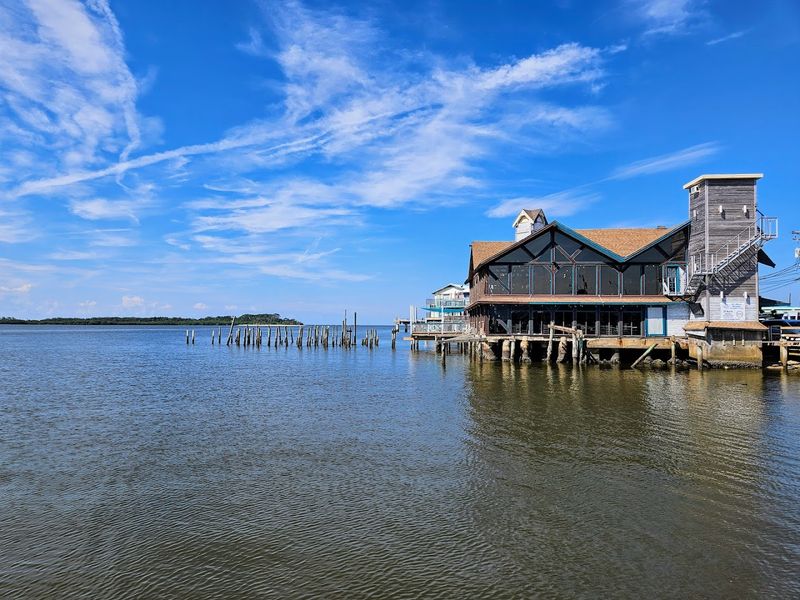
Out on Florida’s Nature Coast, Cedar Key sits on a cluster of islands that time seems to have forgotten. The town’s heartbeat is still set by the tides and the clam harvest, not by tourist seasons or development cycles. Wooden docks creak under your feet, and the air smells like salt, diesel, and yesterday’s catch.
This place was built on aquaculture—specifically clams—and that industry still defines the waterfront. You’ll see working boats tied up next to seafood shacks, and locals who can trace their families back to the sponge-diving days. The vibe is unhurried, a little weathered, and deeply authentic.
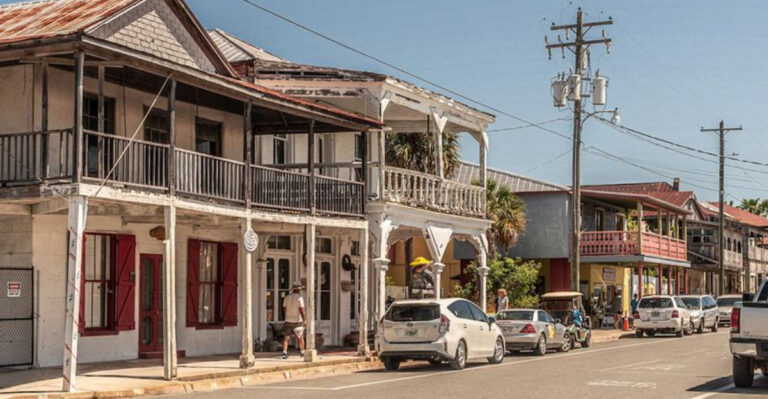
There are no chain restaurants here, no high-rises blocking the sunset. Just a main street with art galleries in old storefronts, a handful of mom-and-pop motels, and restaurants where the menu changes based on what came in that morning. The island feels remote even though it’s only an hour from Gainesville.
If you’re looking for a place that hasn’t been polished up for Instagram, Cedar Key delivers. It’s salty, low-key, and unapologetically Old Florida. The kind of town where you can sit on a dock with a cold drink and watch the pelicans work without a single high-rise in sight.
2. Apalachicola
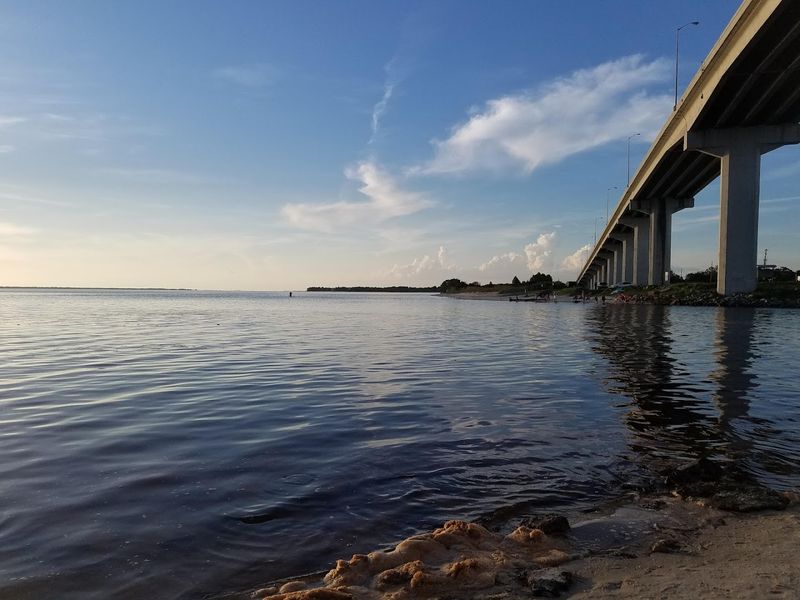
Apalachicola’s reputation was built on oysters, and even though the bay has faced challenges in recent years, the town’s identity as a working seafood port runs deep. The docks are still lined with shrimp boats and crab traps, and the downtown streets are filled with brick buildings that have been standing since the 1800s. There’s a lived-in quality here that feels rare in modern Florida.
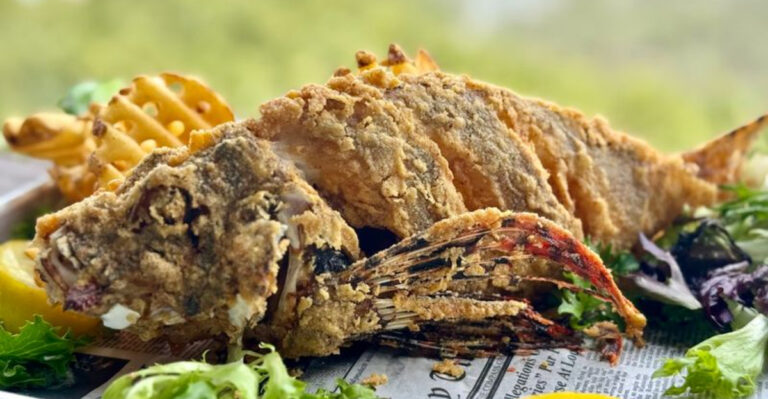
Walk down Water Street and you’ll pass old maritime supply shops, seafood wholesalers, and restaurants that serve fried mullet like it’s a religion. The architecture tells the story—tin roofs, wide porches, and wooden storefronts that haven’t been sanitized into boutique versions of themselves. This is the Forgotten Coast, and Apalachicola is its capital.
The town moves at its own pace. Locals gather at the same coffee spots every morning, and conversations tend to revolve around water levels, weather patterns, and what’s biting offshore. It’s not a place that’s trying to be charming—it just is.
If you want to experience a Gulf Coast town that still operates on fishing schedules and tidal rhythms, Apalachicola is about as real as it gets. The seafood is legitimately fresh, the history is tangible, and the atmosphere is purely functional—no theme park version required.
3. Cortez
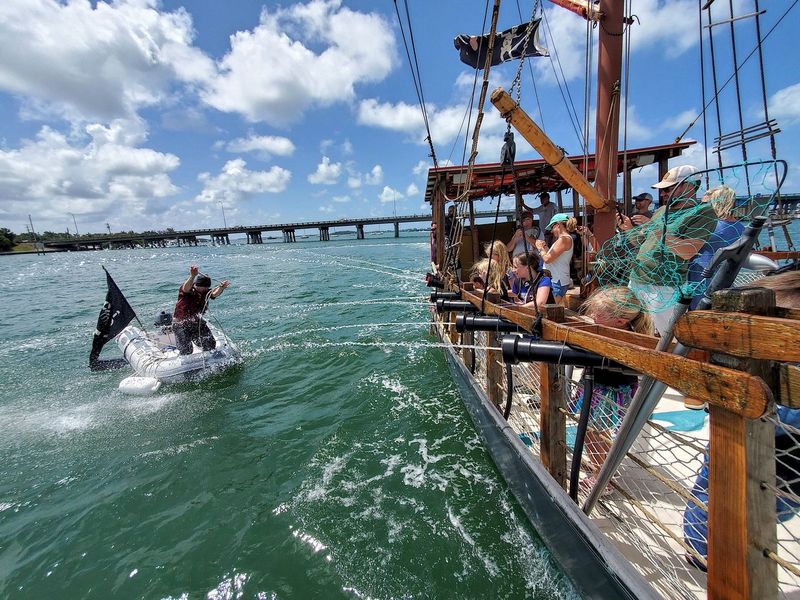
Cortez might be one of the last authentic fishing villages left on Florida’s Gulf Coast. Founded by mullet fishermen in the late 1800s, it’s managed to hold onto its working-waterfront character even as development has swallowed up nearly everything around it. The village sits on a narrow strip of land between Sarasota Bay and the mainland, and it still looks and feels like a place where people make their living from the water.
You’ll see net houses with rusty tin roofs, boats tied up in backyards, and fish shacks that have been family-run for decades. The streets are narrow and lined with old Florida cottages—some restored, some not—and there’s a community pride here that’s fought hard to keep the big developers at bay. Cortez isn’t a museum; it’s a living, working village.
The local seafood market is the real deal, selling grouper, snapper, and stone crab straight off the boats. There’s a small maritime museum that tells the story of the village’s fishing heritage, and a handful of restaurants where the menus are handwritten and the portions are generous.
Cortez doesn’t advertise itself or try to be cute. It’s just doing what it’s always done—fishing, mending nets, and keeping the old ways alive in a state that’s rapidly forgetting them.
4. Matlacha
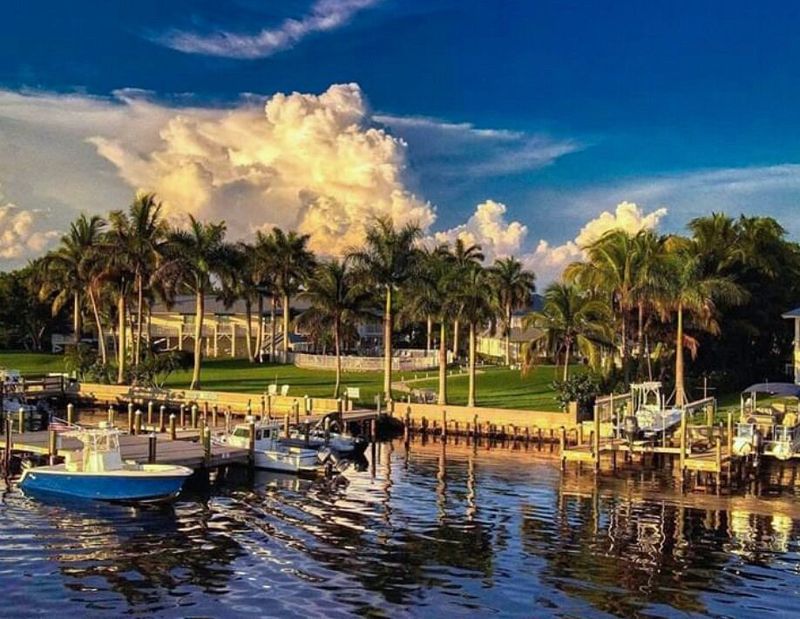
Matlacha is where fishing culture collides with bohemian charm, and somehow it all works. This tiny island village on Pine Island Sound is famous for its rainbow-colored buildings, quirky art galleries, and laid-back vibe, but underneath all that paint and personality, it’s still very much a fishing town. Locals tie up their skiffs right behind their houses, and the bait shops do just as much business as the art studios.
The main drag runs along a narrow causeway, and it’s lined with mom-and-pop seafood joints, galleries selling fish sculptures and driftwood art, and tackle shops that smell like shrimp and WD-40. The water is everywhere—on both sides of the road—and the fishing is excellent. Snook, redfish, and trout are the main targets, and you’ll see anglers wading the flats at sunrise most mornings.
Despite the influx of day-trippers, Matlacha hasn’t lost its soul. The locals are protective of the village’s character, and there’s a strong sense of community here. The restaurants serve fresh grouper sandwiches and stone crab claws, and the bars are the kind of places where everyone knows your name by the second visit.
Matlacha manages to be both artsy and authentic, colorful and coastal, touristy and true. It’s a rare combination, and it makes this little fishing village one of Southwest Florida’s most unique spots.
5. Carrabelle
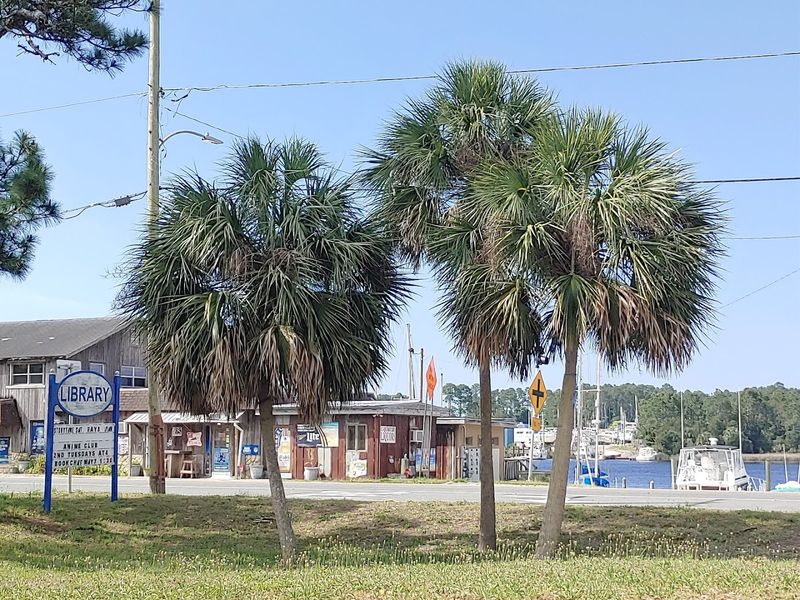
Carrabelle sits on the Panhandle’s Forgotten Coast, and it’s the kind of harbor town that doesn’t make a fuss about itself. The marina is the center of activity—a working waterfront where charter boats, shrimp trawlers, and recreational fishermen all share the same docks. The town is small, quiet, and unpretentious, with a handful of seafood restaurants, a couple of dive bars, and easy access to some of the Gulf’s best inshore fishing.
The vibe here is decidedly low-key. There’s no boardwalk, no souvenir shops selling beach towels, and no crowds. Just a functional fishing village that happens to sit in a beautiful spot where the Carrabelle River meets the Gulf.
The locals are friendly in that Panhandle way—quick to offer advice on where the fish are biting and which restaurant has the freshest oysters.
Carrabelle also has a quirky claim to fame: the world’s smallest police station, a phone booth that’s now a tourist attraction. But beyond that oddity, the town is refreshingly normal. People come here to fish, eat seafood, and enjoy the kind of coastal experience that doesn’t involve jet skis or parasailing.
If you’re looking for a quiet base for exploring the Forgotten Coast, Carrabelle fits the bill. It’s unpretentious, affordable, and genuinely connected to the water in a way that feels increasingly rare in modern Florida.
6. Steinhatchee
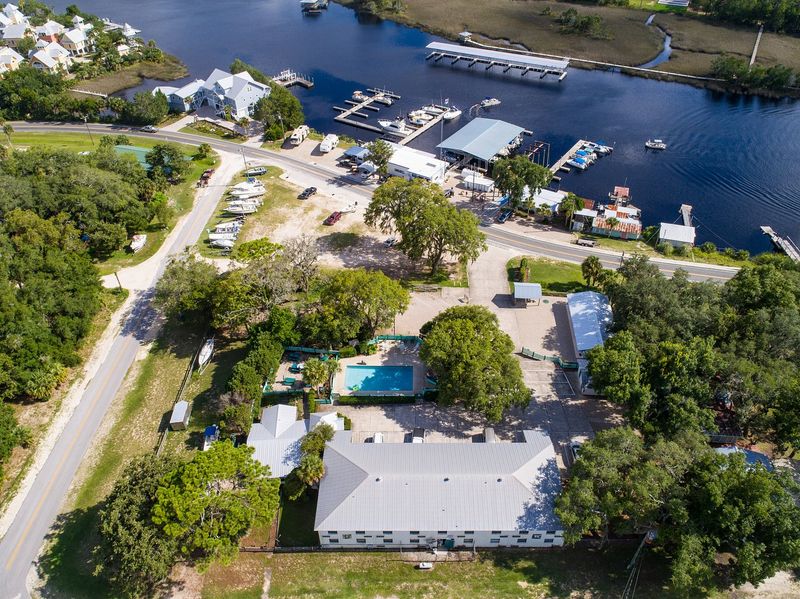
Steinhatchee is a Nature Coast town that exists almost entirely for fishing and scalloping, and it makes no apologies for that. The town sits where the Steinhatchee River flows into the Gulf, and during scallop season—roughly July through September—the place comes alive with families wading the shallow flats with nets and snorkel gear. The rest of the year, it’s a low-key fishing village with a handful of riverside lodges, fish camps, and seafood joints.
The riverfront is lined with cabins and small motels, most of them family-owned and decidedly no-frills. You’re here for the water, not the amenities. The fishing is excellent year-round—trout, redfish, grouper, and snapper are all within easy reach—and the guides know these waters like the back of their hands.
Downtown Steinhatchee is tiny but functional. There’s a bait shop, a couple of restaurants serving fried grouper and stone crab, and a general store that sells everything from fishing licenses to ice cream. The locals are a mix of old Florida families and retirees who moved here for the slow pace and good fishing.
Steinhatchee isn’t trying to be anything other than what it is: a working river town with great access to the Gulf and a laid-back attitude. If you’re looking for a place to unplug, catch some fish, and eat fresh seafood, this is it.
7. Homosassa
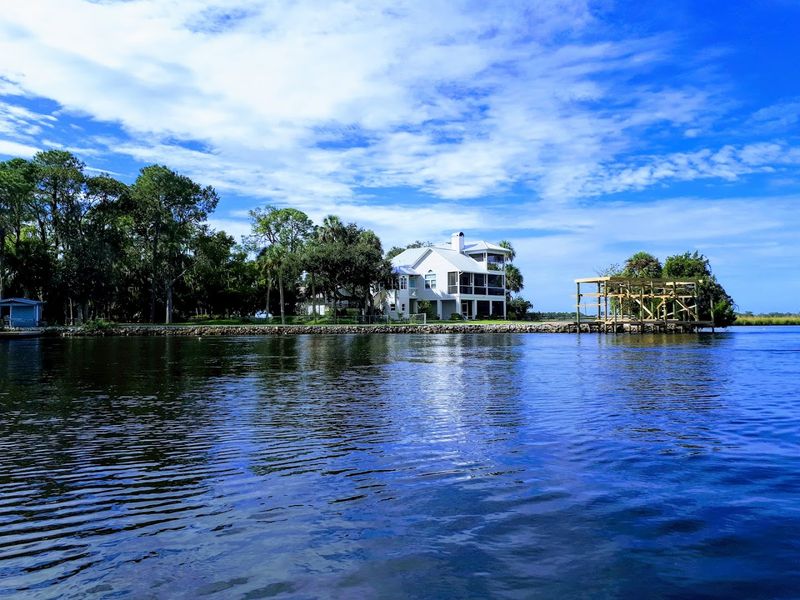
Homosassa is more river village than beach town, and that’s exactly what gives it character. The Homosassa River winds through the heart of the community, and the town’s identity is tied to that freshwater-to-saltwater transition zone where manatees gather in winter and anglers chase snook and tarpon year-round. The vibe is Old Florida Gulf Coast—fishing guides, seafood shacks, tiki bars, and a lot of people who’ve been living here since before the rest of the state got paved over.
The springs are the big draw. Homosassa Springs Wildlife State Park is home to manatees, alligators, and a famous hippo named Lu, but the real magic is the river itself. It’s gin-clear near the headwaters and gradually turns brackish as it flows toward the Gulf, creating a unique ecosystem that supports an incredible variety of fish.
The restaurants here are unpretentious and seafood-focused. You’ll find grouper sandwiches, smoked mullet dip, and stone crab claws served in waterfront spots where the dress code is flip-flops and the view is unbeatable. The bars are the kind of places where locals and visitors mix easily, swapping fishing stories over cold beers.
Homosassa doesn’t have the polish of some Florida beach towns, and that’s precisely the point. It’s rough around the edges, authentic, and deeply connected to the water in a way that feels genuinely Old Florida.
8. Boca Grande
Boca Grande occupies a unique space among Florida’s fishing towns—it’s polished and upscale, yet its identity is still rooted in a long tradition of tarpon fishing that dates back over a century. The island has a timeless quality, with tree-lined streets, historic homes, and a downtown that feels more like a New England village than a typical Florida beach town. But make no mistake: this is a fishing town at heart.
The tarpon run is legendary. Every spring and summer, massive silver kings migrate through Boca Grande Pass, and anglers from around the world come here to chase them. The fishing guides are some of the best in the business, and the local culture revolves around the tides, the bait, and the next big catch.
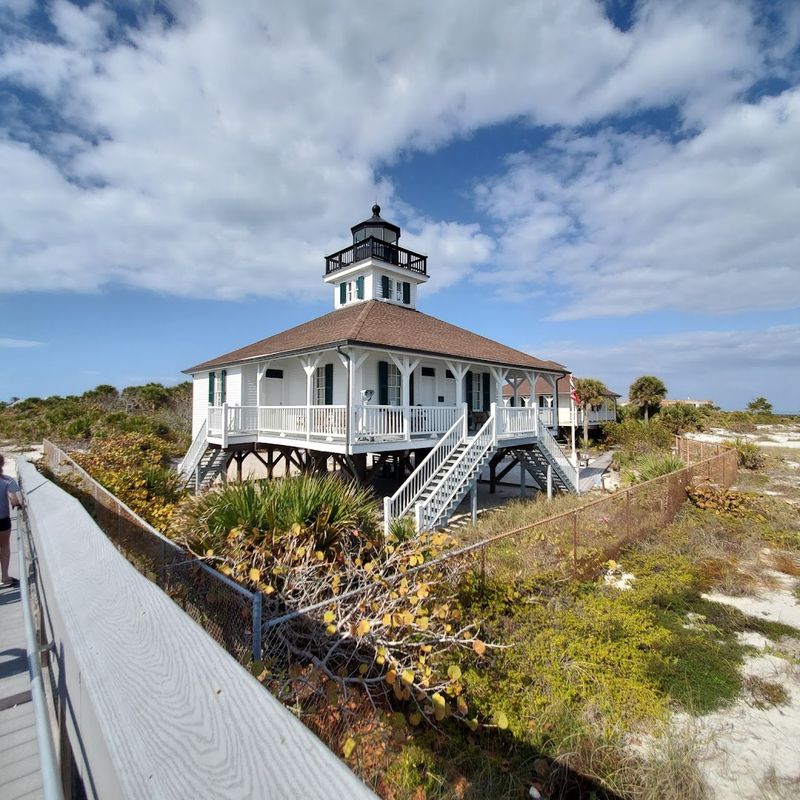
Downtown Boca Grande is charming without being touristy. There are upscale boutiques and restaurants, but also a bait shop, a historic lighthouse, and a marina where you can watch the charter boats come and go. The island has managed to preserve its Old Florida atmosphere even as property values have skyrocketed.
Boca Grande isn’t rough-edged or rustic like some of the other towns on this list, but it’s genuine in its own way. The fishing tradition is real, the community is tight-knit, and the island’s beauty is understated and elegant. It’s a quieter, more refined version of Old Florida, but it’s still deeply connected to the water.
9. Port St. Joe
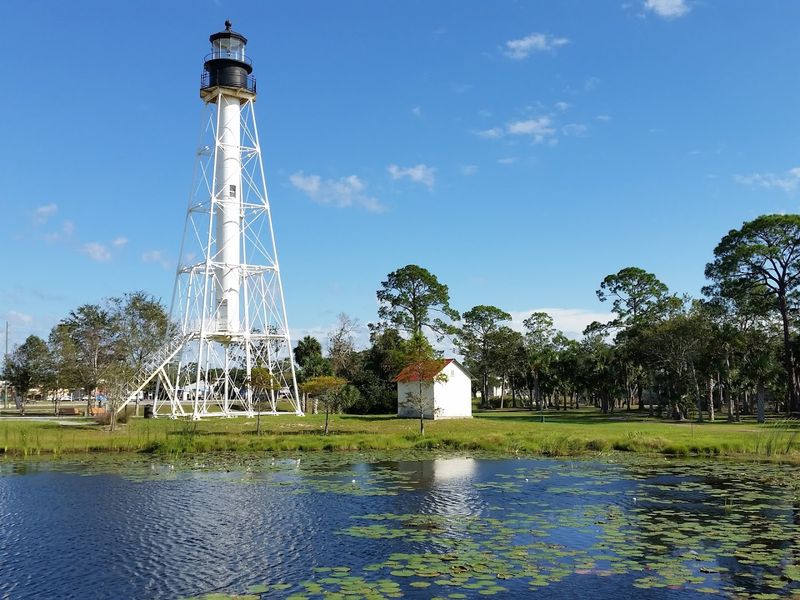
Port St. Joe sits on the Forgotten Coast, tucked between St. Joseph Bay and the Gulf of Mexico, and it’s one of those Panhandle towns that’s managed to stay under the radar despite having some of the best fishing and most beautiful water in the state. The bay is shallow, clear, and loaded with scallops in season, while the Gulf side offers access to deep-water grouper and snapper. The town itself is small, functional, and refreshingly un-touristy.
St. Joseph Bay is the main attraction. The water is calm, clean, and perfect for kayaking, paddleboarding, or wading for scallops. The fishing is excellent—redfish, trout, flounder, and cobia are all common catches—and the scenery is postcard-perfect without feeling overdeveloped.
Cape San Blas, just a short drive away, offers miles of undeveloped beach and some of the clearest water on the Gulf Coast.
Downtown Port St. Joe is small but has the essentials: a few good restaurants, a bait shop, a marina, and a handful of local bars where the fishing reports are always accurate. The town has a working-class feel, and the locals are proud of the area’s natural beauty and fishing heritage.
Port St. Joe is the kind of place you go when you want great fishing, beautiful water, and zero crowds. It’s quiet, authentic, and still very much a fishing town at heart.