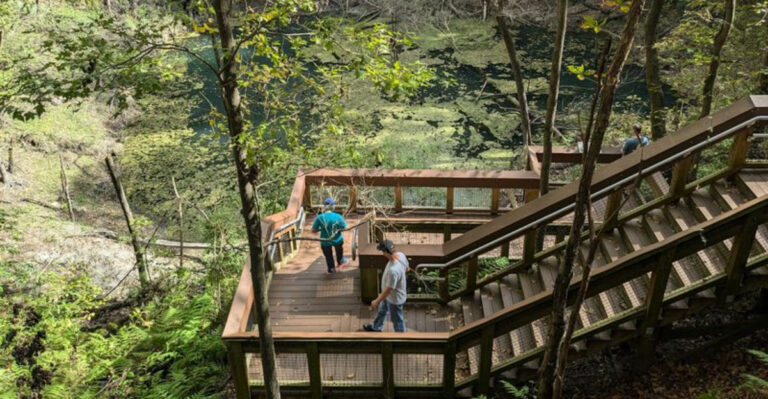
This Wonderfully Weird Orlando Building Is One of Florida’s Most Entertaining Attractions

That upside-down building on International Drive isn’t a mirage or some weird optical illusion gone wrong. It’s WonderWorks Orlando, and it’s exactly as wild inside as it looks from the outside. This interactive science museum disguised as an amusement park has been turning heads and blowing minds since it landed in Orlando, offering over 100 hands-on exhibits that make learning feel like pure fun.
Whether you’re dodging through laser tag, defying gravity on a ropes course, or testing your limits in a hurricane simulator, this place proves that education and entertainment don’t just mix—they create something unforgettable.
1. The Upside-Down Building That Stops Traffic
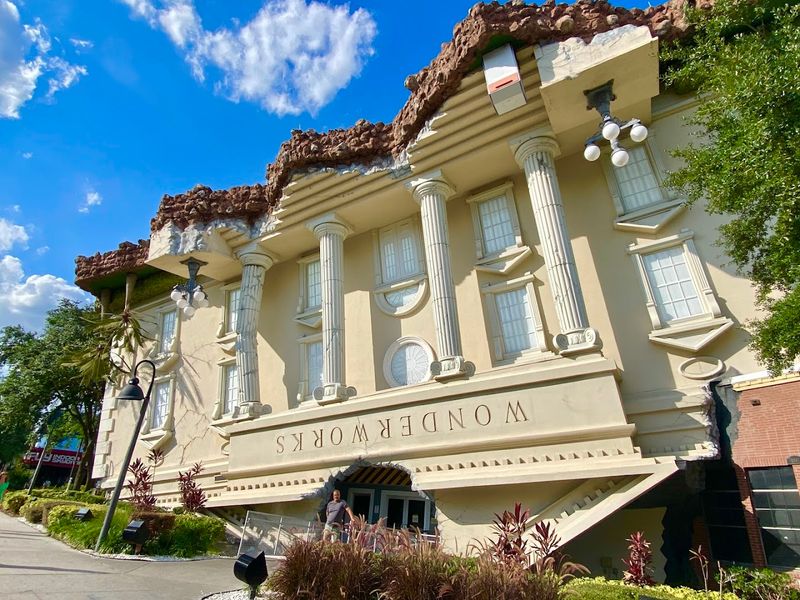
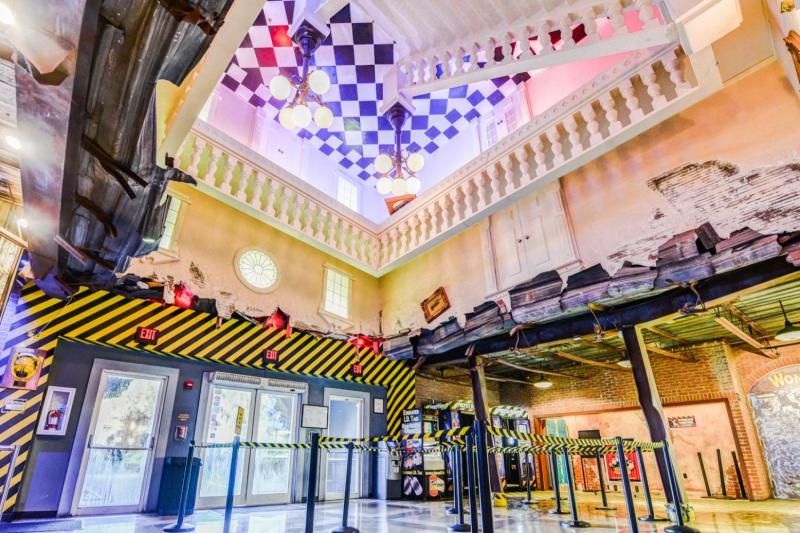
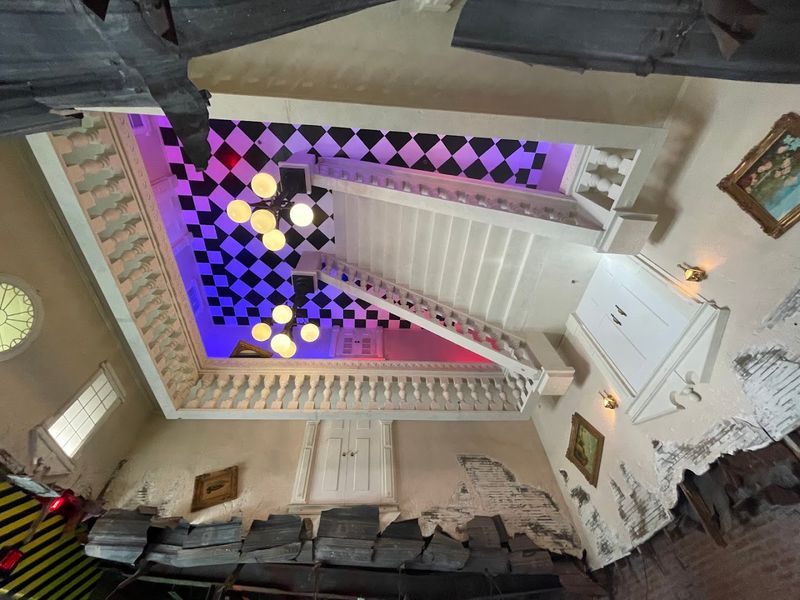
You can’t miss this place even if you tried. The entire building looks like a 1920s brick structure that got picked up by a tornado and slammed back down upside-down. Palm trees stick out from what should be the roof, and the whole thing defies every architectural rule you thought you knew.
The backstory is equally bonkers. According to the attraction’s lore, a top-secret research facility in the Bermuda Triangle got swept up by a tornado and crash-landed in the heart of Orlando’s tourist district. The scientists inside just shrugged and decided to open it to the public instead of fixing it.
This isn’t just clever marketing. The inverted facade creates one of the most photographed spots on International Drive, and it sets the tone perfectly for what’s waiting inside. Before you even buy a ticket, you’re already questioning reality.
The building serves as a giant advertisement that actually works. Families driving past can’t help but pull over for photos, and that curiosity usually leads them straight through the doors. It’s theatrical, it’s weird, and it’s absolutely intentional.
The exterior promises something different from the usual theme park experience, and somehow, the inside actually delivers on that promise.
2. Over 100 Hands-On Science Exhibits
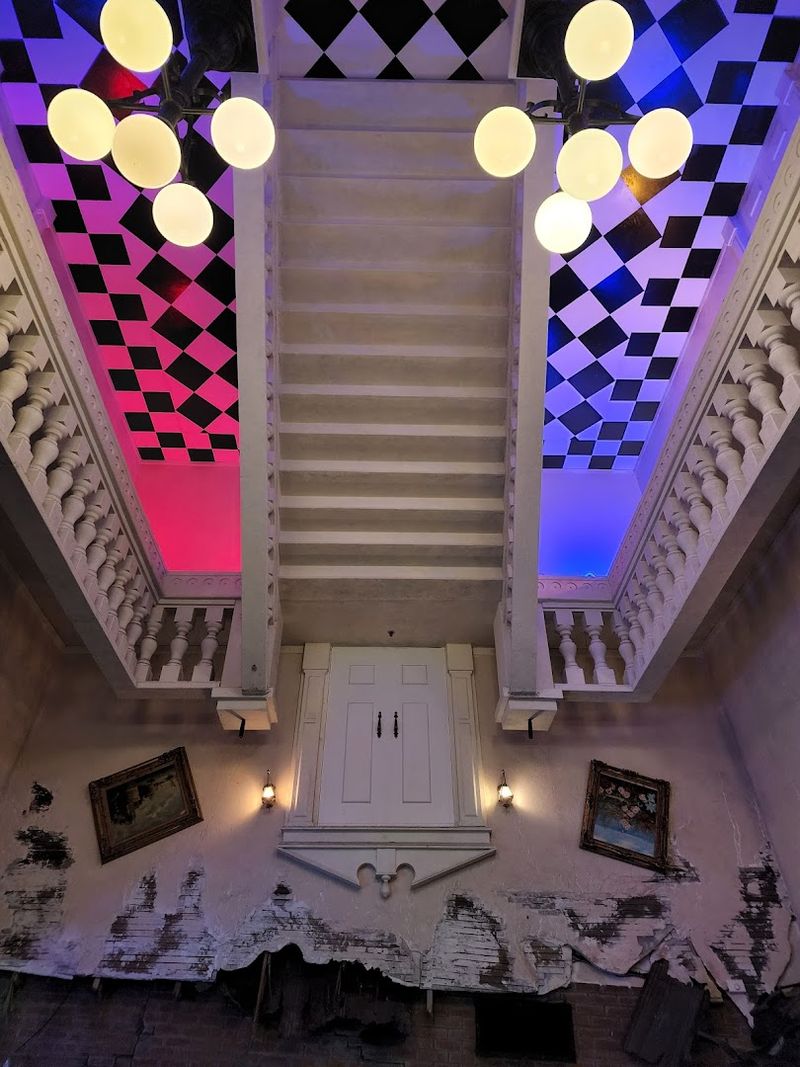
Forget roped-off displays and “do not touch” signs. Every single exhibit here demands that you poke it, pull it, climb on it, or otherwise mess with it. The bubble lab lets you create massive soap spheres.
The bed of nails actually supports your weight without turning you into a pincushion. The invisible piano plays real notes when you break its laser beams.
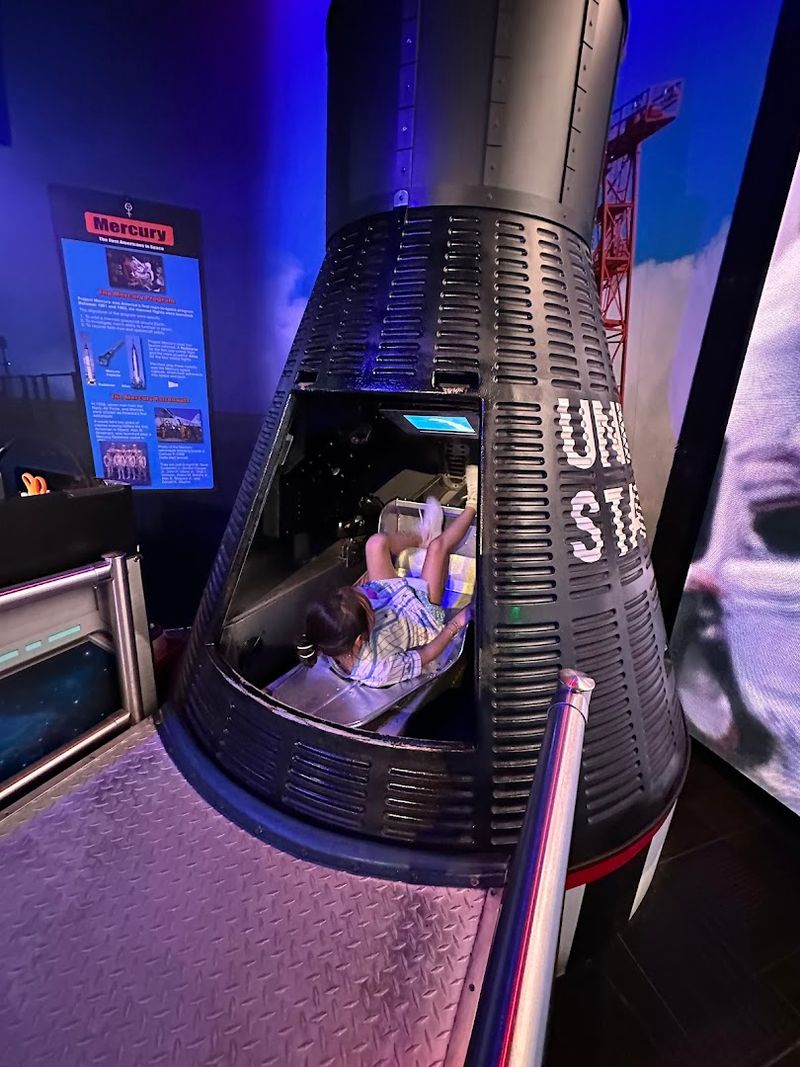
Each floor tackles different scientific concepts without feeling like a classroom. Natural disasters get their own zone where you can experience earthquake tremors and hurricane-force winds. Space exploration takes over another section with anti-gravity simulators and landing challenges.
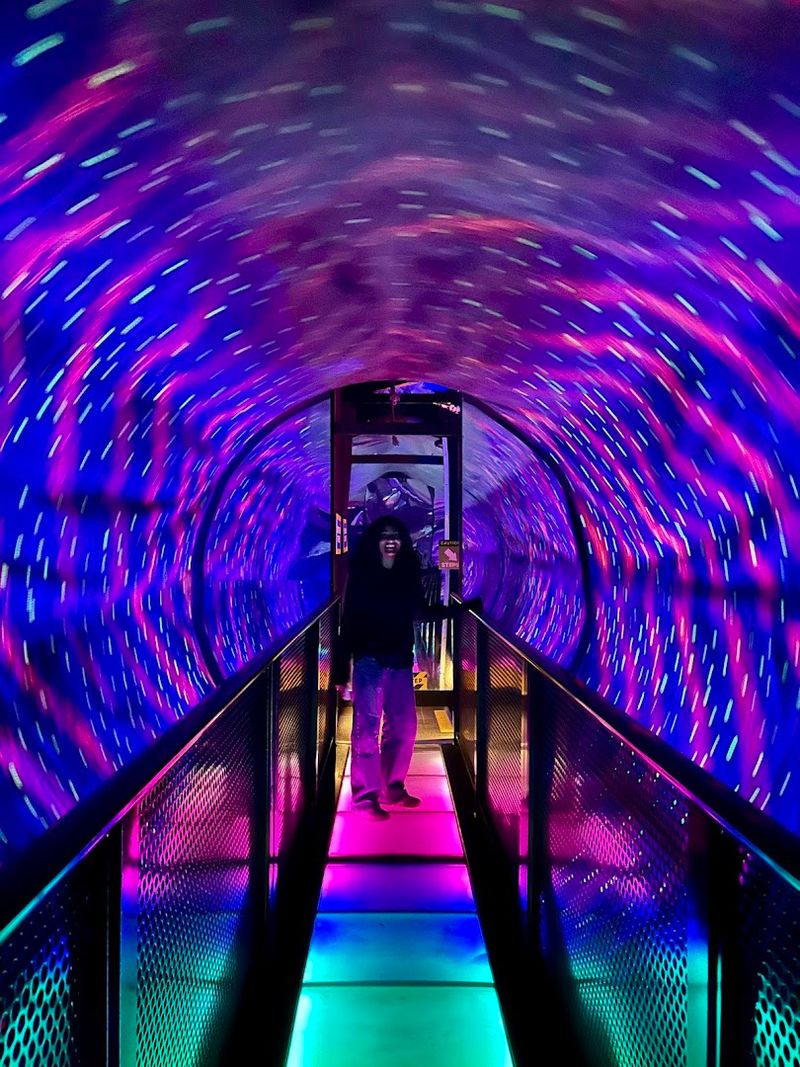
Physical sciences dominate areas filled with optical illusions that’ll have you questioning what your eyes are telling you.
The beauty here is the lack of age limits. A seven-year-old can enjoy the same exhibit as their parent, just on different levels of understanding. Kids love the immediate cause-and-effect reactions, while adults appreciate the scientific principles being demonstrated.
Nothing feels dumbed down or overly complicated.
Plan to spend at least two hours just on the exhibits alone. Rushing through defeats the purpose since the real magic happens when you take time to actually experiment and play. Some families report spending four or five hours here without touching the arcade or additional attractions, which says everything about how engaging these hands-on stations really are.
3. The Ropes Course That Tests Your Nerve
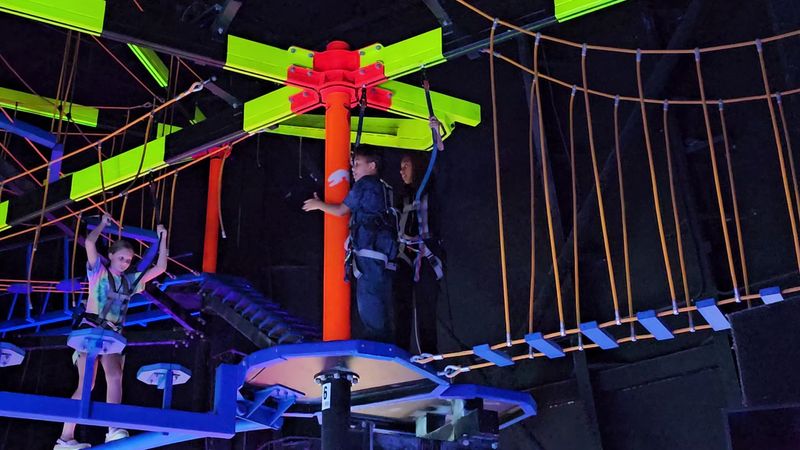
Suspended three stories above the ground floor, this glow-in-the-dark ropes course isn’t for the faint of heart. You’re strapped into a safety harness and sent wobbling across suspended bridges, balance beams, and cargo nets while the rest of the museum buzzes below you. The obstacles get progressively harder as you work your way around the course.
The height factor messes with people more than they expect. Even though you’re completely secured with modern safety equipment, your brain keeps screaming that you’re about to fall. That mental battle between logic and instinct creates a genuine adrenaline rush that you don’t get from ground-level exhibits.
Staff members monitor the course constantly and help nervous climbers work through their fears. They’ve seen it all—kids who freeze halfway through, adults who conquer their fear of heights, families cheering each other on from below. The encouragement is real, not scripted.
Completing the course delivers a legitimate sense of accomplishment. It’s physically challenging enough to feel like a workout, mentally demanding enough to require focus, and scary enough to feel like a real achievement. Parents often find themselves more intimidated than their kids, which creates funny role-reversal moments where children become the brave ones coaching their nervous parents across wobbly planks suspended in mid-air.
4. Laser Tag in a Glow-in-the-Dark Arena
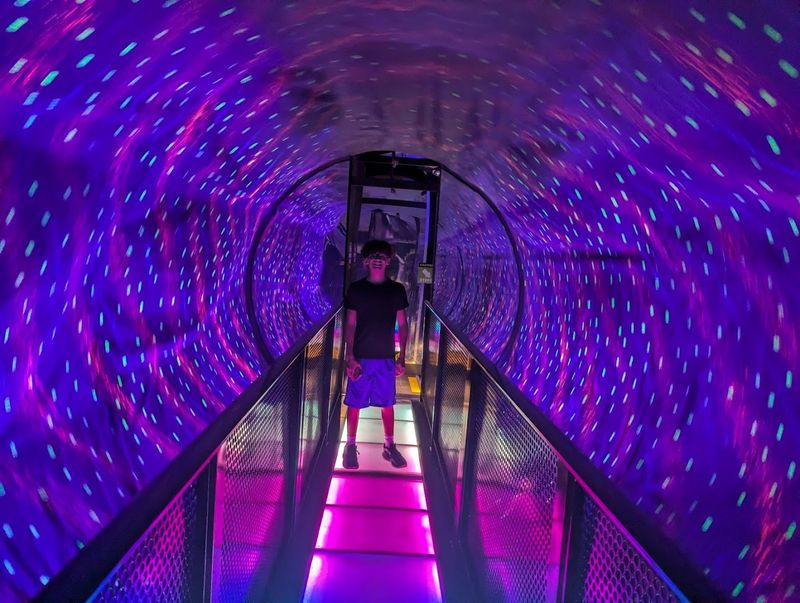
The basement level transforms into a competitive battlefield where strategy matters as much as speed. Teams split up and hunt each other through a maze of glowing obstacles, trying to tag opponents with infrared lasers while protecting their own base. The darkness gets broken up by neon paint that glows under black lights, creating just enough visibility to navigate without giving away positions.
Games run on a timer, so there’s constant pressure to rack up points before the buzzer sounds. You can play as individuals or form teams, and the scoring system tracks everything—hits, accuracy, base captures. Competitive families turn this into serious business, developing strategies and calling plays like it’s the Super Bowl.
The arena is surprisingly spacious compared to other laser tag venues. Multiple levels and hiding spots mean you’re not just running in circles. Veterans learn the layout and use it to their advantage, setting up ambushes and controlling key choke points.
First-timers usually just sprint around randomly until they figure out that tactics actually help.
It’s included in your general admission ticket, which makes it an incredible value compared to standalone laser tag facilities. You can play multiple rounds throughout your visit without paying extra. Some guests hit the exhibits first to rest between laser tag sessions, treating it like their reward for all that educational content.
5. The Earthquake Simulator That Shakes Things Up
Step onto a platform designed to recreate the 1989 San Francisco earthquake, and suddenly you’re grabbing railings for dear life. The floor starts rumbling, then really shaking, and before you know it you’re stumbling around trying to stay upright while the whole world seems to tilt sideways. It’s startling even when you know it’s coming.
The simulator doesn’t just vibrate like a massage chair. It recreates the actual rolling, jerking motion of a 5.3 magnitude quake using hydraulics and precise engineering. Standing becomes genuinely difficult as your balance systems freak out trying to compensate for the moving ground beneath you.
Educational panels around the exhibit explain earthquake science, tectonic plates, and seismic waves. But honestly, the physical experience teaches more than any placard ever could. Feeling that helplessness when solid ground stops being solid creates instant empathy for people who live in earthquake zones.
Kids think it’s hilarious watching their parents stumble around. Adults come away with newfound respect for the power of natural disasters. Some people ride it multiple times trying to stay standing through the whole sequence, turning it into a personal challenge.
The experience only lasts about a minute, but it leaves a lasting impression about forces of nature that most Florida residents never have to consider in their hurricane-focused emergency planning.
6. The Hurricane Shack Wind Experience
A small enclosed booth pumps out 65-mile-per-hour winds straight into your face, and suddenly you understand why meteorologists tell people to evacuate during major storms. Your cheeks flap like a cartoon character. Your hair goes completely horizontal.
Breathing requires actual effort as the wind tries to steal the air from your lungs.
Florida residents especially appreciate this exhibit since hurricanes hit the state regularly. Experiencing sustained high winds in a safe environment gives concrete meaning to wind speed warnings that usually just sound like numbers on a forecast. The difference between 40 mph and 65 mph winds becomes crystal clear when you’re actually leaning into the gale.
The booth is small, so groups usually take turns while others watch from outside. The viewing creates half the entertainment as people’s faces distort under the wind pressure. Everyone emerges with wild hair and a new appreciation for storm chasers who work in these conditions regularly.
It’s quick—maybe 30 seconds of sustained wind—but the impact lasts. Some visitors report thinking about this exhibit months later when watching hurricane coverage on the news. That’s the kind of experiential learning that sticks with you far longer than reading facts in a textbook.
The hurricane shack turns abstract weather data into visceral understanding, and it does it in less than a minute of wind-blown chaos.
7. The 6D Motion Theater Ride
Strap into a moving seat, put on 3D glasses, and prepare for a ride that combines motion simulation with sensory effects. The seats tilt, drop, and spin in sync with the action on screen while air blasts, water sprays, and other effects assault your senses. It’s like a theme park ride without the actual roller coaster.
The theater cycles through different films, so repeat visitors can experience new content. Options usually include dinosaur escapes, space battles, and other high-action scenarios that justify all the jerking around. Each film runs about five minutes, packing maximum thrills into a short timeframe.
This attraction works particularly well for guests who love theme park rides but can’t handle the real thing. Motion sickness sufferers and people with physical limitations can experience similar thrills in a controlled, safer environment. The intensity is real enough to satisfy thrill-seekers but tame enough to avoid making people genuinely sick.
It’s included in your ticket price, making it another value-add that could easily be a separate upcharge at other attractions. Some families use it as a rest break since you’re sitting down, though calling it relaxing would be a stretch given all the jolting and spinning. The combination of visual effects and physical motion creates surprisingly convincing illusions.
Your brain struggles to separate the simulated movement from real movement, which is exactly the point of good 6D technology.
8. Perfect Indoor Escape from Florida Heat
Orlando summers are brutal. Temperatures push past 95 degrees with humidity that makes you feel like you’re breathing through a wet towel. Theme parks become endurance tests where you’re counting down minutes until you can duck into an air-conditioned shop.
WonderWorks solves this problem by keeping everything indoors under powerful climate control.
You can spend four or five hours here without ever stepping outside or feeling the heat. That matters enormously during peak summer months when outdoor attractions become survival challenges. Families with young children especially appreciate not having to worry about heat exhaustion, sunburn, or constant hydration breaks.
The climate control stays consistent throughout the building. There are no hot zones or stuffy corners where the AC can’t keep up. Even when the place fills with weekend crowds, the temperature remains comfortable.
That’s impressive considering how much body heat hundreds of active visitors generate.
Rainy days see crowds spike as tourists scramble for indoor entertainment. Smart visitors use weather forecasts to their advantage, hitting outdoor attractions on clear days and saving WonderWorks for when storms roll through. The building’s hours extend until midnight most nights, so you can even avoid daytime heat entirely by visiting in the evening when temperatures finally drop to merely uncomfortable instead of dangerous.